


- The 20 Musicians Who Said No to Fame - September 21, 2026
- 20 Novels You’ll Think About Every Time You Travel - September 21, 2026
- 15 Festivals Happening This June You’ll Wish You Knew About Sooner - September 21, 2026
From the Earth to the Moon by Jules Verne
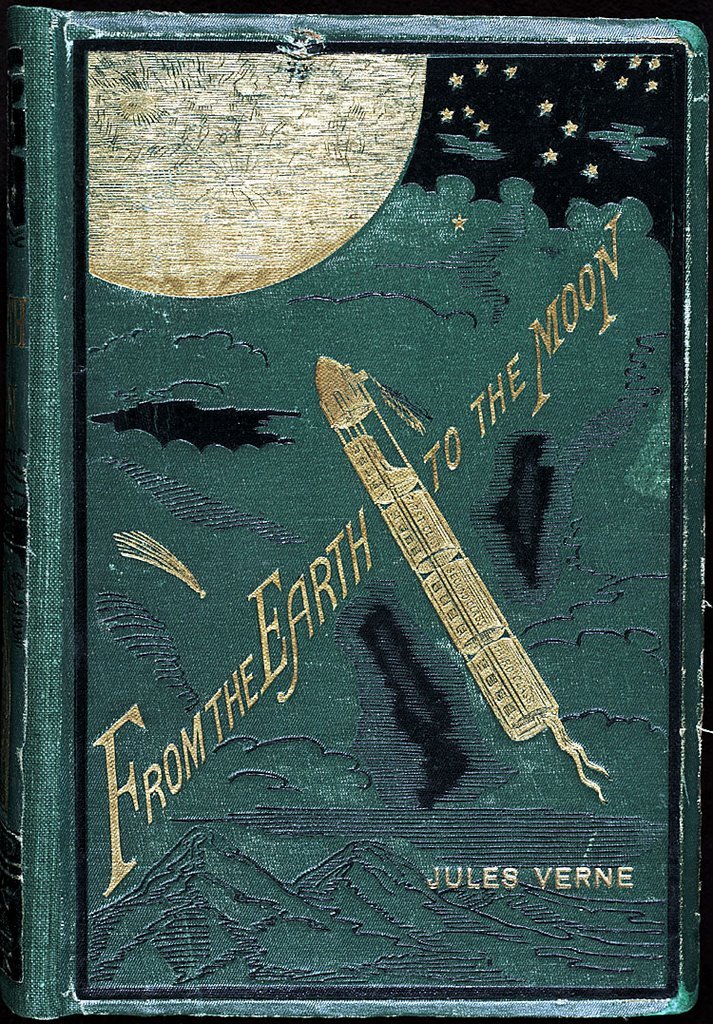
Jules Verne’s classic novel, published in 1865, set the tone for what would become humankind’s greatest adventure: reaching for the moon. The book tells the story of a group of Americans who build a massive cannon to shoot a projectile to the moon. What’s astonishing is just how eerily Verne’s vision predicted real scientific concepts—his launch site was in Florida, just like NASA’s Kennedy Space Center. The characters even experienced weightlessness, decades before anyone else imagined it. American rocket pioneers like Robert Goddard credited this story for sparking their dreams. Verne’s mix of science, adventure, and optimism planted seeds in countless young minds, stoking a belief that space travel was not just fantasy, but possible.
War of the Worlds by H.G. Wells

Published in 1898, War of the Worlds introduced Americans to the idea of interplanetary conflict and the unknown dangers of outer space. Wells’ Martian invaders weren’t just entertainment; they pushed readers to imagine what advanced technology might look like. Scientists and engineers, including those at NASA, often referenced this book as a childhood influence. Its famous radio adaptation in 1938 even caused mass panic, showing the power of science fiction to grip the public imagination. The sense of urgency and wonder in Wells’ writing helped fuel early American interest in both defense and exploration—key factors as the space race heated up.
Rockets: The Future of Travel Beyond the Stratosphere by Willy Ley
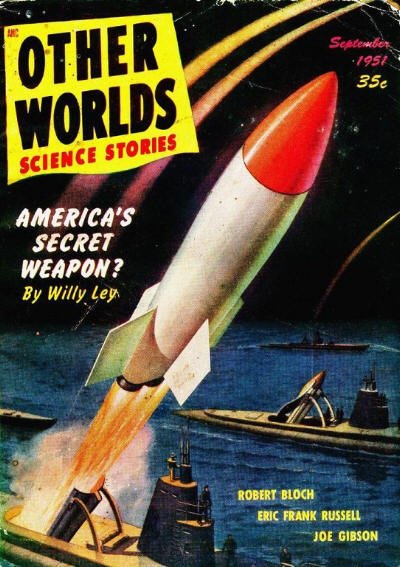
Willy Ley, a German-American science writer, published this foundational book in 1944. He explained rocket science in plain language, making it accessible to everyday Americans. Ley’s passion for rocketry was contagious, and his work inspired a new generation of scientists. The book dove into concepts like liquid-fueled engines and orbital mechanics, which became staples of American aerospace programs. Ley’s advocacy didn’t just popularize space travel; it directly influenced policymakers, engineers, and students who would later work at NASA and other institutions.
Conquest of Space by Chesley Bonestell and Willy Ley
This 1949 book was a game-changer, combining Willy Ley’s scientific explanations with Chesley Bonestell’s breathtaking illustrations. The artwork visualized space stations, lunar bases, and interplanetary travel in a way no one had seen before. American readers were mesmerized—suddenly, space didn’t seem so far away. Bonestell’s imagery influenced not just public perception, but also the designs of early NASA missions. The book became a staple in schools and libraries, helping to foster the collective dream of space exploration.
The Mars Project by Wernher von Braun
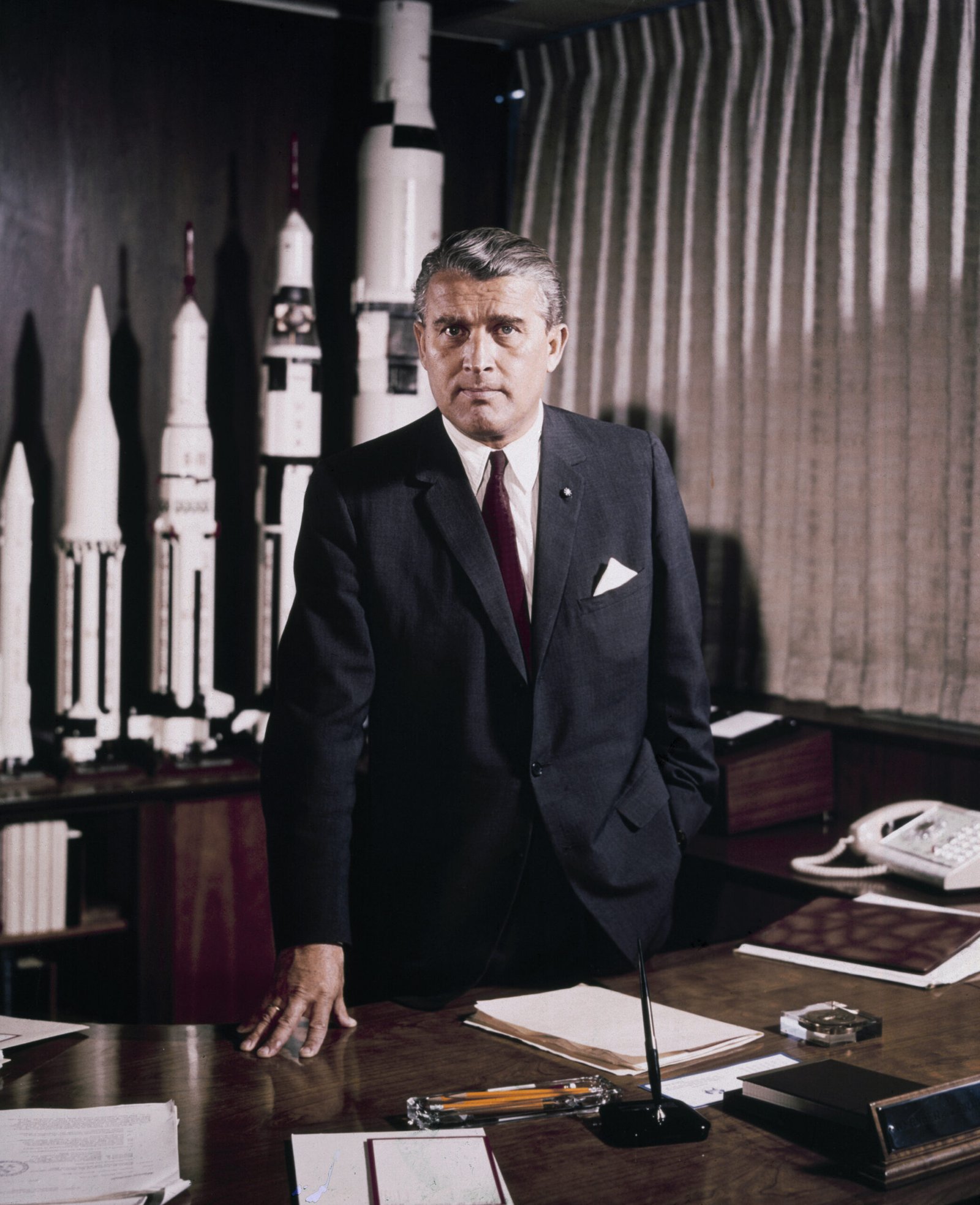
Published in 1952, The Mars Project outlined a detailed plan for a manned mission to Mars. Wernher von Braun, a key figure in the U.S. space program, used this book to show that interplanetary travel was not only imaginable, but plausible. His technical approach inspired American scientists and helped shape early NASA goals. The book’s influence stretched beyond engineers—politicians and the public began to see space as the next frontier. Von Braun’s vision quickly became a blueprint for real-world projects, especially during the early years of the space race.
Rocket Ship Galileo by Robert A. Heinlein
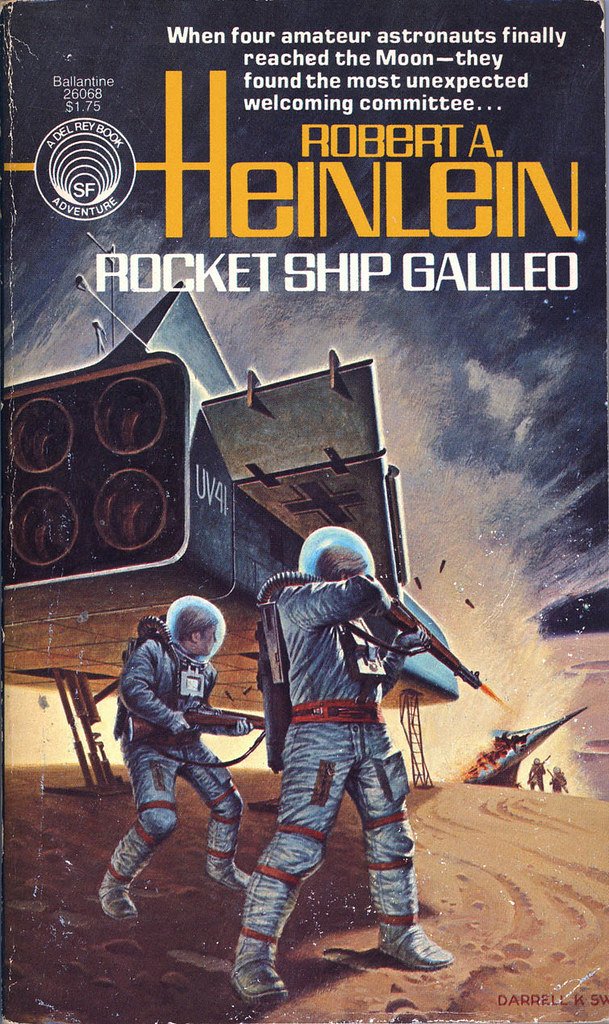
Robert Heinlein’s 1947 novel told the story of teenagers building a rocket and flying to the moon. This idea, wild as it sounds, resonated deeply with American youth. The book painted space exploration as an achievable goal for ordinary people, not just scientists. Heinlein’s emphasis on teamwork, innovation, and determination echoed the values later championed by NASA. Many engineers and astronauts who joined the space program in the 1960s cited Heinlein’s work as an early inspiration.
First Men to the Moon by Wernher von Braun
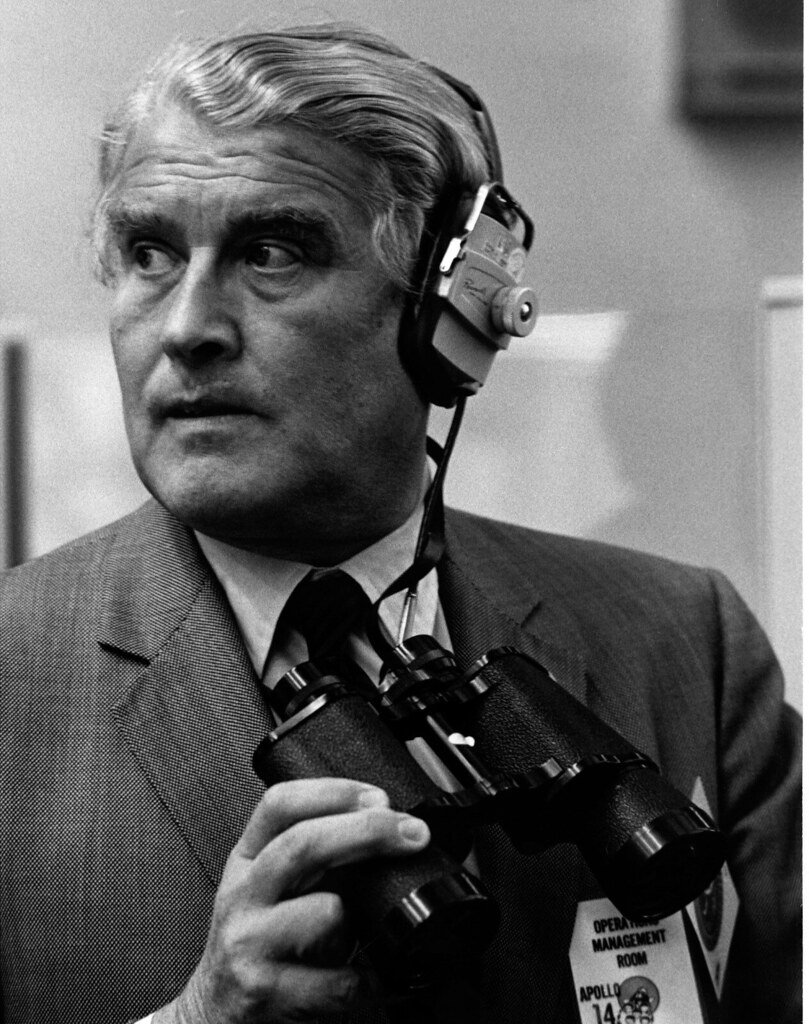
Wernher von Braun returned with this 1960 book, aimed at young readers, to spark even more interest in space travel. Using simple language and vivid illustrations, von Braun broke down the science behind lunar missions. He described everything from rocket launches to lunar landings, making the process feel exciting and accessible. The book was distributed in schools, where it ignited the imaginations of future scientists and astronauts. Von Braun’s storytelling helped create a sense of inevitability around the moon landing, encouraging Americans to believe in the mission.
Space Flight: The Coming Exploration of the Universe by Lester del Rey

Lester del Rey’s 1954 book took readers on a tour of the universe, explaining how rockets worked and what it would take to reach other planets. He combined solid science with a contagious sense of wonder. Del Rey’s writing made space feel closer and more real, fueling the competitive spirit that defined the Cold War era. This book influenced teachers and students alike, helping establish the space race as a national priority. It also contributed to the growing public demand for more investment in science education.
The Exploration of Space by Arthur C. Clarke
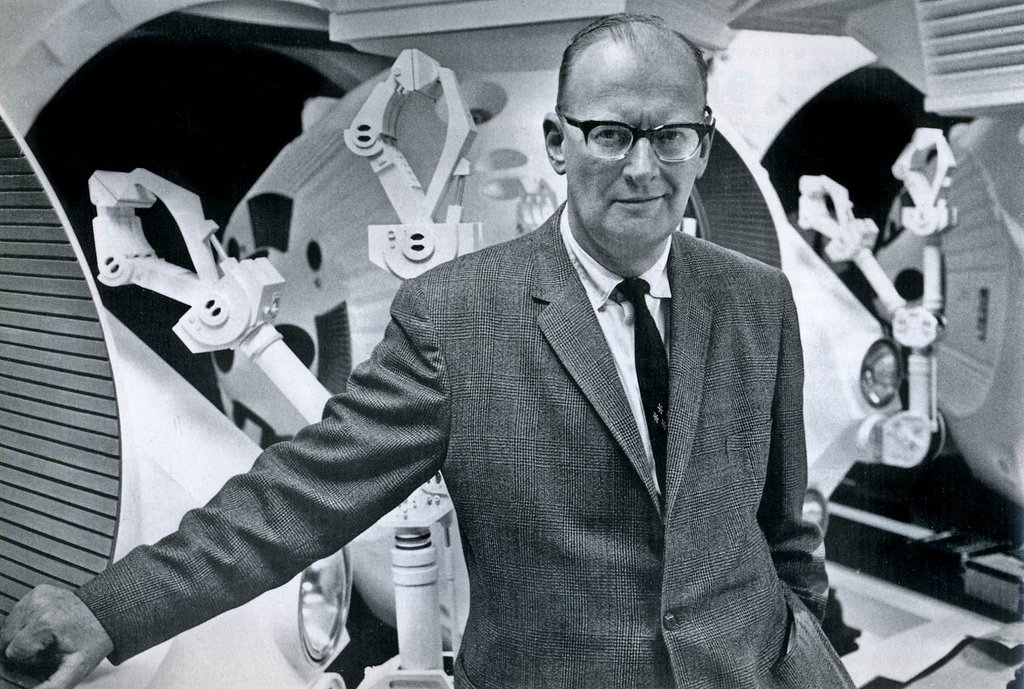
Arthur C. Clarke, best known for 2001: A Space Odyssey, published this nonfiction work in 1951. Clarke anticipated satellite communications and lunar missions, making bold predictions that turned out to be remarkably accurate. American scientists and engineers often cited Clarke’s clear explanations as a guiding influence. The book didn’t just inform; it motivated readers to take action. Clarke’s vision helped convince both policymakers and the public that space exploration was not just a dream, but a realistic and necessary pursuit.
Profiles of the Future by Arthur C. Clarke
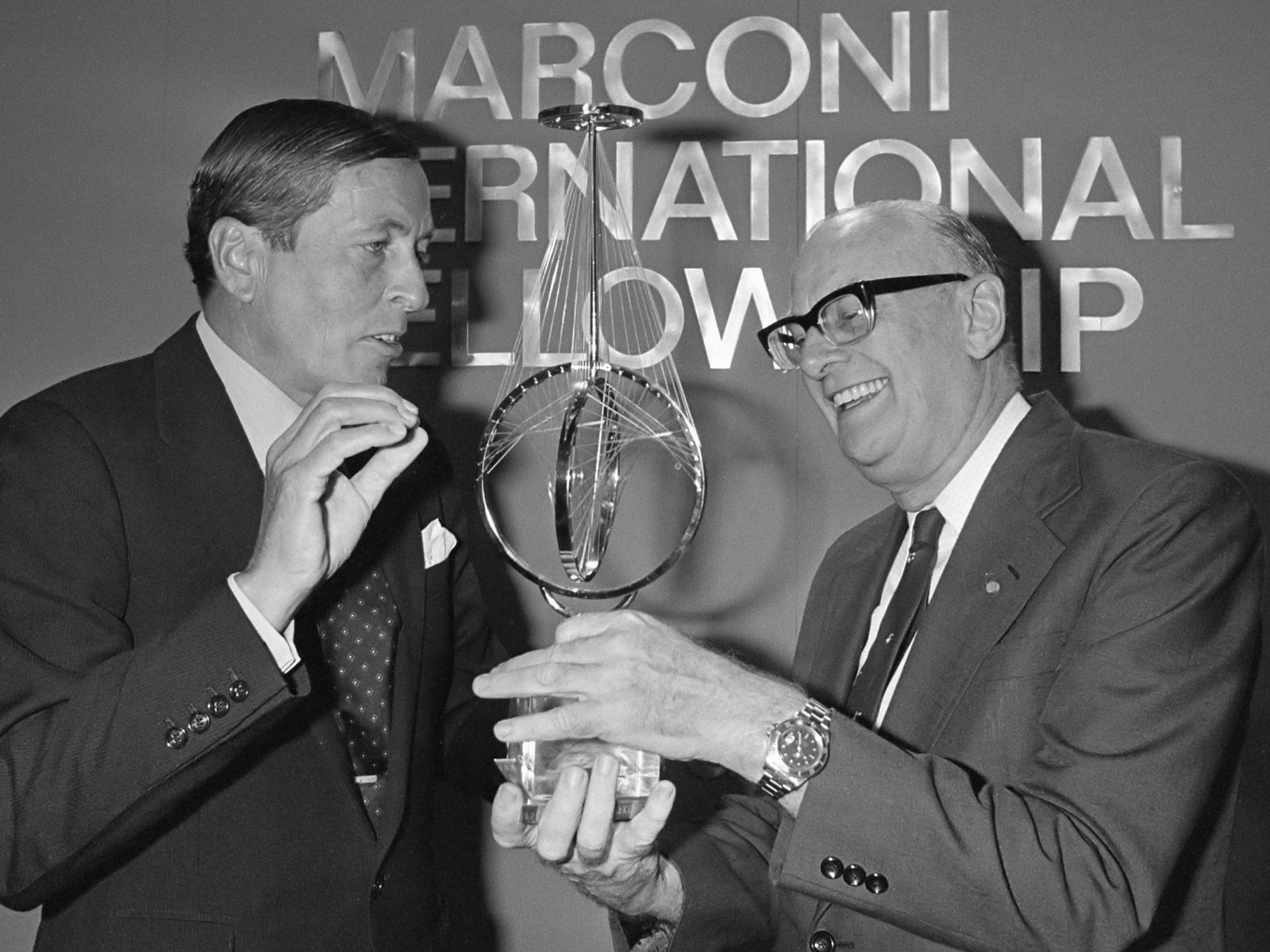
Released in 1962, Profiles of the Future mapped out the technologies that would shape humanity’s destiny—including space travel. Clarke explored the limits of science and speculated on breakthroughs that seemed impossible at the time. His optimism and clarity encouraged Americans to keep pushing boundaries. The book became a touchstone for visionaries and skeptics alike, offering a roadmap for space exploration that inspired many at NASA. Clarke’s belief in the power of imagination was infectious, sparking countless conversations about what might be possible.
Starman Jones by Robert A. Heinlein
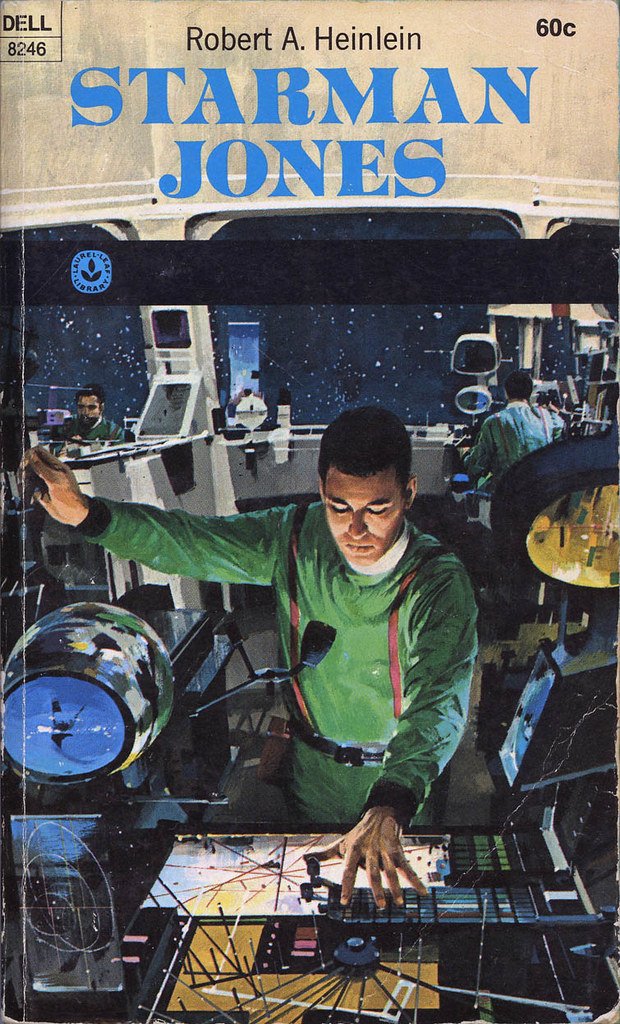
Starman Jones, published in 1953, follows a young man’s journey from humble beginnings to piloting a starship. Heinlein’s storytelling resonated with Americans during the 1950s, a time when the country was searching for new heroes. The book emphasized self-reliance, ingenuity, and courage—traits that became closely associated with the American space program. Many future engineers credited this novel for influencing their career paths. Heinlein’s belief in the potential of ordinary people matched the democratic spirit of the space race.
Across the Space Frontier by Cornelius Ryan, Wernher von Braun, and Others
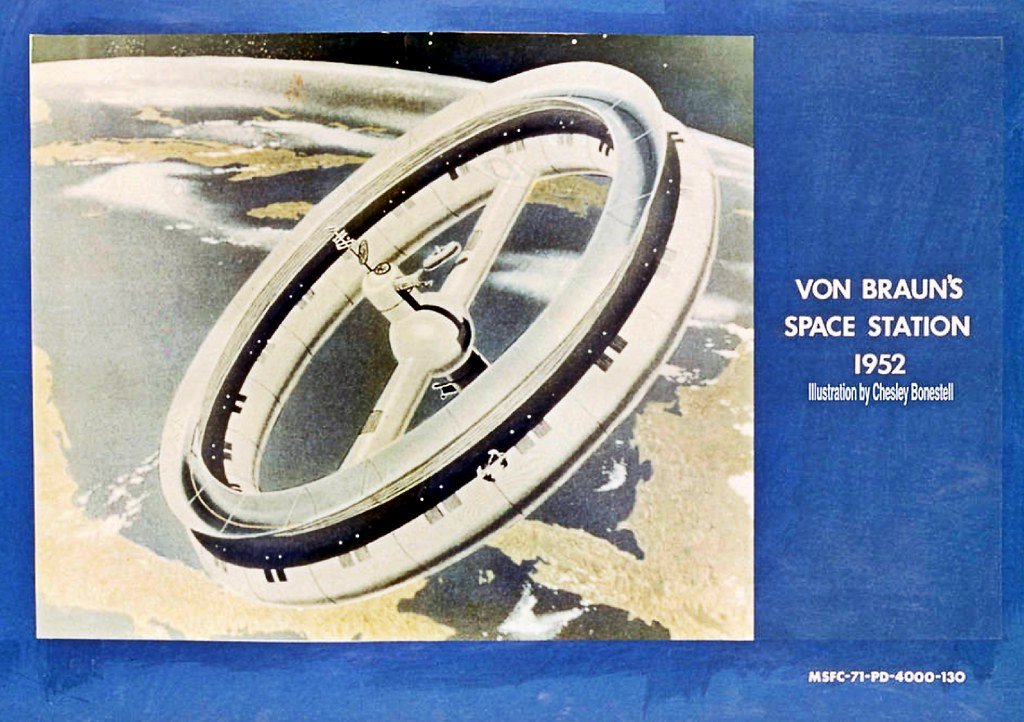
This 1952 collaboration brought together scientists and journalists to explain how humans might build and live in space stations. The book was packed with technical details and visionary plans, making space seem tangible. It reached a wide audience, including teachers, students, and policymakers. The detailed illustrations and step-by-step explanations helped demystify complex ideas, paving the way for public support of space initiatives. The book’s influence was felt in the design of early orbiting laboratories and spacecraft.
Sputnik: The Shock of the Century by Paul Dickson

Paul Dickson’s 2001 book tells the dramatic story of how the Soviet Union’s launch of Sputnik in 1957 stunned America and launched the space race. Using interviews, archives, and statistics, Dickson describes the immediate impact on U.S. society. School curriculums changed overnight, with new emphasis on math and science. Politicians poured money into research and development, leading to the creation of NASA in 1958. Dickson’s account reminds readers how a single event can shift the course of history.
The Right Stuff by Tom Wolfe
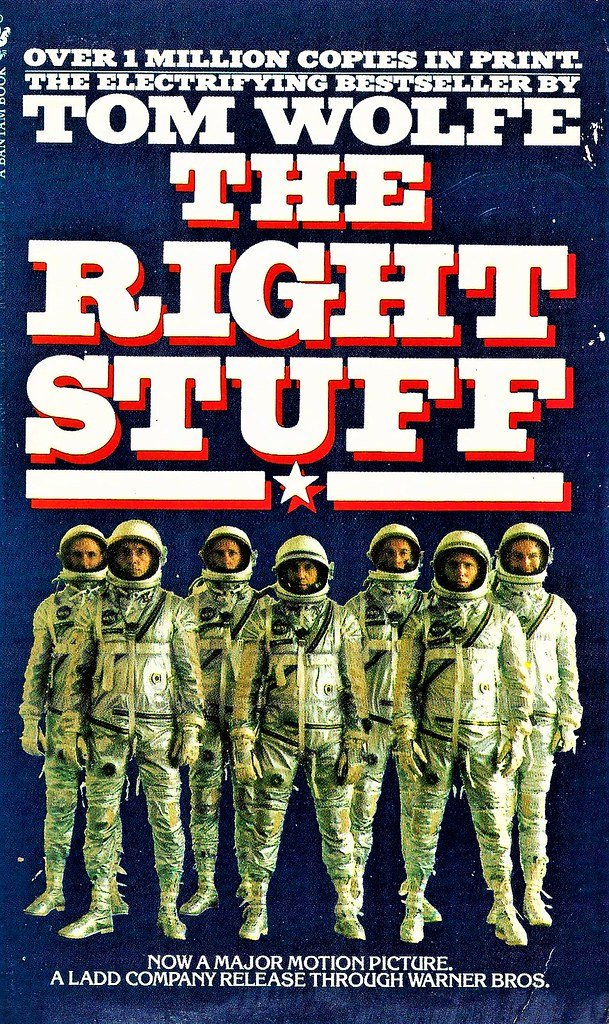
Tom Wolfe’s 1979 bestseller dives into the lives of America’s early astronauts. Using extensive interviews and research, Wolfe captured the raw courage and ambition that defined the Mercury and Apollo programs. The book revealed the intense competition and camaraderie behind the scenes, helping the public understand the human side of space exploration. Wolfe’s vivid storytelling brought national attention to the astronauts’ sacrifices and triumphs, making them household names and role models for future generations.
We Seven by The Mercury Astronauts
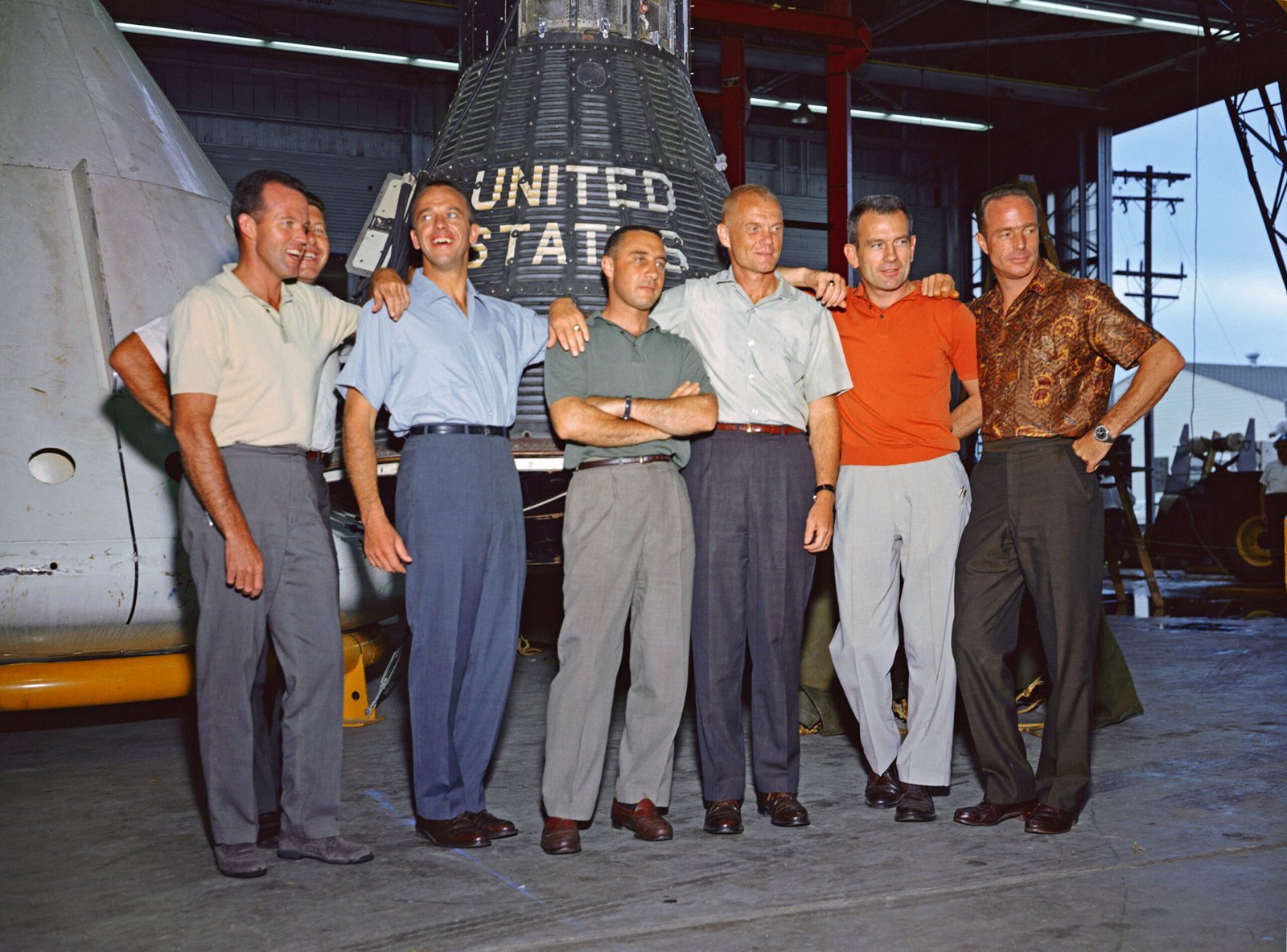
Published in 1962, this firsthand account by America’s first astronauts offered an inside look at the nation’s fledgling space program. The astronauts—Alan Shepard, John Glenn, and others—shared their hopes, fears, and motivations. Their stories inspired millions, especially young people who dreamed of reaching the stars. The book’s honesty and excitement helped build public support for NASA’s missions. It also provided a valuable historical record of the early days of the space race.
Carrying the Fire: An Astronaut’s Journeys by Michael Collins
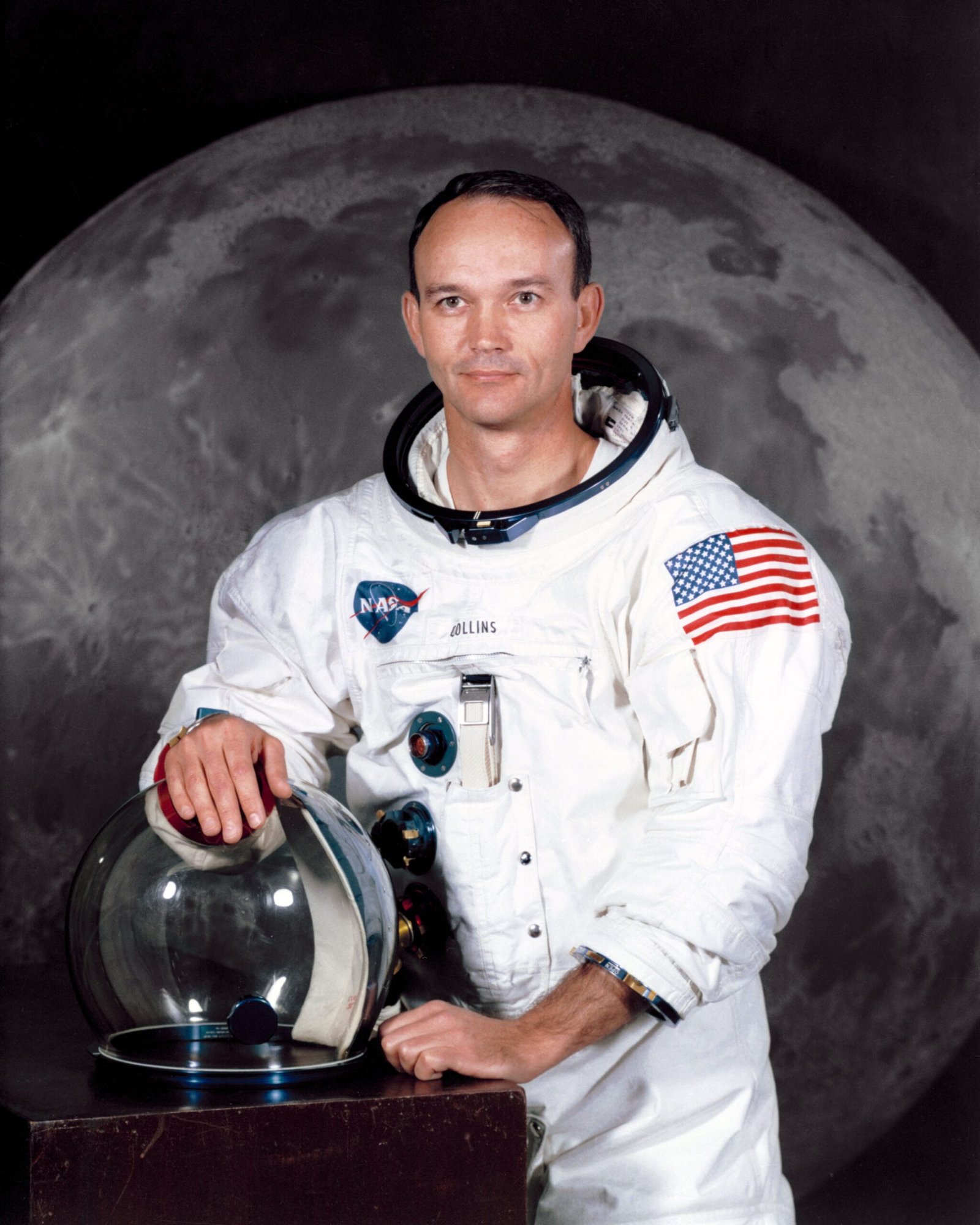
Michael Collins, the Apollo 11 astronaut who orbited the moon while Neil Armstrong and Buzz Aldrin landed, wrote this memoir in 1974. Collins offered a thoughtful, sometimes humorous perspective on the challenges of spaceflight. His book became a favorite among engineers and flight controllers for its technical accuracy and candor. Collins explained the teamwork and discipline required for success, reinforcing the values that helped America win the space race. His reflections also humanized the experience, making it relatable for ordinary readers.
Failure Is Not an Option by Gene Kranz
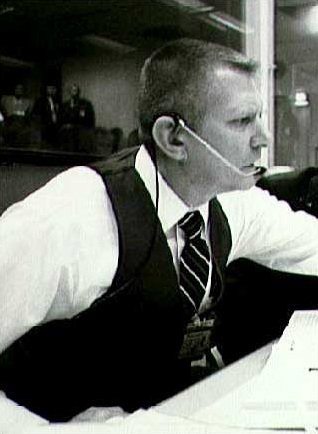
Gene Kranz, NASA’s legendary flight director, published this book in 2000. He provided a behind-the-scenes look at mission control during some of NASA’s most dramatic moments, including Apollo 13. Kranz’s leadership style and attention to detail became a model for engineers and managers everywhere. His emphasis on preparation and resilience reflected the mindset that propelled America to the moon. The book reinforced the idea that overcoming failure was essential to progress, both in space and on Earth.
Hidden Figures by Margot Lee Shetterly
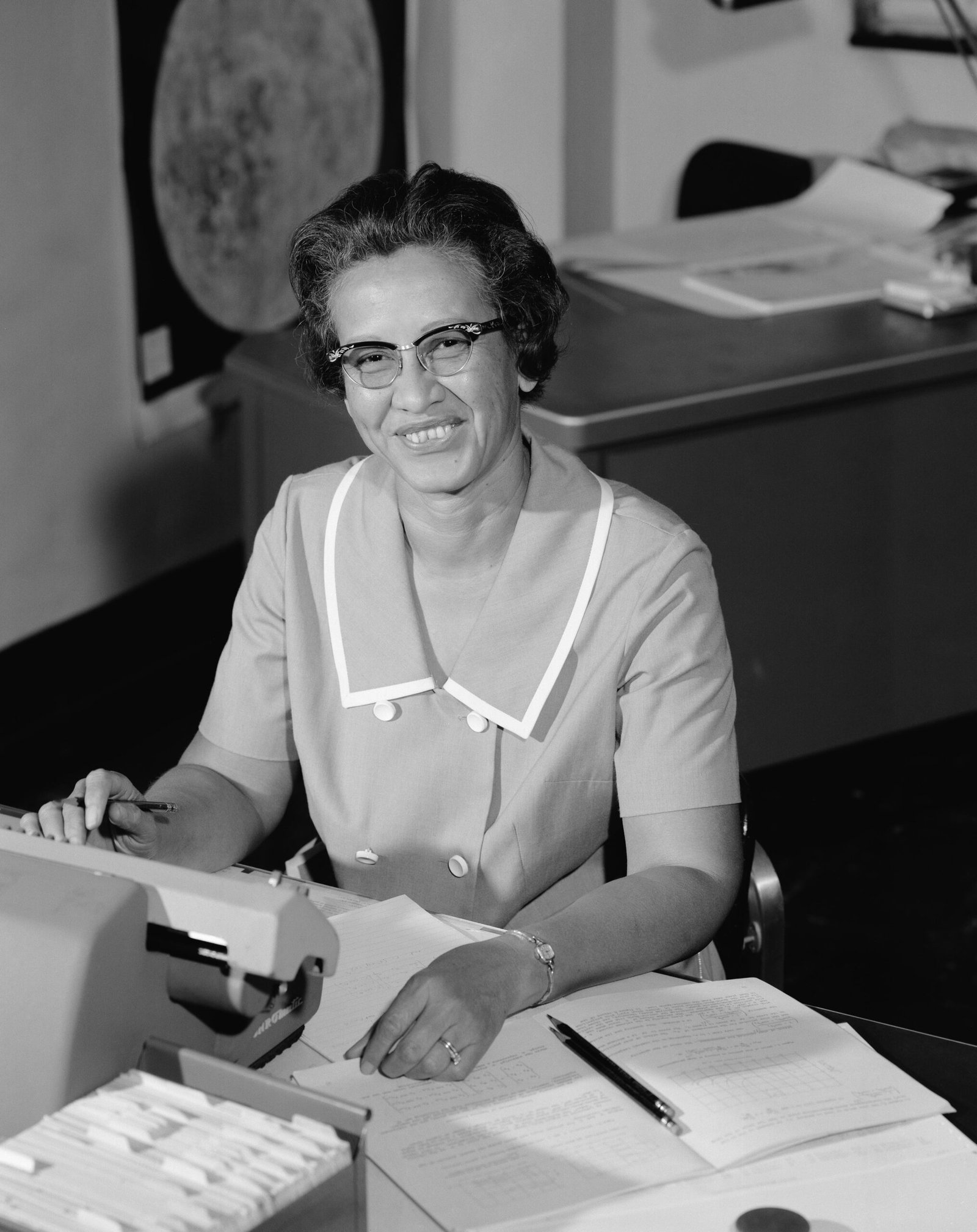
Margot Lee Shetterly’s 2016 book uncovered the stories of Black women mathematicians at NASA who were crucial to America’s success in the space race. Drawing on research and interviews, Shetterly highlighted the contributions of Katherine Johnson, Dorothy Vaughan, and Mary Jackson. The book challenged stereotypes and inspired a new generation to pursue STEM careers. Hidden Figures also sparked a national conversation about diversity, equity, and the untold stories behind America’s achievements in space.
Rise of the Rocket Girls by Nathalia Holt
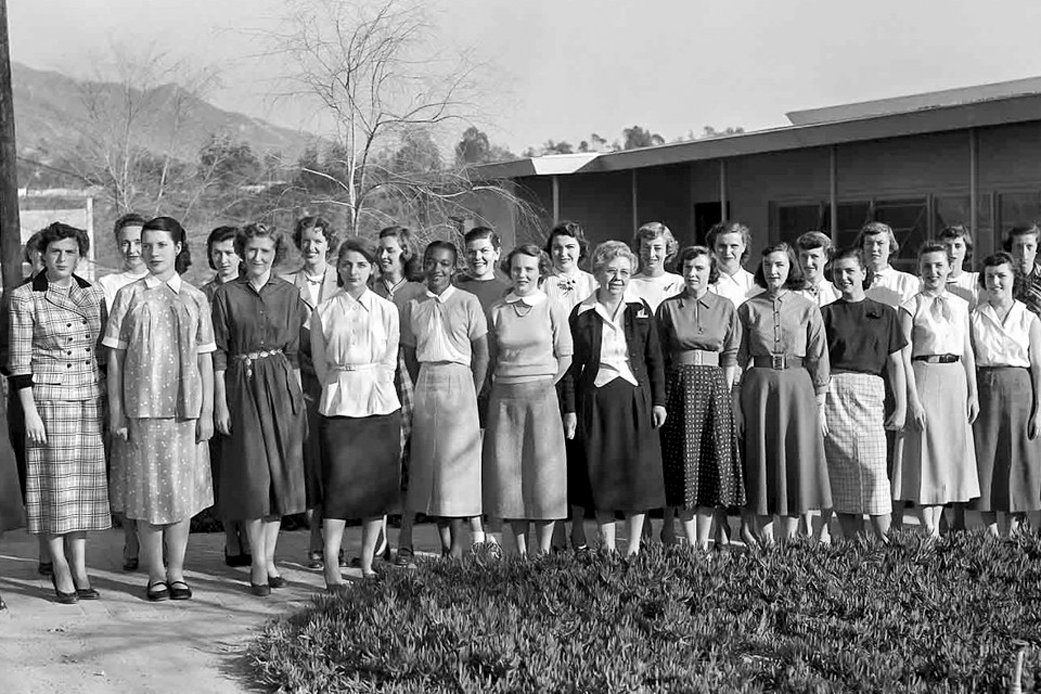
Nathalia Holt’s 2016 book shines a light on the female mathematicians who worked as “human computers” at NASA’s Jet Propulsion Laboratory. These women calculated trajectories and solved technical problems that made missions possible. Holt used archival research and interviews to reconstruct their experiences, revealing how their work shaped America’s space ambitions. The book inspired new interest in the role of women in science and engineering, helping to broaden the definition of who could contribute to space exploration.
Rocket Men by Robert Kurson
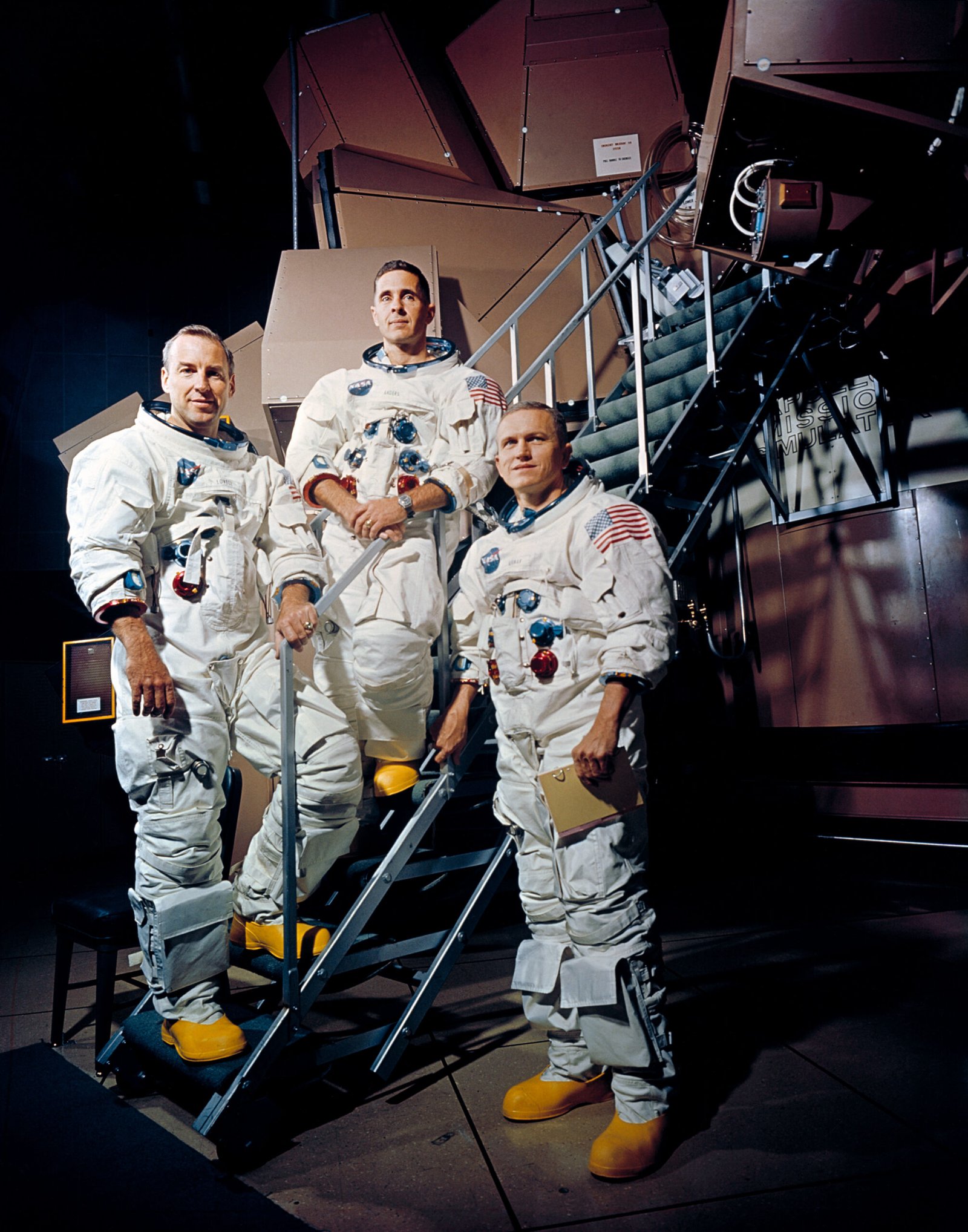
This gripping 2018 book chronicles the 1968 Apollo 8 mission, the first to orbit the moon. Using interviews, mission transcripts, and historical records, Robert Kurson captures the tension and excitement of the mission that paved the way for Apollo 11. Kurson’s storytelling makes readers feel the risks, fears, and hopes of the astronauts and mission controllers. Rocket Men became a bestseller, reigniting public interest in the drama and significance of the space race’s most daring moments.
CEO-Co-Founder
