


- 20 Songs That Tell the True Story of America’s Past - September 26, 2026
- 25 Hidden Literary References in Popular Culture - September 26, 2026
- 5 Gentle Rituals to Reconnect with Yourself on Tired Days - September 26, 2026
Hillbilly Elegy by J.D. Vance
J.D. Vance’s memoir, “Hillbilly Elegy,” became a cultural touchstone after its 2016 release, sparking conversation about the Appalachian region’s decline. Vance details his childhood in a struggling Rust Belt town, highlighting the cycles of poverty and addiction that shaped his family. The book sold over three million copies, showing just how deeply these issues resonated nationwide. Many Americans were shocked by how vividly Vance described domestic instability, job loss, and the lack of social mobility. While critics have debated its broader implications, there’s no denying the raw honesty that drew readers in. The book even inspired a Netflix adaptation, amplifying its reach. Vance’s personal journey stands as a bright, if complicated, spotlight on rural pain.
American Rust by Philipp Meyer

Set in a fading Pennsylvania steel town, “American Rust” brings to life the harsh economic realities facing rural America. Philipp Meyer’s novel is both gritty and poetic, painting a portrait of blue-collar desperation in the wake of industry leaving town. The story’s central characters, Isaac and Billy, grapple with poverty, limited opportunity, and a justice system that seems stacked against them. The book has been praised for its authentic dialogue and sense of place, reflecting the struggles still faced by many in deindustrialized rural communities. Since its release, “American Rust” has been used in college courses on American literature and sociology. The town Meyer describes could be almost anywhere in the Midwest or Appalachia today. Its haunting realism lingers with readers long after the last page.
Evicted: Poverty and Profit in the American City by Matthew Desmond

While “Evicted” centers on Milwaukee, its exploration of housing insecurity and eviction hits home in rural America as well. Matthew Desmond’s Pulitzer-winning nonfiction draws on real-life stories and rigorous data, tying eviction rates to systemic poverty nationwide. In 2023, the Eviction Lab at Princeton found that eviction rates in rural counties have risen sharply post-pandemic, mirroring trends Desmond described. The book’s focus on families teetering on the edge of homelessness is heartbreakingly familiar to many in rural regions, where affordable housing is scarce. Desmond’s research has led to policy debates on eviction reform, showing just how influential this book remains. “Evicted” reminds us that rural and urban poverty share more than divides them.
Nickel and Dimed: On (Not) Getting By in America by Barbara Ehrenreich
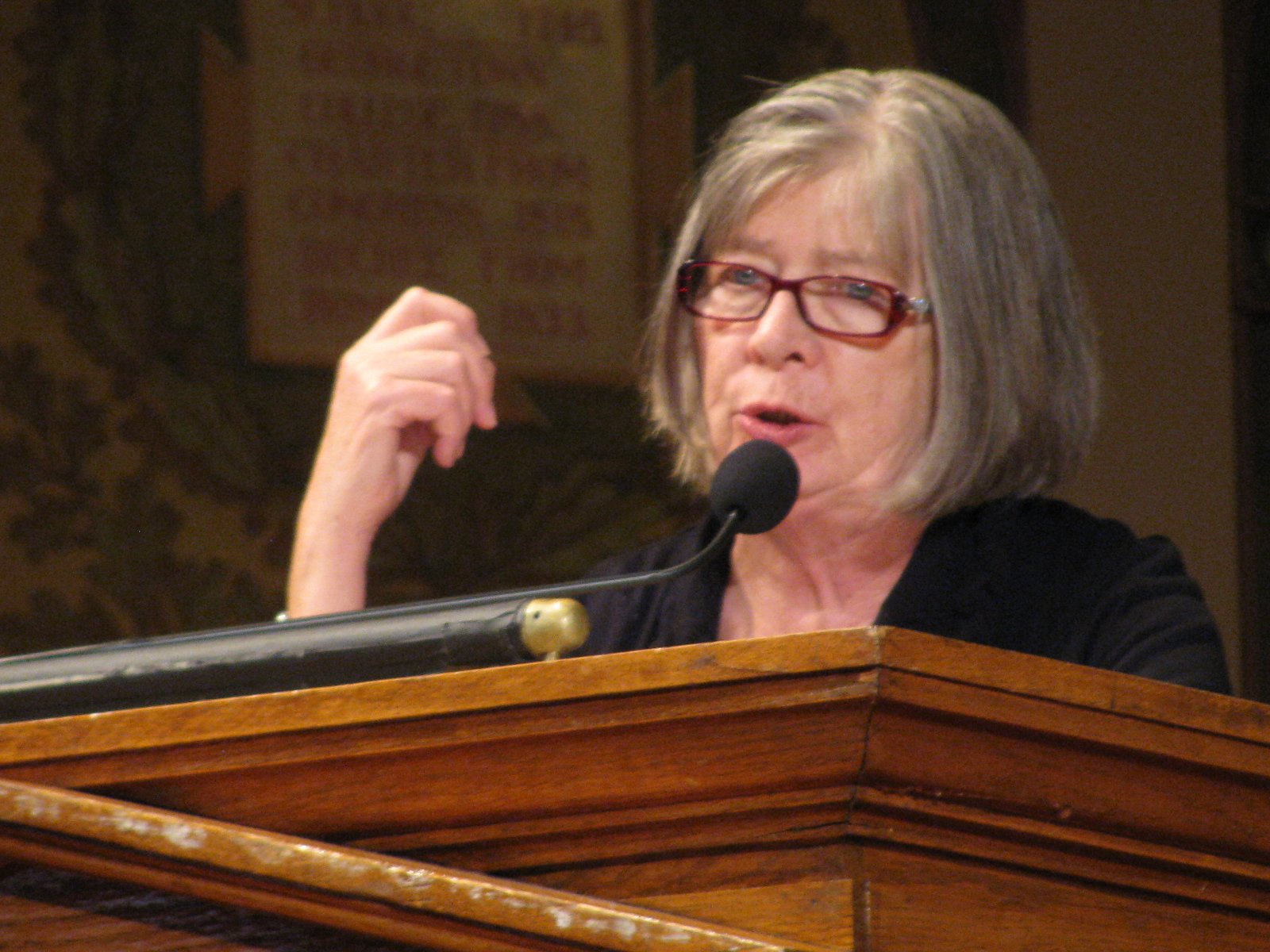
Barbara Ehrenreich’s undercover reporting in “Nickel and Dimed” remains a touchstone for understanding the challenges of low-wage work. Though she worked in cities, her findings on minimum wage jobs, housing, and health care are echoed in rural economies. According to the Bureau of Labor Statistics, rural workers are more likely to hold multiple low-paying jobs—just as Ehrenreich experienced. Her descriptions of exhaustion, uncertainty, and lack of safety nets resonate with rural readers who face similar dead ends. The book’s impact is seen in ongoing debates about raising the federal minimum wage, especially in rural states. Ehrenreich’s mix of humor and outrage makes the struggle feel urgent and deeply personal.
The Grapes of Wrath by John Steinbeck
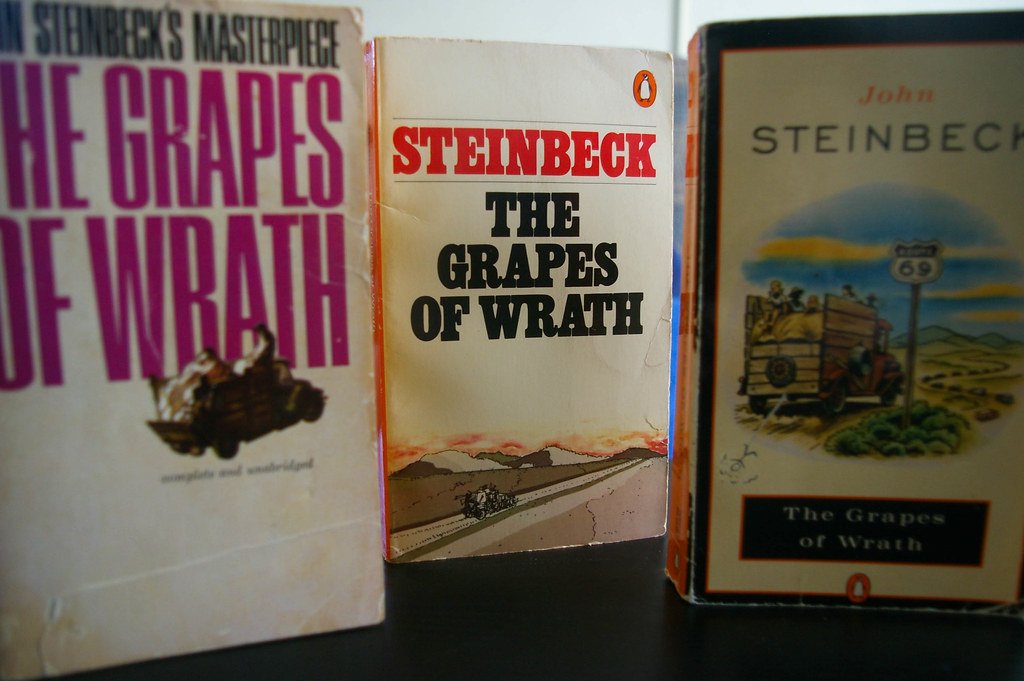
John Steinbeck’s classic, “The Grapes of Wrath,” remains one of the most powerful depictions of rural hardship in American literature. Set during the Dust Bowl, it follows the Joad family as they flee Oklahoma for California, facing hunger, exploitation, and prejudice. The novel, first published in 1939, helped Americans understand the scale of the rural crisis during the Great Depression. Today, the USDA reports that more than 11% of rural families still experience food insecurity—a reminder that Steinbeck’s themes are far from outdated. Schools and universities continue to use the book to teach about economic inequality. Steinbeck’s empathy for the dispossessed continues to inspire and challenge readers.
Heartland: A Memoir of Working Hard and Being Broke in the Richest Country on Earth by Sarah Smarsh

Sarah Smarsh’s “Heartland” offers a deeply personal look at growing up poor in rural Kansas. Her memoir, a finalist for the National Book Award, weaves family stories with sharp analysis of class and policy. Smarsh points out that nearly 20% of rural children still live below the poverty line, a statistic echoed by the U.S. Census Bureau in 2024. She describes the stigma, pride, and resilience that define rural families facing economic hardship. Smarsh’s writing is both lyrical and unflinching, urging readers to see the humanity behind the headlines. Her insights have sparked conversations about rural women, health care, and the myth of the American dream. “Heartland” stands as a love letter and a challenge to rural America.
Deep South: Four Seasons on Back Roads by Paul Theroux

Paul Theroux’s travelogue, “Deep South,” takes readers on a journey through the rural Southeast, revealing persistent poverty and social isolation. Theroux visits small towns in Alabama, Mississippi, and Arkansas, documenting stories of resilience but also deep frustration. He highlights how the collapse of manufacturing and agriculture has left entire communities adrift. According to the Economic Research Service, rural counties in the Deep South have some of the nation’s highest poverty rates, a reality Theroux brings to life. His eye for detail and willingness to listen make the book feel both intimate and sweeping. “Deep South” challenges stereotypes and celebrates the region’s enduring spirit.
What You Are Getting Wrong About Appalachia by Elizabeth Catte
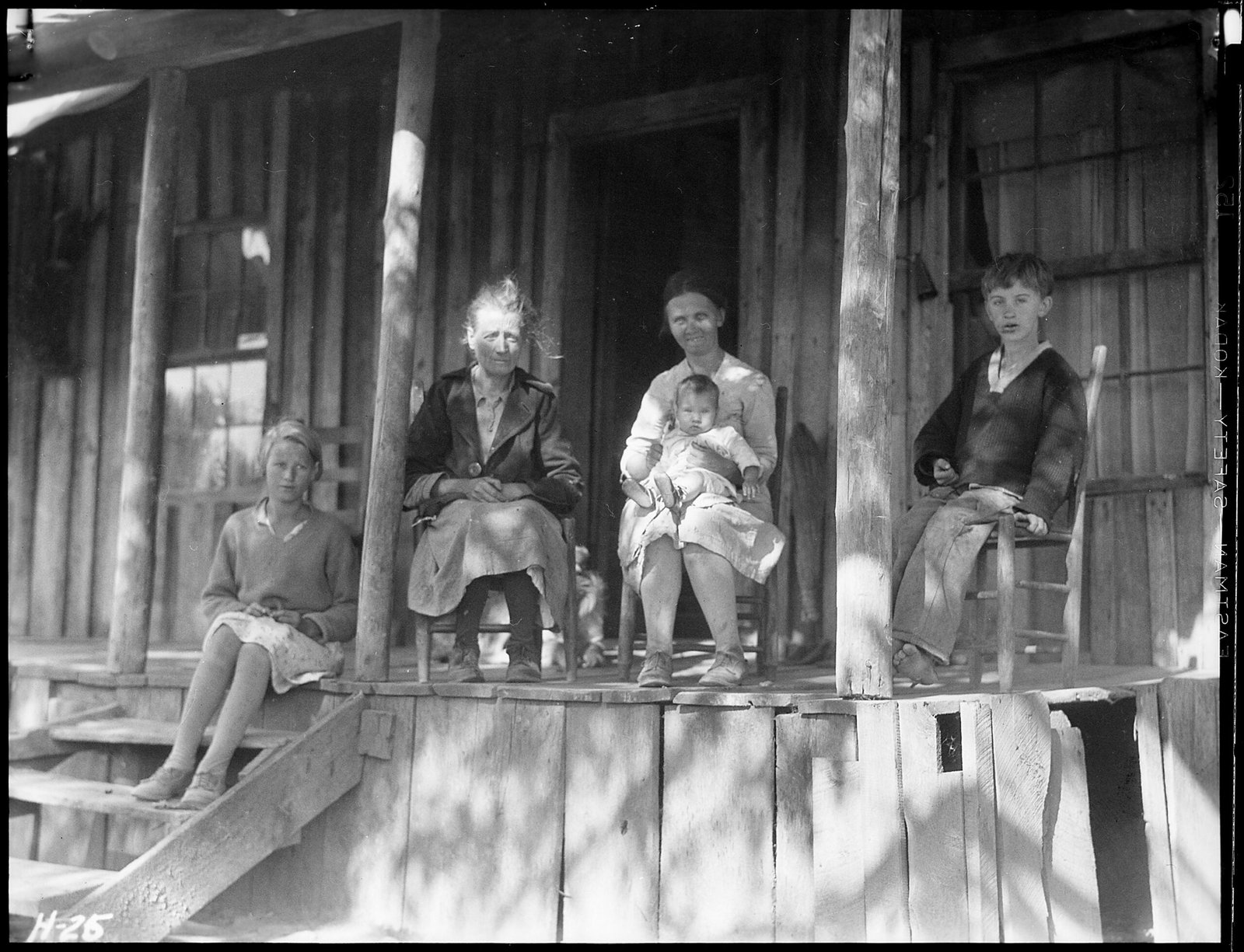
Elizabeth Catte’s short but powerful book is a direct response to stereotypes about Appalachia, especially those popularized by other bestsellers. Catte draws on history, activism, and her own experience to show that the region’s struggles are linked to politics, industry, and media narratives. In 2023, Appalachian Regional Commission data confirmed persistent gaps in education and health outcomes compared to urban centers. Catte argues that rural Appalachia is not a monolith, and she highlights local efforts for change. Her book has become a favorite among educators and community organizers. “What You Are Getting Wrong About Appalachia” stands out for its sharp wit and passionate defense of rural dignity.
Winter’s Bone by Daniel Woodrell
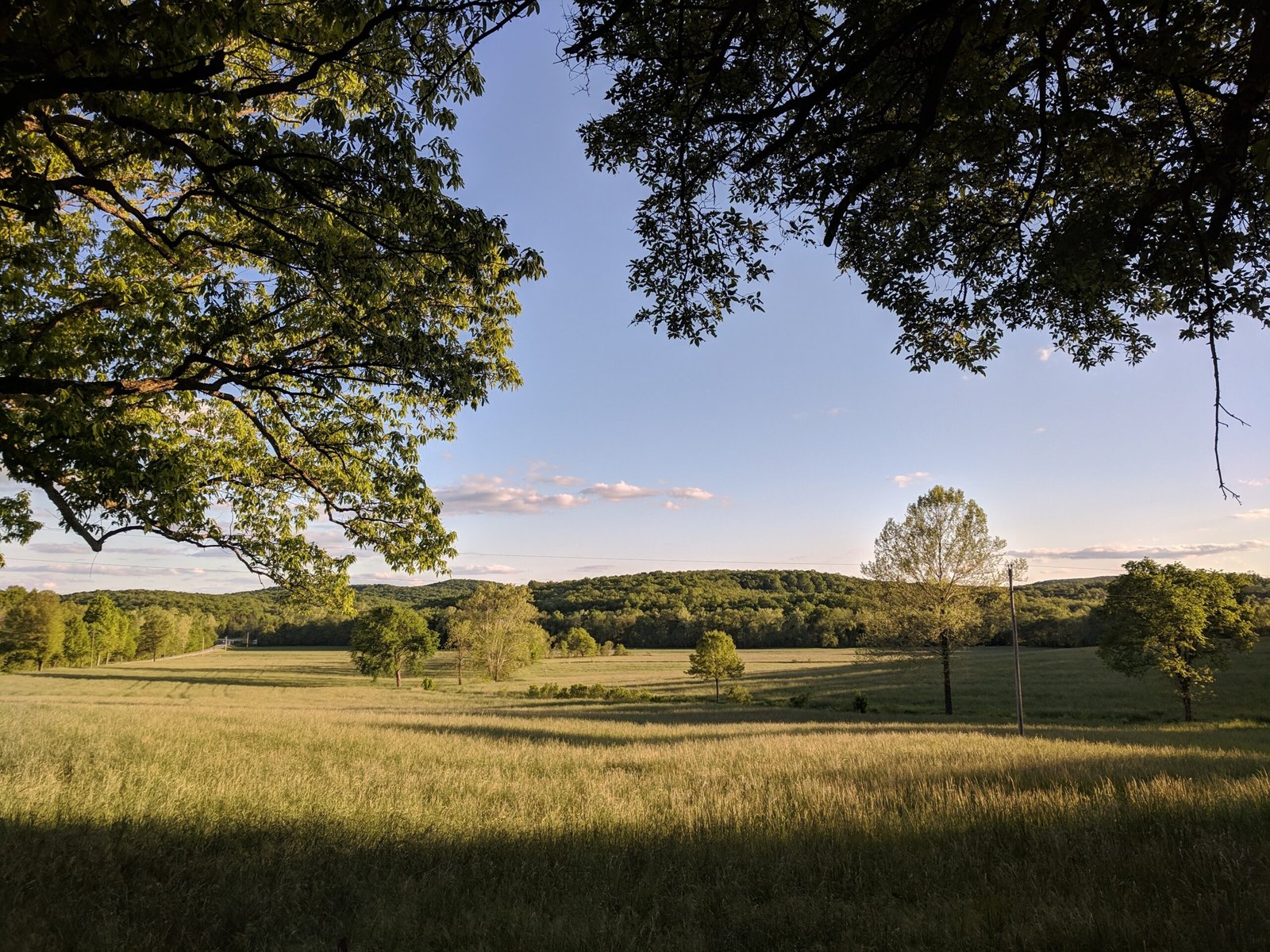
Set in the Ozarks, “Winter’s Bone” is a gritty novel about a teenage girl’s desperate search for her missing father in a world marked by poverty and crime. The story, which inspired an Oscar-nominated film, highlights the hardships faced by many in rural Missouri. The U.S. Department of Agriculture notes that rural areas in the Ozarks face higher rates of unemployment and drug addiction—struggles mirrored in Woodrell’s tale. The novel’s stark, beautiful prose captures the landscape and its people with raw honesty. “Winter’s Bone” is often used in literature classes to discuss rural resilience and family ties. Woodrell’s work gives voice to those often unheard.
Salvage the Bones by Jesmyn Ward
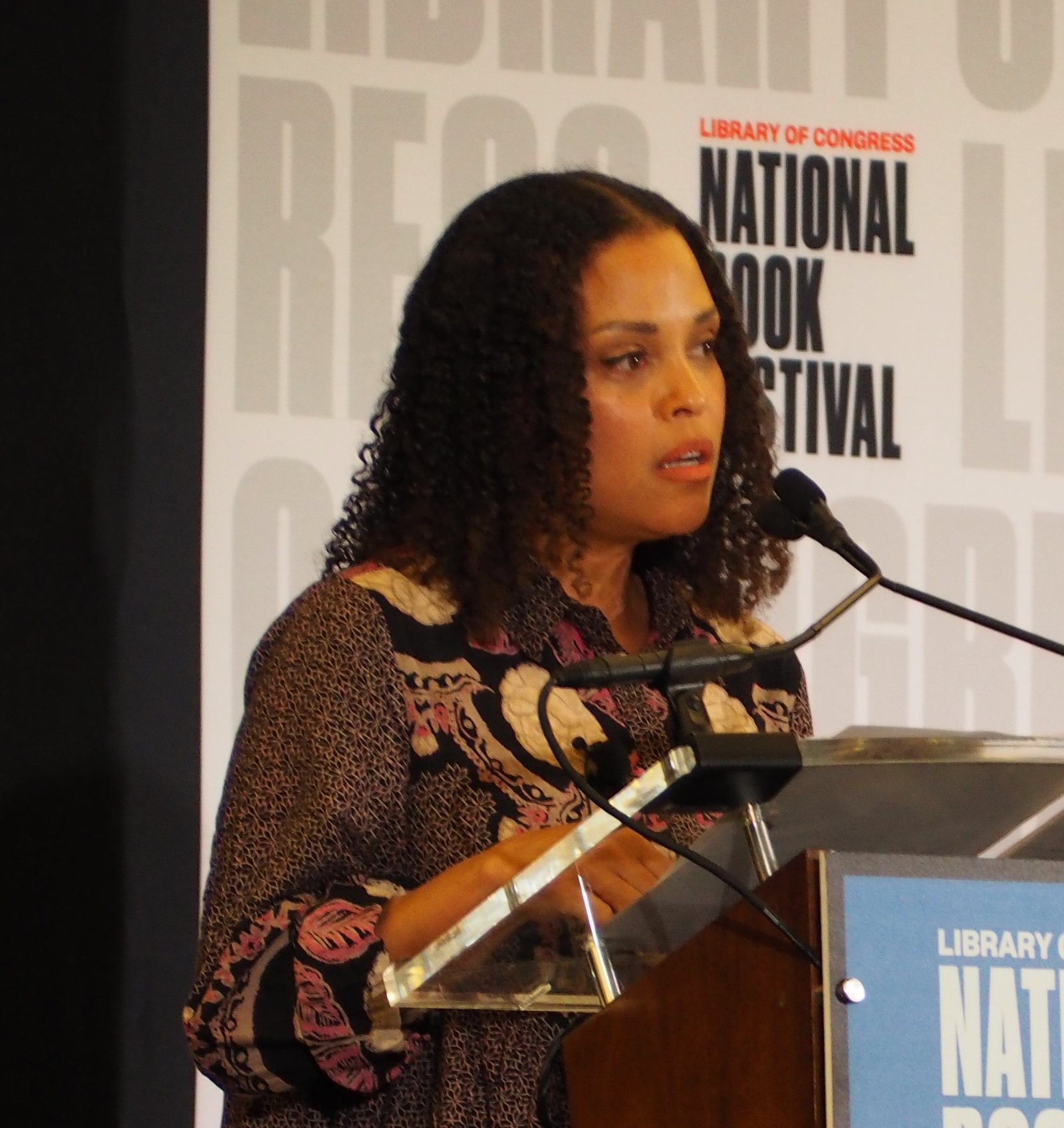
Jesmyn Ward’s National Book Award-winning novel, “Salvage the Bones,” tells the story of a rural Mississippi family bracing for Hurricane Katrina. The book’s focus on poverty, race, and vulnerability in rural communities is both timely and timeless. Ward’s lyrical style brings urgency to the struggles of families living on the margins. The Federal Emergency Management Agency reports that rural areas are often less prepared for natural disasters, a reality Ward weaves into her narrative. Her characters’ grit in the face of overwhelming odds strikes a chord with readers everywhere. “Salvage the Bones” is both a love story to family and a warning about neglecting rural America.
The Other America: Poverty in the United States by Michael Harrington
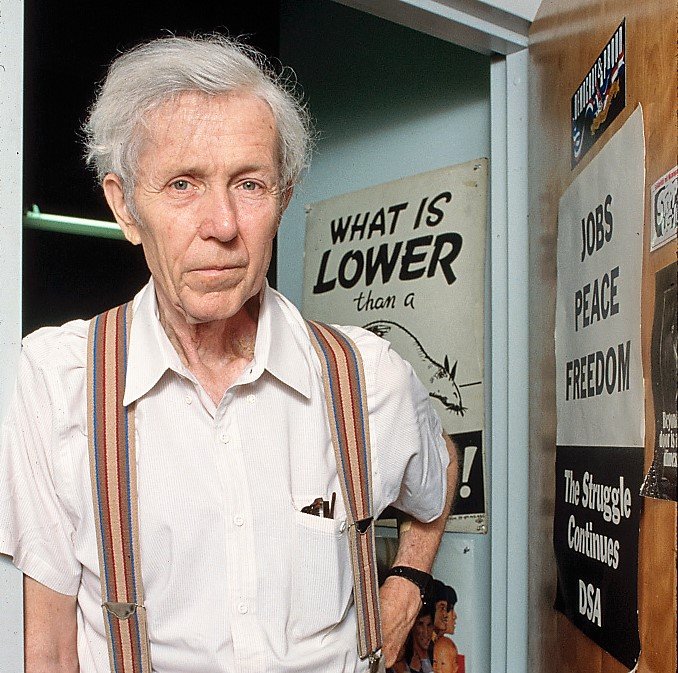
Michael Harrington’s “The Other America,” published in 1962, helped launch the War on Poverty by revealing the hidden struggles of rural and urban poor. Harrington’s reporting showed that one-quarter of rural Americans lived in poverty, a figure that spurred federal action. Today, the U.S. Census Bureau reports that rural poverty remains stubbornly high, especially in the South and Midwest. Harrington’s book continues to be cited in discussions of social policy and inequality. His clear, urgent prose made the invisible visible, changing the national conversation. “The Other America” is a reminder that rural hardship is not a thing of the past.
Educated by Tara Westover

Tara Westover’s bestselling memoir, “Educated,” recounts her upbringing in a survivalist family in rural Idaho, isolated from mainstream society. Westover’s lack of formal education and exposure to violence and neglect are shocking, but her eventual pursuit of learning is inspiring. In 2023, the National Center for Education Statistics reported that rural students still face barriers to higher education, from underfunded schools to limited internet access. Westover’s journey from a mountain home to Cambridge University captivated millions, showing both the possibilities and pitfalls of rural life. Her story has become a touchstone for debates on education and opportunity.
Strangers in Their Own Land by Arlie Russell Hochschild

Sociologist Arlie Russell Hochschild spent years interviewing rural Louisianans for “Strangers in Their Own Land,” seeking to understand their political and cultural anxieties. Her book unpacks the feelings of alienation and loss that many rural Americans express in the face of economic decline and environmental disaster. The Environmental Protection Agency reports that rural Louisiana faces some of the nation’s worst pollution, a reality that shapes local attitudes. Hochschild’s empathetic approach has sparked debate about the so-called “empathy gap” in American politics. “Strangers in Their Own Land” remains a touchstone for understanding rural frustration and resilience.
White Trash: The 400-Year Untold History of Class in America by Nancy Isenberg
![White Trash: The 400-Year Untold History of Class in America by Nancy Isenberg (image credits: 201 H Alabama, Hookworm, Box 42, Folder 1044, #1107, 1913, Rockefeller Center Archives via [1], Public domain, https://commons.wikimedia.org/w/index.php?curid=65754593)](https://festivaltopia.com/wp-content/uploads/2025/06/1751198884935_The_102C000_Hookworm_Family.jpg)
Nancy Isenberg’s “White Trash” delves into the history of class and stigma in rural America, challenging the myth of a classless society. Isenberg traces how poor rural whites have been marginalized from colonial times to the present. According to Pew Research, class divides remain sharpest in rural regions, especially the South. The book’s historical sweep and sharp analysis have made it a bestseller and a fixture in college curricula. Isenberg’s work prompts readers to question their assumptions about class, race, and opportunity. “White Trash” is both a history lesson and a wake-up call.
American Fire: Love, Arson, and Life in a Vanishing Land by Monica Hesse
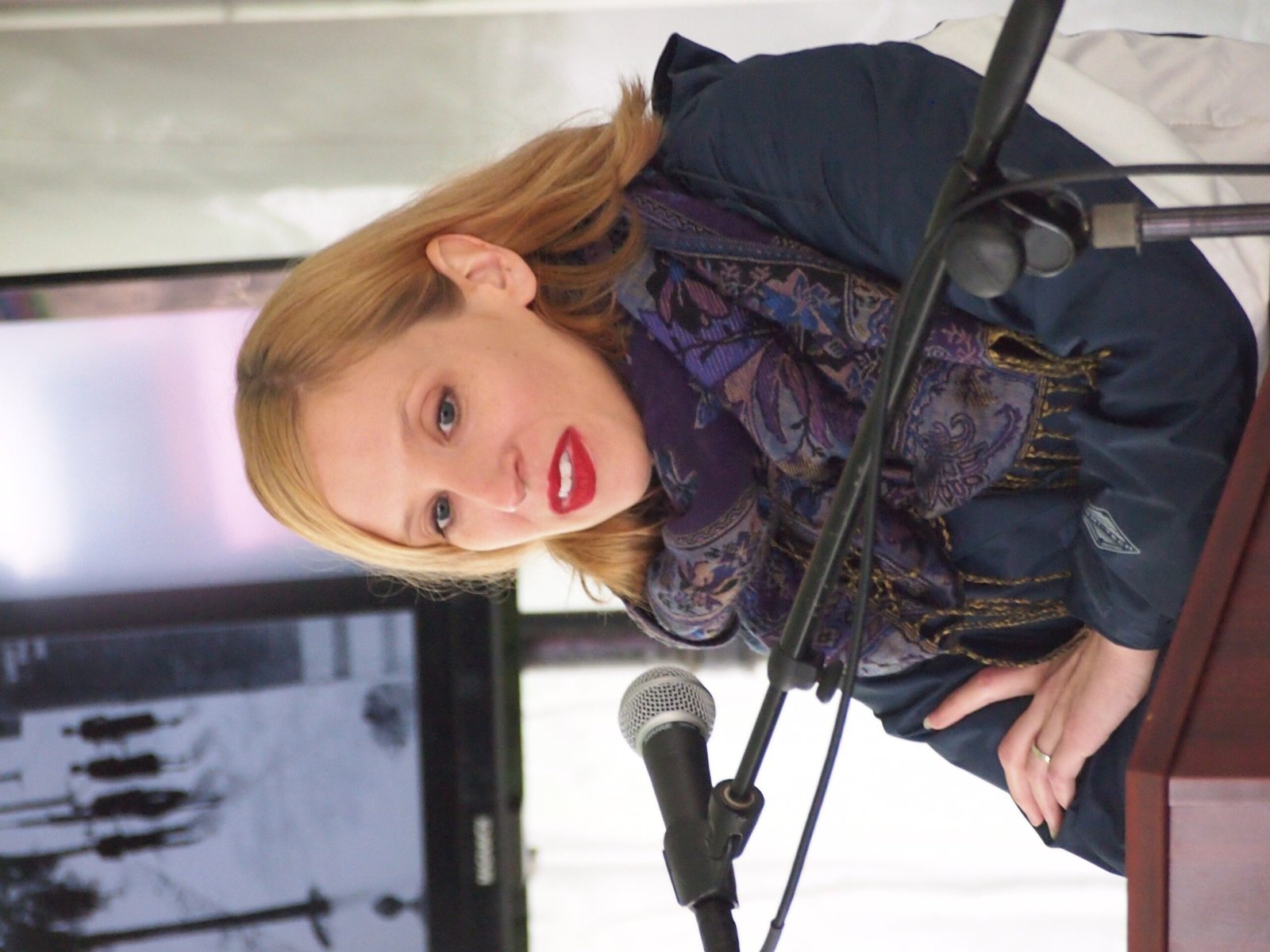
Monica Hesse’s true-crime account, “American Fire,” explores a series of arsons that rocked rural Accomack County, Virginia. The book uncovers the economic despair, job loss, and population decline that set the stage for the crimes. The U.S. Department of Agriculture reports that rural Virginia has seen significant out-migration since 2010, leaving communities struggling. Hesse’s blend of suspense and social analysis reveals how isolation and hopelessness can breed chaos. “American Fire” reads like a thriller but leaves readers reflecting on rural decline. The story is a reminder that real-life struggles can be stranger—and more heartbreaking—than fiction.
Maid: Hard Work, Low Pay, and a Mother’s Will to Survive by Stephanie Land

Stephanie Land’s memoir, “Maid,” chronicles her journey as a single mother working low-wage jobs in rural Montana. Land’s fight to provide for her daughter, facing bureaucratic hurdles and social stigma, is both specific and universal. In 2023, the Economic Policy Institute found that rural single mothers are among America’s most economically vulnerable. Land’s story inspired a popular Netflix series, highlighting the ongoing crisis of rural poverty and childcare. Her candid, unvarnished prose gives voice to millions struggling to get by. “Maid” is a powerful testament to grit and the broken systems that hold people back.
The Line Becomes a River: Dispatches from the Border by Francisco Cantú

Francisco Cantú’s memoir offers a rare look at the rural borderlands of the American Southwest, where migration, violence, and economic hardship intersect. Cantú, a former Border Patrol agent, describes ranchers, farmworkers, and small towns caught in the crossfire of immigration debates. The U.S. Department of Homeland Security reports that rural border counties face some of the nation’s highest poverty rates. Cantú’s firsthand experience and lyrical writing make the book both harrowing and humane. “The Line Becomes a River” challenges readers to see beyond headlines and statistics. The border’s rural realities remain urgent and unresolved.
The Unwinding: An Inner History of the New America by George Packer

George Packer’s sweeping nonfiction, “The Unwinding,” traces the collapse of traditional industries and the rise of economic insecurity across America, including rural regions. Packer profiles ordinary people in North Carolina and Ohio, whose lives are upended by plant closures, foreclosures, and lost hope. The Federal Reserve notes that rural counties have seen slower economic recovery since the Great Recession—a trend Packer explores in vivid detail. The book’s episodic structure mirrors the chaos and unpredictability of rural decline. “The Unwinding” is acclaimed for its storytelling and scope, capturing a nation in flux.
Nomadland: Surviving America in the Twenty-First Century by Jessica Bruder
Jessica Bruder’s “Nomadland” documents the rise of a new class of itinerant workers—many from rural backgrounds—traveling the country in search of seasonal work. Bruder follows real people living in vans and RVs, working jobs at Amazon warehouses, farms, and campgrounds. The U.S. Census Bureau reports that rural seniors are especially vulnerable to housing insecurity and job loss, echoing Bruder’s findings. “Nomadland” won the National Book Critics Circle Award and inspired an Oscar-winning film. The book’s blend of journalism and empathy has changed how Americans view rural aging and mobility. Bruder’s work is a meditation on freedom and fragility in rural life.
Our Towns: A 100,000-Mile Journey into the Heart of America by James and Deborah Fallows
Journalists James and Deborah Fallows spent years visiting small towns across America, chronicling stories of renewal and struggle. “Our Towns” highlights both the challenges—factory closures, opioid addiction, population loss—and the creative solutions locals pursue. The National Rural Health Association reports that rural opioid deaths remain high, underscoring the urgency of the Fallows’ reporting. Their book is full of hope, showing towns that reinvent themselves with education, entrepreneurship, and community spirit. “Our Towns” offers a vivid counterpoint to stories of decline, capturing the complexity of rural America. The Fallows’ optimism is infectious and grounded in real-world examples.
End.
CEO-Co-Founder
