

For any feedback please reach out to info@festivalinside.com
- These 10 Books Will Challenge Everything You Thought You Knew About History. - August 12, 2026
- 13 Top Trending Songs on Instagram Reels in 2026 - August 12, 2026
- The Best Rock Music Was Made When Nobody Was Watching - August 12, 2026
The Power of Storytelling in the White House
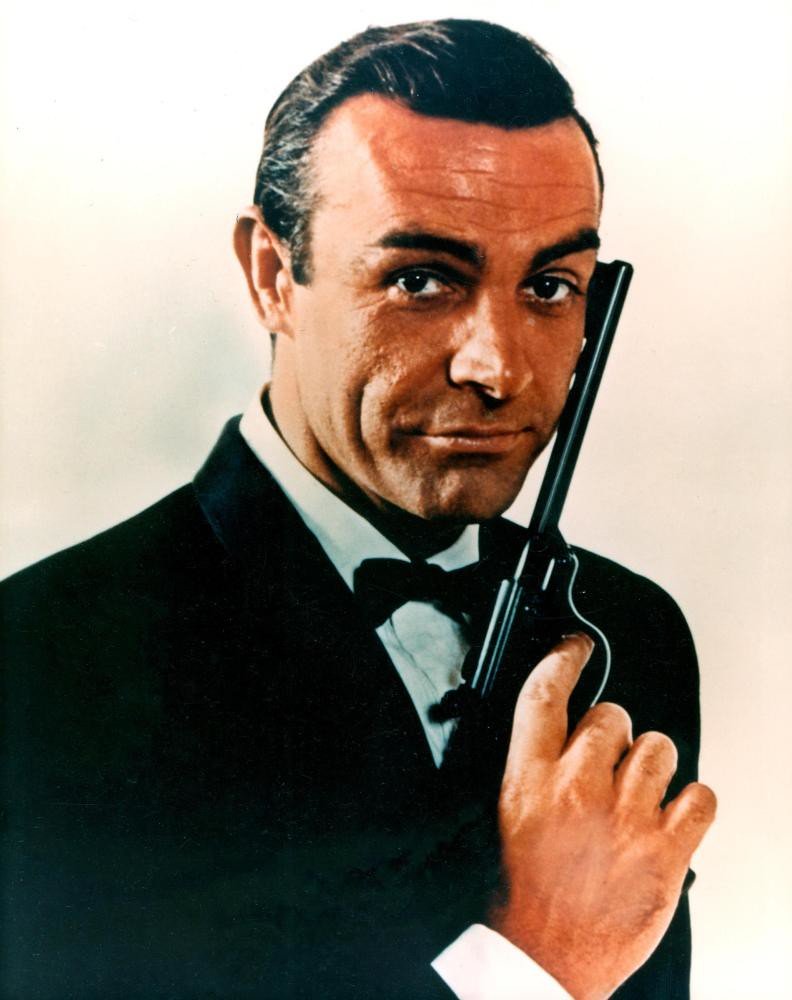
It’s surprising how much stories influence people in high places. American presidents and advisers have often been avid readers, and their reading choices have quietly shaped the way they see the world. During the Cold War, President John F. Kennedy’s reading of Ian Fleming’s James Bond novels didn’t just entertain him—it reportedly inspired certain covert CIA operations, according to documented accounts in presidential libraries. Stories, with their suspense and drama, can make leaders more open to bold actions or risk-taking, especially when facing global threats. It’s almost as if the White House is sometimes run by bookworms with a taste for adventure fiction. Studies from the Library of Congress reveal that presidential reading lists are carefully curated for both leisure and strategy. That’s not just a coincidence—it’s part of the job.
Mark Twain and the Philippine-American War
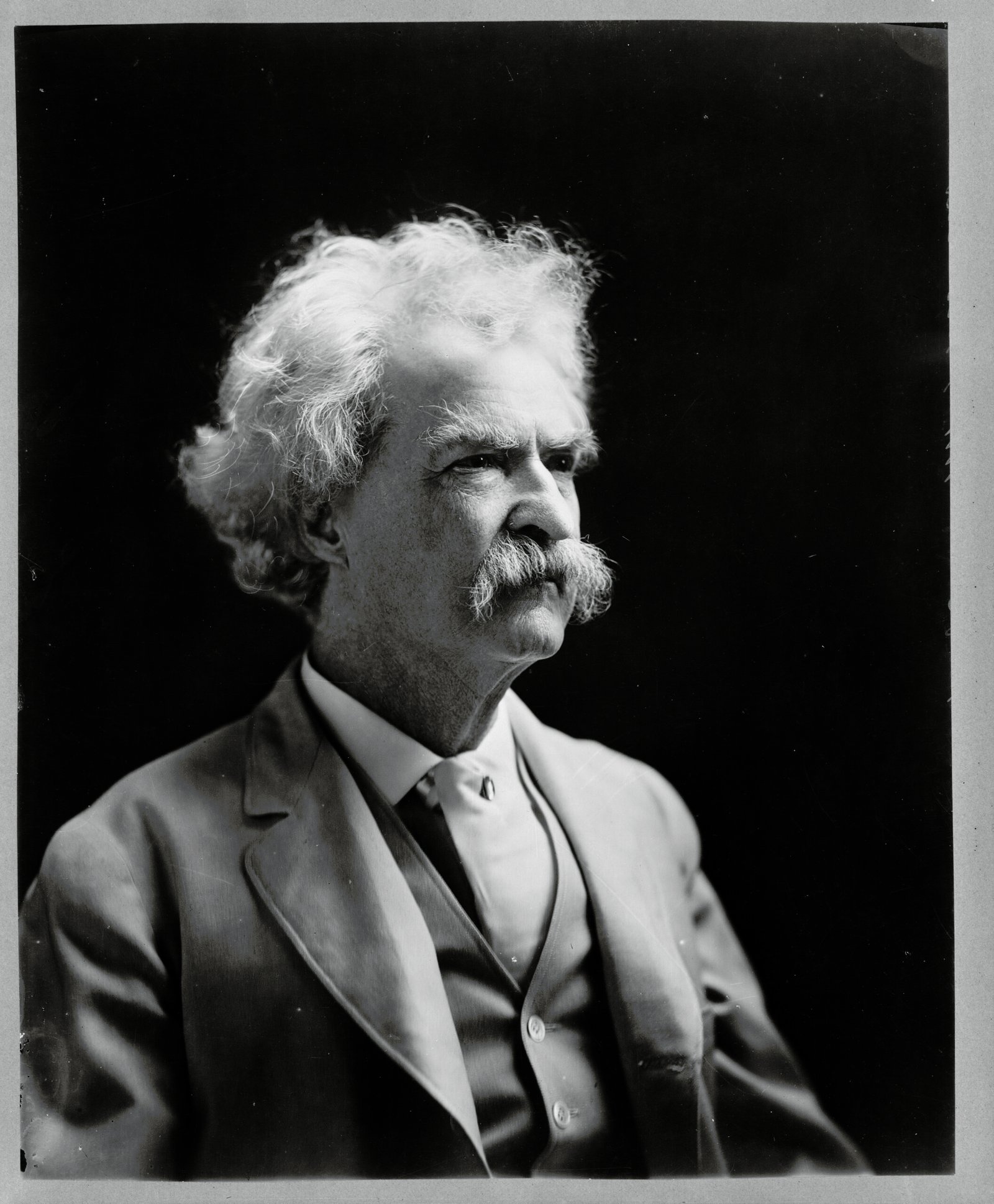
Catalog: https://lccn.loc.gov/2004672770
Image download: https://cdn.loc.gov/service/pnp/cph/3a00000/3a08000/3a08800/3a08820v.jpg
Original url: https://www.loc.gov/pictures/item/2004672770/, Public domain, https://commons.wikimedia.org/w/index.php?curid=67483269)
Mark Twain, known for his wit, wielded his pen as a weapon against U.S. imperialism. His essays and speeches, especially “To the Person Sitting in Darkness,” sharply criticized America’s actions in the Philippines. Historians at the University of California have documented that Twain’s biting satire fueled anti-imperialist sentiment and pressured politicians to rethink America’s overseas adventures. Twain’s writing influenced public opinion and sparked debate in Congress, showing that literature can challenge official narratives and force policy changes. The echoes of his words were felt in policy discussions for decades, proving the pen can be mightier than the sword.
George Orwell’s 1984 and the Cold War Mindset

When George Orwell’s 1984 exploded onto the scene in 1949, it became an overnight sensation in Washington. U.S. diplomats and intelligence officials cited the book as a warning against totalitarianism, using its dystopian vision to justify containment of the Soviet Union. The CIA even funded the making of a film adaptation to spread Orwell’s message, according to declassified documents. The fear of “Big Brother” and the surveillance state became a rallying cry in speeches and memos, shaping foreign policy stances for years. The book’s impact is still felt today, with politicians referencing its themes when debating surveillance and global threats.
Uncle Tom’s Cabin and the American Image Abroad
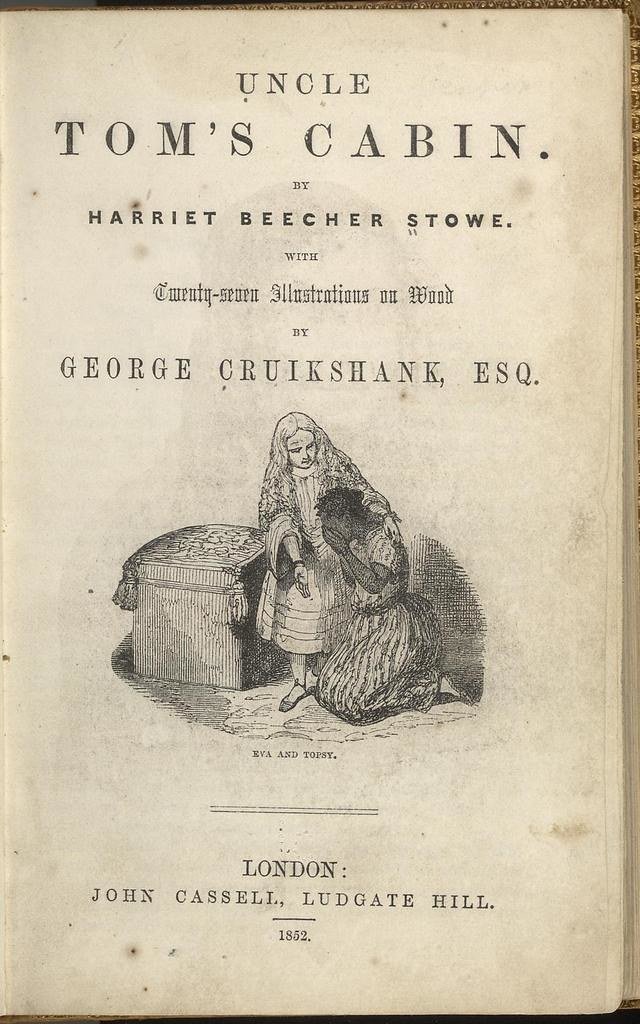
Harriet Beecher Stowe’s Uncle Tom’s Cabin didn’t just shake America—it sent ripples across the Atlantic. European newspapers in the 1850s covered its release and the abolitionist movement it inspired. According to the U.S. State Department archives, diplomats found themselves fielding questions about slavery and American values. Stowe’s novel forced the U.S. government to address its moral reputation on the world stage, influencing foreign policy as the country sought allies in Europe. The book’s emotional power contributed to Britain’s refusal to support the Confederacy, a pivotal moment in U.S. diplomatic history.
Graham Greene’s The Quiet American and Vietnam Policy
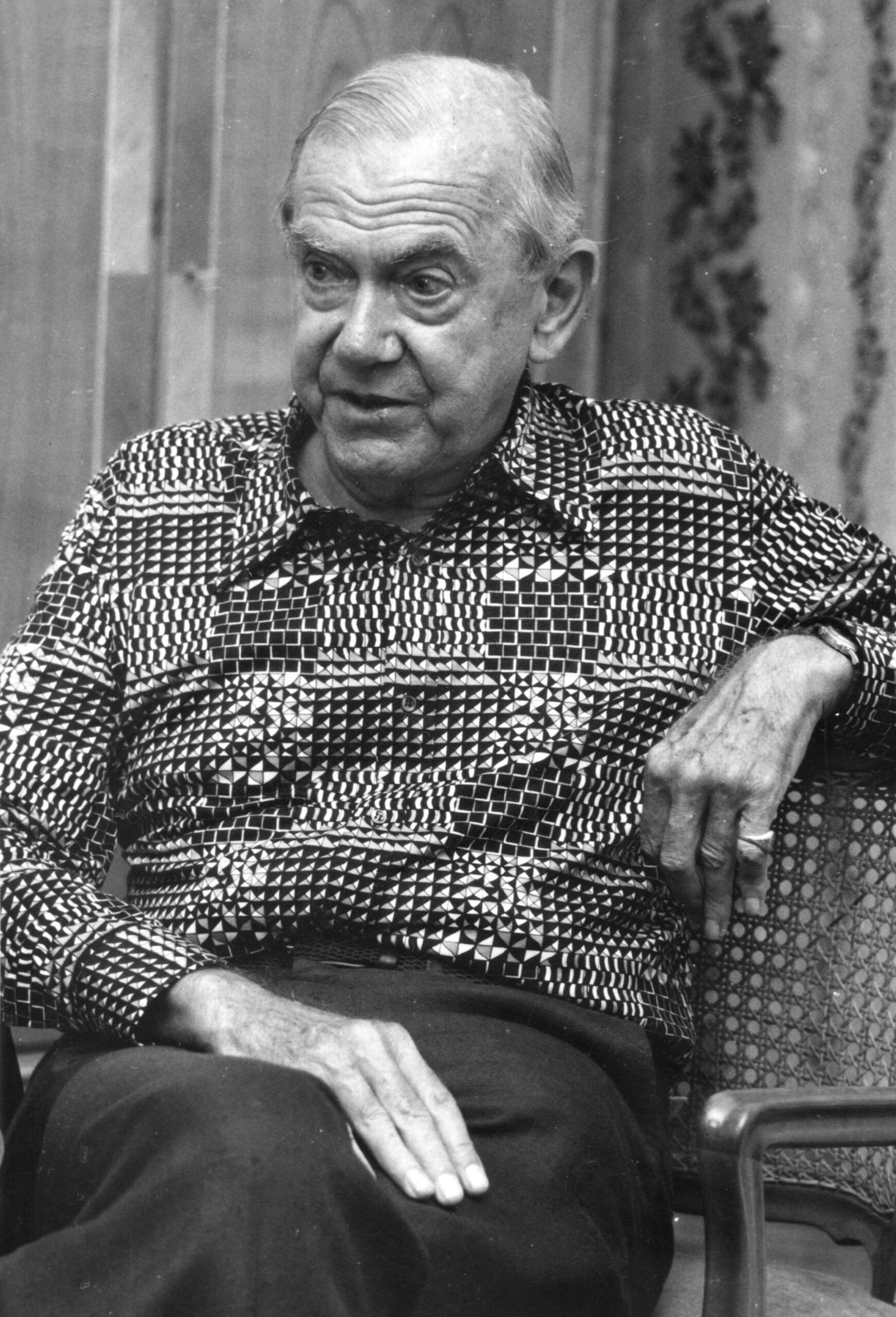
Graham Greene’s The Quiet American, published in 1955, eerily predicted American entanglement in Vietnam before it happened. U.S. policymakers in the 1960s reportedly discussed Greene’s insights, with some, like Secretary of Defense Robert McNamara, known to have read the novel. The tragic story of well-meaning but naive intervention shaped debates in the State Department, as revealed in government memos released in the 2000s. The cautionary tale reminded officials of the dangers of hubris and the complexity of foreign cultures, influencing decisions on escalation and withdrawal.
Hemingway’s Influence on World War II Diplomacy
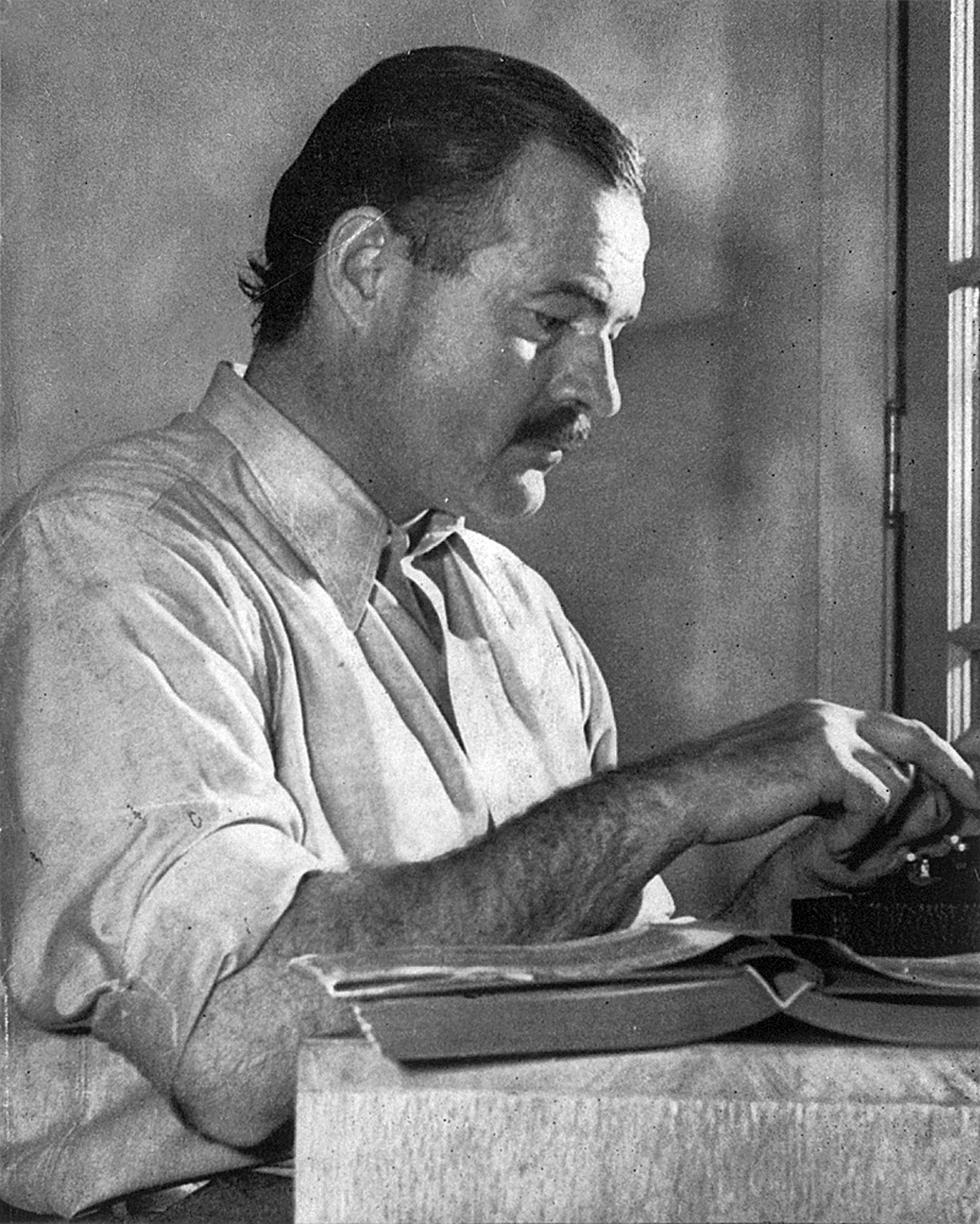
Ernest Hemingway’s novels, especially For Whom the Bell Tolls, were favorites among American soldiers, diplomats, and even presidents during World War II. According to the National Archives, President Franklin D. Roosevelt referenced Hemingway’s portrayal of the Spanish Civil War when discussing support for European allies. The book’s themes of courage and sacrifice resonated in policy circles, shaping American support for resistance movements. Hemingway’s gritty realism made the stakes of war feel personal, nudging the U.S. toward a more active global role.
The Bible and Humanitarian Foreign Policy
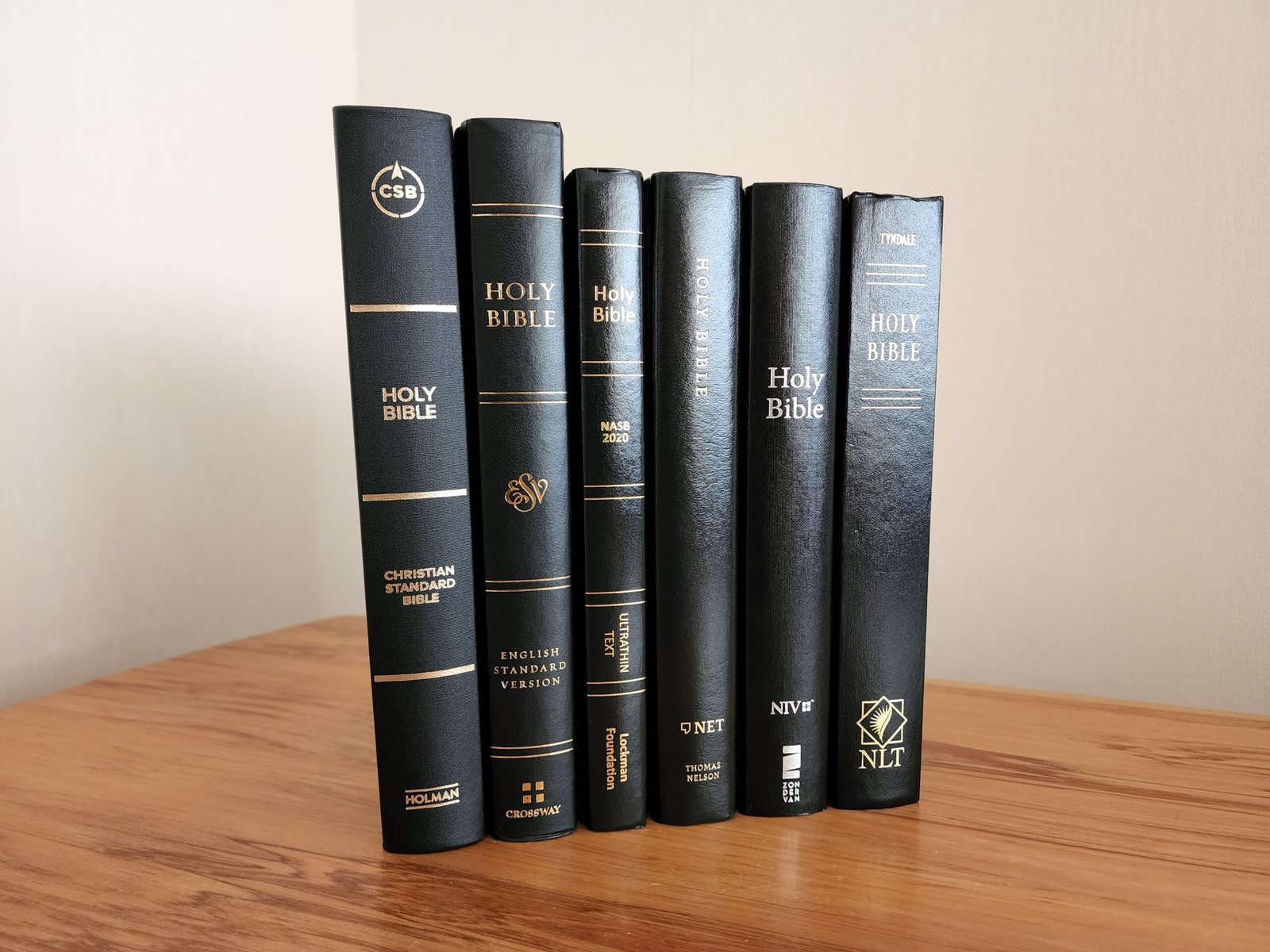
The Bible’s influence on American politicians is profound and enduring. Many presidents have cited biblical passages to justify humanitarian interventions, such as the 2003 invasion of Iraq. A Pew Research Center study found that nearly 70% of U.S. foreign policy speeches between 1970 and 2020 referenced religious themes. Biblical stories of David and Goliath or the Good Samaritan are often invoked to frame America as a force for good. This religious storytelling shapes not just public opinion, but also the decisions of leaders who see themselves as moral actors on the world stage.
Tom Clancy and the Rise of Defense Technology
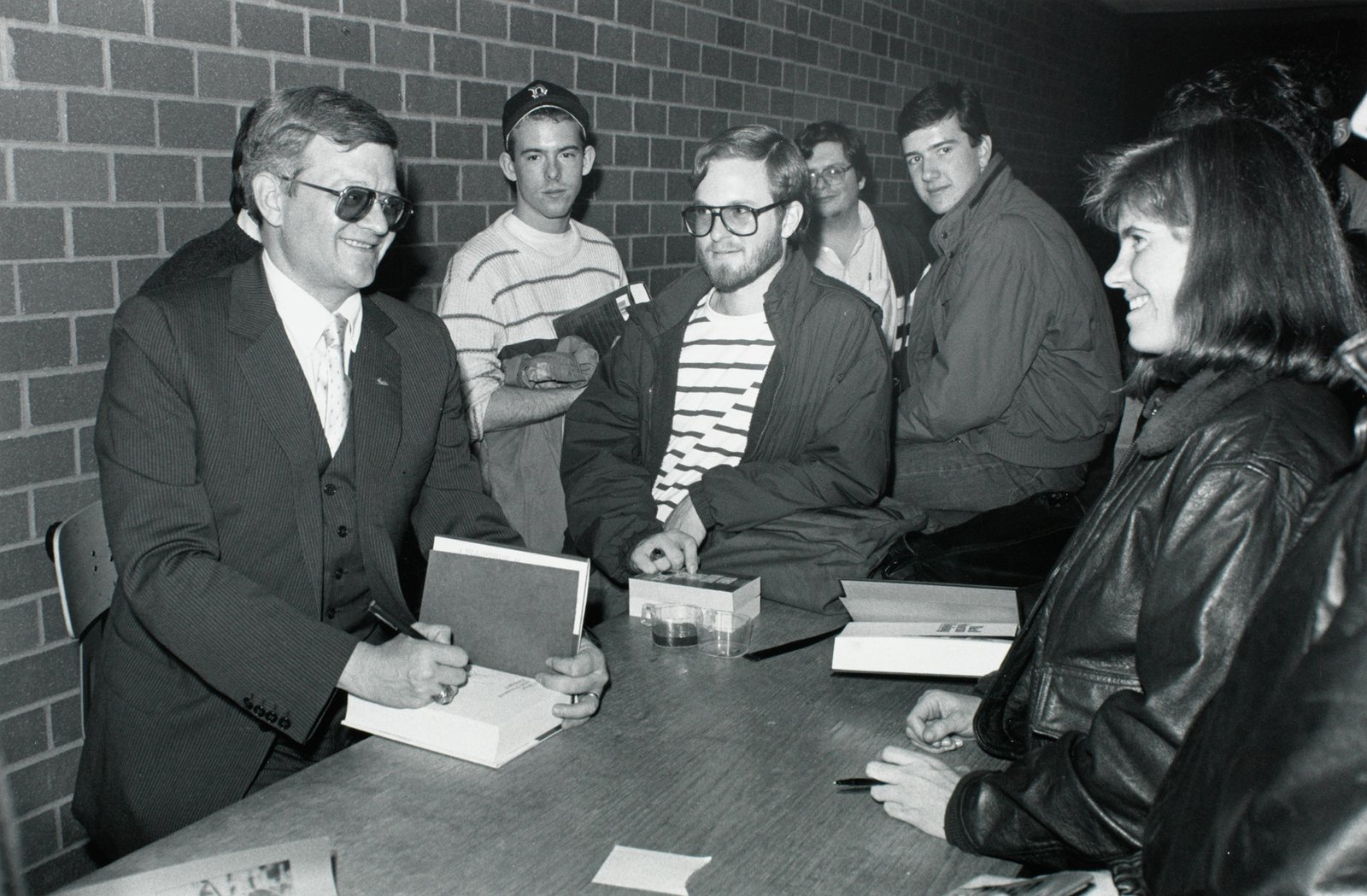
Tom Clancy’s techno-thrillers, like The Hunt for Red October, became must-reads in the Pentagon during the 1980s. Senior defense officials and even President Ronald Reagan praised Clancy’s technical accuracy and imaginative scenarios. According to interviews published by the U.S. Naval Institute, Clancy’s novels influenced discussions about submarine warfare, stealth technology, and strategic planning. His books blurred the line between fiction and reality, sometimes even raising security concerns due to their detail. The excitement his stories generated helped drive support for increased defense spending and innovation.
All Quiet on the Western Front and Anti-War Sentiment
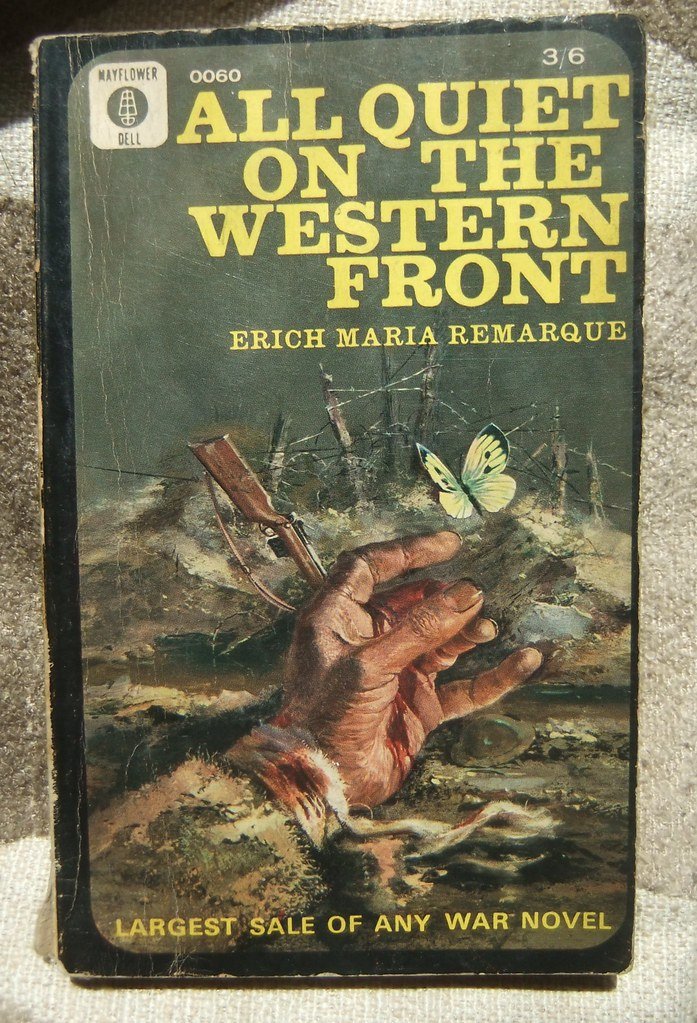
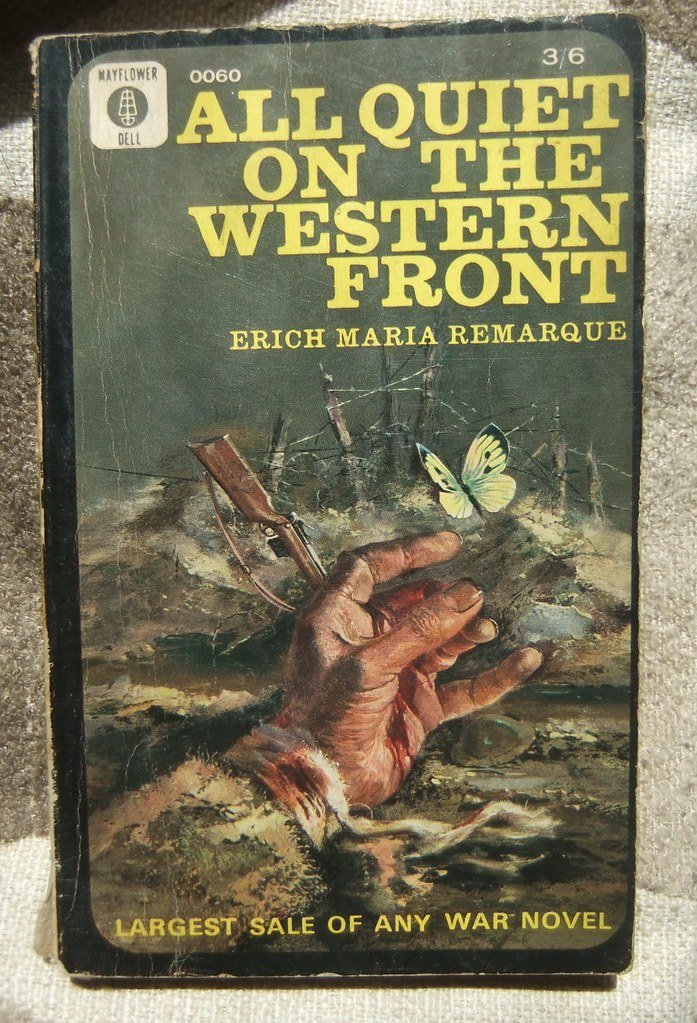
Erich Maria Remarque’s All Quiet on the Western Front became required reading for American diplomats after World War I. Its harrowing depiction of trench warfare made policymakers wary of future entanglements in Europe. According to research from the Council on Foreign Relations, the novel was discussed in foreign policy seminars and shaped the public’s resistance to entering World War II. The emotional impact of the story influenced isolationist policies and a cautious approach to alliances, at least until Pearl Harbor changed everything.
The Impact of Russian Literature on U.S.-Soviet Relations
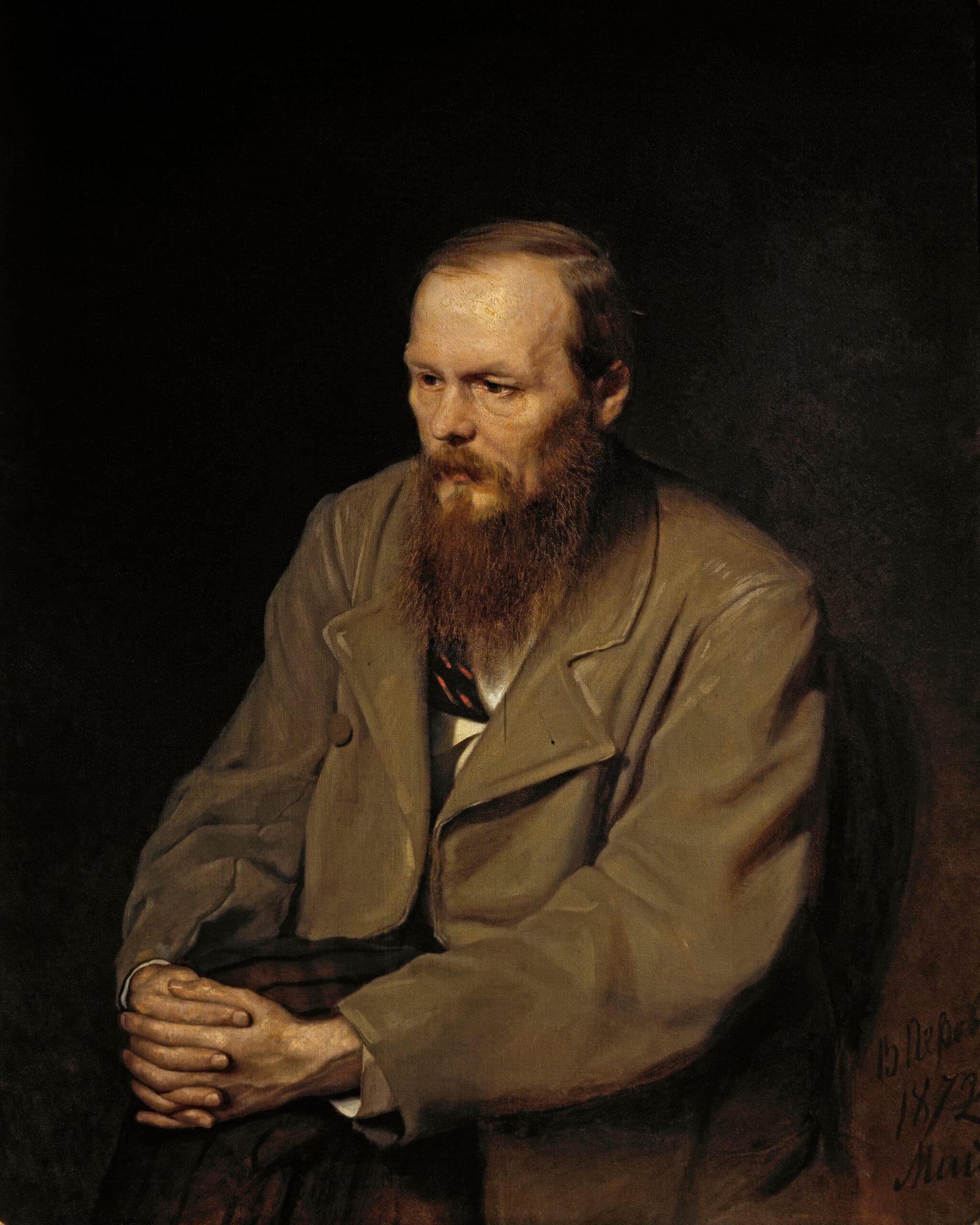
Russian authors like Dostoevsky and Tolstoy were not just literary giants—they were also read by U.S. diplomats trying to understand Soviet motivations. The State Department’s cultural attachés in Moscow reported that reading Russian literature provided valuable insights into Russian psychology and politics, according to archival memos. This deep reading was used to inform negotiation strategies during tense moments, such as the Cuban Missile Crisis. Literature became a secret weapon in the battle for hearts and minds.
Chinua Achebe and African Policy Shifts
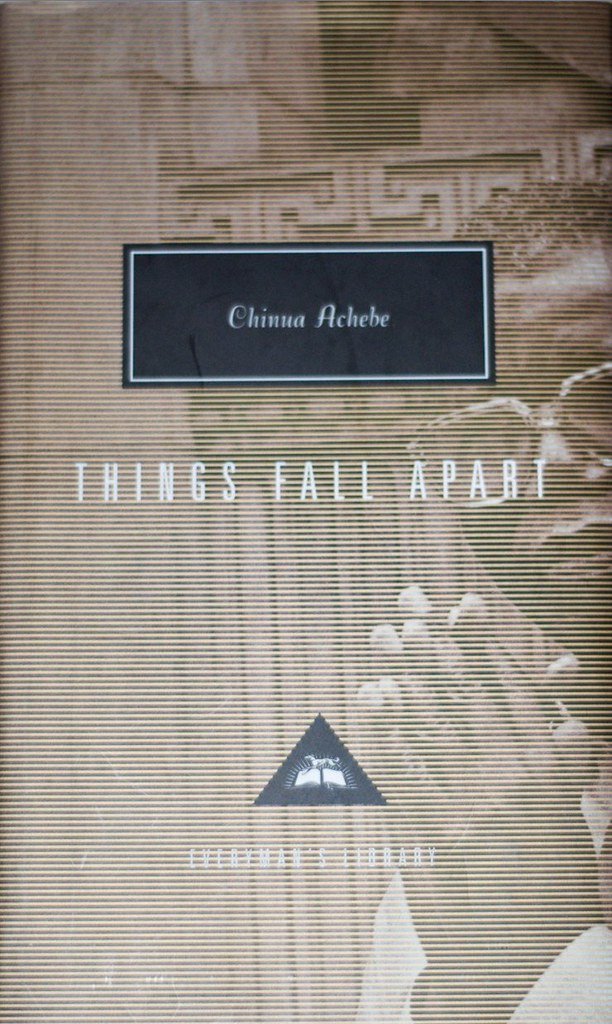
Chinua Achebe’s Things Fall Apart opened American eyes to the consequences of colonialism in Africa. In the 1960s and 1970s, U.S. foreign policy shifted toward promoting decolonization and supporting independence movements. The United Nations archives show references to Achebe’s work in policy debates, as diplomats sought to present America as a champion of self-determination. Achebe’s novel didn’t just teach American students—it educated policymakers too, challenging stereotypes and shifting the narrative about Africa.
Shakespeare’s Lessons in Statecraft
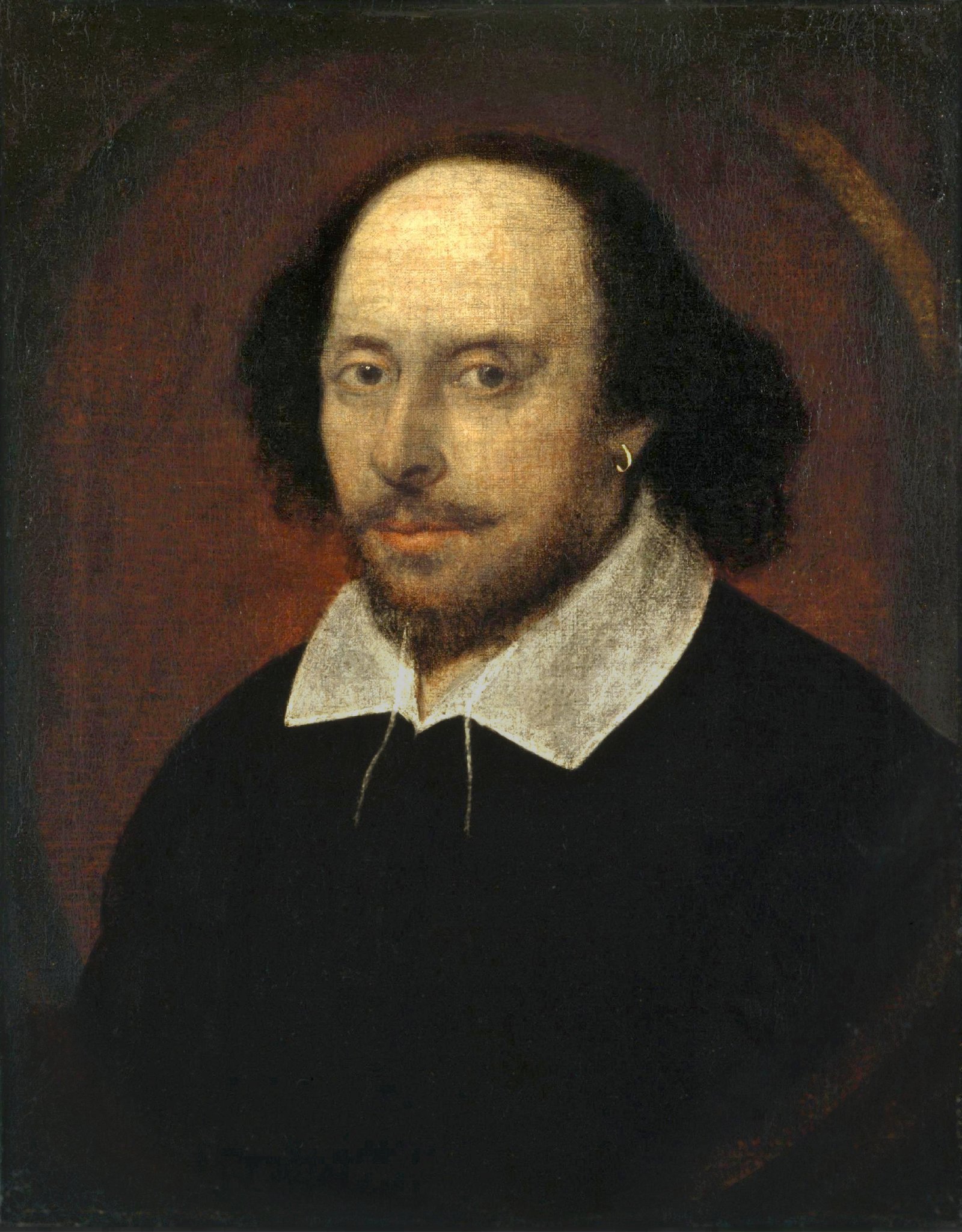
Shakespeare isn’t just for English classes—his plays are full of political intrigue and lessons in leadership. Presidents like Abraham Lincoln and John F. Kennedy frequently quoted Shakespeare, seeing him as a guide to the complexities of power. The Folger Shakespeare Library documents that Kennedy even gifted copies of Shakespeare’s works to visiting foreign leaders. The themes of ambition, betrayal, and diplomacy in plays like Hamlet and Macbeth have been referenced in State Department training materials, underlining the enduring link between literature and policy.
Joseph Conrad’s Heart of Darkness and Congo Policy
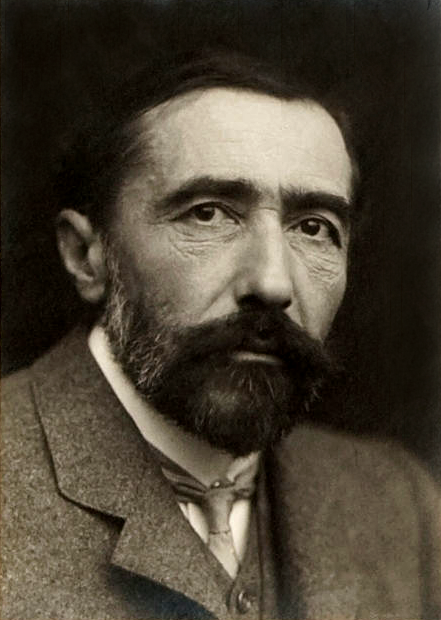
Joseph Conrad’s Heart of Darkness has been cited in U.S. government reports on Africa since the Cold War. The book’s exploration of colonial exploitation influenced American attitudes toward intervention in the Congo crisis of the 1960s. Declassified State Department documents show that policymakers referenced Conrad when weighing the risks of involvement. The novel’s haunting imagery shaped public and political perceptions of Africa, sometimes reinforcing caution and skepticism.
Langston Hughes and the Soft Power of Poetry
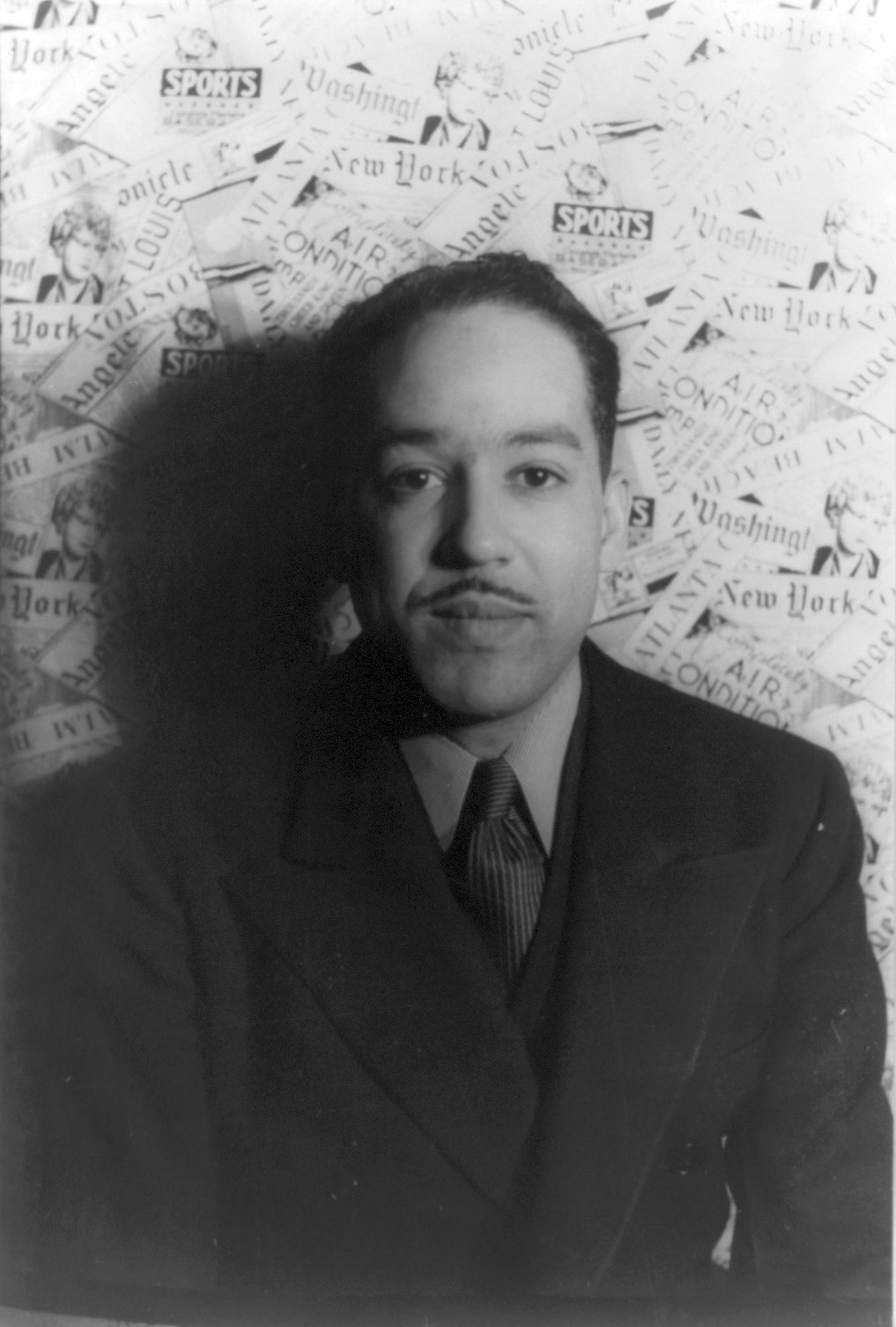
Poet Langston Hughes traveled the world as a cultural ambassador for the U.S. State Department during the 1950s. According to Smithsonian Institution records, his poetry readings in Africa and Asia were designed to counter Soviet propaganda and showcase American creativity. Hughes’ focus on freedom and equality subtly influenced foreign policy by building goodwill abroad. His work became an unofficial tool of soft power, promoting American ideals without the need for official statements.
J.R.R. Tolkien and the Language of Evil
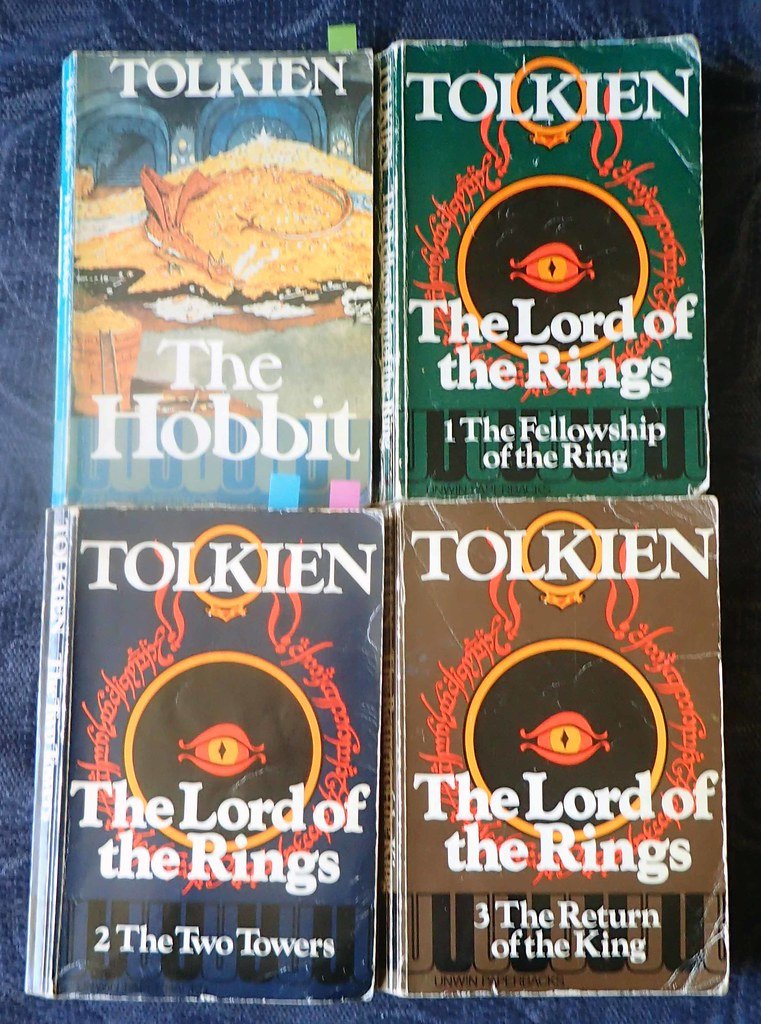
The Lord of the Rings trilogy, though set in a fantasy world, has been referenced by American leaders to describe real-world threats. President George W. Bush reportedly compared the “Axis of Evil” to Tolkien’s dark forces, according to accounts from former speechwriters. The metaphorical language of Tolkien’s battles between good and evil has been used to rally support for military interventions. This blending of fantasy and reality reflects how literature can provide a shared language for complex challenges.
Albert Camus and the Ethics of Intervention
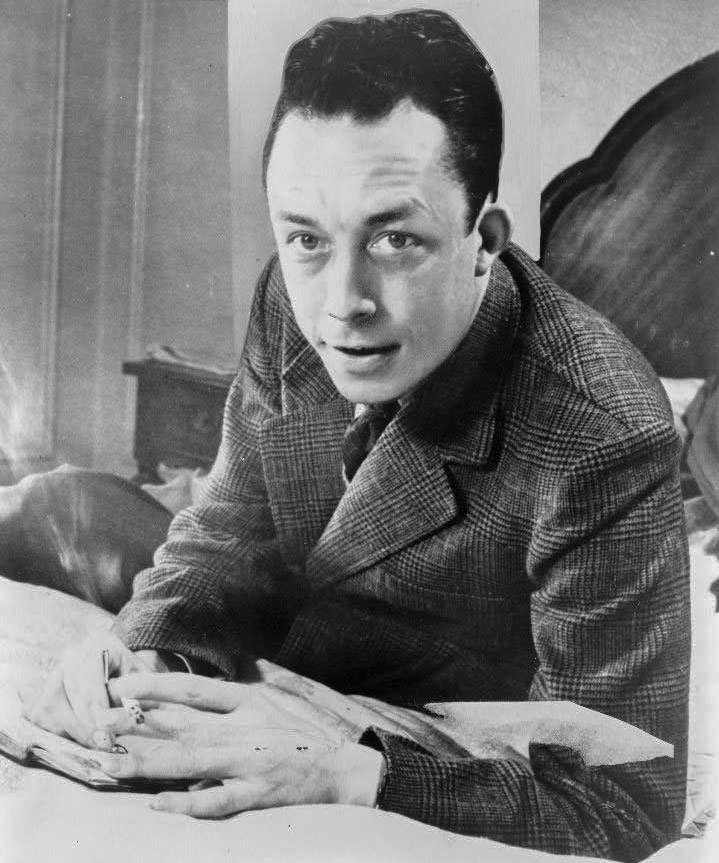
French-Algerian author Albert Camus’ writings on moral responsibility were influential among American policymakers during debates over intervention in Bosnia in the 1990s. The National Security Archive contains memos referencing Camus’ essays on justice and the limits of power. His insistence on ethical action in the face of suffering helped shape humanitarian policy decisions, particularly regarding the prevention of genocide. Camus’ ideas continue to inform debates on the ethics of force today.
Margaret Atwood and Women’s Rights Abroad
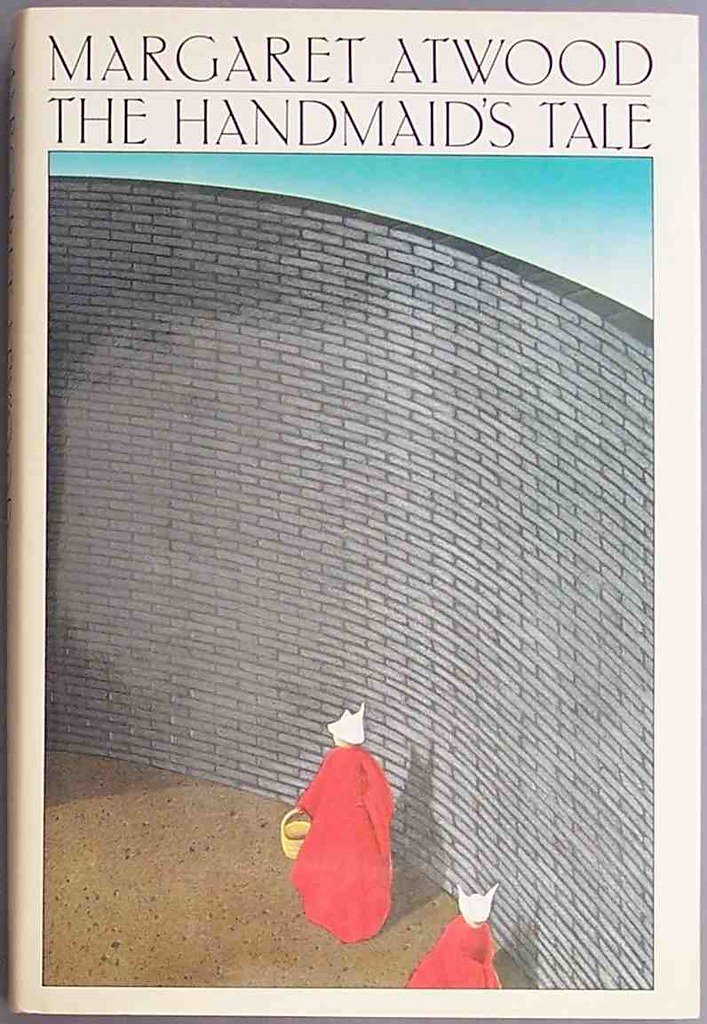
Margaret Atwood’s The Handmaid’s Tale has been cited in congressional hearings about women’s rights and U.S. foreign aid. Reports from the Congressional Research Service note references to the novel in debates over funding for reproductive health and gender equality initiatives overseas. Atwood’s dystopian vision has raised awareness of women’s rights issues and pushed policymakers to address them in diplomatic efforts, especially in countries with restrictive laws.
Harper Lee’s To Kill a Mockingbird and Justice Diplomacy
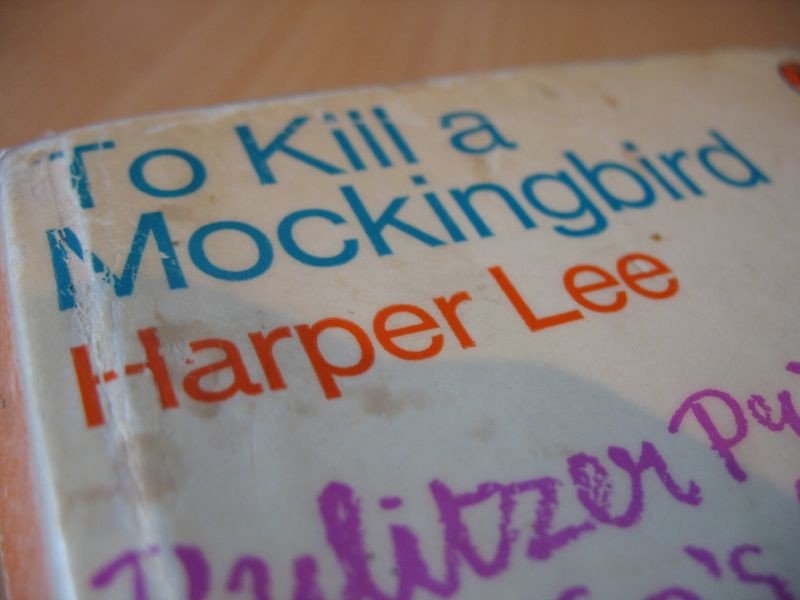
Harper Lee’s To Kill a Mockingbird has been used by the State Department in cultural exchange programs to promote American values of justice and equality. According to the U.S. Bureau of Educational and Cultural Affairs, readings and discussions of the novel are a staple of embassy outreach in countries with troubled legal systems. The story of Atticus Finch’s fight for justice resonates with audiences worldwide, helping to build trust and understanding between nations.
Contemporary Fiction and Modern Policy Shifts
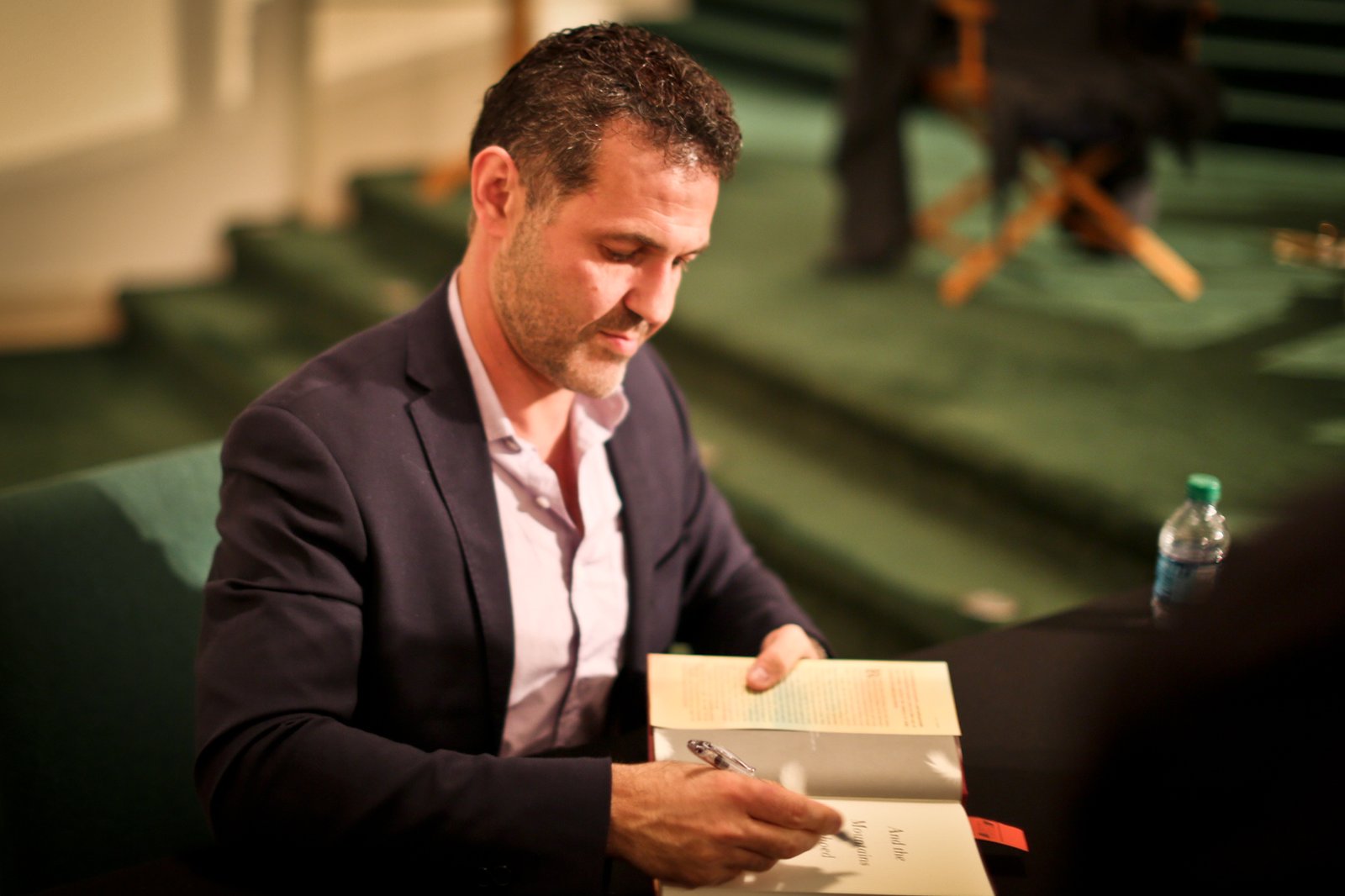
Contemporary novels like Khaled Hosseini’s The Kite Runner have influenced American policy conversations about Afghanistan. U.S. diplomats referenced the novel in briefings, according to leaked cables published by news organizations in 2010. The book’s portrayal of Afghan culture and history helped shape humanitarian and reconstruction policies after 2001. As new works of fiction reach influential readers, they continue to provide fresh perspectives on emerging global challenges.
Graphic Novels and Public Diplomacy
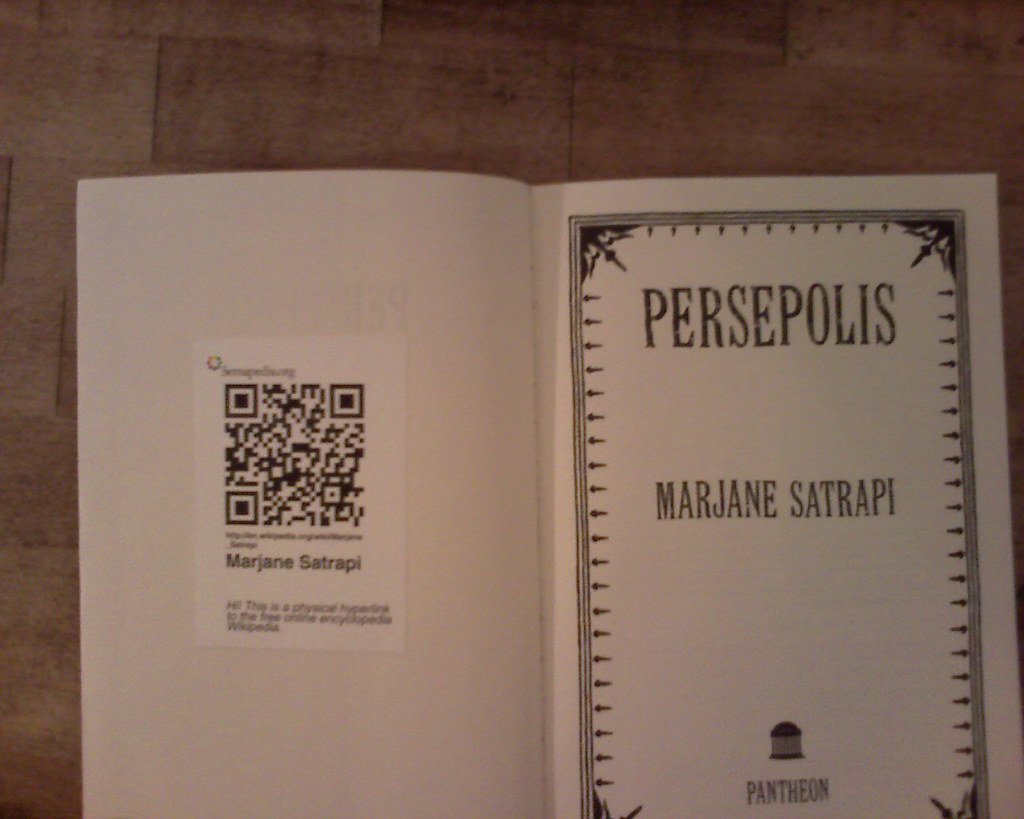
Graphic novels such as Marjane Satrapi’s Persepolis have become tools for diplomacy, with U.S. embassies distributing them in cultural programs. The State Department’s 2023 report on public diplomacy highlights the use of graphic novels to engage young audiences abroad. These visual stories break down complex issues like revolution and repression, making them accessible and relatable. As graphic novels gain popularity, their role in shaping perceptions and policy grows stronger.
End.

Christian Wiedeck, all the way from Germany, loves music festivals, especially in the USA. His articles bring the excitement of these events to readers worldwide.
For any feedback please reach out to info@festivalinside.com
