

- 20 Songs That Tell the True Story of America’s Past - September 26, 2026
- 25 Hidden Literary References in Popular Culture - September 26, 2026
- 5 Gentle Rituals to Reconnect with Yourself on Tired Days - September 26, 2026
“Yankee Doodle” – The Revolutionary Spirit
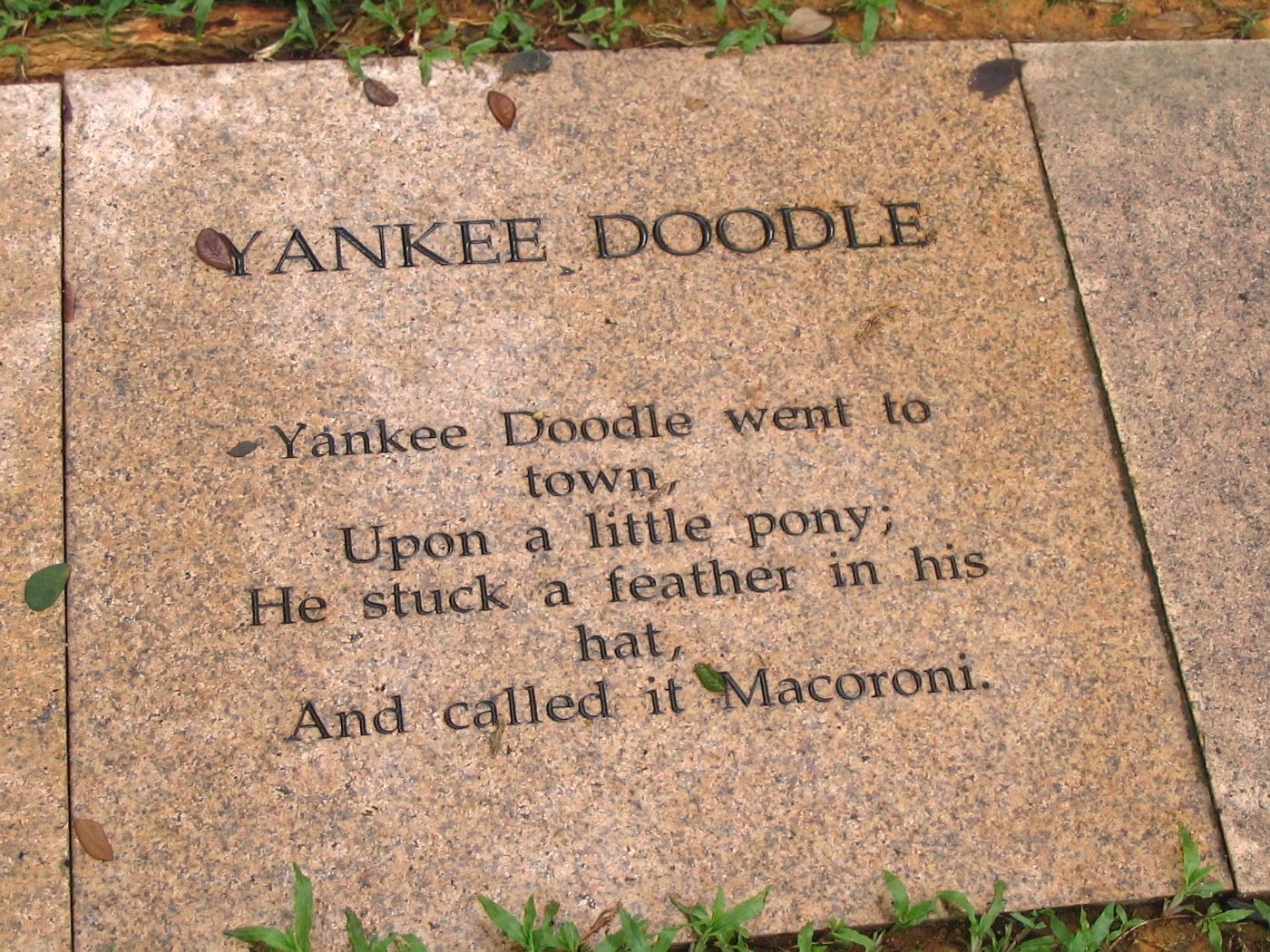
“Yankee Doodle” might sound like a children’s tune today, but it started as a mocking song sung by British troops during the American Revolution. Ironically, the colonists proudly adopted it as an anthem of defiance. This song captures the scrappy underdog energy of the revolutionaries, who took what was meant to belittle them and turned it into a rallying cry. Its catchy melody and simple lyrics made it easy for soldiers and citizens to sing along. It’s still played at patriotic events and parades, a living echo of America’s earliest quest for independence. In the late 18th century, “Yankee Doodle” was performed during crucial moments, such as the British surrender at Yorktown in 1781. This tune remains a symbol of resilience and American wit.
“My Old Kentucky Home” – The Shadows of Slavery
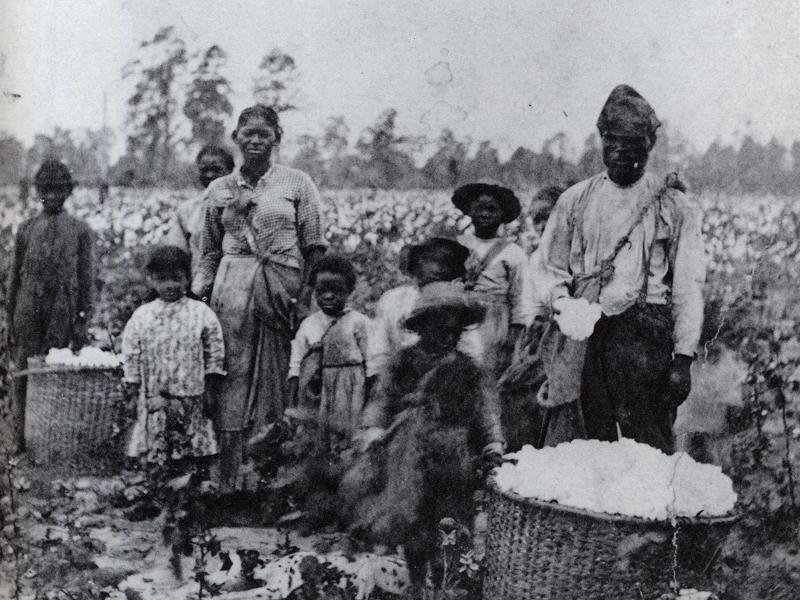
Written by Stephen Foster in 1853, “My Old Kentucky Home” is a bittersweet ballad reflecting antebellum life. While many remember it as a gentle ode to the South, its lyrics originally spoke to the pain and longing of enslaved people. Over time, the words have been softened, but the song’s roots remain tied to America’s troubled history with slavery. This song is still performed at the Kentucky Derby, connecting modern audiences with a complicated past. Foster’s melody is haunting and nostalgic, making listeners reflect on the era’s contradictions. According to historical records, “My Old Kentucky Home” was even used in abolitionist meetings to highlight the suffering of slaves. It forces us to confront the uncomfortable realities beneath its sweet tune.
“Battle Hymn of the Republic” – Civil War and Transformation
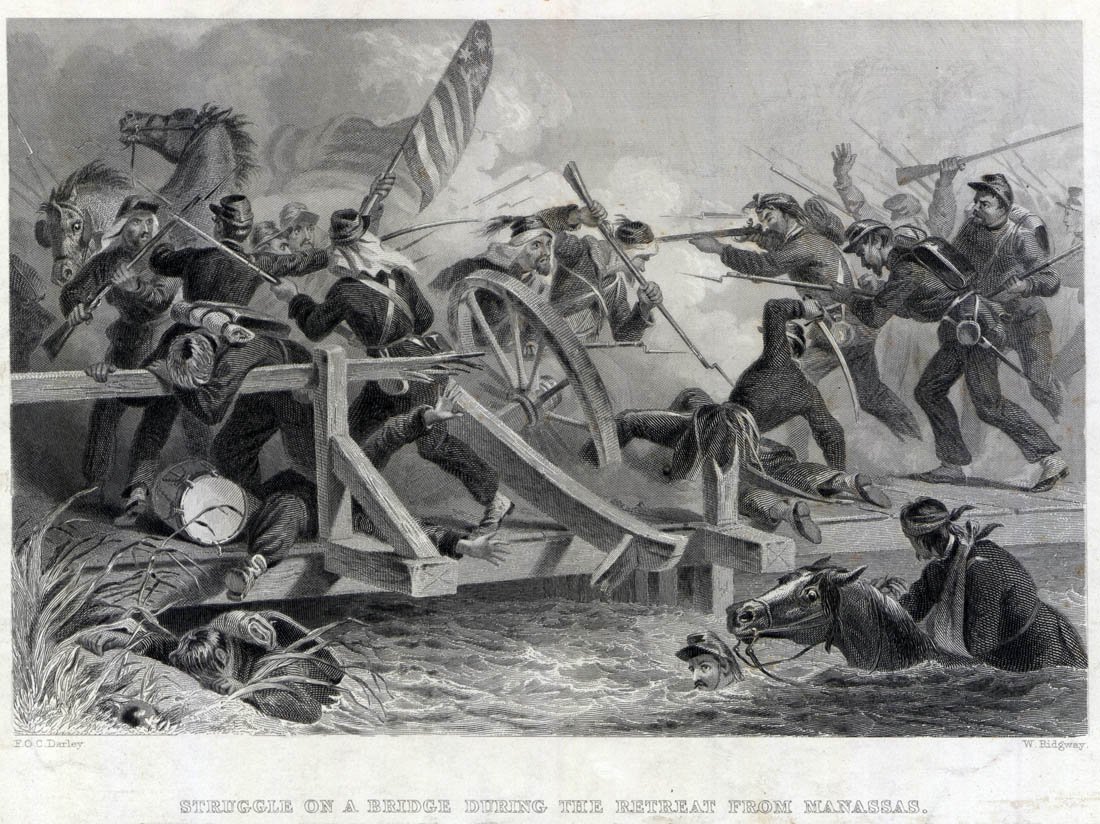
With its stirring chorus of “Glory, glory, hallelujah,” Julia Ward Howe’s “Battle Hymn of the Republic” became the unofficial anthem of the Union Army. Composed in 1861, it fused religious fervor with the fight for abolition and the preservation of the nation. This song was sung by soldiers marching into battle and by crowds mourning Abraham Lincoln’s death. It’s a powerful reminder of how music can both inspire and comfort during times of upheaval. The “Battle Hymn” continues to be performed at major national events, from presidential funerals to civil rights rallies. Its message of justice and sacrifice resonates through generations. The Library of Congress notes that this hymn has been reinterpreted countless times, reinforcing its place in American memory.
“Take Me Out to the Ball Game” – The Rise of Leisure
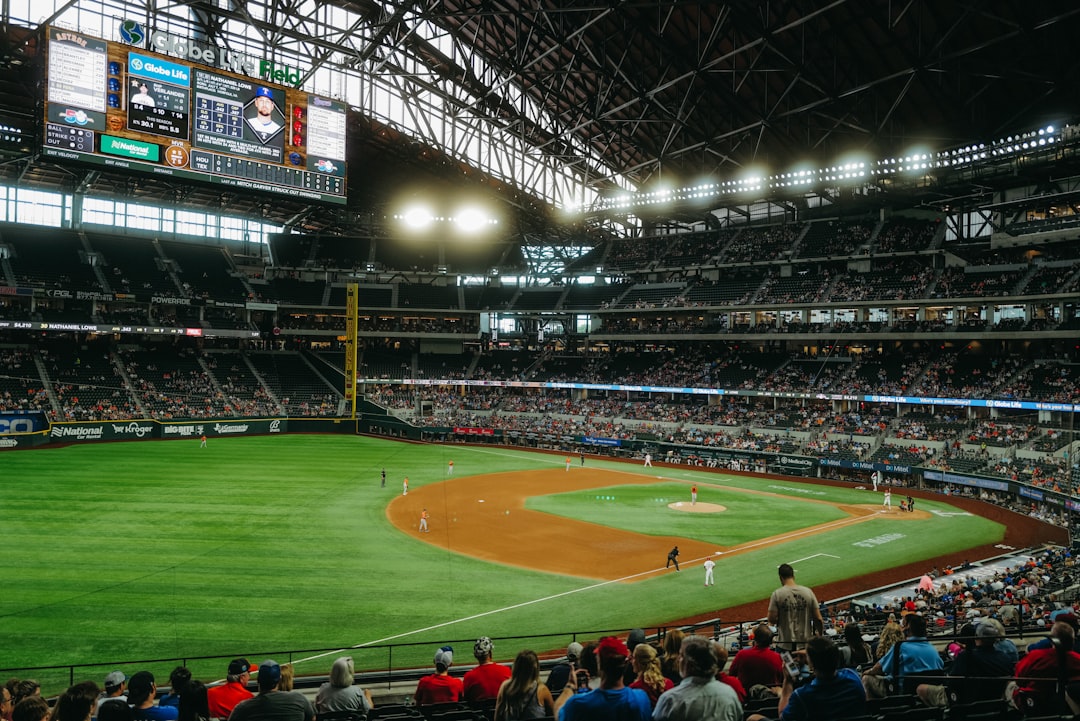
When Jack Norworth and Albert Von Tilzer wrote “Take Me Out to the Ball Game” in 1908, they had never attended a professional baseball game. Yet, their song became the unofficial anthem of America’s favorite pastime. Baseball exploded in popularity in the early 20th century, and this song reflected the growing importance of leisure and entertainment. It’s played during the seventh-inning stretch at every Major League Baseball game, a ritual uniting millions of fans. The lyrics capture the excitement and innocence of the era, celebrating simple pleasures like peanuts and Cracker Jack. According to a 2023 MLB report, over 70 million people attended professional baseball games last year, demonstrating the song’s enduring relevance. “Take Me Out to the Ball Game” is more than a tune—it’s a tradition.
“This Land Is Your Land” – The Voice of the People
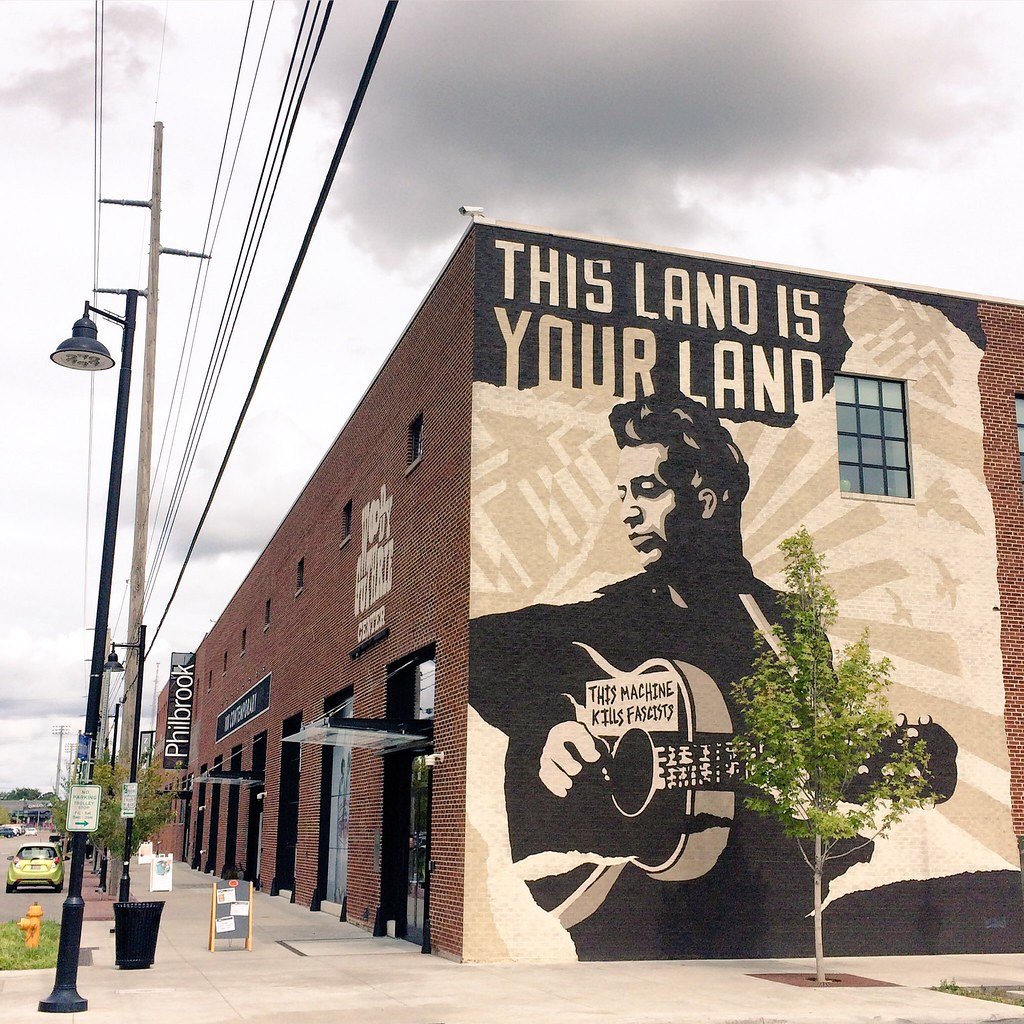
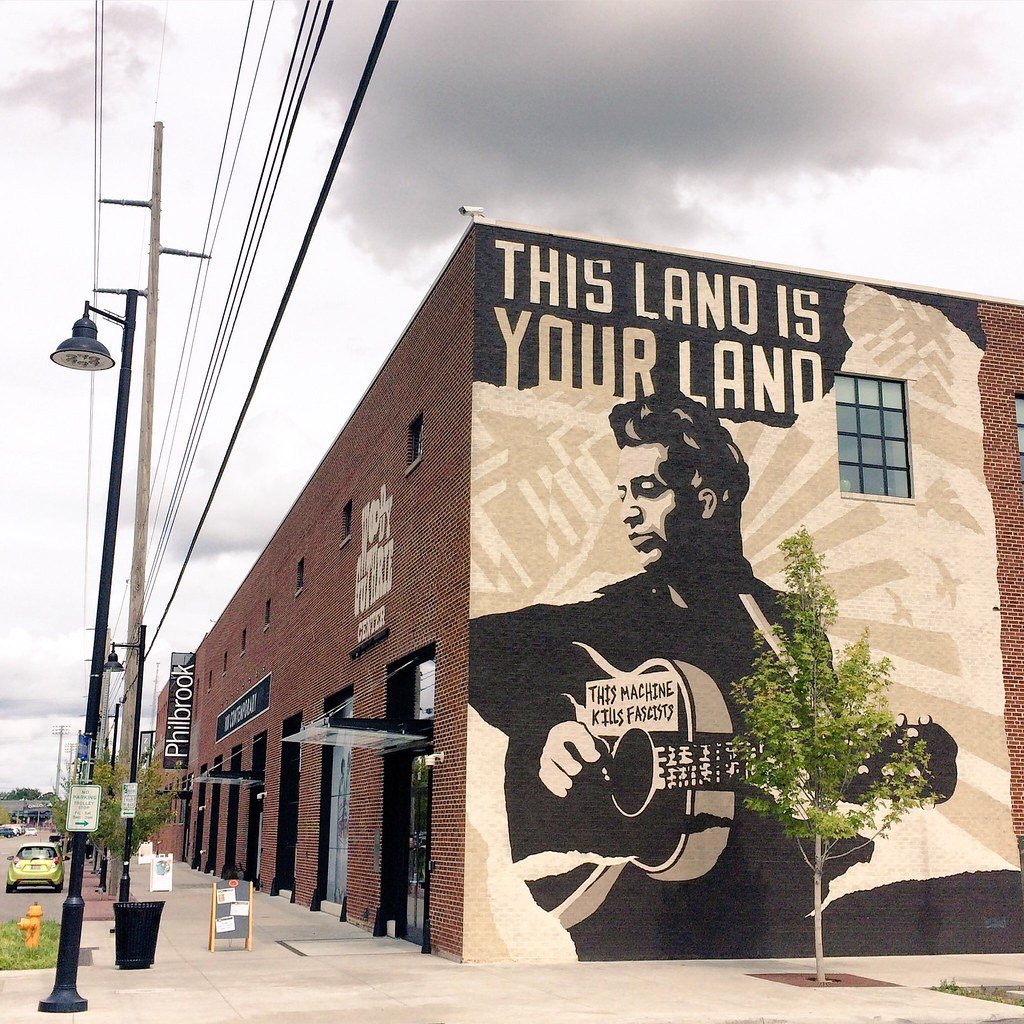
Woody Guthrie penned “This Land Is Your Land” in 1940 as a response to “God Bless America.” Frustrated by the lack of acknowledgment for the struggles of ordinary Americans, Guthrie wrote lyrics that celebrated the country’s beauty while questioning inequality. The song’s verses about hungry people and “No Trespassing” signs were often left out of schoolbooks, but they remain a powerful critique. In the 1960s, civil rights activists sang “This Land Is Your Land” during marches and sit-ins. Today, it’s considered one of the greatest protest songs, included in the Library of Congress National Recording Registry. Its message of inclusivity and justice still resonates, especially in times of social and political tension.
“Strange Fruit” – The Anguish of Injustice
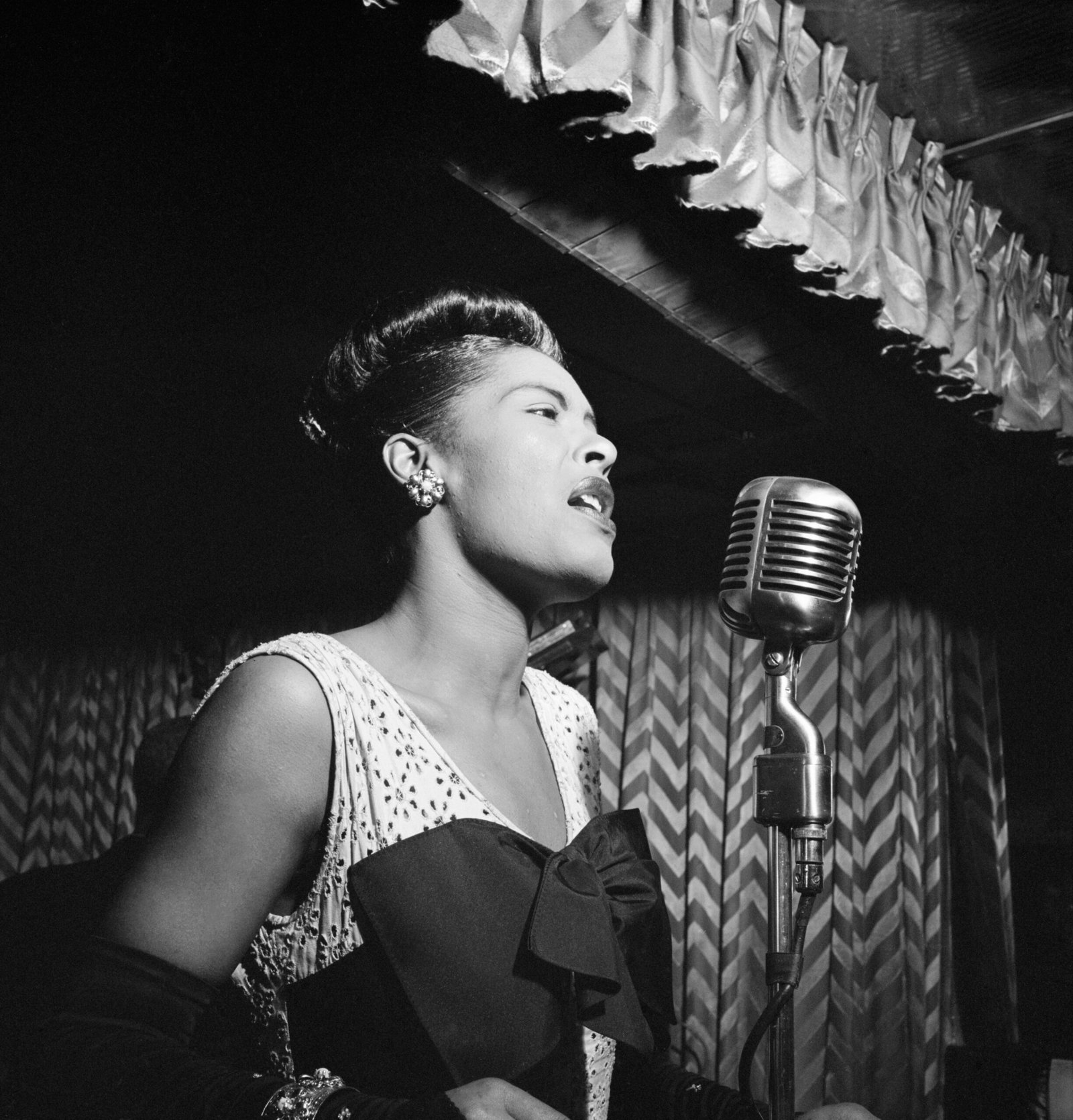
In 1939, Billie Holiday recorded “Strange Fruit,” a haunting protest against the lynching of Black Americans in the South. The song’s shocking imagery—“Black bodies swinging in the Southern breeze”—forced listeners to confront the brutality of racism. Holiday risked her career and safety every time she performed it, but “Strange Fruit” became a defining moment in American music and civil rights history. According to the Equal Justice Initiative, more than 4,000 Black Americans were lynched in the South between 1877 and 1950. “Strange Fruit” gave those victims a voice when the world ignored their suffering. Its legacy endures, cited in countless books and documentaries about American injustice.
“God Bless America” – Patriotism Reimagined
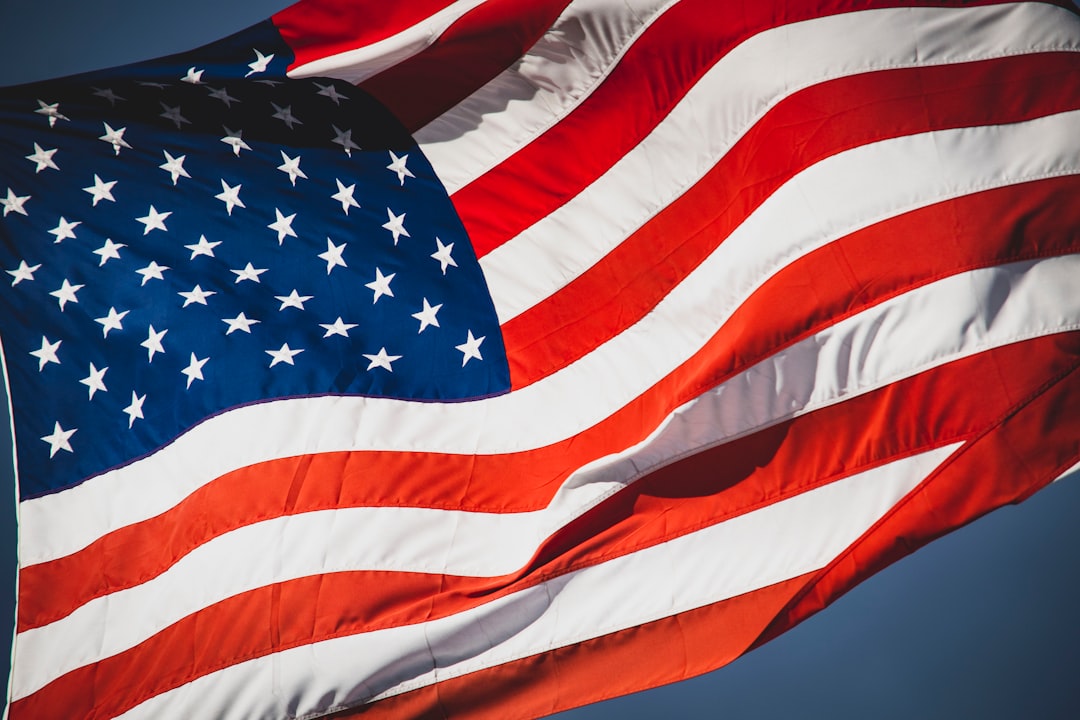
Written by Irving Berlin in 1918 and revised in 1938, “God Bless America” became the nation’s go-to anthem during times of crisis. Kate Smith’s famous rendition in 1939 was broadcast as the world plunged into World War II. The song is straightforward, hopeful, and deeply patriotic. Politicians and citizens alike have sung it to express unity, especially after 9/11, when Congress sang it on the Capitol steps. According to a Gallup poll in 2024, “God Bless America” ranks among the top three most recognized patriotic songs. Its message of hope and blessing continues to unite people across political divides. This song reminds us that music can serve as both comfort and call to action.
“We Shall Overcome” – The Civil Rights Movement
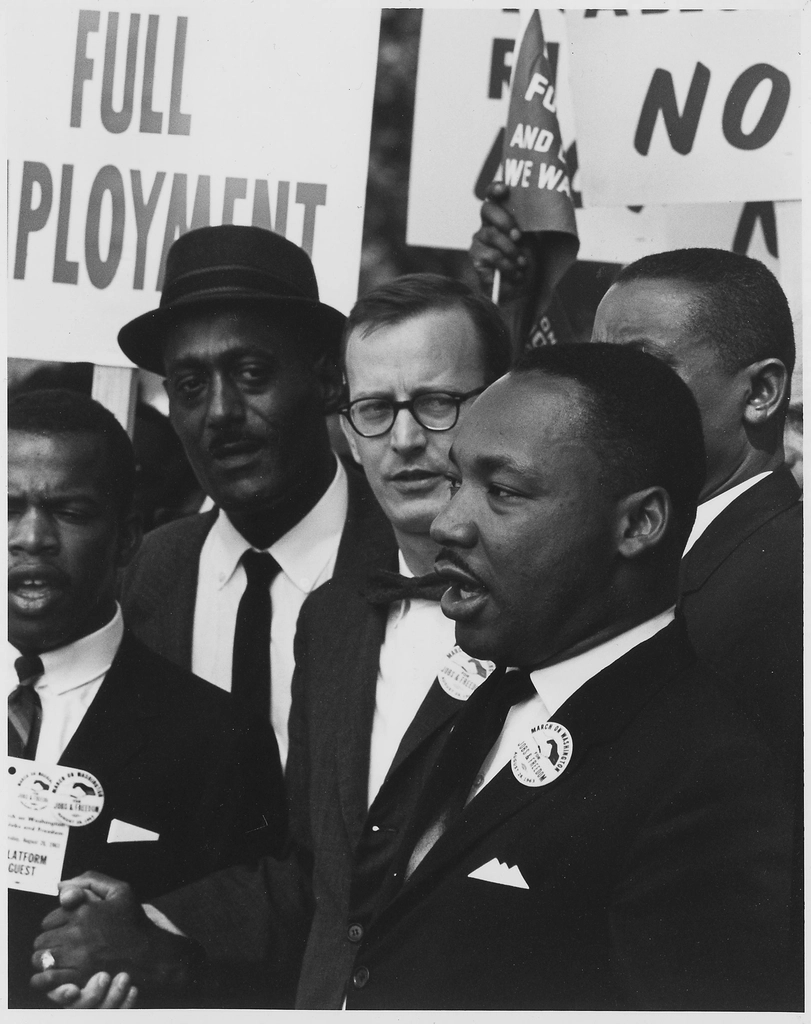
No song is more closely linked to the struggle for civil rights than “We Shall Overcome.” Emerging from old gospel hymns, it became the anthem of marches, sit-ins, and protests in the 1950s and 1960s. Leaders like Martin Luther King Jr. called it the “soul of the movement.” The song’s simple, repetitive structure made it easy for crowds to sing together, turning fear into solidarity. The Smithsonian Institution notes that “We Shall Overcome” was performed at the 1963 March on Washington, where hundreds of thousands joined in. Its message crosses boundaries of race and religion, promising hope in the face of adversity. Today, it’s sung at rallies for justice around the world.
“Respect” – The Rise of Feminism and Black Pride
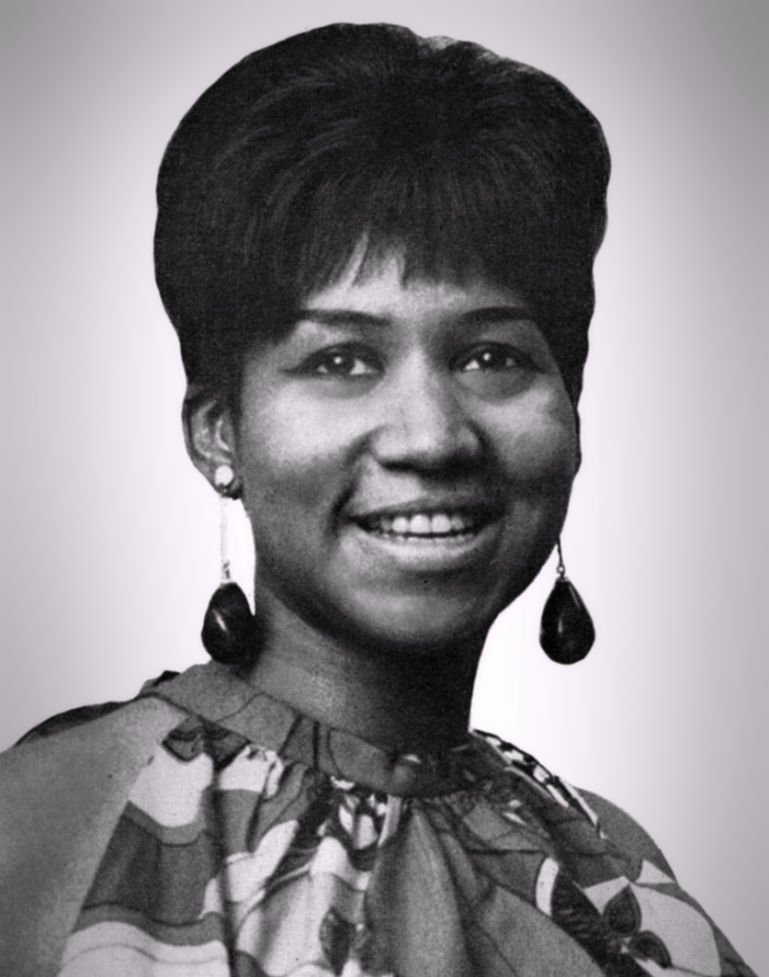
Aretha Franklin’s 1967 hit “Respect” was originally written and recorded by Otis Redding, but Franklin transformed it into a clarion call for women’s rights and Black empowerment. With her powerful voice and bold delivery, she demanded dignity and recognition. “Respect” topped the Billboard Hot 100 and became an anthem for the feminist and civil rights movements. NPR’s 2023 music retrospective named it one of the most influential songs of the 20th century. The song’s impact is felt in everything from protest signs to pop culture references. Aretha’s “R-E-S-P-E-C-T” spelled out a new era in American history.
“Born in the U.S.A.” – The Complexities of Patriotism
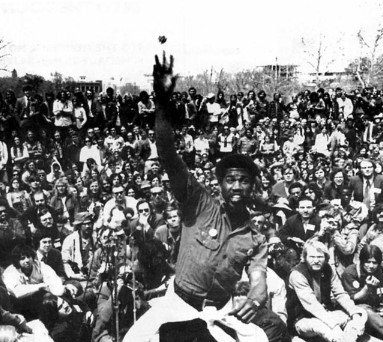
Bruce Springsteen’s “Born in the U.S.A.” is often misunderstood as a straightforward patriotic anthem, but its lyrics tell the story of a Vietnam veteran struggling to find his place in a changing America. Released in 1984, it became one of the biggest hits of the decade, with its driving beat and catchy chorus. Yet, the verses are filled with pain and disappointment, reflecting the disillusionment of many Americans at the time. According to Billboard, the song spent seven weeks at number one on the album charts. Politicians have used it at rallies, sometimes missing its deeper message. “Born in the U.S.A.” remains a powerful reminder that patriotism can be complicated.
“Fight the Power” – Hip-Hop and Social Protest
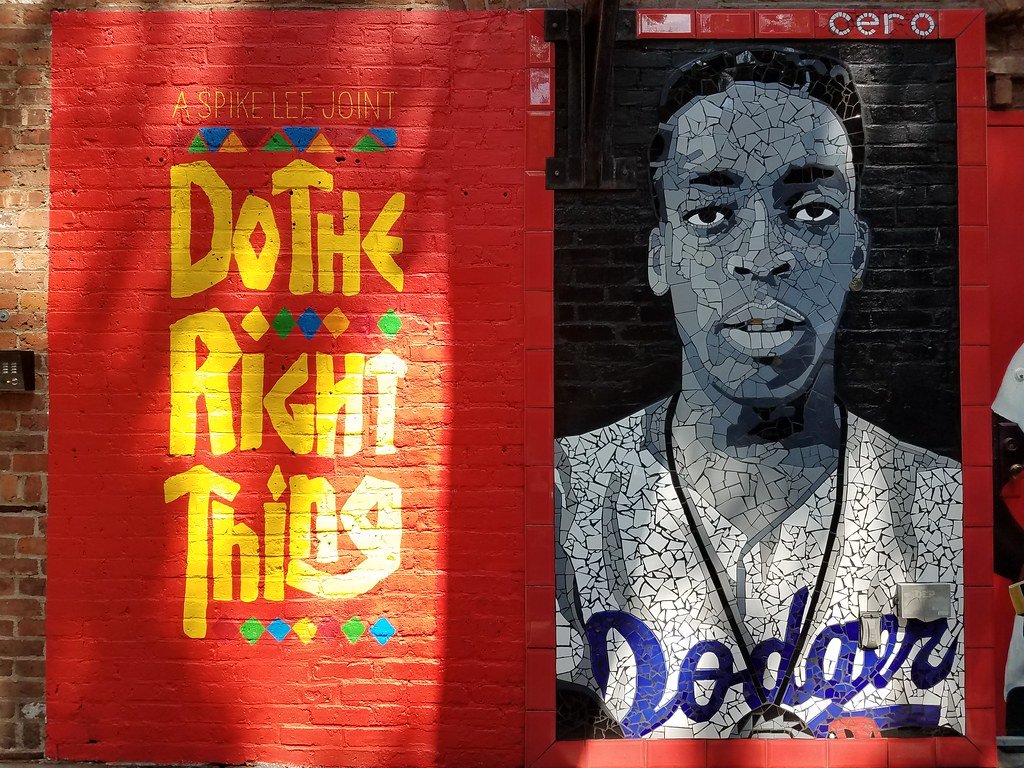
Public Enemy’s 1989 track “Fight the Power” shook up America with its unapologetic critique of racism, police brutality, and inequality. The song was featured in Spike Lee’s film “Do the Right Thing,” amplifying its impact. With lines like “Elvis was a hero to most, but he never meant shit to me,” it challenged listeners to question the status quo. The track became a rallying cry during protests, including the 2020 Black Lives Matter demonstrations. According to Rolling Stone’s 2024 list, “Fight the Power” is one of the top protest songs of all time. Its influence can be heard in modern activism and music.
“Imagine” – Dreams of Peace and Unity
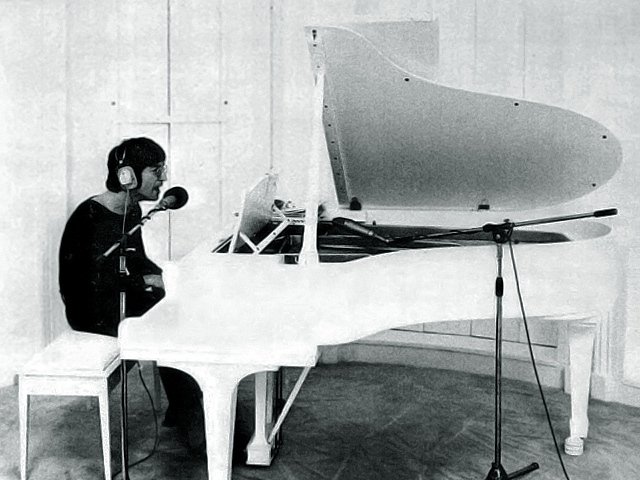
John Lennon’s “Imagine,” released in 1971, looks past borders and divisions to picture a world united in peace. Though Lennon was British, the song became a staple at American rallies and vigils, especially after national tragedies. It’s been covered by everyone from Elton John to Lady Gaga, and was performed at the 2021 Tokyo Olympics opening ceremony. “Imagine” still ranks high on lists of the most inspirational songs, according to a 2023 YouGov poll. Its vision of hope and harmony continues to inspire people of all backgrounds to dream of a better world.
“American Pie” – The Loss of Innocence
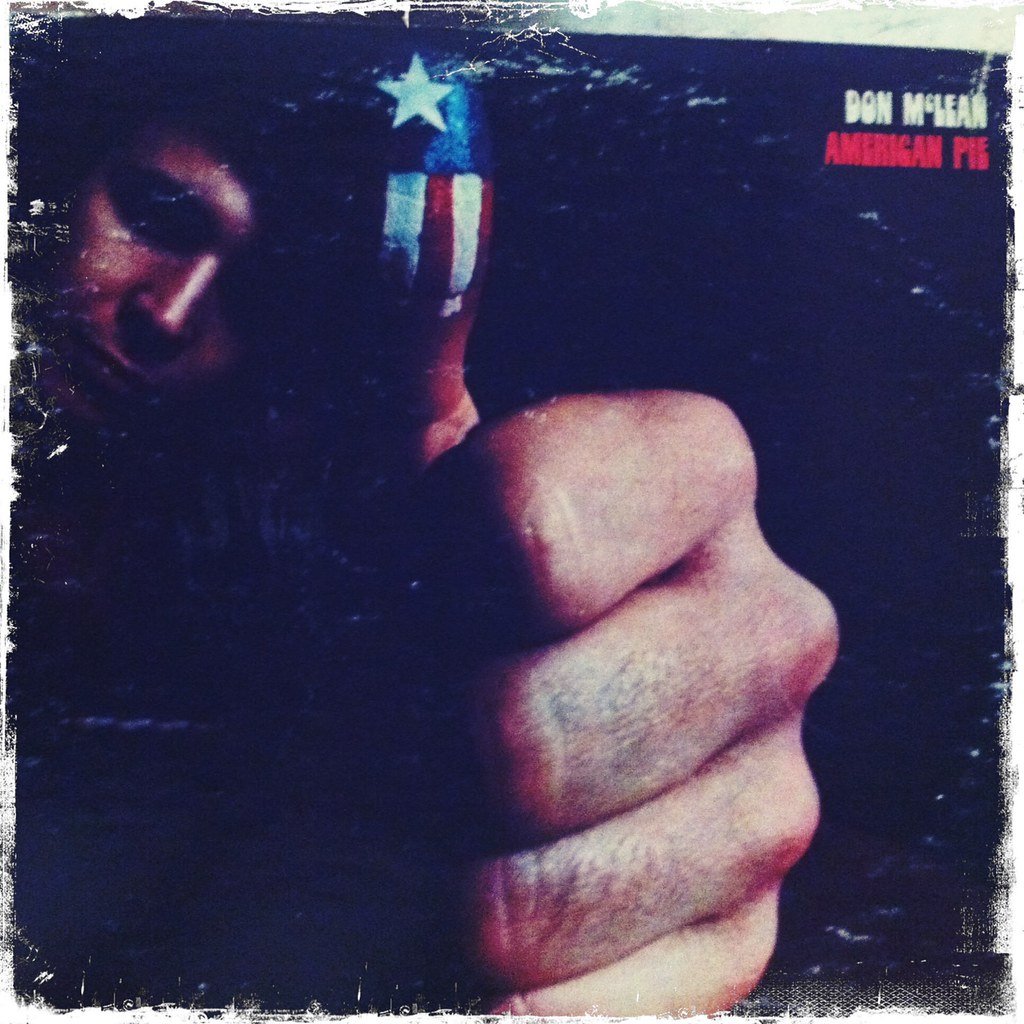
Don McLean’s “American Pie,” released in 1971, is an eight-minute journey through the turbulent 1960s, starting with “the day the music died”—the 1959 plane crash that killed Buddy Holly, Ritchie Valens, and the Big Bopper. The song is filled with cryptic references to major events, from the assassinations of the Kennedys to the rise of rock ’n’ roll. “American Pie” reached number one on the Billboard Hot 100 and has been inducted into the National Recording Registry. It captures the sense of loss and nostalgia that defined a generation coming of age during rapid social change.
“I Will Survive” – Empowerment and Resilience
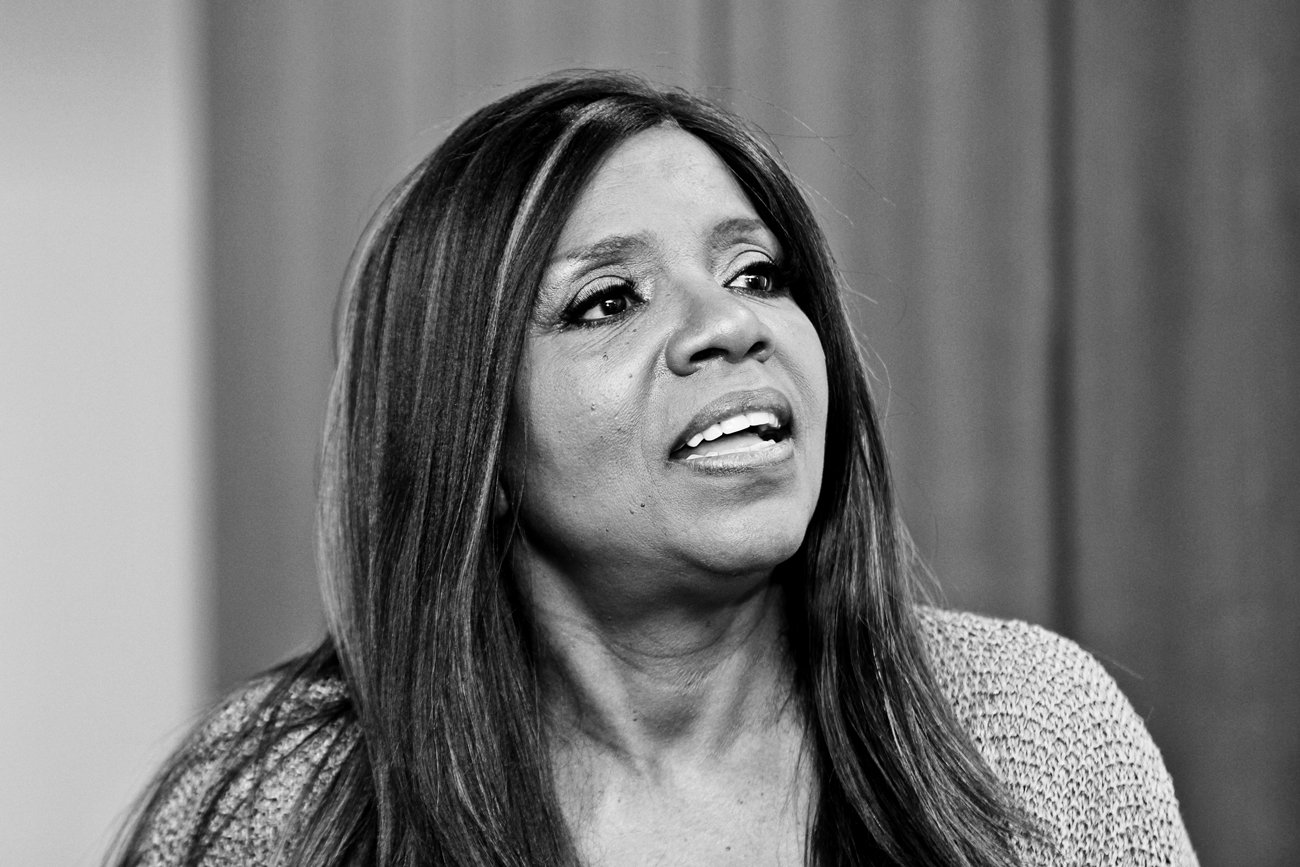
Gloria Gaynor’s disco classic “I Will Survive,” released in 1978, quickly became an anthem for anyone facing adversity. Its message of strength and independence resonated with women, LGBTQ+ communities, and anyone who needed a boost. By 2024, the song had been streamed more than 500 million times on Spotify, showing its enduring appeal. It’s often played at graduations, rallies, and even sporting events. “I Will Survive” reminds listeners that setbacks are part of life, but perseverance is key. Its upbeat tempo and defiant lyrics make it a favorite for karaoke nights and personal victories alike.
“Born to Run” – The American Dream
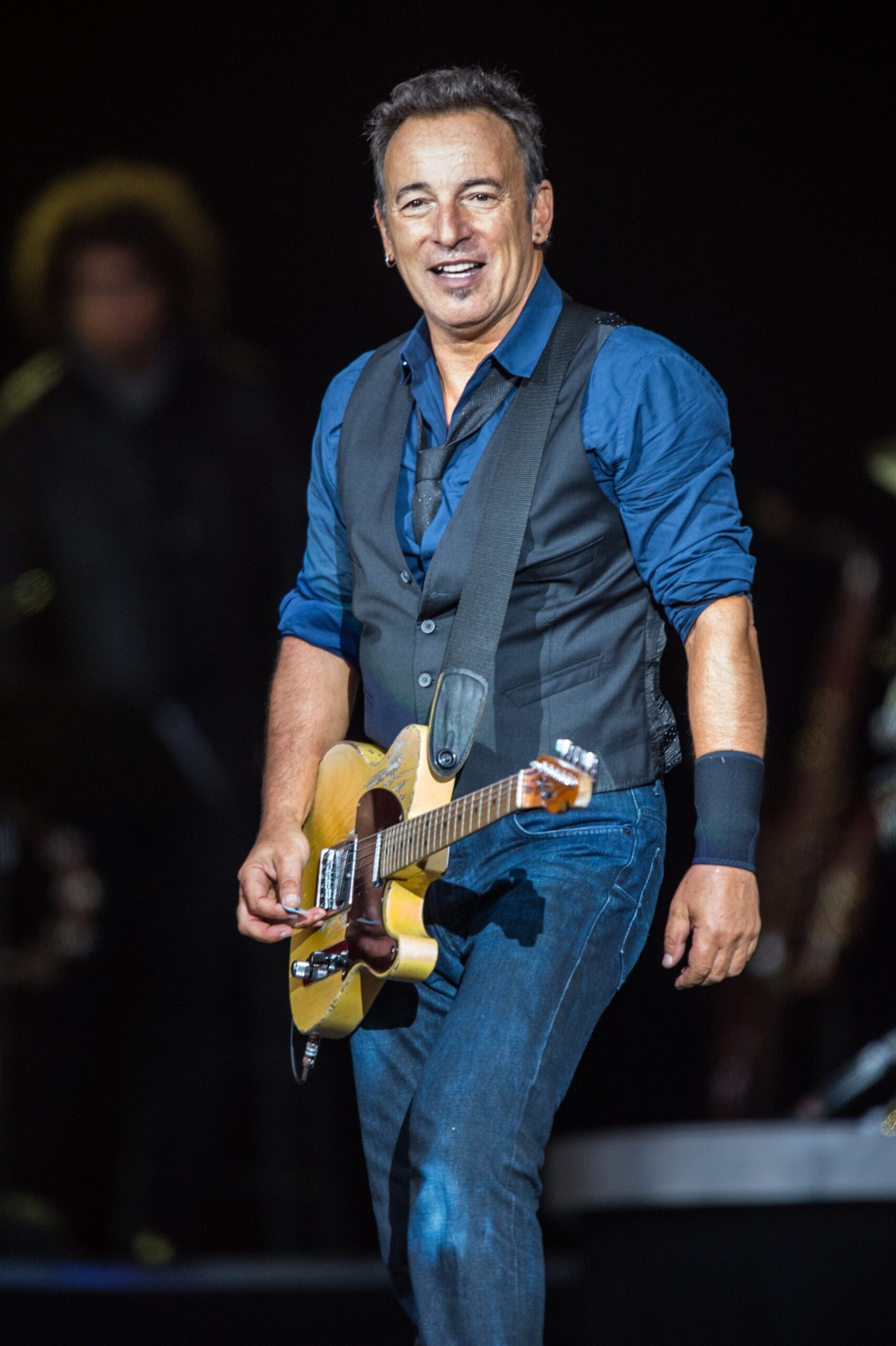
Bruce Springsteen’s “Born to Run,” released in 1975, is a poetic ode to escape, hope, and chasing dreams. The song’s driving rhythm and vivid lyrics paint a picture of restless youth yearning for something more. Rolling Stone consistently ranks it among the greatest rock songs ever. In 2022, “Born to Run” was inducted into the National Recording Registry for its cultural significance. The song captures the spirit of ambition and freedom that has defined so much of American history. It’s become an anthem for road trips, graduations, and anyone who’s ever wanted to break free.
“Like a Rolling Stone” – Social Change and Rebellion
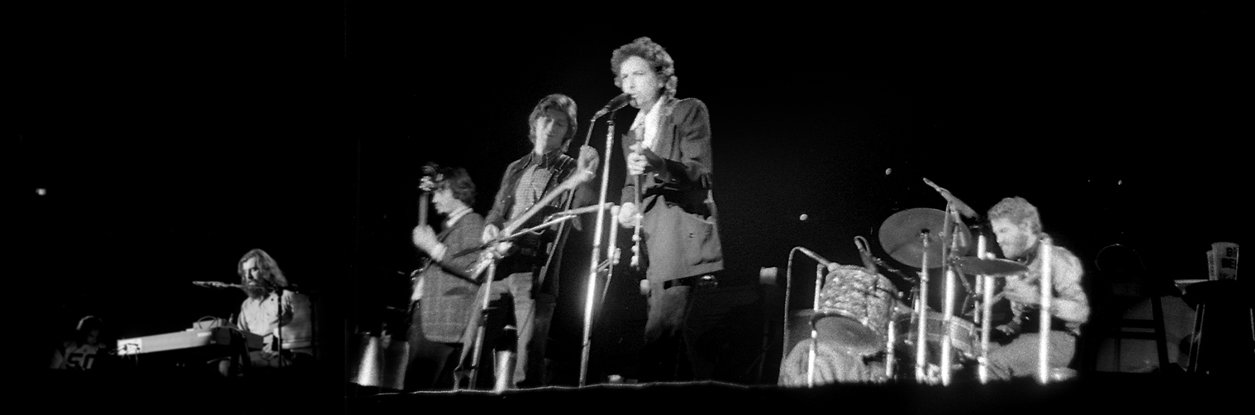
Bob Dylan’s 1965 hit “Like a Rolling Stone” broke all the rules. Its six-minute runtime and ambiguous lyrics challenged radio conventions and listeners’ expectations. The song became a soundtrack for the counterculture movement, as young people questioned authority and tradition. According to a 2023 poll by the Rock & Roll Hall of Fame, “Like a Rolling Stone” is the most cited song by new inductees as an influence. Dylan’s voice and message inspired generations to speak out and stand up for change. The song’s title itself became shorthand for freedom and nonconformity.
“No Woman, No Cry” – Immigration and Identity
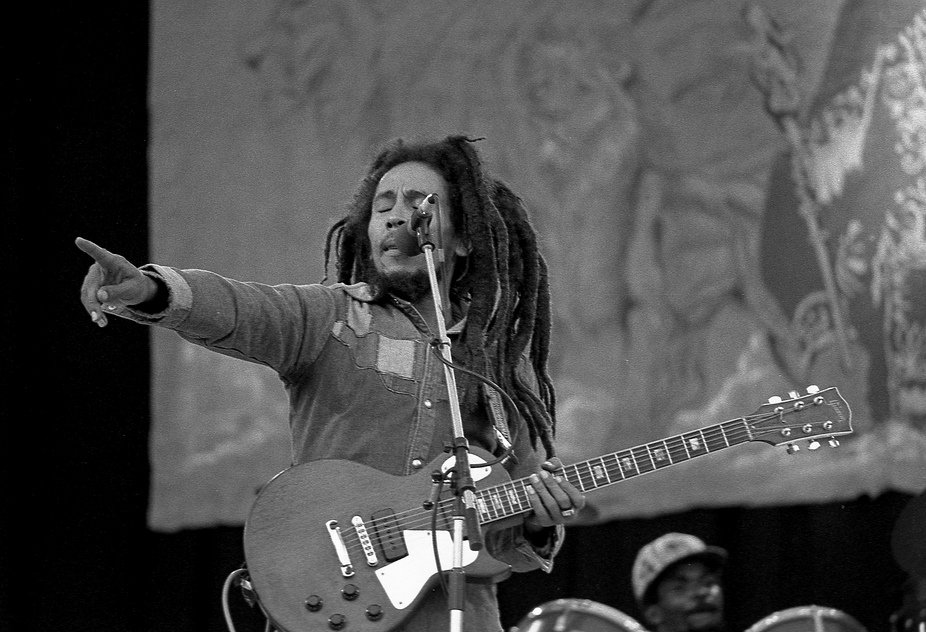
Though Bob Marley was Jamaican, “No Woman, No Cry” became a comfort for millions of immigrants, including those coming to America. The song’s themes of struggle, community, and hope resonated in cities like New York and Miami, where Caribbean and African communities grew. In 2024, the song was added to the Library of Congress National Recording Registry. Marley’s gentle reassurance—“Everything’s gonna be all right”—offered solace in uncertain times. The track is played at gatherings, family reunions, and political rallies, weaving itself into the fabric of American multicultural life.
“Alright” – Modern Protest and Hope
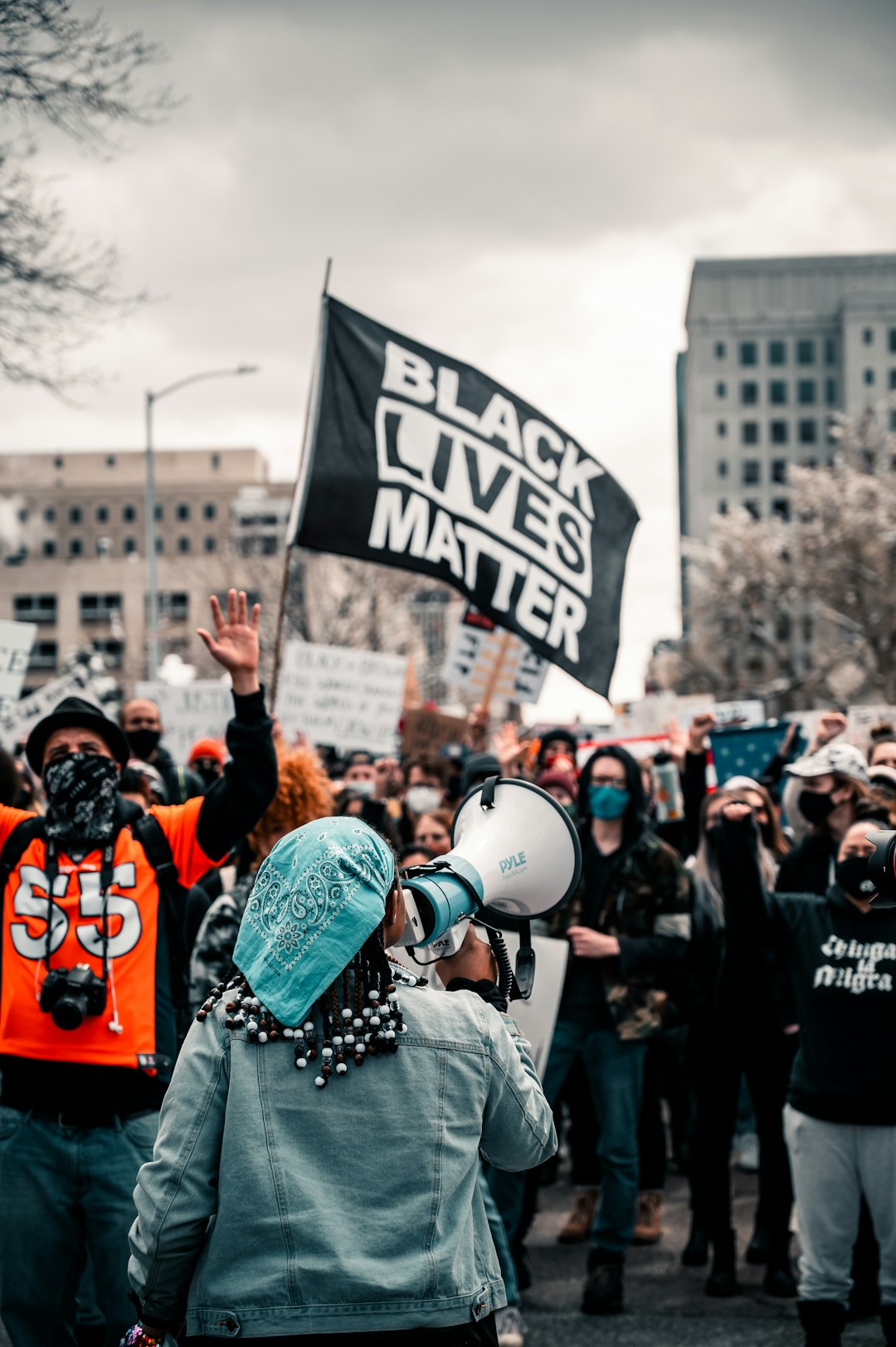
Kendrick Lamar’s “Alright,” released in 2015, became a rallying cry for the Black Lives Matter movement. Its chorus—“We gon’ be alright”—was chanted during protests against police violence from Ferguson to Minneapolis. The song won two Grammy Awards and was cited by former President Barack Obama as a favorite. According to a 2020 Rolling Stone article, “Alright” is now considered one of the defining protest songs of the 21st century. Its blend of optimism and realism speaks to a new generation of Americans demanding change. The song’s legacy grows with each new demonstration.
“Old Town Road” – Breaking Boundaries
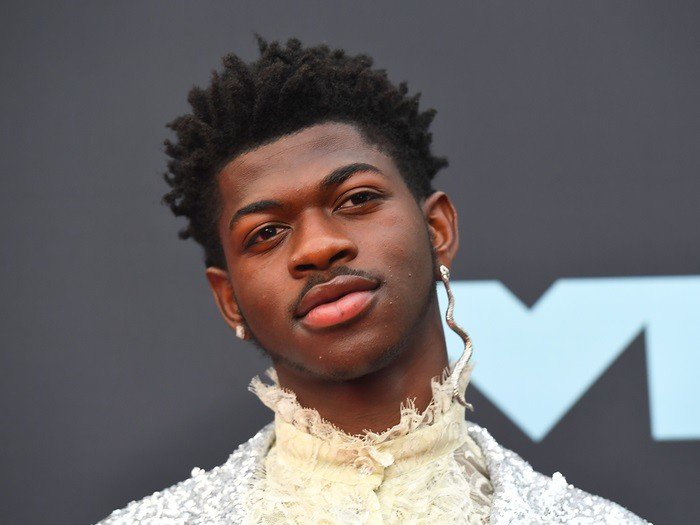
Lil Nas X’s “Old Town Road,” featuring Billy Ray Cyrus, exploded onto the scene in 2019 and broke the record for the longest-running number-one song on the Billboard Hot 100, staying there for 19 weeks. Its blend of country and hip-hop challenged traditional genre boundaries, prompting conversations about race and representation in music. The song’s viral rise on TikTok and streaming platforms showed how the music industry is changing. In 2024, “Old Town Road” still dominates playlists at parties and sporting events. Its success proved that American music—and identity—is always evolving.
“America the Beautiful” – A Timeless Ideal
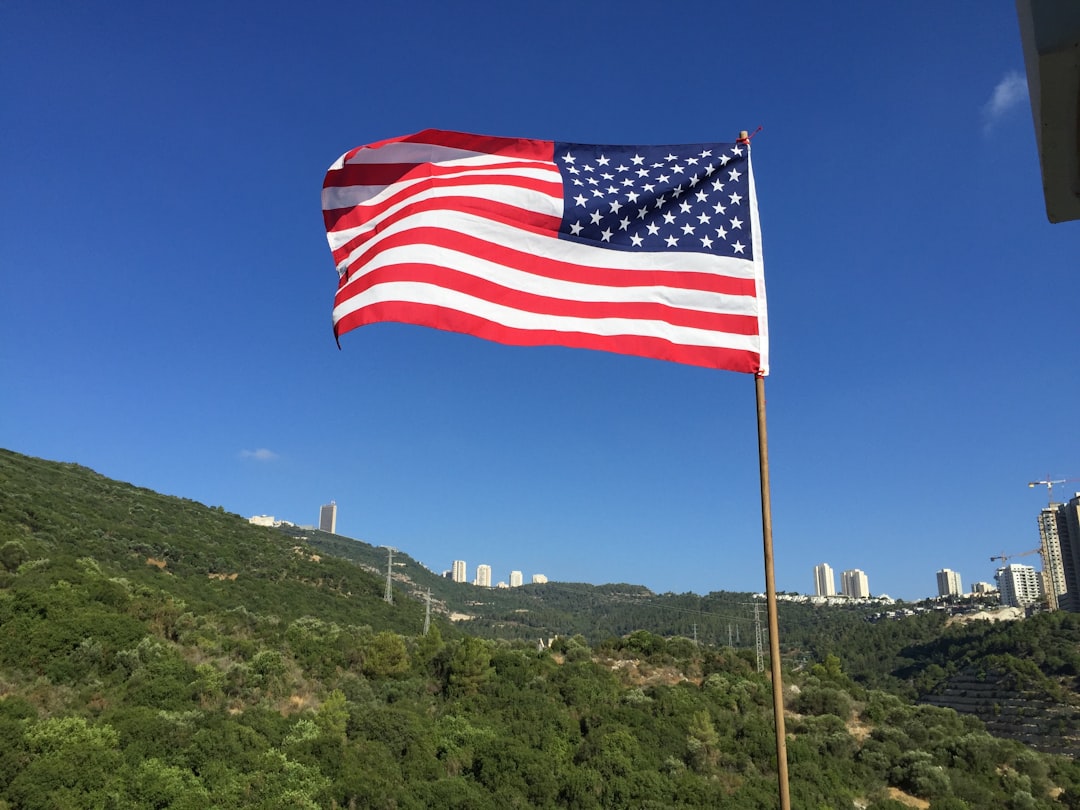
“America the Beautiful,” first published as a poem by Katharine Lee Bates in 1895 and set to music by Samuel A. Ward, is often called the country’s second national anthem. Its lyrics describe the vast landscapes and promise of the nation. The song is performed at presidential inaugurations, sports events, and national holidays. In 2023, a survey by the Pew Research Center found that “America the Beautiful” was the most requested patriotic song for July 4th celebrations. Its hopeful vision and sweeping melody remind Americans of the country’s enduring ideals, even as the nation continues to grow and change.
End.
CEO-Co-Founder
