

- 8 Classic Movies You Thought Were American – But Were Actually Foreign - August 12, 2026
- 10 Most Beautiful Beaches in The World for a Relaxing Vacation - August 12, 2026
- 15 Hit Singles From the Last Three Decades That Still Get You Dancing. - August 12, 2026
1. Peter Pan – The Boy Who Never Grew Up
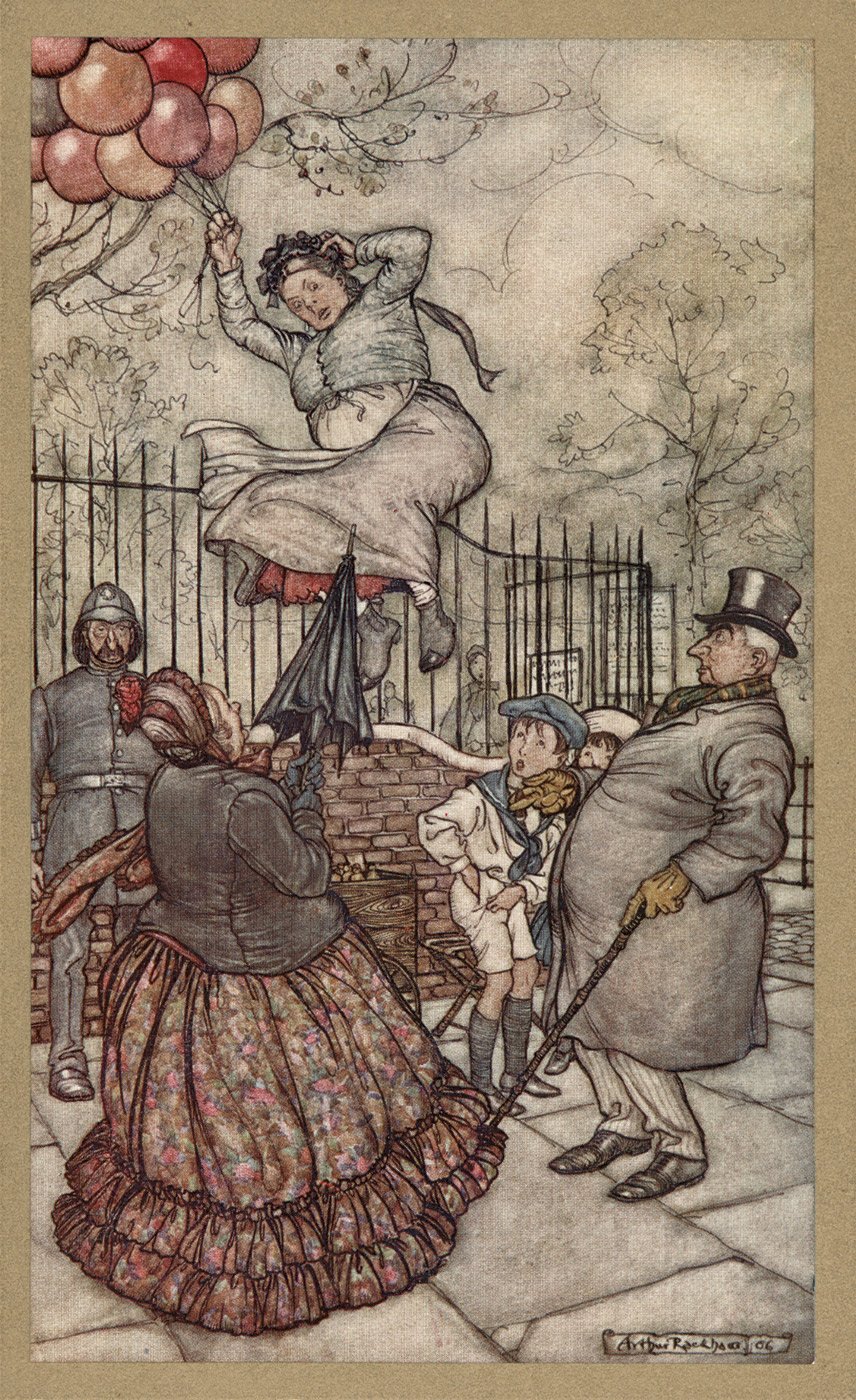
J.M. Barrie’s “Peter Pan” might seem like a magical adventure about eternal youth, but its roots are surprisingly somber. Barrie’s inspiration came from his own brother’s tragic death at age 13, leaving his mother devastated. Barrie once admitted that his mother found comfort in the idea that her son would remain a child forever—never growing old or leaving her. The Lost Boys in the story represent children who died young, and the theme of death is woven throughout. Even Peter’s cheerful refusal to grow up masks a deep sadness, hinting at the pain of loss. In the earliest versions, Peter “thins out” the Lost Boys when they grow up, a chilling euphemism for murder. The story’s eerie undertones have led many scholars to view “Peter Pan” as a tale of grief disguised in whimsy.
2. Alice’s Adventures in Wonderland – A Dream with a Shadow

Lewis Carroll’s “Alice’s Adventures in Wonderland” dazzles readers with bizarre logic and talking animals, but its origins have stirred controversy. Carroll, whose real name was Charles Dodgson, wrote the story for Alice Liddell, a young girl he befriended. Over the years, modern researchers and biographers have scrutinized Carroll’s relationship with Alice and her sisters, suggesting uncomfortable undertones. The story was written during a time of strict Victorian propriety, and Carroll’s private diaries were partially destroyed, fueling speculation. Some scholars believe Carroll’s curious and often dark dream world may reflect his own struggles with social norms and hidden desires. The surreal logic, shifting identities, and threats in Wonderland hint at deeper anxieties beneath its playful surface.
3. The Tale of Peter Rabbit – Mischief Rooted in Grief
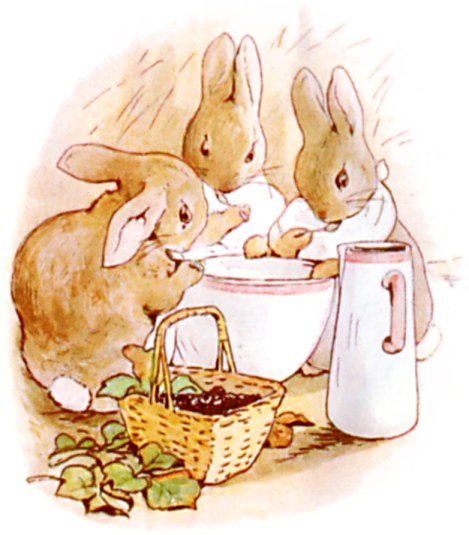
Beatrix Potter’s “The Tale of Peter Rabbit” is often seen as a gentle countryside romp, but the story’s origins are tied to personal sorrow. Potter wrote the first draft as a letter to cheer up Noel Moore, the sick son of her former governess. The mischievous Peter, constantly pursued and losing his father to Mr. McGregor’s garden, reflects a world where children face real dangers and loss. Potter herself battled depression and isolation, especially after losing her fiancé, Norman Warne, just before their wedding. The constant threat of punishment and the shadow of Peter’s lost father underscore the story’s darker reality: childhood is not a safe haven, but a place where danger lurks in the garden.
4. Pinocchio – A Puppet’s Grim Journey
Carlo Collodi’s “Pinocchio” is much darker than Disney’s adaptation suggests. In the original Italian serial, Pinocchio is hanged by robbers, and the world is full of danger and cruelty. Collodi, a political satirist, wrote the story as a warning about the harsh realities of life, not just a lesson in obedience. The Blue Fairy in early drafts does not save Pinocchio; instead, his suffering is used as a cautionary tale. Even after revisions, the narrative remains relentlessly dark: children are turned into donkeys for misbehavior, and Pinocchio’s journey is filled with betrayal and loss. The book reflects 19th-century Italian anxieties about poverty, discipline, and a society in turmoil.
5. Hansel and Gretel – Famine and Fear
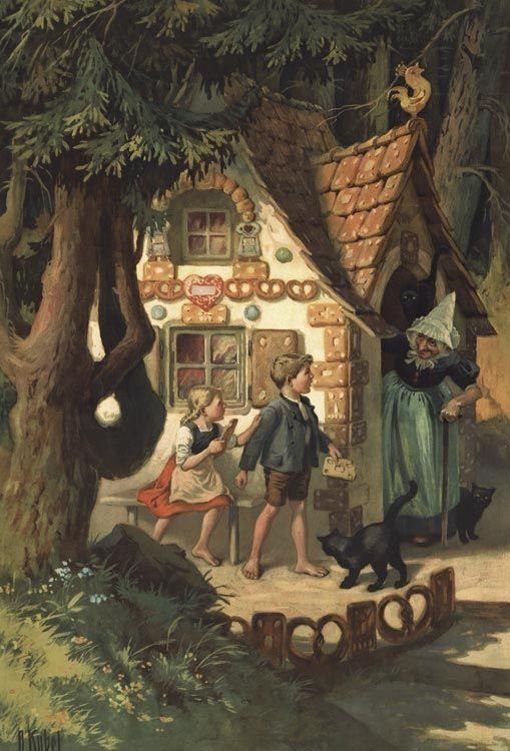
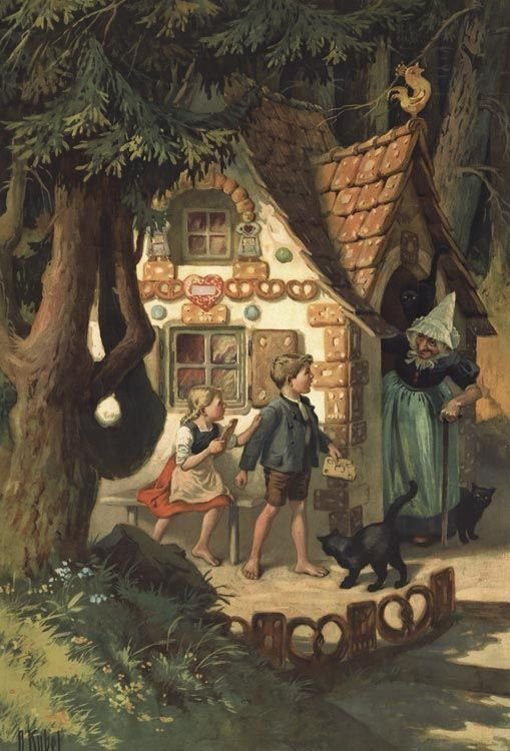
The Brothers Grimm collected “Hansel and Gretel” at a time when famine haunted Europe. The story’s origin is rooted in real events—during periods of starvation, there were cases of child abandonment and even cannibalism. The wicked stepmother, eager to abandon her stepchildren, echoes the desperation of families who could not feed extra mouths. Historians believe that these tales were warnings, teaching children about the dangers of hunger and the extremes people could reach. The tale’s infamous witch, who fattens children to eat them, is a monstrous embodiment of society’s ugliest fears. “Hansel and Gretel” is less a fairy tale and more a survival manual for desperate times.
6. The Little Mermaid – Love and Loss
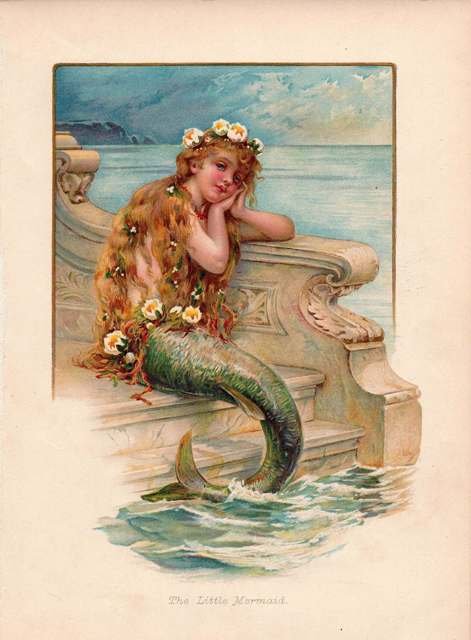
Hans Christian Andersen’s “The Little Mermaid” is famous for its tragic ending, far removed from the cheerful Disney adaptation. Andersen wrote the story while suffering from unrequited love for Edvard Collin, a man who did not return his feelings. The mermaid’s longing and her willingness to endure pain for a love she cannot have reflect Andersen’s own heartbreak. In the original tale, the mermaid sacrifices her voice and ultimately her life, dissolving into sea foam rather than harming her beloved prince. Researchers note that this story stands as a metaphor for unattainable desires and the pain of being different in an unforgiving world. Its melancholy tone reveals Andersen’s belief that love is often laced with suffering.
7. Snow White – The Jealous Queen’s Deadly Obsession
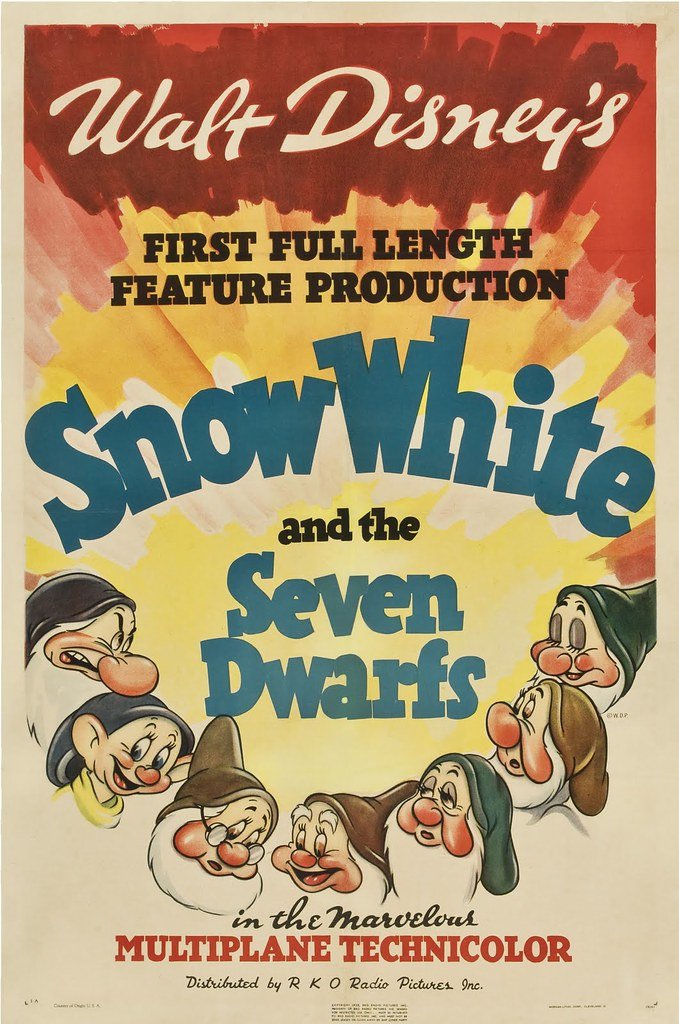
“Snow White” as recorded by the Brothers Grimm is a tale marked by jealousy, murder, and even cannibalism. The Evil Queen’s order to have Snow White’s heart (and originally, her liver and lungs) brought to her as proof of death is shockingly brutal. Early versions describe the Queen eating what she believes are Snow White’s organs, believing it will grant her power. The story’s origins can be traced to real cases of stepfamily rivalry and child abuse in medieval Europe. The Queen’s relentless attempts to murder Snow White—by strangulation, poison, and even burning shoes—reflect the cruel realities some children faced. The fairy tale’s happy ending is hard-won, emerging from a tale steeped in violence.
8. The Pied Piper of Hamelin – The Children Who Disappeared
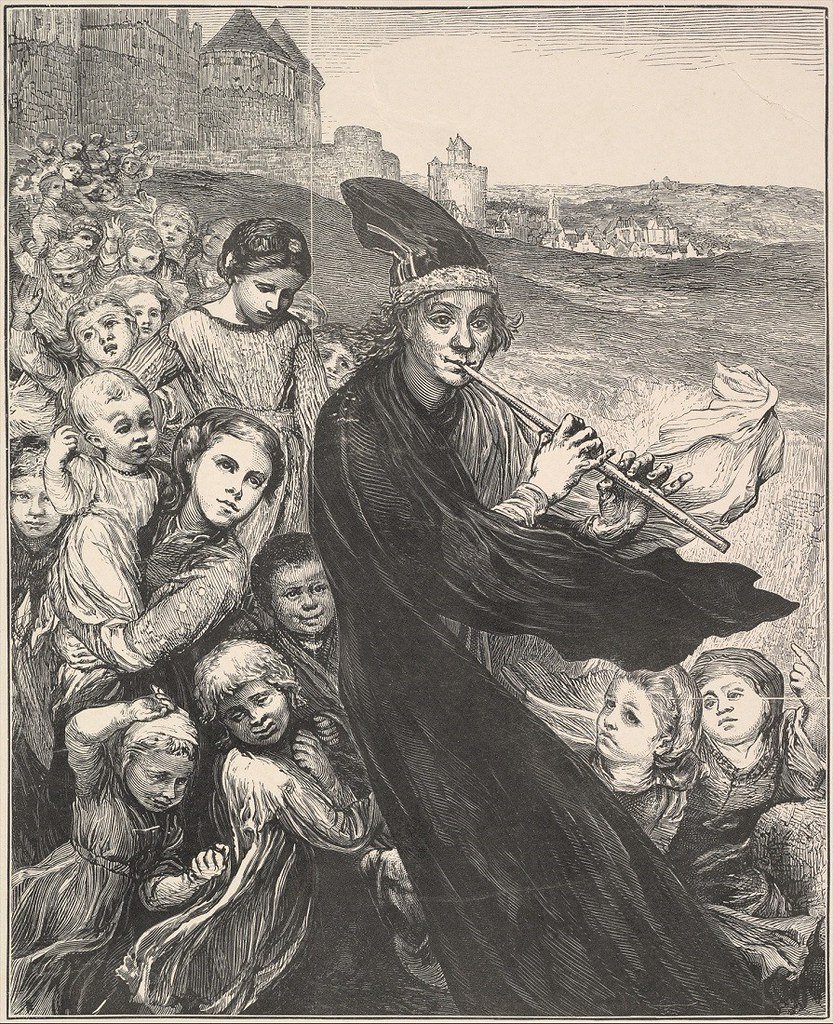
The legend of the Pied Piper, immortalized in Robert Browning’s poem, is rooted in a real historical mystery. In 1284, the town of Hamelin, Germany, recorded the disappearance of 130 children. While explanations vary—from disease to emigration—historians agree that some catastrophe struck the town’s youth. The story of the Piper, who leads the children away after the town refuses to pay him, is a haunting reminder of unfinished business and betrayal. Local records and church windows in Hamelin still reference the event. Researchers have suggested the tale may encode memories of trauma or tragedy, turning a historical loss into a supernatural warning.
9. The Velveteen Rabbit – Illness and Immortality

Margery Williams’ “The Velveteen Rabbit” is a gentle story about love, but it was inspired by the realities of childhood disease. In the early 20th century, scarlet fever and other illnesses were rampant, and many children lost their beloved toys to sanitation measures. The story’s boy becomes ill, and his rabbit is ordered to be burned—a scene echoing real public health practices. Williams wrote the book just after World War I, when grief hung heavy over families. The idea that love can make something “real,” even as loss seems inevitable, gave hope to children facing the threat of disease. The story’s enduring popularity is partly due to its honest portrayal of love and mortality.
10. Little Red Riding Hood – Warnings and Wolves
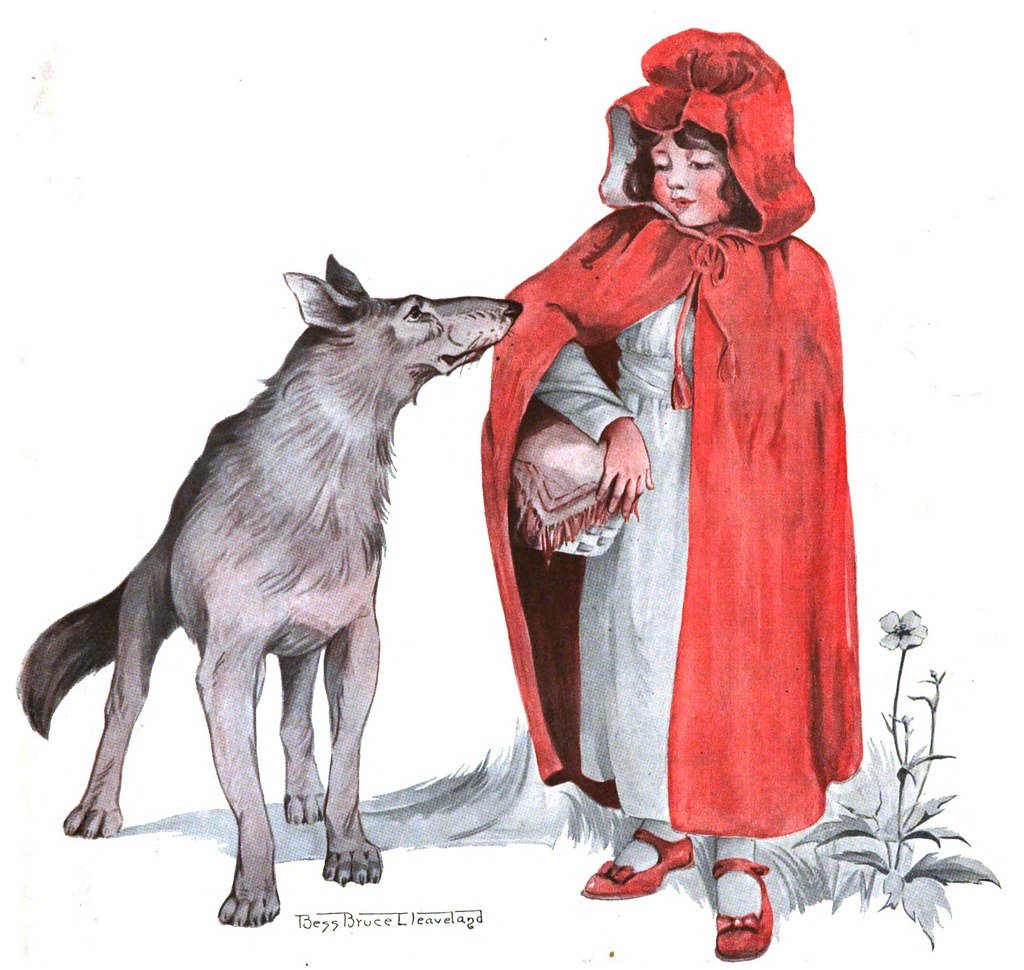
“Little Red Riding Hood” has roots in older European tales warning children about predatory adults. The wolf is often interpreted as a symbol for human dangers—ranging from sexual predators to strangers who lure children away. The earliest versions, like Charles Perrault’s, end with the wolf devouring Red, with no rescue in sight. Perrault explicitly stated that the story was meant to warn young girls about the dangers of trusting strangers. Folklorists have traced similar stories to rural France, where warnings about wolves were very real, but so too were concerns about the fate of children who wandered off alone.
11. Cinderella – Suffering and Survival
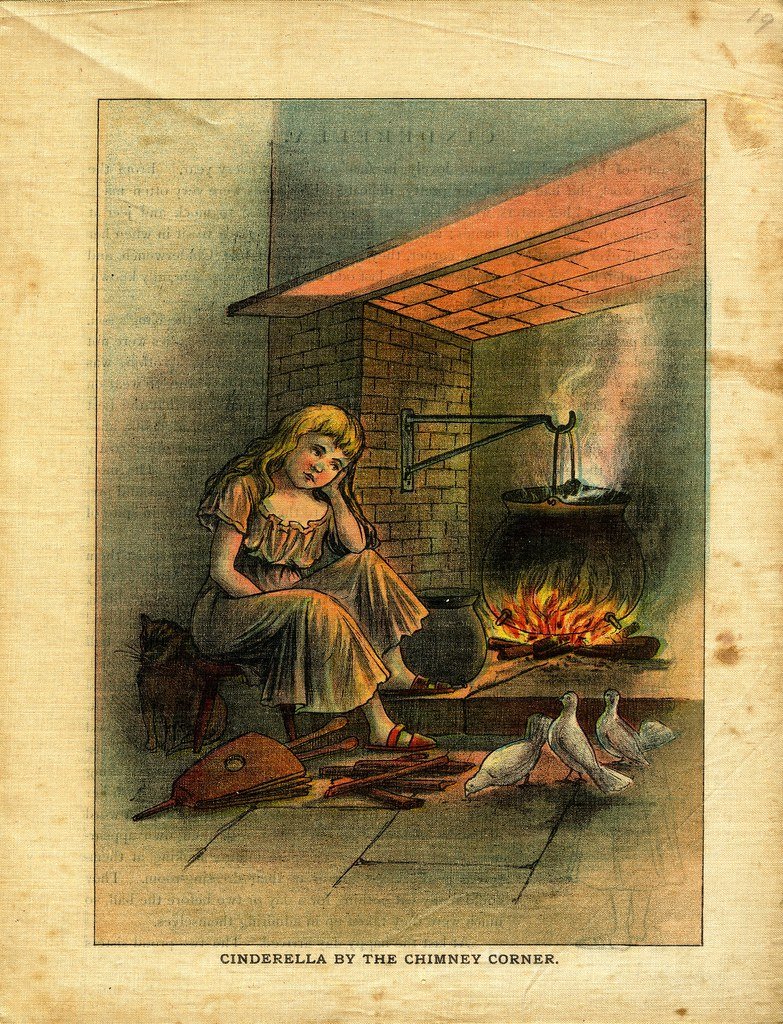
The “Cinderella” story is much older and grimmer than most people realize. In the Brothers Grimm version, Cinderella’s stepsisters mutilate their own feet to fit into the glass slipper, and birds peck out their eyes as punishment. Earlier versions from China and Egypt feature themes of child abuse, slavery, and death. The tale’s enduring popularity is partly due to its message of hope in the face of cruelty, but it is also a stark reminder of the dangers faced by vulnerable children. The story’s violent elements were toned down in later adaptations, but the original remains a testament to the resilience required to survive a harsh world.
12. Beauty and the Beast – Stockholm Syndrome?
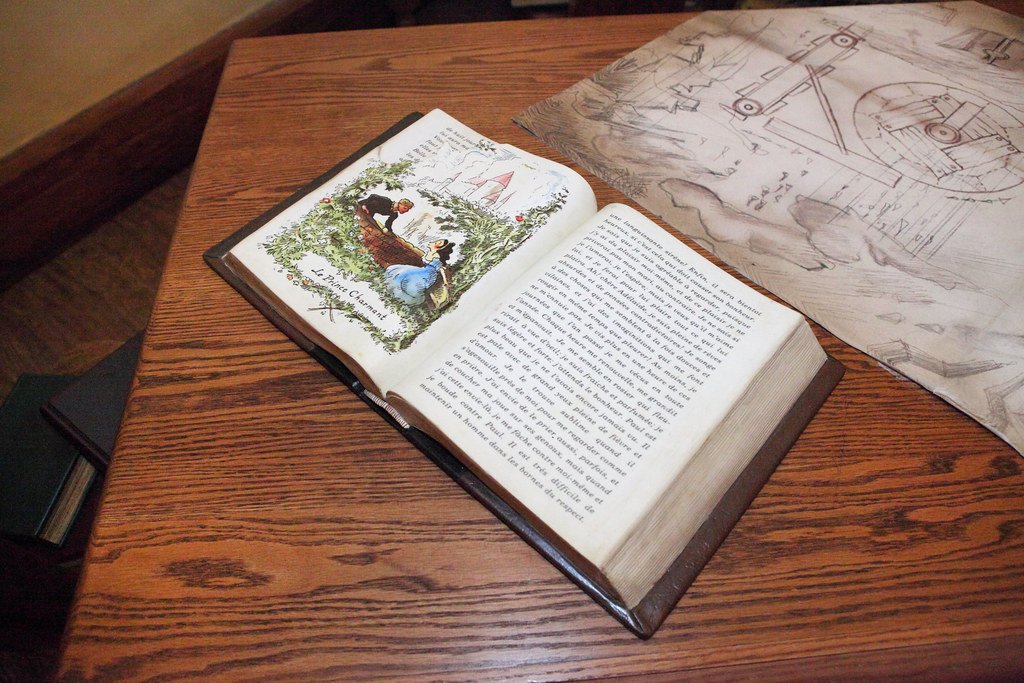
“Beauty and the Beast” originated as a cautionary tale about arranged marriages and the fate of young girls sent away from home. Gabrielle-Suzanne Barbot de Villeneuve’s original 1740 story is far more complex and psychological than later versions. Beauty is, in essence, a captive, and her eventual love for the Beast has led many modern commentators to compare it to Stockholm Syndrome. French scholars note that the fairy tale reflects the realities of 18th-century society, where girls had little agency and were often forced into alliances for their family’s gain. The Beast’s transformation at the end is symbolic of the hope that love can overcome fear and captivity.
13. The Wonderful Wizard of Oz – Economic Anxiety in Disguise
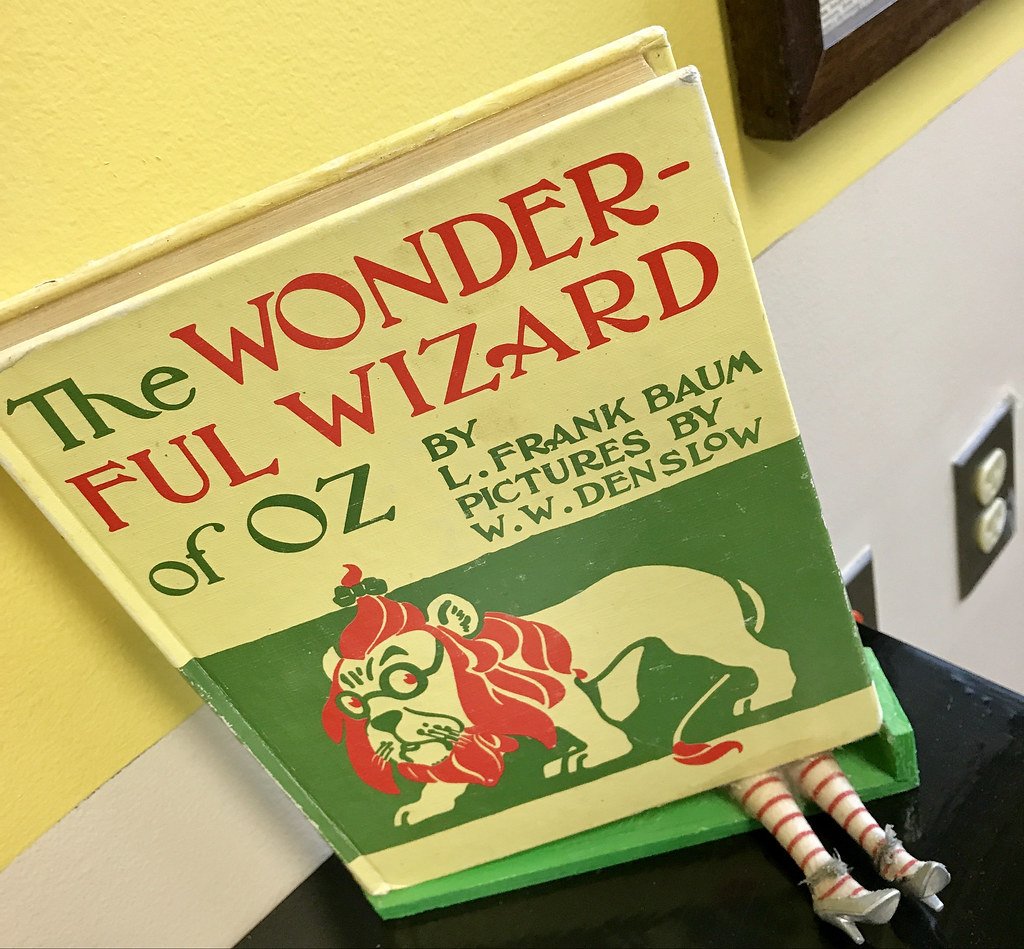
L. Frank Baum’s “The Wonderful Wizard of Oz” is a fantasy classic, but historians like Henry Littlefield argue it is also a political allegory about the economic turmoil of late 19th-century America. Dorothy’s journey through Oz parallels the struggles of Midwestern farmers during the Panic of 1893. The Yellow Brick Road (gold standard), Silver Shoes (bimetallism), and Emerald City (Washington D.C.) all serve as metaphors for real-life economic debates. Baum himself was a journalist who witnessed the hardship of the era firsthand. The book’s cheerful surface hides a critique of greed, corruption, and the search for stability in uncertain times.
14. Winnie-the-Pooh – The Shadow of War
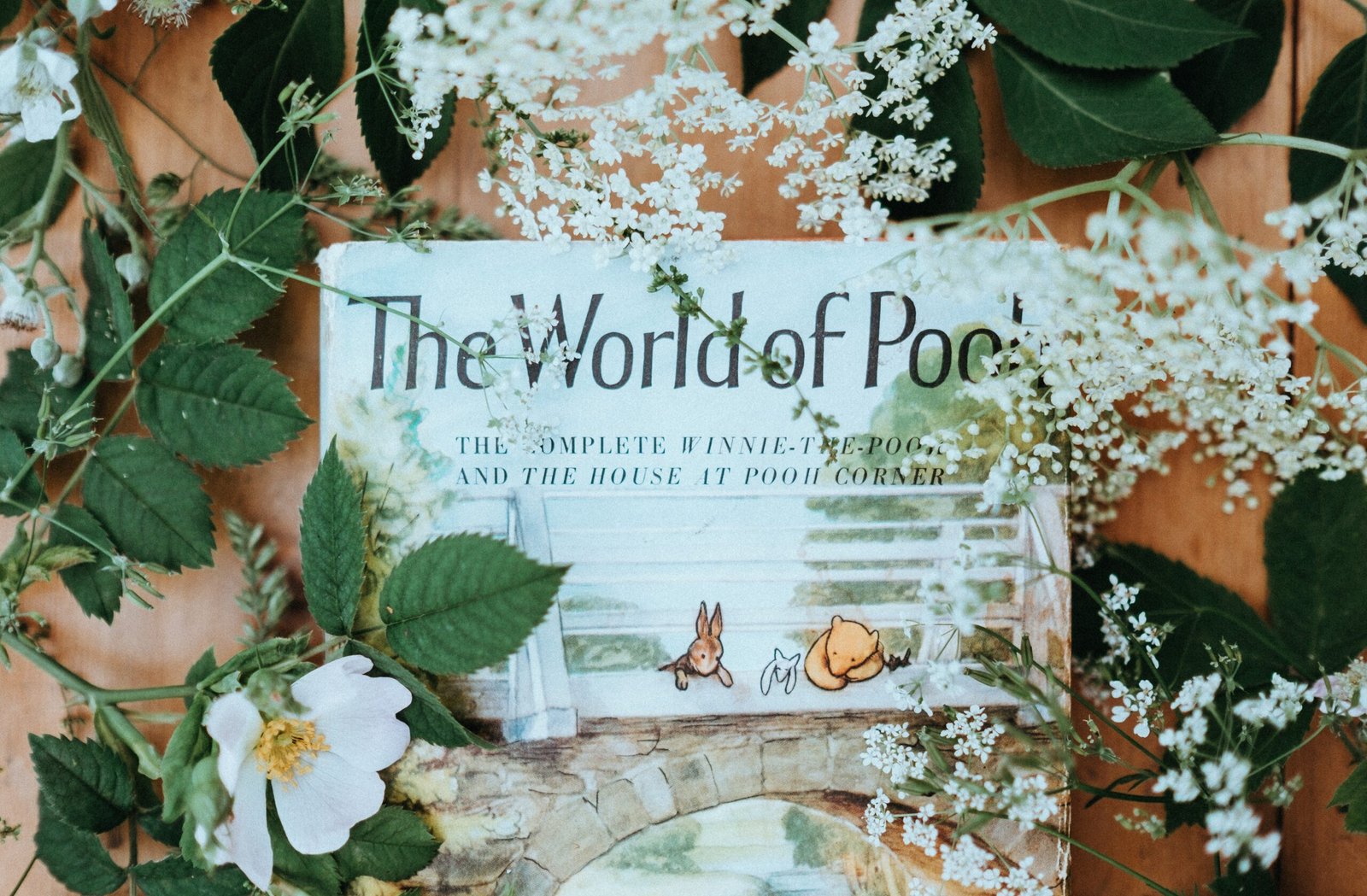
A.A. Milne’s “Winnie-the-Pooh” stories are beloved for their gentle humor, but their origins are haunted by the trauma of World War I. Milne served in the war and suffered from post-traumatic stress disorder. Many scholars believe that the Hundred Acre Wood is an idealized escape from the horrors he experienced. The real Christopher Robin was Milne’s son, who later said that being immortalized as a fictional character was both a blessing and a curse. The whimsical tales provided comfort to a generation scarred by violence, but beneath the surface lies a longing for innocence lost.
15. The Jungle Book – Colonial Fears

Rudyard Kipling’s “The Jungle Book” is a tale of adventure, but its context is deeply rooted in colonial India. Kipling wrote the stories while living in Vermont, far from his birthplace, and his writing reflects nostalgia mixed with anxiety about colonial control. Mowgli’s struggle to belong, and the animals’ rigid hierarchy, mirror the racial and social tensions of British colonial rule. Modern critics have pointed out the book’s subtle endorsement of colonial authority and the “civilizing” mission. For Kipling, the jungle was both a place of danger and a metaphor for the instability of empire.
16. Bambi – Survival and Sorrow
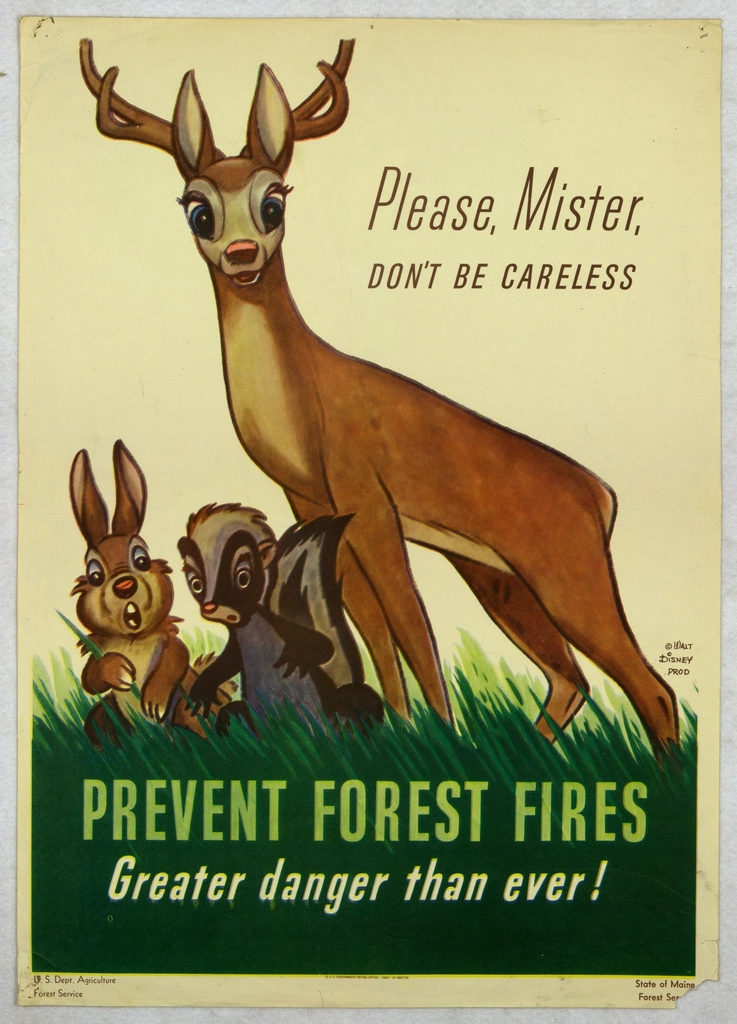
Felix Salten’s “Bambi” is far from the gentle Disney film most people know. The original 1923 novel, written in German, is a stark meditation on survival, loss, and the cycle of life. Salten was inspired by the persecution he faced as a Jewish writer in Austria, and many critics see Bambi’s struggle as a metaphor for the vulnerability of minorities in a hostile world. The book’s scenes of violence, death, and environmental destruction are unflinching. Bambi’s journey is not just about growing up, but about learning to live with constant fear.
17. The Secret Garden – Grief and Healing

Frances Hodgson Burnett’s “The Secret Garden” arose from personal grief and loss. Burnett lost her son Lionel to tuberculosis, and she wrote the novel as a way to process her own sorrow. The book’s themes of illness, death, and recovery are drawn from her experiences. The garden itself becomes a symbol of hope and rebirth but only after the main characters confront their pain. Researchers have noted that Burnett’s focus on nature therapy predates modern psychological research into the healing power of green spaces. The story’s enduring appeal lies in its honest portrayal of trauma and the possibility of renewal.
18. Pippi Longstocking – Rebellion against Authority
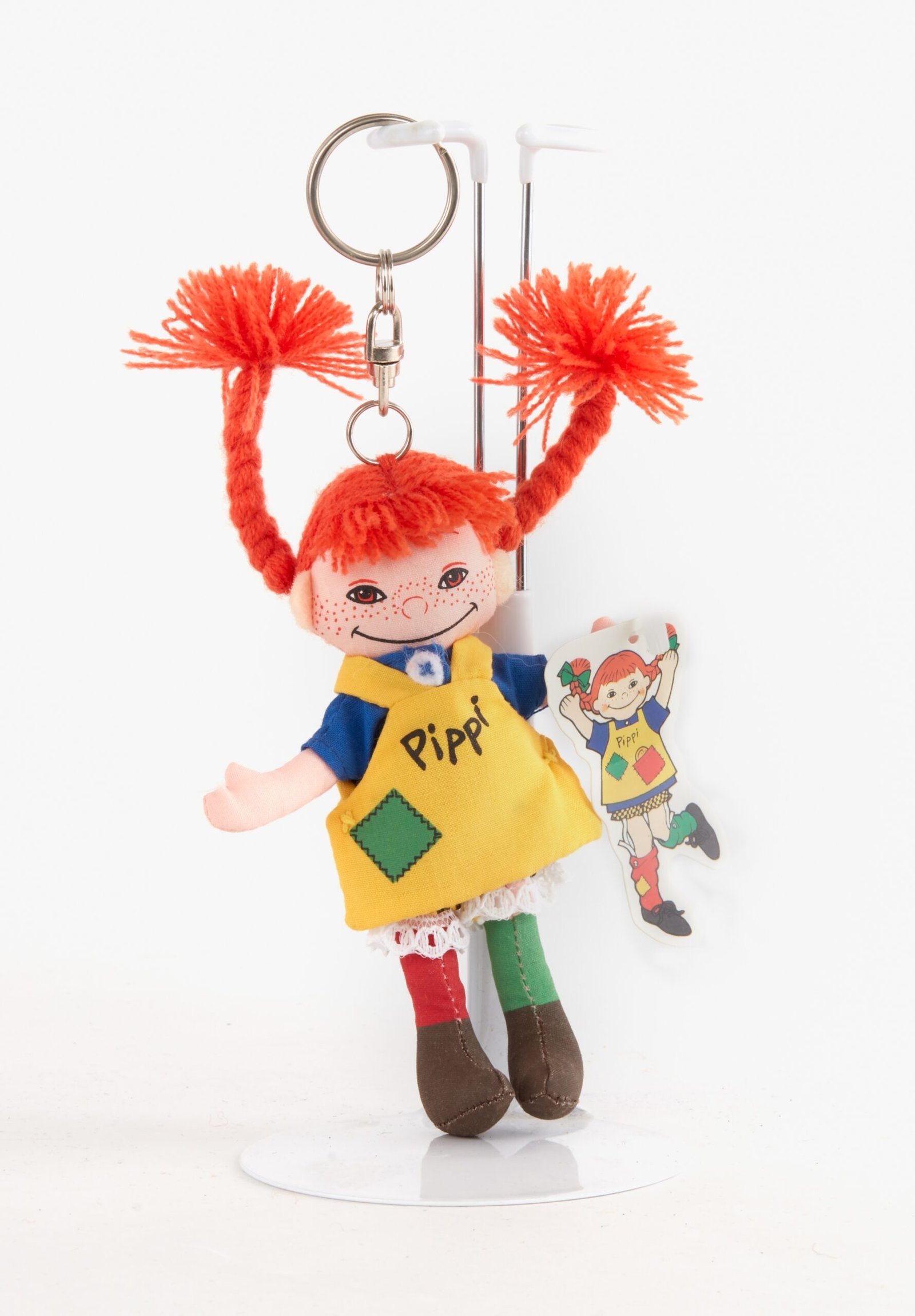
Astrid Lindgren’s “Pippi Longstocking” was conceived during World War II as a story of rebellion and independence. Lindgren’s Sweden was officially neutral, but the threat of Nazi occupation loomed large. Pippi’s rejection of adult authority, her anarchic lifestyle, and her refusal to conform were a direct response to the authoritarian regimes sweeping Europe. Lindgren later said that she wanted to create a character who was strong enough to survive on her own. While the stories are full of humor, their subversive spirit was revolutionary in a time of conformity and fear.
19. Coraline – Facing Childhood Fears

Neil Gaiman’s “Coraline” was written in the late 1990s, inspired by his daughter’s nightmares and Gaiman’s own worries about parenthood. The story’s “other mother,” who wants to sew buttons on Coraline’s eyes, is a literal embodiment of childhood fears about abandonment and losing one’s identity. Gaiman has said that he wanted to write a book that would “frighten children in a safe way,” helping them face their anxieties. Psychologists have praised the novel for teaching resilience, but its dark imagery is rooted in the real psychological struggles of growing up.
20. The Giving Tree – Sacrifice and Regret

Shel Silverstein’s “The Giving Tree” is a simple story about love and giving, but it has sparked heated debates since its publication in 1964. Some readers see it as a tale of selfless love, while others view it as a parable of exploitation and emotional abuse. Silverstein, a former Playboy cartoonist, was known for his subversive sense of humor, and the book’s ambiguous ending has troubled generations of parents and scholars. In recent years, psychologists have cited “The Giving Tree” in discussions about unhealthy relationships and boundaries, giving this classic a new, unsettling relevance.

Besides founding Festivaltopia, Luca is the co founder of trib, an art and fashion collectiv you find on several regional events and online. Also he is part of the management board at HORiZONTE, a group travel provider in Germany.
