

- 15 Literary Works That Faced Extreme Censorship in the U.S. - September 26, 2026
- The 20 Greatest Historical Comebacks in American History - September 26, 2026
- 15 Books That Were Almost Never Published but Changed the World - September 26, 2026
The Great Gatsby by F. Scott Fitzgerald

Few novels capture the glitz, grit, and heartbreak of chasing the American Dream quite like The Great Gatsby. Set in the roaring 1920s, Fitzgerald’s story dives into the intoxicating pursuit of wealth and status. Jay Gatsby, with his lavish parties and secret longing, became an emblem of hope and the dangers of believing too fiercely in reinvention. According to the Library of Congress, this novel is one of the most assigned readings in American high schools, underscoring its cultural impact. The book’s vivid characters and tragic storyline have sparked countless debates about whether the American Dream is achievable or just an illusion. Its influence can be seen in modern films, music, and even fashion, with flapper-inspired trends making regular comebacks. The story’s iconic last line about boats beating against the current still rings true for many striving for something just out of reach. Recent research by the American Library Association shows that Gatsby’s popularity has only grown, with more than half a million copies sold annually as of 2024.
To Kill a Mockingbird by Harper Lee

Harper Lee’s To Kill a Mockingbird is not just a coming-of-age story—it’s a meditation on justice, morality, and the deeply flawed reality of the American Dream. Set in the Deep South during the 1930s, the novel follows young Scout Finch as she witnesses her father, Atticus, defend an innocent Black man in a racially charged trial. Published in 1960, the novel sold over 40 million copies worldwide by 2023, as reported by Publishers Weekly. Its depiction of courage in the face of prejudice has inspired generations, leading many to believe in a more inclusive vision of the American Dream. The book’s continued inclusion in school curriculums shows its enduring relevance. In 2024, the National Endowment for the Arts highlighted the novel’s role in fostering national conversations about fairness and empathy. For many, Atticus Finch remains a symbol of hope that justice and equality can be part of the American promise.
Of Mice and Men by John Steinbeck
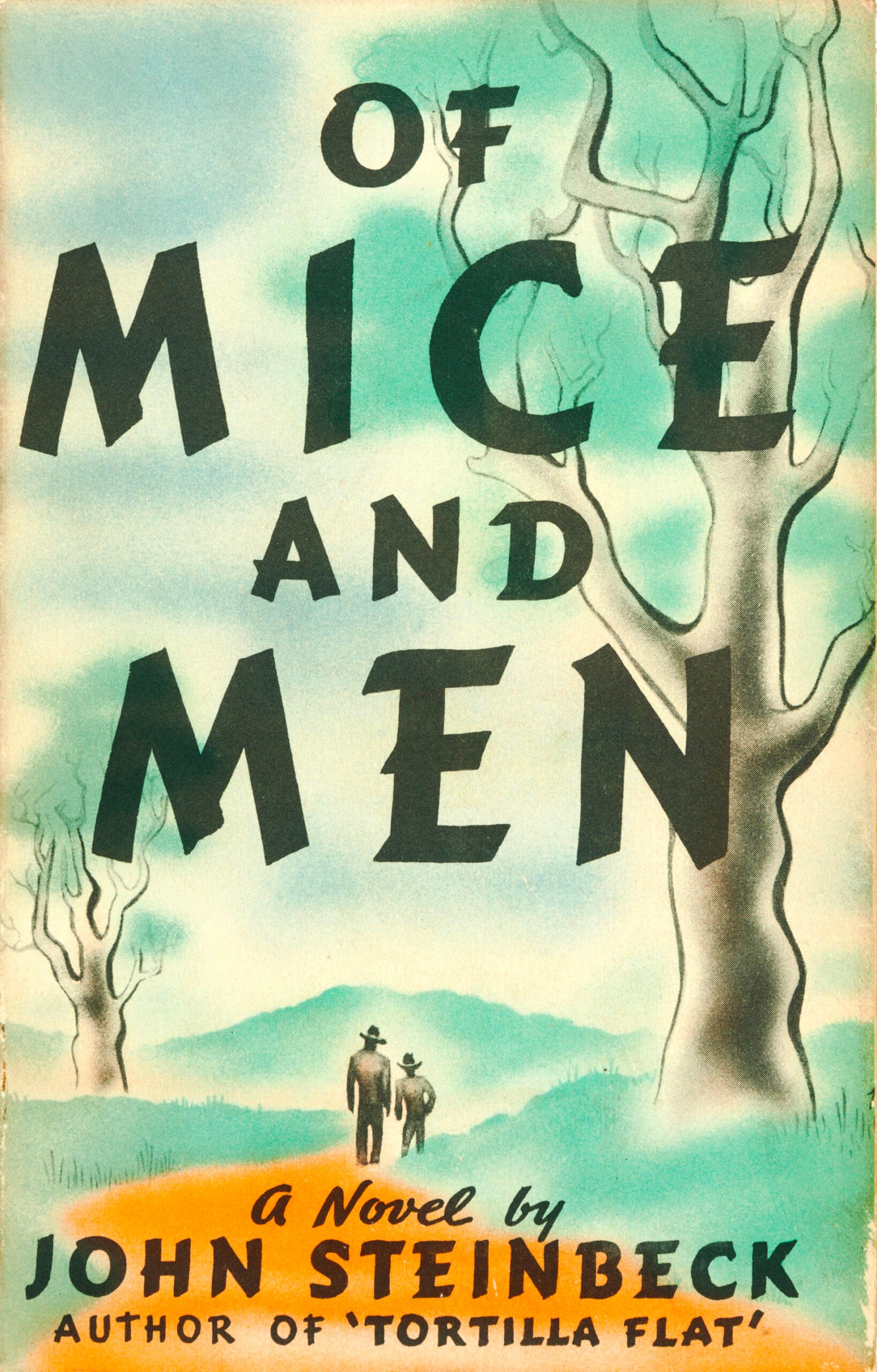
John Steinbeck’s Of Mice and Men is a heart-wrenching tale about two displaced ranch workers searching for a better life during the Great Depression. Published in 1937, the novella explores the fragility of dreams in a world marked by hardship and inequality. According to the Modern Library, it remains one of the top 100 English-language novels of the 20th century. Steinbeck’s portrayal of George and Lennie’s friendship and their shared vision of owning land speaks to the universal yearning for security and independence. The book’s influence extends to classrooms, where it’s frequently discussed in the context of American values and the limits of opportunity. In a 2023 survey by the American Booksellers Association, Of Mice and Men ranked among the top ten most recommended novels for understanding American society. Its realistic depiction of broken dreams continues to spark empathy and debate.
Uncle Tom’s Cabin by Harriet Beecher Stowe
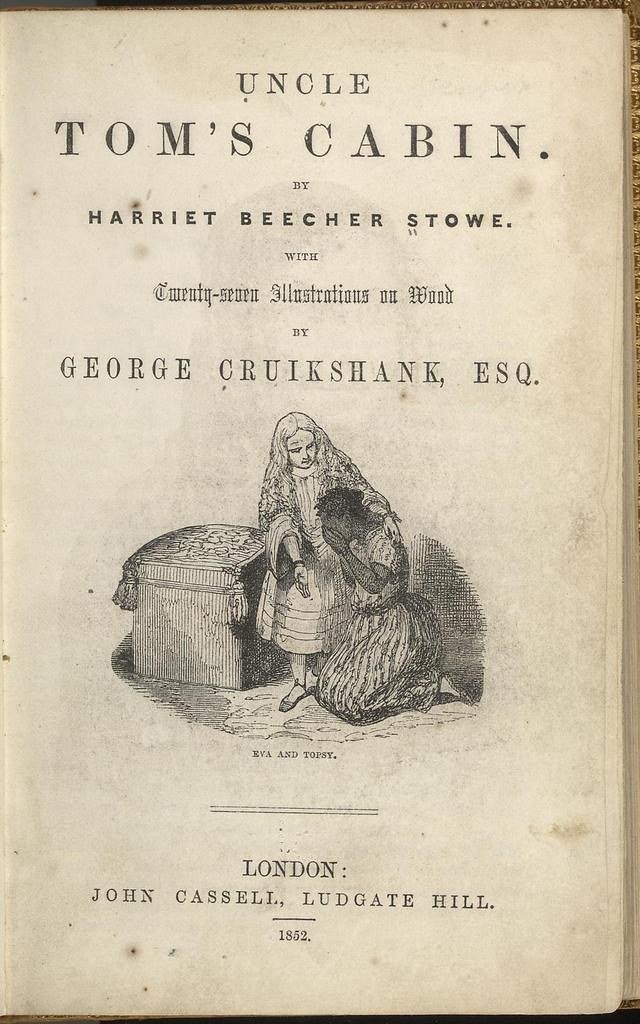
First published in 1852, Uncle Tom’s Cabin galvanized the abolitionist movement and forever changed the conversation about slavery in America. Stowe’s novel sold over 300,000 copies in its first year, according to the National Archives, making it the best-selling novel of the 19th century. Its emotional narrative and vivid characters brought the horrors of slavery into the living rooms of everyday Americans, moving many to join the fight for freedom. Abraham Lincoln is famously said to have greeted Stowe as “the little lady who started this great war,” a testament to her influence. In 2024, historians still credit the book with helping to shape national attitudes about equality and the right to pursue happiness. Uncle Tom’s Cabin remains a powerful reminder that the American Dream should belong to everyone, regardless of race.
Invisible Man by Ralph Ellison
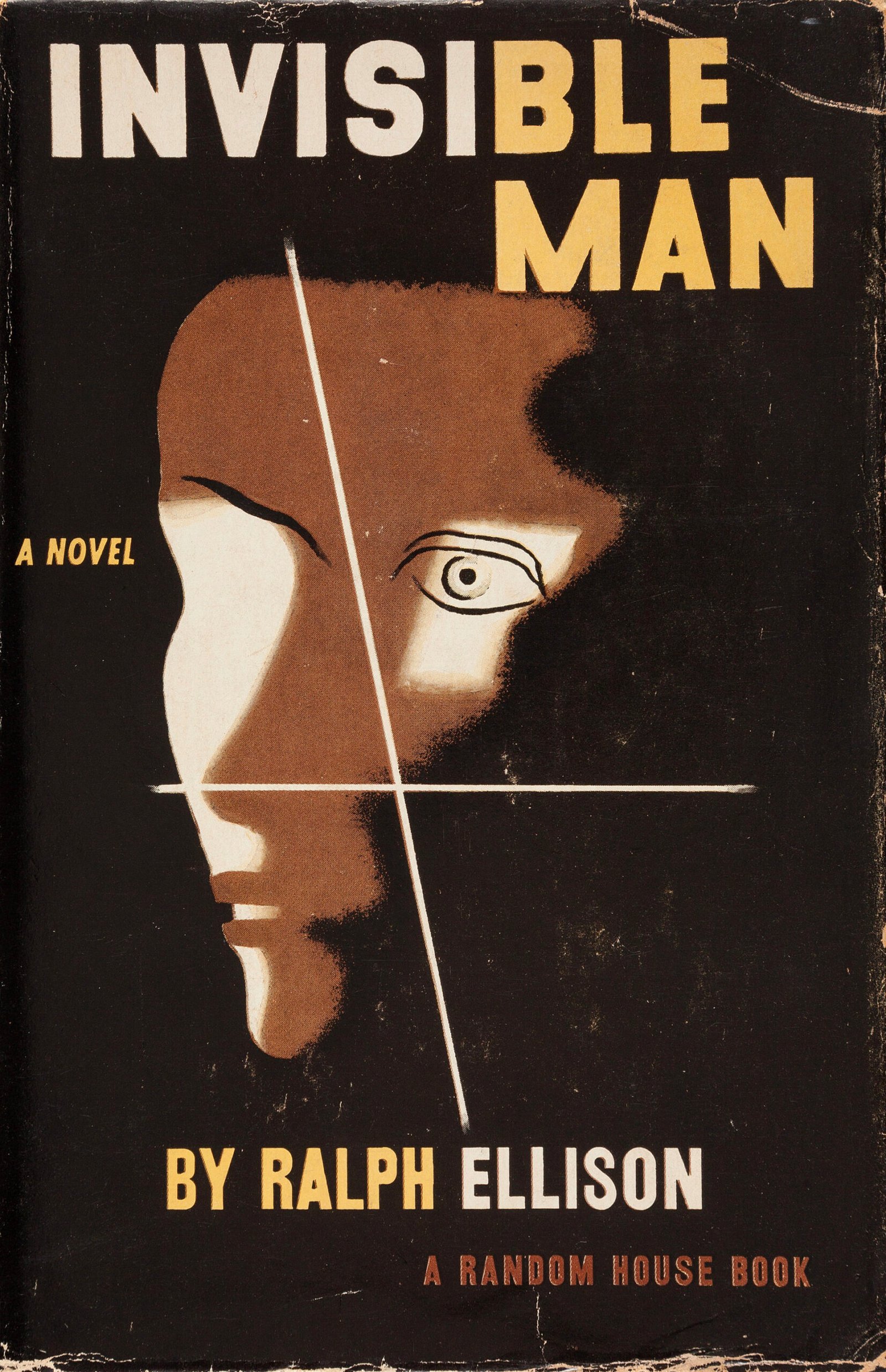
Invisible Man, published in 1952, dives deep into the complexities of identity and belonging in America. Ralph Ellison’s unnamed protagonist struggles to find his place in a society that refuses to see him as an individual. The novel won the National Book Award in 1953 and, as noted by the National Book Foundation, continues to be a touchstone for discussions about race and self-realization. Its influence is seen in contemporary culture, from essays to hip-hop lyrics. According to the New York Times, sales of Invisible Man surged again in 2020 and 2021 amid renewed interest in racial justice. Ellison’s powerful storytelling challenges readers to rethink who gets to claim the American Dream and at what cost. The book’s haunting exploration of invisibility and recognition still resonates for those who feel overlooked or marginalized.
Beloved by Toni Morrison
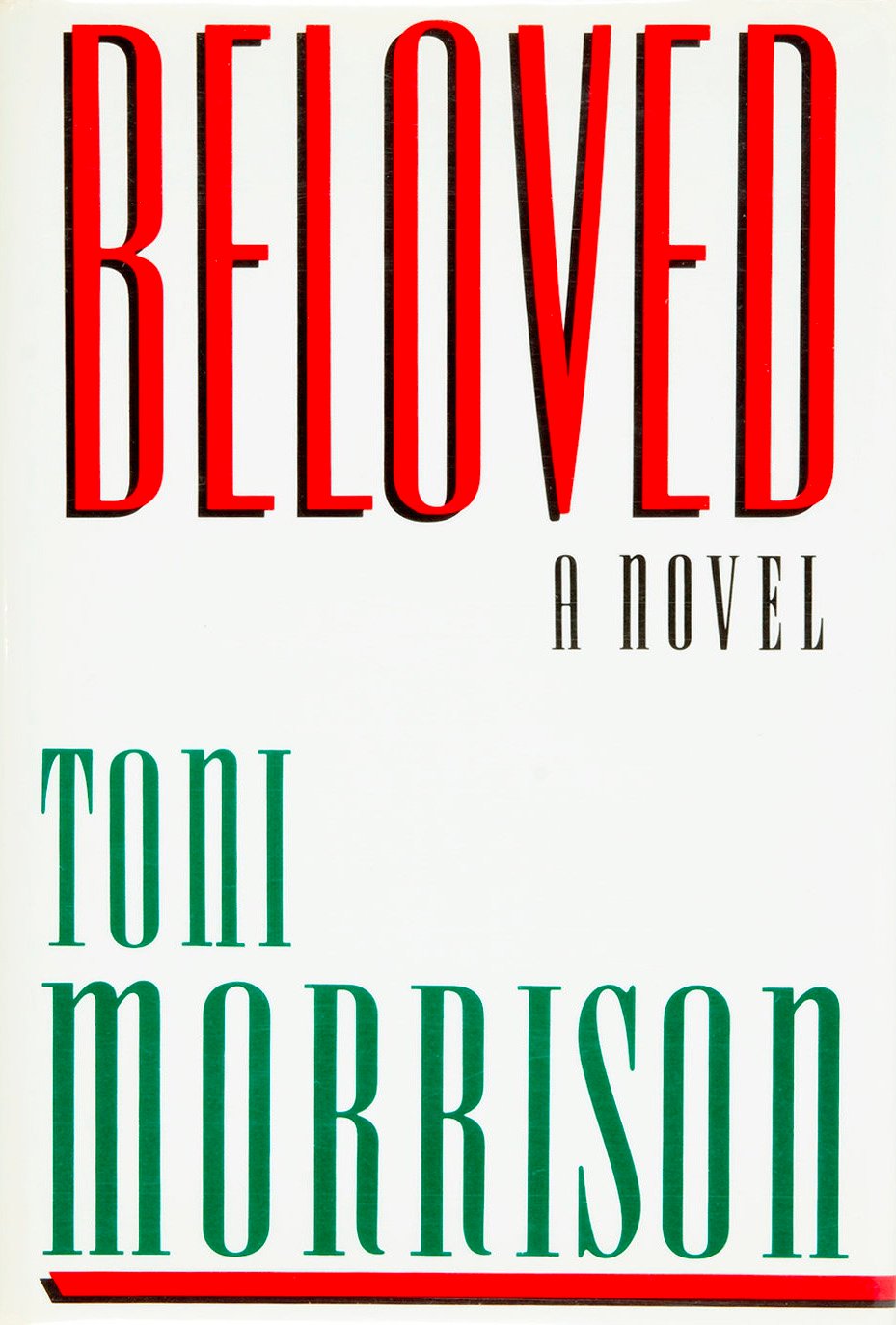
Beloved, winner of the Pulitzer Prize in 1988, is a searing exploration of the legacy of slavery and the meaning of freedom. Toni Morrison’s haunting novel centers on Sethe, a formerly enslaved woman haunted by her past and the ghost of her daughter. According to the National Book Critics Circle, Beloved has been named one of the best works of American fiction in the past 40 years. Its lyrical prose and unflinching honesty force readers to confront the dark roots of the American Dream. The book’s impact is evident in academic circles, where it’s the subject of countless essays and discussions about memory, trauma, and redemption. In 2024, Morrison’s work remains a staple in university literature courses. Beloved’s enduring message is that true freedom means facing the past, no matter how painful.
The Grapes of Wrath by John Steinbeck
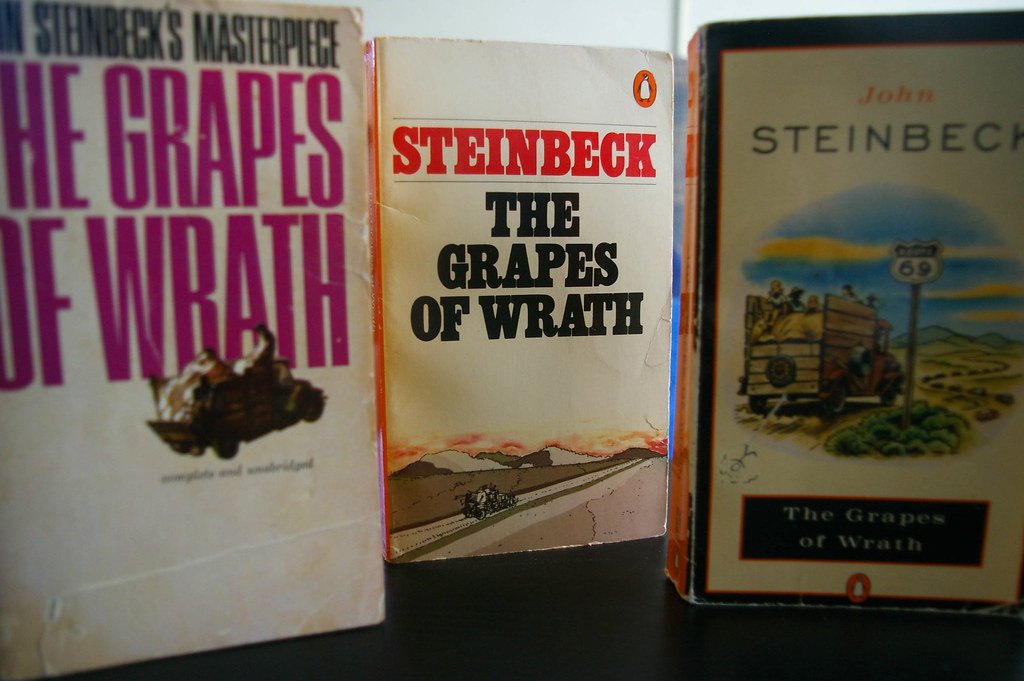
John Steinbeck’s The Grapes of Wrath, published in 1939, tells the story of the Joad family as they migrate from Oklahoma to California in search of a better life. The novel won the Pulitzer Prize and is often cited by the American Library Association as one of the most important books of the 20th century. Through the Joads’ struggles, Steinbeck exposes the harsh realities faced by millions during the Dust Bowl and Great Depression. The book’s vivid descriptions of poverty, hope, and perseverance struck a chord with readers and policymakers alike. According to the National Endowment for the Humanities, The Grapes of Wrath influenced public opinion and even federal relief programs. Its portrayal of dignity in the face of adversity continues to inspire those who believe in the power of resilience.
The Autobiography of Malcolm X by Malcolm X and Alex Haley

The Autobiography of Malcolm X, first published in 1965, is a landmark work that transformed how Americans view race, identity, and self-determination. Malcolm X’s journey from hardship to leadership inspired millions and gave voice to the idea that the American Dream isn’t just about wealth—it’s about self-respect and empowerment. The book has sold over six million copies worldwide, according to the Malcolm X Foundation. Its impact was especially strong during the civil rights movement and has continued well into the 21st century. In 2023, the autobiography was cited by the Smithsonian as a critical text for understanding American history and activism. The candid storytelling and powerful message encourage readers to challenge injustice and redefine what it means to succeed.
Little Women by Louisa May Alcott

Little Women, published in 1868, offers a different but equally powerful take on the American Dream. Louisa May Alcott’s beloved novel follows the March sisters as they navigate ambition, love, and hardship in Civil War-era America. The book has never gone out of print and remains a favorite for its themes of independence, family, and personal growth. According to the PBS Great American Read, Little Women is among the top 20 most beloved novels in the U.S. Alcott’s portrayal of strong, creative women pursuing their dreams inspired generations to break free from traditional roles. In 2024, adaptations of the novel continue to draw new audiences, with the latest film version grossing over $200 million globally. The enduring appeal lies in its message that dreams are for everyone, regardless of gender.
Death of a Salesman by Arthur Miller

Arthur Miller’s Death of a Salesman is a searing critique of the American Dream gone wrong. First performed in 1949, the play follows Willy Loman, a salesman whose faith in material success leads to personal ruin. The play won the Pulitzer Prize for Drama and is still staged in theaters worldwide, highlighting its lasting relevance. The New York Public Library lists it among the most borrowed plays in the last decade, showing continued public interest. Miller’s portrayal of dashed hopes and the cost of chasing superficial success forces audiences to question what truly matters. In recent years, the play has taken on new significance as Americans grapple with job insecurity and the pressures of keeping up appearances. Death of a Salesman remains a powerful warning about the dangers of misplaced dreams.
Native Son by Richard Wright
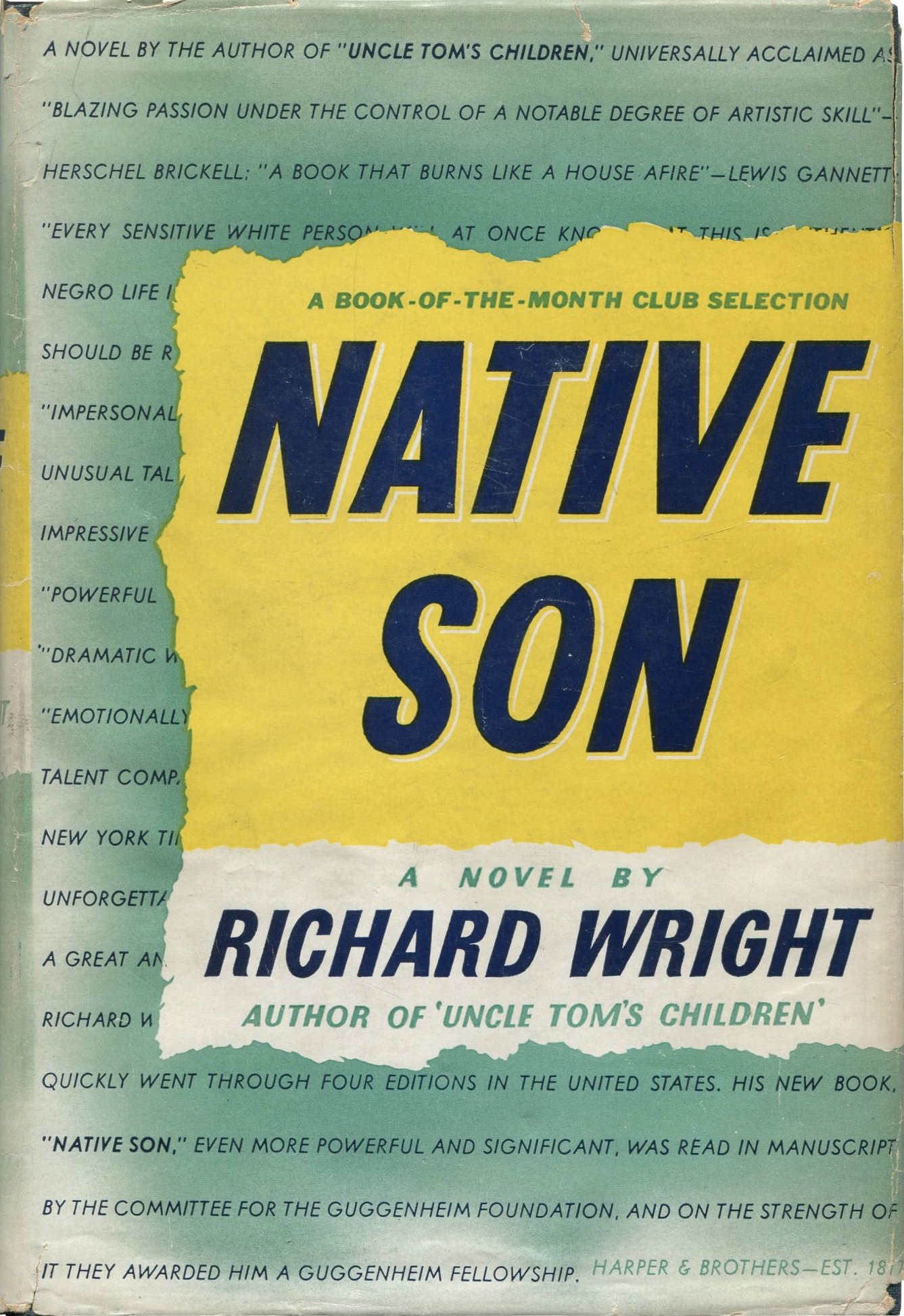
Native Son, published in 1940, shattered literary conventions with its raw depiction of race, poverty, and violence in Chicago. Richard Wright’s novel follows Bigger Thomas, a young Black man whose life spirals out of control amid systemic oppression. The book sold more than 250,000 copies in its first three weeks, according to the National Council of Teachers of English. Its impact was immediate and controversial, sparking debates about racism and justice. In 2023, Native Son was included in Time Magazine’s list of 100 Most Influential Novels. Wright’s powerful narrative challenges readers to confront uncomfortable truths about the American Dream and who gets left behind. The novel’s legacy endures in classrooms and conversations about social change.
Catcher in the Rye by J.D. Salinger
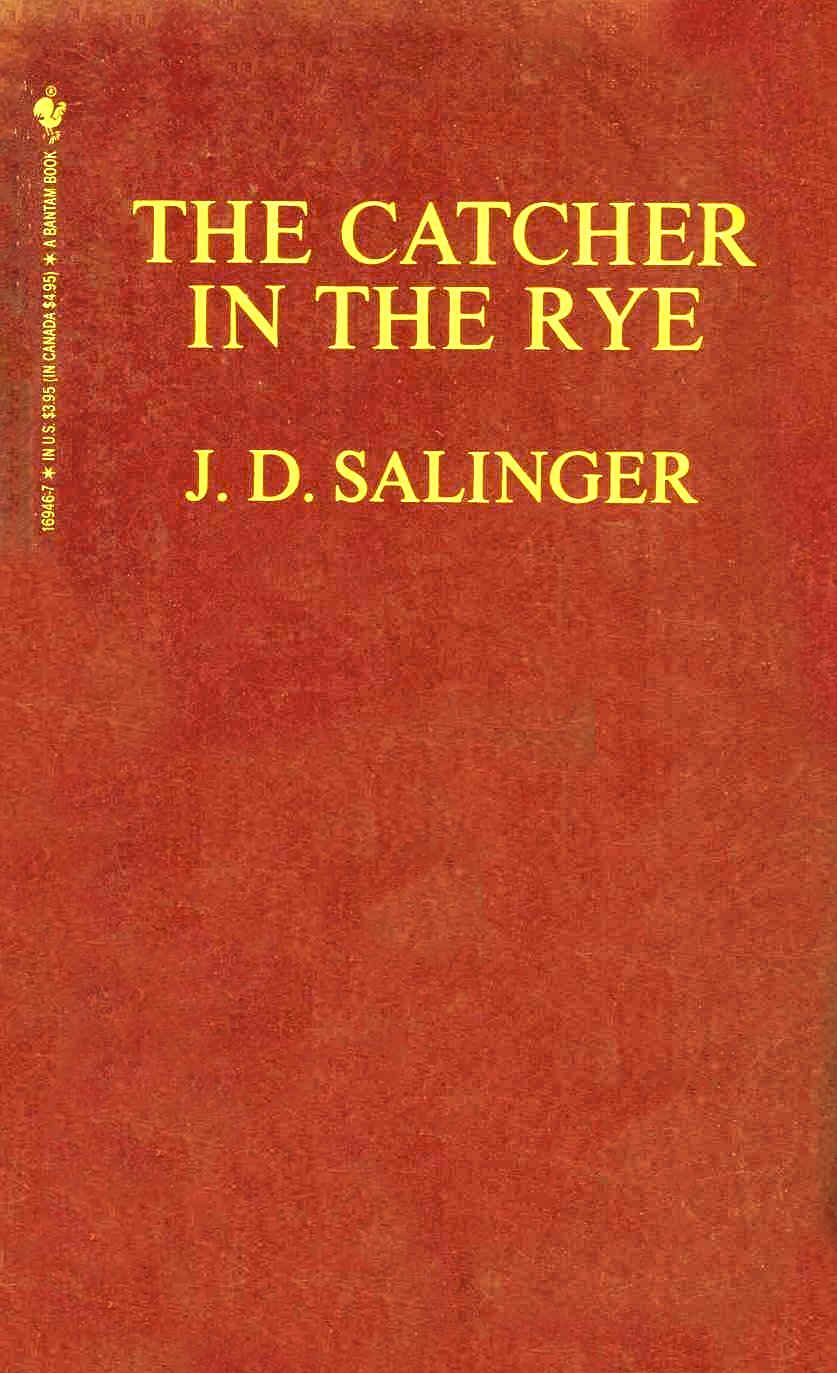
J.D. Salinger’s Catcher in the Rye, published in 1951, is a touchstone for teenage angst and alienation. Holden Caulfield’s journey through New York City is a deeply personal search for authenticity in a world that feels phony. The novel has sold over 65 million copies, according to the New Yorker, making it one of the best-loved American books of all time. Its influence is visible in countless films, songs, and works of art that capture the struggle to find meaning. Teachers often use the book to spark discussions about identity, conformity, and rebellion. In 2024, Catcher in the Rye remains popular with young readers, who relate to Holden’s longing for honesty and connection. The novel’s enduring appeal lies in its honest portrayal of growing up and dreaming in America.
How the Other Half Lives by Jacob Riis
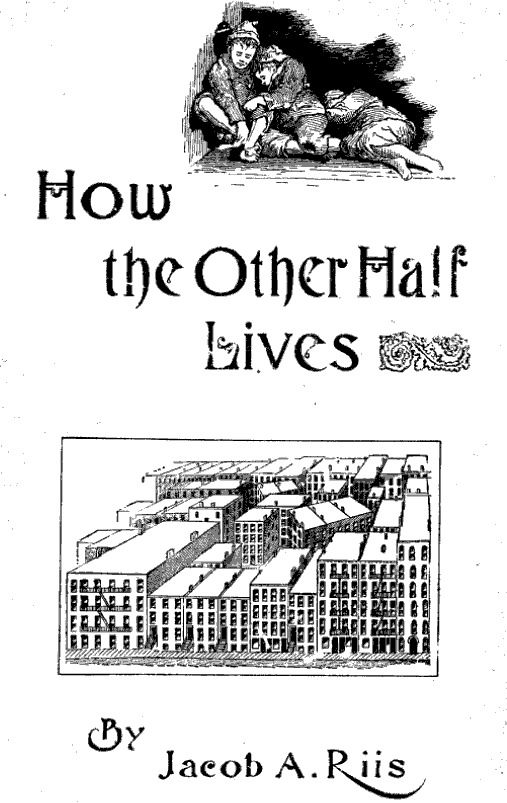
Published in 1890, Jacob Riis’s How the Other Half Lives exposed the shocking living conditions in New York City’s tenements. Through groundbreaking photography and investigative reporting, Riis brought national attention to poverty and inequality. The book played a key role in launching the Progressive Era reforms, according to the Library of Congress. Riis’s work inspired changes in housing laws and public health policy, making the American Dream more accessible for many. In recent years, historians have reexamined the book’s influence, noting its role in shaping debates about immigration and urban life. As of 2023, How the Other Half Lives is frequently cited in textbooks and documentaries about American social history. Its stark images remind us that the dream of a better life often starts with confronting harsh realities.
The Joy Luck Club by Amy Tan

Amy Tan’s The Joy Luck Club, published in 1989, explores the struggles and triumphs of Chinese American immigrants and their daughters. The novel became a bestseller, selling over six million copies by 2023, according to the Asian American Literary Review. Tan’s interwoven stories highlight the challenges of balancing tradition and assimilation while pursuing opportunity in America. The book’s influence is felt in film and television, with the 1993 movie adaptation opening doors for Asian American representation in Hollywood. In 2024, The Joy Luck Club is often celebrated for its honest depiction of generational tension and the quest for belonging. Tan’s heartfelt storytelling shows that the American Dream is about more than just material success—it’s about finding your place in a new world.
The Souls of Black Folk by W.E.B. Du Bois

W.E.B. Du Bois’s The Souls of Black Folk, published in 1903, is a landmark work of sociology, history, and memoir. Du Bois’s essays explore the meaning of freedom and citizenship for African Americans in the aftermath of slavery. The book introduced the concept of “double consciousness,” a powerful metaphor for the challenges of being Black in America. In 2023, Harvard University Press highlighted the book’s ongoing influence in civil rights scholarship. The Souls of Black Folk shaped debates about race, democracy, and access to opportunity. Its legacy can be seen in the work of later activists and writers who continue to fight for equality. Du Bois’s vision of the American Dream was rooted in justice, education, and dignity for all.
Fear and Loathing in Las Vegas by Hunter S. Thompson
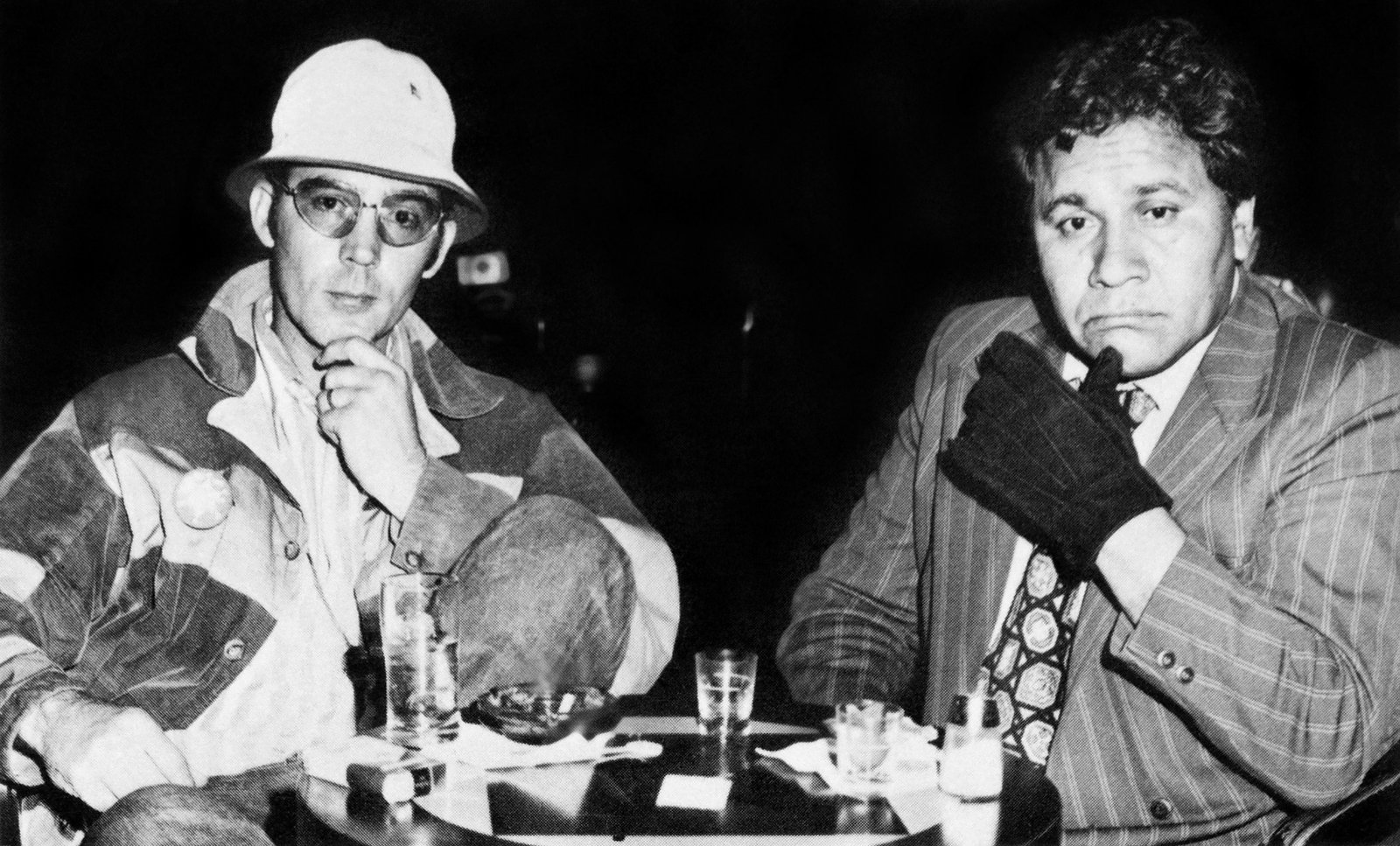
Fear and Loathing in Las Vegas, published in 1971, is a wild, satirical ride through the excesses and disillusionment of post-1960s America. Hunter S. Thompson’s gonzo journalism style made the book a cult classic. The story follows Raoul Duke and Dr. Gonzo as they navigate the surreal world of Las Vegas in search of the American Dream. According to Rolling Stone, the book remains a symbol of counterculture rebellion. Its humor and cynicism influenced writers, journalists, and filmmakers alike. In 2024, Fear and Loathing is still referenced in discussions about the cost of chasing pleasure and the emptiness that can lurk behind the pursuit of success. Thompson’s wild prose invites readers to question whether the American Dream is real, or just a mirage.
Their Eyes Were Watching God by Zora Neale Hurston
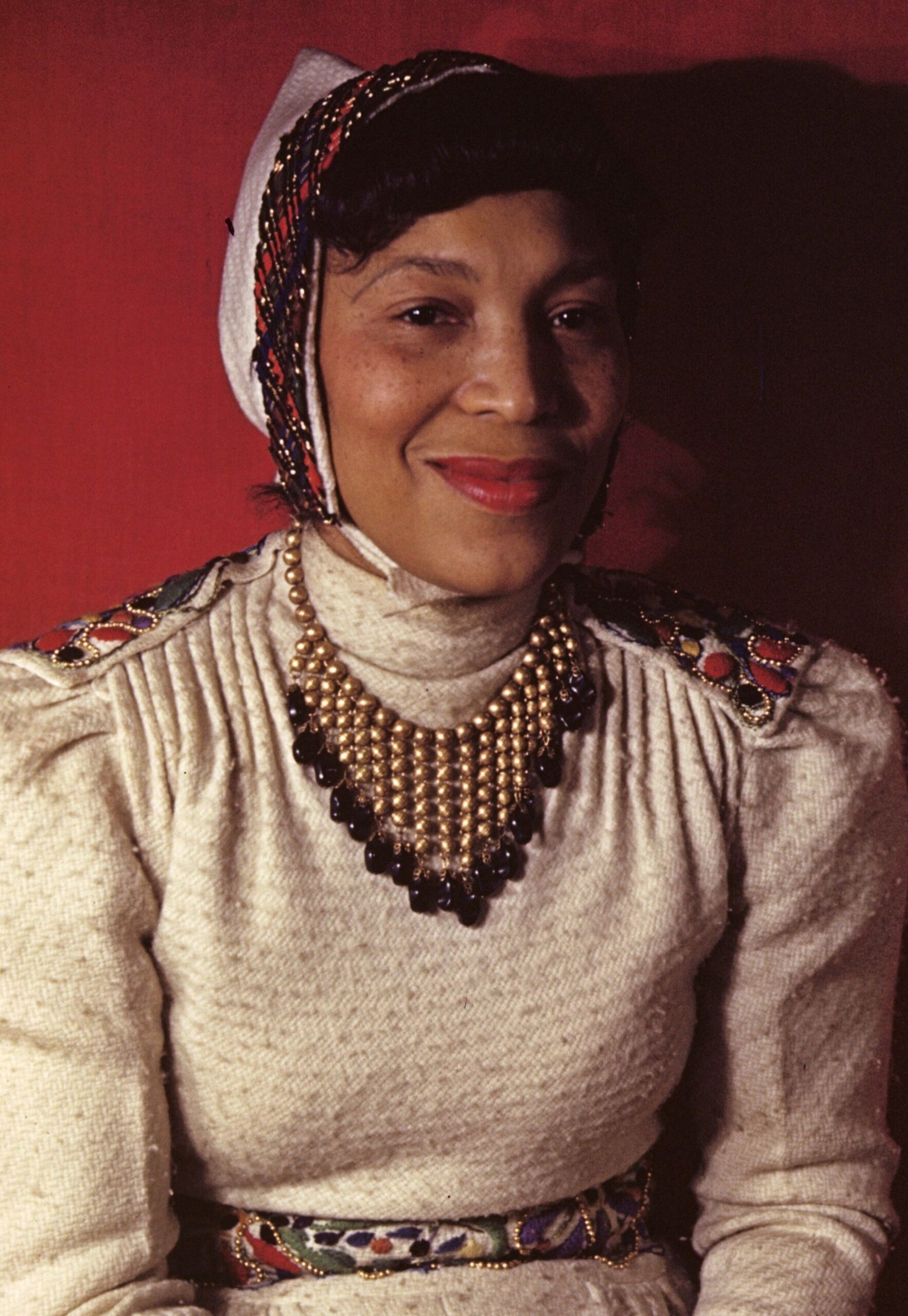
Zora Neale Hurston’s Their Eyes Were Watching God, published in 1937, is a lyrical exploration of love, independence, and self-discovery. The novel follows Janie Crawford’s journey from a constrained marriage to personal freedom in the American South. The book was initially overlooked but gained recognition during the Civil Rights and Black feminist movements. According to the National Women’s History Museum, it is now considered one of the most important African American novels. In 2023, the book celebrated its 85th anniversary with new editions and academic conferences. Hurston’s vibrant storytelling and celebration of Black womanhood broadened the definition of the American Dream. The novel’s message of self-empowerment continues to inspire readers of all backgrounds.
Atlas Shrugged by Ayn Rand
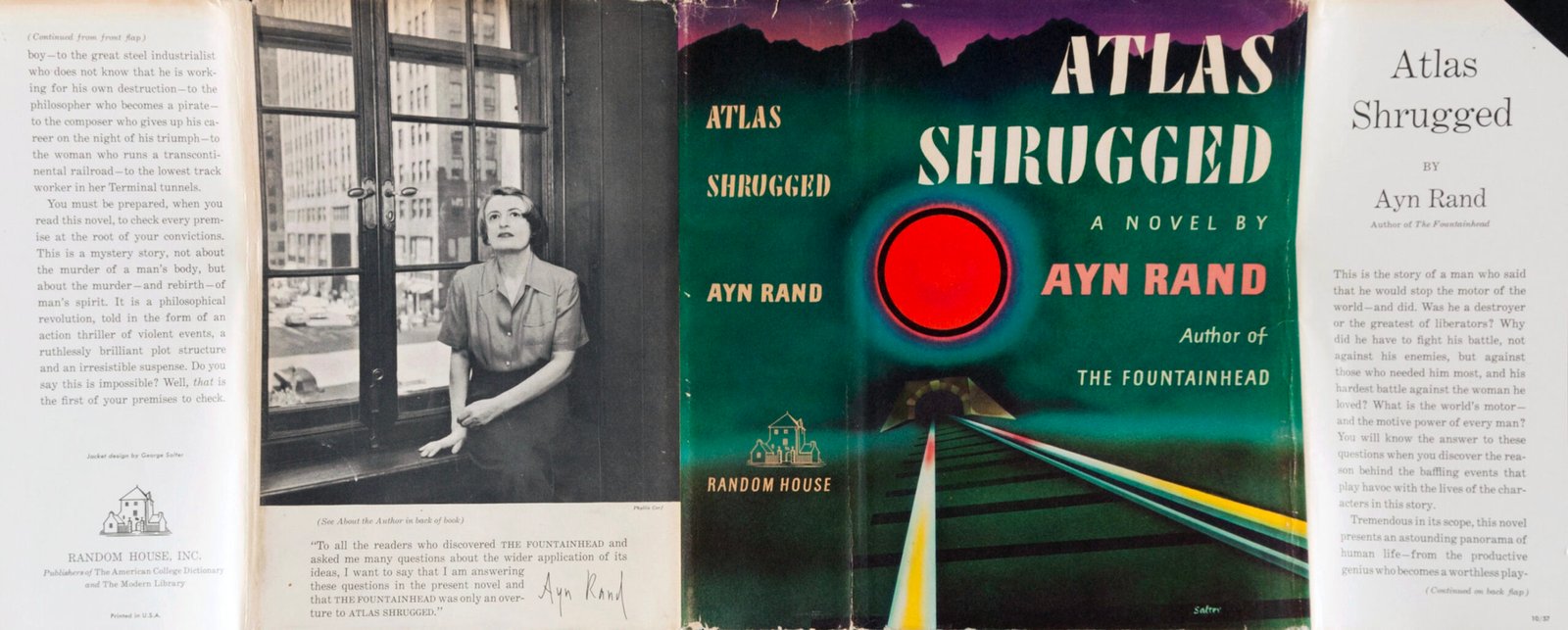
Atlas Shrugged, first published in 1957, is a controversial novel that has shaped economic and political debates in America for decades. Ayn Rand’s story of individualism, capitalism, and personal responsibility has sold more than seven million copies, according to the Ayn Rand Institute. The book became a favorite among libertarians and business leaders, influencing public policy and discourse. Atlas Shrugged’s dramatic plot and philosophical speeches challenge readers to consider the role of ambition and self-interest in society. In 2024, the novel remains a lightning rod for discussion about the limits and possibilities of the American Dream. Its legacy is visible in popular culture and political rhetoric, especially regarding entrepreneurship and free enterprise.
On the Road by Jack Kerouac

Jack Kerouac’s On the Road, published in 1957, is a celebration of freedom, adventure, and restless longing. The book follows Sal Paradise and Dean Moriarty as they crisscross America in search of meaning and excitement. The novel helped define the Beat Generation and inspired countless readers to hit the road themselves. According to the Smithsonian Magazine, On the Road has sold over three million copies and is regularly featured in college syllabi. The book’s spontaneous style and rebellious spirit embodied a new vision of the American Dream—one that values experience over possessions. In 2024, its influence can be seen in travel writing, music, and even social media, as people continue to share their journeys in search of something more.
The Color Purple by Alice Walker
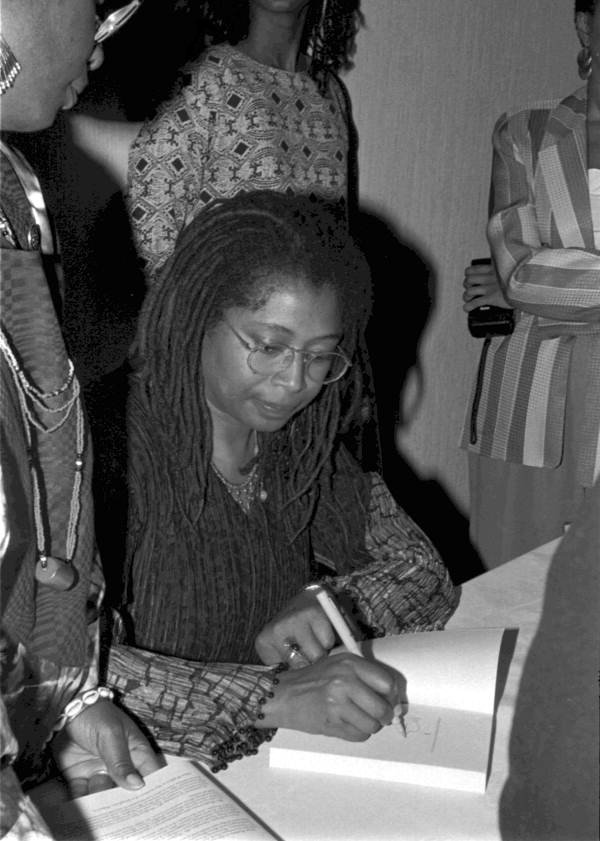
Alice Walker’s The Color Purple, published in 1982, is a powerful story of survival, resilience, and transformation. The novel won the Pulitzer Prize and the National Book Award, and has sold more than five million copies, according to the American Booksellers Association. Walker’s portrayal of Celie’s journey from oppression to self-empowerment struck a chord with readers worldwide. The book inspired a Tony-winning Broadway musical and two film adaptations, including a 2023 release. The Color Purple’s impact goes beyond literature, sparking conversations about gender, race, and healing. Its message that everyone deserves dignity and hope has become part of the fabric of the American Dream.
Fahrenheit 451 by Ray Bradbury

Ray Bradbury’s Fahrenheit 451, published in 1953, is a dystopian novel about censorship, conformity, and the power of books. The story imagines a future where firemen burn books and independent thought is forbidden. Bradbury’s warnings about the dangers of anti-intellectualism and mass media have only grown more relevant in the digital age. According to the American Library Association, Fahrenheit 451 is one of the most frequently challenged books, reflecting ongoing debates about freedom of expression. The book’s enduring popularity is seen in its steady sales and constant adaptations, including a 2018 HBO film. Bradbury’s vision of the American Dream is one where knowledge and creativity are protected at all costs.
The House on Mango Street by Sandra Cisneros

Sandra Cisneros’s The House on Mango Street, published in 1984, is a groundbreaking novella about growing up Mexican American in Chicago. The book has sold over six million copies and is often included in high school and college curriculums, according to the National Endowment for the Arts. Through the eyes of young Esperanza Cordero, Cisneros explores themes of culture, family, and aspiration. The novel’s poetic vignettes capture both the beauty and limitations of the immigrant experience. In 2023, the book was honored with a major retrospective at the Chicago Public Library. The House on Mango Street’s message—that everyone’s story matters—expanded the American Dream to include new voices and perspectives.
Slaughterhouse-Five by Kurt Vonnegut
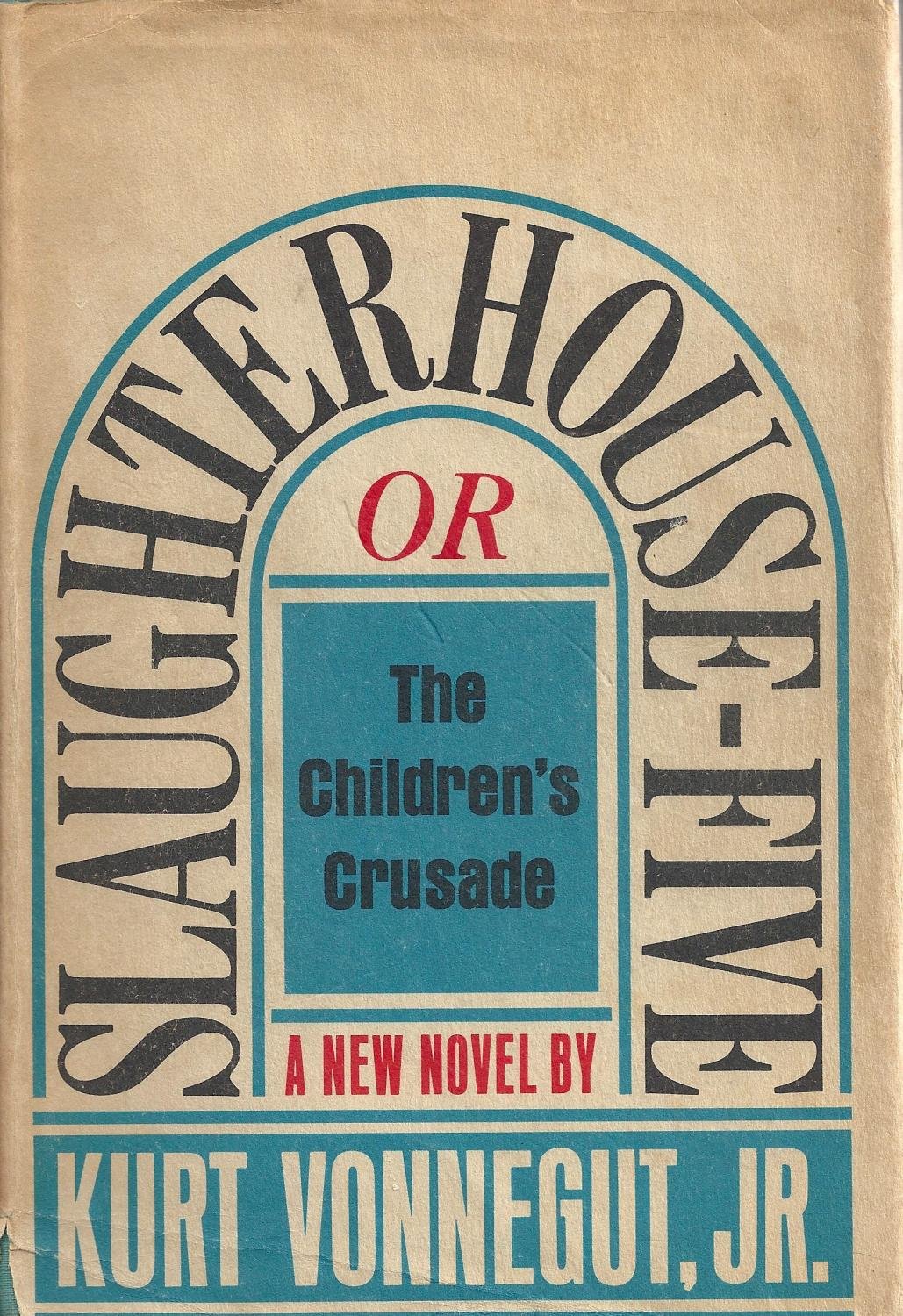
Slaughterhouse-Five, published in 1969, is Kurt Vonnegut’s surreal meditation on war, fate, and free will. The novel follows Billy Pilgrim, a soldier who becomes “unstuck in time” after surviving the Dresden bombing in World War II. The book has sold over two million copies since its release, according to Penguin Random House. Vonnegut’s dark humor and antiwar message resonated with a generation questioning authority and the cost of progress. In 2024, Slaughterhouse-Five remains a staple in discussions of American literature and ethics. Its critique of violence and search for meaning challenge readers to reconsider what the American Dream should look like in a world marked by conflict.
The Feminine Mystique by Betty Friedan

Betty Friedan’s The Feminine Mystique, published in 1963, ignited the second wave of feminism in America. The book sold over three million copies within a decade, according to the Women’s History Museum. Friedan’s examination of the “problem that has no name”—the dissatisfaction of suburban housewives—sparked a national conversation about gender roles, work, and happiness. The Feminine Mystique led to the formation of the National Organization for Women and influenced major legal reforms, such as the Equal Pay Act of 1963. In 2024, the book is still cited in debates about work-life balance and gender equality. Friedan’s work expanded the American Dream to include women’s ambitions beyond the home.
Roots: The Saga of an American Family by Alex Haley

Roots, published in 1976, traces the lineage of Alex Haley’s family from Africa to America, chronicling generations of struggle, survival, and hope. The book sold over six million copies in its first year and inspired a record-breaking TV miniseries watched by more than 130 million Americans, according to Nielsen ratings. Roots changed the way Americans thought about ancestry, identity, and the lasting impact of slavery. In 2023, the story was adapted into a new documentary series, bringing Haley’s message to a new generation. Roots helped many Americans connect with their own family histories and see the American Dream as a journey that spans continents and centuries.
The Road by Cormac McCarthy

Cormac McCarthy’s The Road, published in 2006, is a stark, post-apocalyptic tale of a father and son’s search for safety and meaning. The novel won the Pulitzer Prize and sold more than three million copies by 2024, according to the McCarthy Literary Trust. The story’s bleak landscape contrasts with the powerful bond between its protagonists, emphasizing that hope and love endure even in the darkest times. The Road has been praised for its spare, poetic prose and emotional depth. Its influence is seen in films, television, and even climate change debates, where it’s cited as a warning about the fragility of civilization. The novel’s vision of the American Dream is stripped down to its core: survival, family, and the will to carry on.
CEO-Co-Founder
