

For any feedback please reach out to info@festivalinside.com
- 20 Song Intros That Hook You Instantly - September 19, 2026
- 15 Historical Myths That Turned Out to Be False - September 19, 2026
- 10 Inventions That Changed the World in Unexpected Ways - September 19, 2026
Gavrilo Princip: The Shot That Changed the World
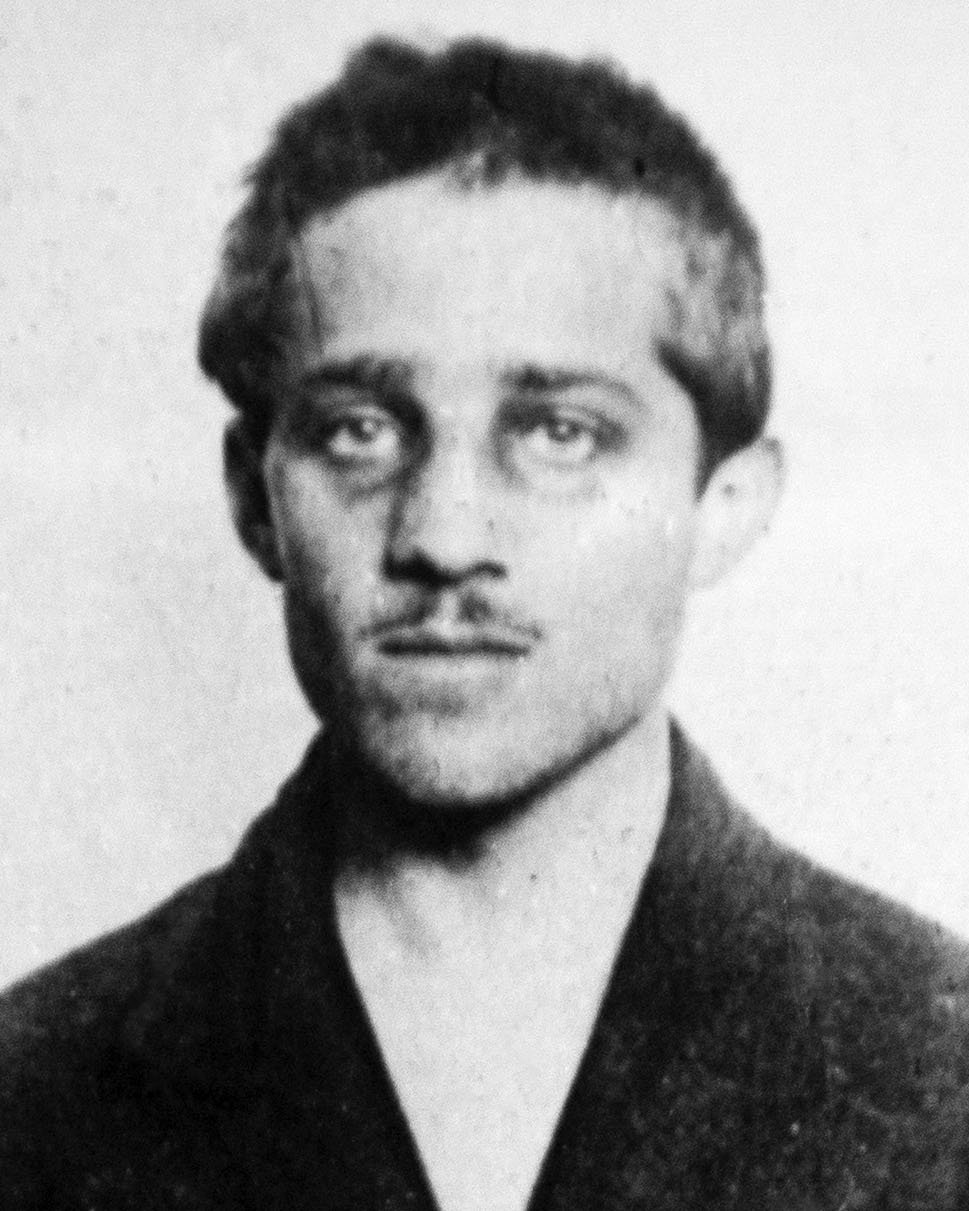
Gavrilo Princip was just nineteen years old when he made history with a single, fateful act in Sarajevo in 1914. As a member of a group of Bosnian Serb nationalists, Princip fired the shots that killed Archduke Franz Ferdinand of Austria and his wife, Sophie. This assassination is widely regarded by historians as the spark that ignited World War I, a conflict that would claim over 16 million lives and redraw the map of Europe. The collapse of empires like the Austro-Hungarian, Ottoman, Russian, and German states followed, leaving a power vacuum that shaped much of the twentieth century. The harsh terms of the Treaty of Versailles, which ended the war, fueled resentment and economic hardship in Germany—conditions that contributed directly to the rise of Adolf Hitler and the outbreak of World War II. Princip’s unintended legacy was a cascade of global events, showing how a lone individual’s actions can reverberate across history in devastating ways. Even today, his name evokes debate about the fine line between freedom fighter and terrorist, and the unpredictable power of a single act.
Rosalind Franklin: The Unseen Architect of DNA
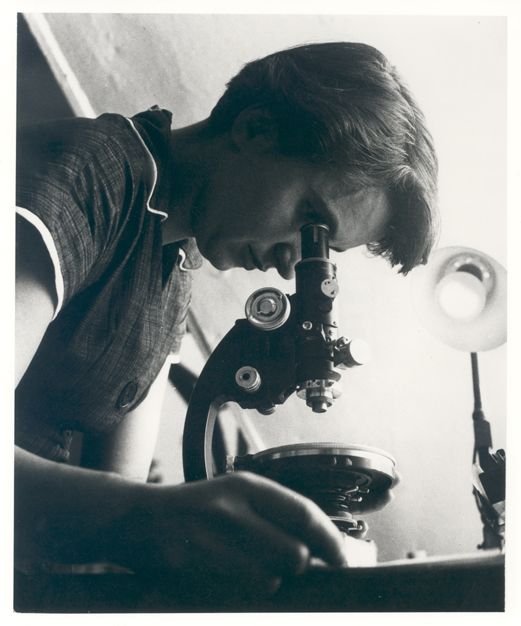
Rosalind Franklin, a British chemist and expert in X-ray crystallography, never set out to become a scientific martyr, but her work fundamentally reshaped biology and medicine. In May 1952, she captured the now-famous “Photo 51,” an X-ray diffraction image of DNA that revealed its helical structure. This crucial piece of evidence enabled Watson and Crick to model the double helix, a discovery that revolutionized genetics, medicine, and even criminal justice. Despite her key role, Franklin was largely excluded from the recognition granted to her male colleagues, a fact that still stirs controversy in scientific circles. Her research paved the way for the Human Genome Project, gene therapy, and forensic DNA analysis, fields that have saved millions of lives and transformed society. Franklin’s story is a powerful reminder of the unsung heroes behind scientific breakthroughs and the ongoing struggle for gender equality in STEM. Her quiet diligence and meticulous work ethic have inspired new generations to look beyond fame, focusing instead on the pursuit of truth.
James Marshall: The Accidental Gold Rush
James Marshall was just a carpenter checking the waterwheel at Sutter’s Mill when he noticed sparkling flakes in the American River in 1848. Little did he know, this simple discovery would ignite the California Gold Rush, drawing more than 300,000 fortune-seekers from around the world. The influx of prospectors, known as “forty-niners,” led to California’s rapid admission as the thirty-first U.S. state and accelerated the westward expansion that defined nineteenth-century America. The Gold Rush fueled economic growth but also brought hardship and displacement for Native American communities, as well as fierce competition and lawlessness. San Francisco grew from a sleepy village to a bustling city almost overnight, and the idea of the “American Dream” took on new meaning. Marshall himself never profited from his find, dying in poverty, but the Gold Rush he triggered set in motion social and economic forces that still shape America today. His story is a testament to how even the most ordinary people can spark extraordinary change.
Ignaz Semmelweis: The Handwasher Who Saved Millions
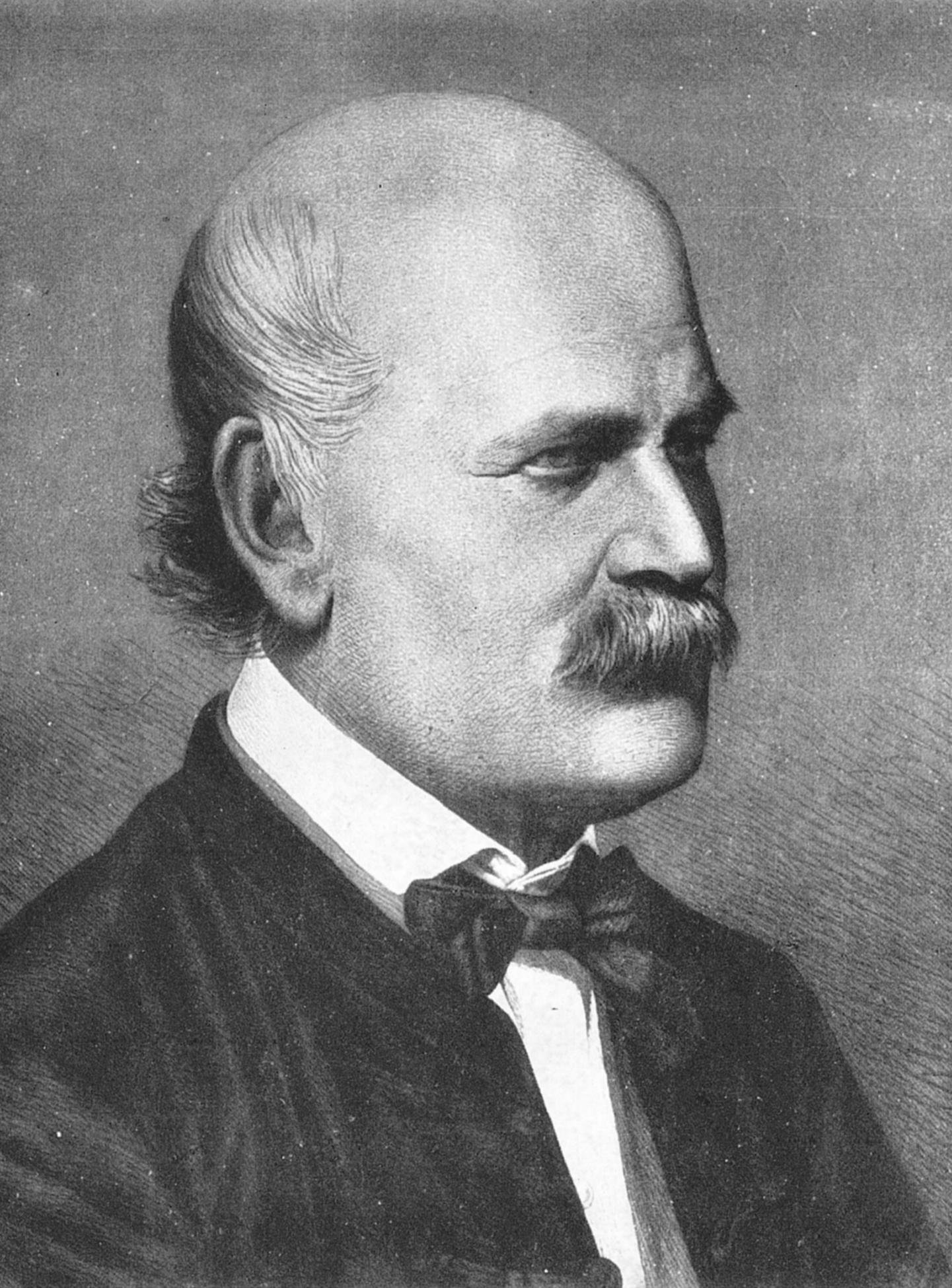
Ignaz Semmelweis, a Hungarian physician working in Vienna in the 1840s, made a discovery that would one day save countless lives: he realized that handwashing drastically reduced deadly infections in maternity wards. At the time, doctors moved between autopsies and childbirth without washing their hands, leading to rampant puerperal fever among new mothers. Semmelweis’s insistence on cleanliness met with ridicule and resistance from his peers, who bristled at the suggestion they could be to blame for their patients’ deaths. Tragically, Semmelweis died before his ideas gained acceptance, but later research by Louis Pasteur and Joseph Lister confirmed his findings. Today, the World Health Organization credits hand hygiene as one of the most important measures to prevent hospital-acquired infections, saving millions of lives every year. Semmelweis’s story remains a stark reminder of how difficult it can be to change entrenched beliefs, even in the face of overwhelming evidence.
Stanislav Petrov: The Man Who Saved the World
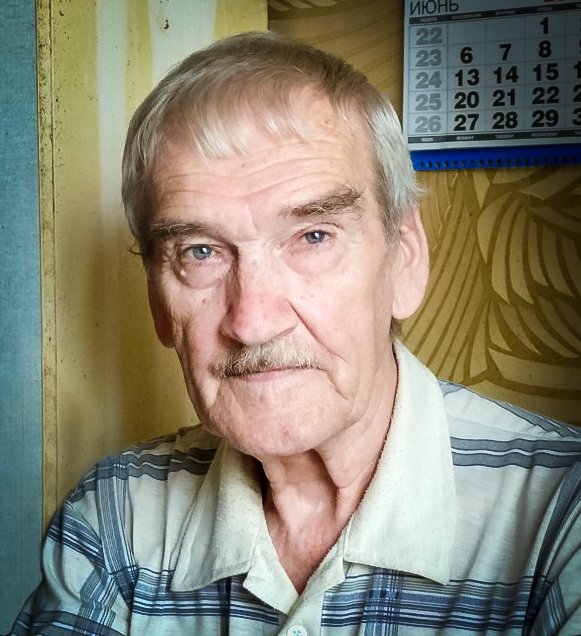
In the tense autumn of 1983, Soviet Air Defense Forces lieutenant colonel Stanislav Petrov faced a terrifying decision. The early warning system at his post near Moscow reported that several American nuclear missiles were heading toward the USSR. Protocol dictated that Petrov immediately report an attack to his superiors, likely triggering a catastrophic nuclear retaliation. But Petrov hesitated, reasoning that if the United States were truly launching a first strike, it would not be with just a handful of missiles. Trusting his instincts, he declared the alarm a false one—correctly, as it turned out to be a satellite malfunction. Petrov’s calm under pressure is credited by many historians as averting a potential nuclear holocaust, saving hundreds of millions of lives. For years, his actions remained a secret, and he received little official recognition, but he has since been honored as “the man who saved the world,” a testament to the importance of human judgment in an age of technology.
Henrietta Lacks: The Immortal Woman
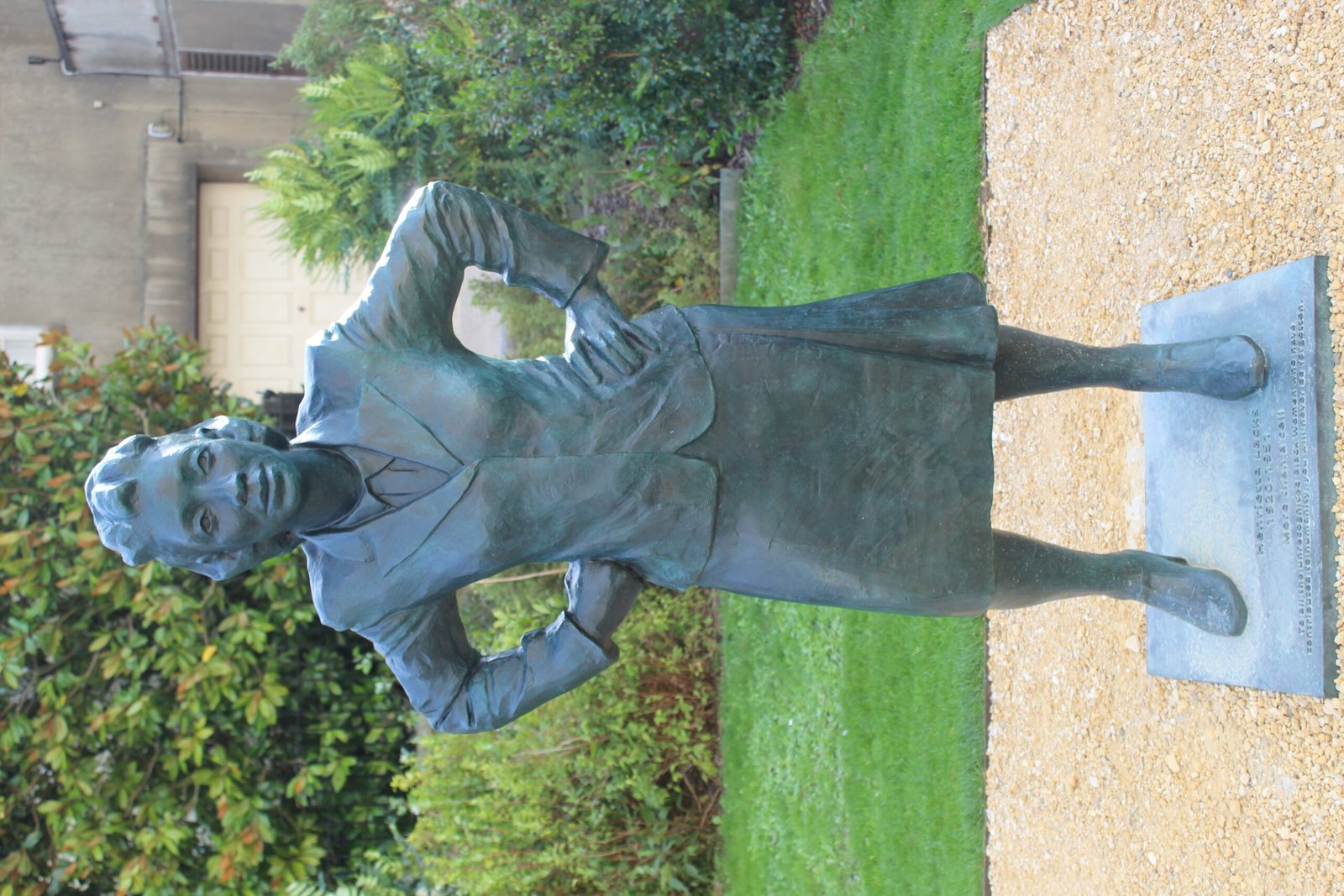
Henrietta Lacks was a poor African-American tobacco farmer in Baltimore whose life and legacy would reach further than she could have ever imagined. In 1951, doctors took cells from her cervical tumor without her knowledge or consent. Unlike any before, her cells—dubbed “HeLa”—multiplied indefinitely in the lab, providing an endless resource for scientific research. HeLa cells were crucial in developing the polio vaccine, cancer treatments, gene mapping, and even COVID-19 research. While the medical community benefited immensely, Lacks’s family struggled for decades to receive recognition or compensation. Her story has fueled global discussions about ethics, consent, and race in medical research, leading to changes in laws and practices worldwide. The immortal legacy of Henrietta Lacks lives on in nearly every laboratory on earth, a reminder that behind every breakthrough there are real people with real stories.
Leo Szilard: The Reluctant Father of the Atomic Age
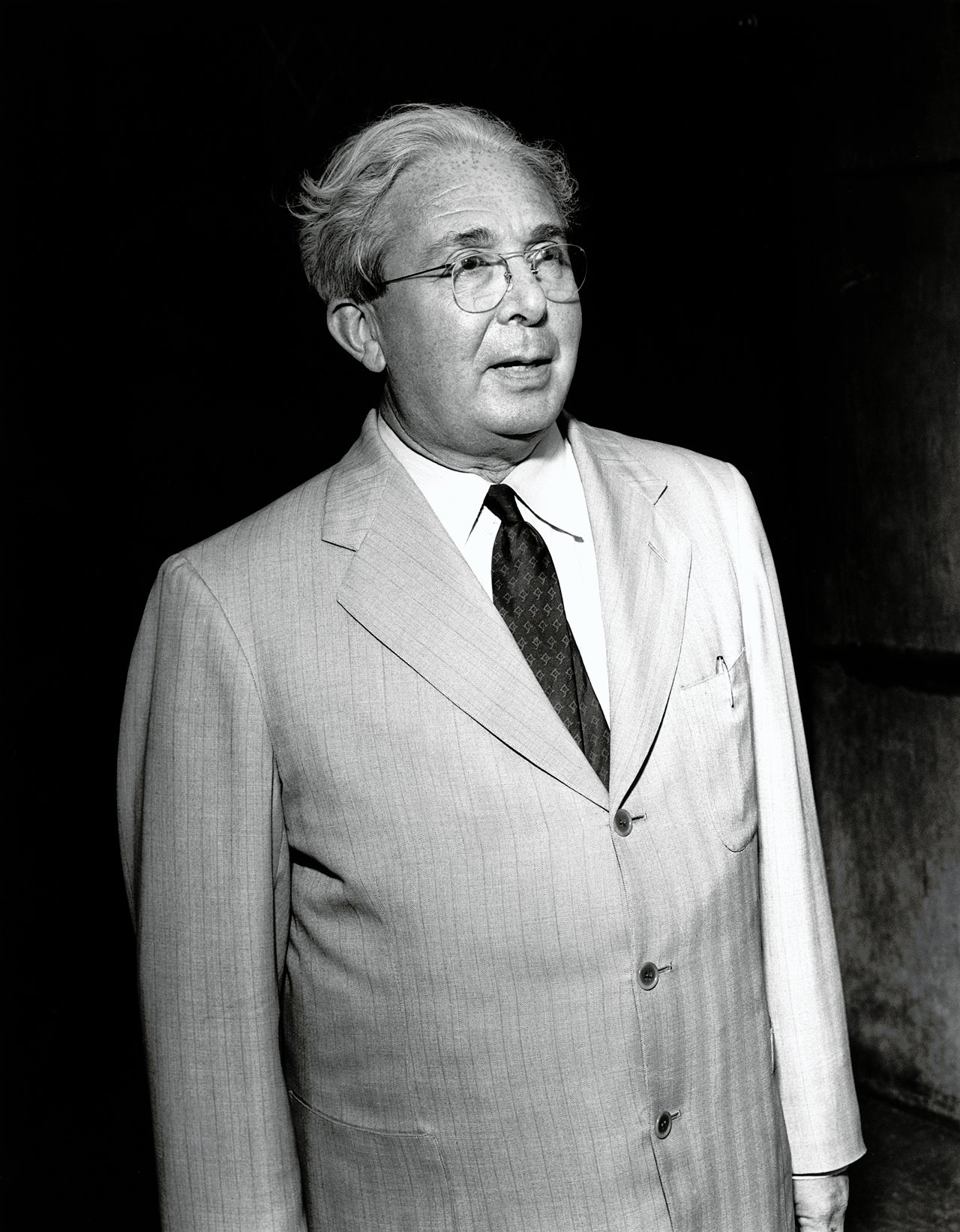
Leo Szilard, a Hungarian physicist, had a knack for seeing the future of science—and worrying about it. In 1933, he conceptualized the nuclear chain reaction, the process that would make atomic weapons possible. Later, with Albert Einstein, he co-authored the famous Einstein–Szilard letter to President Roosevelt, warning that Nazi Germany might develop nuclear arms. This letter spurred the creation of the Manhattan Project, which ultimately produced the atomic bombs dropped on Hiroshima and Nagasaki. Szilard himself grew increasingly concerned about the weaponization of his discovery, becoming a passionate advocate for nuclear arms control in his later years. His work not only changed the course of World War II but also forced humanity to confront the ethical dilemmas of scientific progress. Szilard’s story is one of genius, anxiety, and the unintended consequences that often accompany great discoveries.
Claudette Colvin: The Teenager Who Sat Down for Justice
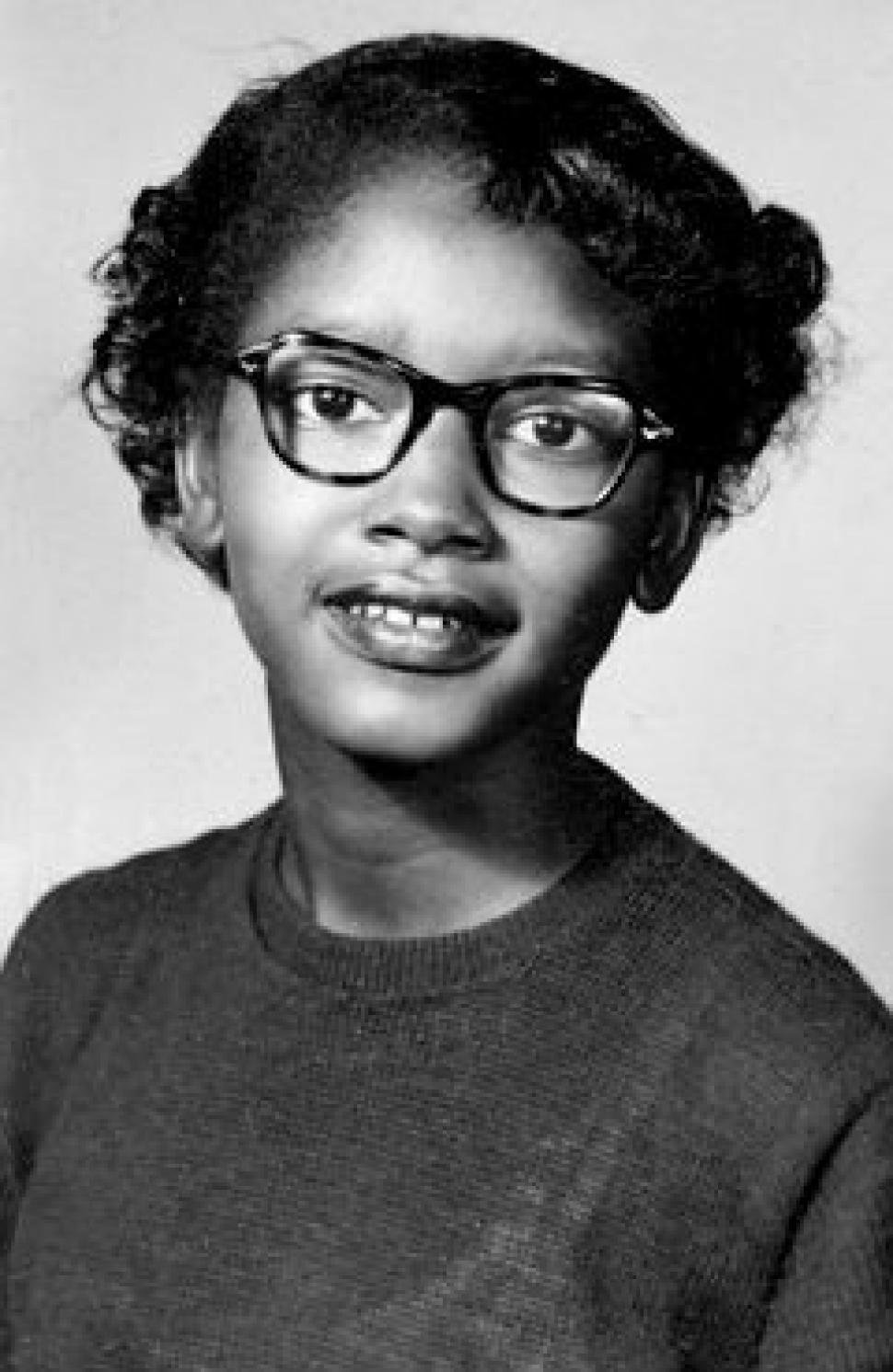
Before Rosa Parks refused to give up her seat, there was Claudette Colvin—a fifteen-year-old African-American student in Montgomery, Alabama, who, in March 1955, refused to move to the back of a segregated bus. Colvin’s arrest and subsequent legal challenge, Browder v. Gayle, laid crucial groundwork for the landmark Supreme Court decision that desegregated buses in Montgomery. Despite her courage, Colvin’s story was overshadowed by those deemed more “acceptable” by civil rights leaders of the era. She became pregnant soon after the incident, and organizers feared her situation would distract from the movement’s message. Today, historians recognize Colvin’s bravery as a pivotal moment in the fight for civil rights, showing that sometimes history is made not by the famous, but by the determined and fearless young people who refuse to accept injustice.
Philo Farnsworth: The Boy Who Invented Television
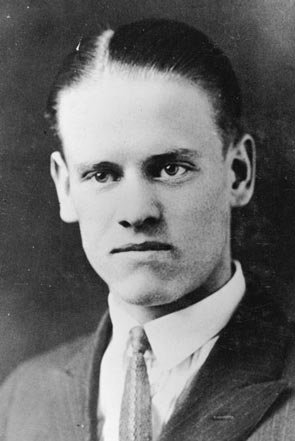
Philo Farnsworth was just a farm boy in Utah when he began dreaming up inventions that would change the world. By the age of 21, in 1927, he had created the first fully functional all-electronic television system. His invention made it possible to broadcast moving images and sound into living rooms around the world, forever changing entertainment, news, and even politics. Farnsworth’s breakthrough laid the foundation for the global television industry, which today reaches over 1.7 billion households. His life was marked by patent battles and financial struggles, but his vision of connecting people through moving pictures became a reality. Farnsworth’s legacy lives on every time a family gathers around the TV, showing how small-town ingenuity can have a global impact.
Grace Hopper: The Mother of Modern Programming
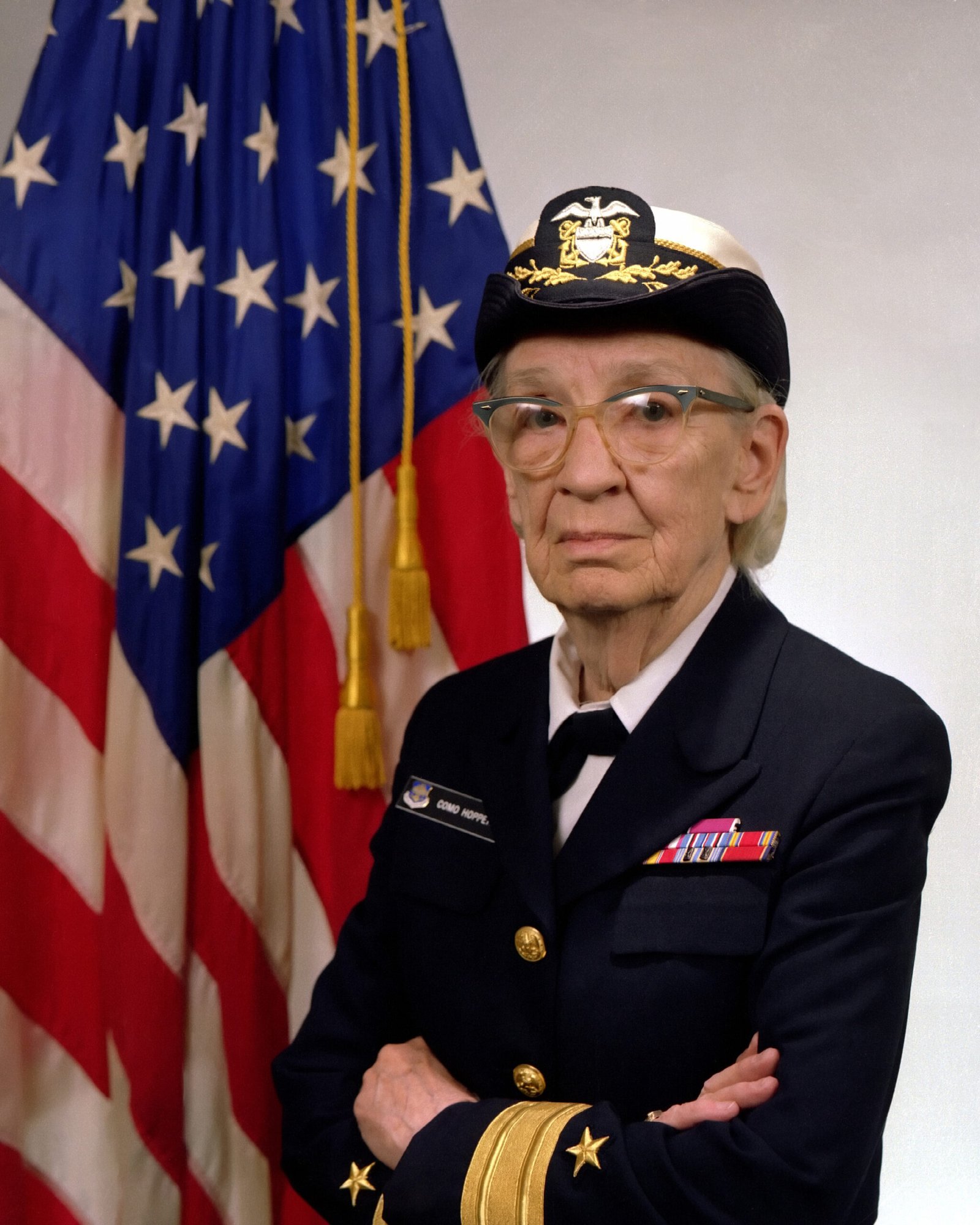
Grace Hopper was a trailblazing computer scientist and U.S. Navy rear admiral who made programming accessible to the masses. In the 1950s, she developed the first compiler, a tool that translates human-readable instructions into code computers can understand. This revolutionary step led to the creation of COBOL, a programming language still running millions of business and government systems today. Hopper’s insistence that computers should “speak English” helped democratize technology, making it possible for non-experts to program computers. She was also a fierce advocate for women in STEM, mentoring countless young programmers. Hopper’s work not only launched the software industry but also ensured that technology would be a tool for everyone, not just a select few.
Alexei Ananenko, Valeri Bezpalov, and Boris Baranov: The Heroes of Chernobyl
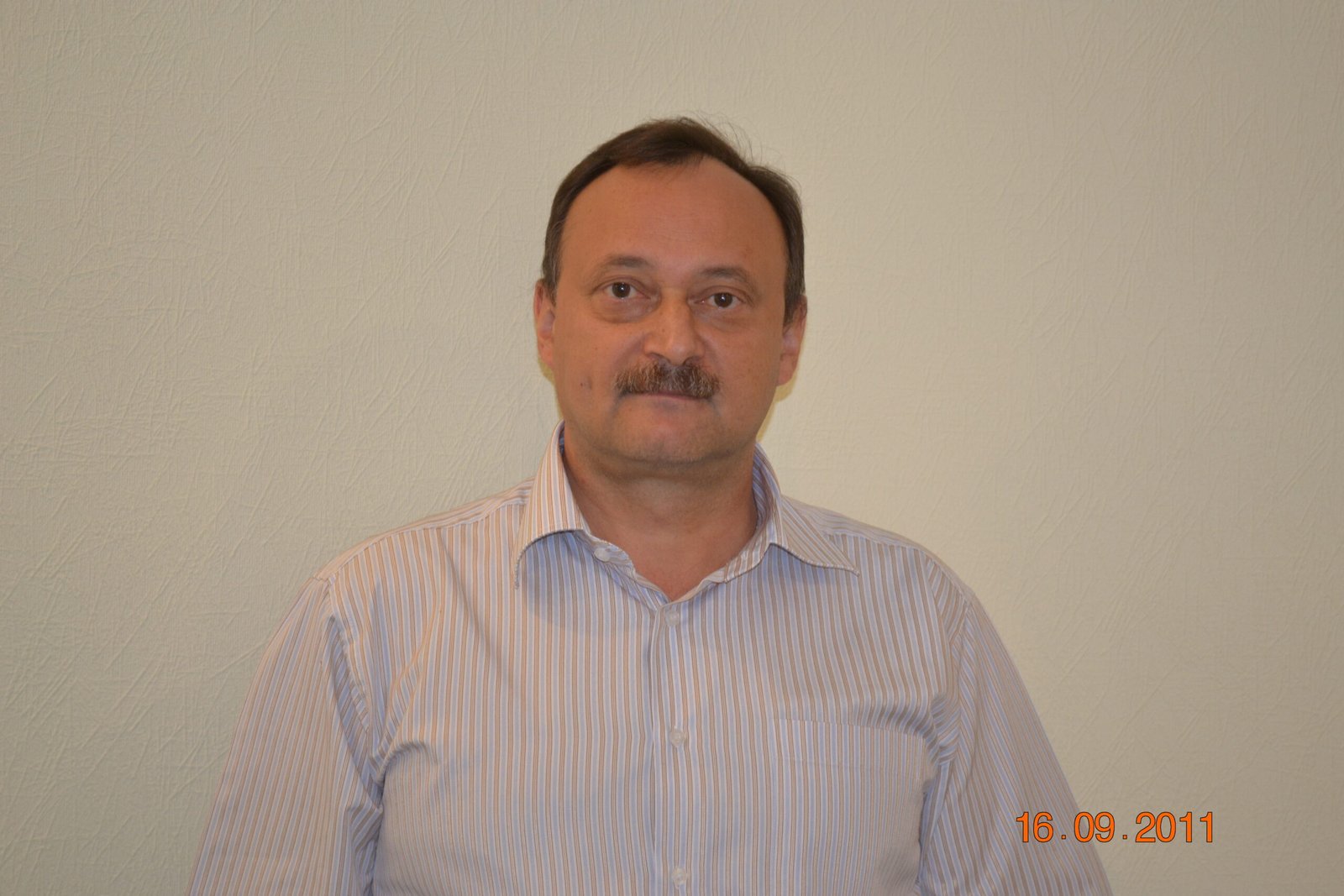
In April 1986, as radioactive fire raged in Reactor 4 at Chernobyl, the world teetered on the brink of an even greater disaster. Deep in the flooded basement below the reactor, three men—Alexei Ananenko, Valeri Bezpalov, and Boris Baranov—volunteered for a suicide mission: to drain the water and prevent a steam explosion that could have made large parts of Europe uninhabitable. Their courageous act, performed in darkness and waist-deep radioactive water, has been credited by nuclear scientists as preventing a disaster far worse than the meltdown itself. For years, rumors spread that the men had died within days, but recent reports confirm that two survived for decades after the event. Their bravery reminds the world that sometimes, the fate of millions rests in the hands of a few who step forward when others cannot.
Tsutomu Yamaguchi: The Double Survivor
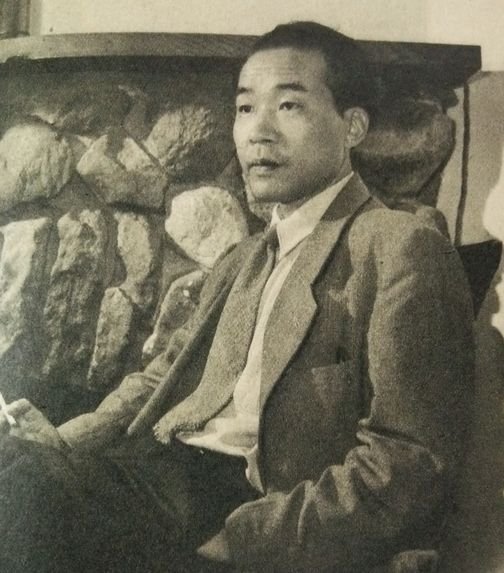
Tsutomu Yamaguchi was a Japanese engineer whose life became an improbable symbol of survival and peace. On August 6, 1945, he was in Hiroshima on business when the first atomic bomb fell. Badly burned but alive, he returned to his home in Nagasaki—only to experience the second atomic bombing three days later. Yamaguchi is recognized as the only officially certified survivor of both bombings, and his story became a powerful plea for nuclear disarmament. He spent his later years sharing his experiences, warning of the horrors of nuclear war and advocating for a world free of atomic weapons. Yamaguchi’s tale is a deeply personal perspective on the consequences of scientific power unleashed, and his tireless activism personalized the cost of war for generations to come.

Christian Wiedeck, all the way from Germany, loves music festivals, especially in the USA. His articles bring the excitement of these events to readers worldwide.
For any feedback please reach out to info@festivalinside.com
