


For any feedback please reach out to info@festivalinside.com
- “The 16 Secret Meanings Behind America’s Most Famous Novels” - September 25, 2026
- 20 Music Legends Who Changed the Industry Forever - September 25, 2026
- Why Some Books Only Work in the First Person - September 24, 2026
War and Peace by Leo Tolstoy
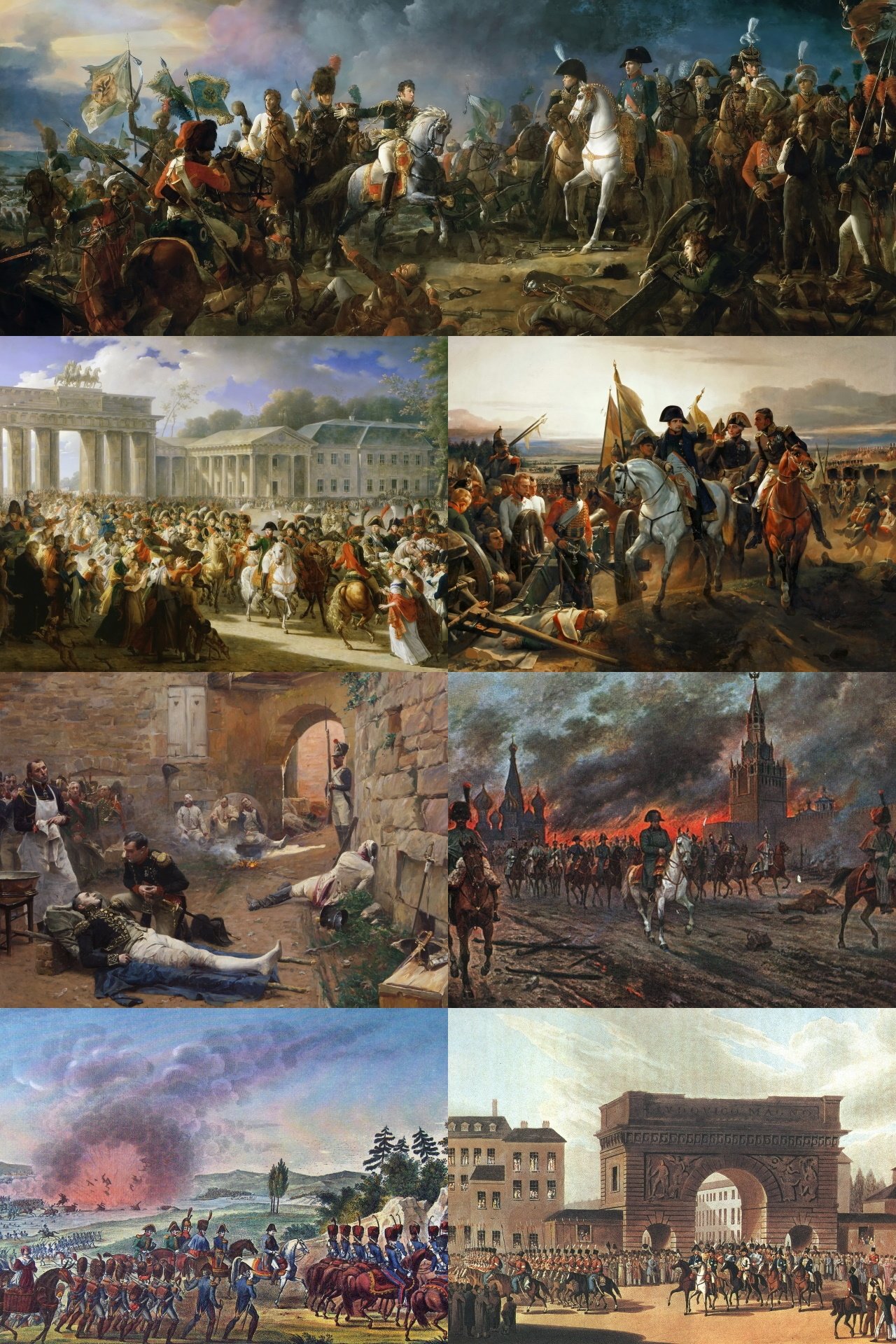
When people think of Russian novels, War and Peace is often the first that comes to mind. This massive book does more than just tell a story; it immerses the reader in a whirlwind of history, relationships, and questions about fate. Set against the backdrop of the Napoleonic Wars, the novel brings together the experiences of aristocrats and peasants alike, showing how war changes everyone. Tolstoy’s attention to detail makes each character feel real, from Pierre’s clumsy search for meaning to Natasha’s passionate love. Power is often portrayed as a heavy burden, not a blessing, and love is shown as both thrilling and heartbreaking. The novel’s sweeping scale helps us understand not only epic battles but also the quiet moments of hope and despair. War and Peace continues to shape the way readers around the world view the forces that pull us together and tear us apart.
Anna Karenina by Leo Tolstoy
Anna Karenina is a story that still makes readers gasp with its emotional intensity and sharp observations about society. The tragic love between Anna and Vronsky unfolds in a world where reputation and social rules seem more important than happiness. Tolstoy paints a picture of love that is complicated and painful, as Anna’s passion leads her to defy her husband, her friends, and even her own sense of stability. Power in this novel is subtle, often disguised as social pressure and the quiet judgments of others. The train station scenes, the glitter of Moscow’s high society, and Anna’s desperate loneliness all show how love can be both a source of freedom and a kind of prison. The novel’s exploration of desire, loyalty, and suffering has shaped countless discussions about what it means to truly love and to lose everything for it.
Crime and Punishment by Fyodor Dostoevsky
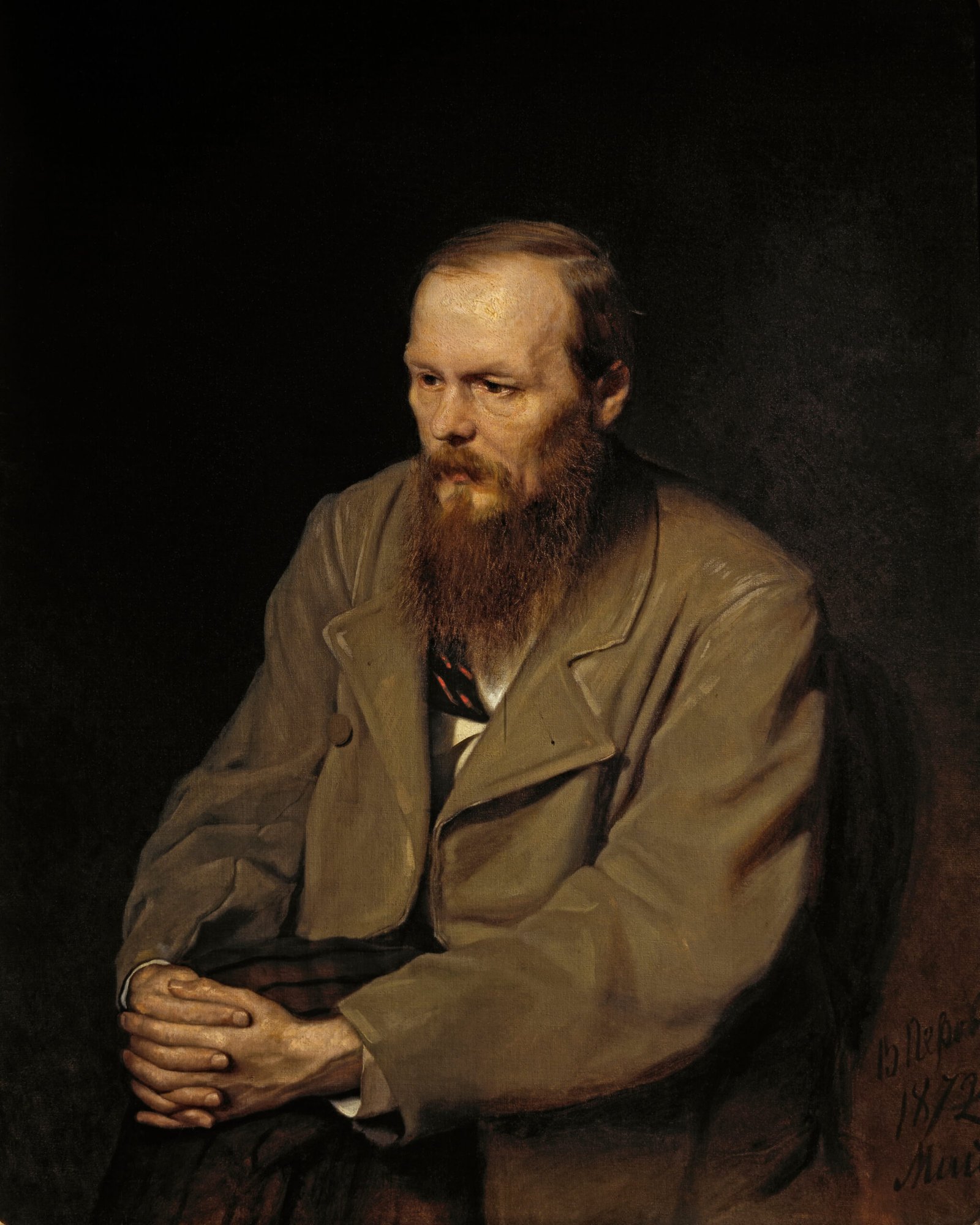
Crime and Punishment dives deep into the darkness of the human mind, asking whether anyone has the right to decide who lives and who dies. Raskolnikov, the central character, is a student who believes he can commit a terrible crime for the greater good. The story follows his descent into guilt, paranoia, and madness as he tries to justify his actions. Dostoevsky uses the city of St. Petersburg almost like an extra character, with rain-soaked streets and cramped apartments reflecting the main character’s turmoil. Power here is not just about politics or money; it’s about the power of an idea, the weight of conscience, and the struggle to control one’s fate. The novel’s mix of suspense, philosophy, and raw emotion makes it a towering work about the price of crossing moral boundaries. Through Raskolnikov’s journey, readers are forced to question the real meaning of justice and redemption.
The Brothers Karamazov by Fyodor Dostoevsky
The Brothers Karamazov is often called Dostoevsky’s masterpiece, and for good reason. It brings together themes of faith, doubt, family, and the eternal struggle between good and evil. The three Karamazov brothers, each with very different personalities, become involved in a shocking murder that raises questions about guilt, forgiveness, and the search for truth. The novel is filled with heated debates about religion, justice, and the corrupting force of power, especially within families. Love in The Brothers Karamazov is never simple; it is mixed with jealousy, longing, and cruelty. The story’s famous “Grand Inquisitor” chapter remains one of literature’s most unforgettable explorations of authority and freedom. Reading this novel is like looking into a mirror that reflects not only Russian society but also the conflicts and contradictions inside every human being.
Doctor Zhivago by Boris Pasternak
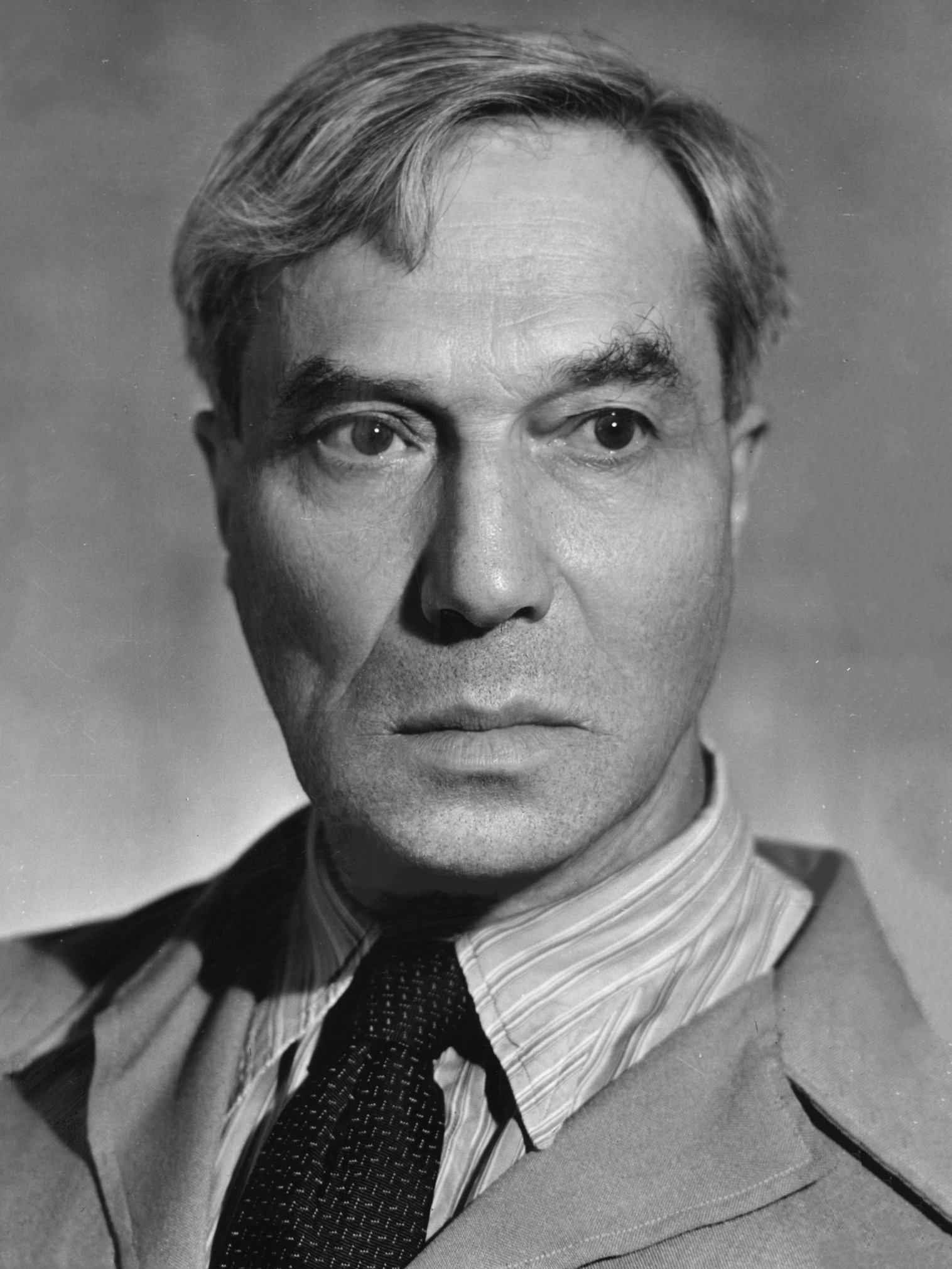
Doctor Zhivago captures the chaos and heartbreak of Russia during the Revolution and the years that followed. Yuri Zhivago, a gentle poet and doctor, finds himself swept up in events beyond his control as the country is torn apart by war and political change. The love story between Yuri and Lara is central to the novel, but it is surrounded by violence, betrayal, and loss. Power here is brutal and unpredictable, as new leaders rise and fall, leaving ordinary people to pick up the pieces. Pasternak’s poetic descriptions of nature contrast with the harsh realities of war, showing how beauty can survive even in the darkest times. The novel’s emotional depth and its celebration of personal integrity have made it a symbol of hope amid oppression. Doctor Zhivago remains a moving portrait of individuals struggling to stay true to themselves when the world spins out of control.
Fathers and Sons by Ivan Turgenev
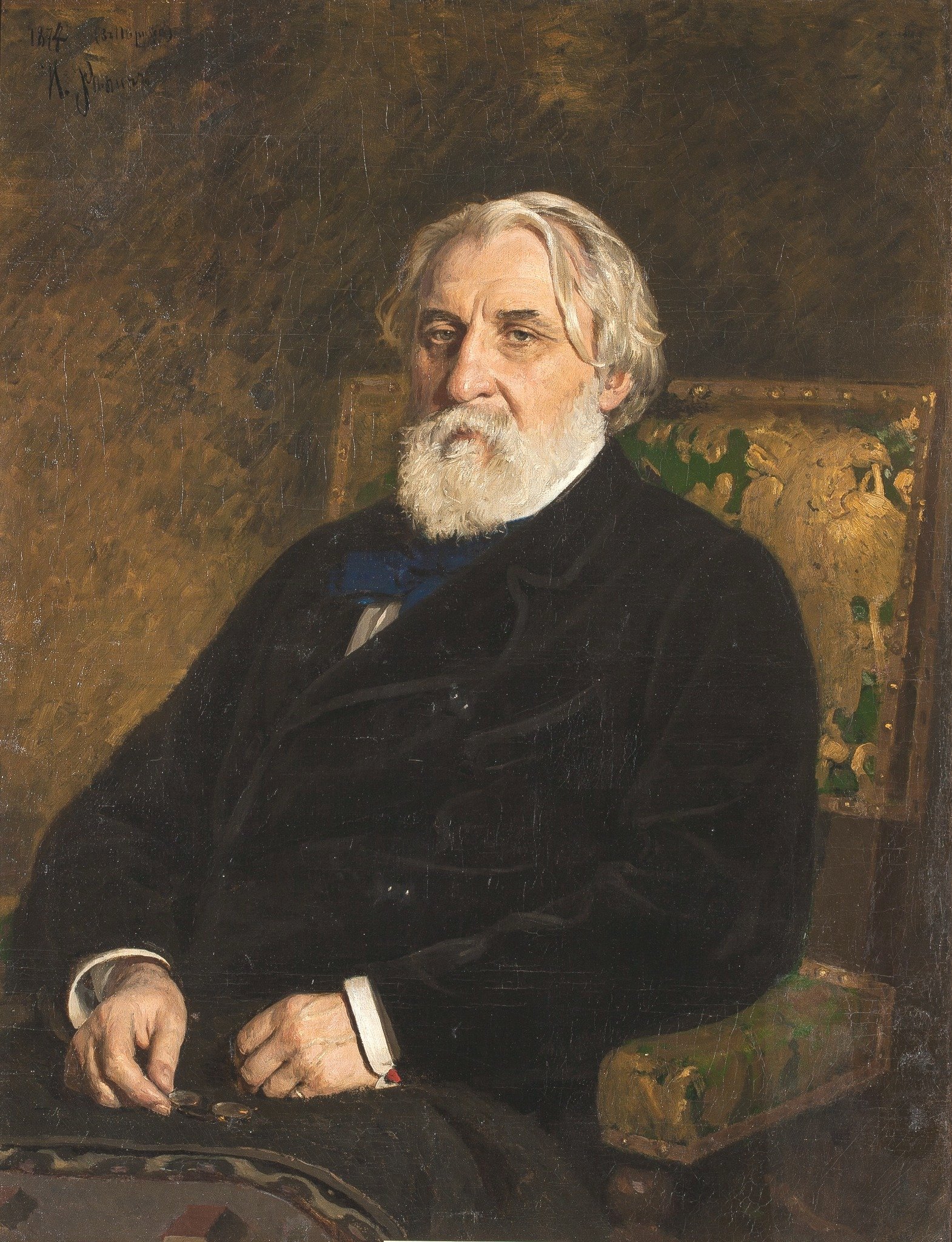
Fathers and Sons is a novel that introduced the world to the idea of the “nihilist” — a person who rejects all authorities and beliefs. The story follows Arkady and his friend Bazarov, whose radical ideas put them at odds with the older generation. Turgenev writes with warmth and a touch of irony, showing how the clash between old and new creates both excitement and pain. The novel explores power not through grand battles but through the quiet tensions within families and friendships. Love in Fathers and Sons is often awkward and unfulfilled, as characters struggle to understand one another and themselves. War simmers in the background, a reminder that political and personal revolutions are always connected. This book changed the way people talked about generational differences and the challenges of progress, making it a lasting influence on how we view change and tradition.
The Master and Margarita by Mikhail Bulgakov
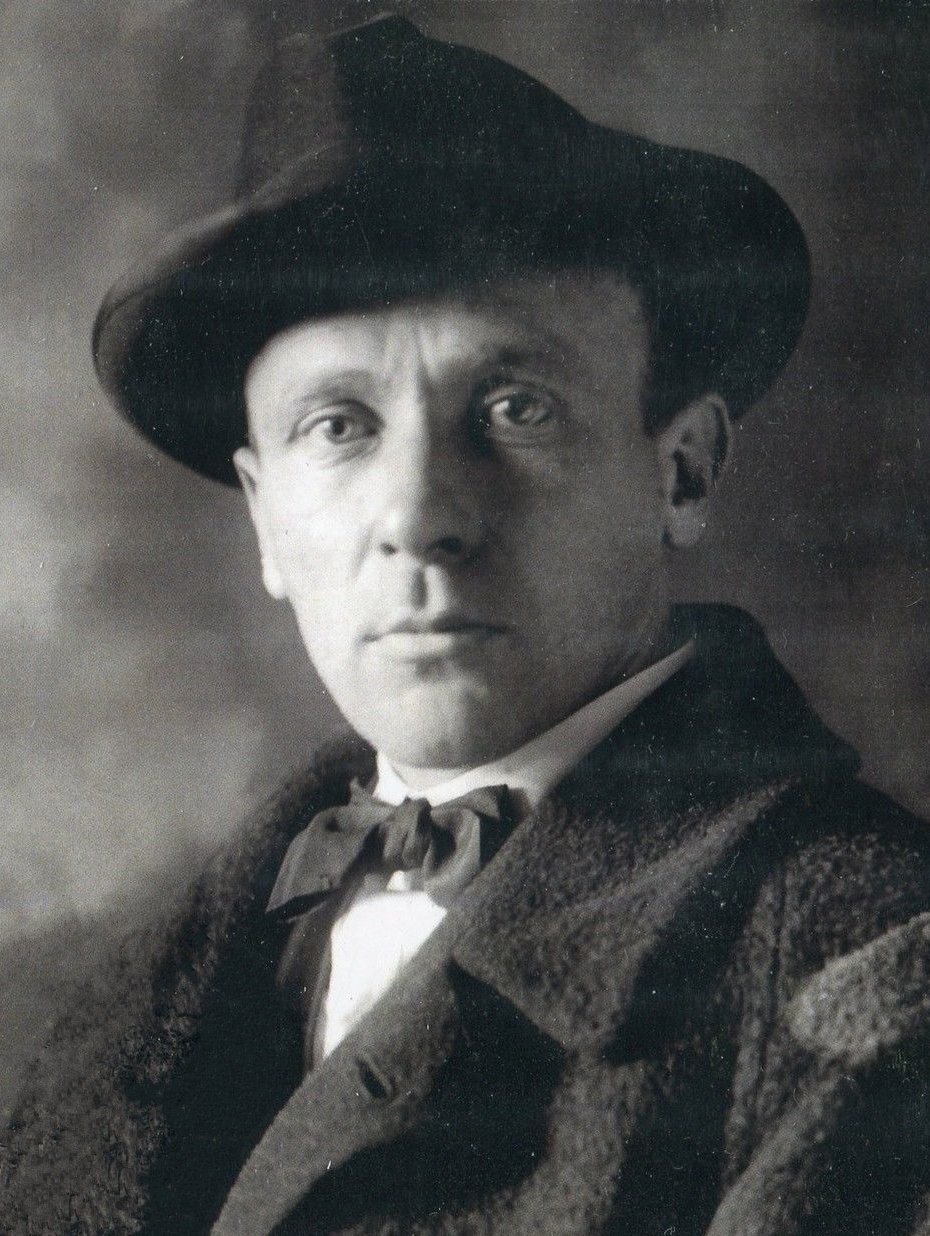
The Master and Margarita is nothing short of a literary miracle. Written during a time of political terror, it combines fantasy, romance, and biting satire in a way that still feels fresh today. The Devil arrives in Moscow, turning the city upside down and exposing the hypocrisy of those in power. At the heart of the novel is a love story between the Master, a struggling writer, and Margarita, who is willing to face even the supernatural to save him. Power in this novel is slippery and dangerous, often used to control or punish rather than to help. Bulgakov’s wild imagination creates unforgettable scenes, from a talking cat to a surreal ball hosted by Satan himself. The Master and Margarita challenges readers to think about the value of truth, freedom, and love when the world seems to have lost its moral compass.
And Quiet Flows the Don by Mikhail Sholokhov
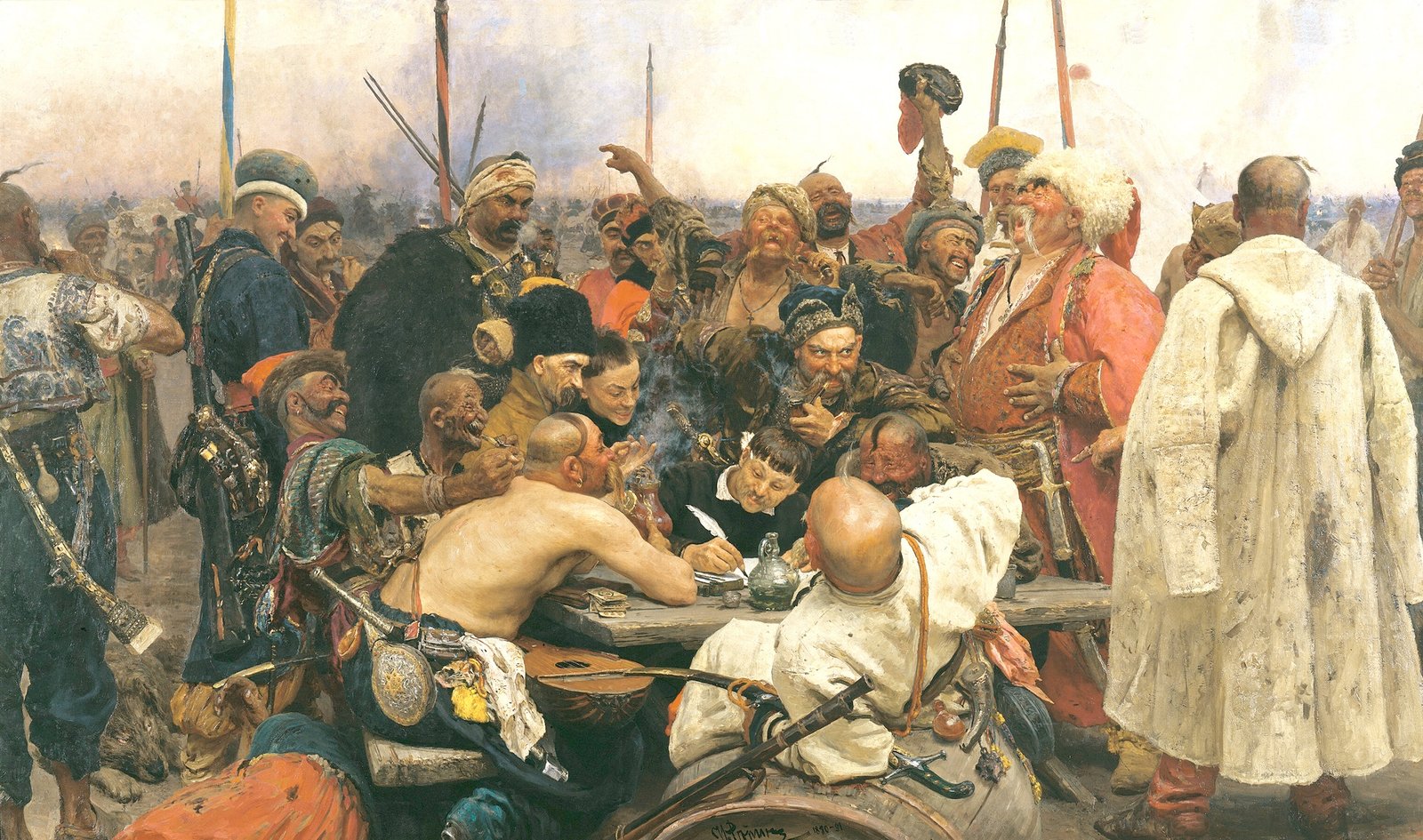
And Quiet Flows the Don paints a vivid picture of Cossack life during the upheaval of World War I and the Russian Civil War. The novel follows Grigori Melekhov, a young man torn between his love for two women and his loyalty to his family and homeland. Sholokhov’s storytelling is rich and powerful, showing how war tears communities apart and forces people to make impossible choices. Power is shown as both a curse and a necessity, shaping every aspect of daily life and personal relationships. Love in the novel is fierce and tragic, often ending in heartbreak as characters are pulled in different directions by duty and desire. The violence and confusion of war are described in unflinching detail, making the reader feel both the terror and the hope of survival. This epic novel has become a symbol of the struggles faced by ordinary people in extraordinary times.
We by Yevgeny Zamyatin
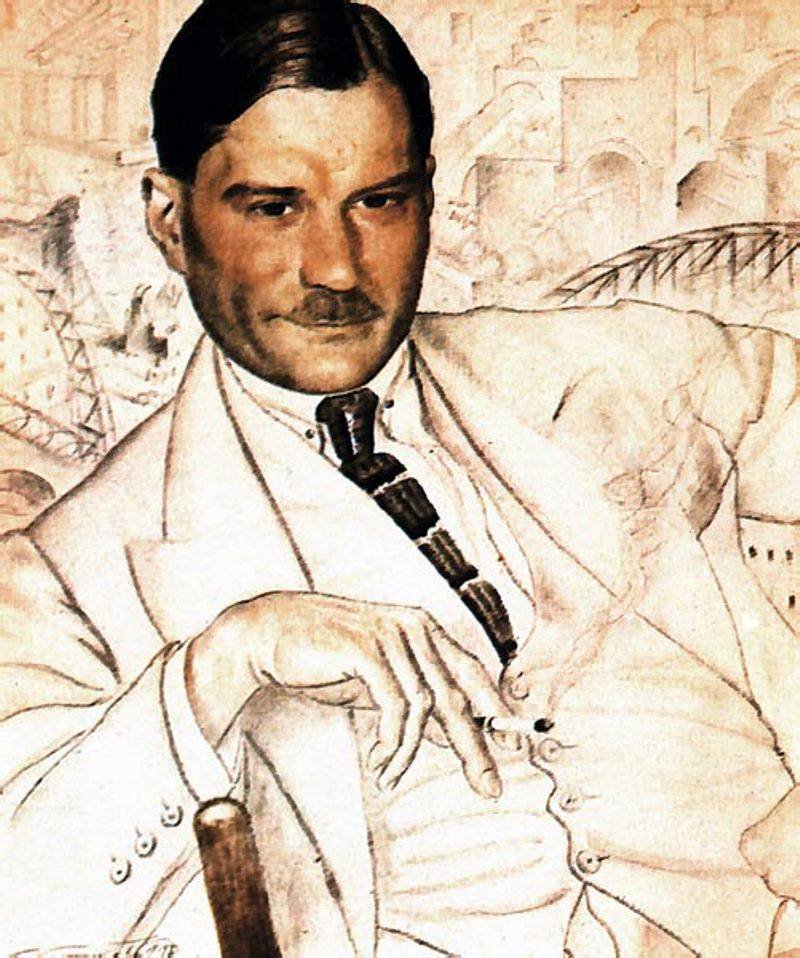
We is a novel that changed the way people think about government and freedom. Written long before George Orwell’s 1984, it tells the story of a future society where everything is controlled, and individuality is forbidden. The main character, D-503, begins to question the system after falling in love, leading to a dangerous and eye-opening rebellion. Zamyatin’s writing is both chilling and poetic, painting a world where power is absolute and love is an act of resistance. The novel’s vision of a society obsessed with order and conformity feels surprisingly modern, warning readers about the dangers of sacrificing freedom for security. We has influenced countless writers and thinkers, making it a key text for anyone interested in the intersection of politics, love, and the human spirit.
Life and Fate by Vasily Grossman
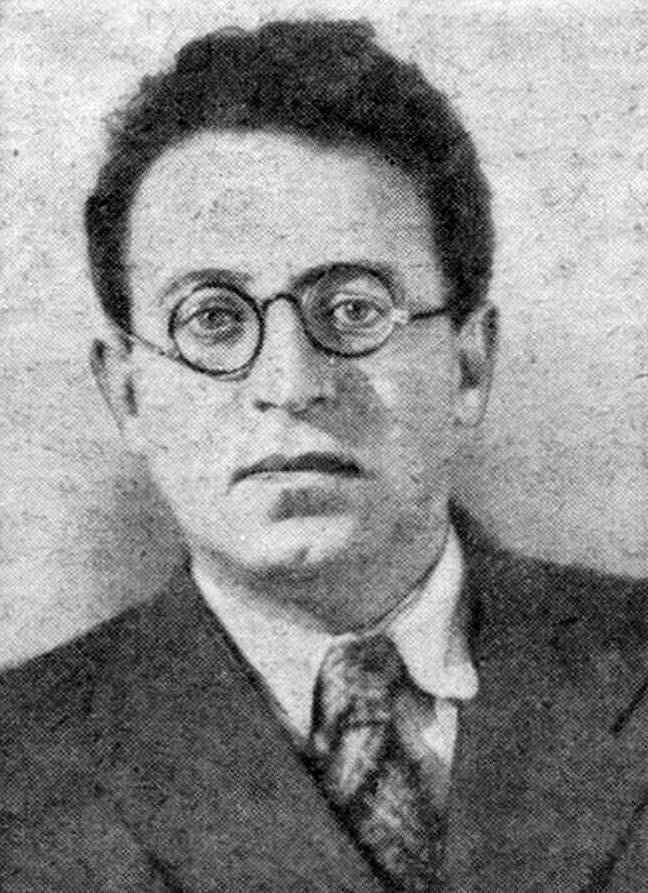
Life and Fate is a sweeping novel that examines the brutality of war and the resilience of hope. Set during the Battle of Stalingrad in World War II, the story follows several members of the Shaposhnikov family as they face hunger, violence, and ideological pressure. Grossman writes with both passion and precision, showing how power can be both monstrous and fragile. The characters are caught between competing forces, from the terror of the Nazi regime to the crushing control of the Soviet state. Love in Life and Fate is fragile but powerful, giving people the strength to endure unimaginable hardships. The novel’s unflinching honesty about the cost of war and the price of survival makes it one of the most moving works ever written about human dignity. Life and Fate challenges readers to think deeply about what it means to remain true to oneself in a world gone mad.

Christian Wiedeck, all the way from Germany, loves music festivals, especially in the USA. His articles bring the excitement of these events to readers worldwide.
For any feedback please reach out to info@festivalinside.com
