


- The Beauty of Giving – How Generosity Transforms Your Mind, Your Relationships, and Your Life - September 12, 2026
- 10 Forgotten American Towns That Time and Tourism Revived - September 12, 2026
- The Real Lives Behind Classic Rock Ballads – 12 Songs You Never Knew Were Based on True Stories - September 12, 2026
Triggers Endorphin Release

Crowd sing-alongs are fascinating events that cause an incredible release of endorphins, the body’s natural feel-good chemicals. When people unite in song, these hormones flood the brain, creating a wave of happiness and euphoria. It’s like a natural high that leaves participants feeling uplifted and joyful. A study in the Journal of Music Therapy showed that group singing can significantly boost mood and reduce depression, making it a delightful and therapeutic activity. This biological response encourages people to seek out crowd singing events more often, eager to experience the joy they bring. It’s no wonder that people feel so drawn to these musical gatherings; the endorphin rush is a powerful pull.
Boosts Feelings of Social Connection

Engaging in a crowd sing-along is not just about the music; it’s about feeling connected to others. This activity fosters a sense of social connection that is hard to replicate in other settings. According to research from the University of Oxford, singing in groups enhances feelings of belonging and community. It’s as if the shared musical experience creates invisible threads that bind participants together, even if they are strangers. This sense of connection is essential for emotional well-being, as humans are inherently social creatures. The bonds formed during sing-alongs can be surprisingly strong, leaving participants with a sense of camaraderie and shared purpose.
Creates a Sense of Unity and Belonging
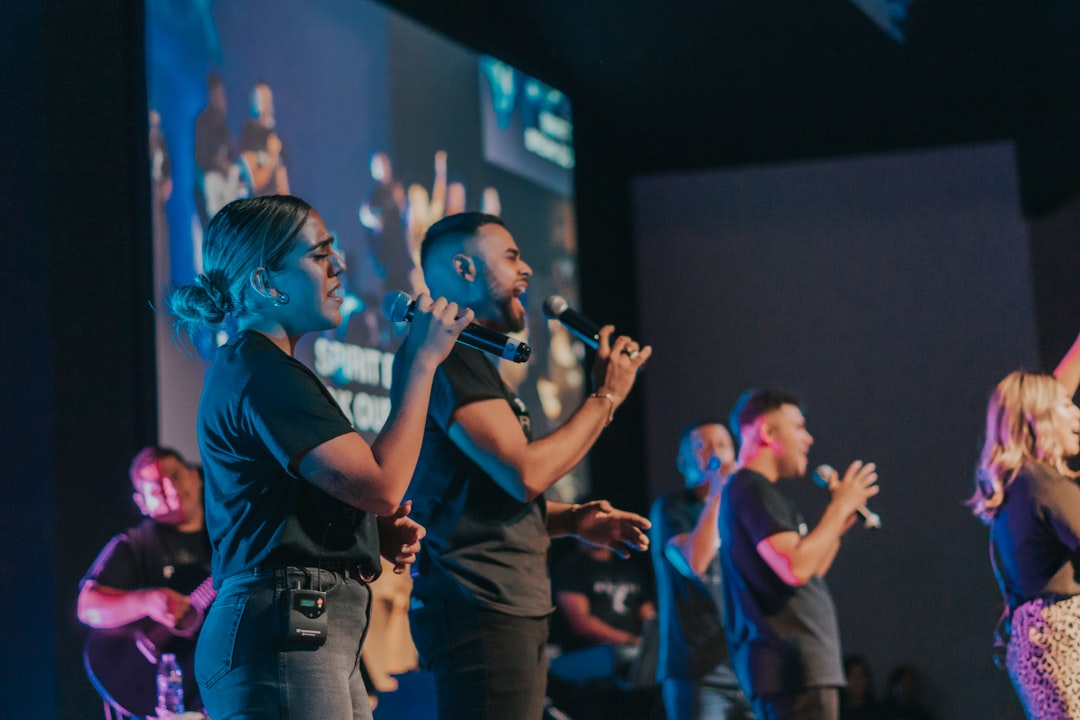
Something magical happens when people sing together in a crowd; a profound sense of unity and belonging emerges. As individuals join their voices in harmony, they share a common experience that transcends individual differences. This sense of unity is powerful, creating a feeling of being part of something larger than oneself. A study published in the journal Psychology of Music found that group singing enhances feelings of solidarity and community. This is why sing-alongs are such a vital aspect of social gatherings and events, as they bring people together in a way that few other activities can.
Activates Brain’s Reward System

The brain’s reward system lights up during a group sing-along, releasing neurotransmitters like dopamine that enhance pleasure and motivation. This activation is similar to the response seen in other rewarding activities, such as eating or exercising. Research from the University of California, Los Angeles (UCLA) shows that engaging in musical activities stimulates the brain’s reward pathways. This makes participants feel more engaged and enthusiastic about the experience. The pleasure derived from these sing-alongs is not just emotional but also deeply rooted in our neurological makeup.
Synchronizes Breathing and Heart Rate
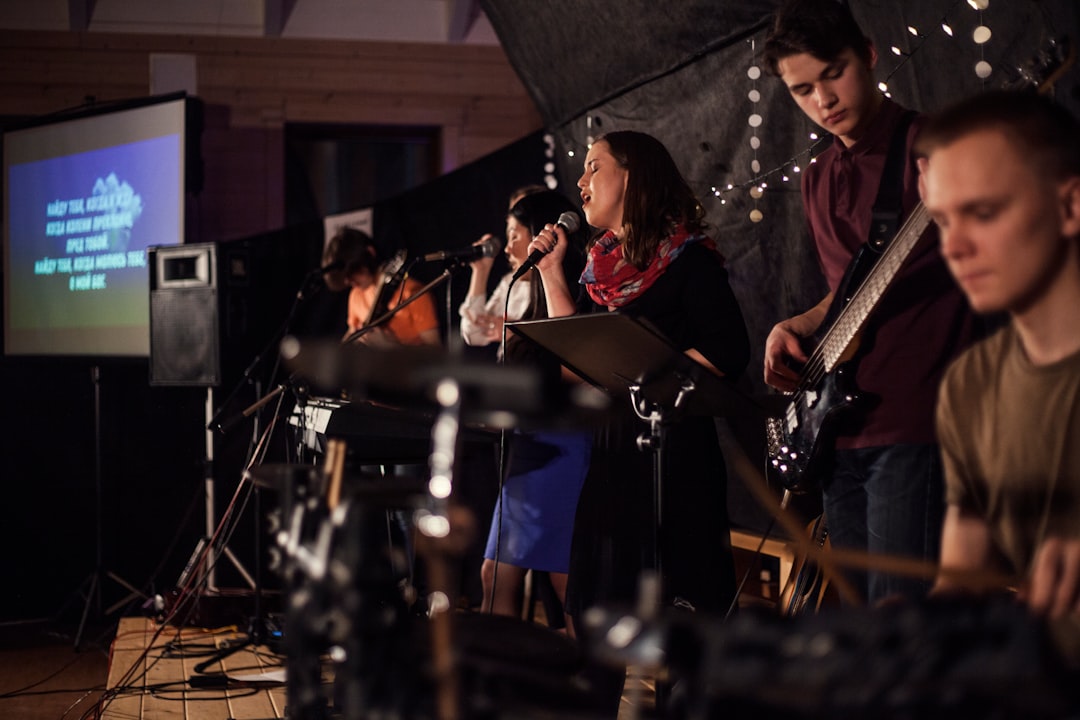
When people sing together, something remarkable happens: their breathing and heart rates tend to synchronize. This physiological connection among participants enhances feelings of unity and emotional bonding. A study published in the journal Frontiers in Psychology found that group singing can lead to synchronized heartbeats. This synchronization may contribute to the overall sense of connection and well-being experienced during crowd sing-alongs. It’s as if the participants’ bodies are in tune with one another, creating a harmonious and connected experience that goes beyond mere words.
Reduces Stress and Anxiety
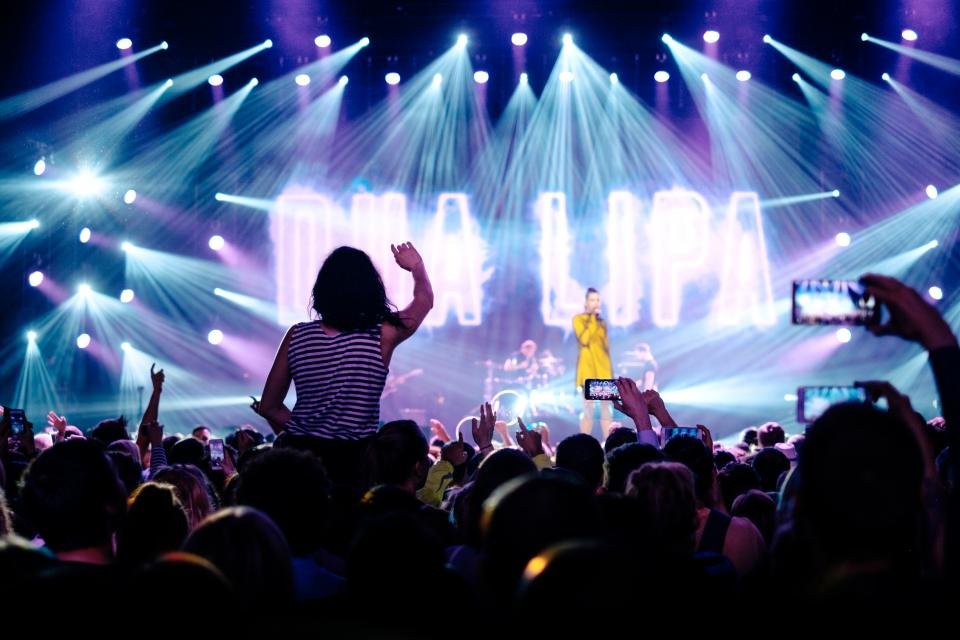
Crowd sing-alongs are more than just fun; they are a powerful tool for reducing stress and anxiety. Singing has been shown to lower cortisol levels, the hormone associated with stress. Research from the University of Gothenburg indicates that group singing can lead to significant reductions in anxiety and stress levels. This therapeutic effect makes crowd sing-alongs a popular choice for individuals seeking relief from daily pressures and mental health challenges. The soothing power of music, combined with the communal experience, creates a calming and healing environment for all involved.
Strengthens Group Identity

Participating in crowd sing-alongs can significantly strengthen group identity among participants. When individuals sing together, they often identify more closely with the group, fostering a sense of belonging and shared purpose. Research from the University of Cambridge indicates that collective singing enhances group cohesion and identity. This makes it a powerful tool for building community and social networks. The shared experience of singing creates a bond that unites participants, reinforcing their connection to the group and to each other.
Enhances Memory and Recall
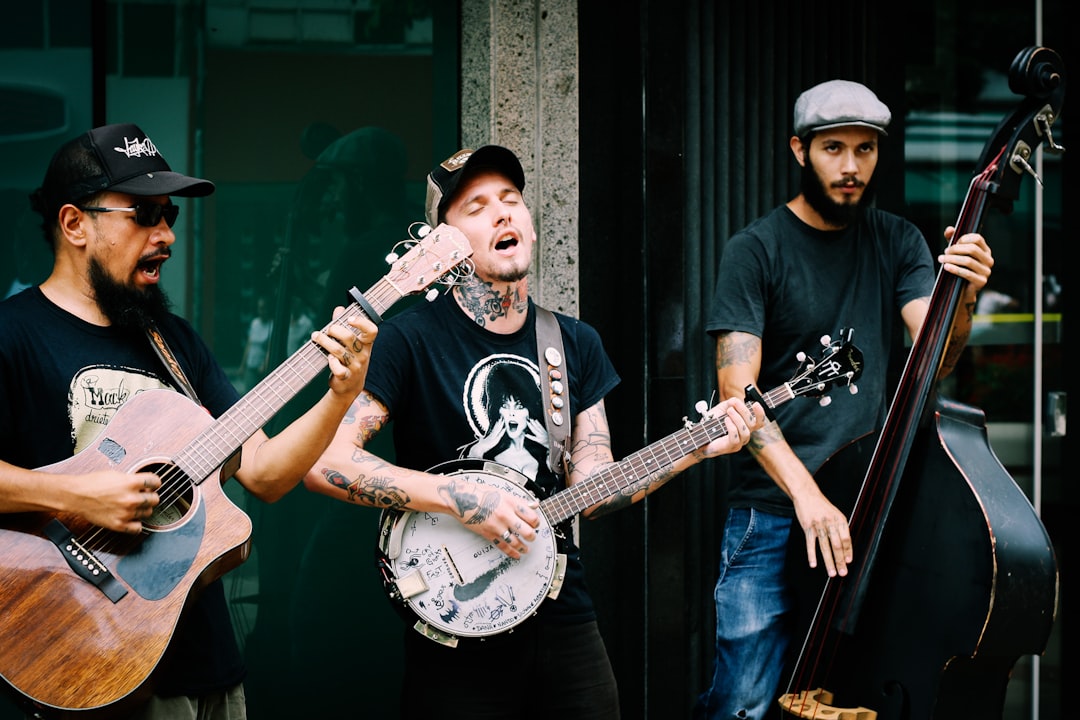
Singing in a group can have a surprising effect on memory and recall, particularly when it comes to lyrics and melodies. The act of singing engages multiple areas of the brain, improving cognitive function and memory retention. A study published in the journal Memory & Cognition found that musical activities, including group singing, can significantly improve memory performance. This makes it easier for participants to remember lyrics and melodies long after the event. The mental exercise of singing strengthens the brain, enhancing memory in a way that is both enjoyable and effective.
Taps into Nostalgic Emotions
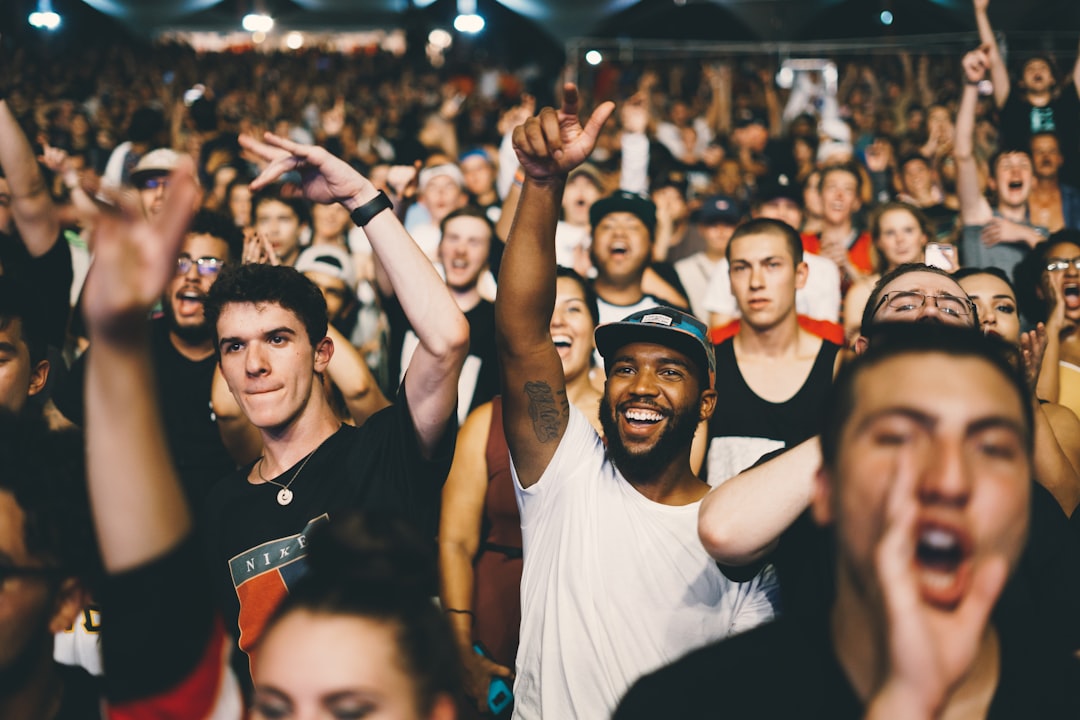
Crowd sing-alongs often tap into nostalgic emotions, as many songs evoke memories of past experiences and significant moments in people’s lives. This connection to nostalgia can enhance the emotional impact of the singing experience. Research from the University of Southampton suggests that nostalgia can improve mood and increase feelings of social connectedness. This makes crowd sing-alongs a powerful way to evoke positive memories and emotions. The familiar tunes and lyrics transport participants back in time, creating a sense of warmth and comfort that enhances the overall experience.
Stimulates Mirror Neurons

The phenomenon of mirror neurons plays a crucial role in the enjoyment of crowd sing-alongs. These neurons activate when individuals observe others engaging in an activity, such as singing. This activation can lead to a shared emotional experience among participants. A study published in the journal Neuroscience & Biobehavioral Reviews found that mirror neurons contribute to empathy and social bonding. This makes crowd singing a deeply connected experience for everyone involved. The shared joy and enthusiasm of the group resonate with each participant, creating a collective emotional high.
Gives a Sense of Participation and Contribution

Crowd sing-alongs provide individuals with a sense of participation and contribution to a collective experience. This active involvement can enhance feelings of self-worth and fulfillment. Research from the University of Exeter indicates that engaging in group activities, such as singing, can lead to increased feelings of purpose and satisfaction. The sense of being part of something bigger and contributing to the group’s success reinforces the importance of participation in social events. It’s a rewarding experience that leaves participants feeling valued and connected.
Breaks Down Social Barriers
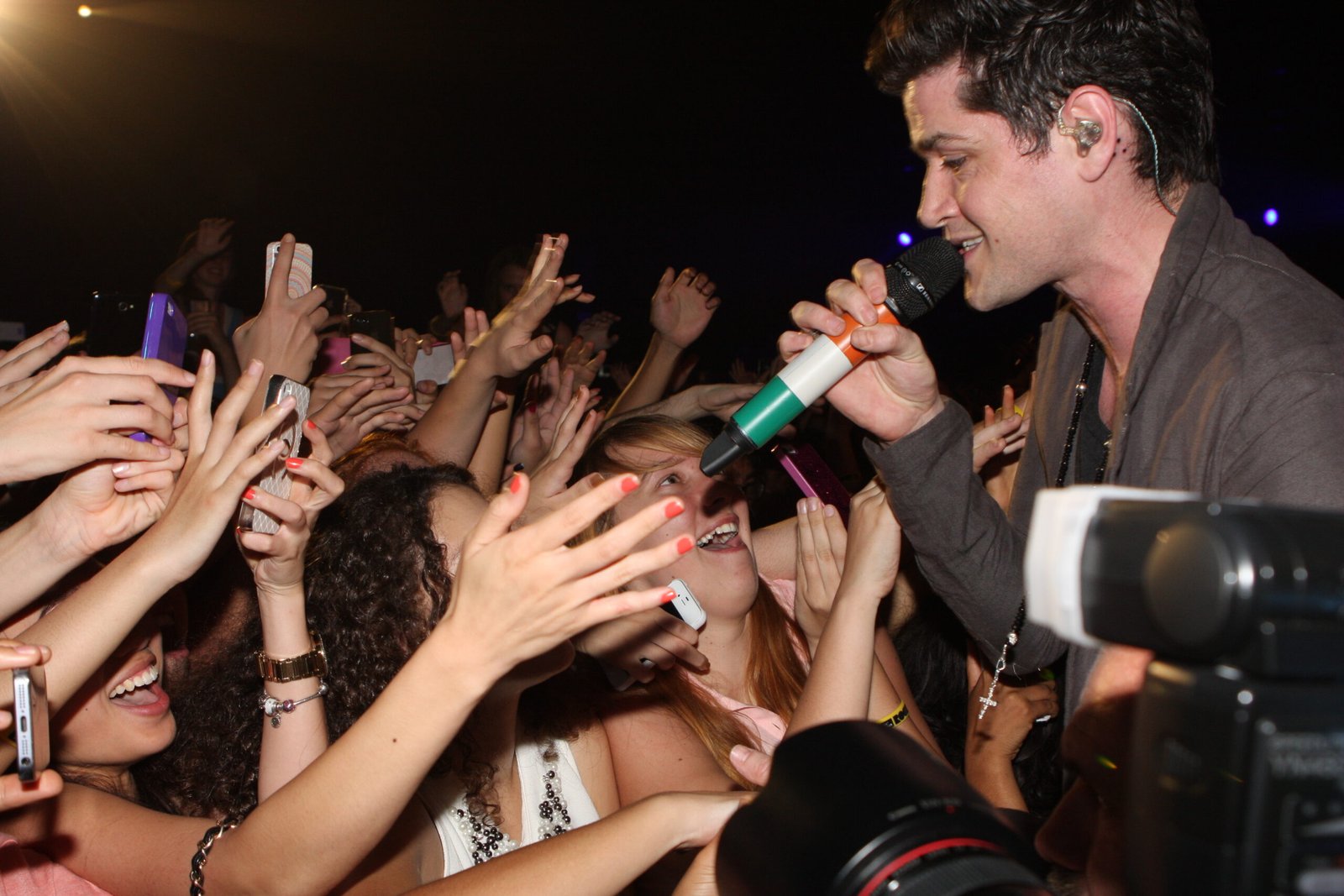
Crowd sing-alongs have the unique ability to break down social barriers, allowing individuals from diverse backgrounds to connect through music. This inclusivity fosters a sense of community and acceptance. A study published in the journal Social Psychology found that shared musical experiences can reduce social anxiety and promote positive interactions among individuals from different social groups. The universal language of music creates a bridge that connects people, breaking down walls and fostering understanding and empathy.
Amplifies Emotional Highs

The emotional highs experienced during crowd sing-alongs can be amplified by the collective energy of the group. This shared enthusiasm creates an exhilarating atmosphere that enhances the overall experience. Research from the University of Melbourne suggests that group singing can lead to heightened emotional responses. This makes it a powerful tool for creating memorable and impactful experiences. The energy of the crowd amplifies individual emotions, creating a euphoric and unforgettable event.
Encourages Dopamine-Driven Bonding
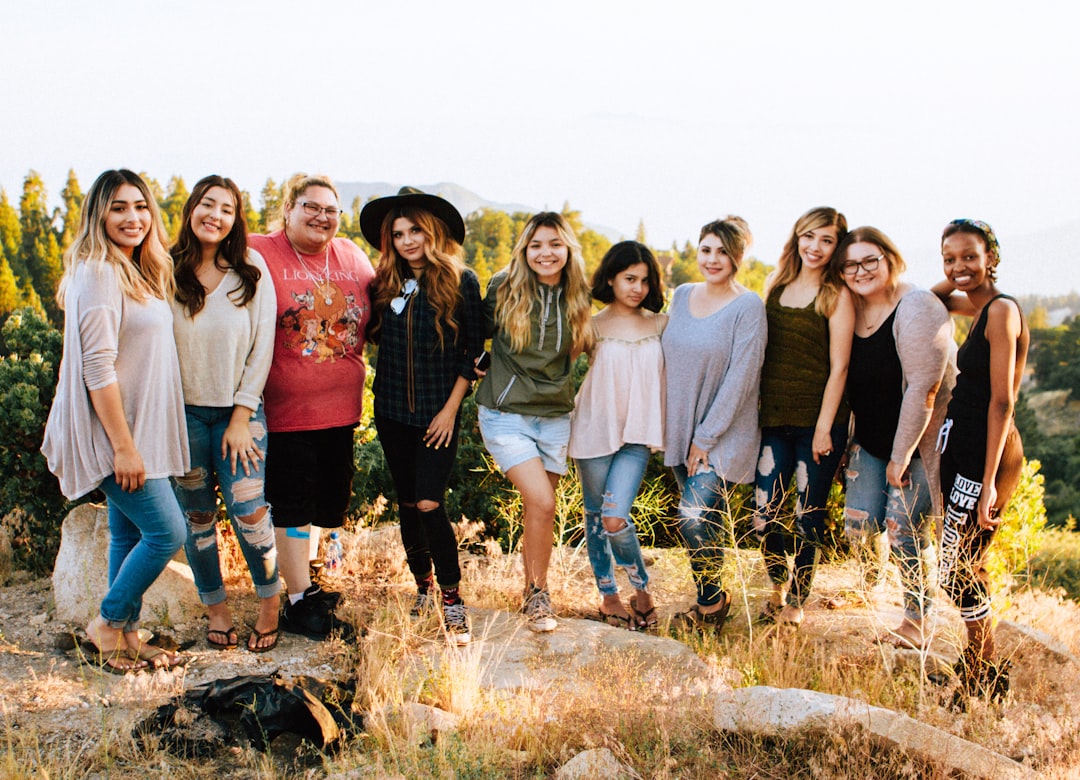
The release of dopamine during crowd sing-alongs encourages bonding among participants. This neurotransmitter is associated with pleasure and reward, reinforcing social connections. According to research from the University of Illinois, engaging in group singing can lead to increased levels of dopamine. This enhances feelings of happiness and connection among individuals. The chemical boost from singing together strengthens social bonds, creating a sense of unity and shared joy.
Fulfills a Deep-Rooted Tribal Instinct
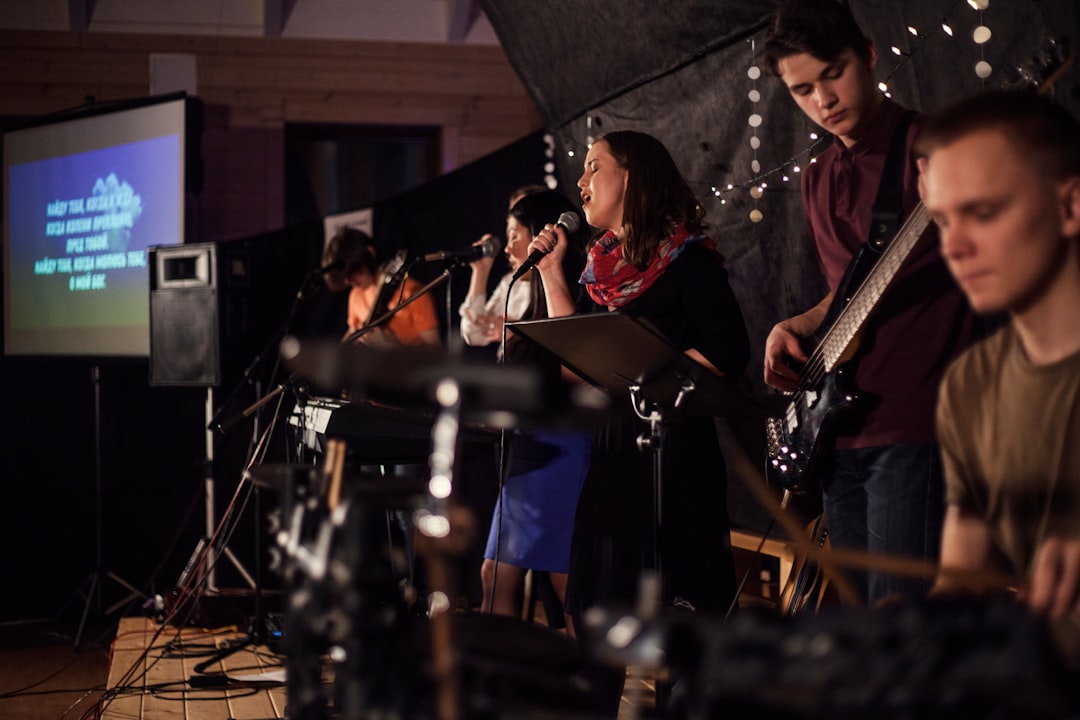
Crowd sing-alongs fulfill a deep-rooted tribal instinct within humans, as music and singing have been integral to human culture for millennia. This instinct drives individuals to seek out communal experiences that foster connection and belonging. A study published in the journal Evolutionary Psychology suggests that group singing may have evolved as a way to strengthen social bonds and promote group cohesion. This ancient instinct continues to resonate today, drawing people together in song and shared experience.
Makes Music More Immersive

Participating in a crowd sing-along makes the music experience more immersive. The collective act of singing allows individuals to engage more deeply with the music, enhancing their emotional connection to the performance. Research from the University of Cambridge indicates that group singing can lead to a more profound appreciation of music. This makes it a transformative experience for participants. The shared experience of singing creates a deeper connection to the music, making it a more meaningful and engaging event.
Promotes Collective Joy
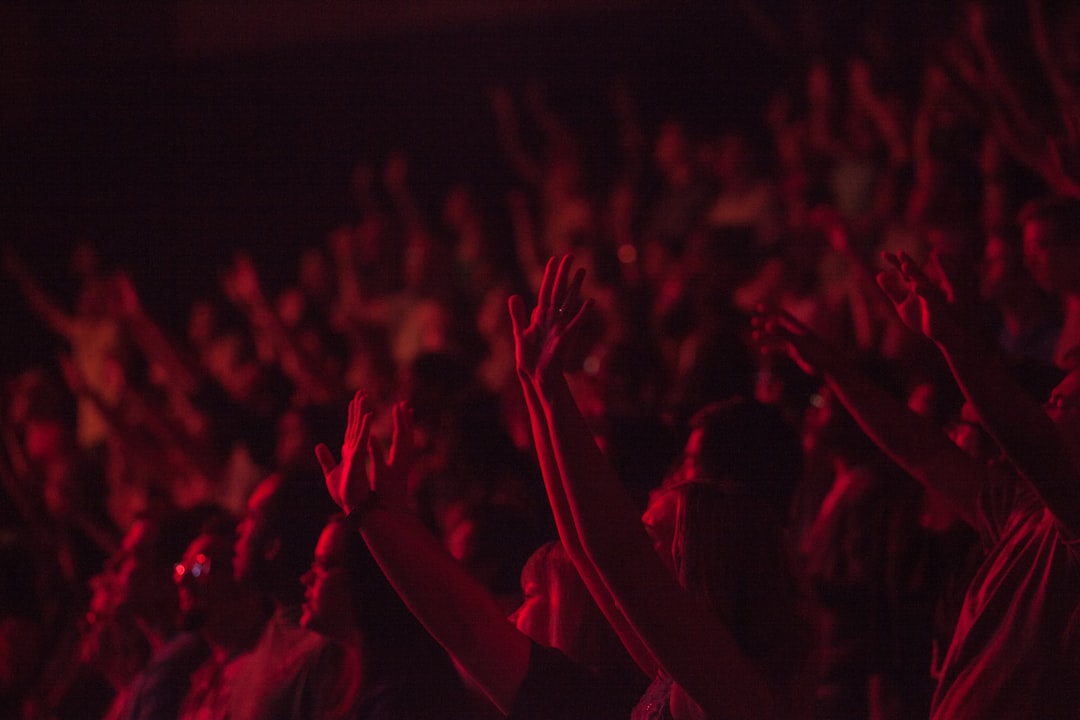
Crowd sing-alongs promote collective joy, as the shared experience of singing together can lead to heightened feelings of happiness and satisfaction. This collective joy creates lasting memories and fosters a sense of community among participants. A study published in the journal Emotion found that shared musical experiences can significantly enhance feelings of joy and connection. This makes crowd sing-alongs a powerful source of happiness. The shared laughter and joy of the group create a positive atmosphere that leaves everyone feeling uplifted.
Heightens Live Concert Experience

The experience of attending a live concert is often heightened by crowd sing-alongs. The energy and enthusiasm of the audience can amplify the overall experience for both performers and attendees. Research from the University of California, Berkeley, indicates that audience participation can enhance the emotional impact of live performances. This makes crowd sing-alongs an essential aspect of the concert experience. The shared excitement of the crowd enhances the music, creating a more engaging and memorable event for all involved.
Links Music to Shared Experience

Crowd sing-alongs link music to shared experiences, creating lasting memories associated with specific songs and events. This connection enhances the emotional impact of the music and strengthens social bonds among participants. A study published in the journal Psychology of Music found that shared musical experiences can lead to increased feelings of nostalgia and emotional connection. This makes crowd sing-alongs a powerful tool for creating meaningful memories. The shared experience of singing together creates a lasting bond that connects participants to the music and to each other.
Reinforces the Emotional Power of Lyrics

Finally, crowd sing-alongs reinforce the emotional power of lyrics, as participants collectively engage with the words and themes of the songs. This shared engagement can deepen the emotional impact of the music, making it a more profound experience for everyone involved. Research from the University of Edinburgh suggests that group singing can enhance the emotional resonance of lyrics. This creates a powerful connection between the music and the audience. The shared experience of singing together amplifies the emotions conveyed by the lyrics, creating a more meaningful and impactful event.

Besides founding Festivaltopia, Luca is the co founder of trib, an art and fashion collectiv you find on several regional events and online. Also he is part of the management board at HORiZONTE, a group travel provider in Germany.
