

- 20 Forgotten Writers Who Invented Modern Genres - September 21, 2026
- 10 Opening Lines That Were the Author’s Second Choice - September 21, 2026
- The 20 Quietest Songs That Leave the Loudest Impression - September 21, 2026
Robert Johnson (1911–1938)
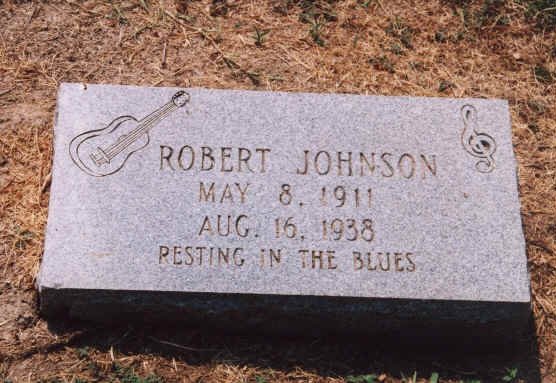
Robert Johnson’s story is as mysterious as his music. During his life, he recorded only 29 songs, finding little commercial success. Often playing on street corners and at small gatherings, Johnson’s talent went largely unnoticed. However, his haunting lyrics and virtuosic guitar skills were waiting to be discovered. The 1960s brought a blues revival, and with it, a newfound appreciation for Johnson’s work. Musicians like Eric Clapton and bands such as The Rolling Stones and Led Zeppelin cited him as a major influence. This posthumous admiration led to the release of “The Complete Recordings,” selling over a million copies, affirming Johnson as a foundational figure in blues music.
Nick Drake (1948–1974)
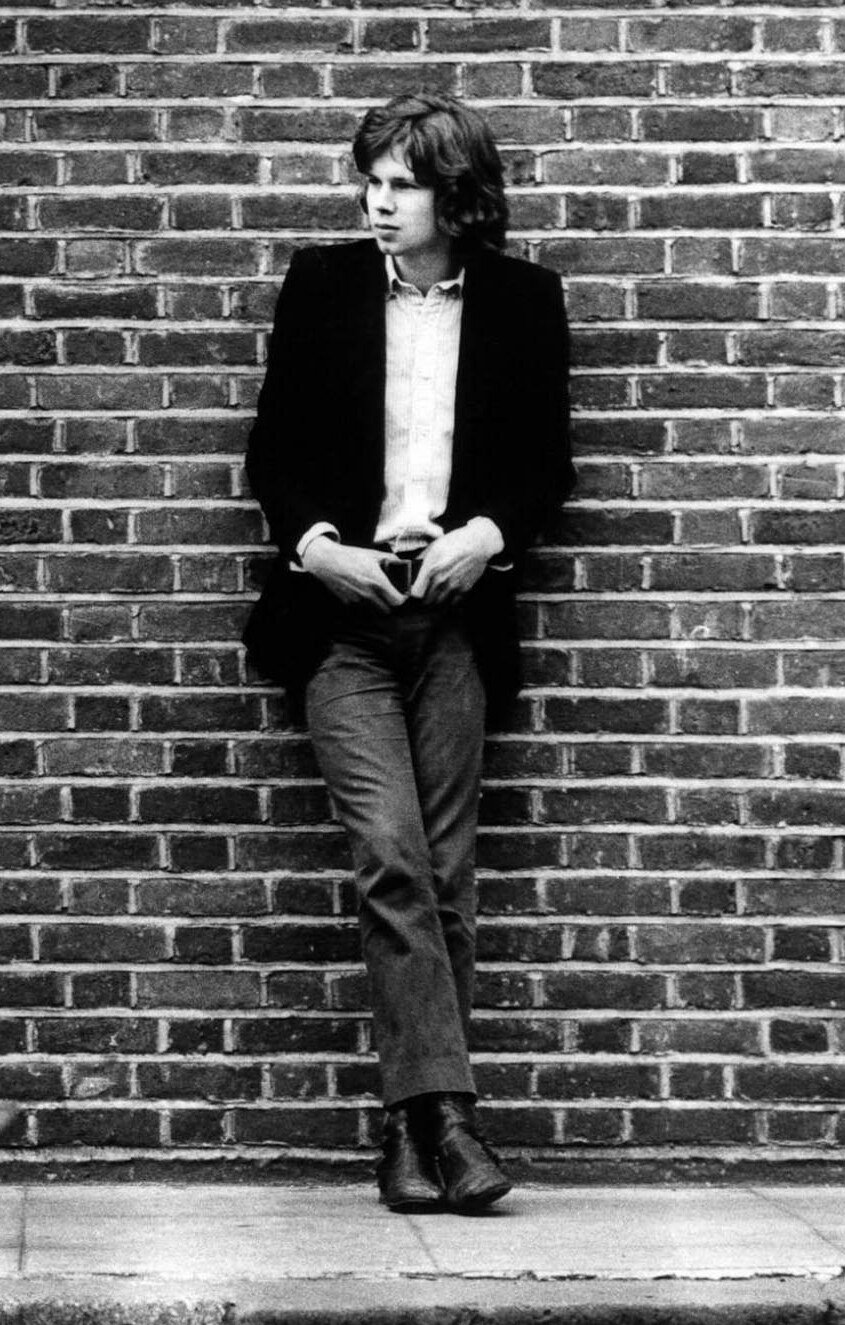
Nick Drake’s music, filled with melancholic melodies and introspective lyrics, was a stark contrast to the upbeat trends of the 1970s. He released three albums, yet none found commercial success during his lifetime. Struggling with depression, Drake passed away at just 26. Decades later, a Volkswagen commercial featuring his song “Pink Moon” introduced him to a wider audience. This exposure helped Drake’s music gain a cult following, with his albums often appearing in lists of all-time greats. Contemporary artists like Bon Iver and The National draw inspiration from Drake’s timeless sound, ensuring his legacy endures.
Jeff Buckley (1966–1997)
Jeff Buckley’s brief career left a lasting impact. His only studio album, “Grace,” showcased his incredible vocal range and unique blend of rock, folk, and pop. Despite its initial moderate success, it wasn’t until Buckley’s tragic death that his music received the acclaim it deserved. His rendition of Leonard Cohen’s “Hallelujah” became iconic, earning him a place among the greatest vocalists of his era. “Grace” has since been certified gold in the U.S., and Buckley’s influence is evident in artists like Rufus Wainwright and John Mayer. His music continues to captivate audiences, featured in numerous films and shows.
Eva Cassidy (1963–1996)

Eva Cassidy’s extraordinary voice transcended genre boundaries, blending jazz, folk, and blues. Yet, during her life, record labels struggled to categorize her, leading to limited success. After her untimely death from cancer, her posthumous album “Songbird” became a bestseller. Her rendition of “Over the Rainbow” captivated listeners worldwide, bringing her music to a broader audience. Films and TV shows have since showcased Cassidy’s work, introducing her to new fans. Her emotional depth and vocal prowess continue to inspire artists across genres, with her albums selling millions globally.
Otis Redding (1941–1967)
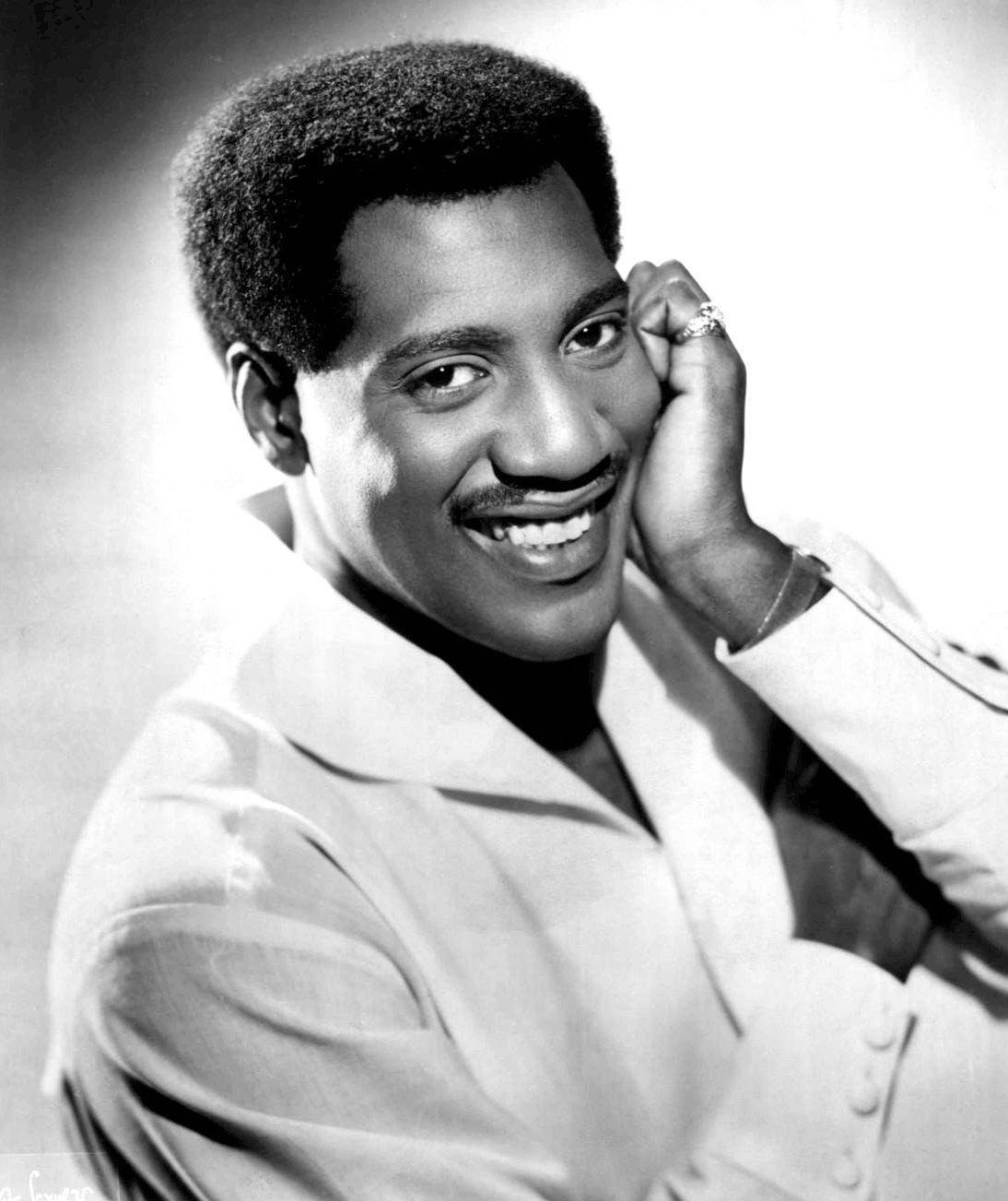
Otis Redding was a powerhouse in the R&B scene, known for his raw emotion and powerful vocals. Despite his success within the genre, mainstream superstardom eluded him. Tragically, Redding died in a plane crash, but his music lived on. His posthumous hit “(Sittin’ On) The Dock of the Bay” became his first No. 1 single, solidifying his place in music history. Redding’s influence resonates through artists like Aretha Franklin and Al Green. Inducted into the Rock and Roll Hall of Fame in 1989, Redding’s legacy as one of the greatest soul singers remains unchallenged.
Ian Curtis (Joy Division) (1956–1980)

Ian Curtis, Joy Division’s enigmatic frontman, grappled with mental health issues, and the band’s music reached only a cult following during his life. After Curtis’ tragic suicide, Joy Division’s legacy blossomed. The haunting “Love Will Tear Us Apart” became an anthem for a generation, and the band’s influence helped shape post-punk and alternative rock. New Order’s formation from Joy Division’s remnants further cemented their impact. Curtis’ life and struggles continue to inspire, making him a cultural icon whose story resonates with many.
J Dilla (1974–2006)
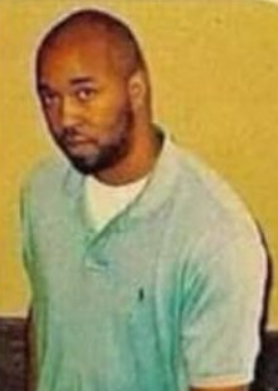
J Dilla was a revered figure in underground hip-hop, crafting innovative beats that went largely unnoticed by the mainstream. His production techniques were ahead of his time, influencing artists like Kanye West and Kendrick Lamar. After his death, Dilla’s album “Donuts” gained recognition as a masterpiece, showcasing his genius. Today, the album is hailed as one of hip-hop’s greatest, and Dilla’s influence permeates the genre. His legacy is celebrated annually through J Dilla Day, honoring his contributions to music and his enduring impact.
Elliott Smith (1969–2003)
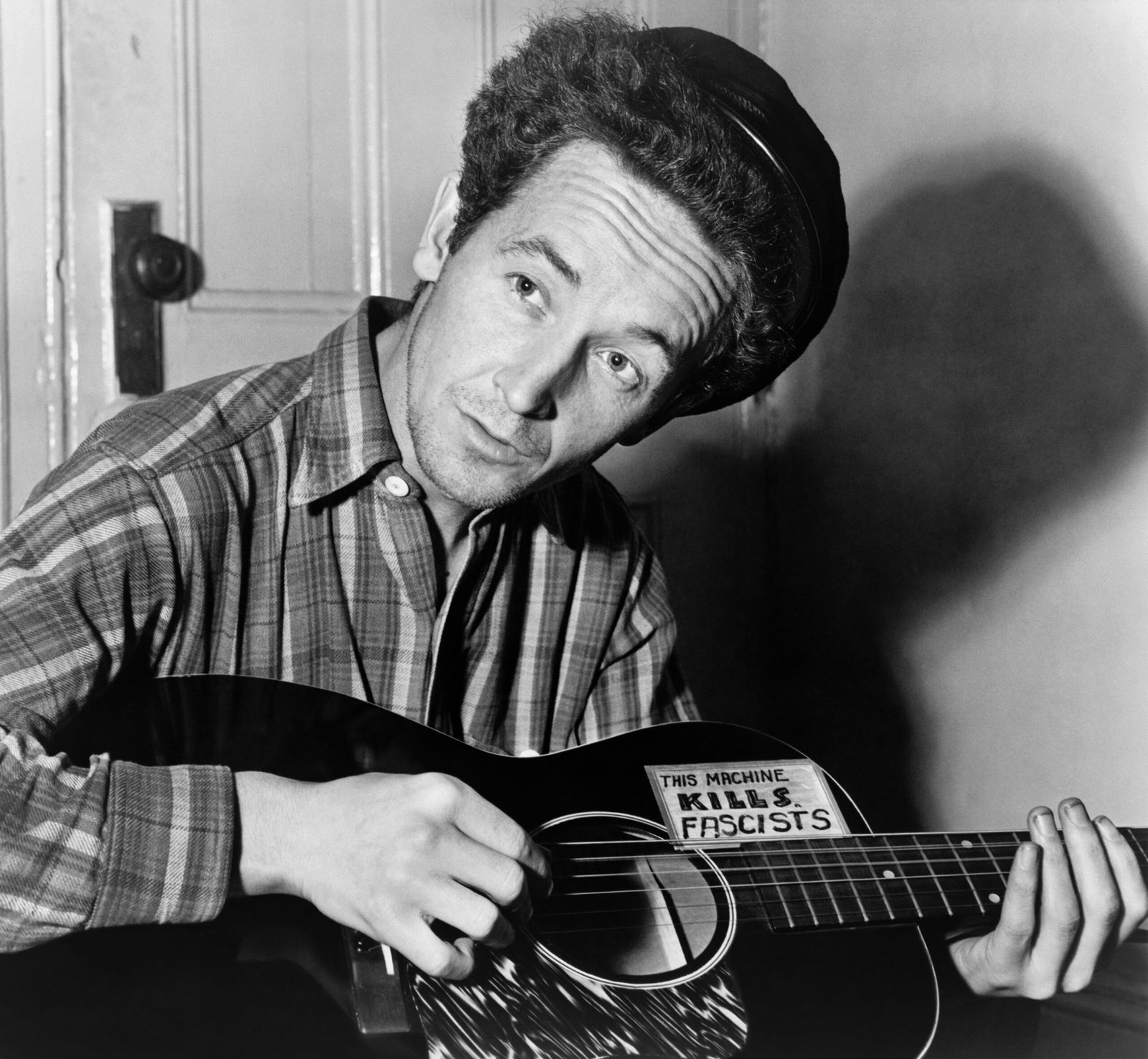
Elliott Smith’s music, characterized by introspective lyrics and a unique sound, garnered a devoted fanbase but struggled to achieve mainstream success. His tragic death brought a deeper appreciation for his work, with songs like “Miss Misery” and “Between the Bars” becoming cult classics. Smith’s influence is evident in artists like Sufjan Stevens and Phoebe Bridgers. His posthumous album “From a Basement on the Hill” further solidified his legacy, marking him as one of his generation’s most important singer-songwriters.
Gram Parsons (1946–1973)
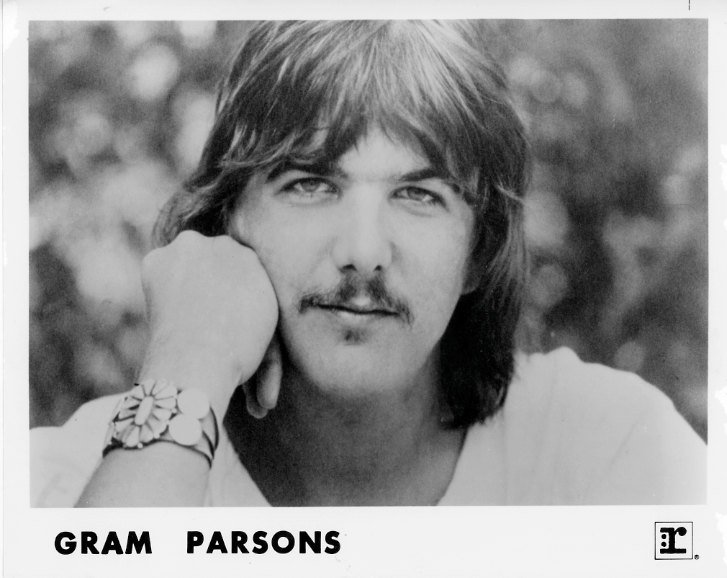
Gram Parsons pioneered the country rock genre, blending country and rock in a way that was not fully embraced during his lifetime. His albums did not achieve significant commercial success, but his influence grew after his death. Artists like The Eagles and Wilco cite Parsons as a major inspiration. His posthumous album “Grievous Angel” is now considered a classic, and his contributions to the genre are celebrated by new generations of fans.
Dimebag Darrell (1966–2004)
Dimebag Darrell, known for his innovative guitar playing with Pantera, was respected in the metal scene but underappreciated outside of it. His tragic on-stage murder shocked the music world, cementing his status as one of the greatest metal guitarists. Darrell’s influence can be seen in countless musicians, inspiring modern metal guitarists. His legacy is celebrated through events like the annual Dimebash concert, honoring his contributions to music and his impact on the metal genre.

Besides founding Festivaltopia, Luca is the co founder of trib, an art and fashion collectiv you find on several regional events and online. Also he is part of the management board at HORiZONTE, a group travel provider in Germany.
