
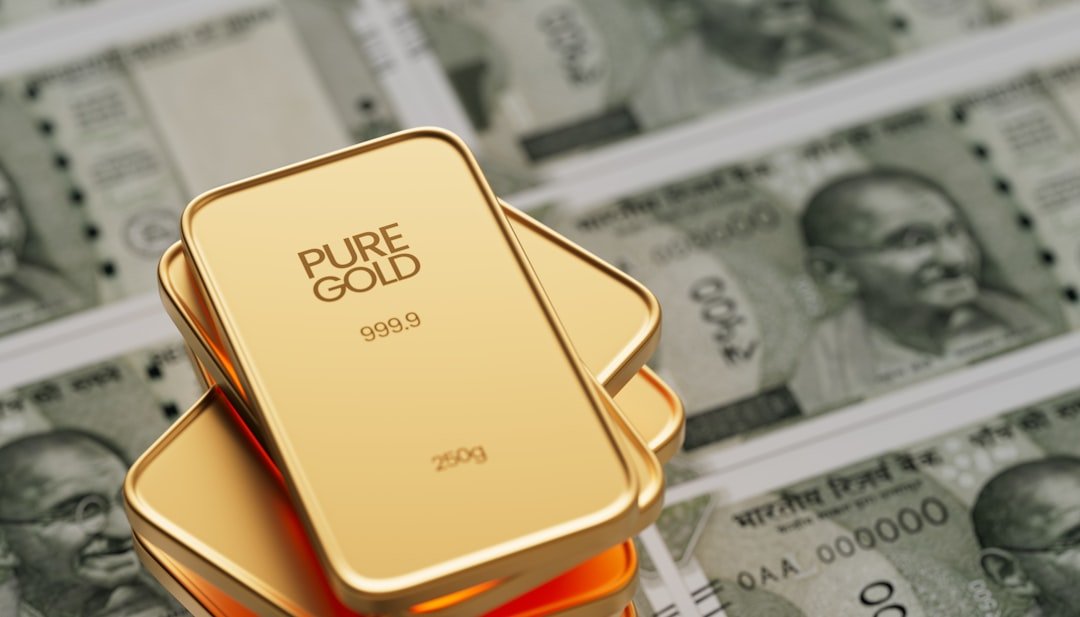
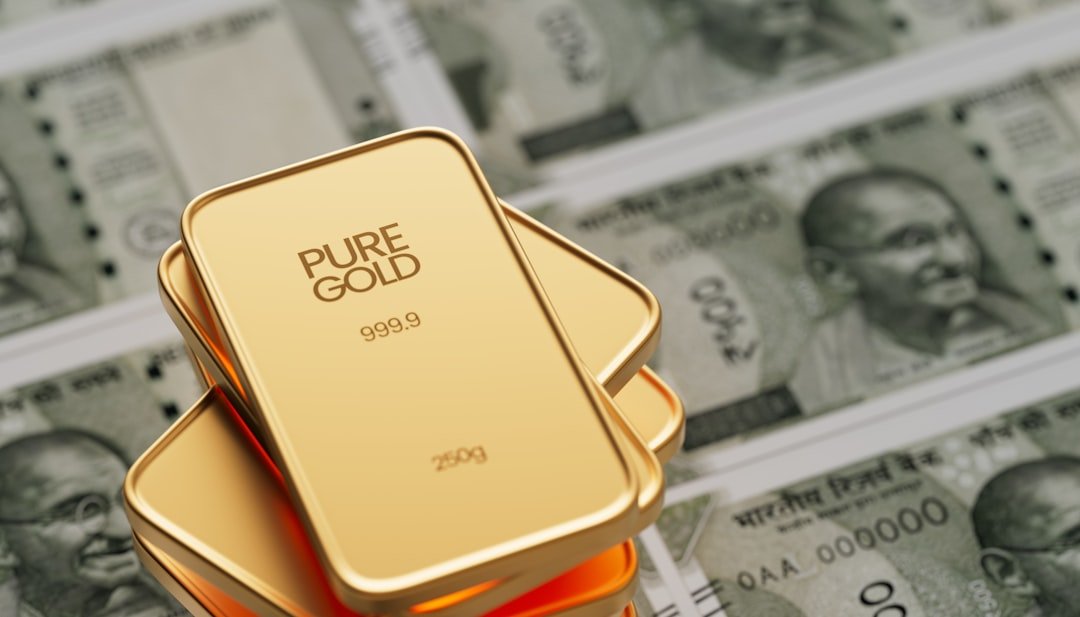
Gold Smashes Through $5,000 Barrier (Image Credits: Unsplash)
Gold prices reached fresh all-time highs above $5,300 per ounce this month, reflecting intense investor demand amid persistent global challenges.[1][2]
Gold Smashes Through $5,000 Barrier
Spot gold surged past $5,000 for the first time earlier this month, climbing over 3% in a single session to peak near $5,182 per ounce.[3] The metal notched multiple records, including levels above $5,500, marking the strongest start to a year since 1980 with gains exceeding 19% year-to-date.[4] Prices pulled back slightly on Thursday to around $5,295, down 2.3% from the prior day, yet the overall trajectory remained upward.[2]
Trading volumes highlighted thin market depth, where modest inflows amplified price moves and detached values from physical demand in some views.[5] Investors watched closely as the rally extended into silver, signaling broad precious metals momentum.
Main Forces Fueling the Rally
Several interconnected factors drove the explosive gains. Geopolitical tensions escalated with U.S. warnings toward Iran, military buildups in the region, and events like the capture of Venezuela’s Nicolás Maduro.[6] President Trump’s tariff announcements on South Korean imports and threats of fiscal disruptions added to the unease.[3]
Central banks continued aggressive purchases, bolstering supply tightness alongside ETF inflows.[7] Lower Federal Reserve rates slashed yields on bonds and cash equivalents, pushing capital toward gold as a non-yielding asset.[8]
- Geopolitical risks, including U.S.-Iran standoffs and global trade frictions.
- Robust central bank buying amid reserve diversification.
- Fed rate cuts reducing opportunity costs for holding gold.
- Surging ETF demand from investors seeking safe havens.
- Persistent economic uncertainty and inflation concerns.
What Analysts Predict Next
Forecasters largely expect the uptrend to persist. J.P. Morgan projected prices toward $5,000 by the fourth quarter of 2026, with $6,000 possible longer-term, driven by sustained demand.[9] Deutsche Bank raised its year-end target to $6,000 per ounce.[10]
Other estimates varied, with some eyeing $5,200 by late 2026 and outliers up to $6,350 or higher.[11][12] The World Gold Council anticipated 5-15% gains from current levels, contingent on economic slowdown severity.[13]
| Forecaster | 2026 Target |
|---|---|
| J.P. Morgan | $5,000 (Q4), $6,000 possible |
| Deutsche Bank | $6,000 |
| UBP | $5,200 (Q4) |
Risks That Could Alter the Path
While bullish, analysts noted vulnerabilities. A sudden de-escalation in geopolitics or stronger-than-expected economic data might ease safe-haven flows. The Federal Reserve’s next moves remained pivotal, as any hawkish shift could pressure prices.
Market structure concerns emerged too, with questions over whether thin liquidity distorted true fundamentals.[5] Investors weighed these against enduring drivers like central bank activity.
Key Takeaways
- Gold’s 2026 rally stems from geopolitics, rate cuts, and institutional demand.
- Records above $5,300 signal strong momentum, with forecasts up to $6,000.
- Monitor Fed policy and global tensions for near-term direction.
Gold’s ascent underscores its role as a timeless hedge, yet sustainability hinges on evolving risks. What do you think about the outlook? Share in the comments.