
#25 – Bohemian Rhapsody by Queen
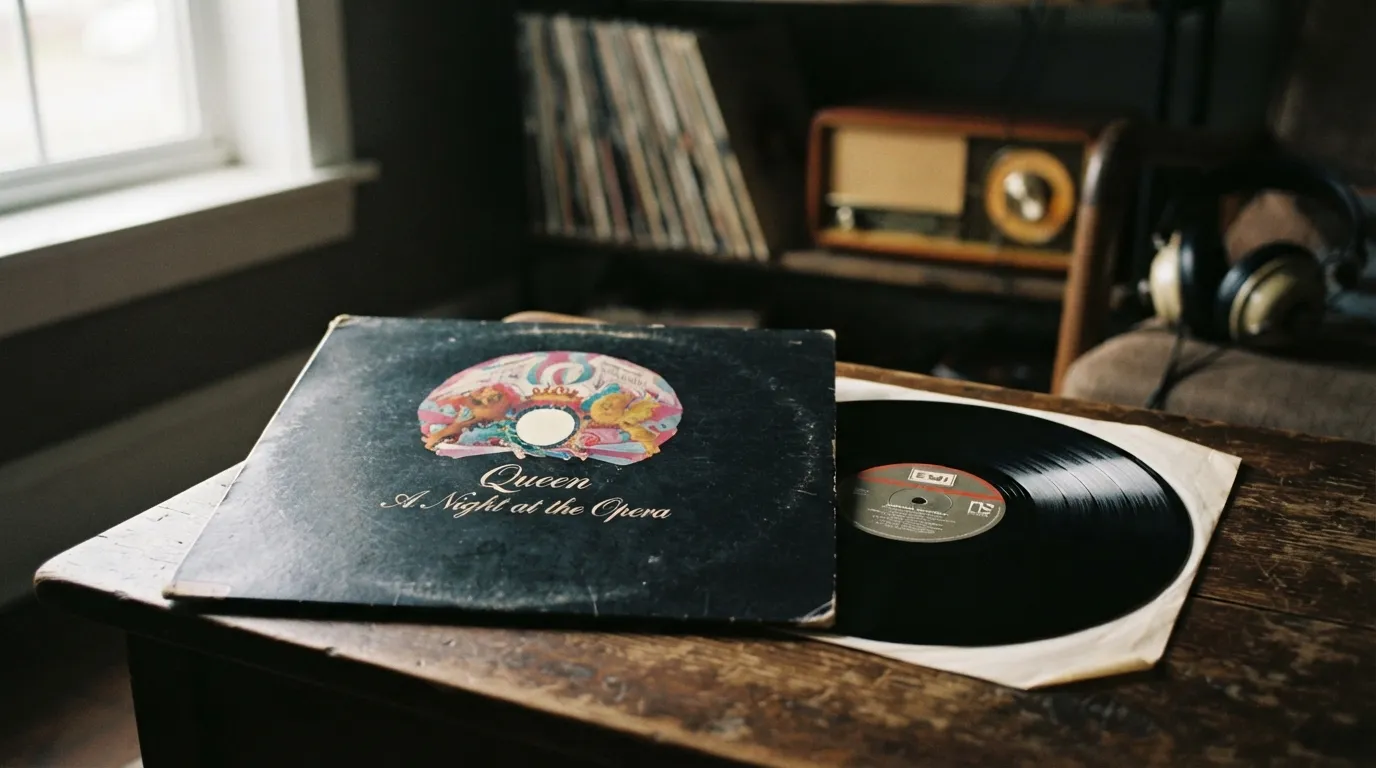
Record labels often dismiss anything that breaks the mold. Queen faced exactly that when they played their six-minute rock opera for EMI executives. The song’s operatic section and length made it seem unplayable on radio. Executives pushed back hard and wanted major cuts.
Freddie Mercury refused to compromise. The band released it anyway as the lead single from A Night at the Opera. College radio and word of mouth built momentum that no marketing plan could match. The track climbed to number one in the UK despite zero initial label support for promotion. Fans kept requesting it until stations had no choice but to spin it regularly. That grassroots pressure turned a supposed career risk into one of rock’s defining anthems.
But that’s nothing compared to what we found about #24 – Creep by Radiohead.
#24 – Creep by Radiohead
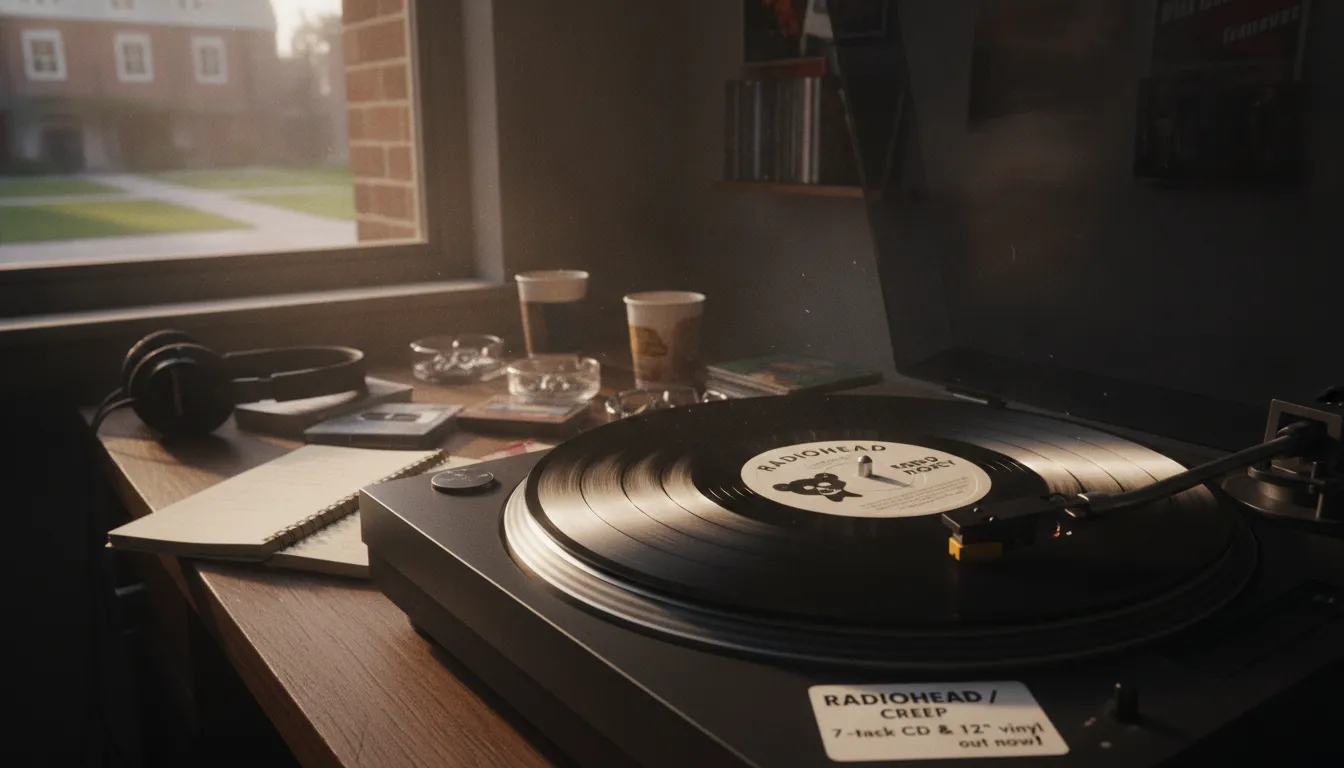
Labels chase edgy singles that fit current trends. Radiohead’s debut single choice ran into resistance because “Creep” sounded too downbeat and conventional for the band’s image. Jonny Greenwood even tried to sabotage the recording with loud guitar blasts before the chorus. The track still made it onto Pablo Honey.
UK radio largely ignored it at first. American college stations picked it up instead and created the demand that forced the label’s hand. The song reached number seven in the UK and became a defining alt-rock anthem of 1993. Listeners connected with the outsider lyrics in ways executives never predicted. The band later distanced itself from the track, yet fan requests kept it alive on playlists for decades.
But that’s nothing compared to what we found about #23 – Sweet Dreams (Are Made of This) by Eurythmics.
#23 – Sweet Dreams (Are Made of This) by Eurythmics
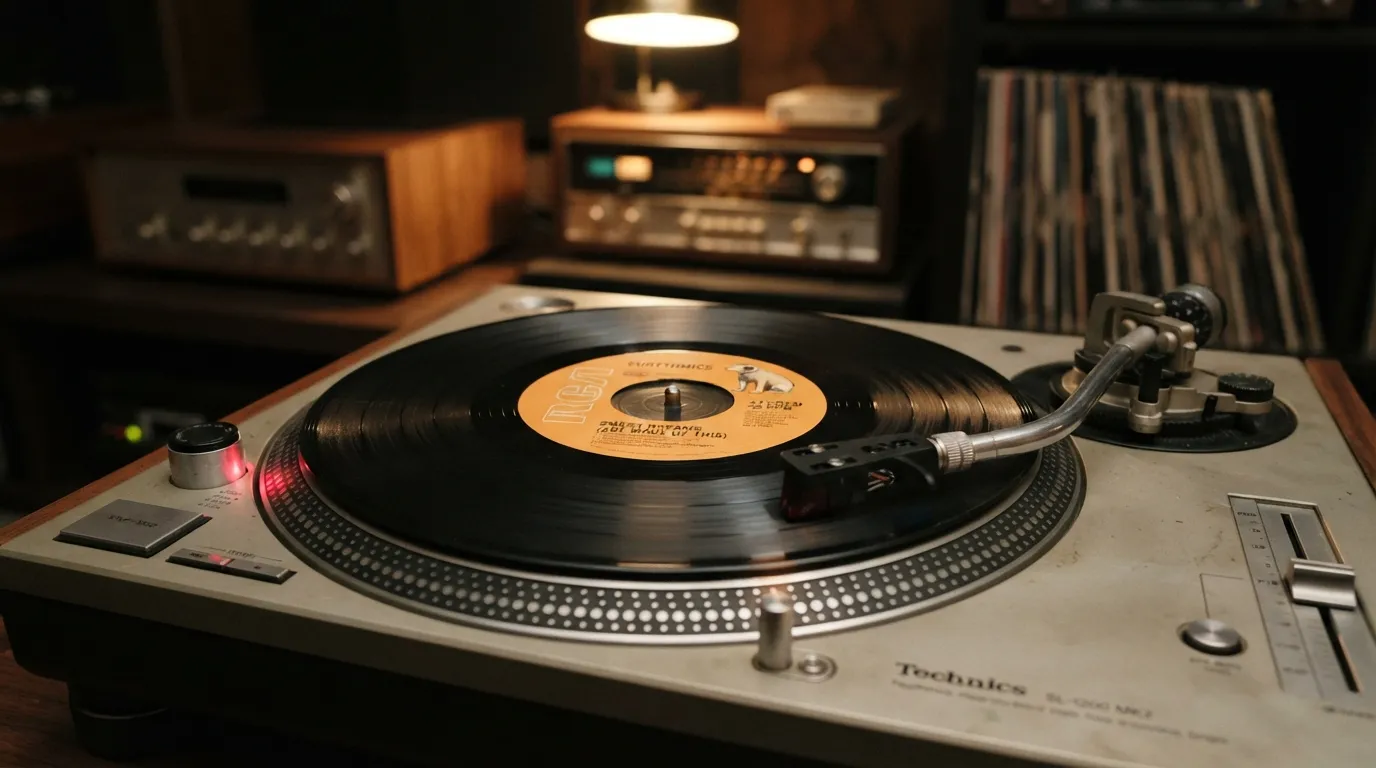
Minimalist synth tracks rarely get priority when labels want big choruses. Eurythmics recorded their breakthrough in a sparse style that executives in the US found too risky for mainstream radio. The label refused to release it as a single at first.
A Cleveland DJ played the album track anyway and requests flooded in. Other stations followed the audience lead. The song hit number one on the Billboard Hot 100 after that organic push. Annie Lennox and Dave Stewart had already moved on to other material when the single finally took off. The track’s success proved that listeners would embrace the cold, electronic sound once they heard it.
But that’s nothing compared to what we found about #22 – What’s Going On by Marvin Gaye.
#22 – What’s Going On by Marvin Gaye
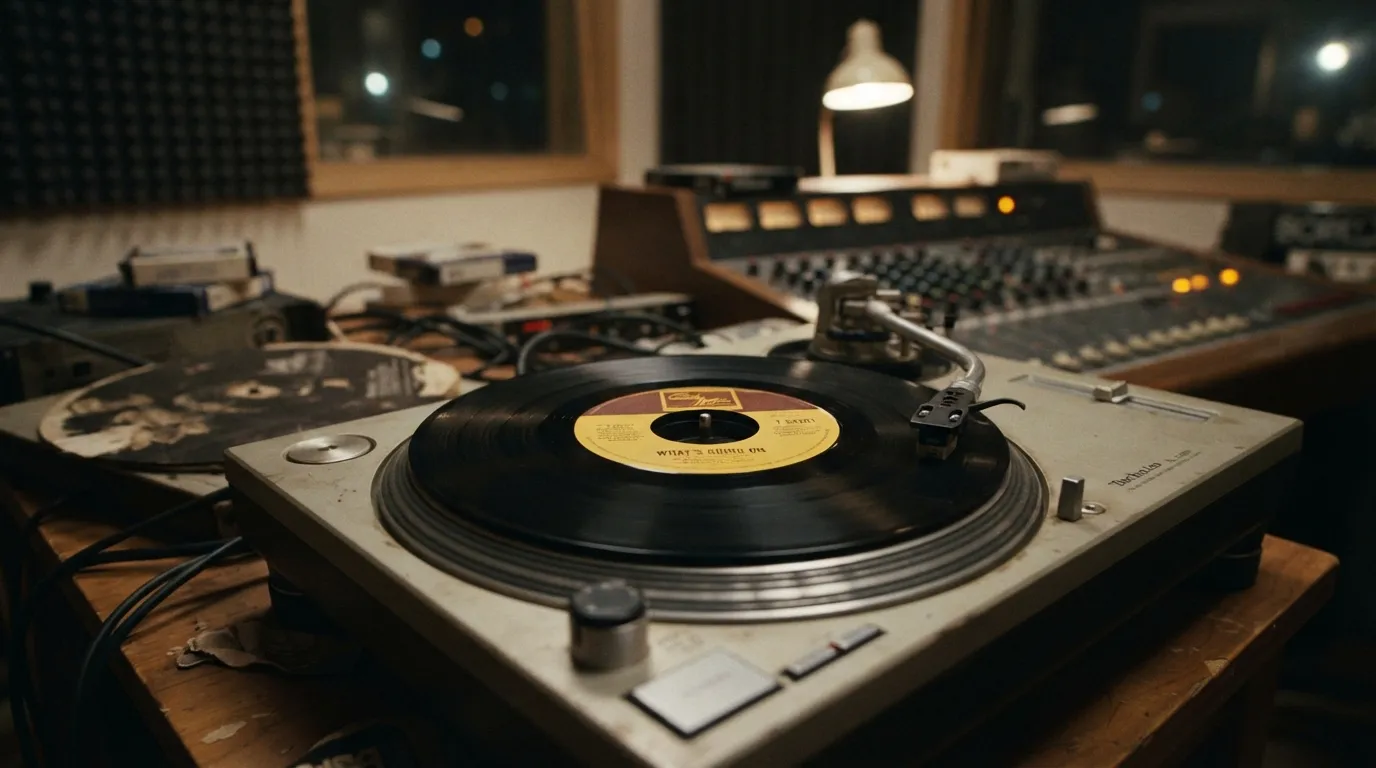
Motown built its brand on upbeat soul singles. Marvin Gaye delivered a socially conscious ballad that Berry Gordy personally disliked and tried to block. Gaye used his leverage to force the release anyway. The label put it out behind Gordy’s back after Gaye threatened to stop recording.
Radio stations responded to the message and the groove. The single reached number two on the Billboard Hot 100 and launched an entire album of the same name. Fans embraced the departure from formula while the company worried about alienating its core audience. The track’s enduring status shows how artist persistence and listener demand can override internal doubts.
At a Glance
- The single arrived in January 1971, with the full album following in May 1971.
- Gaye co-wrote it with Al Cleveland and Renaldo “Obie” Benson of the Four Tops.
- It peaked at number two on the Hot 100.
- It also topped the R&B singles chart.
But that’s nothing compared to what we found about #21 – Seven Nation Army by The White Stripes.
#21 – Seven Nation Army by The White Stripes

Stripes records leaned into raw blues and garage energy. Both the UK and US labels preferred a different track from Elephant as the lead single. Jack White insisted on “Seven Nation Army” despite the pushback.
The simple riff and chant structure caught fire on alternative radio first. The song peaked at number seven on the Billboard Hot 100 and became a stadium staple. Its riff later turned into a global sports chant without any label marketing plan behind that evolution. White’s refusal to follow the company’s preferred single choice kept the track in the spotlight.
But that’s nothing compared to what we found about #20 – Kiss by Prince.
#20 – Kiss by Prince
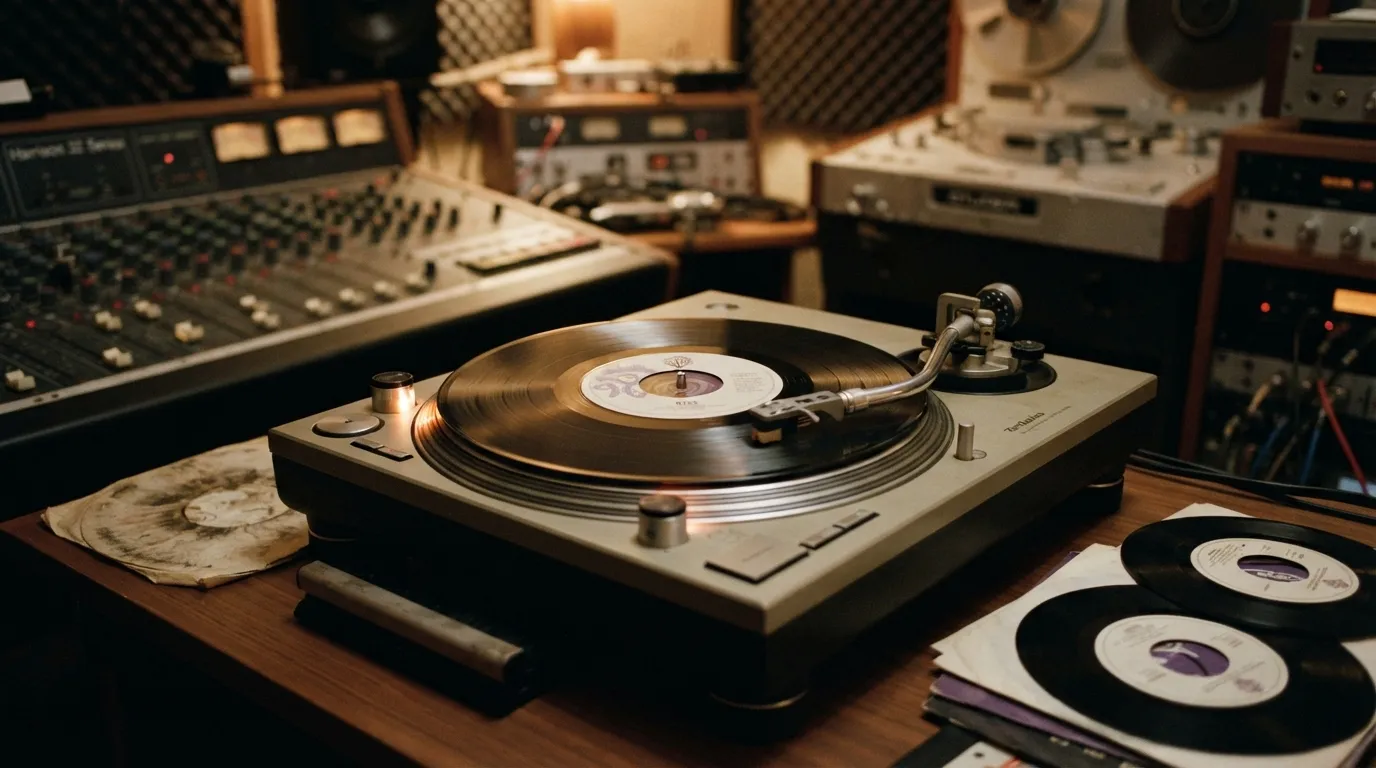
Warner Bros. found the stripped-down funk track too minimal for 1986 radio. Prince fought to include it on Parade and pushed for single release. The label relented after he stood his ground.
The song’s sparse arrangement and falsetto hook connected instantly with listeners. It reached number one on the Billboard Hot 100. Prince’s vision overrode the company’s concerns about commercial viability. The track’s influence on funk and pop production grew long after its chart run.
But that’s nothing compared to what we found about #19 – Billie Jean by Michael Jackson.
#19 – Billie Jean by Michael Jackson
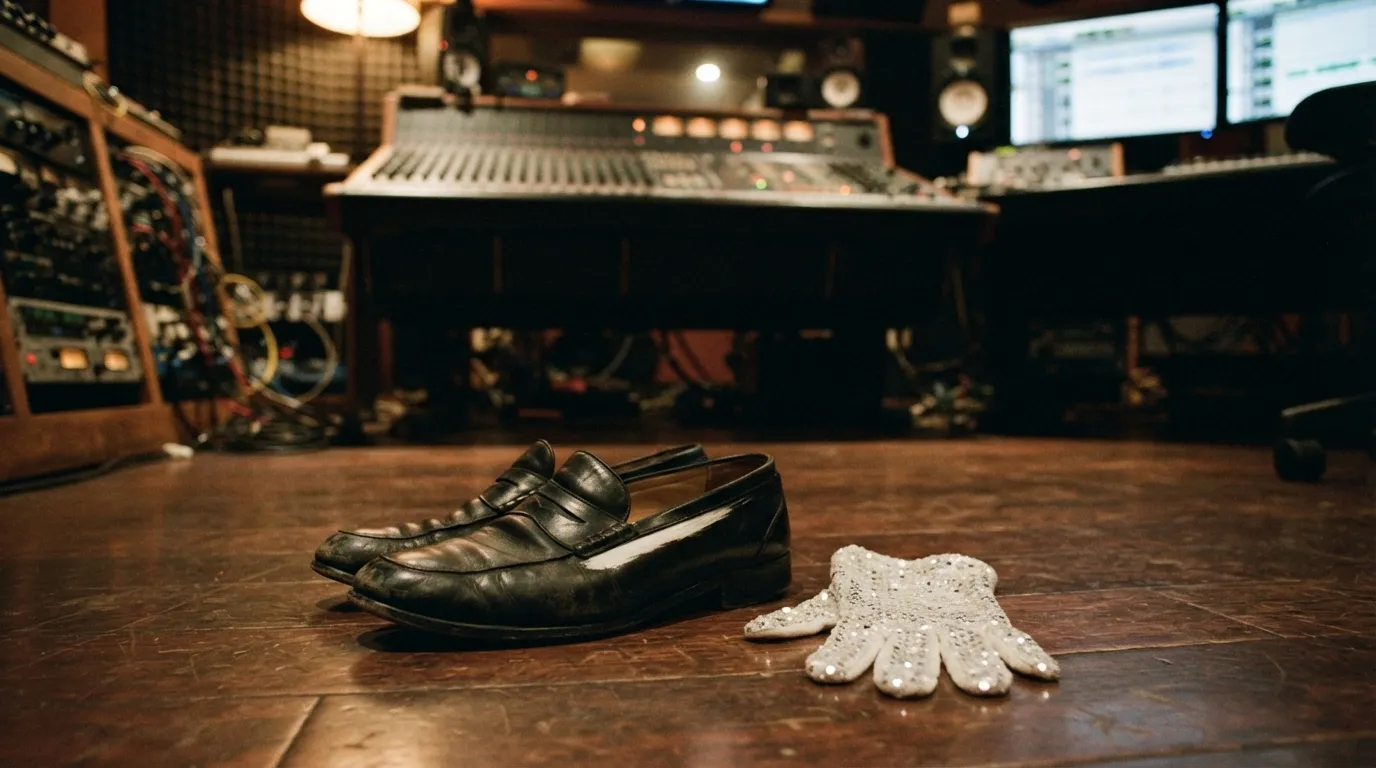
Quincy Jones heard the demo and disliked the bass line and spoken intro. Michael Jackson insisted the groove made him want to dance. Jones gave in and kept the track on Thriller.
The label supported the album but the song’s narrative about a false paternity claim raised eyebrows internally. It became Jackson’s first number-one single as a solo artist on the Billboard Hot 100. Radio play and MTV rotation turned the personal story into a global phenomenon. Jackson’s persistence on the arrangement proved decisive.
But that’s nothing compared to what we found about #18 – More Than Words by Extreme.
#18 – More Than Words by Extreme

A&M Records wanted power ballads that matched the hair-metal era. The acoustic track from Extreme stood out as too different. The band threatened to leave if it wasn’t released as a single.
The label agreed and the song climbed the charts. It hit number one on the Billboard Hot 100 in 1991. Listeners responded to the intimate vocal arrangement that contrasted with everything else on radio. The track’s success came from fan requests rather than heavy promotion.
But that’s nothing compared to what we found about #17 – Home Sweet Home by Mötley Crüe.
#17 – Home Sweet Home by Mötley Crüe
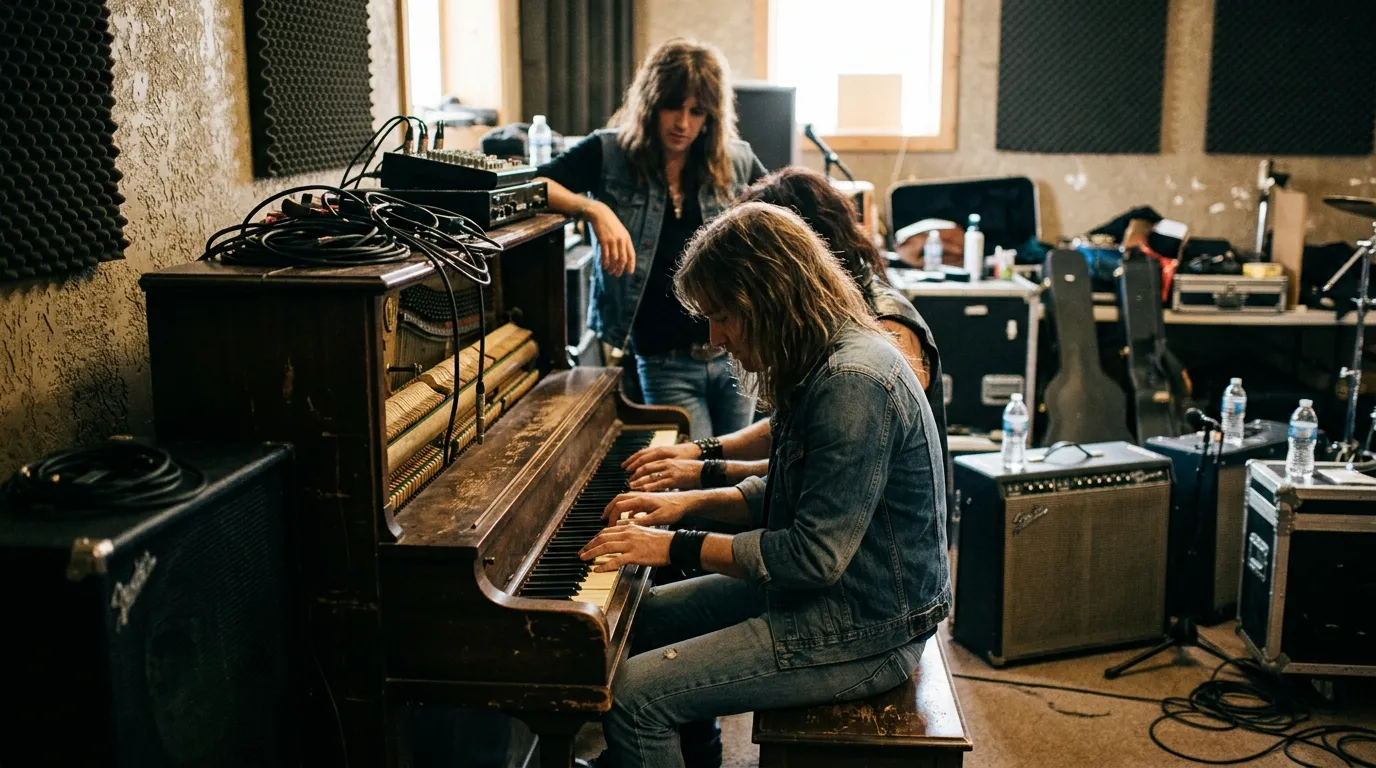
Elektra dismissed the piano ballad as out of character for the band’s image. The label included it on Theatre of Pain but refused to push it as a single. The band self-funded a video and sent it to MTV.
Viewer requests forced the network to add it. The song became one of the first power ballads to cross over from metal audiences. Its success opened doors for similar tracks from other acts. Crüe’s determination to get the song seen and heard bypassed the label’s hesitation.
But that’s nothing compared to what we found about #16 – Maggie May by Rod Stewart.
#16 – Maggie May by Rod Stewart
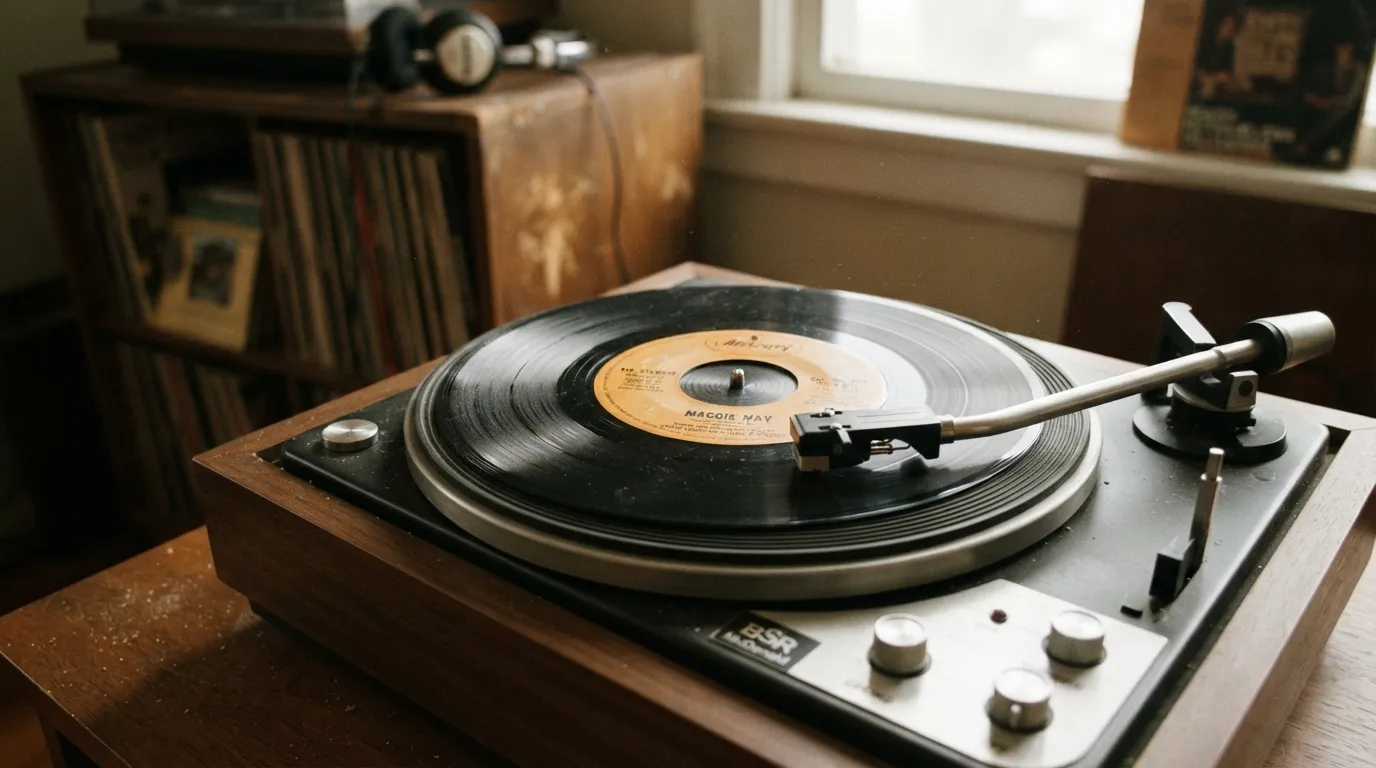
Stewart recorded the track as a B-side to “Reason to Believe.” Radio stations flipped the single and played the deeper cut instead. The label had not planned any push for the longer folk-rock story song.
Listener demand turned it into the A-side. It reached number one on both the UK and US charts in 1971. The narrative about an older woman and a younger man resonated far beyond initial expectations. Stewart’s label simply followed the airplay.
But that’s nothing compared to what we found about #15 – Shake It Off by Taylor Swift.
#15 – Shake It Off by Taylor Swift
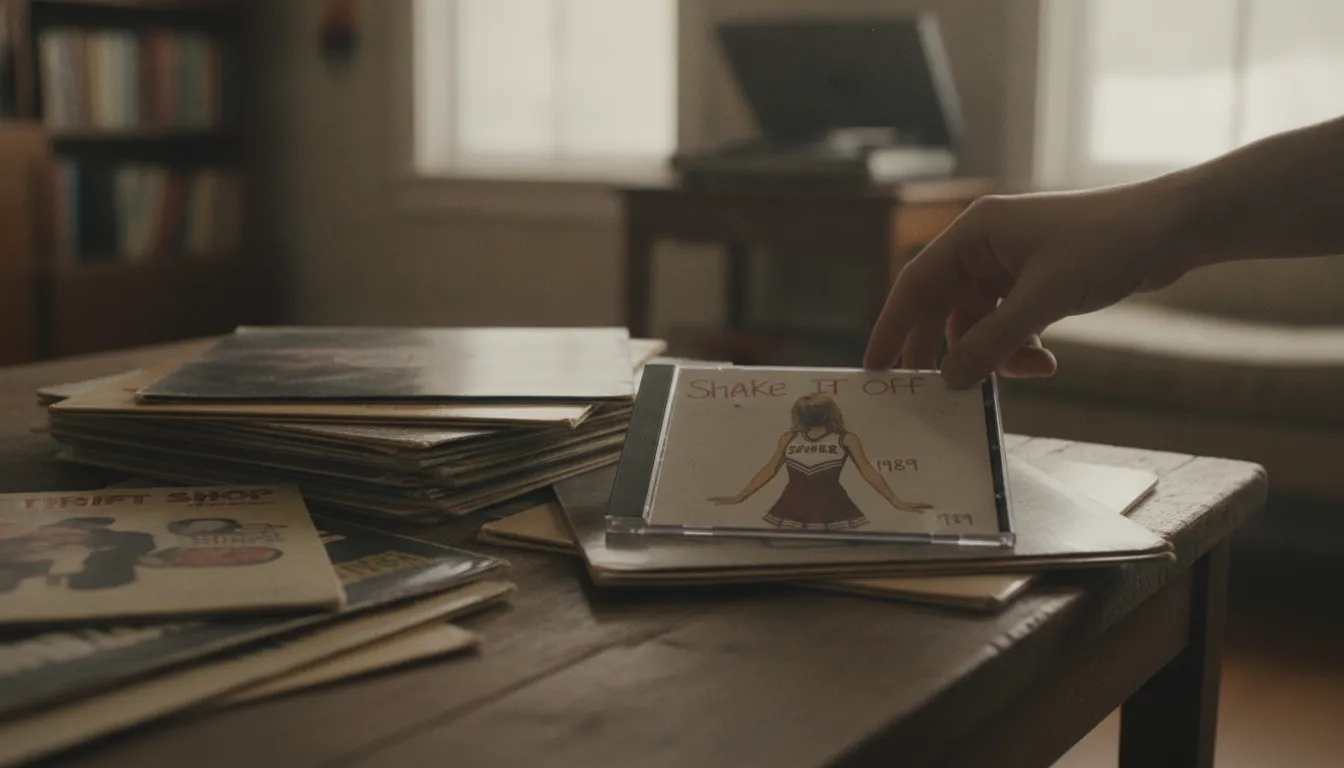
Big Machine executives disliked the pop direction and the song’s title and artwork. They urged Swift to keep the track off 1989. She insisted it belonged on the album and as the lead single.
The label released it anyway. It debuted at number one on the Billboard Hot 100. The upbeat dismissal of critics connected with a wide audience that the company had not anticipated. Swift’s vision carried the day over internal resistance.
But that’s nothing compared to what we found about #14 – Thrift Shop by Macklemore & Ryan Lewis.
#14 – Thrift Shop by Macklemore & Ryan Lewis

The duo released the track independently with no major-label backing. Industry observers viewed the quirky hip-hop single as unlikely to cross over. Word of mouth and viral sharing built its audience.
It reached number one on the Billboard Hot 100 without traditional promotion. The song’s success showed that listeners would embrace unconventional subject matter when the beat and humor landed. Macklemore’s independent path forced labels to pay attention after the fact.
But that’s nothing compared to what we found about #13 – Old Town Road by Lil Nas X.
#13 – Old Town Road by Lil Nas X

The track struggled to attract serious label interest before its TikTok explosion. Columbia eventually signed Lil Nas X after the viral momentum. The song’s country-trap blend had seemed too niche for mainstream plans.
It became the longest-running number-one single in Billboard Hot 100 history. Fan-driven challenges and remixes kept extending its chart run. The label’s initial caution gave way to full support once the numbers appeared.
Fast Facts
- The song spent 19 weeks at number one on the Hot 100 in 2019.
- That topped the previous record of 16 weeks.
- A remix featuring Billy Ray Cyrus helped power its long run.
- Billboard removed it from its country chart in March 2019, which fueled even more debate.
But that’s nothing compared to what we found about #12 – Just Dance by Lady Gaga.
#12 – Just Dance by Lady Gaga

Interscope executives questioned whether the dance track had global hit potential. Gaga had written dozens of songs for her debut and this one nearly missed the final cut. Jimmy Iovine identified it as the lead single during a listening session.
It peaked at number one on the Billboard Hot 100 and launched her career. The song’s simple hook and party energy connected despite early doubts inside the company. Listener requests and club play sealed its status.
But that’s nothing compared to what we found about #11 – Nothing Else Matters by Metallica.
#11 – Nothing Else Matters by Metallica
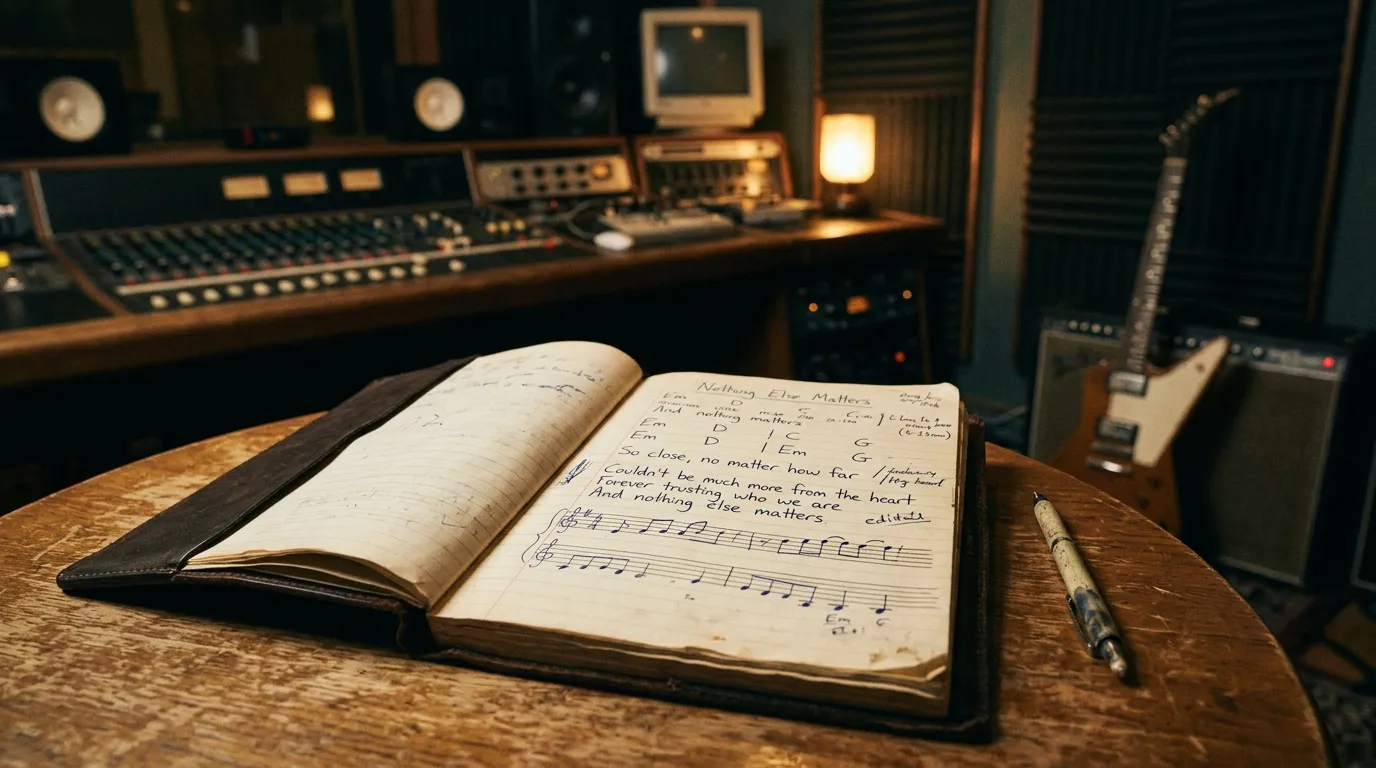
James Hetfield wrote the ballad as a personal piece and never intended it for the band. The label and even some band members saw it as a departure from thrash roots. It still appeared on the self-titled album.
Radio embraced the emotional shift. The track became one of Metallica’s signature hits and a staple on rock stations. Hetfield’s reluctance gave way to the song’s obvious appeal once it reached listeners. The label followed the audience reaction rather than leading it.
But that’s nothing compared to what we found about #10 – Black by Pearl Jam.
#10 – Black by Pearl Jam
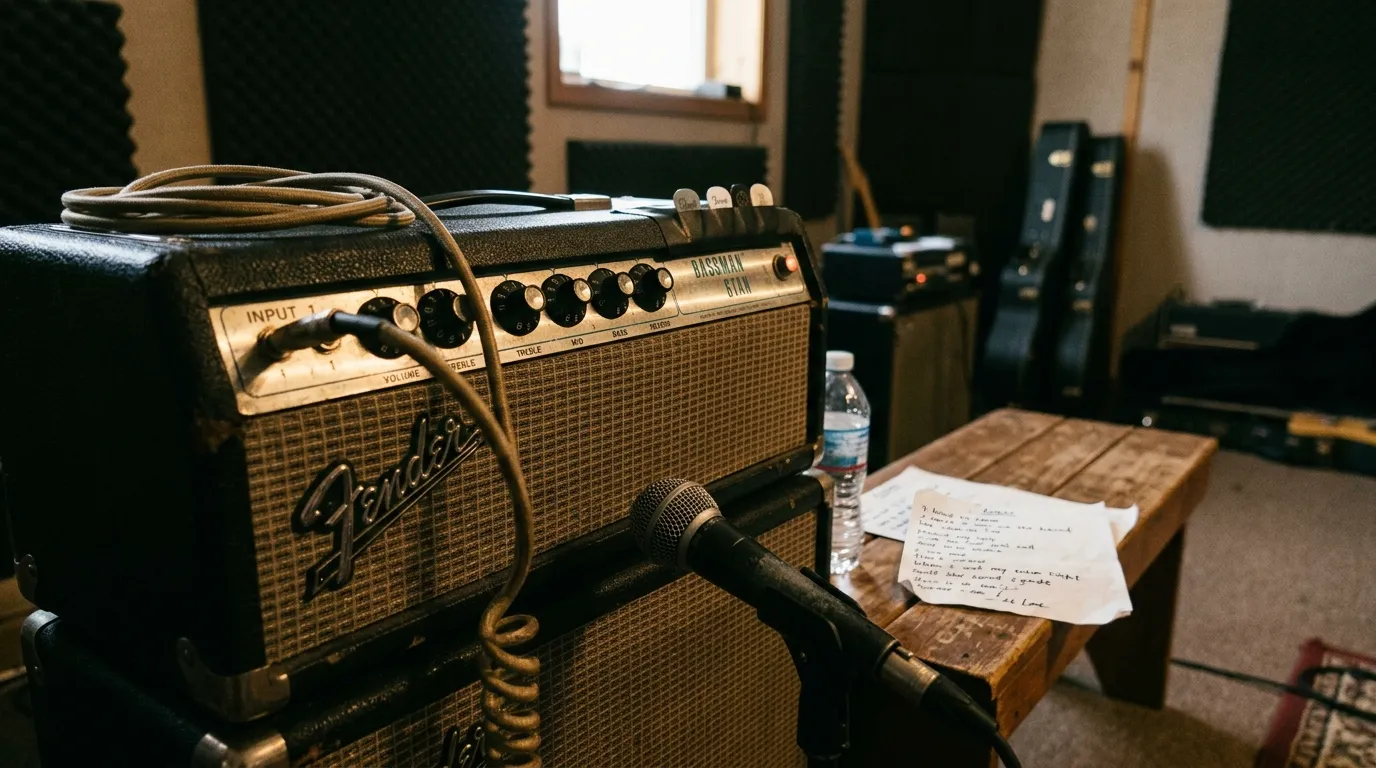
The band grew self-conscious about its rapid rise after Ten. Executives wanted to release the emotional ballad as a single. Eddie Vedder refused and even called radio stations to prevent airplay.
The track stayed an album cut yet became one of the most requested songs anyway. It remains a fan favorite decades later without ever charting as a single. Pearl Jam’s resistance highlighted how listeners can elevate material the artist tries to protect.
But that’s nothing compared to what we found about #9 – About a Girl by Nirvana.
#9 – About a Girl by Nirvana
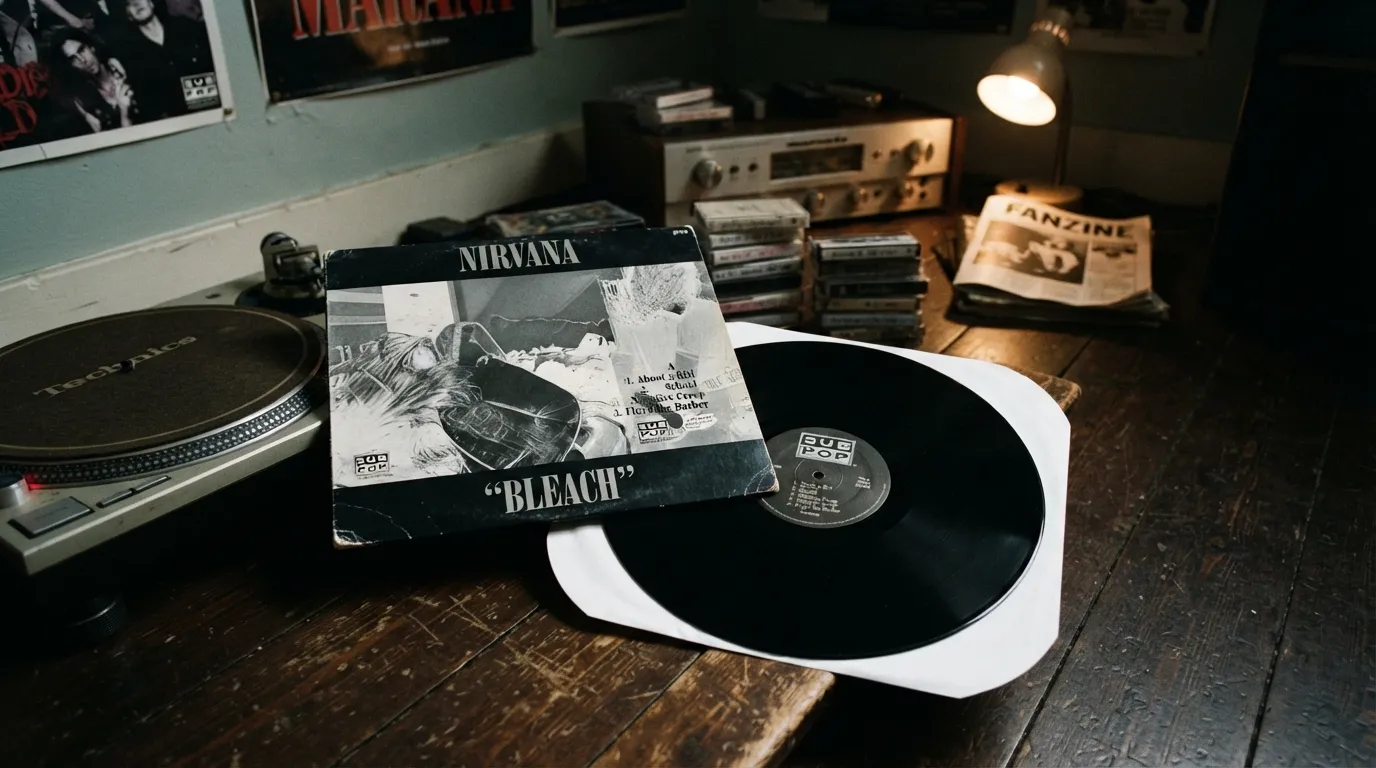
The melodic track from Bleach never received single treatment from the label. Sub Pop focused on grittier material that matched the emerging Seattle sound. An Unplugged version later became a single, but the original studio cut gained traction through fan trading and radio requests.
It stands as one of Nirvana’s most accessible early songs despite minimal promotion. The contrast between its pop structure and the band’s later image kept it alive in setlists. Listener demand filled the gap left by label priorities.
But that’s nothing compared to what we found about #8 – Stone Cold Crazy by Queen.
#8 – Stone Cold Crazy by Queen
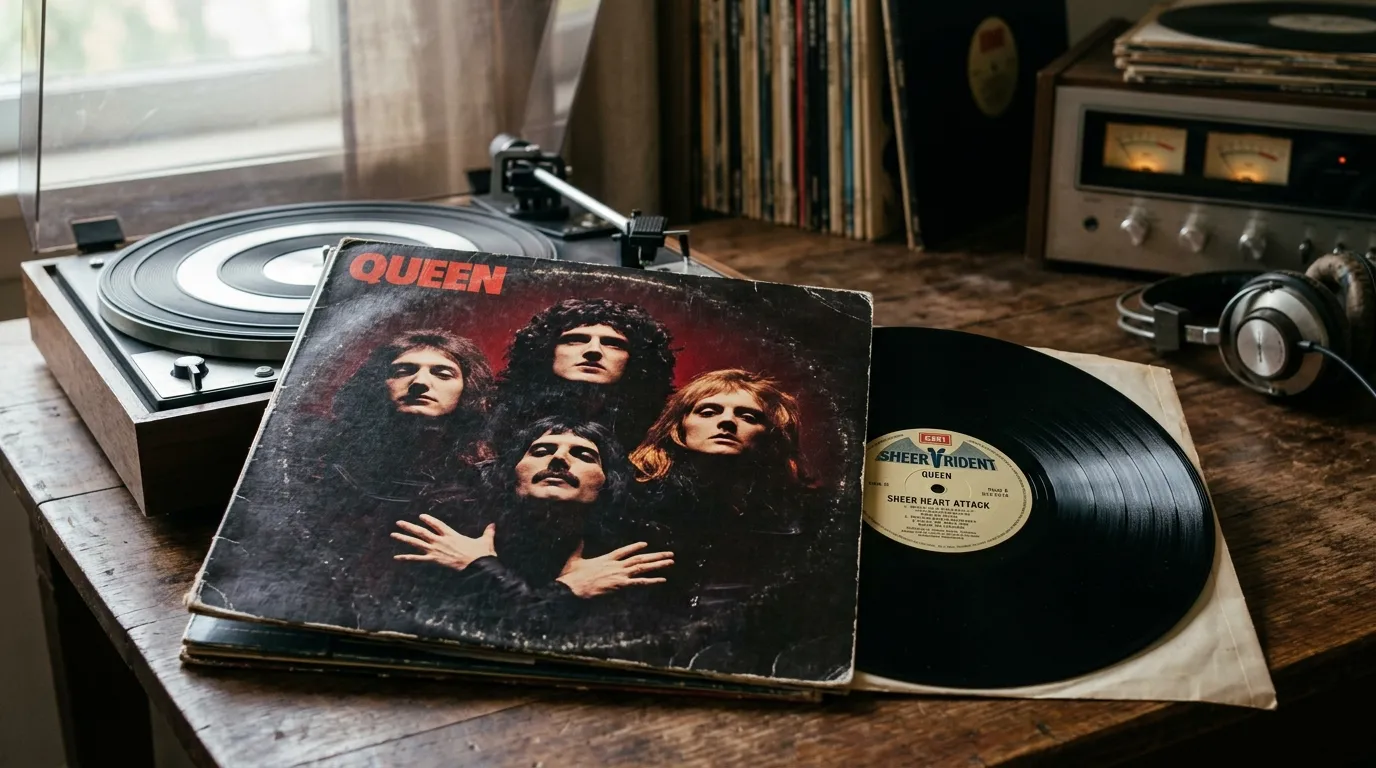
Sheer Heart Attack contained several hard-rocking tracks that could have been singles. The label chose safer options and left this one as an album cut. Fans and later metal bands rediscovered its speed and aggression.
It influenced countless thrash acts even without official single status. Queen’s rapid album cycle meant some strong material stayed in the shadows until listeners pulled it forward. The track’s legacy grew through covers and word of mouth.
But that’s nothing compared to what we found about #7 – Casey Jones by Grateful Dead.
#7 – Casey Jones by Grateful Dead

The cautionary tale about a train operator never received single release. The band and label focused on album-oriented rock and live performances instead. The song became one of the Dead’s most recognizable studio tracks through fan circulation and radio play.
It remains a concert staple and cultural reference point decades later. The absence of a push from the company allowed the track to find its audience organically. Listeners kept it relevant long after its initial release.
But that’s nothing compared to what we found about #6 – Purple Rain by Prince.
#6 – Purple Rain by Prince
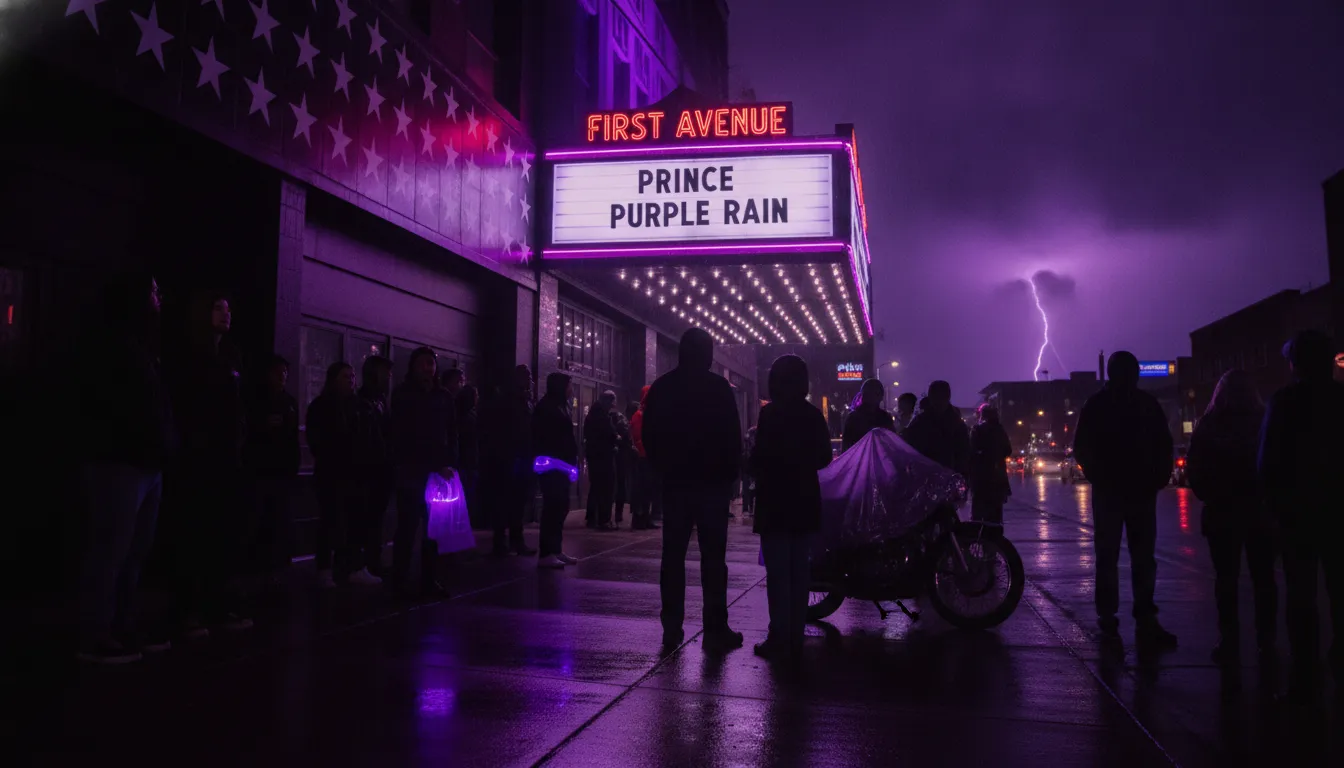
The nearly nine-minute title track from the album and film faced skepticism over its length and genre blend. Warner Bros. questioned its viability as a single. Prince insisted and the song became the centerpiece of his biggest commercial moment.
It reached number two on the Billboard Hot 100. The emotional build and live-performance context turned it into an anthem that outlasted any label doubts. Fan connection to the story and music carried it.
But that’s nothing compared to what we found about #5 – When Doves Cry by Prince.
#5 – When Doves Cry by Prince

Warner Bros. again resisted a sparse arrangement that lacked bass. Prince removed the bass line himself and fought for its release on Purple Rain. The label eventually agreed.
It became his first number-one single on the Billboard Hot 100. The unconventional production choices that worried executives became the song’s signature. Listener response proved the risks worthwhile.
Worth Knowing
- The single came out in May 1984, ahead of the Purple Rain album in June 1984.
- It spent five weeks at number one on the Hot 100.
- Billboard ranked it the top single of 1984.
- The song famously has no bass line in the final mix.
But that’s nothing compared to what we found about #4 – Jack & Diane by John Mellencamp.
#4 – Jack & Diane by John Mellencamp

The label wanted to change the interracial relationship narrative to something less controversial. Mellencamp pushed back and kept the core story. The song appeared on American Fool with the original intent intact.
It reached number one on the Billboard Hot 100. The small-town coming-of-age tale connected with listeners who responded to its honesty. Mellencamp’s refusal to sanitize the lyrics allowed the track to stand out.
But that’s nothing compared to what we found about #3 – Cherry Pie by Warrant.
#3 – Cherry Pie by Warrant

Columbia president Don Ienner demanded another hit single in the style of “Love in an Elevator.” Jani Lane wrote the track in fifteen minutes under that pressure. The band included it on the album.
It peaked at number ten on the Billboard Hot 100. The song’s playful energy and video became defining images of the era despite the rushed creation. Listener requests turned the label-mandated addition into a career highlight.
But that’s nothing compared to what we found about #2 – Cum On Feel the Noize by Quiet Riot.
#2 – Cum On Feel the Noize by Quiet Riot
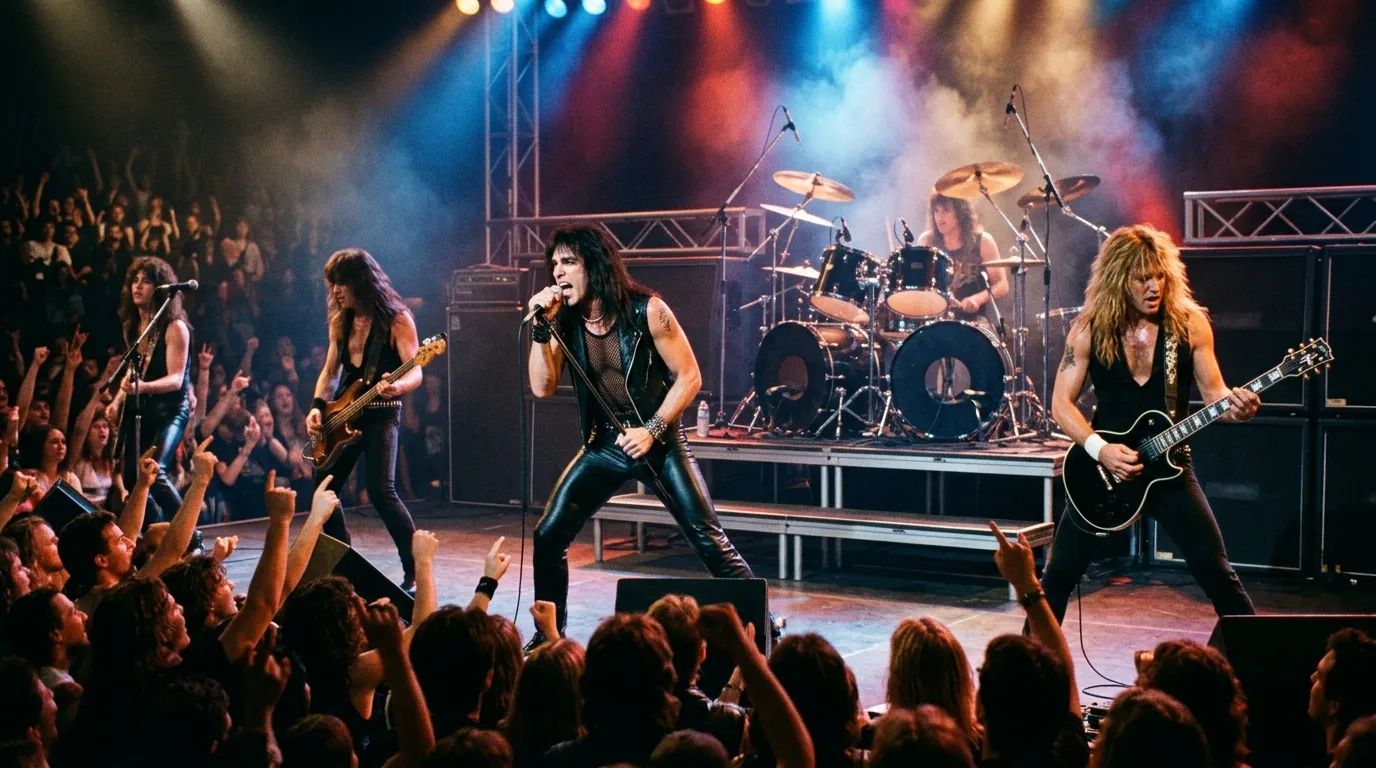
The band disliked Slade’s original and tried to record a deliberately poor version so the label would reject it. Columbia released the cover anyway.
It reached number five on the Billboard Hot 100 and helped launch metal’s mainstream moment. Quiet Riot’s resistance highlighted how audience taste can override artist or label preferences. The track’s success came despite internal reluctance.
But that’s nothing compared to what we found about #1 – Hallelujah by Leonard Cohen.
#1 – Hallelujah by Leonard Cohen
CBS Columbia rejected the entire Various Positions album because executives doubted Cohen’s commercial relevance. The label released it anyway in some markets with minimal support. The song gained traction through covers and fan discovery over the years.
It became one of the most recorded and performed tracks in modern music despite the initial burial. Cohen’s understated delivery and the song’s emotional depth found listeners long after the company’s hesitation. Its journey from shelved album track to cultural staple shows how persistence from artists and audiences can rescue material that labels overlook.
Quick Compare
- Leonard Cohen (1984): the original, on Various Positions.
- John Cale (1991): a stripped-down piano take on the tribute album I’m Your Fan.
- Jeff Buckley (1994): the hushed electric-guitar version on his album Grace.