#25 – Eric Clapton – The Yardbirds
Eric Clapton left the Yardbirds in 1965 after growing frustrated with their pop direction. He joined John Mayall’s Bluesbreakers briefly before forming Cream. His solo path began with a 1970 self-titled album and the Derek and the Dominos project. Hits like “I Shot the Sheriff” and “Wonderful Tonight” followed.
Clapton’s solo catalog includes multiple Billboard number ones and decades of touring that outlasted his band tenures. His 1992 Unplugged album sold millions and topped charts longer than most Cream releases. Readers can verify his discography on major streaming platforms. Many assume band fame defines a guitarist, yet Clapton’s independent output reached wider audiences. His restless moves between groups showed a pattern of seeking new creative control. Solo success came from blending blues roots with broader appeal.
But that’s nothing compared to what we found about #24…
#24 – Jeff Beck – The Yardbirds
Jeff Beck replaced Clapton in the Yardbirds in 1965 and stayed one year. He contributed to tracks like “Heart Full of Soul” before departing for his own projects. Beck’s solo career spanned five decades with innovative albums emphasizing tone and technique over vocals.
Releases such as Blow by Blow and Wired charted successfully in the 1970s. Beck earned multiple Grammy awards for instrumental work that few band-era guitarists matched. His style influenced players across rock and jazz fusion. Beck avoided constant band commitments after the Yardbirds. This freedom allowed experimentation that kept his output fresh into later years. Fans note his live performances often highlighted guitar innovation without vocal constraints. His path demonstrated that leaving early could lead to sustained critical respect.
But that’s nothing compared to what we found about #23…
#23 – George Harrison – The Beatles
George Harrison left the Beatles in 1970 amid growing tensions over songwriting credits. His first solo effort, the triple album All Things Must Pass, reached number one and produced the hit “My Sweet Lord.” Harrison’s solo career included further chart success and film soundtracks.
The album’s sales and influence exceeded many Beatles singles in long-term impact. He continued releasing music independently while maintaining some group ties initially. Harrison’s spiritual themes and slide guitar work defined his post-Beatles identity. Readers can check chart histories to confirm the commercial shift. His departure allowed full creative ownership that the band structure limited. Solo output reached audiences beyond the Beatles’ shadow in several markets.
But that’s nothing compared to what we found about #22…
#22 – Peter Frampton – Humble Pie
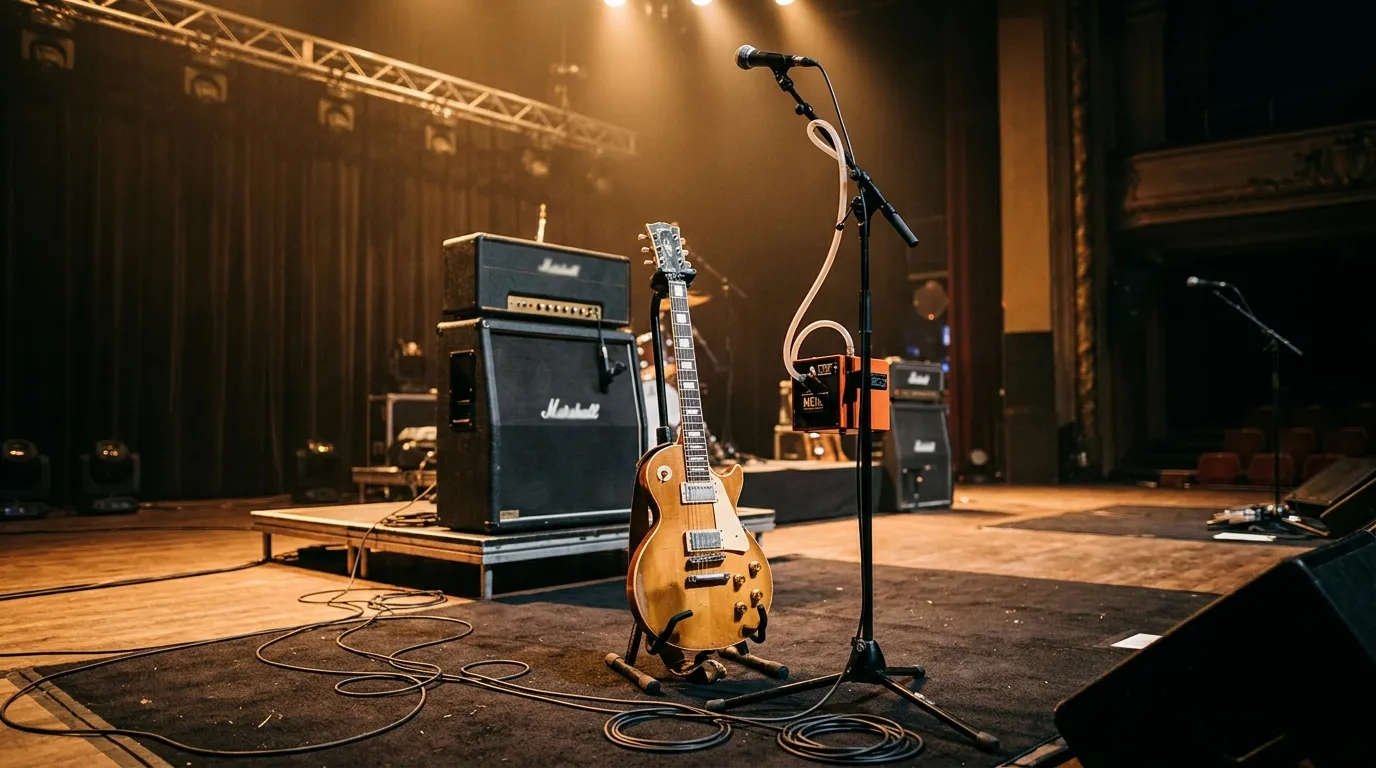
Peter Frampton departed Humble Pie in 1971 to pursue solo work. Early albums built momentum, but the 1976 live release Frampton Comes Alive! became one of the decade’s biggest sellers. It featured hits like “Show Me the Way” and “Baby, I Love Your Way.”
The live album’s multi-platinum status surpassed Humble Pie’s studio output by a wide margin. Frampton’s talk-box effect and melodic style gained massive radio play. He balanced solo releases with session work afterward. His move from the band allowed a polished pop-rock direction. Chart data shows the solo peak occurred years after leaving Humble Pie. Fans still reference the live record as a career-defining moment.
Fast Facts
- Frampton Comes Alive! arrived in January 1976.
- It spent 10 non-consecutive weeks at No. 1 on the Billboard 200.
- Its standout tracks include “Show Me the Way,” “Baby, I Love Your Way,” and “Do You Feel Like We Do.”
- Frampton left Humble Pie about five years before the album’s release.
But that’s nothing compared to what we found about #21…
#21 – Johnny Marr – The Smiths
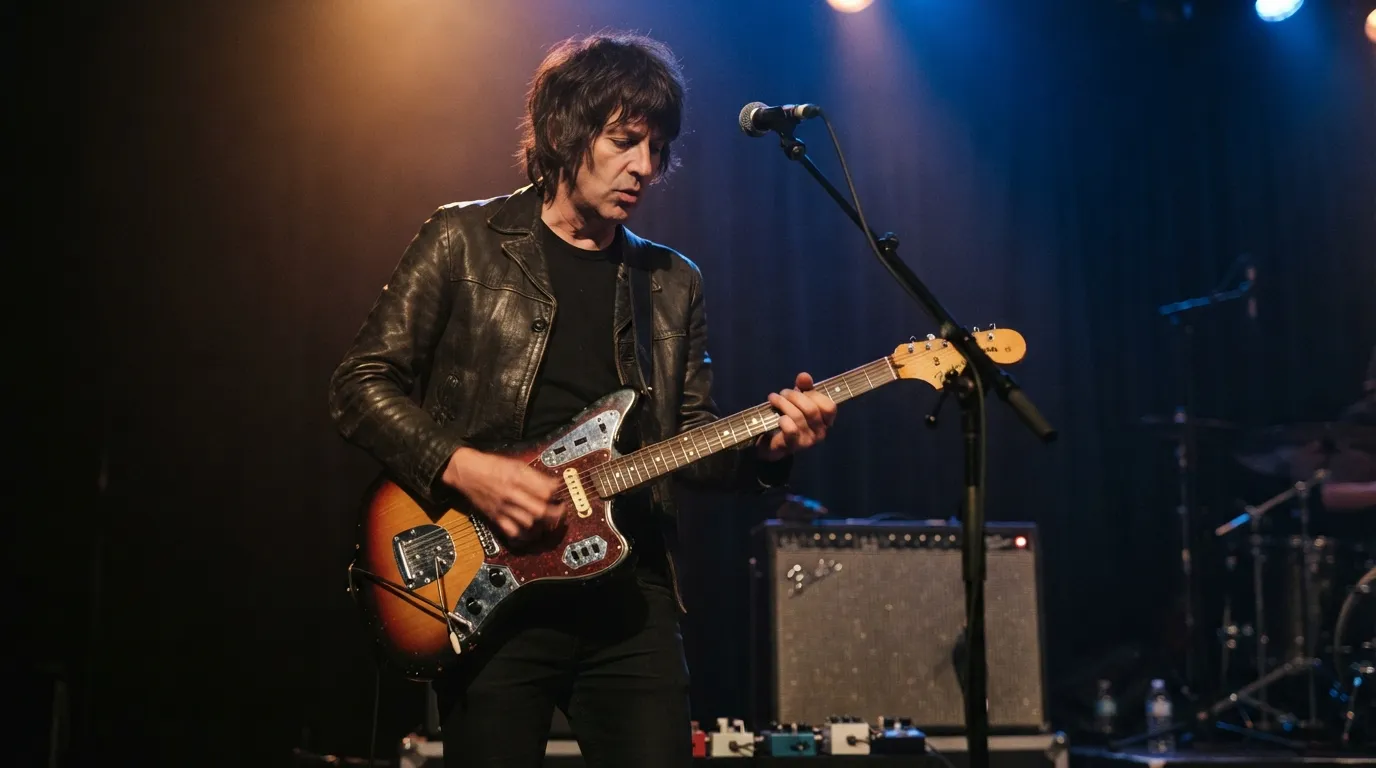
Johnny Marr left the Smiths in 1987 after creative differences. He joined groups like the Pretenders and Electronic before launching a solo career with The Messenger in 2013.
Marr’s solo albums blended his signature guitar style with new songwriting. His independent releases earned strong reviews and UK chart entries that extended his influence beyond the Smiths era. Marr maintained session work with artists like Modest Mouse. This mix kept his profile high without full band commitments. His departure from the Smiths freed him to explore varied collaborations. Readers can trace his discography through official releases. Solo success came from consistent output rather than one breakthrough.
But that’s nothing compared to what we found about #20…
#20 – Steve Hackett – Genesis
Steve Hackett exited Genesis in 1977 seeking more solo space. His post-Genesis albums featured progressive and acoustic guitar work. Releases like Voyage of the Acolyte and later efforts charted in niche markets.
Hackett’s solo catalog spans decades and includes orchestral projects that Genesis rarely explored. He toured extensively under his own name. The move allowed focus on composition over band dynamics. Hackett’s technique influenced prog guitarists who followed. His independent path produced steady releases without the original lineup constraints. Fans compare his solo output favorably to later Genesis material in some circles.
But that’s nothing compared to what we found about #19…
#19 – Lindsey Buckingham – Fleetwood Mac
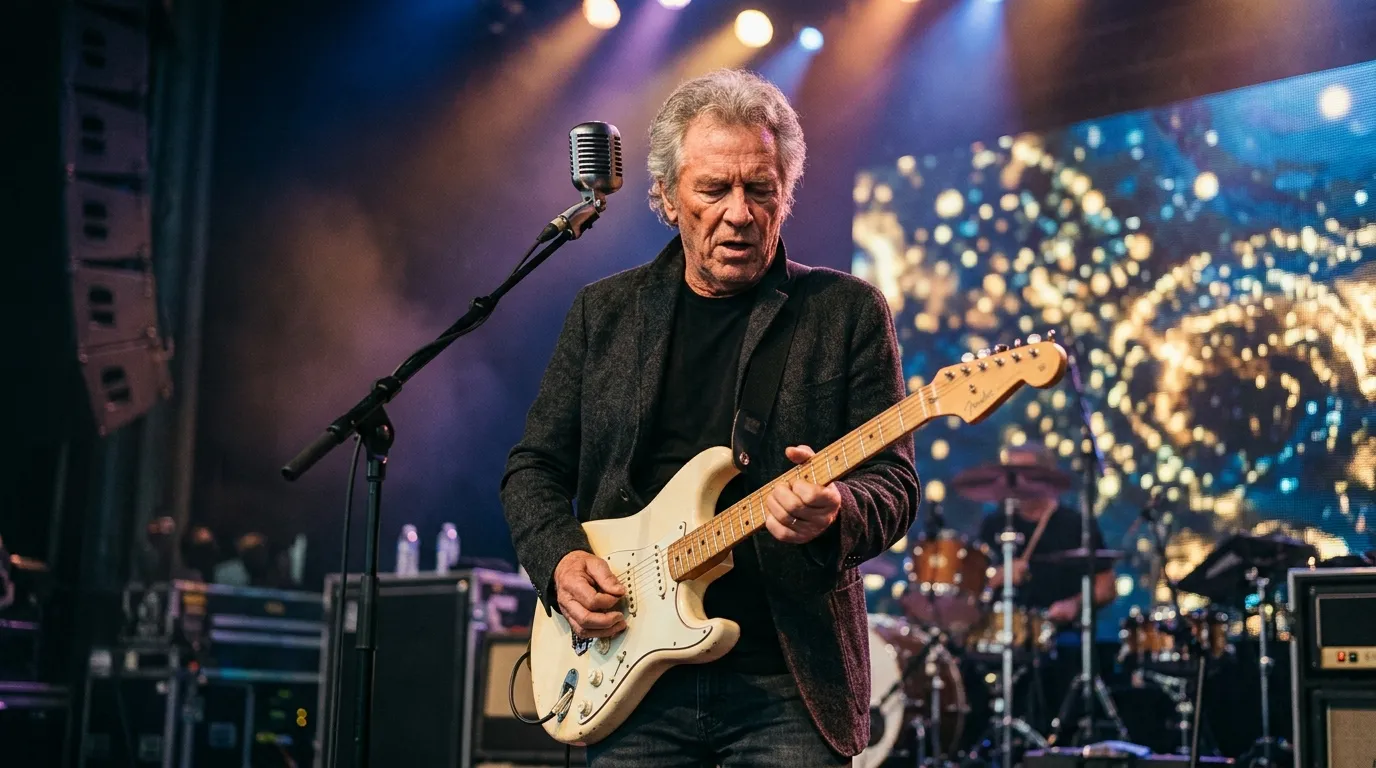
Lindsey Buckingham left Fleetwood Mac in 2018 after decades in the band. His solo albums, including earlier efforts like Law and Order, showed pop sensibilities. Buckingham’s guitar work and production defined much of the band’s sound.
Solo releases allowed experimentation that band albums sometimes constrained. He continued performing and recording independently after the split. Buckingham’s departure highlighted tensions but opened space for personal projects. Chart performance varied, yet his influence remained steady. Readers can review his solo discography for specific tracks. The shift emphasized his role as a primary songwriter outside the group.
But that’s nothing compared to what we found about #18…
#18 – John Squire – The Stone Roses
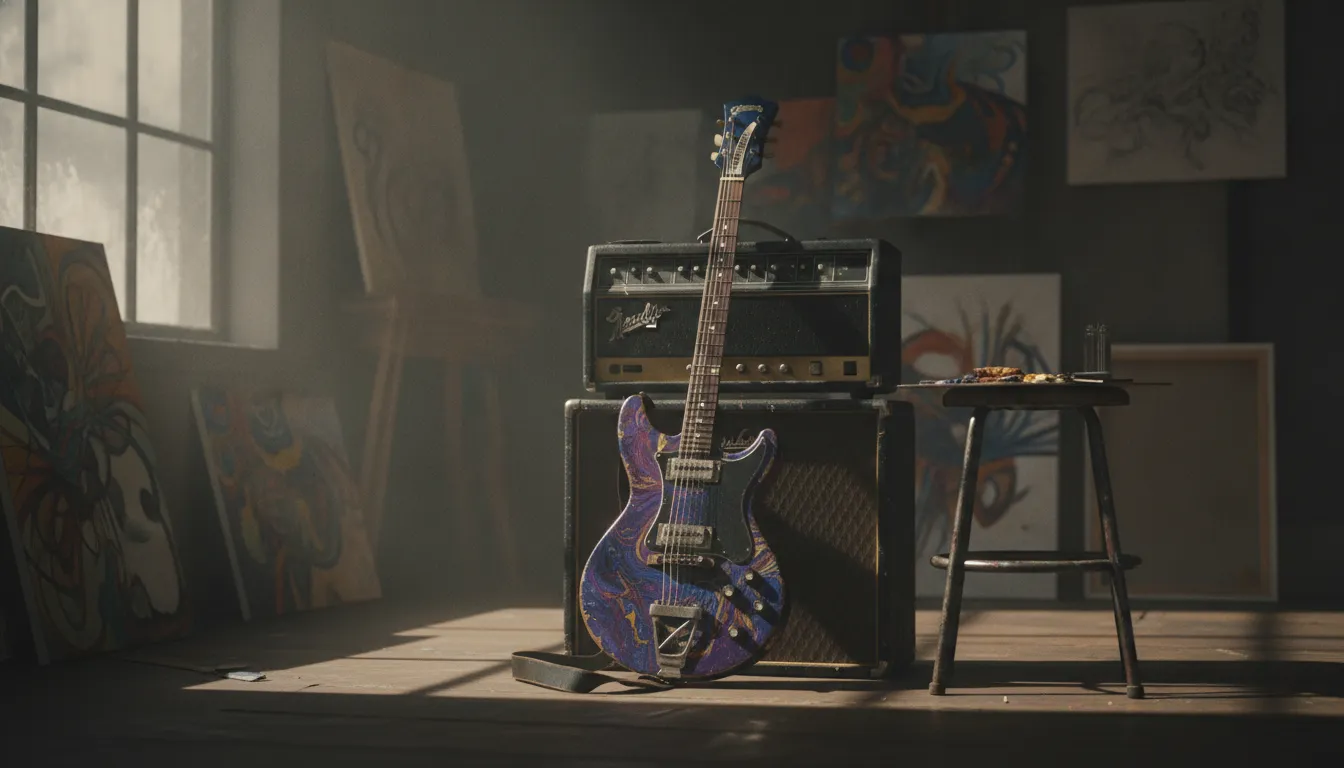
John Squire departed the Stone Roses in 1996. He formed the Seahorses and released solo material afterward. Squire’s psychedelic guitar style carried into new projects.
His post-Roses work received attention for maintaining distinctive playing despite band changes. The Seahorses album charted in the UK. Squire later pursued visual art alongside music. His exit allowed control over direction that the Roses’ dynamics limited. Fans note the guitar focus remained central in solo efforts. Independent releases kept his name active in indie circles.
But that’s nothing compared to what we found about #17…
#17 – Michael Schenker – UFO
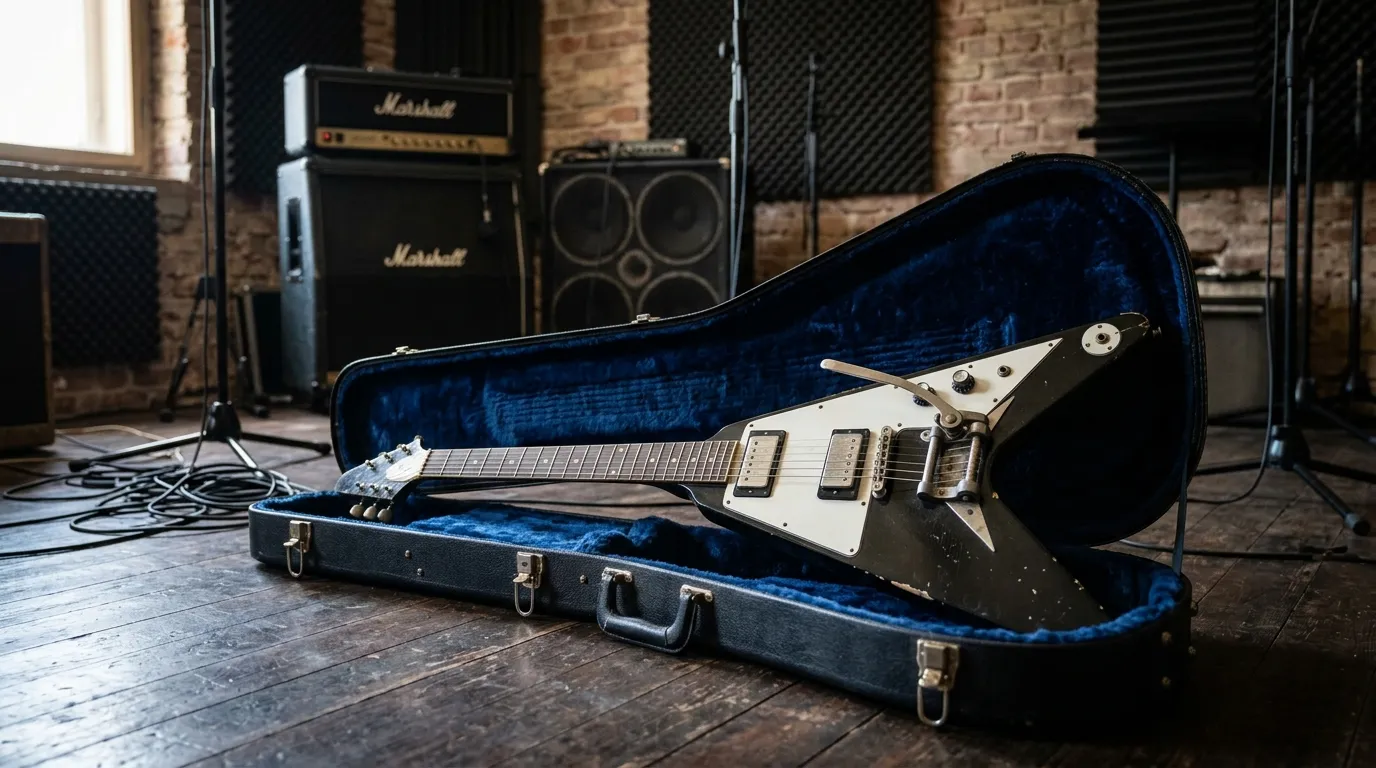
Michael Schenker left UFO in the late 1970s after earlier stints with the Scorpions. He formed the Michael Schenker Group and released multiple albums. Schenker’s neoclassical style gained a dedicated following.
Solo and group projects under his name outsold some UFO periods in certain markets. He toured consistently with varying lineups. The departure enabled a signature sound without band compromises. Schenker’s influence appears in metal guitar discussions. His catalog includes live recordings that highlight technical ability. Readers can locate his releases through standard music databases.
But that’s nothing compared to what we found about #16…
#16 – Ritchie Blackmore – Deep Purple
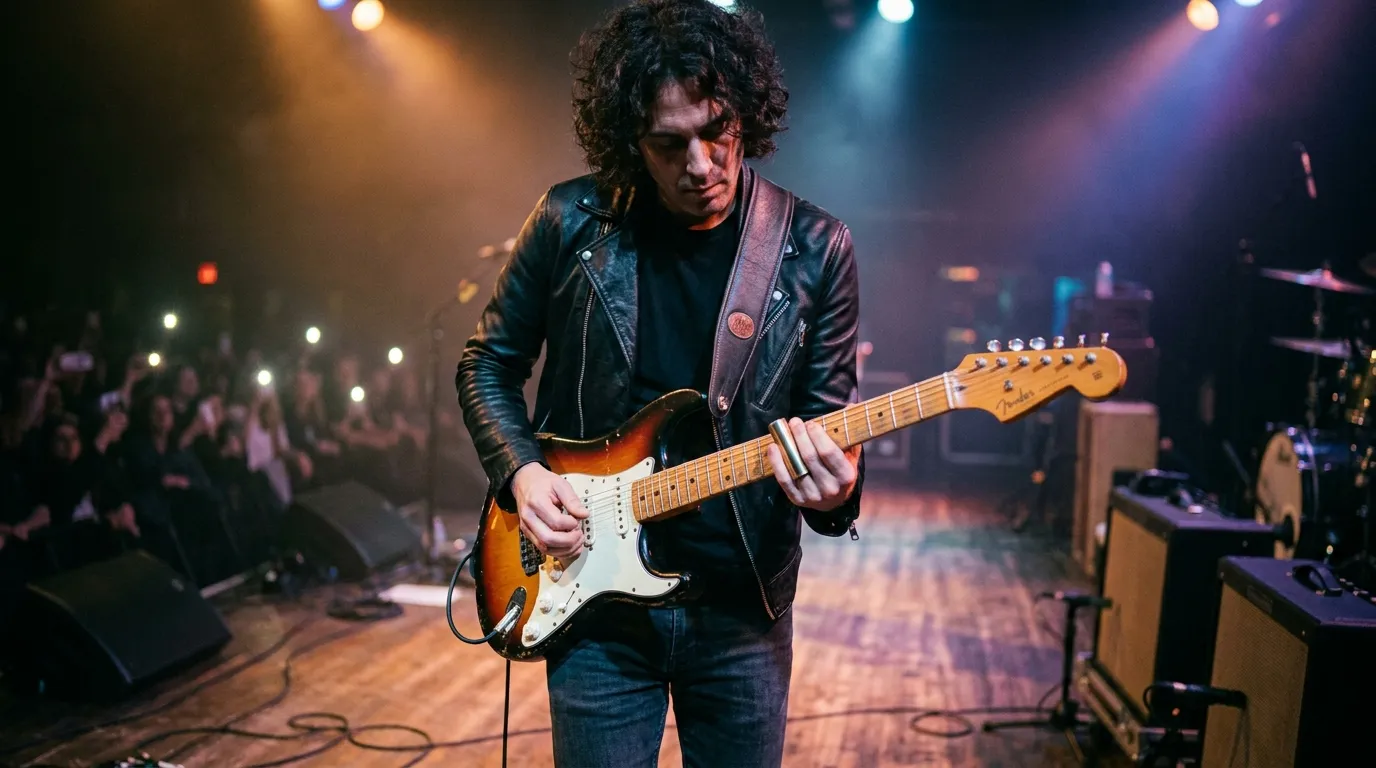
Ritchie Blackmore exited Deep Purple in 1975. He formed Rainbow and later pursued solo and classical projects. Blackmore’s hard rock riffs defined Purple’s early sound.
Rainbow albums achieved strong sales and hits that extended his reach beyond the original band. He later shifted toward Renaissance-inspired music. The move allowed experimentation with new ensembles. Blackmore’s post-Purple output spanned rock and folk styles. His guitar tone remained recognizable across projects. Fans track his evolution through successive band and solo phases.
But that’s nothing compared to what we found about #15…
#15 – Gary Moore – Thin Lizzy
Gary Moore left Thin Lizzy in the late 1970s after multiple stints. His solo career featured blues-rock albums with hits like “Still Got the Blues.” Moore’s playing blended rock energy with blues phrasing.
Solo releases earned Grammy nominations and steady chart presence in Europe. He balanced solo work with occasional collaborations. The departure freed him from band touring schedules. Moore’s independent path produced consistent output until his passing. His tone and phrasing influenced later blues guitarists. Readers can verify sales through historical charts.
But that’s nothing compared to what we found about #14…
#14 – Mick Ronson – David Bowie’s Spiders from Mars
Mick Ronson departed Bowie’s Spiders from Mars lineup in the mid-1970s. He released solo albums and produced for other artists. Ronson’s guitar arrangements shaped Bowie’s glam era.
His solo efforts and production credits extended his legacy beyond the Bowie association. Ronson worked with Ian Hunter and others afterward. The split allowed broader session and solo opportunities. His style combined rock power with melodic support. Fans appreciate his contributions across projects. Independent work kept his profile visible in rock history.
But that’s nothing compared to what we found about #13…
#13 – Adrian Belew – King Crimson
Adrian Belew left King Crimson in the 1980s after several albums. His solo career included pop and experimental releases. Belew’s vocal and guitar work appeared on Talking Heads records too.
Solo albums showcased songwriting that differed from Crimson’s progressive focus. He maintained a steady release schedule. The departure enabled personal projects alongside session work. Belew’s versatility appeared in multiple genres. Readers can explore his catalog for varied styles. His independent path sustained a long career.
But that’s nothing compared to what we found about #12…
#12 – Noel Gallagher – Oasis
Noel Gallagher left Oasis in 2009. He formed Noel Gallagher’s High Flying Birds and released multiple UK number-one albums. Gallagher’s songwriting drove Oasis hits.
Solo albums achieved consistent chart success and critical notice separate from the band. He incorporated orchestral elements in later work. The split allowed full control over arrangements. Gallagher toured extensively under his own name. His output maintained rock appeal with new collaborators. Fans compare solo tracks to Oasis material directly.
At a Glance
- Oasis formed in Manchester in 1991.
- Gallagher quit the band in August 2009.
- The self-titled High Flying Birds debut (2011) reached No. 1 in the UK.
- Chasing Yesterday (2015) and Who Built the Moon? (2017) did the same.
But that’s nothing compared to what we found about #11…
#11 – Zakk Wylde – Ozzy Osbourne
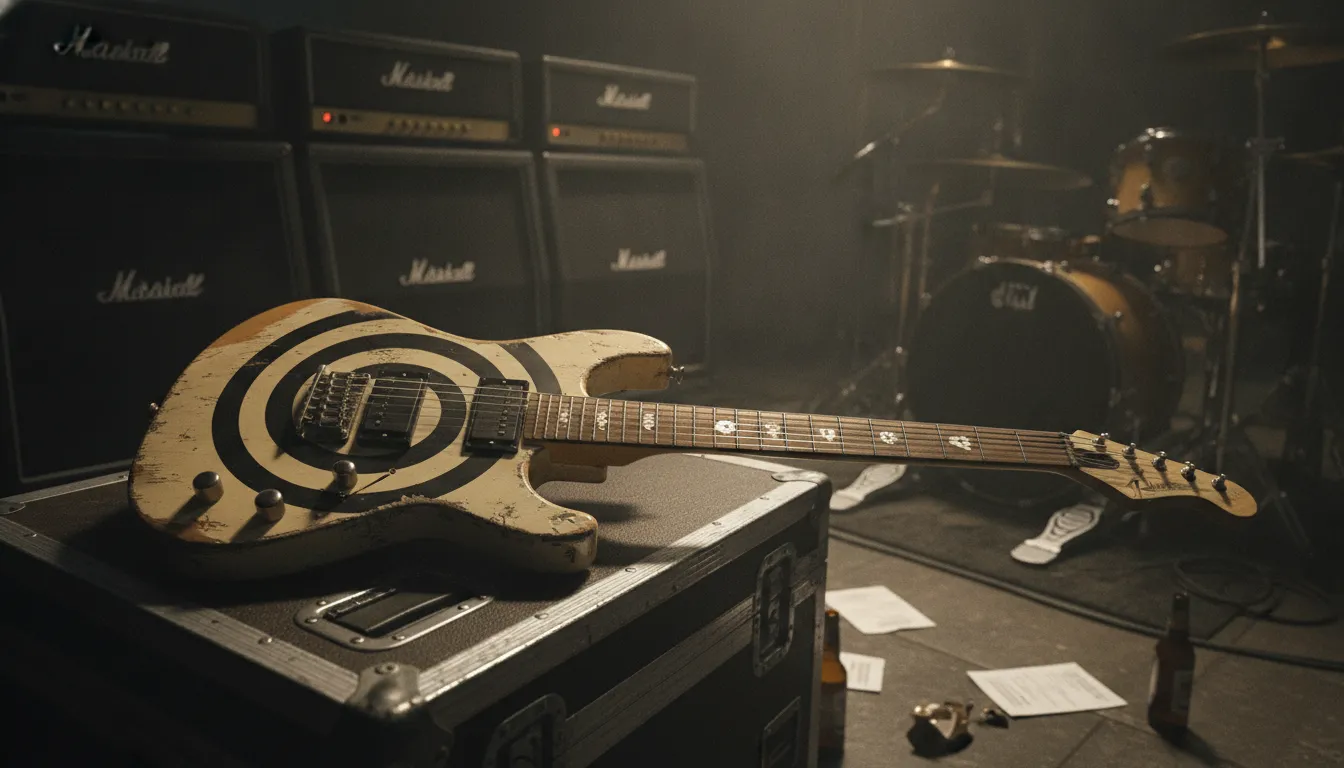
Zakk Wylde joined Ozzy Osbourne in the late 1980s and left periodically for his own projects. He formed Black Label Society and released numerous albums. Wylde’s heavy style defined his solo band sound.
Black Label Society records sold well and built a dedicated metal audience. He balanced Ozzy returns with independent releases. The side projects allowed songwriting freedom. Wylde’s guitar tone remained aggressive across efforts. Readers can check BLS discography for specific albums. His path showed sideman experience translating to band leadership.
But that’s nothing compared to what we found about #10…
#10 – Dave Mustaine – Metallica
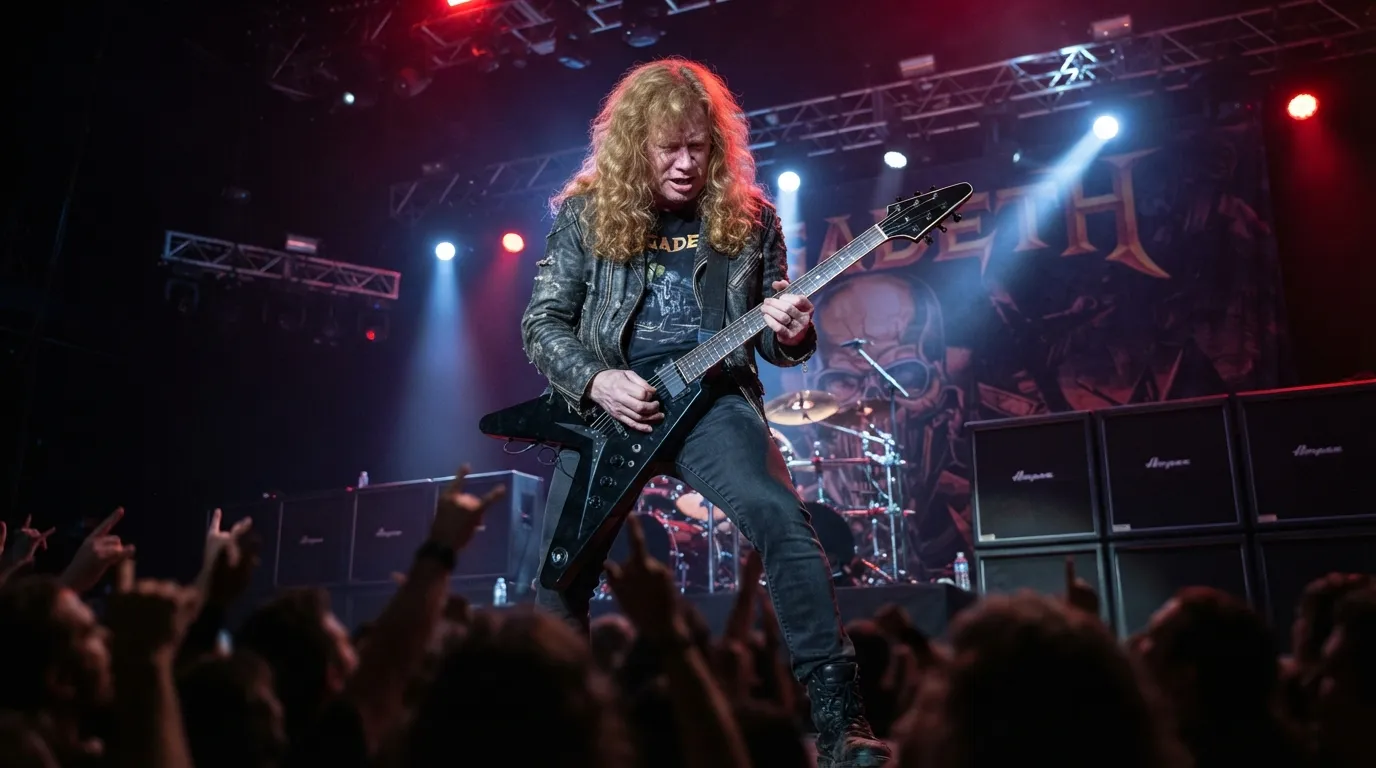
Dave Mustaine was fired from Metallica in 1983. He formed Megadeth shortly after. Megadeth achieved multi-platinum sales and Grammy wins in thrash metal.
Mustaine’s songwriting and guitar work drove Megadeth’s commercial success rivaling some Metallica peaks. The band released consistent albums over decades. Mustaine’s departure led to a parallel career in the same genre. His technical playing and lyrics defined Megadeth’s identity. Fans debate the two bands’ relative achievements. Independent leadership sustained long-term output.
But that’s nothing compared to what we found about #9…
#9 – Gary Hoey – Various session work to solo
Gary Hoey built a solo career after early band and session roles. His instrumental rock albums charted on Billboard. Hoey’s style mixed rock and blues.
Solo releases gained radio play and instructional recognition. He focused on guitar-centric projects without long-term band ties. The independent route allowed instructional content alongside music. Hoey’s output appealed to players seeking technique examples. Readers can locate his albums through guitar media. His path emphasized personal branding.
But that’s nothing compared to what we found about #8…
#8 – Vinnie Moore – Various to solo
Vinnie Moore gained attention through solo albums after early band involvement. His neoclassical releases featured technical guitar work. Moore toured and recorded independently.
Solo efforts established him in shred circles with consistent releases. He avoided prolonged band commitments. The focus on solo material highlighted speed and phrasing. Moore’s catalog includes multiple studio albums. Fans reference his playing in instructional contexts. Independent success came from targeted audience reach.
But that’s nothing compared to what we found about #7…
#7 – Tony MacAlpine – Solo focus after early bands
Tony MacAlpine released solo albums emphasizing fusion and metal guitar. Early band experience informed his style. MacAlpine’s work included keyboard integration.
Solo releases built a following in progressive and metal communities. He maintained a steady independent schedule. The approach allowed compositional control. MacAlpine’s technique drew comparisons to peers. Readers can find his discography online. His path prioritized guitar-driven projects.
But that’s nothing compared to what we found about #6…
#6 – Paul Gilbert – Mr. Big to solo and Racer X
Paul Gilbert left Mr. Big periods for solo and Racer X work. His albums feature rock and fusion elements. Gilbert’s playing includes instructional content.
Solo output sustained visibility beyond band reunions. He released multiple records under his name. The moves allowed varied stylistic exploration. Gilbert’s speed and phrasing remained central. Fans access his work through guitar publications. Independent releases complemented group activity.
But that’s nothing compared to what we found about #5…
#5 – Marty Friedman – Megadeth to solo
Marty Friedman departed Megadeth in the late 1990s. His solo career included rock and world-influenced albums. Friedman released music in Japan and the US.
Solo projects explored styles outside Megadeth’s thrash framework. He continued touring and recording independently. The shift allowed cultural and musical expansion. Friedman’s tone adapted across releases. Readers can trace his post-Megadeth catalog. Independent work extended his career span.
Why It Stands Out
- Friedman joined Megadeth in 1990 and played on Rust in Peace that same year.
- He also appears on Countdown to Extinction (1992), which reached No. 2 on the Billboard 200.
- After the band, he built a recording and media profile centered in Japan.
- His solo work leans on melody and world-music color, not thrash speed.
But that’s nothing compared to what we found about #4…
#4 – Chris Poland – Megadeth to solo
Chris Poland left Megadeth early and pursued solo and fusion projects. His albums featured jazz-rock guitar. Poland maintained session and independent releases.
Solo efforts highlighted technical and improvisational skills. He avoided major band returns for years. The path emphasized personal expression. Poland’s playing appeared in niche markets. Fans locate his work through specialty labels. Independent output sustained a lower-profile career.
But that’s nothing compared to what we found about #3…
#3 – Alex Skolnick – Testament to solo and jazz
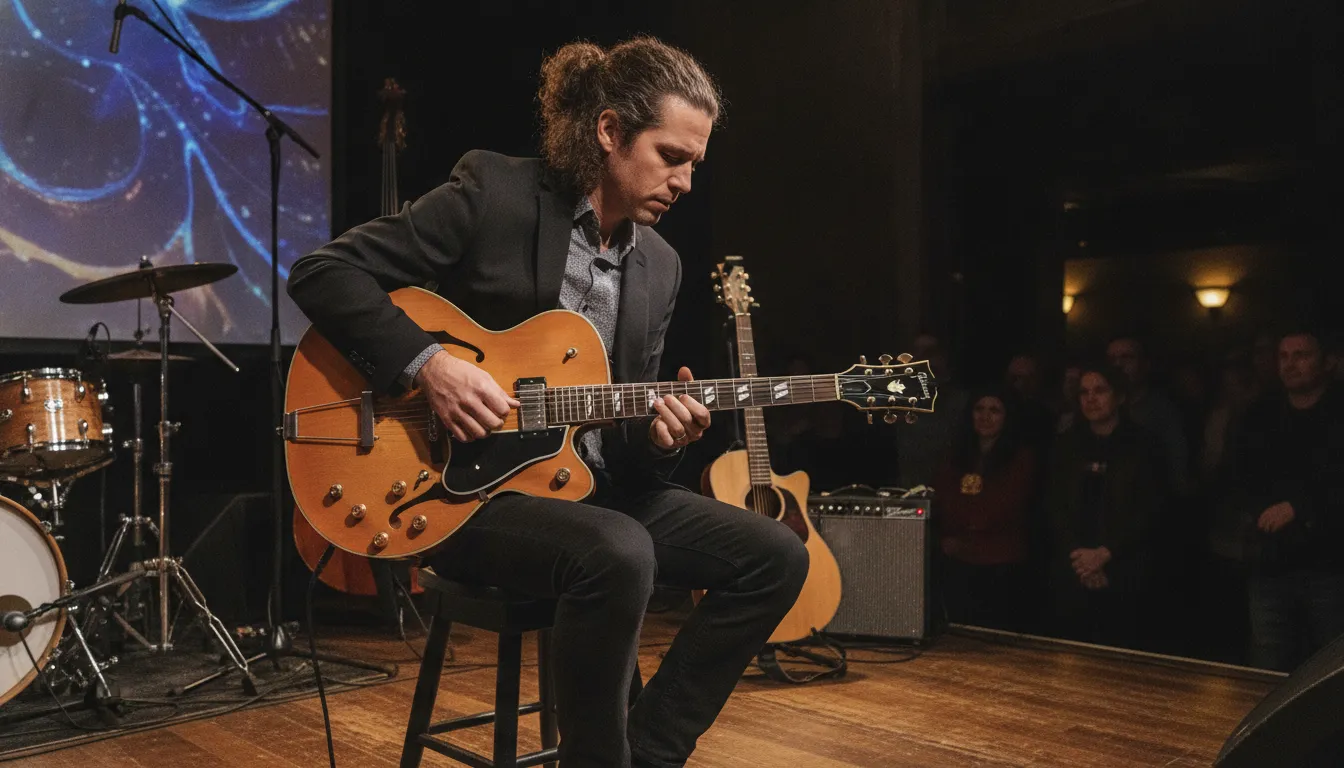
Alex Skolnick exited Testament and explored jazz and solo rock. His projects included acoustic and fusion albums. Skolnick’s style blended metal roots with jazz.
Solo releases demonstrated range beyond thrash origins. He performed with various ensembles. The departure enabled genre shifts. Skolnick’s catalog includes live and studio work. Readers can review his diverse discography. Independent focus kept output active.
But that’s nothing compared to what we found about #2…
#2 – Nuno Bettencourt – Extreme to solo
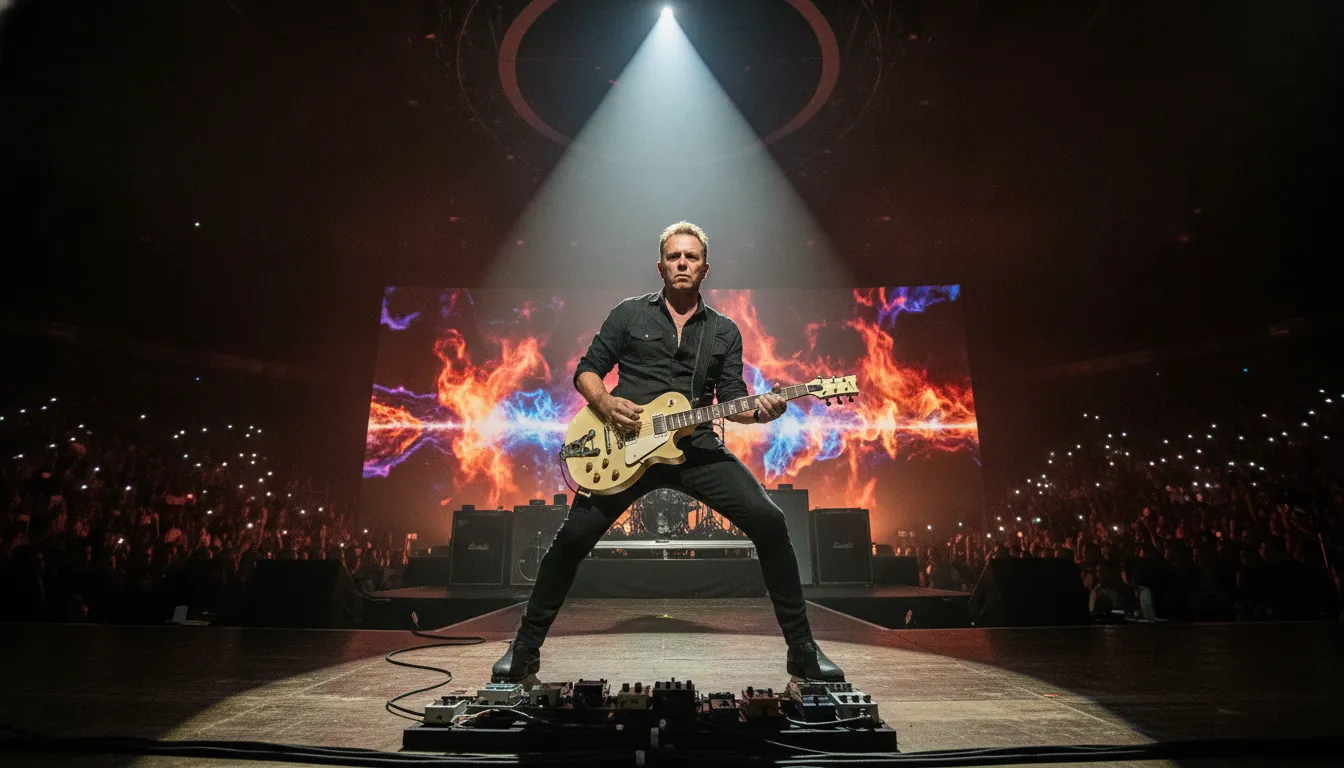
Nuno Bettencourt left Extreme periods for solo projects and collaborations. His guitar work appeared on film soundtracks and albums. Bettencourt’s style mixed rock and funk.
Solo and side efforts maintained high visibility after band peaks. He released music under his name. The moves allowed production and session roles. Bettencourt’s tone influenced players in multiple genres. Fans track his contributions across projects. Independent work complemented group activity.
But that’s nothing compared to what we found about #1…
#1 – Steve Vai – David Lee Roth and Whitesnake to solo
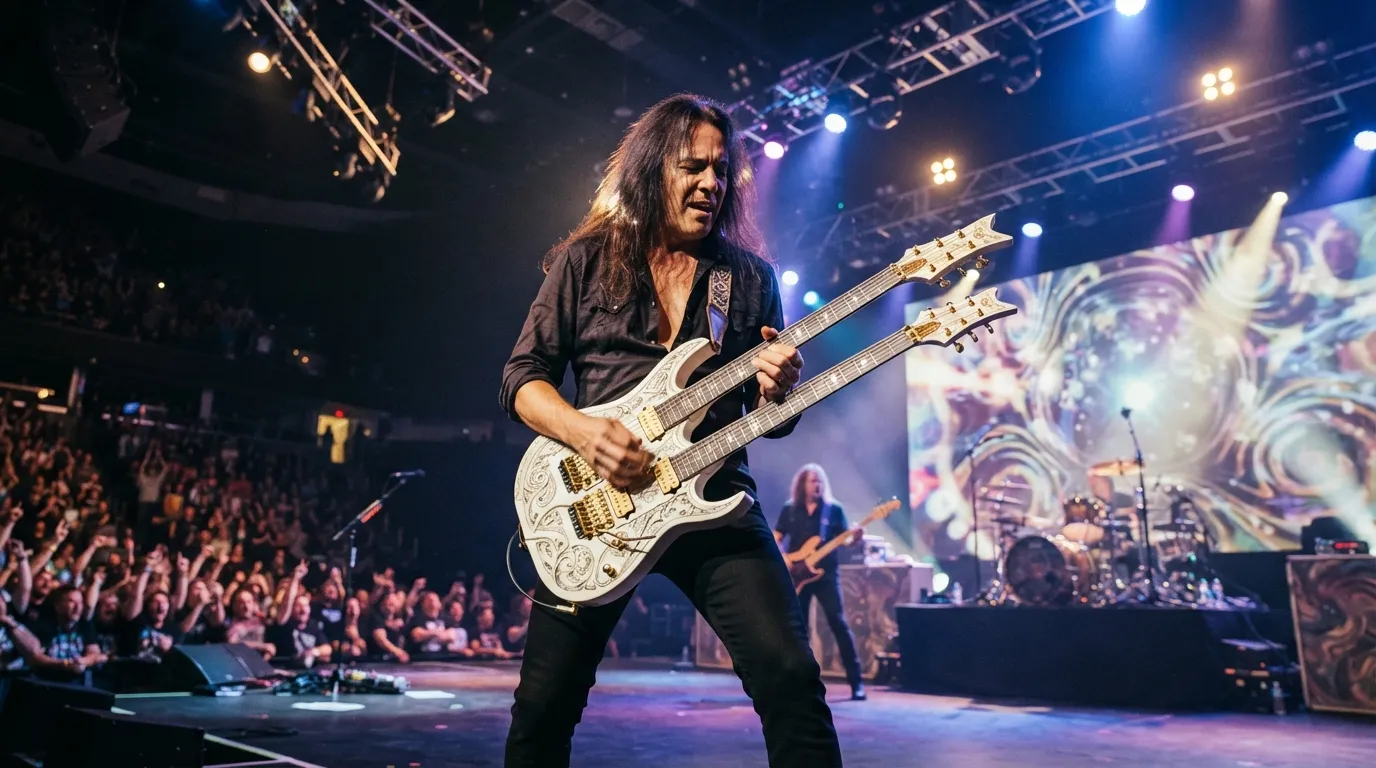
Steve Vai left David Lee Roth’s band and Whitesnake for a full solo career. His albums like Passion and Warfare achieved strong sales and awards. Vai’s technical and compositional approach defined his output.
Solo releases outsold many band-associated projects and earned Grammy recognition. He toured extensively under his own name. The independence allowed elaborate productions. Vai’s catalog spans rock, instrumental, and experimental styles. Readers can verify chart positions and awards. His path became a model for guitarist-led careers.
Worth Knowing
- Before Roth, Vai played in Frank Zappa’s band.
- He appears on Roth’s Eat ’Em and Smile (1986) and Whitesnake’s Slip of the Tongue (1989).
- Passion and Warfare arrived in 1990 and was certified platinum in the U.S.
- In 1996 he joined Joe Satriani and Eric Johnson on the first G3 tour.