
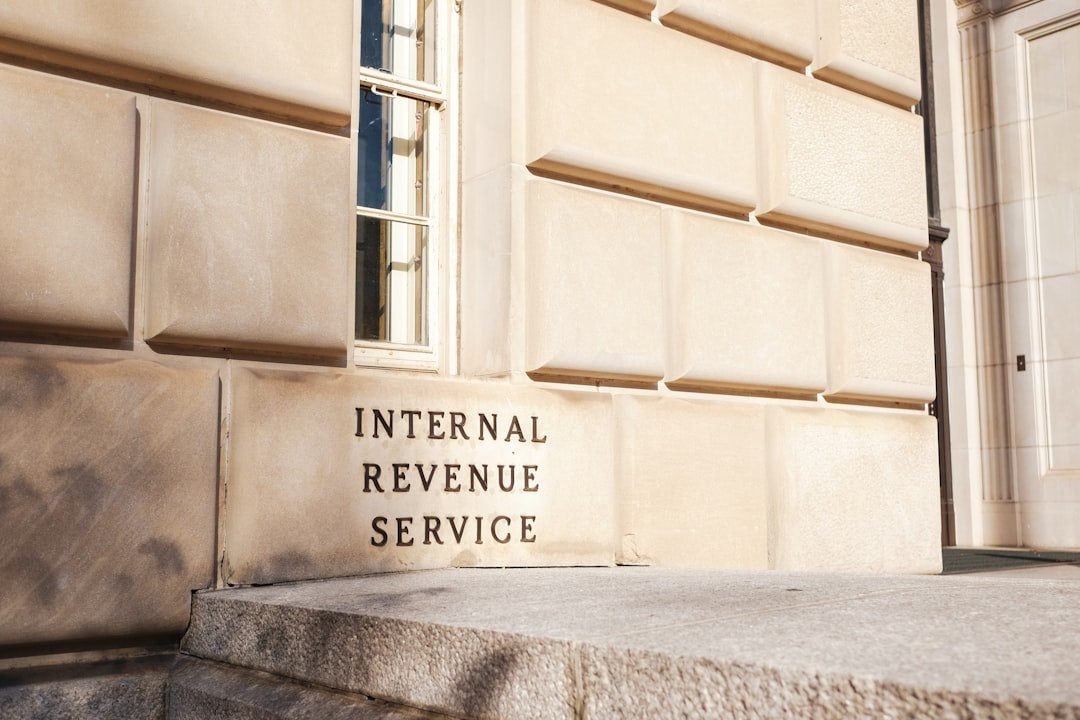
Scammers Craft Messages That Feel Personal (Image Credits: Unsplash)
Cybercriminals have intensified their efforts during the 2026 tax filing period by using acquired personal information to create convincing impersonations of IRS communications aimed at identity theft.[1][2]
Scammers Craft Messages That Feel Personal
Criminals now exploit stolen data from breaches to tailor phishing emails and texts, making them seem authentic to individual recipients. These messages often reference specific details like names or partial account information, heightening their credibility.[1] Victims receive alerts about “pending refunds” or “unusual activity” that prompt clicks on malicious links disguised as official IRS sites.
The IRS emphasizes that such electronic contacts never initiate official requests for sensitive data. Instead, legitimate notifications arrive first by mail, allowing time for review. Scammers skip this step to create urgency, demanding immediate verification of Social Security numbers or bank details.[3]
Common Tactics in Phishing and Smishing Scams
Fake IRS emails promise refunds like “$4,847 pending” or warn of penalties within 24 hours, urging users to act fast. Texts mimic state tax offices, claiming approvals that require identity confirmation via links. These pretexts exploit the stress of tax season.[4]
Phone variants, known as vishing, spoof caller IDs and threaten arrest unless payments occur via gift cards or wire transfers. No real IRS agent demands such actions without prior written notice. The goal remains the same: harvest data for fraudulent filings or account takeovers.[3]
- Unsolicited emails or texts with links or attachments.
- Promises of unexpected refunds or credits.
- Threats of immediate legal action or account suspension.
- Requests for personal details like SSNs or bank info.
- Unusual payment methods, such as cryptocurrency or prepaid cards.
- Sender domains slightly altered from irs.gov.
From Click to Identity Theft: The Fraud Pipeline
Once victims enter information on phishing sites, scammers gain access to file bogus tax returns using the stolen identities. They claim refunds deposited into their accounts, blocking legitimate filers. This stolen identity refund fraud disrupts lives and triggers IRS audits for victims.[2]
Personal data fuels further crimes, from opening credit lines to selling details on dark web markets. Early filing becomes crucial, as proactive scammers beat taxpayers to the punch. The IRS notes heightened risks from data breaches feeding these schemes.[1]
| Real IRS Contact | Fake Scam Contact |
|---|---|
| Mailed letter first | Email, text, or unsolicited call |
| Published phone numbers | Spoofed IDs demanding info |
| Time to respond/appeal | Urgent threats, no questions |
Essential Defenses for Taxpayers
Taxpayers should verify all IRS interactions by typing irs.gov directly into browsers, never clicking message links. Enable multi-factor authentication on accounts and request an Identity Protection PIN to block unauthorized filings.[3] Forward suspicious texts to 7726 and report emails to phishing@irs.gov.
File returns early after receiving W-2s, and monitor transcripts via official portals. Freeze credit reports if data exposure is suspected, and consult only e-file providers with PTINs. These steps thwart most attempts at the source.[4]
Key Takeaways
- The IRS never requests personal info via email or text – delete and report immediately.
- Use stolen data awareness: personalized messages are a bigger red flag, not less.
- Act first by filing early and securing an IP PIN for unbreakable protection.
Tax season 2026 underscores vigilance as the primary shield against evolving digital threats. Stay proactive to safeguard your financial future. What steps will you take this year? Tell us in the comments.