

- 10 Facts About the Making of “We Are the World” - March 16, 2026
- 12 Historical Figures Who Achieved Greatness Against All Odds - March 16, 2026
- 12 Popular Novels Inspired by Real Historical Figures You Need to Read - March 16, 2026
Whitney Houston – I Will Always Love You (Originally by Dolly Parton)
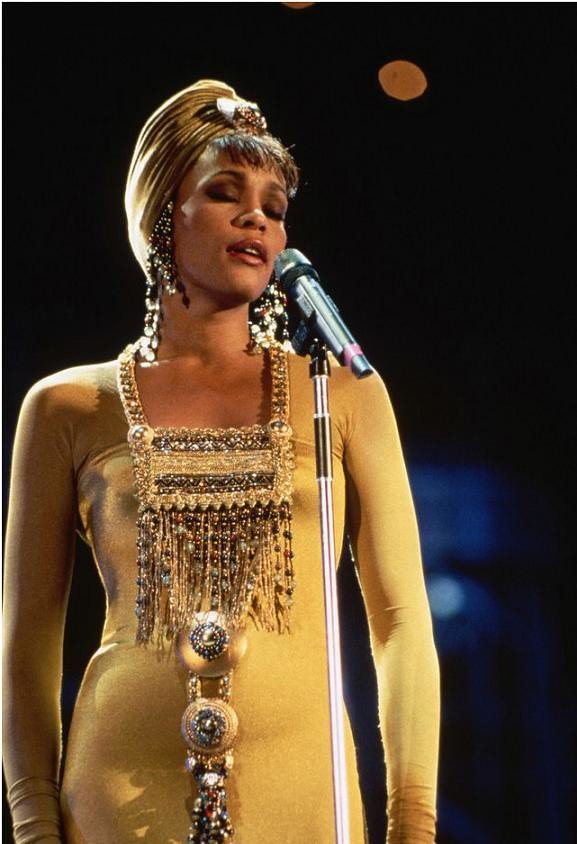
Few songs have eclipsed their original versions as dramatically as Whitney Houston’s rendition of I Will Always Love You. While Dolly Parton’s 1974 country ballad touched hearts, Houston’s 1992 powerhouse version for The Bodyguard soundtrack broke records worldwide. It spent 14 weeks at No. 1 on the Billboard Hot 100 and sold over 20 million copies globally. The emotional depth and vocal range Houston brought to the track turned it into a universal anthem of love and heartbreak, far outshining the original’s commercial and cultural reach.
Aretha Franklin – Respect (Originally by Otis Redding)
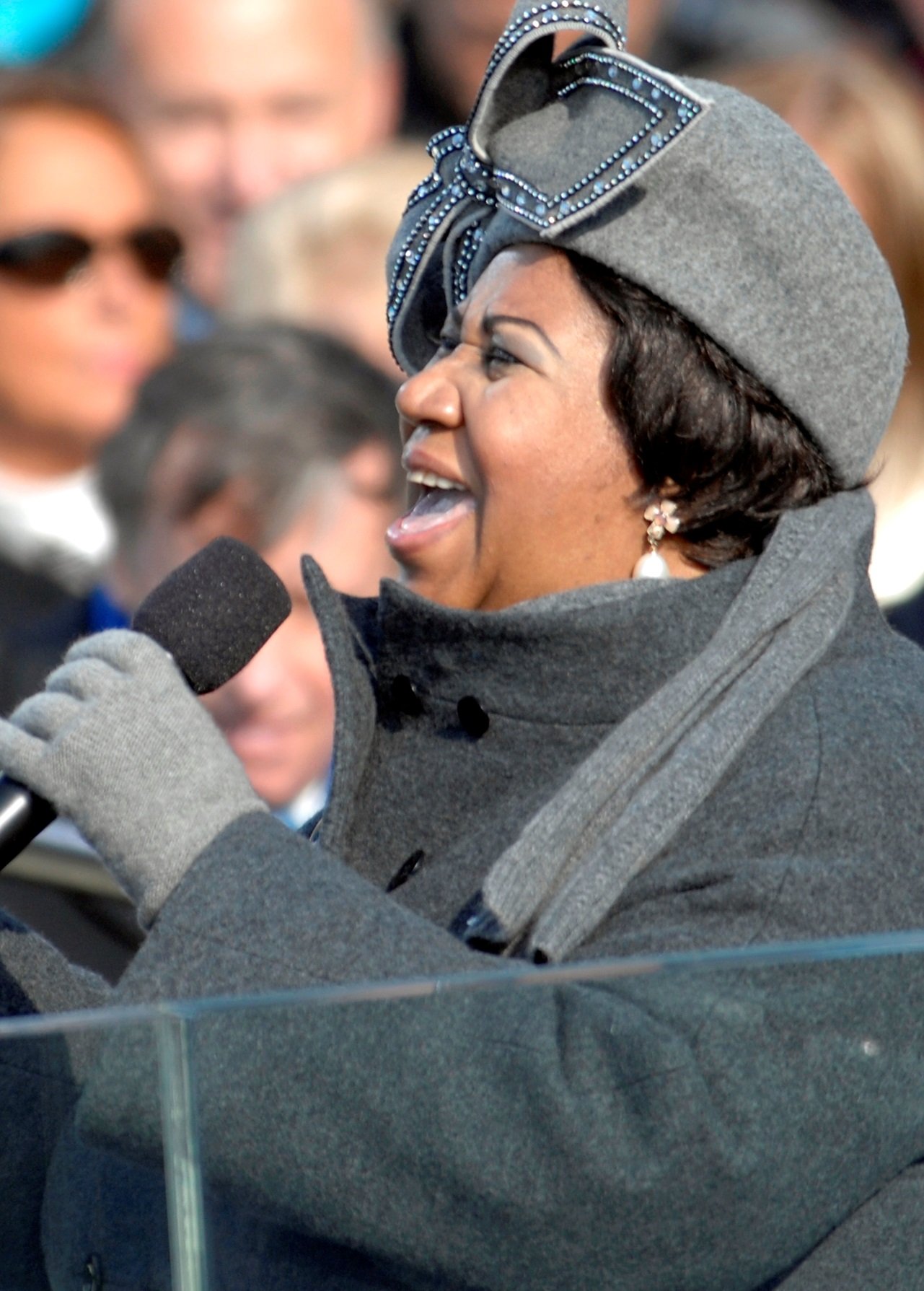
Otis Redding’s 1965 original was a plea from a man to his partner, but when Aretha Franklin reimagined Respect in 1967, it became a bold demand for equality and empowerment. Her version hit No. 1 on the charts and became a defining anthem of the civil rights and feminist movements. Aretha’s cover is now so iconic that many listeners don’t realize it wasn’t hers first, and it’s been included in countless “greatest songs of all time” lists by outlets like Rolling Stone.
Jimi Hendrix – All Along the Watchtower (Originally by Bob Dylan)

Bob Dylan wrote and recorded All Along the Watchtower in 1967, but Jimi Hendrix’s fiery, psychedelic cover in 1968 transformed the track into a rock classic. Hendrix’s version climbed higher on the charts and has been recognized by Dylan himself as the definitive take. According to music historians, the guitar work and inventive production made it a staple of classic rock radio, and Rolling Stone has repeatedly ranked Hendrix’s version among the best songs ever recorded.
Johnny Cash – Hurt (Originally by Nine Inch Nails)
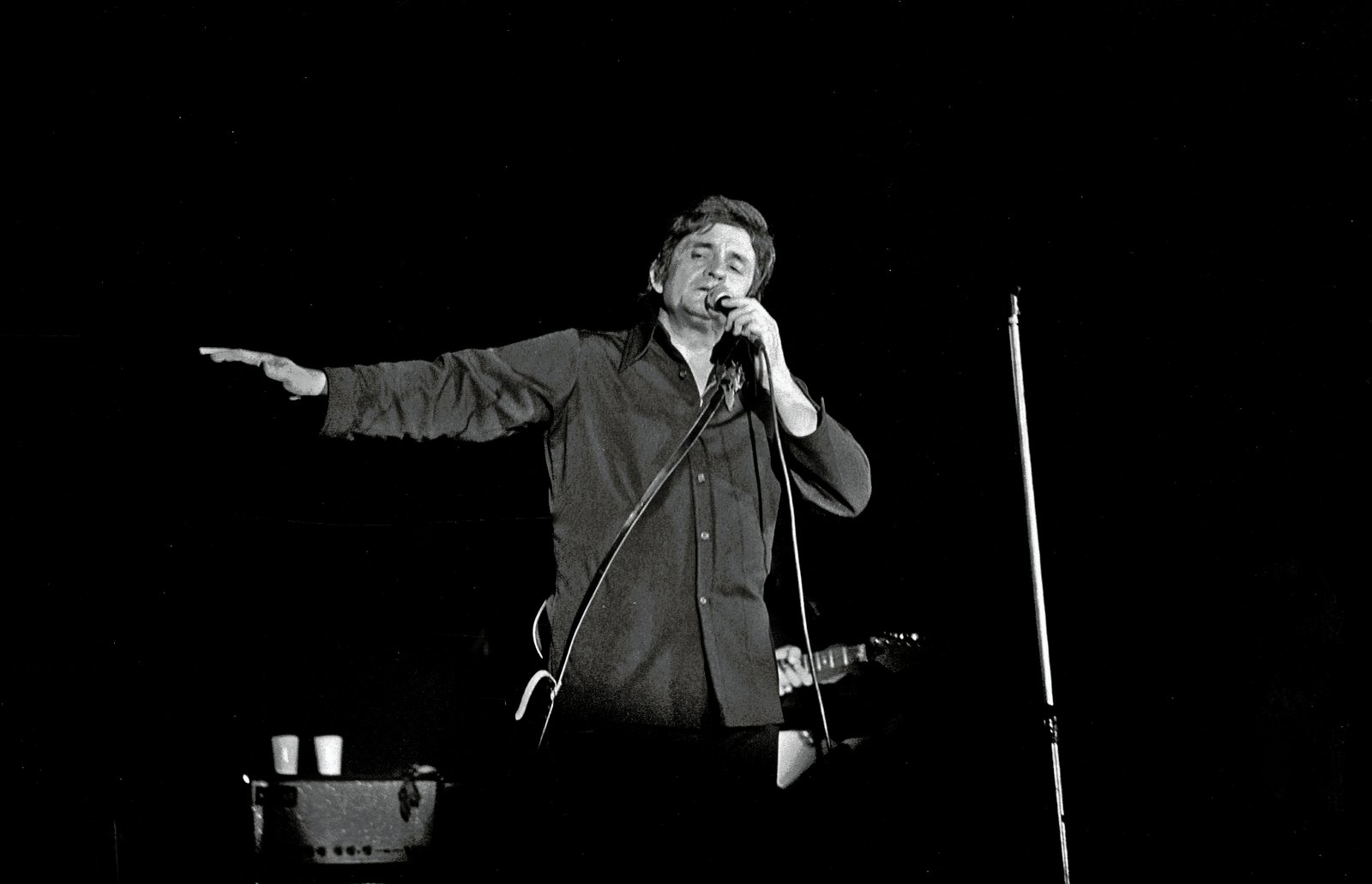
Nine Inch Nails released Hurt in 1994 as a dark, industrial ballad. But when Johnny Cash covered it in 2002, just months before his death, he infused the song with a raw vulnerability that stunned even Trent Reznor, the original songwriter. Cash’s version was lauded by critics, earned a Grammy nomination, and its music video won Best Cinematography at the MTV Video Music Awards. The haunting cover has since become one of the most powerful swan songs in music history.
Jeff Buckley – Hallelujah (Originally by Leonard Cohen)
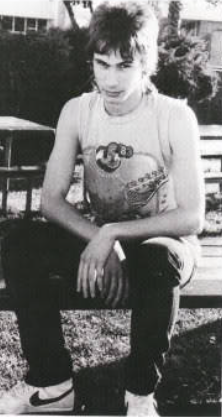
subscription required
zoom, Public domain, https://commons.wikimedia.org/w/index.php?curid=152973193)
Leonard Cohen’s Hallelujah, released in 1984, was initially overlooked. Jeff Buckley’s 1994 cover, however, slowly grew in popularity and has become the most celebrated rendition. Buckley’s version has been streamed over 300 million times on Spotify and brought a haunting, ethereal quality that resonates with new generations. Today, it’s the version most often performed and referenced in pop culture.
Nirvana – The Man Who Sold the World (Originally by David Bowie)
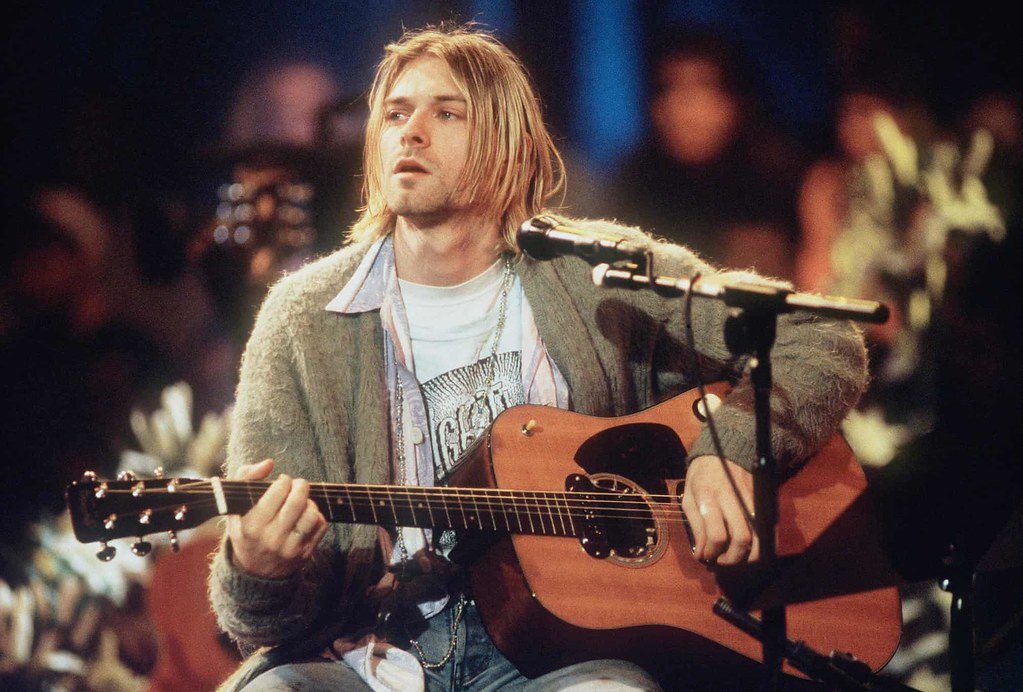
David Bowie’s The Man Who Sold the World, released in 1970, was never a major hit. When Nirvana performed it on MTV Unplugged in 1993, they introduced the song to a whole new audience. Kurt Cobain’s fragile vocals and acoustic arrangement gave it a poignant twist, leading to a posthumous surge in Bowie’s song streams. Nirvana’s version remains one of the most beloved tracks from their legendary Unplugged set.
Sinead O’Connor – Nothing Compares 2 U (Originally by The Family/Prince)
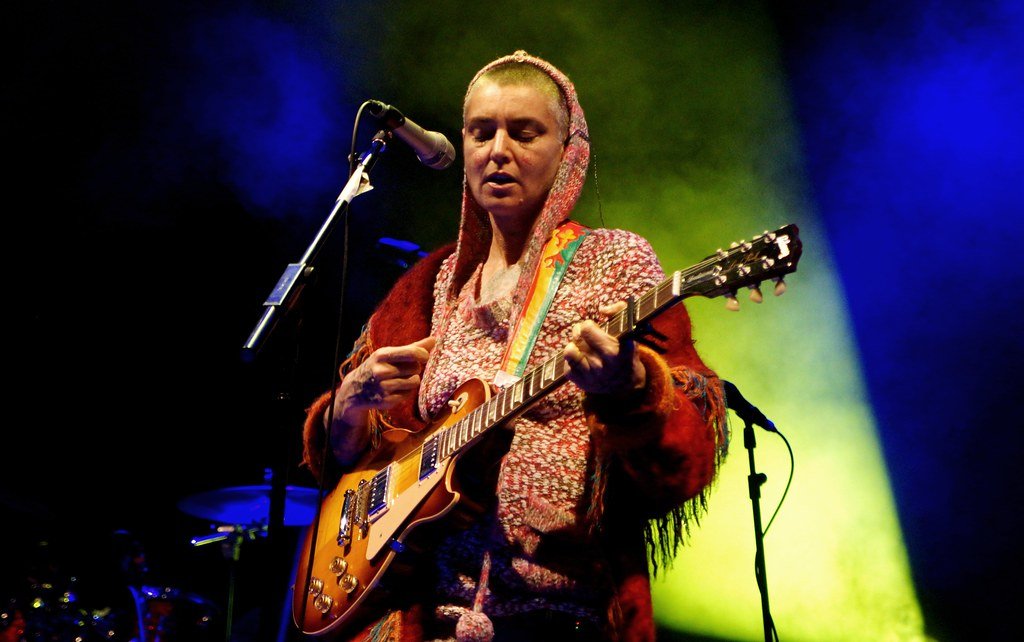
Prince wrote Nothing Compares 2 U for his side project The Family in 1985, but it barely made a ripple. In 1990, Sinead O’Connor’s emotional, tear-streaked rendition became a worldwide sensation, topping charts in over 20 countries. The video’s close-up shot of O’Connor’s face became iconic, and the track still appears on best ballad lists, with over 300 million YouTube views as of 2024.
Joe Cocker – With a Little Help from My Friends (Originally by The Beatles)
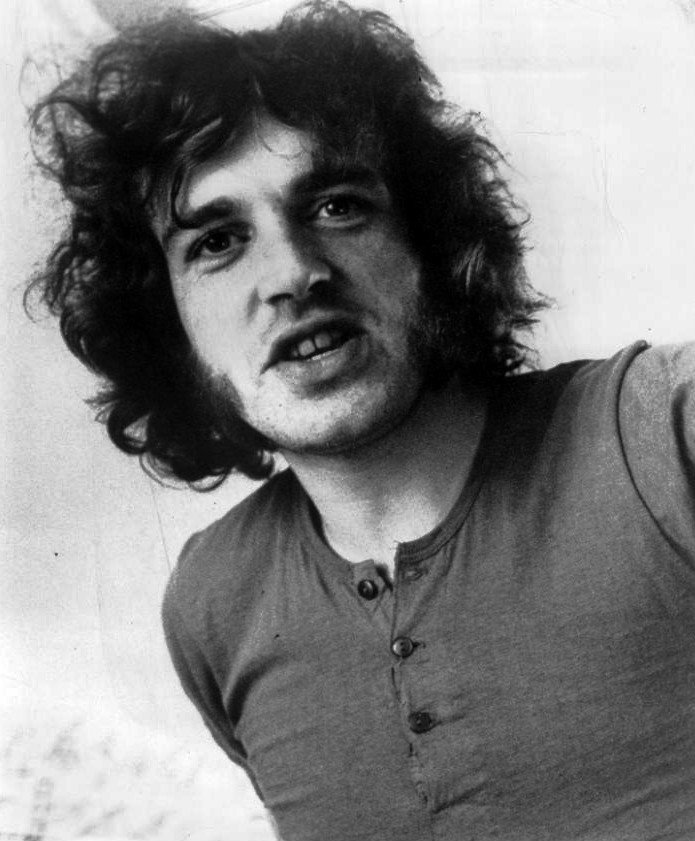
photo front
photo back, Public domain, https://commons.wikimedia.org/w/index.php?curid=17011388)
The Beatles’ original is a light, cheery tune, but Joe Cocker’s 1968 cover turned With a Little Help from My Friends into a soulful, bluesy anthem. Cocker’s version reached No. 1 in the UK and was famously used as the theme for The Wonder Years TV show. Paul McCartney and Ringo Starr have both praised Cocker’s interpretation as definitive, and it’s considered one of the greatest cover songs ever.
Soft Cell – Tainted Love (Originally by Gloria Jones)

Gloria Jones released Tainted Love in 1964, but it flopped commercially. Nearly two decades later, Soft Cell’s synth-driven 1981 cover became a worldwide hit, reaching No. 1 in the UK and top 10 in the US. The infectious new wave sound brought the song to dance floors and radio stations globally. To this day, most listeners associate Tainted Love with Soft Cell rather than its soulful predecessor.
The Fugees – Killing Me Softly (Originally by Roberta Flack/Lori Lieberman)
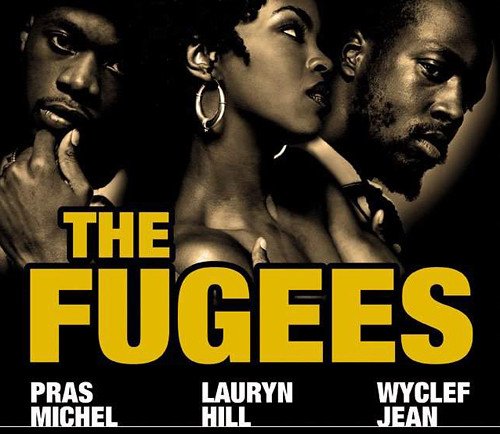
Lori Lieberman first recorded Killing Me Softly in 1971, but Roberta Flack’s 1973 version made it a classic. The Fugees’ 1996 hip-hop-infused cover, featuring Lauryn Hill’s unforgettable vocals, took the song to yet another level. It topped charts in over 20 countries, won a Grammy, and brought the track to younger audiences, with more than 500 million streams on Spotify.
Elvis Presley – Hound Dog (Originally by Big Mama Thornton)
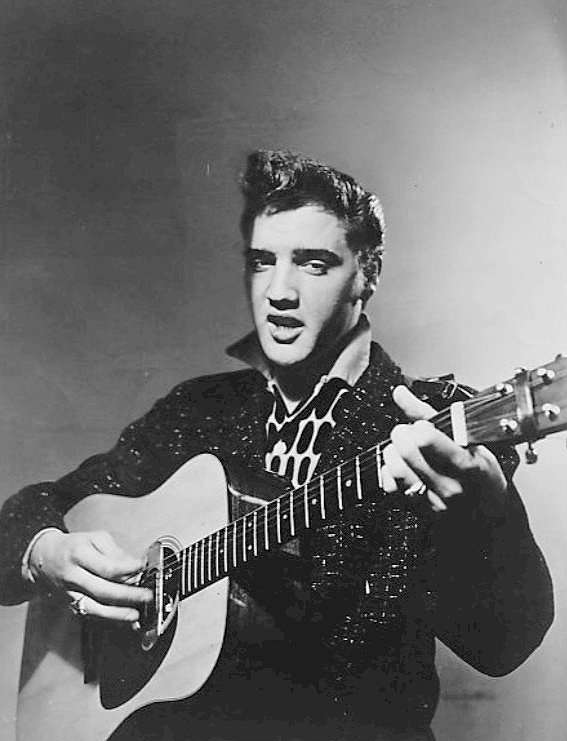
Big Mama Thornton’s original Hound Dog, released in 1952, was a gritty R&B hit. Elvis Presley’s 1956 rock-and-roll cover, however, became a cultural phenomenon, selling over 10 million copies and topping the charts for 11 weeks. Presley’s energetic performance style and mass appeal helped turn Hound Dog into one of the most recognizable rock songs of all time.
Simon & Garfunkel – The Sound of Silence (Originally by Simon solo version)
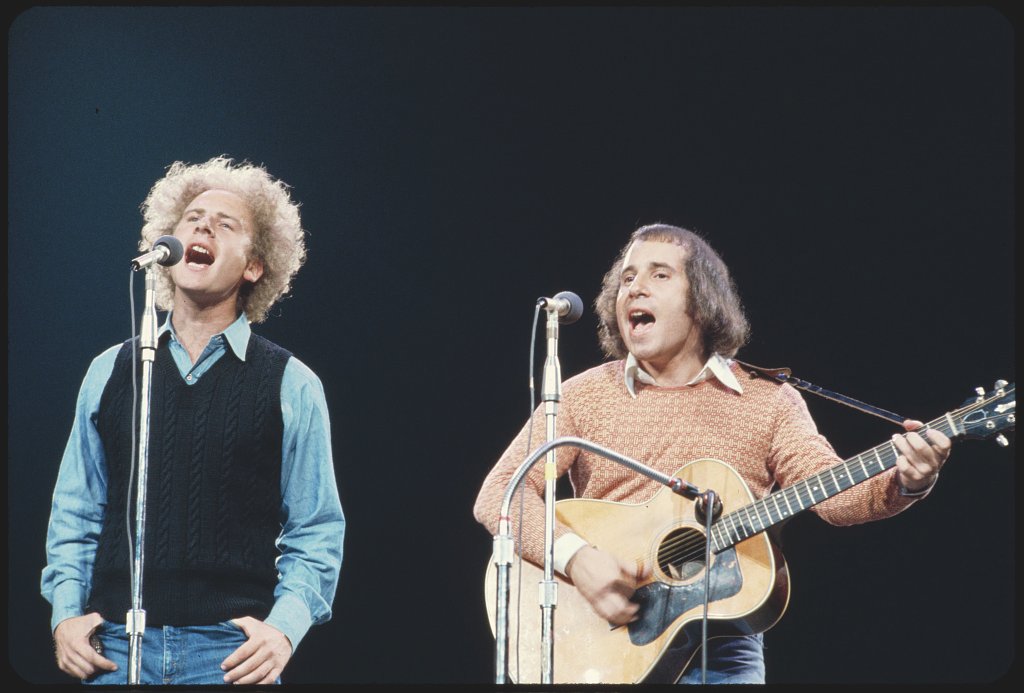
Paul Simon originally recorded The Sound of Silence solo in 1964, but it wasn’t until Simon & Garfunkel’s 1965 electric version that the song gained traction. The reworked track hit No. 1 on the Billboard Hot 100 and became a symbol of the 1960s folk-rock movement. The duo’s harmonies and the song’s polished production made it an enduring classic, far surpassing the original’s reach.
Joan Jett & The Blackhearts – I Love Rock ‘n’ Roll (Originally by The Arrows)

The Arrows first recorded I Love Rock ‘n’ Roll in 1975, but it didn’t catch on. Joan Jett’s 1981 cover turned it into an anthem, spending seven weeks at No. 1 on the Billboard Hot 100. Jett’s punk edge and infectious energy made her version a staple at sports events and parties, with over 200 million streams and countless covers since.
Disturbed – The Sound of Silence (Originally by Simon & Garfunkel)

Simon & Garfunkel’s classic was reimagined in 2015 when metal band Disturbed released a haunting, orchestral cover. Their rendition peaked at No. 42 on the Billboard Hot 100 and amassed over 900 million YouTube views. Critics praised the powerful vocals and dramatic arrangement, bringing the song to a new generation and genre of listeners.
Guns N’ Roses – Knockin’ on Heaven’s Door (Originally by Bob Dylan)
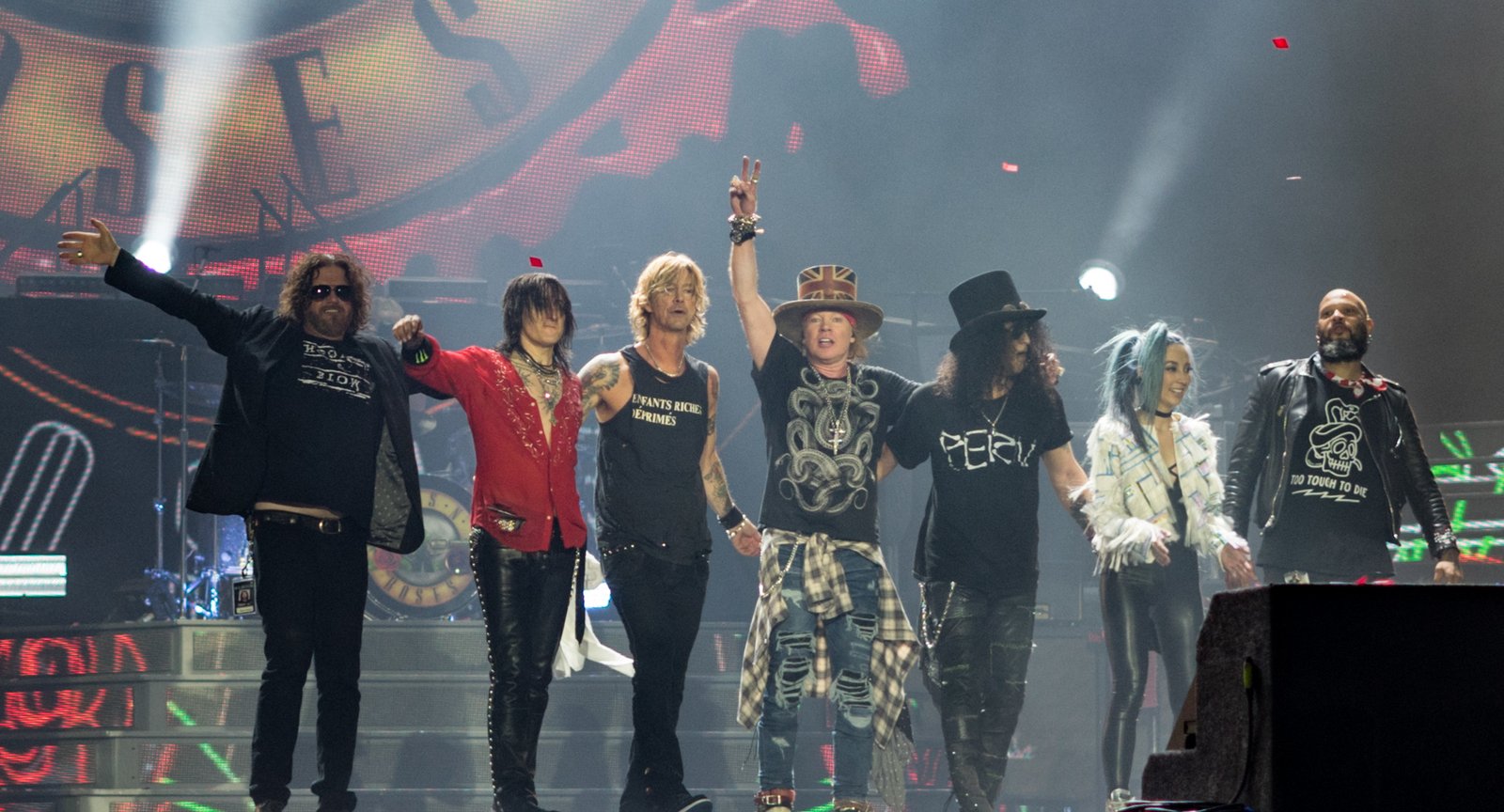
Bob Dylan’s 1973 original Knockin’ on Heaven’s Door is a folk-rock staple, but Guns N’ Roses’ 1991 cover transformed it into a stadium-shaking anthem. Their version has become a live favorite, with millions of digital streams and a regular spot in classic rock playlists. The band’s energetic performance and soaring guitar solos gave the song a fresh, enduring appeal.
Pet Shop Boys – Always On My Mind (Originally by Brenda Lee/Elvis Presley/Willie Nelson)

Always On My Mind has seen many versions, but the Pet Shop Boys’ 1987 synth-pop cover stands out. Originally recorded by Brenda Lee and made famous by Elvis and Willie Nelson, the Pet Shop Boys’ danceable version topped the UK charts and was named the best cover version of all time in a BBC poll. The energetic reimagining brought the song to a new generation of fans.
Red Hot Chili Peppers – Higher Ground (Originally by Stevie Wonder)

Stevie Wonder’s 1973 original was a funky masterpiece, but the Red Hot Chili Peppers’ 1989 rock-funk cover gave Higher Ground a new edge. Their high-octane version reached No. 11 on the Billboard Modern Rock chart and helped propel the band to mainstream success. The cover remains a staple at Chili Peppers concerts, often cited as one of their best recordings.
Michael Andrews & Gary Jules – Mad World (Originally by Tears for Fears)
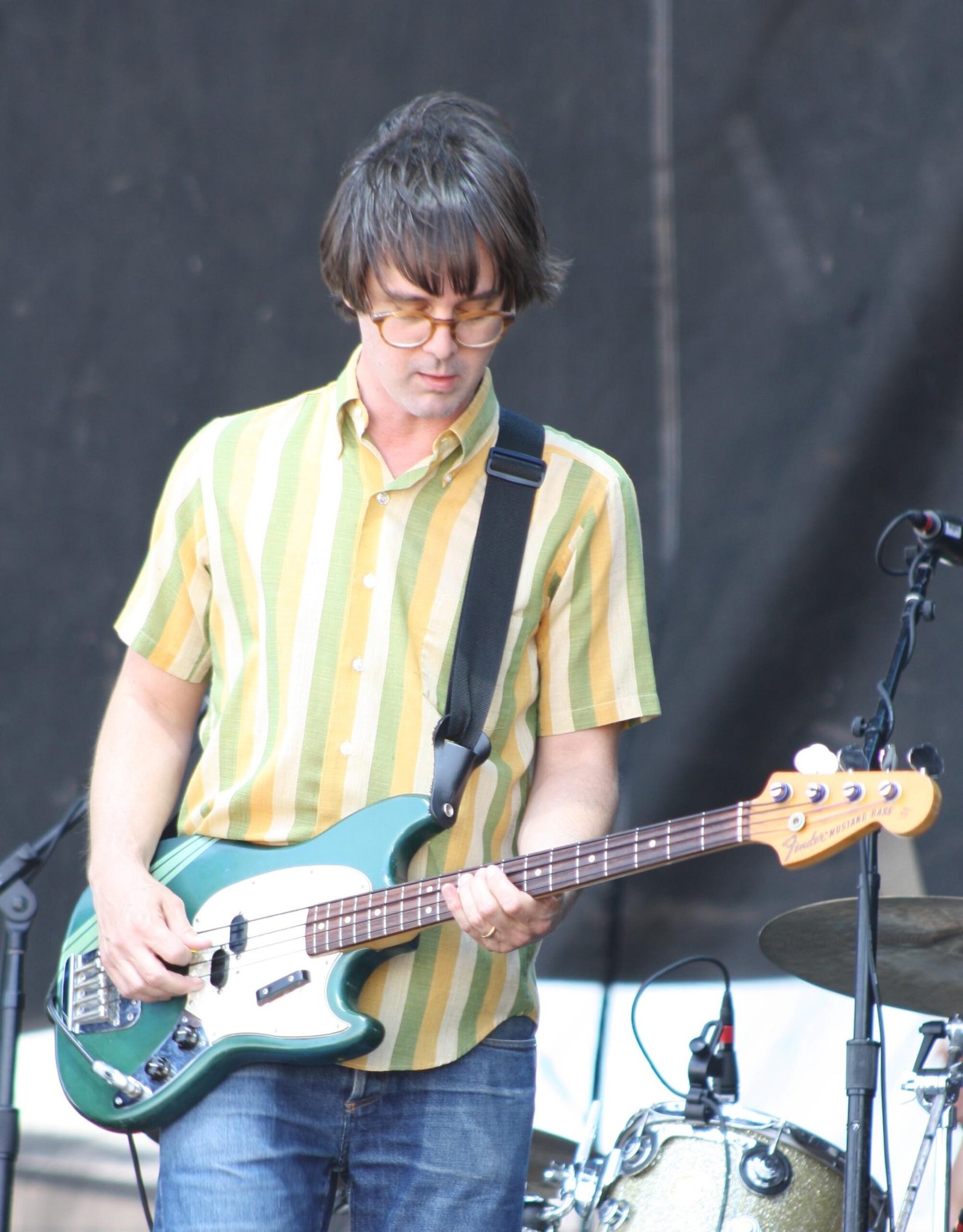
Though Tears for Fears introduced Mad World, it was the somber, minimalist cover by Michael Andrews & Gary Jules in 2001 that gave the song its most famous incarnation. Used in Donnie Darko, it went to No. 1 in the UK and has been streamed hundreds of millions of times. The emotional weight and simplicity of the cover resonated deeply, especially during the early 2000s wave of introspective pop.
Mark Ronson feat. Amy Winehouse – Valerie (Originally by The Zutons)

The Zutons’ original Valerie was a modest UK hit in 2006, but Mark Ronson and Amy Winehouse’s 2007 soulful cover turned it into a modern classic. Winehouse’s unmistakable vocals and Ronson’s retro production helped the song reach top 10 status in multiple countries. Valerie has become one of the most performed songs at weddings and parties and has been streamed over 400 million times on Spotify.
Janis Joplin – Me and Bobby McGee (Originally by Roger Miller/Kris Kristofferson)
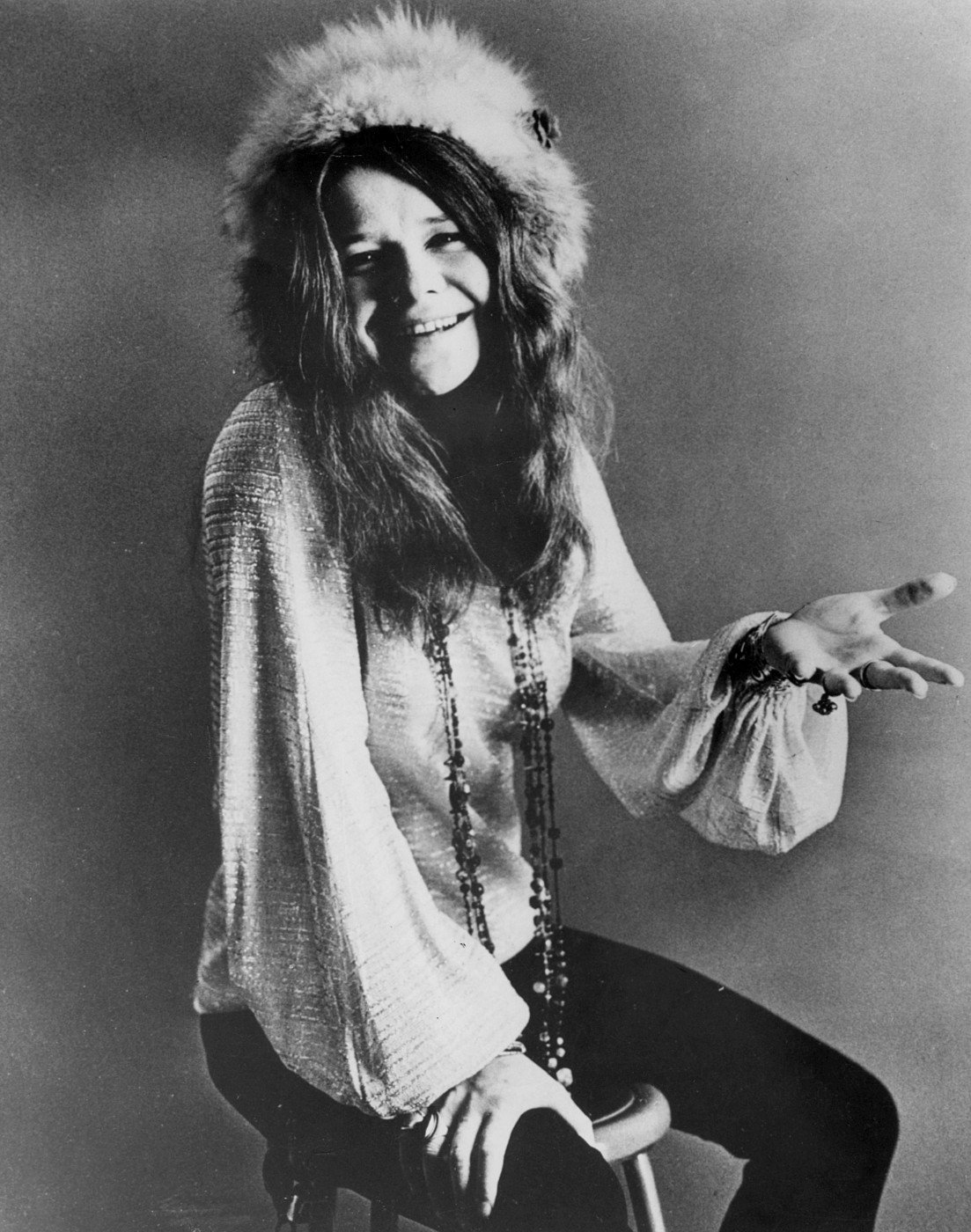
photo front
photo back, Public domain, https://commons.wikimedia.org/w/index.php?curid=21497927)
Me and Bobby McGee was written by Kris Kristofferson and first recorded by Roger Miller, but it was Janis Joplin’s 1971 cover that immortalized the song. Released posthumously, Joplin’s raw, soulful performance took the song to No. 1 on the Billboard Hot 100. Kristofferson himself admitted that Joplin’s version overshadowed his own, and it’s widely considered one of the greatest covers ever recorded.
End.

Besides founding Festivaltopia, Luca is the co founder of trib, an art and fashion collectiv you find on several regional events and online. Also he is part of the management board at HORiZONTE, a group travel provider in Germany.
