Graffiti Writing Movement (1970s NYC)

The Graffiti Writing Movement exploded onto the scene in the Bronx, New York City, during the gritty days of the 1970s. This was not just scribbling on walls—it was youth asserting their voices in a city battered by poverty and neglect. Tagging and throw-ups, the hallmarks of this era, transformed blank subway cars and tenement walls into living canvases. TAKI 183, a messenger who left his tag everywhere, became a cult figure almost overnight. Phase 2 and Lady Pink added new dimensions, with Lady Pink breaking barriers as one of the few female pioneers. What began as an act of rebellion soon gained recognition as an authentic art form. By the end of the decade, graffiti had started shaping the aesthetics of global street culture, inspiring books, documentaries, and even museum exhibits.
Wildstyle Movement

Wildstyle was a game-changer for graffiti artists, introducing dense, complex lettering interlocked with arrows, loops, and hidden messages. This movement demanded not just creativity but technical mastery; only the boldest artists dared to attempt it. Kase 2, known as the “King of Style,” and Cope2 pushed the limits, turning city walls into intricate puzzles that only insiders could decipher. Wildstyle’s influence extended beyond the streets, inspiring the development of urban design, digital fonts, and even elements in video games. Its presence in art galleries marked a new era, where what was once dismissed as vandalism was now celebrated as avant-garde. This evolution helped graffiti gain legitimacy, and today, elements of Wildstyle are seen in everything from album covers to fashion.
The Peace Wall Murals (Northern Ireland)

Amid the violence and tension of The Troubles, the dividing walls in Belfast and Derry were transformed into massive canvases for muralists. The Peace Wall Murals expressed the pain, hope, and identity of communities caught in conflict. Each mural told a story—sometimes of grief, other times of resilience or peace. Artists took great risks, knowing their work could be controversial or even dangerous. Over the years, these murals have become iconic, drawing tourists from around the globe who want to witness living history. They serve as a powerful reminder that art can be both weapon and balm, fostering dialogue in places where words often fail. The murals remain a testament to the enduring power of public art in shaping memory and identity.
Hip-Hop Movement

The Hip-Hop Movement, born in the Bronx, united four pillars: MCing, DJing, B-boying, and graffiti. Graffiti, as one of these pillars, became the movement’s visual language, turning subway trains and city walls into stages for self-expression. The sense of community was palpable—crews formed, rivalries flared, and legendary battles were fought not just with words but with paint. Hip-hop’s global spread ensured graffiti’s influence reached every continent, morphing with local cultures and spawning new styles. Breakdancers would spin on cardboard while artists painted backdrops, creating a vibrant ecosystem. Today, hip-hop’s spirit of innovation continues to inspire emerging street artists, who use spray cans instead of microphones to tell their stories.
Ghost Tags / Street Bombing

Ghost tags and street bombing took the underground nature of graffiti to another level. Artists operated quickly, often in the dead of night, aiming for maximum visibility and minimum recognition. The goal was ubiquity—seeing the same tag on every lamppost, mailbox, or train car. This form of graffiti was about presence and defiance, with anonymity serving as both shield and badge of honor. As technology advanced, artists used social media to document their hit-and-run masterpieces, creating digital legacies as ephemeral as the tags themselves. The adrenaline rush and risk involved made street bombing legendary in graffiti circles. Despite legal crackdowns, this movement remains a celebrated—and controversial—aspect of urban life.
Situationist International (1957–1972)

Situationist International was less about paint and more about philosophy, yet its fingerprints are all over modern street art. This avant-garde group critiqued the numbing effects of consumer society, calling on people to reclaim their cities through creative acts. They saw urban space as a playground for radical ideas, using détournement—flipping familiar images to upend meaning. Their theories inspired future legends like Banksy and Blek le Rat, who turned public spaces into stages for social critique. The Situationists’ insistence on participatory, anti-commercial art still resonates, as artists challenge viewers to question their environments. Their legacy is alive every time a mural or stencil makes us pause and reflect on the world around us.
Berlin Wall Graffiti Movement

When the Berlin Wall rose, it divided not just a city but an entire world. Over time, it became a canvas for artists to express hope, anger, and dreams of freedom. Figures like Thierry Noir and Keith Haring braved the watchful eyes of guards to paint bold, colorful statements on the concrete. The art on the wall became a visual diary of resistance, recording the emotional highs and lows of a city in turmoil. After the wall fell in 1989, the remaining fragments adorned with graffiti became relics of a hard-won unity. Today, people travel from all corners of the globe to see these remnants, proof that art can outlast even the most imposing barriers.
Stencil Art Movement

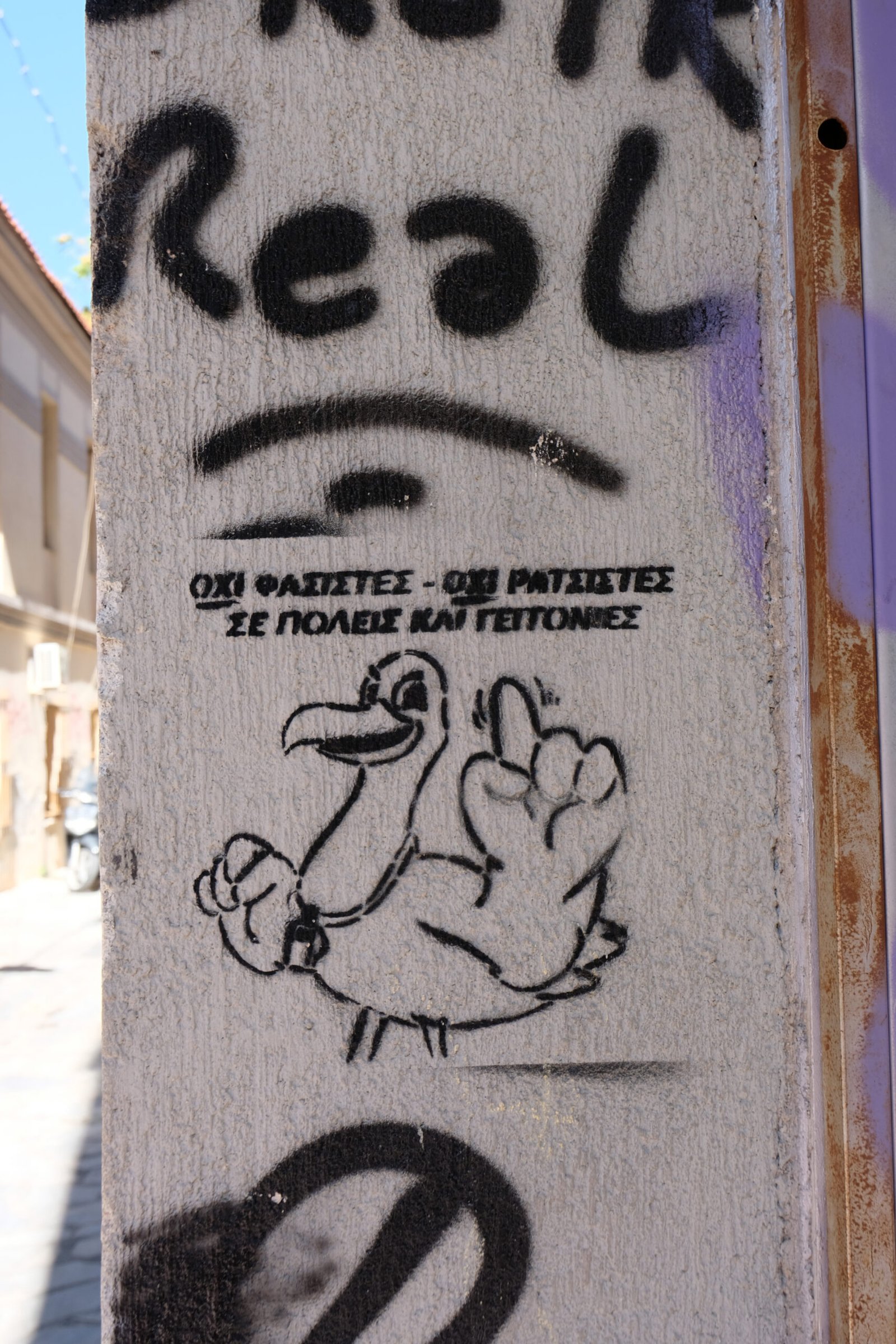
Stencil art revolutionized street expression by making it fast, repeatable, and razor-sharp in message. Artists like Blek le Rat in France and Banksy in the UK used this method to craft iconic images—rats, policemen, little girls with balloons—that could appear overnight. The ease of reproduction meant that political messages and satire could spread quickly, often before authorities could react. Stencils allowed for a unique blend of anonymity and signature style, making it possible for artists to build worldwide reputations while staying in the shadows. As the movement grew, stencil art became a popular tool for activists, allowing them to comment on everything from war to consumerism. Its accessibility has made it a favorite for new generations of street artists.
Culture Jamming

Culture jamming turns the weapons of advertising and mass media against themselves. Groups like Adbusters and the Billboard Liberation Front have been at the forefront, hacking billboards and commercials to expose corporate manipulation. Their work is equal parts humor and critique—imagine a fast-food ad replaced with a message about obesity, or a luxury car billboard subverted to question materialism. In the digital era, memes and viral campaigns have given culture jammers new tools to reach wider audiences. The movement thrives on surprise, catching viewers off guard and forcing them to confront uncomfortable truths. Culture jamming has become a vital part of the street art landscape, blurring the line between art and activism.
Guerrilla Art Movement

Guerrilla art is all about surprise and disruption. Artists execute unsanctioned projects—sometimes sculptures, sometimes installations—that pop up overnight in parks, plazas, or on the sides of buildings. Nothing is off-limits: a tree can be wrapped in fabric, a sidewalk transformed into a board game, a bus stop turned into a mini-museum. The philosophy is deeply anti-institutional, inviting passersby to participate, question, or simply enjoy. Guerrilla art often uses humor to make serious points, poking fun at bureaucracy or inviting reflection on social issues. This movement is a testament to art’s ability to reclaim public space and spark spontaneous connections among strangers.