


There is a kind of wisdom that doesn’t come from books or classrooms. It comes from thousands of years of watching the sky, listening to rivers, and understanding that every living thing is connected to every other. There is so much that modern people can learn from the kinship worldview and philosophy of Native American peoples, yet this different way of seeing and being in the world is rarely taught or taken seriously in modern schooling.
Despite the suffering brought by centuries of colonization and the destruction of numerous indigenous cultures, their wisdom survived in the form of traditional sayings and proverbs. These testimonies of ancient cultures have been passed down from generation to generation and give us a unique insight into their profound philosophy and way of life, which still holds important teachings for all of humanity today. What follows is a collection of fifteen quotes that have genuinely stopped me in my tracks. Let’s dive in.
1. “Humankind Has Not Woven the Web of Life. We Are But One Thread Within It.” – Chief Seattle, Duwamish

Few ideas have aged as powerfully as this one. Chief Seattle of the Duwamish said that humankind has not woven the web of life, that we are but one thread within it, and that whatever we do to the web, we do to ourselves, for all things are bound together and all things connect. It sounds almost too simple. Until you really sit with it.
Think about it this way: pulling a single thread out of a sweater doesn’t just create a hole. It unravels everything around it. That is precisely the point. Native American proverbs offer a clear view into a kinship based way of seeing the world, reflecting a worldview where humans, animals, plants, land, and spirit are all part of one living family. In a world where ecological systems are collapsing at an alarming pace, this message feels less like poetry and more like an urgent warning.
2. “Seek Wisdom, Not Knowledge. Knowledge Is of the Past; Wisdom Is of the Future.” – Lumbee

Here is a distinction that most of us were never taught. Knowledge, in this framing, is about accumulation. Facts, data, history. Wisdom is something else entirely. It is the capacity to act rightly in the present, with the future in mind. This Lumbee proverb urges: seek wisdom, not knowledge, because knowledge is of the past while wisdom is of the future.
Honestly, this hits different in 2026, when we are drowning in information but arguably starving for wisdom. The Hopi tradition echoes this further: wisdom comes only when you stop looking for it and start living the life the Creator intended for you. It suggests that wisdom isn’t something you chase. It arrives when you stop grasping and start living with intention and humility.
3. “When You Were Born, You Cried and the World Rejoiced. Live Your Life So That When You Die, the World Cries and You Rejoice.” – Traditional
![3. "When You Were Born, You Cried and the World Rejoiced. Live Your Life So That When You Die, the World Cries and You Rejoice." - Traditional (US Fish and Wildlife Service, National Digital Library [1], Public domain)](https://festivaltopia.com/wp-content/uploads/2026/04/1775050409592_1775050404860_elder_native_alaskan_woman_1979_fws.jpeg)
Stop and read that again. Slowly. This teaching asks that when you were born, you cried and the world rejoiced, and invites you to live your life so that when you die, the world cries and you rejoice. It reframes the entire purpose of a human life. Not comfort. Not accumulation. Contribution.
There is something almost unbearably moving about this idea. It asks you to flip the entire script on what a successful life looks like. Life is sacred to Native Americans, but they also know how short it can be, and most wisdom from tribal leaders was about making the most of it with both enjoyment and purpose. That balance of joy and purpose, lived fully and generously, is the heart of this quote.
4. “Don’t Let Yesterday Use Up Too Much of Today.” – Cherokee

The Cherokee offer this deceptively light proverb: don’t let yesterday use up too much of today. At first glance it sounds like a bumper sticker. Look closer, though. It is actually a sophisticated psychological teaching about the cost of rumination and the value of presence. Yesterday is gone. Feeding it your energy today is a trade you will always lose.
Modern psychology has spent decades trying to convince people of this same truth with clinical frameworks and cognitive techniques. The Cherokee distilled it into a single sentence. There is a kind of elegance in that compression. These proverbs are not abstract ideas. They come from close observation of nature, seasons, and relationships built over generations of living in place. That is what gives them such staying power.
5. “Treat the Earth Well: It Was Not Given to You by Your Parents, It Was Loaned to You by Your Children.” – Native American Proverb

This one genuinely rearranges something in your brain. This proverb states: treat the Earth well, for it was not given to you by your parents, it was loaned to you by your children. The logic is almost startlingly modern. It is the language of stewardship, of generational accountability. It echoes what environmental scientists are still struggling to make governments understand today.
The Iroquois Confederacy, among others, held a principle of considering the impact of decisions on the next seven generations. This thinking is captured in the profound idea: “In our every deliberation, we must consider the impact of our decisions on the next seven generations.” Imagine how different infrastructure projects, energy policy, or agricultural practices would look if decision makers genuinely operated that way. The mind boggles.
6. “There Is No Death, Only a Change of Worlds.” – Duwamish

The Duwamish say there is no death, only a change of worlds, while the Blackfeet echo that life is not separate from death and it only looks that way. These are not consoling platitudes. They represent a fundamentally different cosmological framework, one in which continuity is the default, not the exception.
In most Western traditions, death is a wall. In many Indigenous traditions, it is more like a door. The Lakota regarded the Earth itself as a sacred source of energy, and the Earth enclosed in its bosom all the dead ancestors, making it the element in which transmission took place. The idea that the deceased remain present, active, and accessible through the land completely transforms how one might relate to both the living and the dead.
7. “Listen, or Your Tongue Will Make You Deaf.” – Traditional
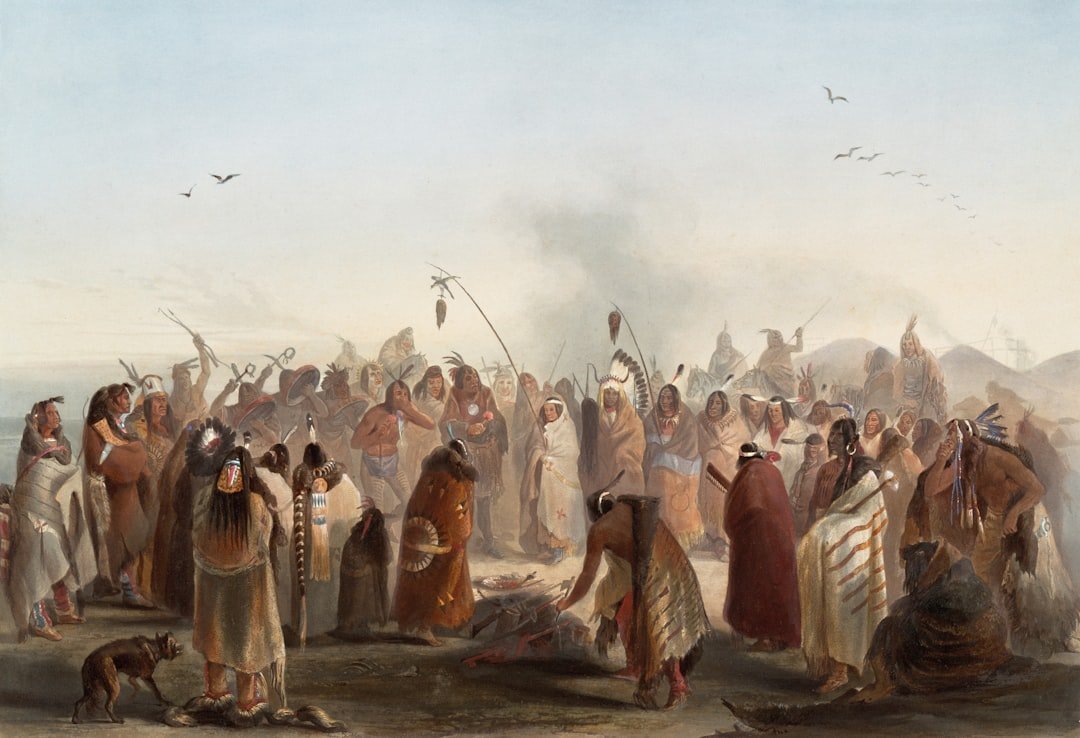
Punchy. Brilliant. Merciless. This traditional proverb warns simply: listen, or your tongue will make you deaf. It is one of those lines that stings a little, especially if you have ever been the loudest person in a room who somehow heard the least. True listening requires stillness. Stillness requires ego to step aside.
Among the Lakota, a pause giving time for thought was the truly courteous way to begin and conduct a conversation. Silence was meaningful, and granting a space of silence to a speaker before responding was done in the practice of true politeness, guided by the rule that thought comes before speech. Compare that to modern social media, where the fastest, loudest, most reactive voice typically wins the most attention. The contrast is almost painful.
8. “It Doesn’t Take Many Words to Tell the Truth.” – Chief Joseph, Nez Perce

Chief Joseph of the Nez Perce observed simply: it doesn’t take many words to tell the truth. This is a man who watched his people suffer enormous injustice, who led one of the most remarkable military retreats in American history, and who eventually surrendered with words of heartbreaking dignity. He knew what it meant to distill enormous grief into simple, clear language.
There is a lesson here for every institution, politician, and public figure who hides behind walls of complicated language. Complexity is often a disguise. Truth is usually simple. N. Scott Momaday, the renowned Kiowa-Cherokee author and poet, wrote that words were medicine and magic, invisible, coming from nothing into sound and meaning, beyond price, neither bought nor sold. Words, in the Indigenous tradition, carry genuine power. They are not to be squandered on noise.
9. “Man Has Responsibility, Not Power.” – Tuscarora

The Tuscarora offer a striking reframe of authority: man has responsibility, not power. This flips the entire Western idea of leadership on its head. Where many cultures have historically defined authority as the right to take, control, or dominate, this tradition defines it as the obligation to care, protect, and serve.
The Mohawk distilled this further with the idea that a good chief gives, he does not take. Think about what governance, business leadership, or even parenting would look like if that framing were truly internalized. Responsibility before power. Giving before taking. It sounds radical only because we have drifted so far from it.
10. “Take Only What You Need and Leave the Land as You Found It.” – Arapaho

The Arapaho teach plainly: take only what you need and leave the land as you found it. Meanwhile, another traditional saying holds that it takes a thousand voices to tell a single story. The first of these two is, I think, among the most radical ideas circulating in quiet form today. In an age of overconsumption, fast fashion, and disposable culture, it is almost a revolutionary act.
What makes this teaching particularly powerful is its practicality. It does not ask for sacrifice or suffering. It simply asks for restraint. Kinship is the thread running through many of these sayings, with responsibility, respect, and reciprocity emphasized over ownership or extraction. Restraint rooted in love for the land and those who will come after. That changes the whole emotional texture of conservation, doesn’t it?
11. “When You Are in Doubt, Be Still, and Wait.” – Chief White Eagle, Ponca

Chief White Eagle of the Ponca counseled: when you are in doubt, be still, and wait. When doubt no longer exists for you, go forward with courage. So long as mists envelop you, be still until the sunlight pours through and dispels the mists, as it surely will. This is the antithesis of the modern “move fast and break things” mentality.
We live in a culture that pathologizes stillness. Not knowing is treated as weakness. Waiting is treated as passivity. Yet here is ancient wisdom saying: stillness is the ground from which clarity grows. The image of mist giving way to sunlight is not passive at all. It is patient. There is a difference. And patience, as most of us have painfully discovered, is a kind of courage all its own.
12. “All Plants Are Our Brothers and Sisters. They Talk to Us, and If We Listen, We Can Hear Them.” – Arapaho

The Arapaho hold that all plants are our brothers and sisters, that they talk to us, and that if we listen, we can hear them. For a long time, the Western scientific tradition dismissed this kind of thinking as superstition. That is now changing. Research into plant communication through chemical signals and root networks has shown that plants do, in fact, communicate in complex ways.
Many Native American proverbs speak through images of animals, rivers, wind, and fire, and these are not symbols to dominate or control, but relatives to listen to and learn from. The concept of plants as relatives rather than resources is more than spiritual poetry. It describes a relationship of reciprocity that ecologists are only recently starting to articulate in the language of science. Indigenous peoples figured it out long before laboratories existed.
13. “The Law of Man Changes With the Understanding of Man. Only the Laws of the Spirit Always Remain the Same.” – Crow

The Crow make a distinction worth sitting with: the law of man changes with the understanding of man, while only the laws of the spirit always remain the same. Human law is provisional. It reflects the biases, limitations, and politics of its moment. Moral law, spiritual law, the kind rooted in love and interconnection, that never changes.
This feels especially relevant in 2026, when legal systems across the world are being tested, bent, and challenged in real time. What is legal and what is right are not always the same thing, and Indigenous thinkers have understood that gap for centuries. Despite the suffering marked by colonization and the destruction of numerous indigenous cultures, their wisdom survived in the form of traditional sayings and proverbs. That survival is itself a testament to the permanence of spiritual law over the impermanence of human power.
14. “Our First Teacher Is Our Own Heart.” – Cheyenne

The Cheyenne say simply: our first teacher is our own heart. Short. Almost shockingly simple. Completely transformative if you actually take it seriously. In a world where we outsource guidance to apps, algorithms, influencers, and institutions, this tradition insists that the most important classroom is inside you.
This is not a call to selfishness or individualism. The heart, in Indigenous cosmology, is not a seat of ego. It is a seat of connection. Traditional wisdom urges: listen to the wind, for it whispers; listen to the silence, for it speaks; listen to your heart, for it is full of wisdom. That layering of wind, silence, and heart as intertwined sources of truth is a worldview in miniature. Beautiful, and I think deeply correct.
15. “In the Beginning of All Things, Wisdom and Knowledge Were With the Animals, for Tirawa, the One Above, Did Not Speak Directly to Man.” – Eagle Chief (Letakos-Lesa), Pawnee

Eagle Chief, Letakos-Lesa of the Pawnee, taught that in the beginning of all things, wisdom and knowledge were with the animals, for Tirawa, the One Above, did not speak directly to man. He sent certain animals to tell men that he showed himself through the beast, and that from them, and from the stars and the sun and moon, should man learn. All things tell of Tirawa. This is a cosmology of humility. Humanity is not at the top. It is in the middle, learning.
That reversal of the typical human-centric worldview is both humbling and liberating. The Nez Perce observed that every animal knows more than you do, and the Oglala Sioux taught that to touch the Earth is to have harmony with nature. When you stop assuming you are the most knowing creature in the room, you begin to actually pay attention to everything else. And everything else, it turns out, has been trying to teach you all along.
A Final Reflection: Wisdom That Has Always Been Here
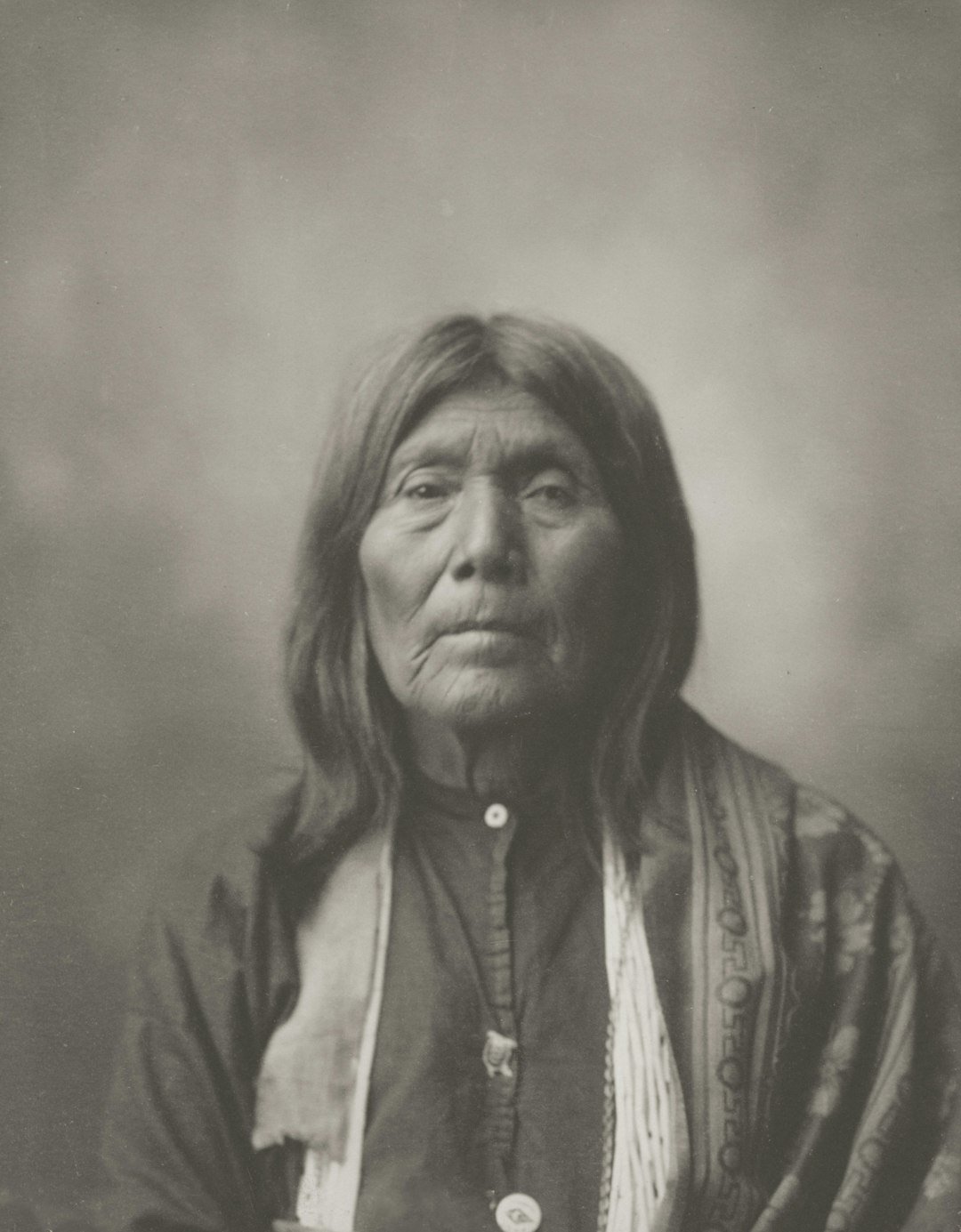
Native American wisdom is profoundly universal. It demonstrates how deeply contemplative yet pragmatic the different cultures are, with respect for people, tribes, and nature woven throughout. These fifteen quotes are not relics of a distant past. They are living teachings, carried forward through oral tradition, through ceremony, through the land itself.
Because these teachings are shared orally, they move naturally from elders to youth, and the repetition is intentional, helping the wisdom settle into memory and daily behavior. That is a profoundly different relationship with knowledge than writing it down and storing it on a shelf. It must be practiced. Embodied. Passed on through living.
Honestly, I think the most radical thing any of us could do right now is slow down enough to actually absorb these ideas. Not just read them and nod. Not just post them with a nice background image. Actually let them change something in how we move through the world. With modern civilization racing toward its own destruction at an ever-increasing pace, it would be wise to consider the traditional wisdom, kinship, and spirituality of ancient indigenous cultures that have survived for thousands of years.
The wisdom was always here. The question is whether we are ready to listen. What would change in your life if you truly believed that everything is connected, that the Earth belongs to your children, and that your heart is your oldest teacher?

Besides founding Festivaltopia, Luca is the co founder of trib, an art and fashion collectiv you find on several regional events and online. Also he is part of the management board at HORiZONTE, a group travel provider in Germany.
