

For any feedback please reach out to info@festivalinside.com
- 10 of The Most Iconic Music Anthems in Rock Music History - March 22, 2026
- 12 Legendary Concerts That Changed Music History Forever - March 22, 2026
- These Forgotten Literary Heroes Shaped the Very Landscape of American Storytelling - March 22, 2026
Ida B. Wells: The Crusader Against Lynching
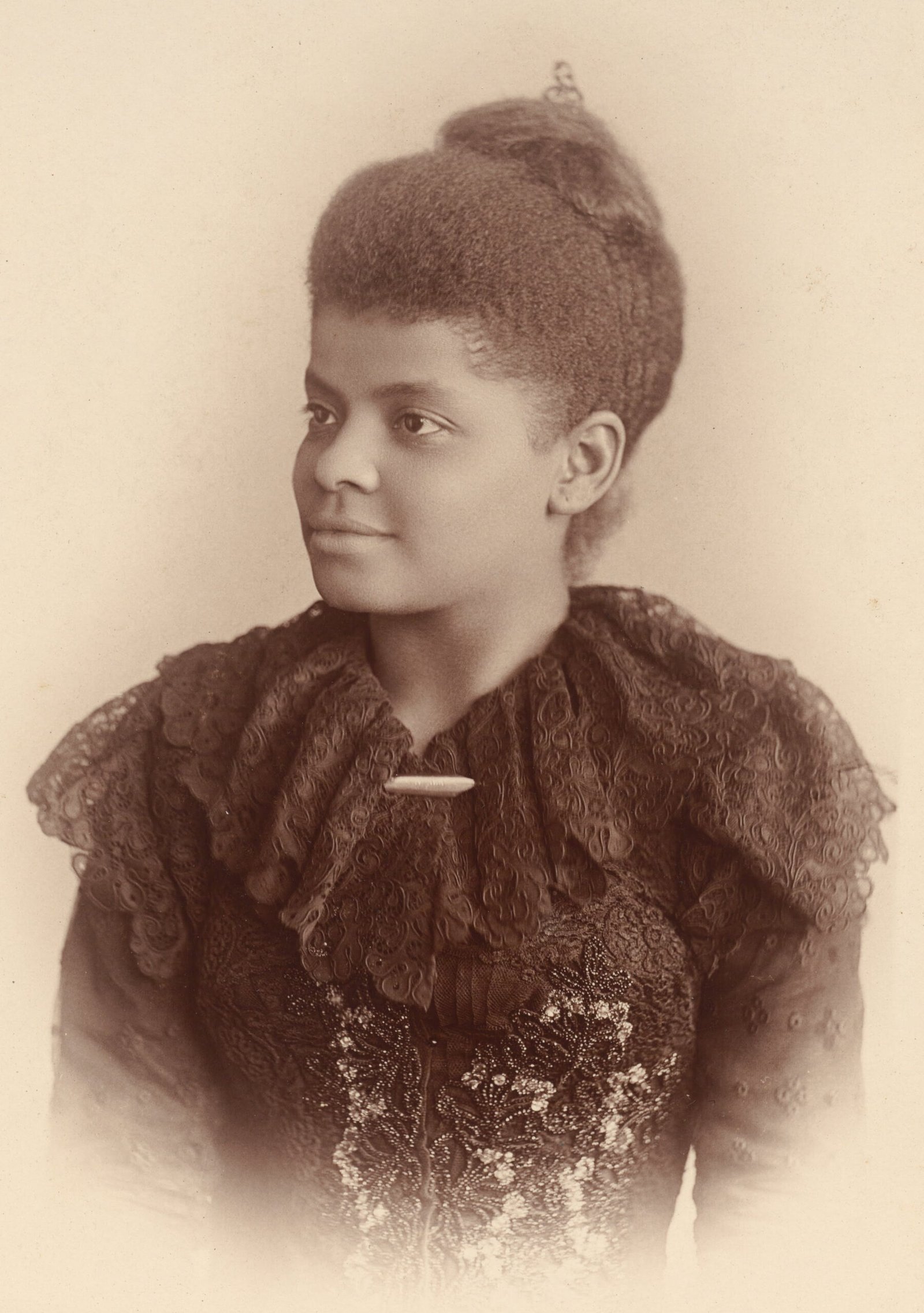
Ida B. Wells was a force of nature in the late 19th and early 20th centuries, wielding her pen as a weapon against the horrors of lynching in America. Born into slavery, she rose to national prominence through her relentless investigative reporting for publications like the Memphis Free Speech. Her groundbreaking exposés in the 1890s revealed the shocking extent of racial violence, directly influencing anti-lynching campaigns and early civil rights activism. Wells meticulously collected data, challenged false narratives, and risked her life to tell the truth. Her work is still cited by scholars, with the Ida B. Wells Society founded in her honor to promote investigative reporting. She showed the world that journalism could be a powerful tool for justice, not just information.
Joseph Pulitzer: The Innovator Who Shaped Modern News
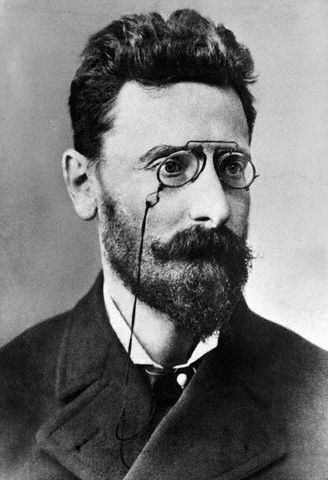
Joseph Pulitzer transformed American newspapers from bland recitations of facts into dynamic sources of storytelling. As publisher of the New York World, he pioneered investigative journalism and sensational reporting that drew in millions of readers. He used headlines, illustrations, and crusading editorials to expose corruption and champion the common citizen, setting the template for the modern tabloid and broadsheet alike. The Pulitzer Prizes, created from his endowment, remain the gold standard for journalistic excellence, recognizing the best in reporting, commentary, and public service. Pulitzer’s influence is seen in every front page that seeks to inform and provoke public debate.
Nellie Bly: The Daredevil Reporter Who Went Undercover
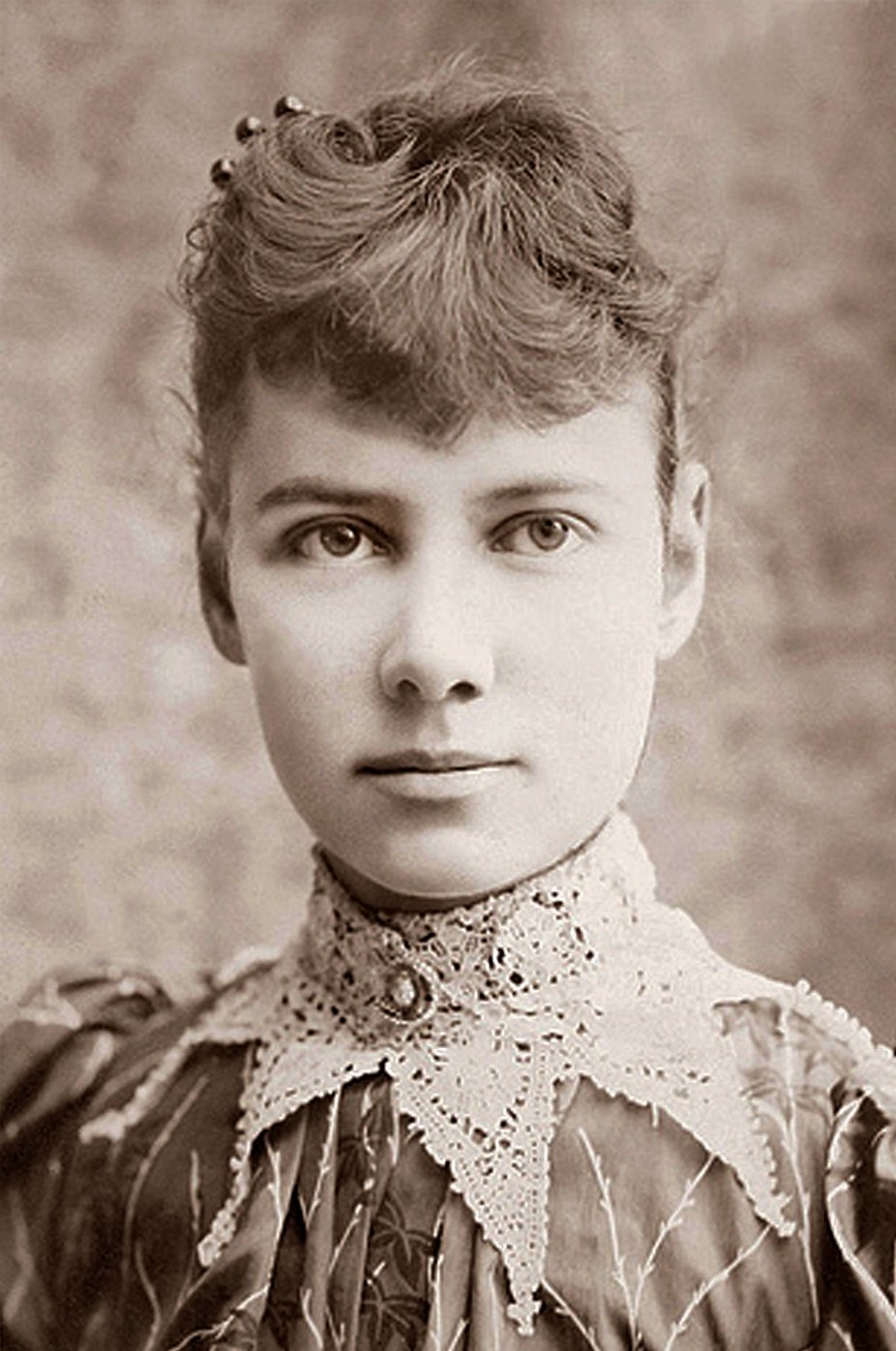
Nellie Bly, born Elizabeth Cochran, shattered conventions by going undercover to expose abuses at Blackwell’s Island asylum in 1887. Her series “Ten Days in a Mad-House” shocked readers and led to real reforms in mental health care. Bly’s fearless approach set a new standard for immersive, investigative reporting. She didn’t just write about events; she lived them, even circling the globe in 72 days to beat Jules Verne’s fictional record. Her legacy is visible anytime a journalist goes undercover to reveal hidden truths or fight for the vulnerable.
Walter Cronkite: The Most Trusted Man in America
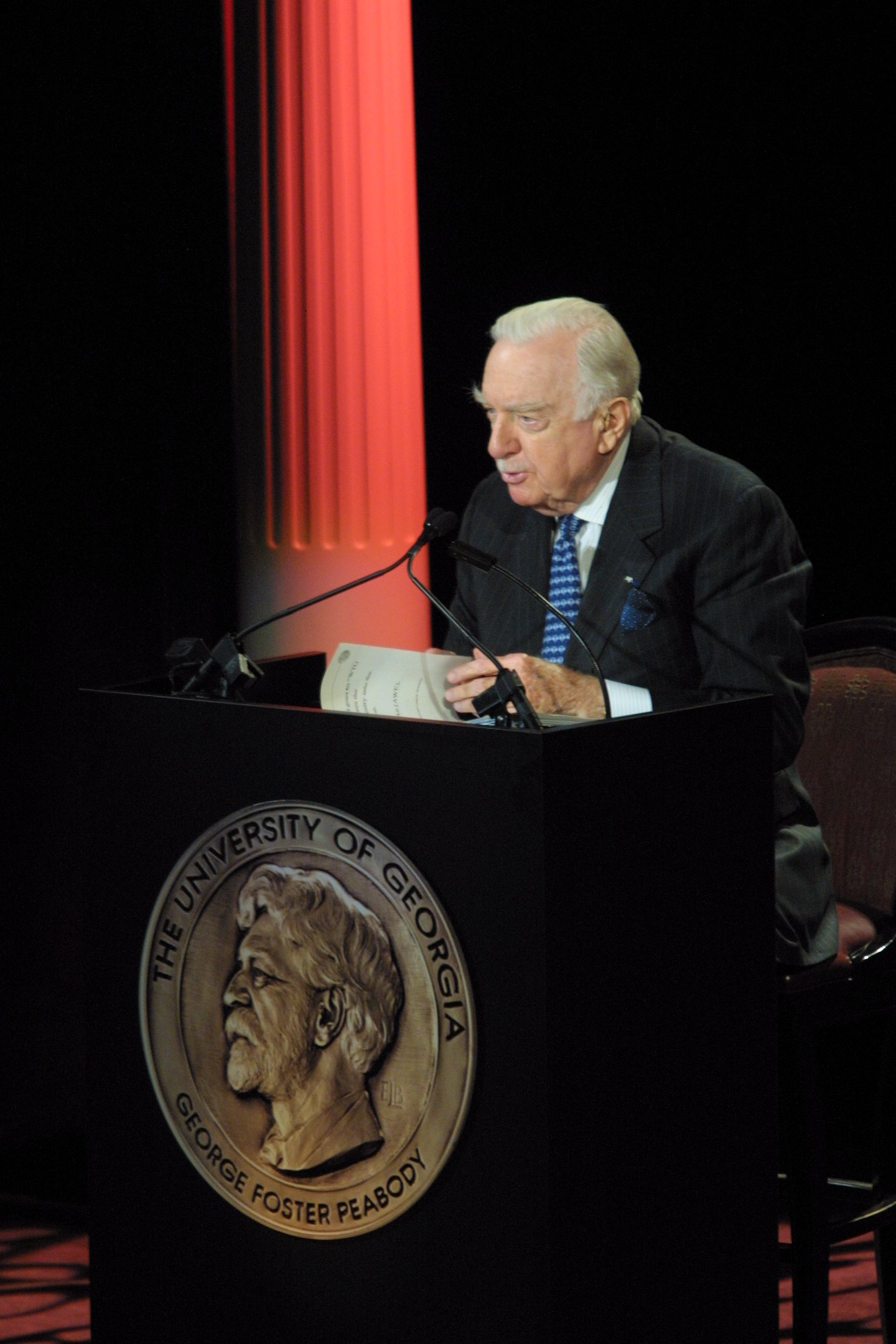
For decades, Walter Cronkite’s calm, steady voice guided Americans through some of the nation’s most turbulent moments, from the assassination of President Kennedy to the moon landing. As anchor of the CBS Evening News, Cronkite earned the trust of millions with his straightforward reporting and signature sign-off. In 1972, his reporting on the Vietnam War famously helped shift public opinion, a testament to the immense power and responsibility of television journalism. To this day, polling data often references Cronkite as the gold standard for journalist credibility in America.
Hunter S. Thompson: The Father of Gonzo Journalism
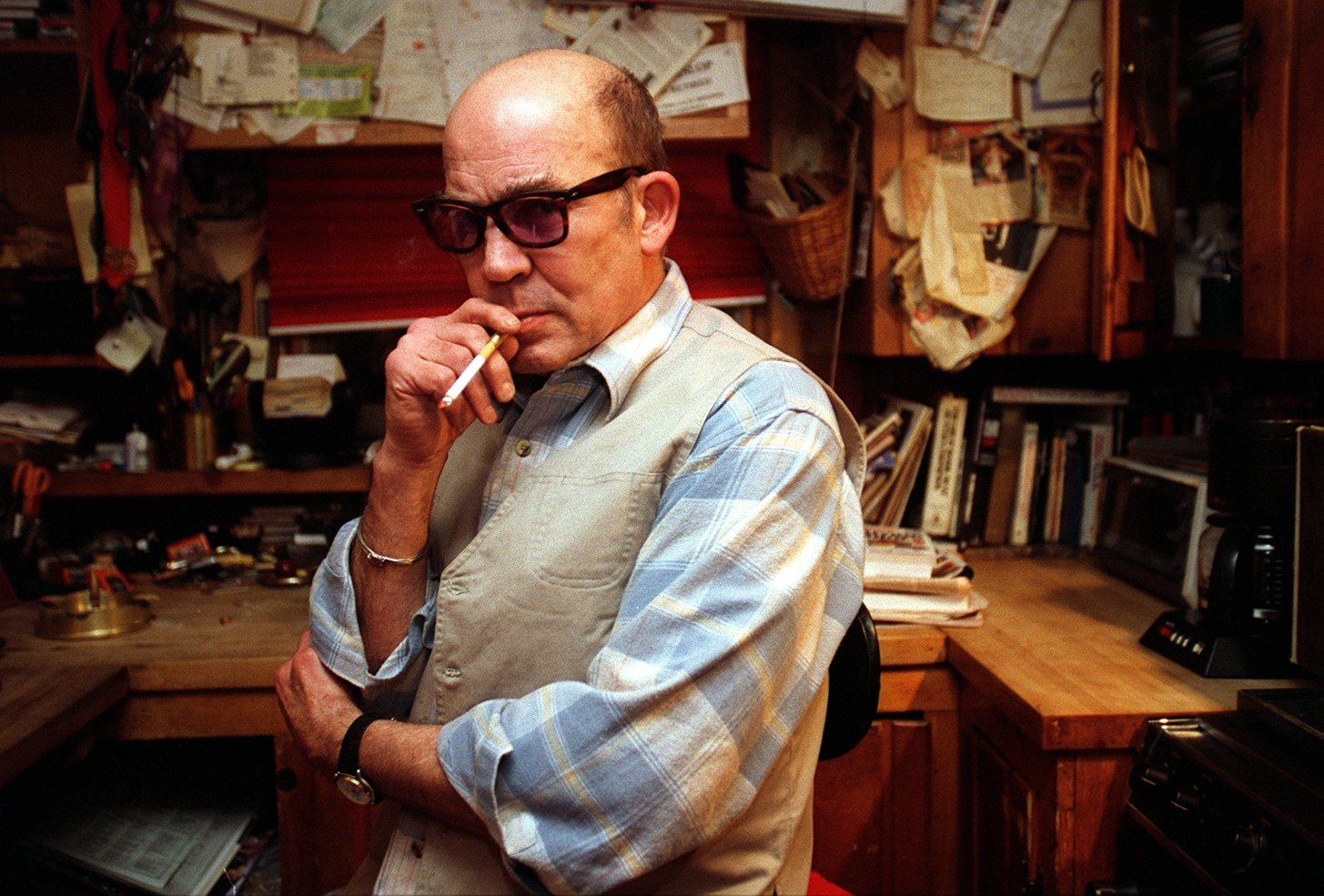
Hunter S. Thompson didn’t just cover the news—he plunged into it headfirst, blurring the lines between reporter and participant. His wild, satirical, and deeply personal style, first seen in “Hell’s Angels” and perfected in “Fear and Loathing in Las Vegas,” created the genre known as Gonzo journalism. Thompson’s writing, often laced with biting social commentary and unfiltered honesty, inspired generations of journalists to break free from traditional objectivity and embrace their own voices. His influence lives on in publications that favor literary flair and radical transparency.
Katharine Graham: The Publisher Who Stood Up to Power
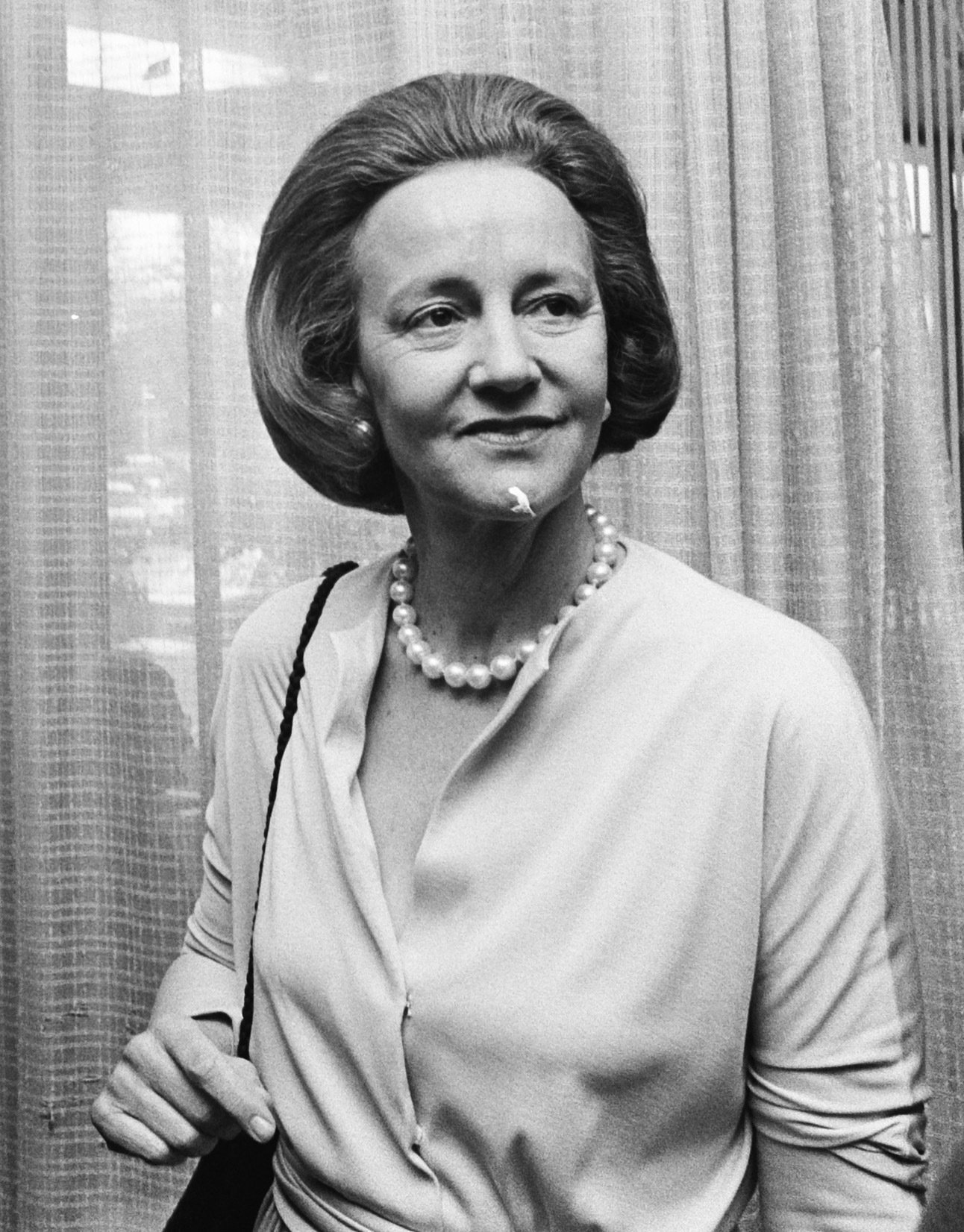
Katharine Graham’s leadership at The Washington Post during the Watergate scandal changed American journalism forever. Under her watch, the Post’s investigative team, led by Woodward and Bernstein, broke the story that led to President Nixon’s resignation. Graham’s courage in the face of government intimidation and legal threats set a precedent for press freedom. Her memoir won the Pulitzer Prize and inspired countless women to pursue leadership roles in media. The newspaper’s unwavering commitment to truth during her tenure remains a model for newsrooms everywhere.
Bob Woodward and Carl Bernstein: The Watergate Duo
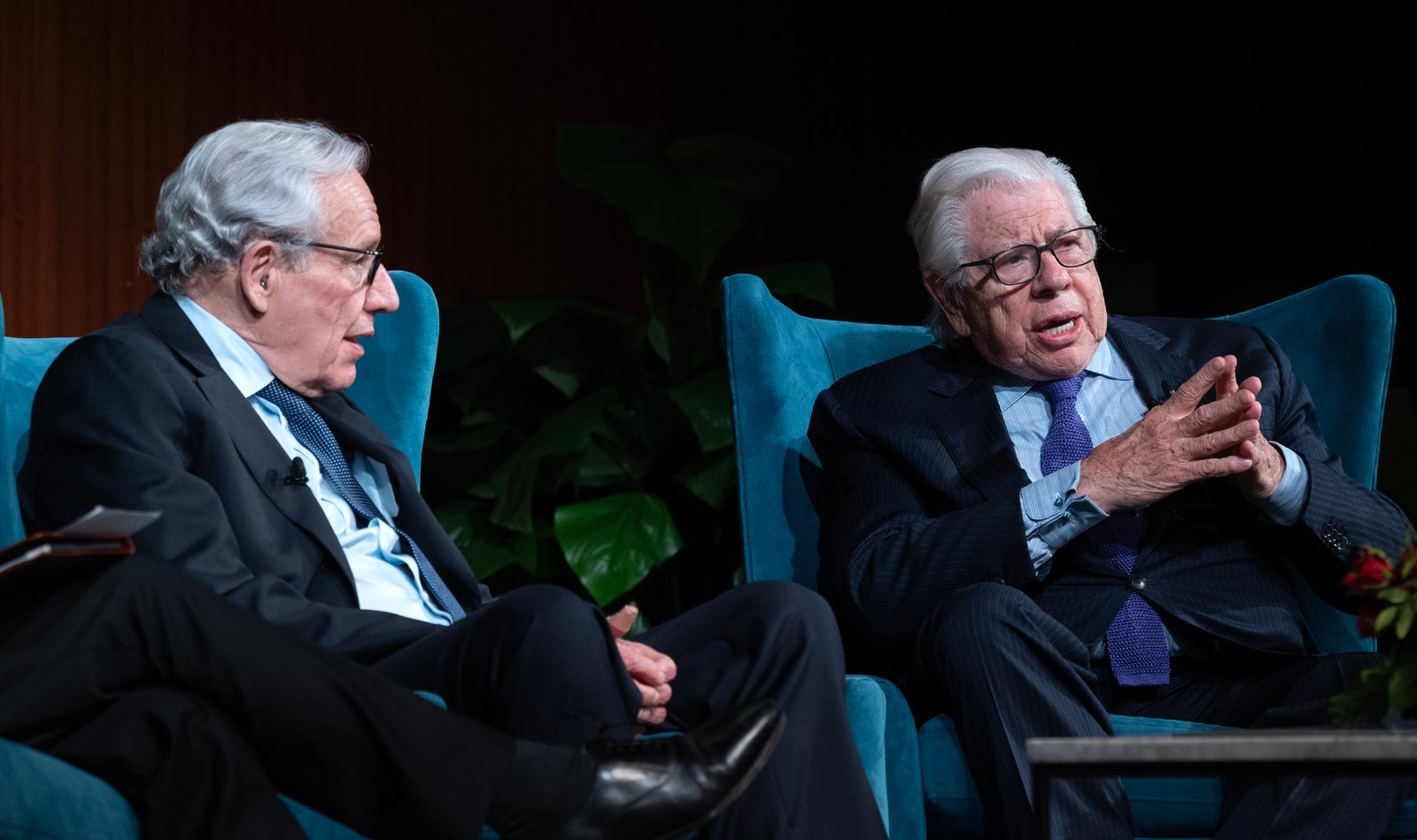
Bob Woodward and Carl Bernstein’s dogged reporting on the Watergate scandal in the early 1970s redefined investigative journalism. Their meticulous work revealed abuses of power at the highest levels of government and resulted in the first-ever resignation of a U.S. president. The phrase “follow the money” became a mantra for journalists everywhere. Their book “All the President’s Men” is still taught in journalism schools and their legacy is felt every time reporters hold leaders accountable for wrongdoing.
Edward R. Murrow: The Voice of Conscience
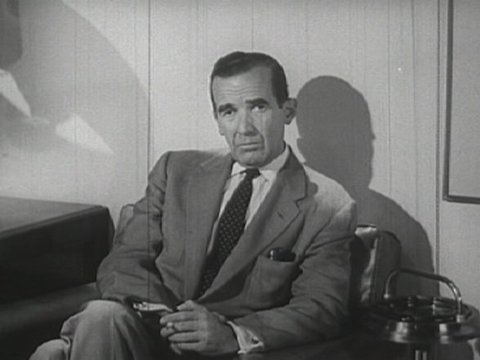
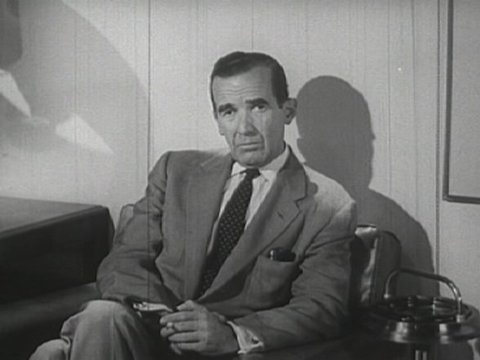
Edward R. Murrow’s broadcasts during World War II for CBS Radio brought the front lines into American living rooms. Later, his television program “See It Now” took on Senator Joseph McCarthy’s anti-Communist witch hunts, challenging fearmongering with calm, factual reporting. Murrow’s willingness to stand up for truth, even at great personal risk, made him an icon of journalistic integrity. His famous sign-off, “Good night, and good luck,” still resonates as a call for courage in the face of adversity.
Ta-Nehisi Coates: Chronicler of Race and Power
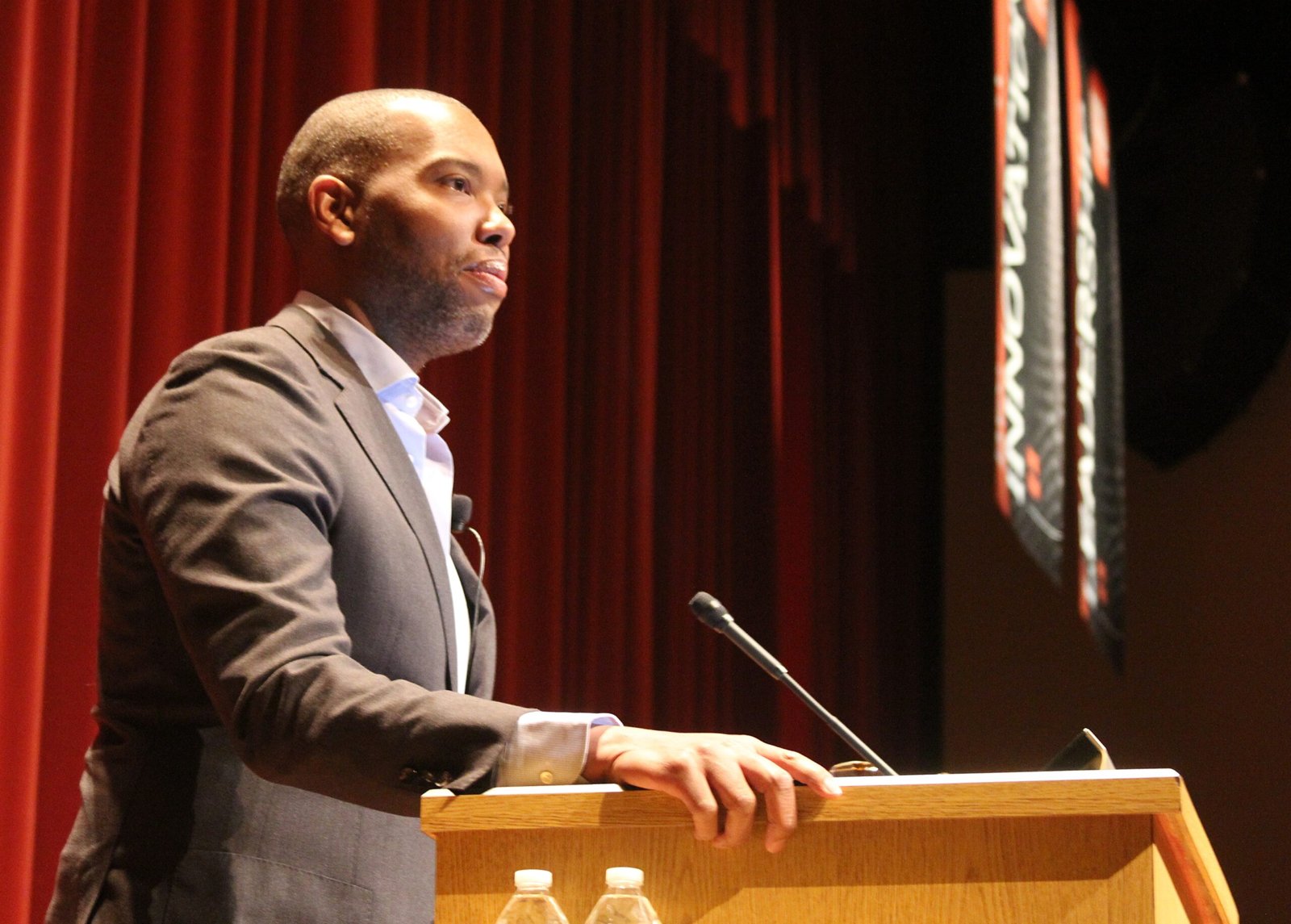
Ta-Nehisi Coates emerged as a leading voice on race in America with his essays for The Atlantic, particularly “The Case for Reparations.” His sharp analysis, blending personal narrative and historical research, sparked national conversations about systemic racism and social justice. Coates has won the National Book Award and received a MacArthur “Genius” Grant for his contributions to journalism and literature. His writing has influenced policymakers, educators, and a new generation of journalists committed to truth and equity.
Joan Didion: The Poet of American Unrest
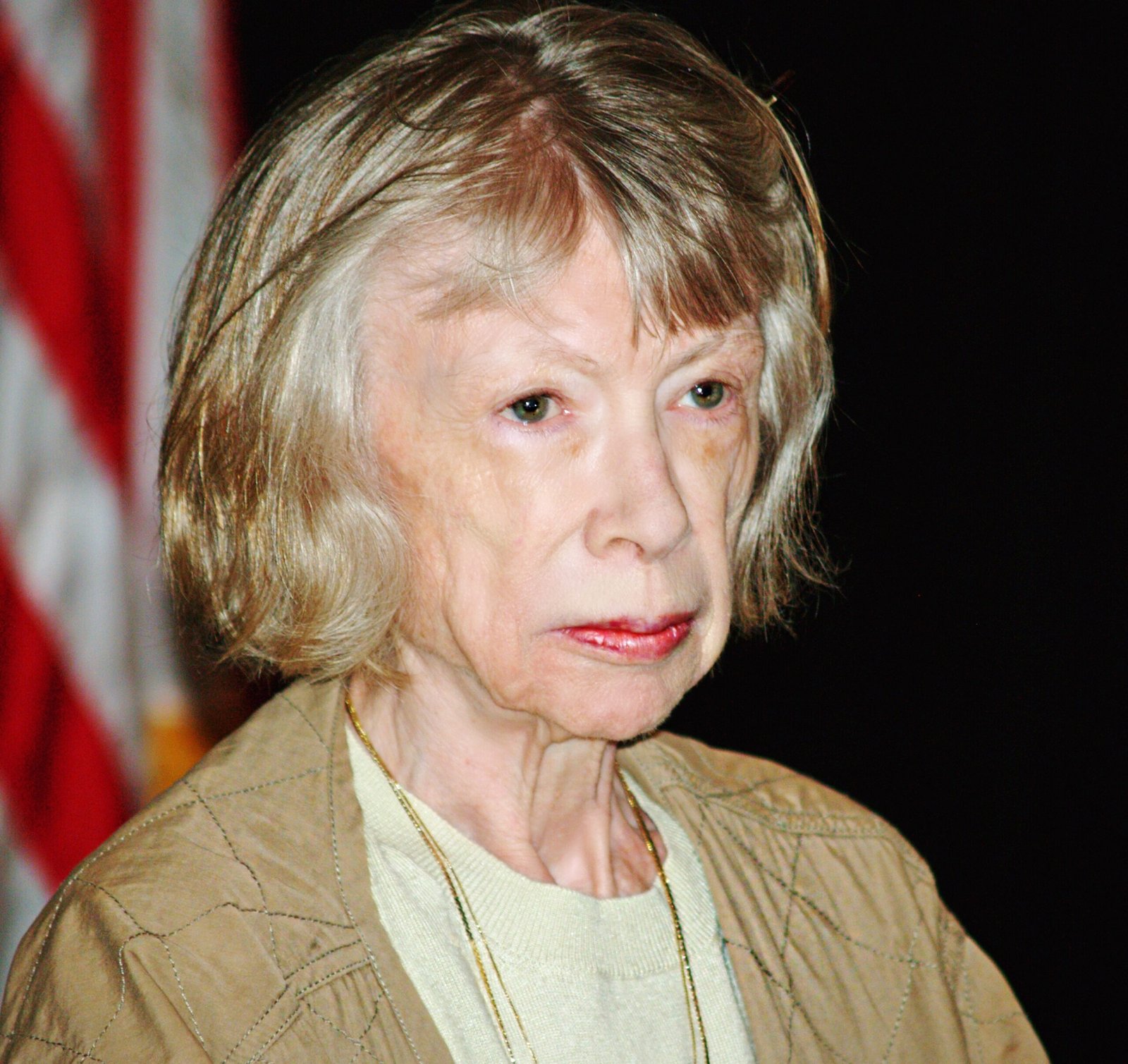
Joan Didion’s essays on California and American life, especially her work in the 1960s and 1970s, captured the country’s anxiety and transformation with vivid clarity. Her book “Slouching Towards Bethlehem” became a touchstone for literary journalism, blending reporting with personal reflection. Didion’s unique voice—cool, unsparing, and deeply perceptive—helped shape the New Journalism movement. Her influence extends far beyond journalism, inspiring writers across genres to blend fact and narrative artfully.
Gay Talese: The Architect of Literary Journalism
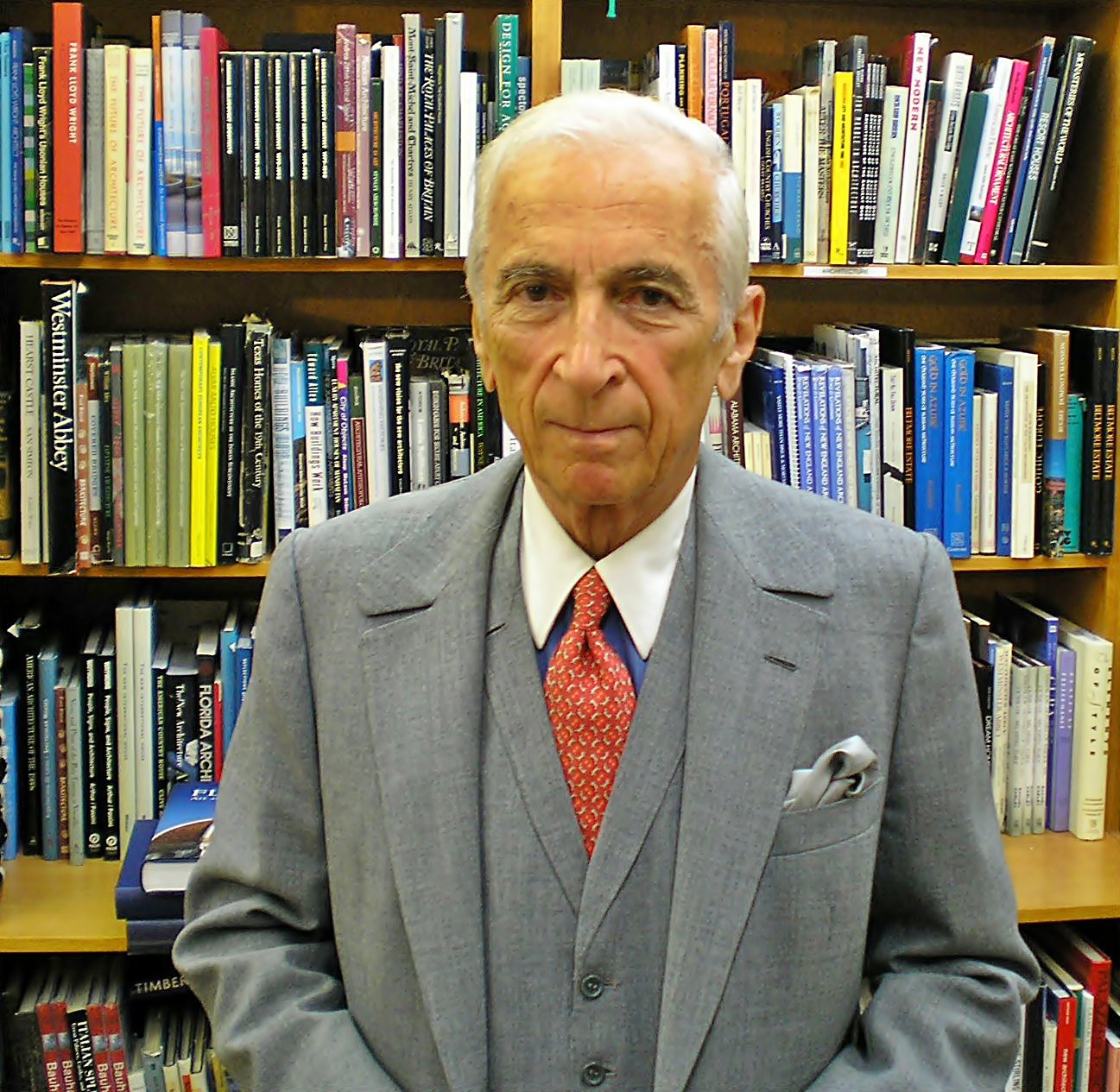
Uploaded by maybeMaybeMaybe, CC BY 2.0, https://commons.wikimedia.org/w/index.php?curid=22906220)
Gay Talese’s meticulous reporting and elegant prose set new standards for feature writing. His Esquire profiles—like “Frank Sinatra Has a Cold”—broke the mold by focusing on atmosphere, scene, and character, rather than just facts. Talese’s approach, often called literary or narrative journalism, emphasized storytelling as a way to reveal deeper truths. Today, his techniques are taught in top journalism programs, and his impact is seen in everything from magazine profiles to longform podcasts.
Helen Thomas: The First Lady of the White House Press Corps
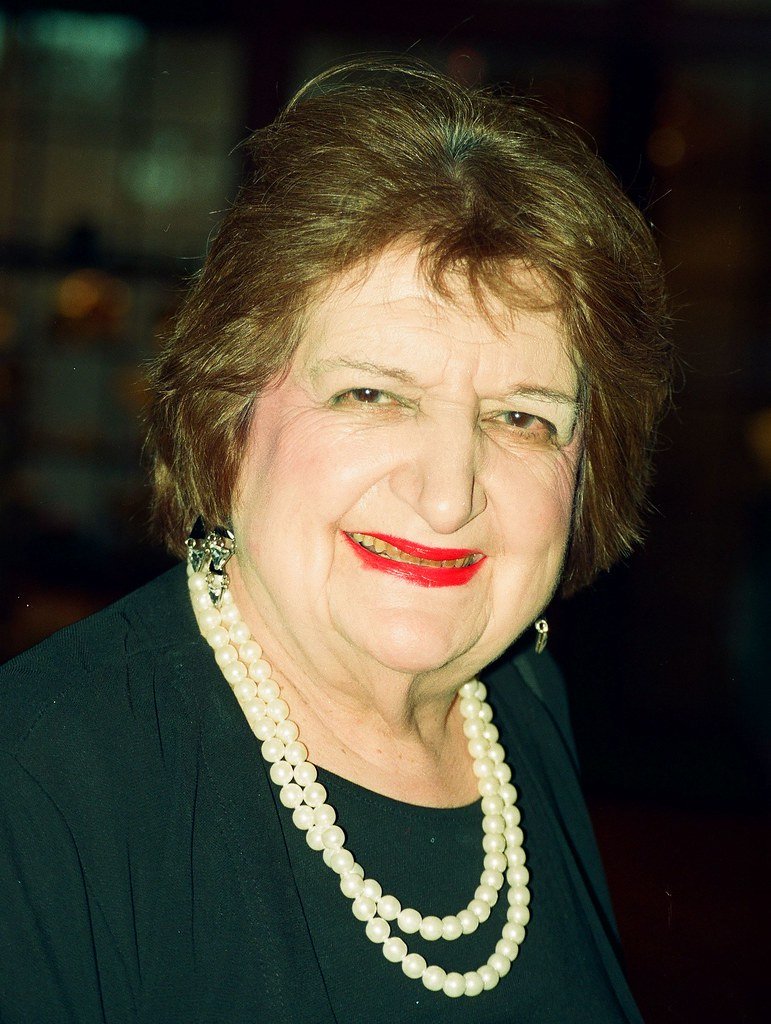
Helen Thomas broke barriers for women in journalism, covering every president from Kennedy to Obama. Known for her relentless questioning and sharp wit, she was the first woman to serve as president of the White House Correspondents’ Association. Thomas insisted on accountability, famously never missing an opportunity to challenge official statements. Her tenure marked a turning point for women in political reporting and set a high bar for tough, independent journalism inside the halls of power.
Anderson Cooper: The Modern Face of Breaking News
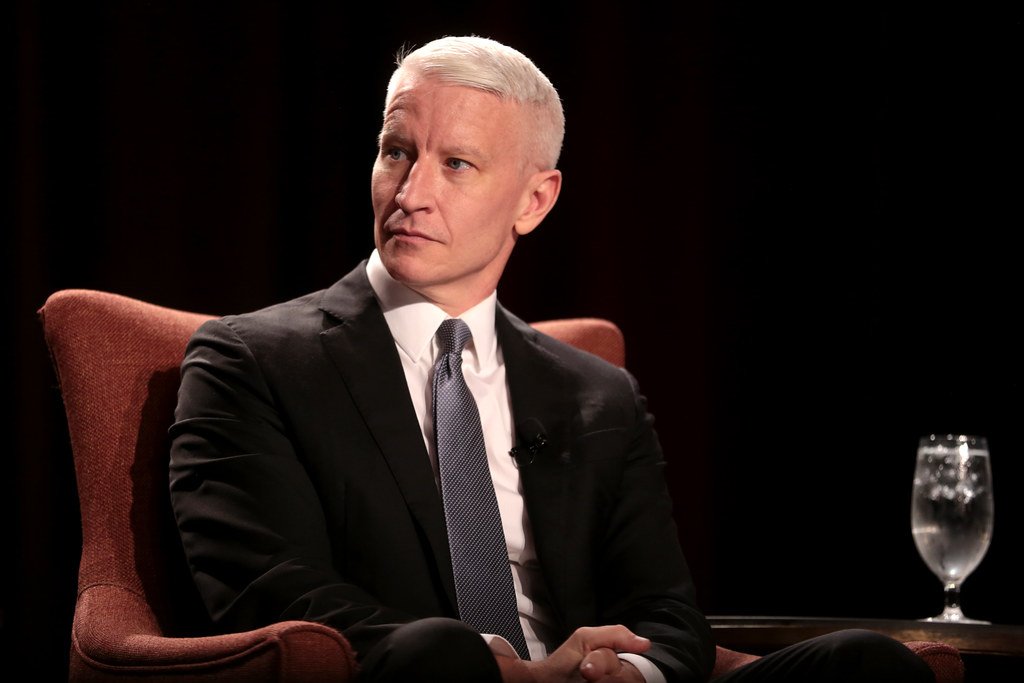
Anderson Cooper’s empathetic, on-the-ground reporting has become a staple of American news. As the anchor of CNN’s “Anderson Cooper 360,” he’s covered everything from Hurricane Katrina to the Ukraine crisis, often reporting live from disaster zones. In 2005, his emotional reporting on the aftermath of Katrina drew widespread praise and helped push the federal government to act. Cooper’s blend of compassion and directness exemplifies the best of modern broadcast journalism and has earned him numerous awards, including multiple Emmys.
Ernie Pyle: The GI’s Best Friend
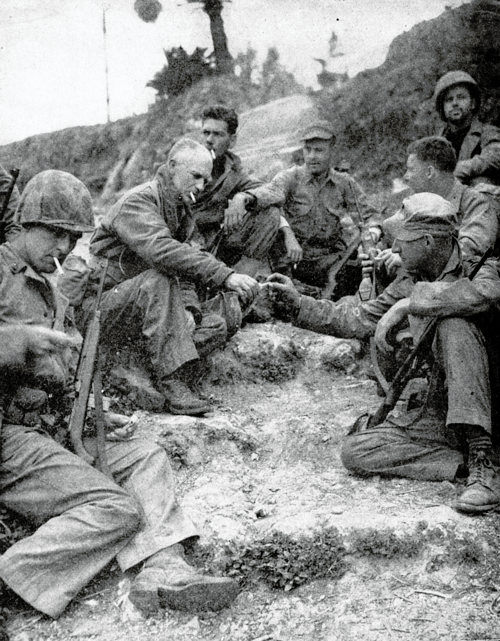
Ernie Pyle’s dispatches from World War II battlefields brought the war’s human cost home to American families. His columns focused on the everyday lives of soldiers, making distant events feel immediate and personal. Pyle’s writing, simple yet powerful, earned him the Pulitzer Prize in 1944 and the enduring love of readers. His work influenced war correspondence for decades, proving that the best journalism makes readers care deeply about people they’ve never met.
Anna Quindlen: Champion of Social Commentary
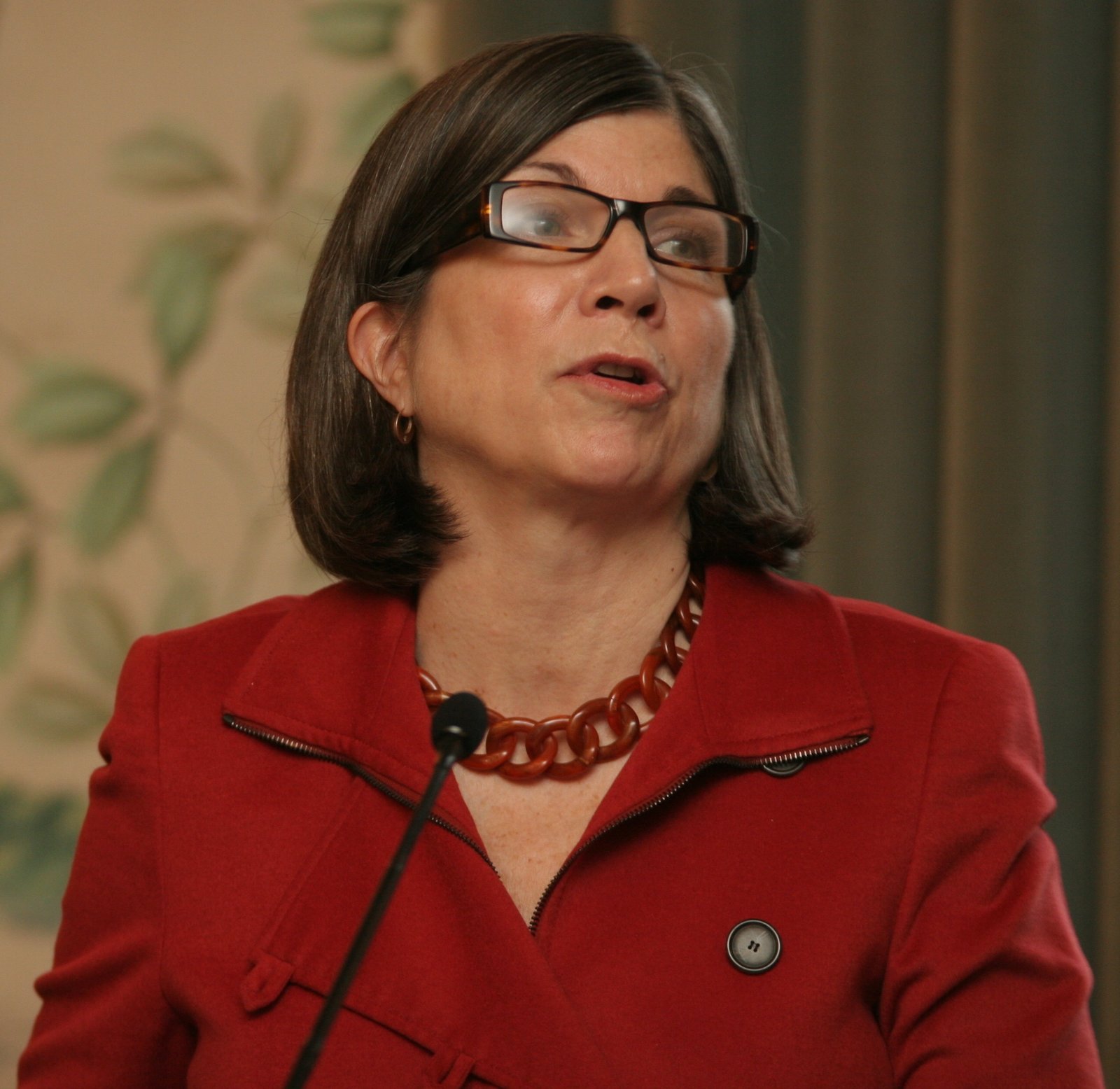
Anna Quindlen rose to prominence as a columnist for The New York Times, where her “Public and Private” column won the Pulitzer Prize for Commentary in 1992. Quindlen’s writing tackled issues from family life to social policy with warmth, humor, and fierce honesty. She gave voice to everyday Americans and challenged readers to rethink their assumptions. Quindlen’s popularity helped pave the way for more personal and opinionated columns in mainstream newspapers.
David Halberstam: The Reporter Who Challenged the Vietnam War
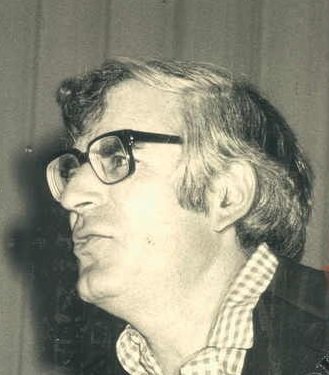
David Halberstam’s reporting from Vietnam for The New York Times in the early 1960s challenged the optimistic official line and exposed the realities of a conflict spiraling out of control. For his courageous work, Halberstam won the Pulitzer Prize in 1964. His later books, including “The Best and the Brightest,” dissected American power and policy with the same rigor. Halberstam’s fearless pursuit of truth, even in the face of official hostility, inspired generations of foreign correspondents.
Tom Wolfe: The White-Suited Pioneer of New Journalism
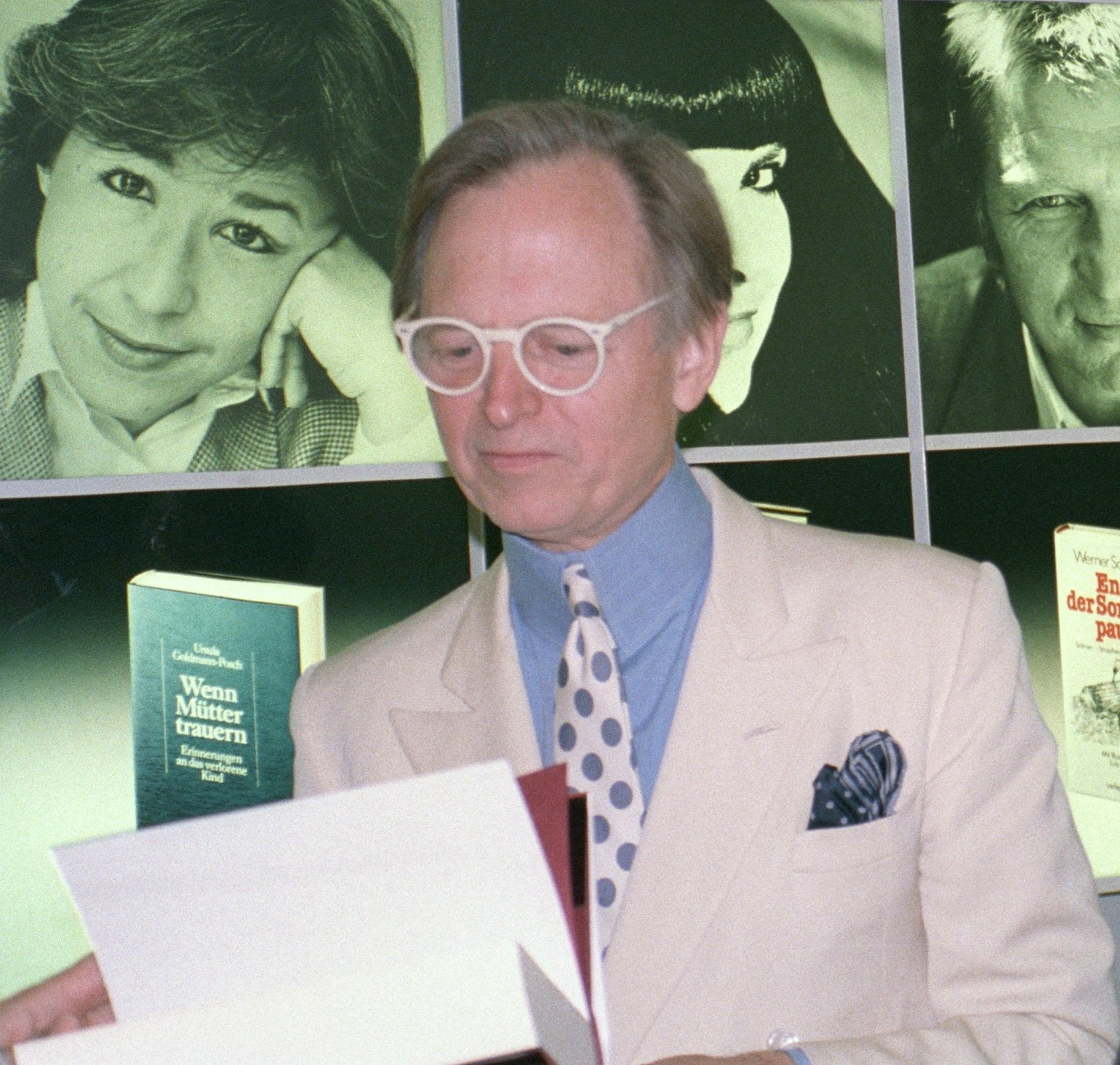
Tom Wolfe’s flamboyant style and keen eye for social detail made him a founding figure of New Journalism. His books “The Electric Kool-Aid Acid Test” and “The Right Stuff” combined deep reporting with literary flair, challenging traditional notions of objectivity and narrative. Wolfe’s influence can be seen in countless longform features and creative nonfiction works. His white suits became a symbol of his unique approach, merging the worlds of journalism and literature.
Seymour Hersh: The Investigative Bulldog
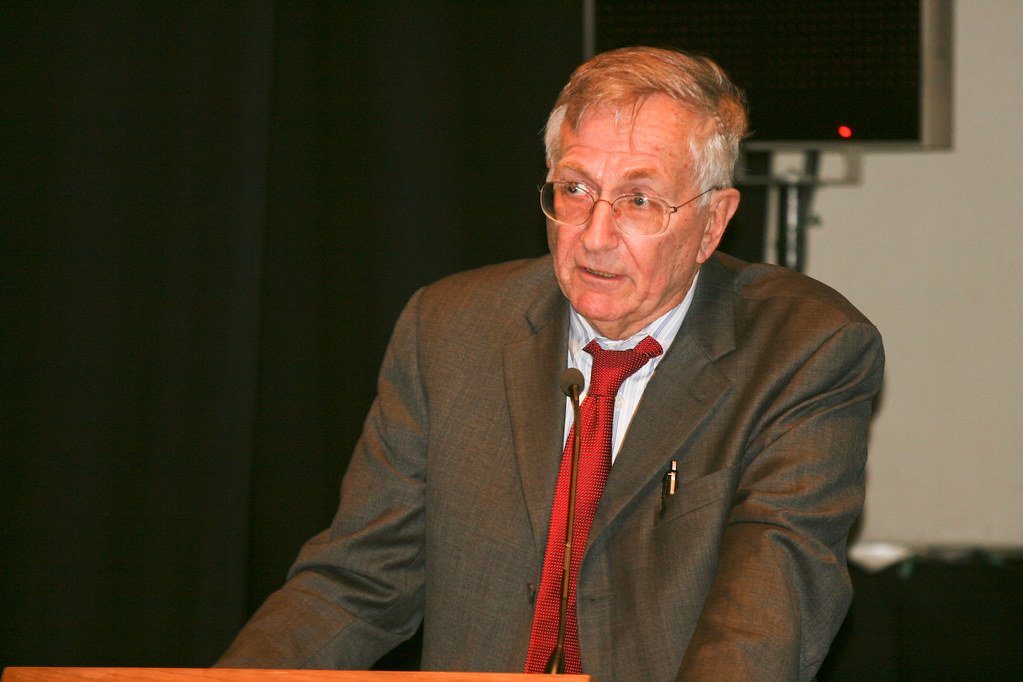
Seymour Hersh earned his reputation by breaking some of the biggest stories of the 20th century, including the My Lai Massacre in Vietnam and the Watergate scandal. His relentless pursuit of hidden truths and willingness to challenge powerful interests have earned him multiple awards, including the Pulitzer Prize. Hersh’s work for The New Yorker and other outlets has exposed government misconduct and reshaped public debates about war, intelligence, and accountability.
Jill Abramson: Trailblazer in Newsroom Leadership
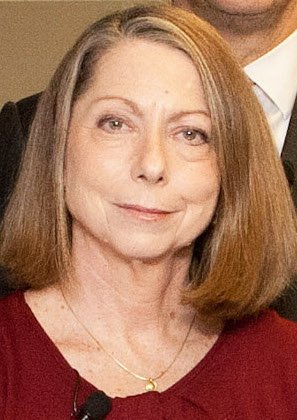
Jill Abramson became the first female executive editor of The New York Times in 2011, shattering a major glass ceiling. Under her leadership, the Times expanded its digital presence and won multiple Pulitzer Prizes, including for coverage of government surveillance and international reporting. Abramson championed investigative journalism and diversity in the newsroom, influencing how major media organizations approach leadership and innovation in the digital age.
Ronan Farrow: Exposing Abuse and Empowering Victims

Ronan Farrow’s investigative reporting for The New Yorker, particularly on sexual abuse by powerful figures in Hollywood and media, helped spark the #MeToo movement. His meticulous work led to the downfall of Harvey Weinstein and exposed systemic failures to protect victims. Farrow’s reporting won the Pulitzer Prize for Public Service in 2018 and prompted sweeping changes in workplace policies across industries. His tenacity has set new standards for investigative journalism in the digital era.
End.

Christian Wiedeck, all the way from Germany, loves music festivals, especially in the USA. His articles bring the excitement of these events to readers worldwide.
For any feedback please reach out to info@festivalinside.com
