

- 10 Best Music Festivals You Need To Visit in 2026 - April 3, 2026
- 12 Iconic American Revolution History Getaways in The US - April 3, 2026
- 10 Things You May Not Know About Mozart - April 3, 2026
Picture this: a building shaped like a giant duck or a massive picnic basket. Unconventional architecture flips the script on what we expect from structures meant to house people or businesses. These designs grab your eye and make you question the rules of gravity, form, and function.
They push boundaries in ways that spark debate and wonder. Let’s dive into the 12 weirdest ones that stand out across the globe.[1][2]
The Big Duck in Long Island, New York
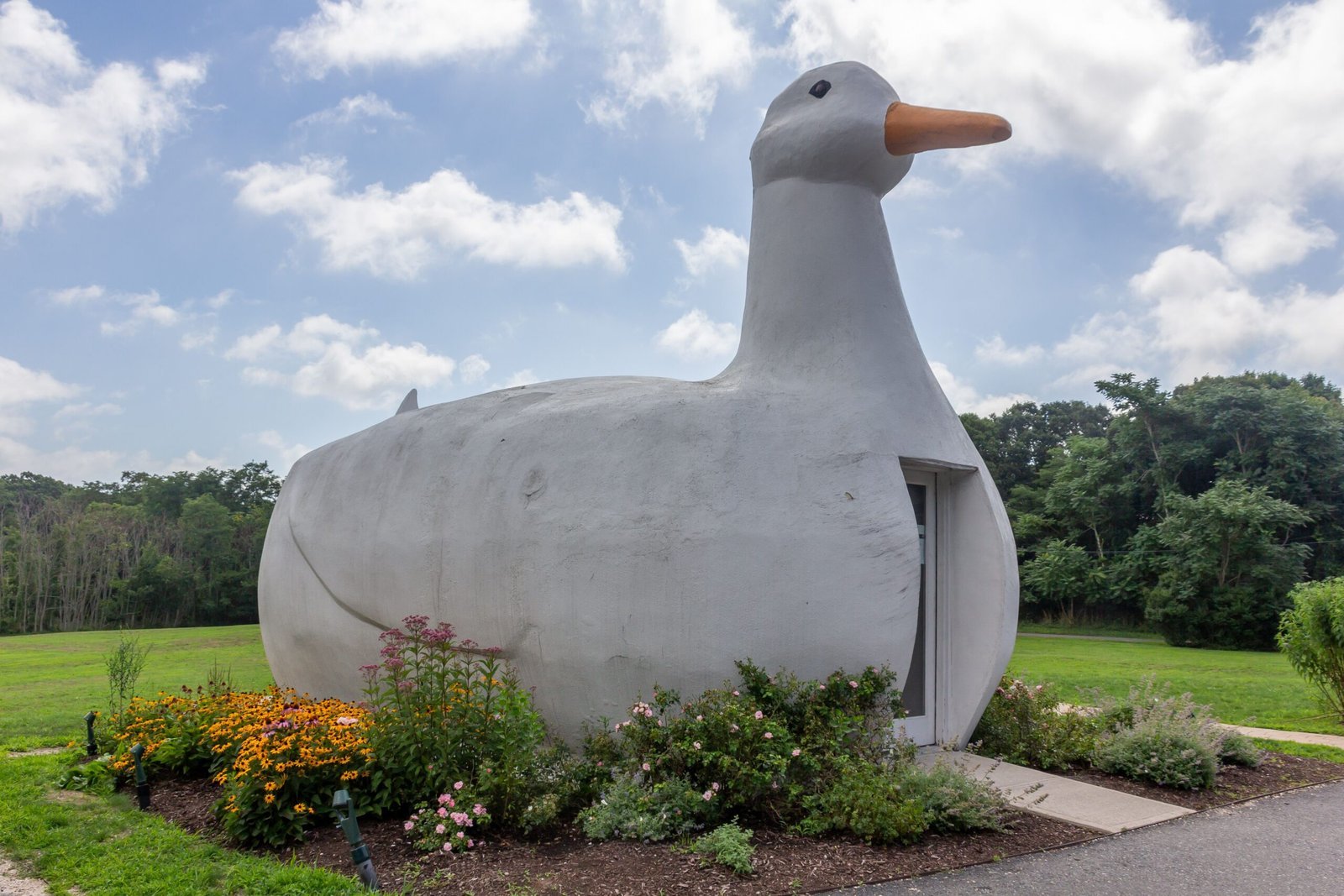
This quirky structure looks exactly like a oversized duck, complete with a beak entrance and eyes made from car headlights. Built in 1931 by duck farmer Martin Maurer to sell his eggs, it measures 20 feet long and 30 feet high. The concrete form captures every feather detail, making it a roadside standout.[1]
Architects Robert Venturi and Denise Scott Brown coined “duck architecture” after it, praising how the shape boldly advertises its purpose. Now listed in the National Register of Historic Places, it symbolizes playful roadside marketing from early 20th-century America. Honestly, it proves buildings don’t always need straight lines to endure.[2]
Longaberger Basket Building in Newark, Ohio
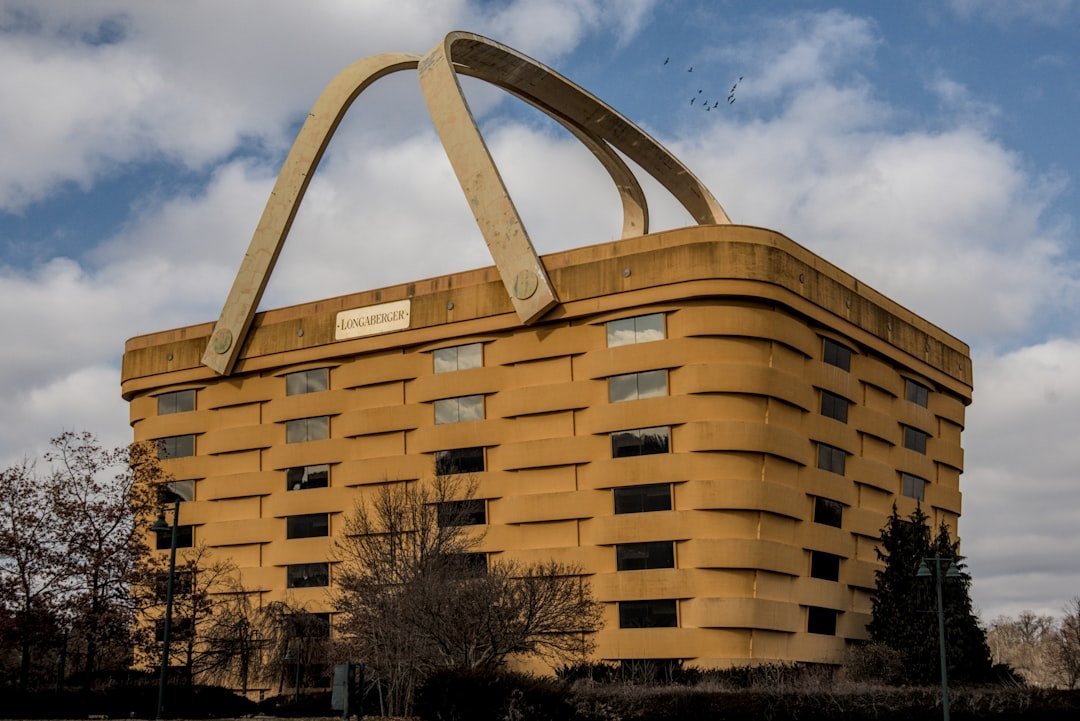
Imagine headquarters shaped like a colossal woven basket, handles and all. This seven-story giant, finished in 1997, replicates the company’s signature product 160 times larger, with 75-ton steel handles on top. Special heating prevents ice buildup in the weave-like facade.[1]
It embodies mimetic architecture, where form screams function for branding genius. After the company folded, it sold cheaply but lingers as a landmark, hinting at future hotel vibes. Here’s the thing: its sheer audacity makes you smile every time you spot it.[3]
Azerbaijan National Carpet Museum in Baku
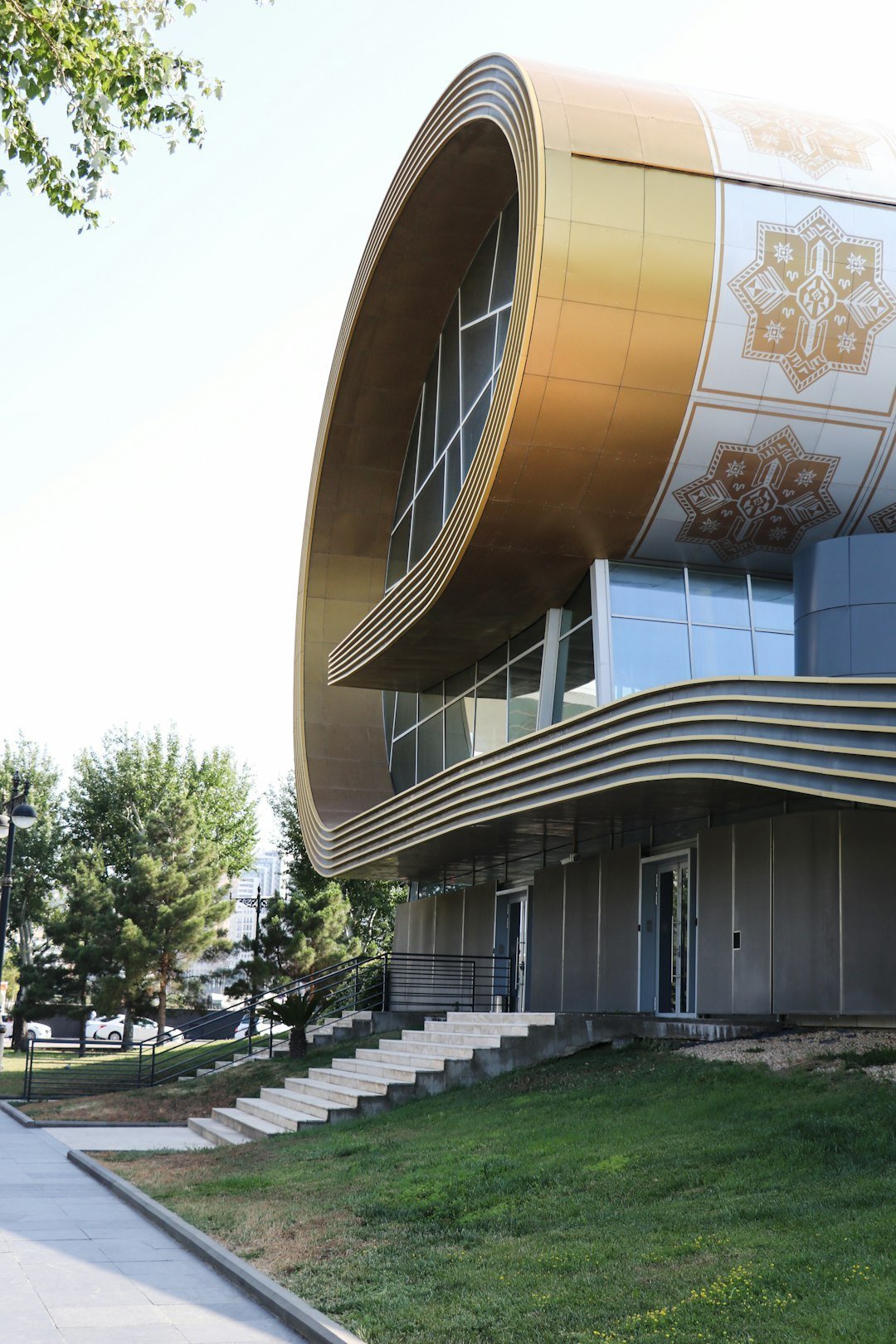
Rolled out like a giant Persian rug on the Caspian Sea shore, this museum weaves architecture into its theme. Austrian architect Franz Janz designed the undulating form to mimic carpet patterns, housing ‘s largest collection of Azerbaijani weaves. Construction took six years to perfect the folds and fringes.[1]
The design celebrates cultural heritage through shape, drawing visitors to explore ancient knots up close. It stands as a modern nod to timeless crafts, blending utility with artistry. Pretty clever how it unrolls history right before your eyes.[2]
Dog Bark Inn in Cottonwood, Idaho
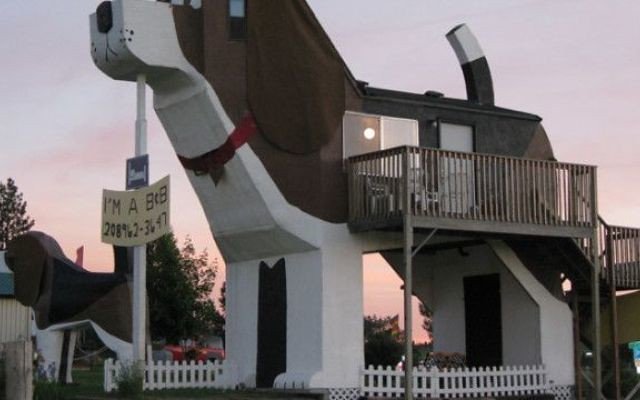
This bed-and-breakfast resembles a massive beagle, with guests climbing into its body via a second-story patio. The wooden form includes a stairway to the head for sleeping quarters and a muzzle alcove. Perched along Highway 95, it barks for attention amid rural scenery.[1]
Its whimsical animal shape turns lodging into an adventure, perfect for dog lovers seeking quirky stays. The structure highlights how novelty drives tourism in overlooked spots. I know it sounds crazy, but staying inside feels like a dog’s dream house.[2]
Crooked House in Sopot, Poland
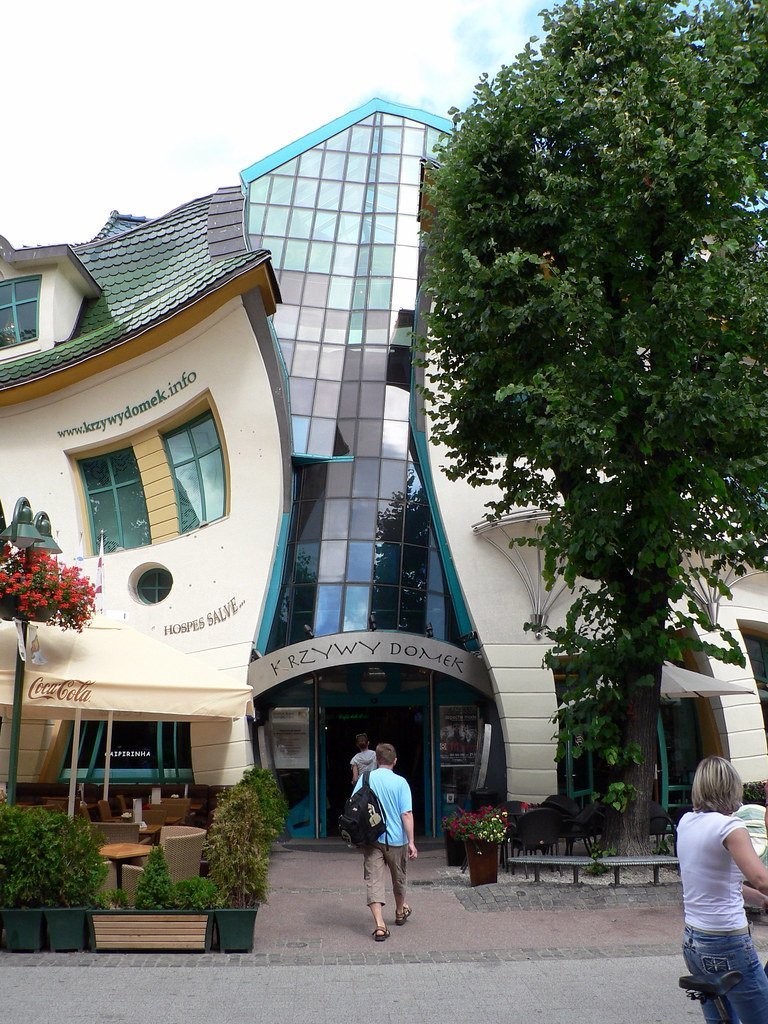
Twisted like a fairy tale gone wrong, this commercial hub seems to melt into the sidewalk. Architects Szotyńscy & Zaleski drew from Jan Szancer’s children’s illustrations for the warped walls, curved windows, and uneven roof. At 4,000 square feet, it packs shops, offices, and eateries inside.[1]
Completed in 2004, it hosts Poland’s Hollywood Walk of Fame, fusing fun with fame. The design challenges straight-line norms, proving asymmetry captivates crowds. It’s the most photographed spot in Sopot for good reason.[3]
Quetzalcóatl Nest in Mexico City
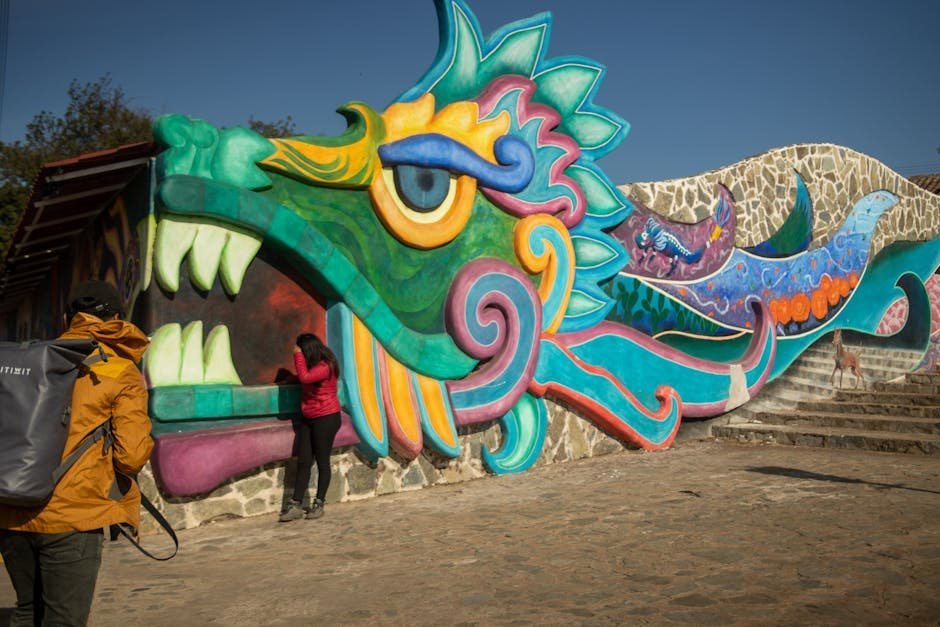
Coiled like an iridescent serpent from Aztec lore, this Airbnb slithers with rooms in its belly. Architect Javier Senosiain tunneled walkways to evoke the god Quetzalcóatl, complete with head and tail sections. The organic curves blend myth with modern living.[1]
Featured on Netflix, it draws celebrities and adventurers alike. The bio-mimetic style honors indigenous roots while innovating hospitality. Staying here feels like slipping into ancient legends.[2]
CSAV Headquarters in Valparaíso, Chile
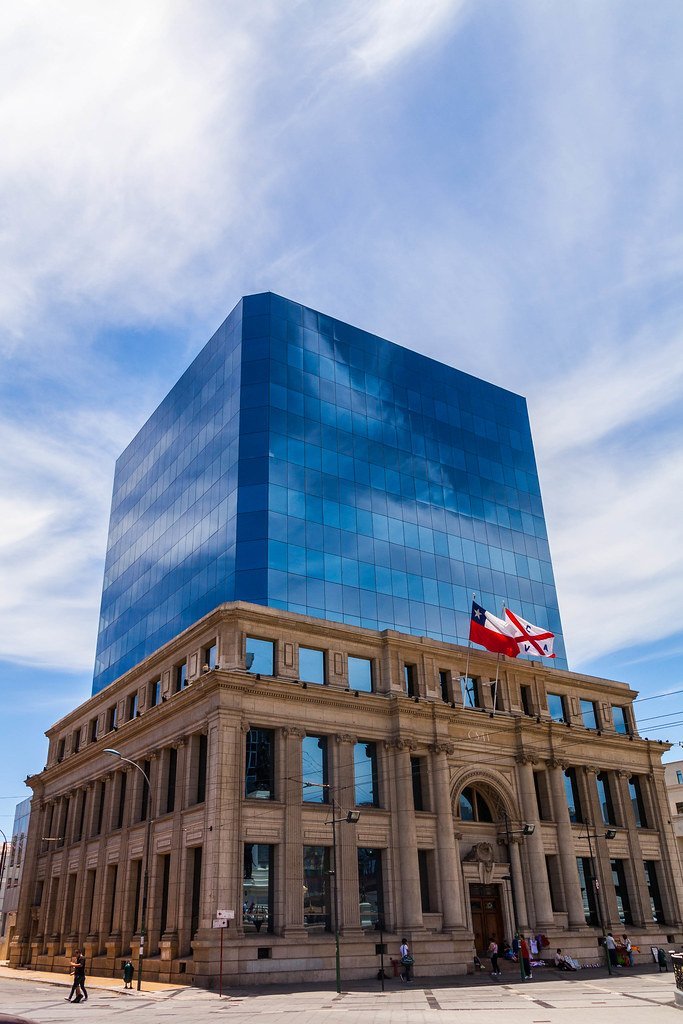
A sleek modern tower bursts from a preserved vintage facade, like new growth from old skin. This facadism technique layers eras dramatically for the shipping company’s base. The contrast highlights Valparaíso’s colorful hillside heritage.[1]
It bridges past and present, sparking talks on preservation versus progress. The explosive form symbolizes maritime energy. Quite the visual punch in a port city full of surprises.[2]
National Fisheries Development Board in Hyderabad, India
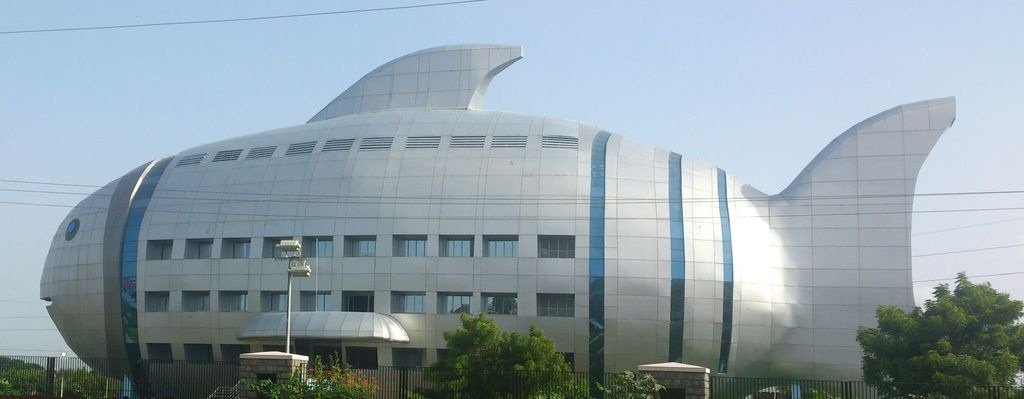
Shaped like a leaping fish, this HQ swims through the urban skyline. Clad in stainless steel, it glows under blue night lights, mimicking motion. The four-story form suits its fisheries mission perfectly.[1]
Inspired by iconic sculptures, it uses mimetic design to promote aquaculture. Locals call it the “fish building” with affection. Nighttime illusions make it Hyderabad’s standout swimmer.[2]
Seminole Hard Rock Hotel & Casino in Hollywood, Florida
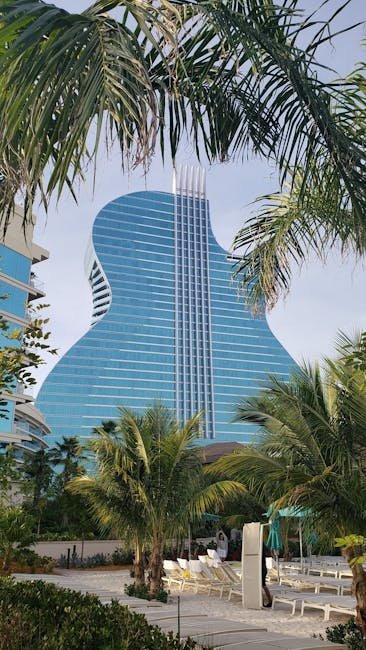
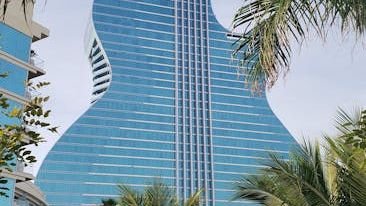
A 36-story electric guitar strums the skyline, housing rooms, suites, and a 7,000-seat venue. Opened in 2019, its bold curves and strings capture rock spirit. The Seminole tribe’s profits fuel community good.[1]
This mega-structure redefines entertainment architecture with thematic flair. It draws crowds for stays and shows alike. Let’s be real, it’s the ultimate riff on luxury.[2]
Half House in Toronto, Canada
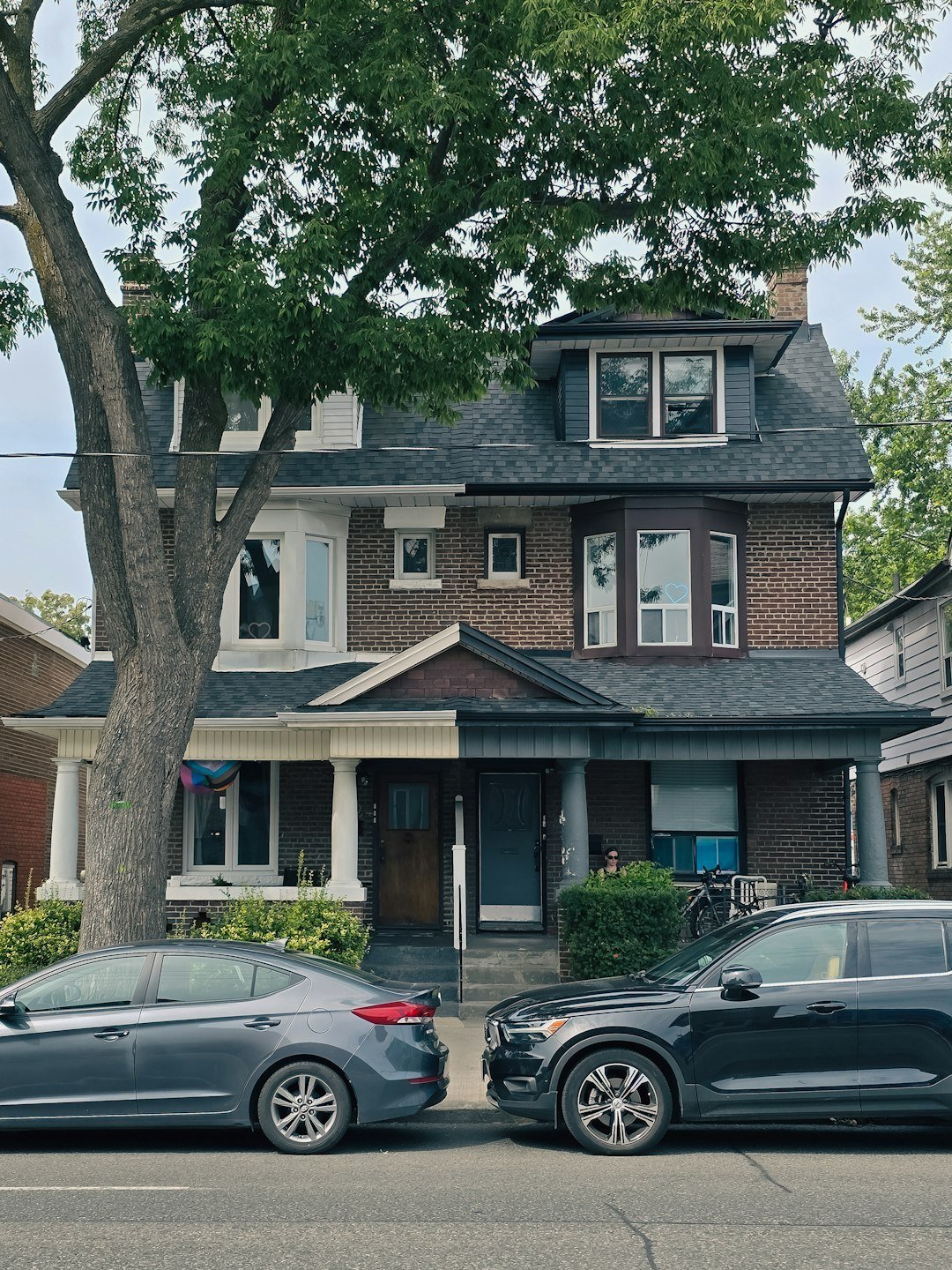
Sliced clean like a developer’s prank, this Victorian remnant exposes its guts to the street. Once part of a row, it survived demolition by the Valko family. The exposed beams and walls tell a tale of urban battles.[1]
Its raw state critiques growth’s ruthlessness, becoming an accidental icon. Renovated yet vacant, it haunts Toronto’s skyline. A stark reminder that half can sometimes say more.[3]
WonderWorks in Orlando, Florida
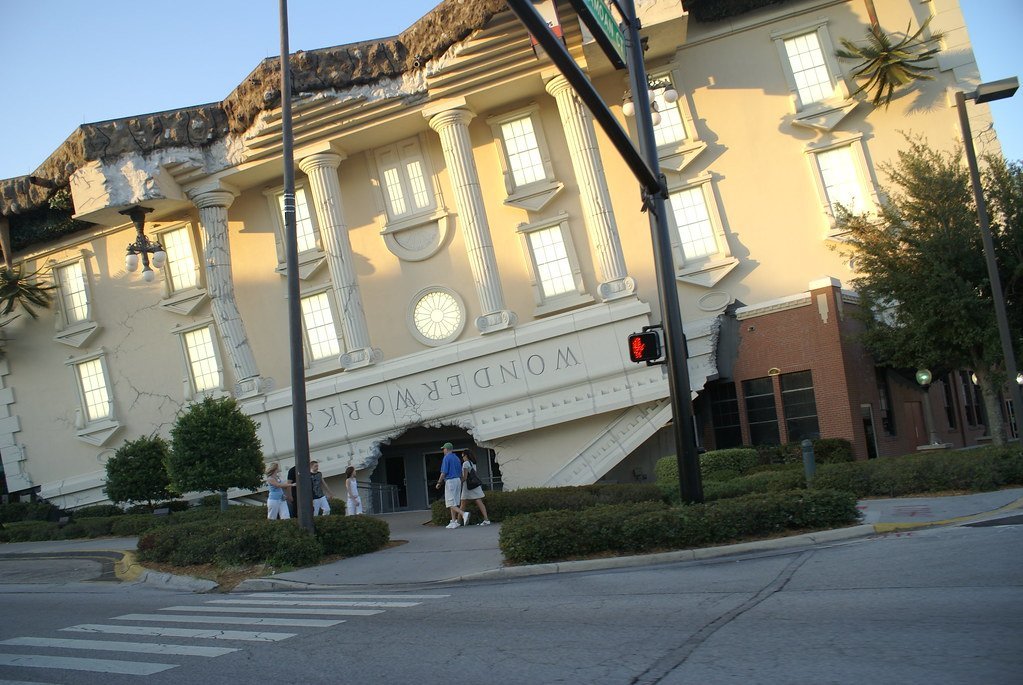
Planted upside down, roof in dirt and foundation sky-high, this amusement defies logic. The lore claims a Bermuda Triangle tornado flipped it here. Inside, exhibits let imagination run wild amid inverted rooms.[1]
It gamifies education through disorientation, with sister sites nationwide. The playful inversion hooks families instantly. Who wouldn’t want to walk on ceilings for fun?[2]
Niimi Building in Tokyo, Japan
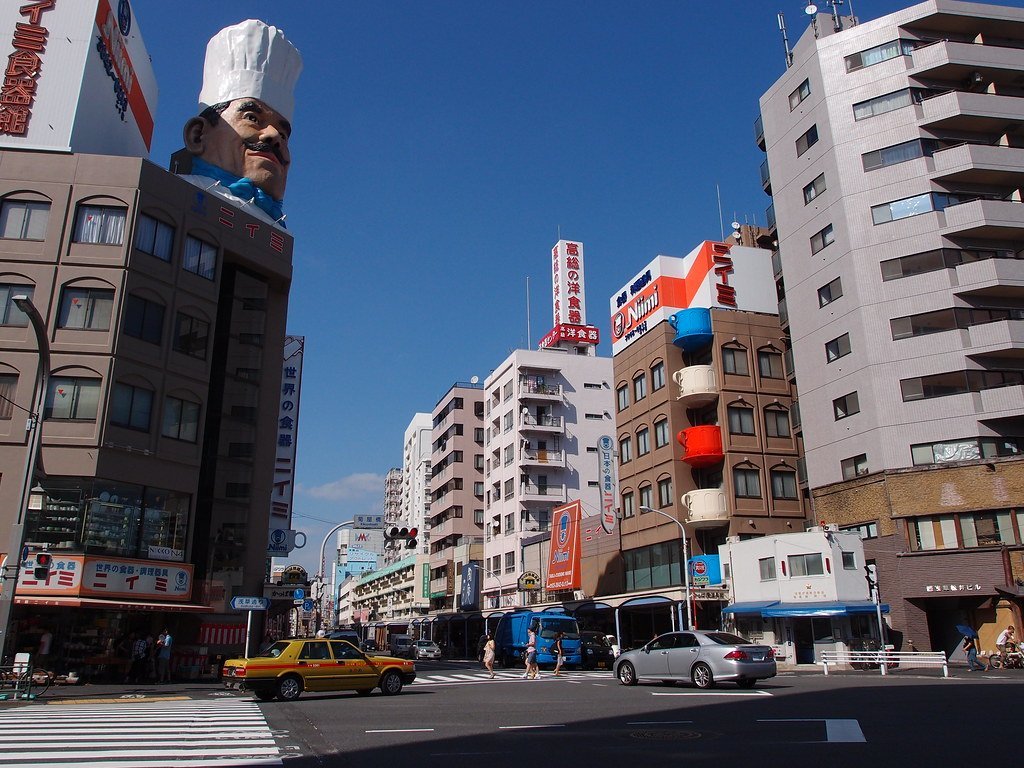
Balconies shaped like giant teacups dangle from this wholesaler’s facade in Asakusa. Near Sensō-ji temple, the porcelain-inspired protrusions serve practical outdoor space. The whimsical touch fits Tokyo’s eclectic vibe.[1]
It merges everyday utility with surreal charm, nodding to kitchenware roots. These cups elevate urban living literally. A delightful sip of weird in a dense city.[2]
Creativity Unleashed in Global Architecture
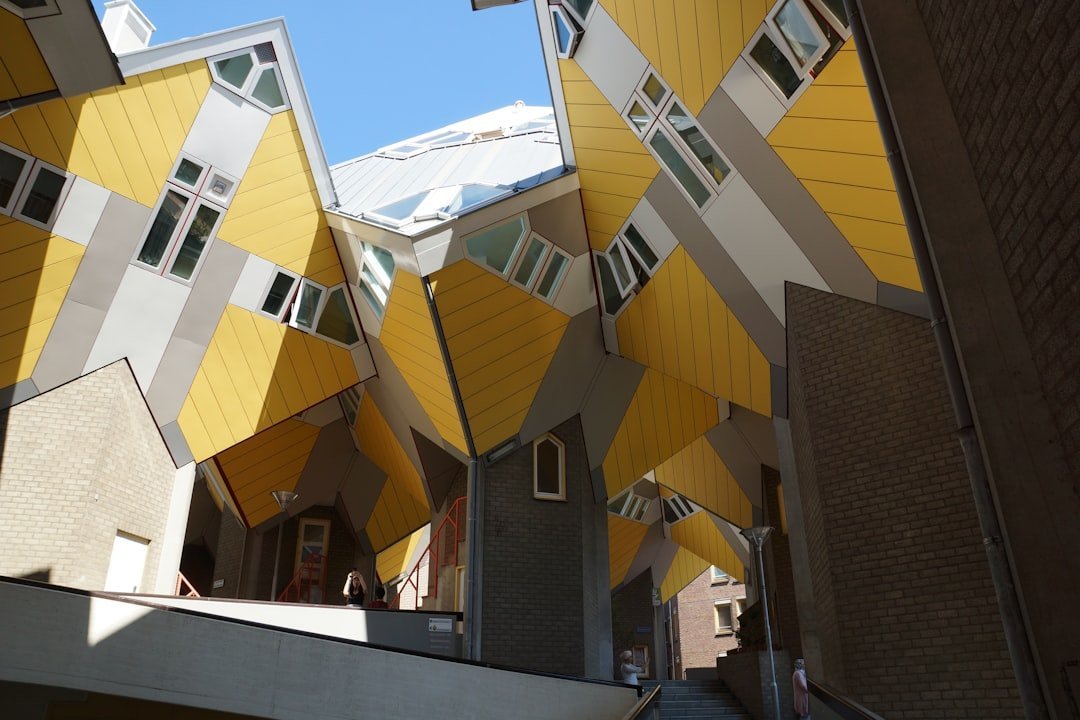
These buildings prove architects thrive on defying norms, turning heads worldwide. From animal shapes to inverted forms, they infuse personality into steel and stone. Creativity like this keeps our skylines alive and unpredictable.
Next time you travel, hunt one down. What wild design surprises you most? Share in the comments.[4][5]
CEO-Co-Founder
