

For any feedback please reach out to info@festivalinside.com
Imagine flipping through your streaming queue or scrolling TikTok, only to stumble upon echoes of stories told thousands of years ago. Ancient civilizations like Greece, Rome, and Egypt didn’t just shape empires; their myths, battles, and philosophies seep into today’s blockbusters, viral trends, and even video games. These threads connect dusty scrolls to shiny screens in ways that surprise even history buffs.
It’s fascinating how these old tales get a fresh coat of paint for modern audiences. Let’s dive into twelve unexpected links that prove the past is never truly gone.[1]
Plato’s Cave and The Matrix

Plato’s Allegory of the Cave, from ancient Greece around 380 BCE, paints prisoners chained in a cave, mistaking shadows for reality. Fast forward to 1999, and The Matrix flips this script with Neo seeing the simulated world as mere illusions projected by machines. The parallel hits hard: both question what’s real, using the “escape from shadows” motif to jolt viewers into philosophical awakening. Honestly, it’s wild how a philosopher’s thought experiment became the blueprint for one of sci-fi’s biggest mind-benders.[2]
This influence lingers in sequels and fan theories, where red pills echo enlightenment journeys from the cave. Directors like the Wachowskis drew directly from Plato, blending it with cyberpunk to critique our tech-saturated lives. Even today, memes reference “taking the red pill,” tying back to that ancient Greek insight. No wonder it resonates; humans have always chased truth beyond appearances.
Roman Gladiators and The Hunger Games
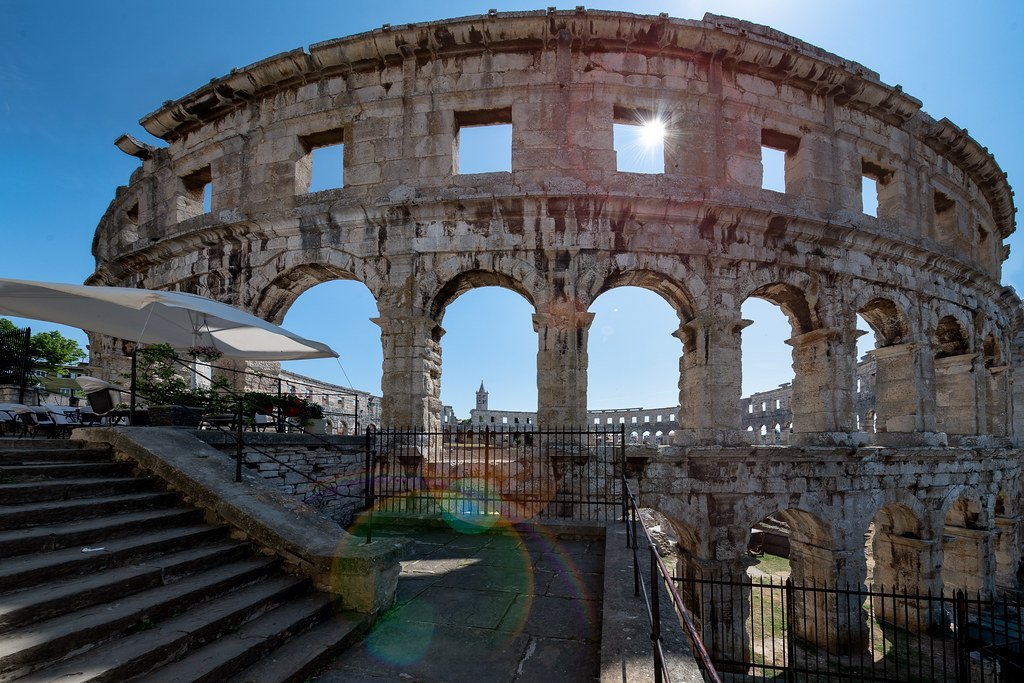
Roman arenas packed with gladiators fighting to the death for spectacle mirror the dystopian battles in Suzanne Collins’ Hunger Games series. Emperor Commodus himself fought in the Colosseum, turning public entertainment into brutal theater, much like the Capitol’s televised tributes slaughtering each other. The books and films amp up the stakes with child combatants, but the crowd’s bloodlust feels ripped from history’s pages. Let’s be real, it’s chilling how Rome’s “bread and circuses” tactic distracts the masses, just as the Games do.[3]
Collins cited Roman history as inspiration, weaving in motifs like the victor’s parade echoing triumphs. This connection elevates the YA saga into social commentary on inequality and voyeurism. Pop culture nods keep it alive, from cosplay to debates on reality TV ethics. The arena’s roar never really faded; it just got a high-def upgrade.
Greek Myths and Percy Jackson
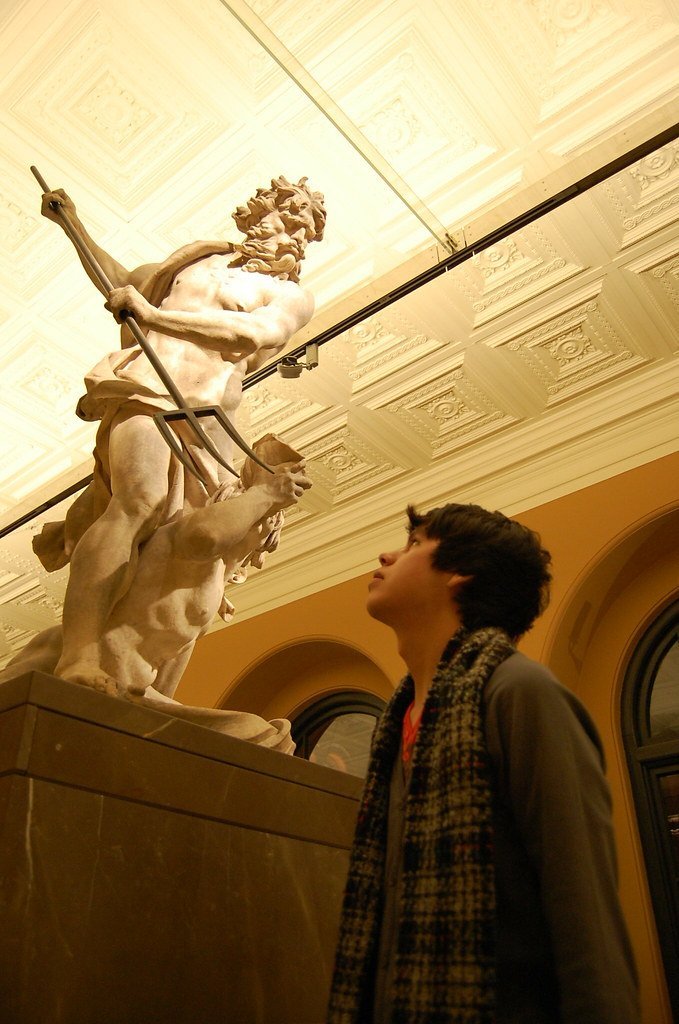
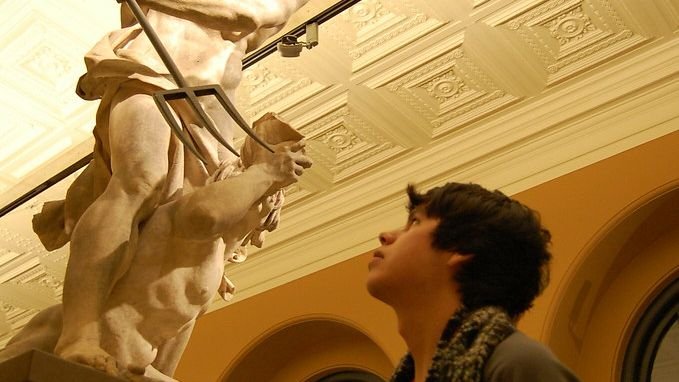
Rick Riordan’s Percy Jackson books thrust demigods into modern New York, straight out of Homer’s epics and Hesiod’s Theogony. Poseidon’s son battling monsters parallels ancient heroes like Theseus facing the Minotaur, blending Olympian family drama with teen angst. Riordan, a classics teacher, packed it with accurate lore, like the Lotus Casino trapping souls akin to Hades’ underworld tricks. Kids devouring these stories unknowingly brush up on Greek history.[4]
The Disney+ series amps the visuals, with gods like Athena strategizing in boardrooms. This revival hooks Gen Z on antiquity, spawning fan art and quests to real ruins. It’s sneaky education, turning myths into binge-worthy phenomena. Who knew Zeus’s lightning could spark such loyalty?
Trojan Horse and Cybersecurity
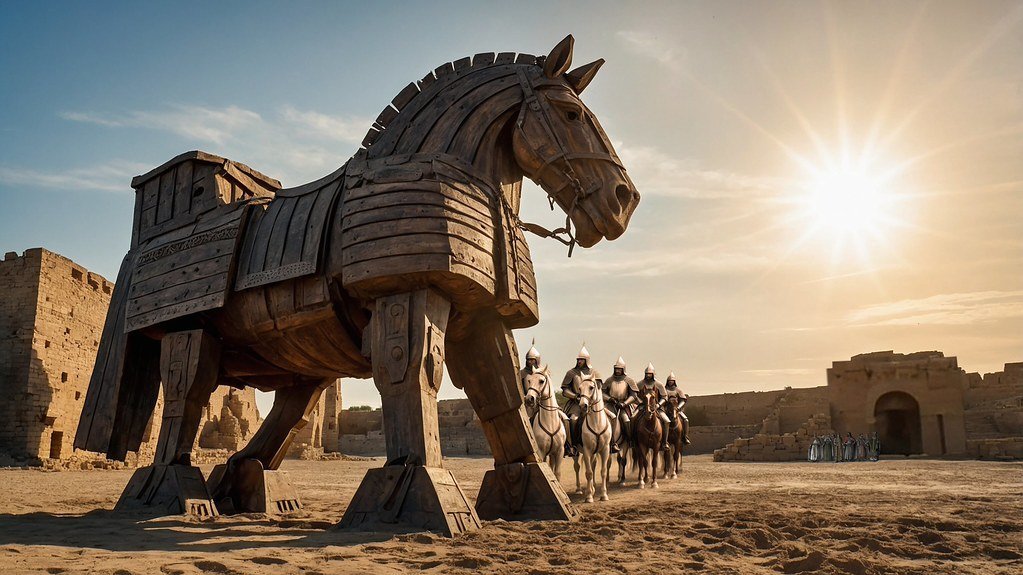
Virgil’s Aeneid recounts the Greeks hiding in a giant wooden horse to sack Troy, a tale from around 1200 BCE. Today, “Trojan horse” malware sneaks into systems, disguised as harmless files, unleashing chaos like ransomware. Tech firms name threats after it, from antivirus scans to hacker lore. This linguistic leap shows how one sneaky ploy defines digital warfare.[1]
Pop culture amplifies it in shows like Mr. Robot, where coders invoke the horse for backdoors. Even games like Assassin’s Creed nod to the legend amid historical sieges. It’s a reminder that ancient cunning predicts our vulnerabilities. Pretty poetic for a computer bug.
Egyptian Curses and The Mummy Films
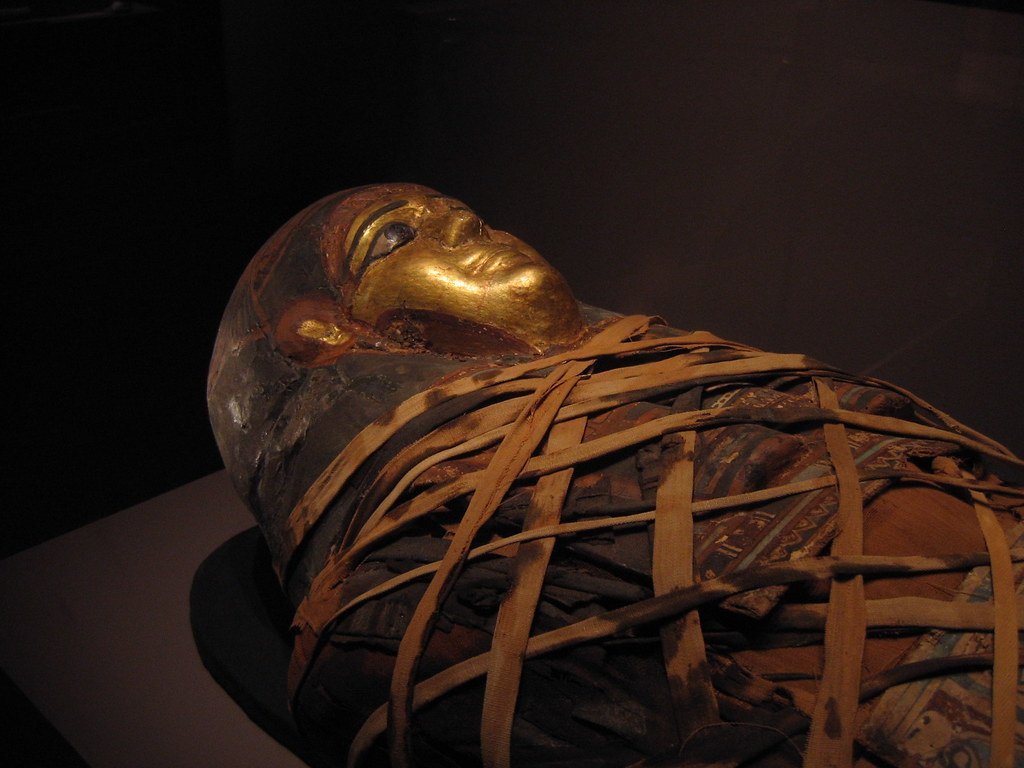
Ancient Egyptian tombs bore warnings of curses for tomb robbers, tied to spells in the Book of the Dead from 1550 BCE. Universal’s 1932 The Mummy and Brendan Fraser’s 1999 reboot dramatize Imhotep rising vengeful, blending real pharaoh lore with horror. Tutankhamun’s 1922 discovery fueled “curse” tabloids, inspiring Hollywood’s undead rage. Egyptomania exploded, pyramids becoming pop icons.[5]
Sequels and games like Assassin’s Creed Origins keep the motif alive, with scarabs and canopic jars. It romanticizes the Nile’s mysteries, drawing tourists to Luxor. Though exaggerated, it spotlights real rituals. Mummies prove eternal box-office gold.
Achilles’ Heel and Superhero Weaknesses

Homer’s Iliad details Achilles dipped in the River Styx, invincible except his heel, felled by Paris’s arrow circa 8th century BCE. Comic lore mirrors this: Superman’s kryptonite, Wolverine’s adamantium flaws. Marvel and DC heroes boast godlike powers undone by tiny vulnerabilities, echoing the Trojan’s fate. It’s the ultimate underdog twist in capes and tights.[1]
Films like Troy (2004) visualize it, influencing vulnerability tropes in The Boys. Idioms like “Achilles’ heel” pepper sports commentary and politics. This sliver of mortality humanizes invincibles. Ancient poetry still clips modern giants’ wings.
Atlantis Legend and Disney’s Adventure
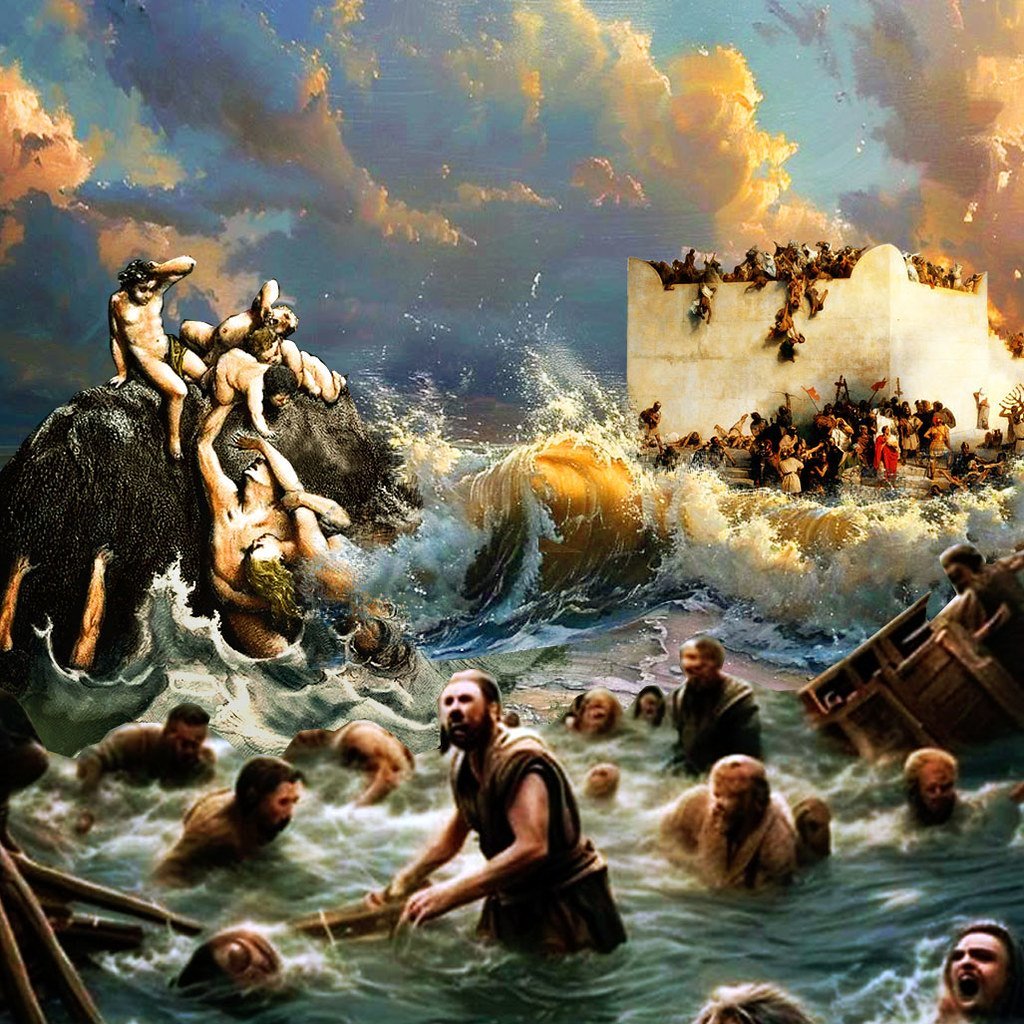
Plato described Atlantis sinking in 360 BCE, a utopian island lost to hubris. Disney’s 2001 Atlantis: The Lost Empire reimagines it with steampunk tech and crystal power, Milo uncovering the myth’s “truth.” It draws from Plato’s Timaeus, blending advanced civ with catastrophe. Kids’ animation hides scholarly roots.[1]
Games and Stargate series expand the lore, alien twists on the sunken city. Conspiracy pods love it, linking to Bermuda Triangle. Plato’s fable fuels endless what-ifs. Sunken dreams keep resurfacing.
Prometheus Myth and Alien Franchise
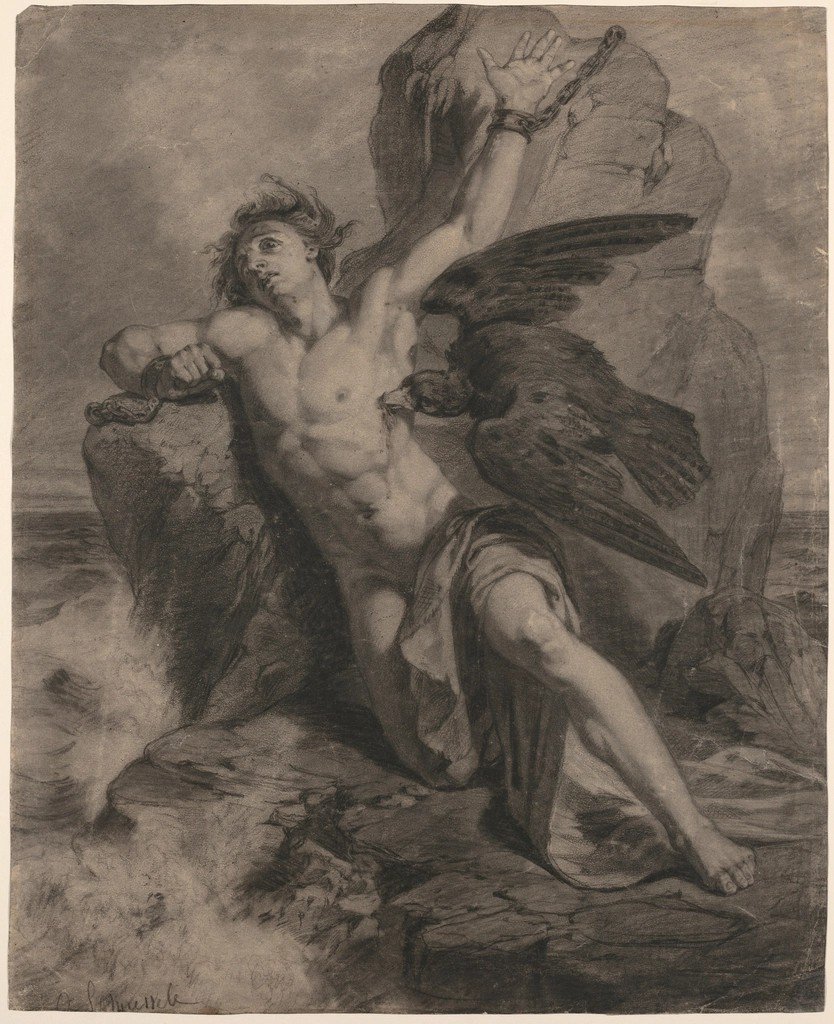
Greeks told of Prometheus stealing fire for humans, chained and liver-pecked eternally. Ridley Scott’s Prometheus (2012) names the ship after him, engineers seeding life like the Titan’s gift. Androids and creation hubris parallel the punishment. Sci-fi horror nods to mythic rebellion.[2]
Alien’s sequels deepen the Engineers’ god-complex, echoing Zeus’s wrath. Frankenstein’s subtitle “Modern Prometheus” paved the way. It questions origins in space age terms. Fire-bringers haunt our stars.
Minotaur’s Labyrinth and God of War
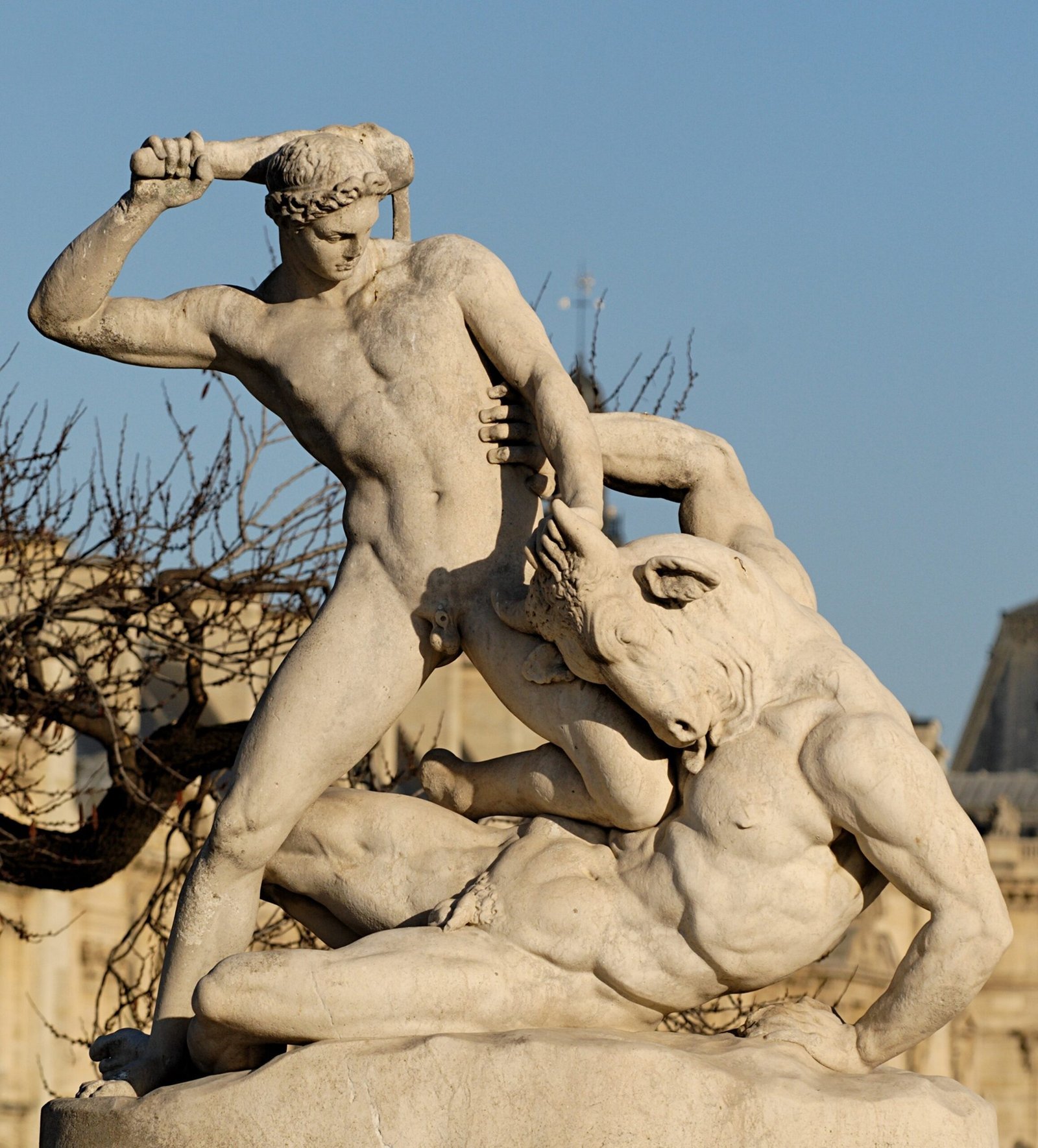
Crete’s Minotaur, half-man bull in Daedalus’s maze, demanded Athenian sacrifices per myth. God of War (2018) features Kratos battling the beast in ancient Greece, twisting the labyrinth into brutal puzzles. PlayStation epics honor Theseus’s thread escape. Gaming revives bull-headed terror.[6]
Pan’s Labyrinth film echoes the horror-fantasy blend. Escape rooms worldwide mimic it. Myths morph into interactive thrills. Horns still charge through pixels.
Babylonian Zodiac and Astrology Apps
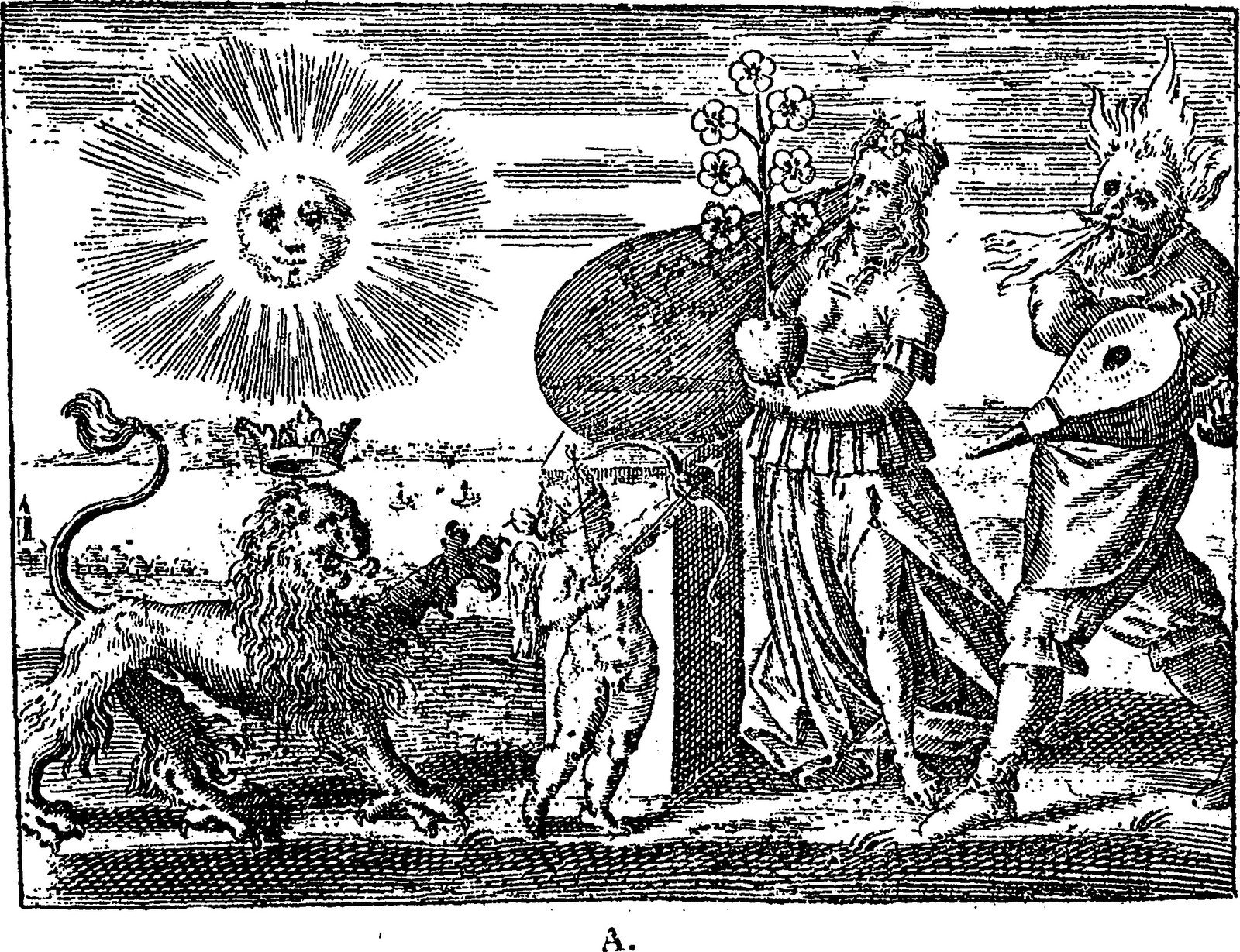
Babylonians charted stars 2000 BCE, birthing zodiac signs we use daily. Apps like Co-Star deliver horoscopes based on those constellations, memes flooding TikTok. Scorpio’s sting or Leo’s roar trace to cuneiform tablets. Ancient skies guide swipe-right fates.[7]
Pop stars consult them pre-album drops. It democratizes Mesopotamian divination. Skeptical? Stars aligned long before influencers. Cosmic clay endures.
Roman Empire TikTok Trend
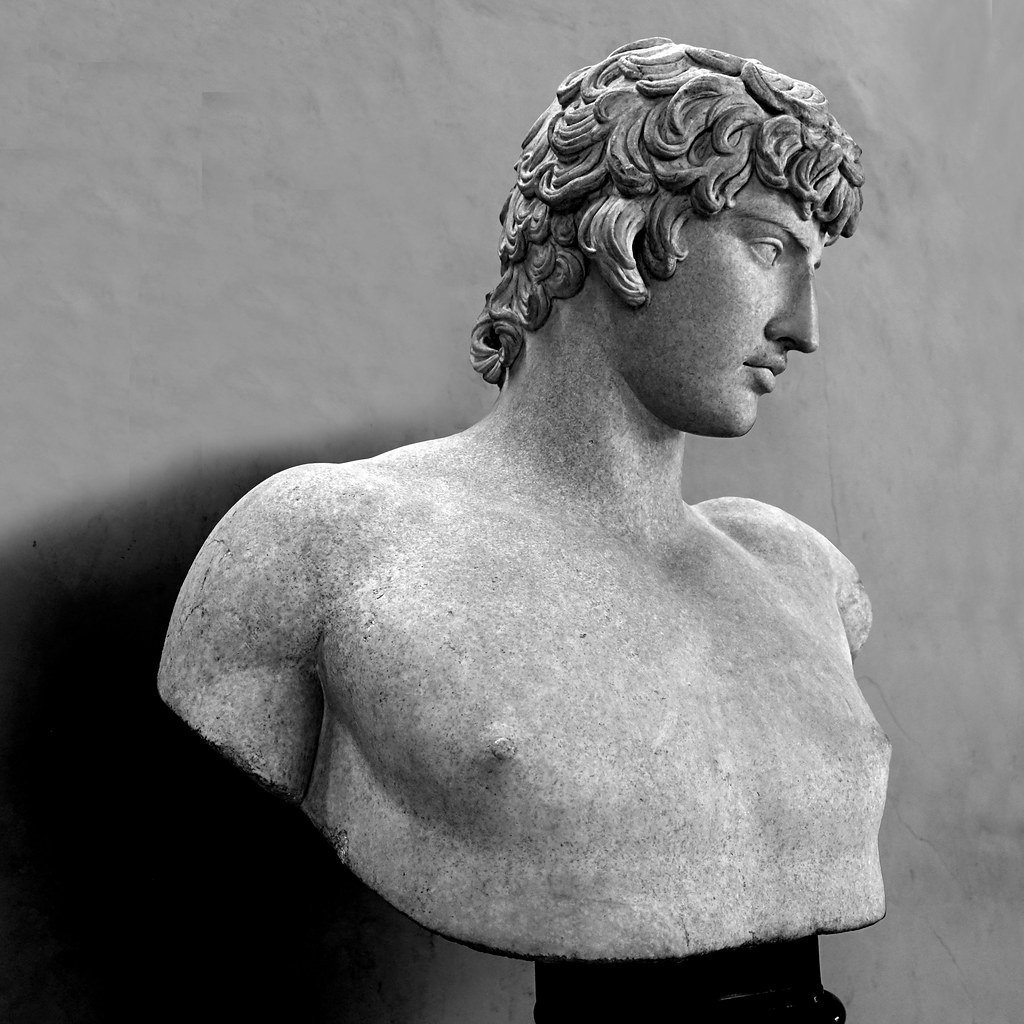
The 2023 TikTok “Roman Empire” challenge asks men how often they ponder ancient Rome; turns out, frequently. Gladiators, aqueducts, emperors dominate thoughts, echoing Colosseum hype from 80 CE. Women shocked, but it spotlights Rome’s grip on psyches.[8]
Videos rack millions, spawning history dives. It bridges emperors to algorithms. Empire’s fall? Not in our feeds. Thoughts conquer time.
Egyptian Gods in Moon Knight
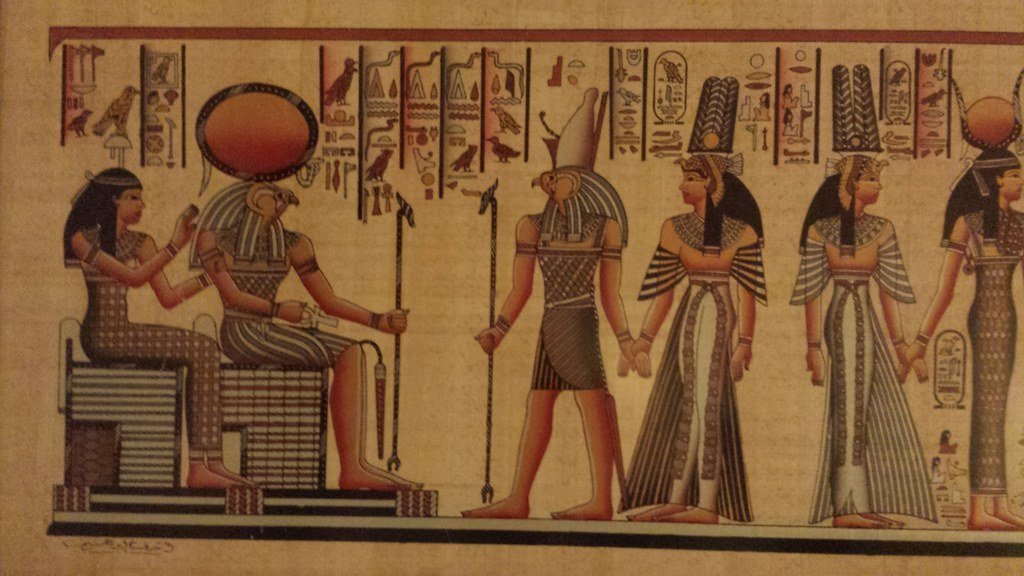
Marvel’s Moon Knight (2022) channels Khonshu, ancient moon god judging pharaohs from 2000 BCE. Marc Spector avenges as avatar, fists flying in Cairo alleys. Egyptian pantheon clashes like real dynastic rivalries. Superhero series resurrects Nile deities.[9]
Black Adam draws similar powers. Hieroglyphs glow on screen. It mixes myth with mental health twists. Gods walk Disney+ halls.
Cultural Continuity: Echoes That Bind Us
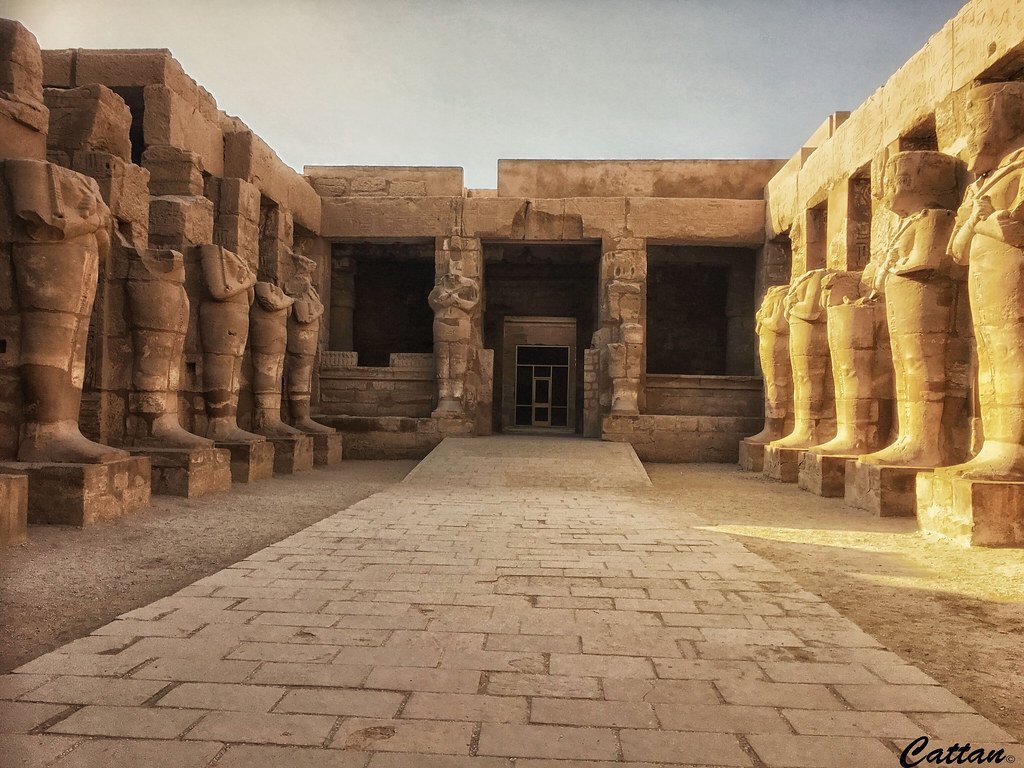
These connections reveal how ancient history pulses in pop culture’s veins, from philosophy to fists. We retell old stories to wrestle new fears, proving humanity’s narrative core endures. It’s comforting, really, that gladiators and gods still entertain amid AI and influencers.
Next time a trailer drops or trend blows up, spot the antiquity. What ancient thread pulls your favorite phenomenon? Share below.[10]

Christian Wiedeck, all the way from Germany, loves music festivals, especially in the USA. His articles bring the excitement of these events to readers worldwide.
For any feedback please reach out to info@festivalinside.com
