

For any feedback please reach out to info@festivalinside.com
- 12 American Novels Everyone Should Read - March 30, 2026
- 10 Literary Characters Who Are More Famous Than Their Authors - March 30, 2026
- 13 Films That Were So Controversial, They Sparked National Debates - March 30, 2026
There’s a strange truth hiding inside every great moment in music history. Behind the roar of the crowd, the lights, the unforgettable performances, there’s often a story of near-disaster, a last-minute phone call, a cancelled venue, a reluctant artist, or a city on the edge of chaos. The line between “this almost didn’t happen” and “this changed everything” is thinner than most people realize.
Some of the most earth-shattering concerts ever performed came within a whisper of never taking place at all. What if the venue had stayed cancelled? What if the artist had said no? What if the weather had made it all impossible? The answers would have rewritten music history entirely. Be prepared to be surprised by how close we came to losing them.
Woodstock 1969: The Festival That Almost Had No Stage
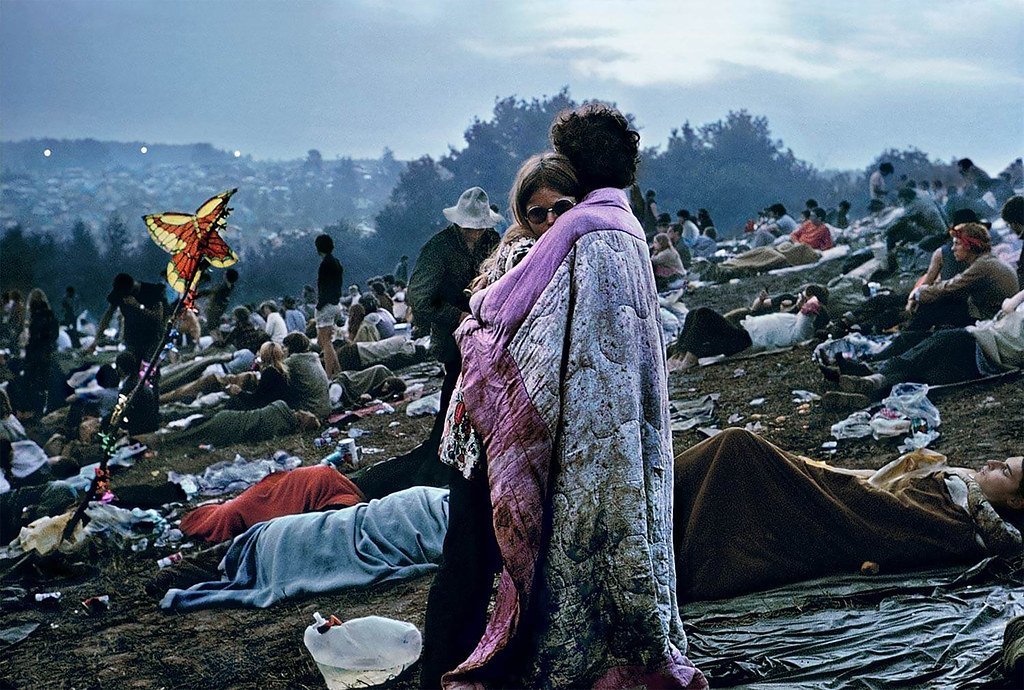
At nearly every stage of planning, the organizers of Woodstock faced seemingly insurmountable obstacles. Originally, they planned to hold the event at a venue located in Wallkill, south of Woodstock. As the festival began to look larger than life, town officials in Wallkill got spooked and passed legislation making it impossible for the festival to take place there. With just weeks to go, they had no venue, no plan, and no real hope.
In a wild stroke of luck, a dairy farmer local to Bethel Woods volunteered a small portion of his acreage. Unbeknownst to him, Max Yasgur was sowing himself into music history. Expecting 50,000 attendees for a three-day music concert, the event instead drew an estimated 500,000. So many people flooded into the festival grounds that the promoters had to stop checking tickets and just make the concert free because they were too overwhelmed. The chaos was total, the infrastructure nearly collapsed, and yet what emerged from that muddy dairy farm became the defining cultural moment of an entire generation. It was one of the largest music festivals in history and would become the peak musical event to reflect the counterculture of the 1960s, widely regarded as a pivotal moment in popular music history.
Queen at Live Aid, 1985: The Band That Almost Said No
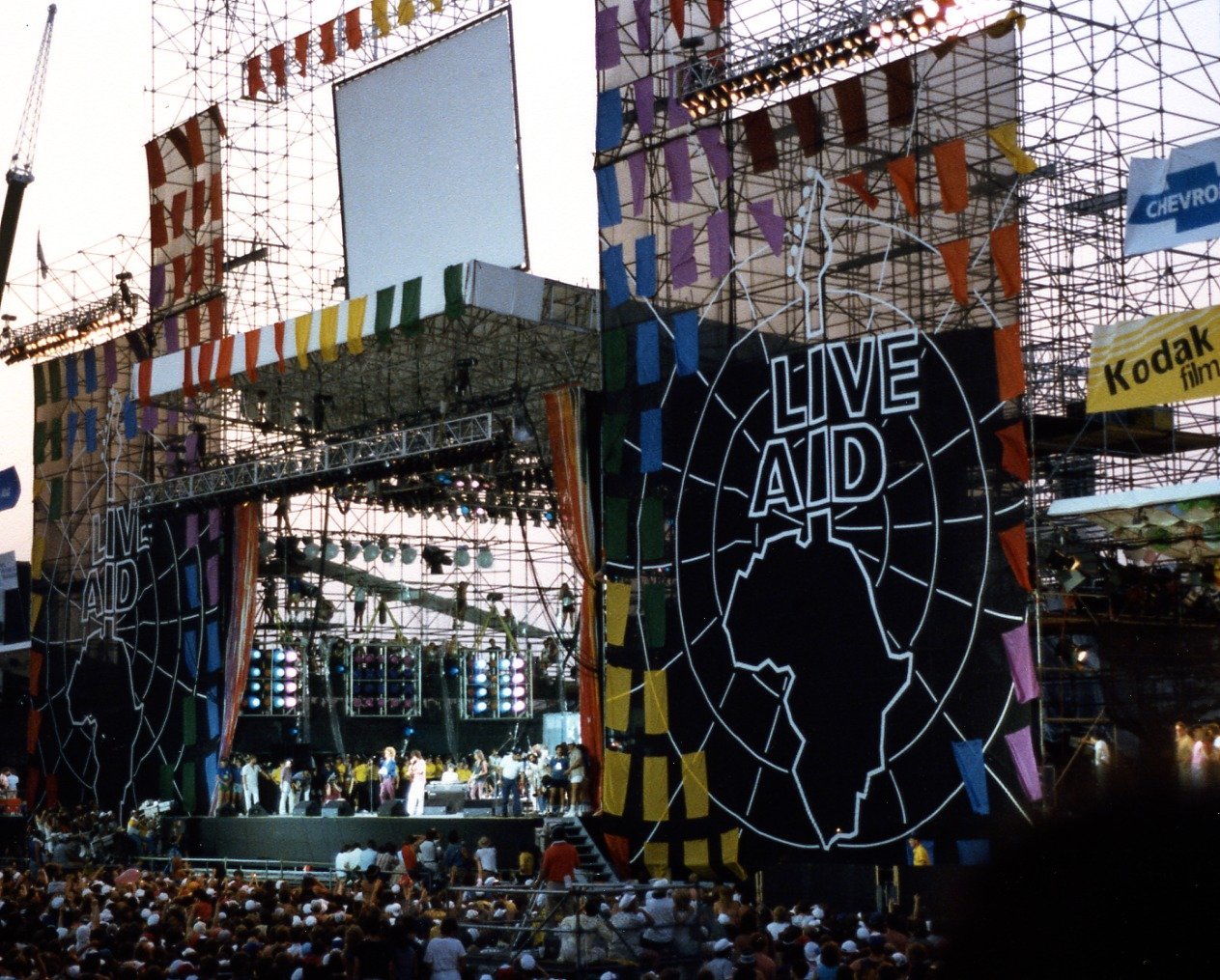
Queen’s legendary Live Aid set almost didn’t happen, says organizer Bob Geldof. Live Aid promoter Harvey Goldsmith says he had to fight to get Queen on the lineup as Bob Geldof didn’t want them to play. Geldof believed the band had already peaked. Honestly, from a certain angle, you can understand the hesitation.
Ironically, in the run-up to the gig, the band was seen as past its prime. Their iconic hits dated back to the previous decade, and their disco and funk-infused 1982 album didn’t even crack the top 20 in America. Guitarist Brian May recalled: “We definitely hesitated to say yes. We had to consider whether we were in good enough shape. The chances of making fools of ourselves were so big.” The band was also fracturing internally, with Freddie Mercury eyeing a solo career. The concert may have even saved the band. They were on the verge of breaking up, or taking a serious break. Powered by Freddie Mercury’s magnetic onstage theatrics, a resurgent Queen delivered a legendary 21-minute performance in the early evening at Wembley, a set that’s firmly entrenched in rock and roll folklore. An estimated audience of 1.9 billion people in 150 nations watched the live broadcast, nearly forty percent of the world population.
James Brown at Boston Garden, 1968: The Concert That Kept a City From Burning
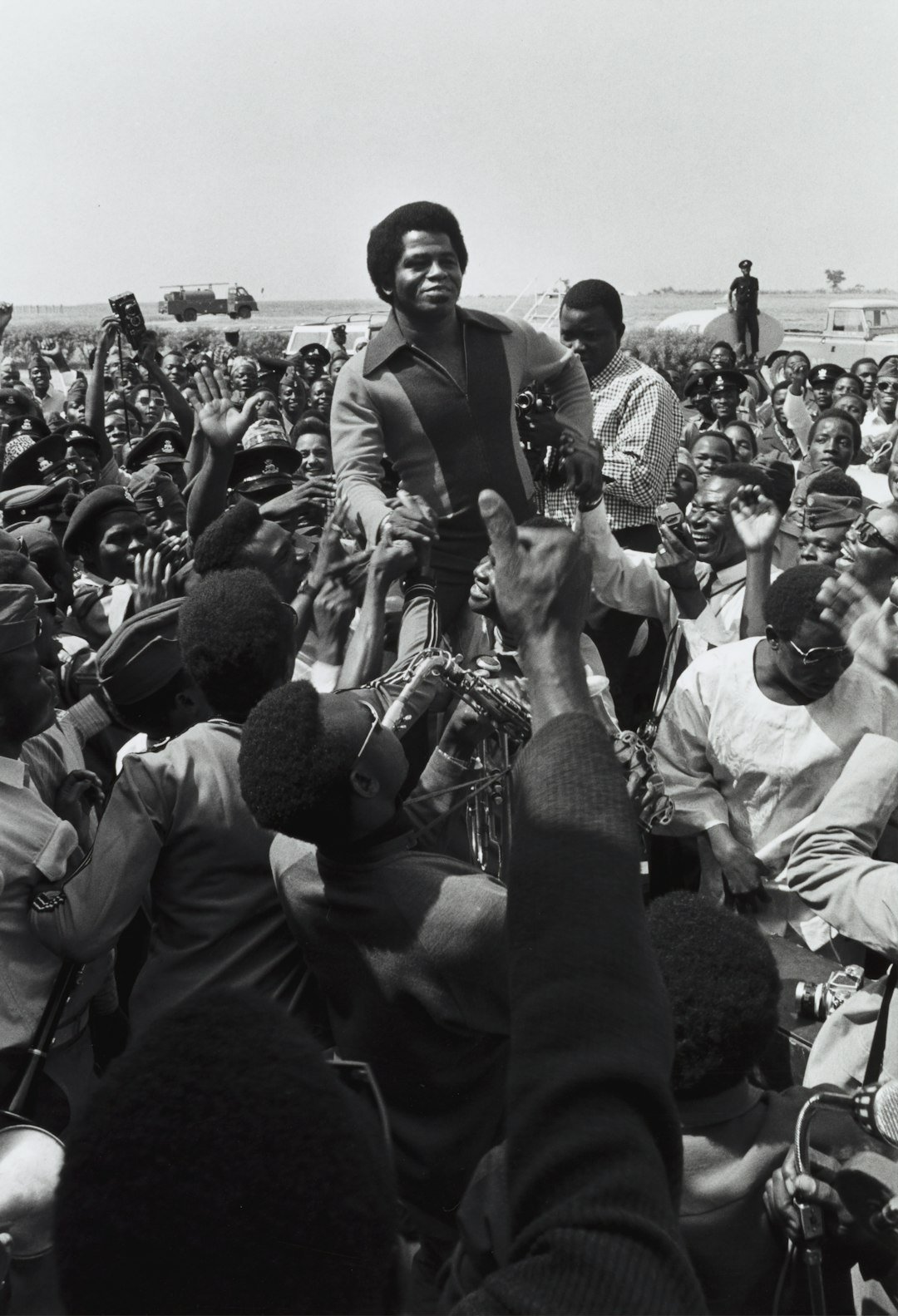
This one isn’t just a music story. It’s a piece of American history that could have gone horribly wrong. Brown’s appearance at the Boston Garden had been scheduled for months, but it nearly didn’t happen. Following a long night of uprisings and fires in the predominantly Black Roxbury and South End sections of the city, Boston’s young mayor Kevin White gave serious consideration to canceling an event that some feared would bring violence into the city’s center.
The Chief of Police had convinced Mayor White that the concert would just incite further violence with so many citizens of Boston in a heightened emotional state. City council member Atkins came together with Mayor White and convinced him not to cancel the show. He even proposed televising the concert so people all over Boston could experience it. Then Brown nearly walked out over lost revenue. When White learned of Brown’s demand for compensation, he almost cancelled the concert a second time. It was nearly cancelled twice in a single day. The broadcast of Brown’s concert had the exact effect it was intended to, as Boston saw less crime that night than would be expected on a perfectly normal Friday in April. Boston was one of the major cities in America that did not riot because people were actually inside enjoying the message and the performance from James Brown.
The Beatles’ Rooftop Concert, 1969: An Accidental Farewell
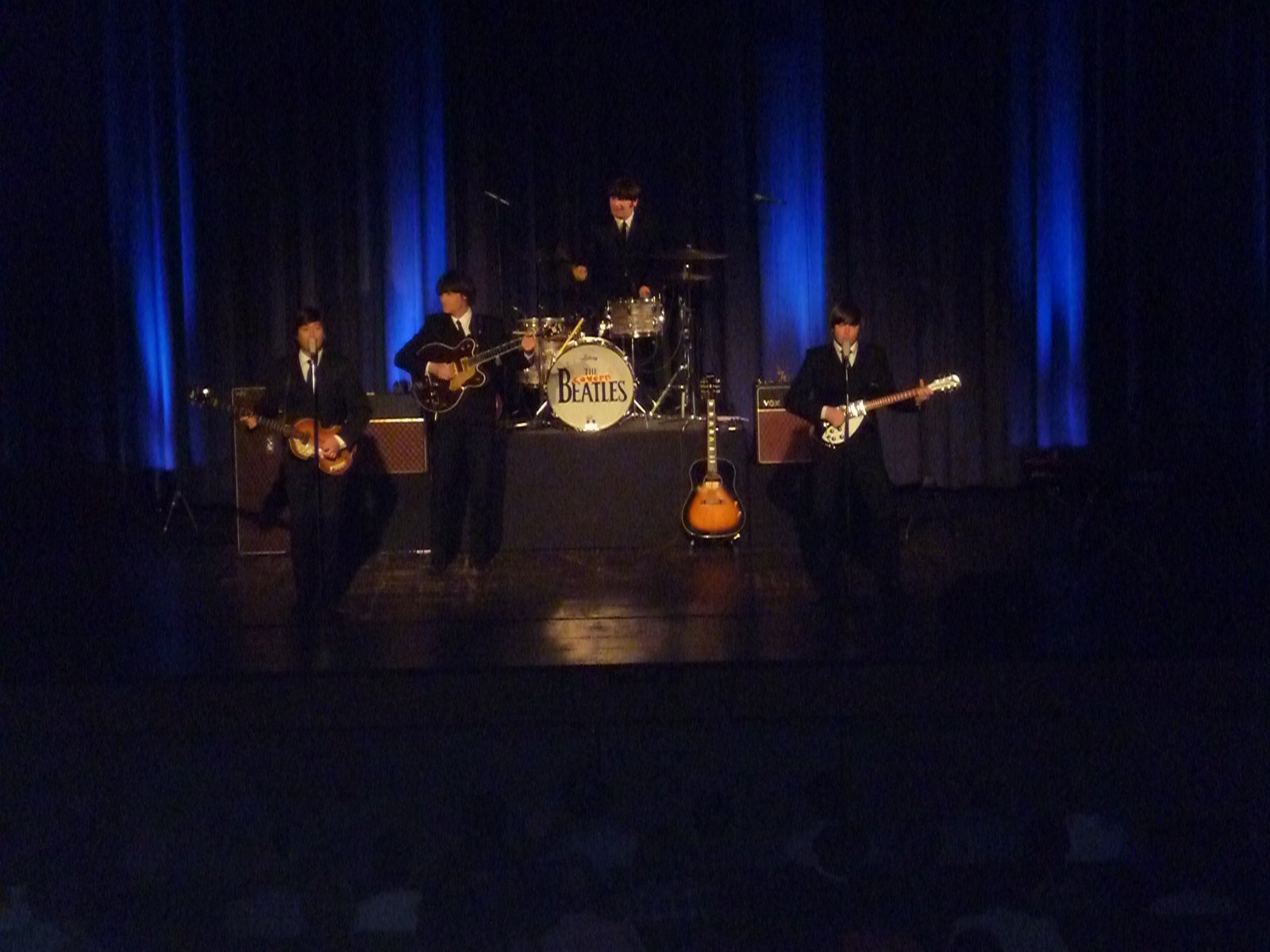
Nobody planned for it to be historic. The rooftop concert was completely impromptu and marked the first time in over two years that the band had played together live. It was also one of the last public performances the band would ever give. The Beatles were falling apart behind the scenes, and getting them up on that rooftop was far from guaranteed.
Though the band’s unity was being held together by a thread, with disagreements about their management and frequent discussions about breaking up, they came together at this moment to return to their roots and perform. They had cables running from the roof to the basement studio to record the music, and speakers facing downwards to passersby on the street. During the performance, The Beatles played “Get Back,” “Don’t Let Me Down,” “I’ve Got A Feeling,” “The One After 909” and “Dig A Pony.” Police eventually arrived and shut it all down. Their final public performance atop Apple Corps’ building attracted crowds and police intervention, marking a symbolic closure to their live career. This unconventional concert highlighted both their music’s enduring appeal and their willingness to break conventional molds even at the end.
Bob Dylan Goes Electric at Newport Folk Festival, 1965: A Riot Waiting to Happen
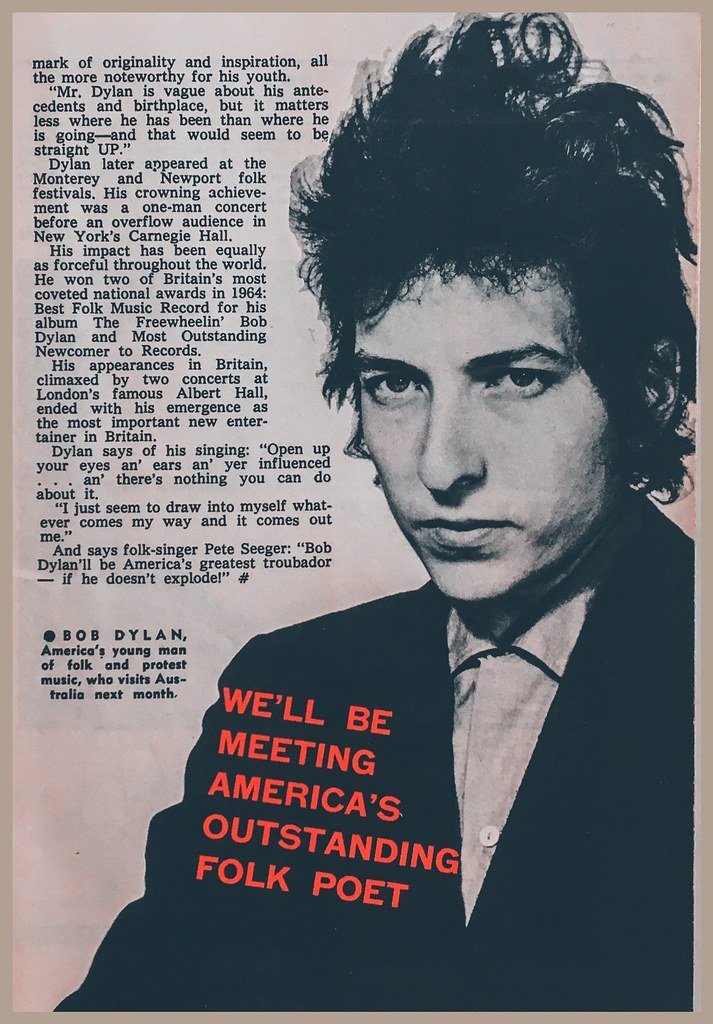
Few concerts in history were as dangerous to perform as this one. Dylan was the unquestioned king of the folk scene. Bob Dylan is considered one of the greatest songwriters of his time. He became the voice of a generation, defining the folk sound of the early 1960s with deeply profound and poetic lyrics, with protest songs becoming anthems for the Civil Rights and social justice movements. Showing up electric was essentially an act of artistic rebellion against his own audience.
Famous for the cry of “Judas!” when Dylan went electric, the concert marked a pivotal moment in music history. The tension between folk purists and Dylan’s new direction created an electric atmosphere. His defiant response and blistering performance of “Like a Rolling Stone” became legendary. The performance could easily have been shut down or drowned out entirely. The hostility in the crowd was real and intense. Yet Dylan’s refusal to back down that night cracked open the entire concept of what a protest singer could be, and the shockwaves are still felt in music today. I think very few artists have ever taken as bold a risk in front of such a hostile audience.
Johnny Cash at Folsom Prison, 1968: A Label Didn’t Want It to Happen
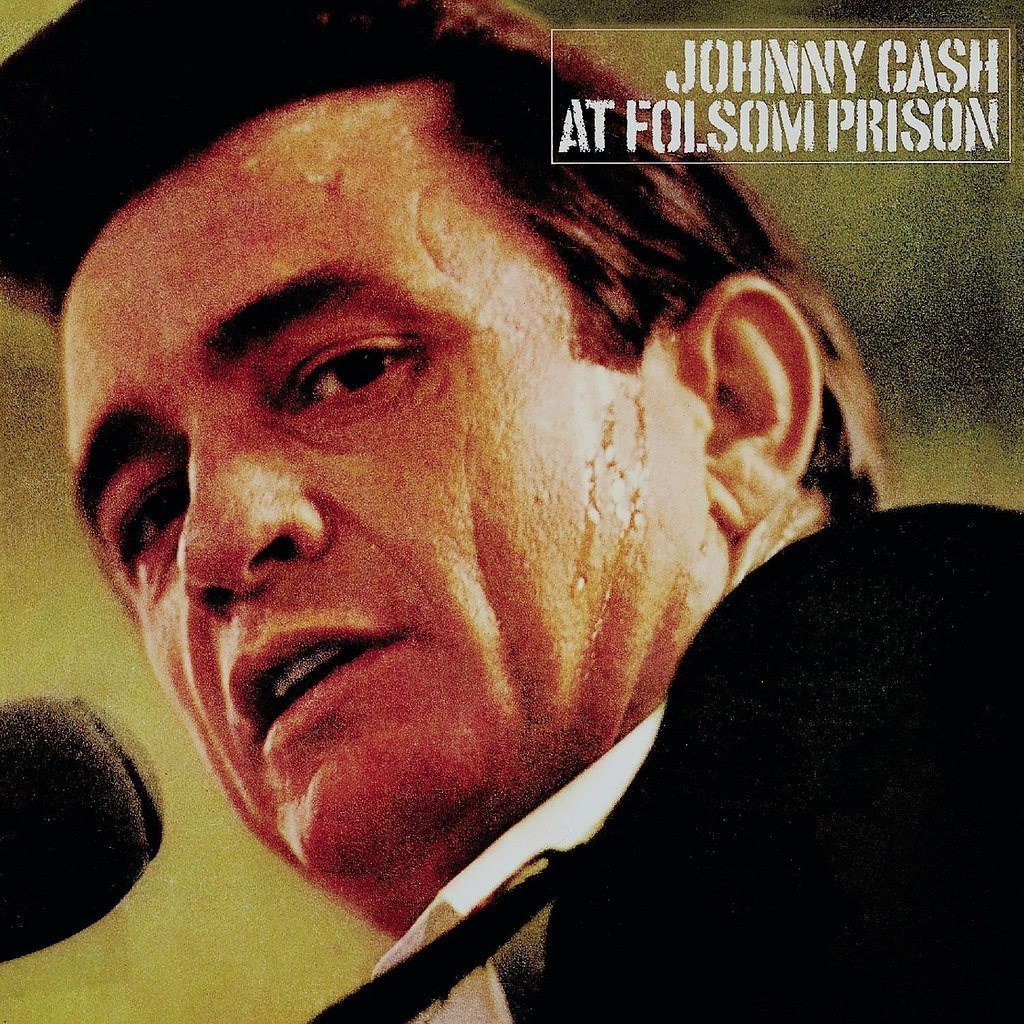
Cash’s concert for inmates was initially met with label skepticism but ultimately marked his remarkable comeback. Record companies aren’t exactly known for their adventurous thinking, and the idea of recording a live album inside a prison struck many executives as commercial suicide. Cash pushed anyway. He had to fight for it.
Two years later, in the midst of a decline in his career and while suffering from alcoholism and addiction, Cash returned to Folsom Prison and convinced his record company to let him record a live album there, hoping it would help boost his career. Johnny Cash’s decision to play at California’s Folsom State Prison didn’t just revive his struggling career, it helped make him an international star and go down in popular music history. Cash combined the two shows into the live album At Folsom Prison, which skyrocketed to the top of the charts. It also revealed a startling portrait of American prison life, as Cash became a lifelong advocate for improving conditions for the incarcerated. The performance humanized incarcerated individuals for mainstream audiences, its gritty atmosphere cementing Cash’s outsider image while influencing public perceptions of prison reform.
Jimi Hendrix at Monterey Pop Festival, 1967: One Stage That Created a Legend
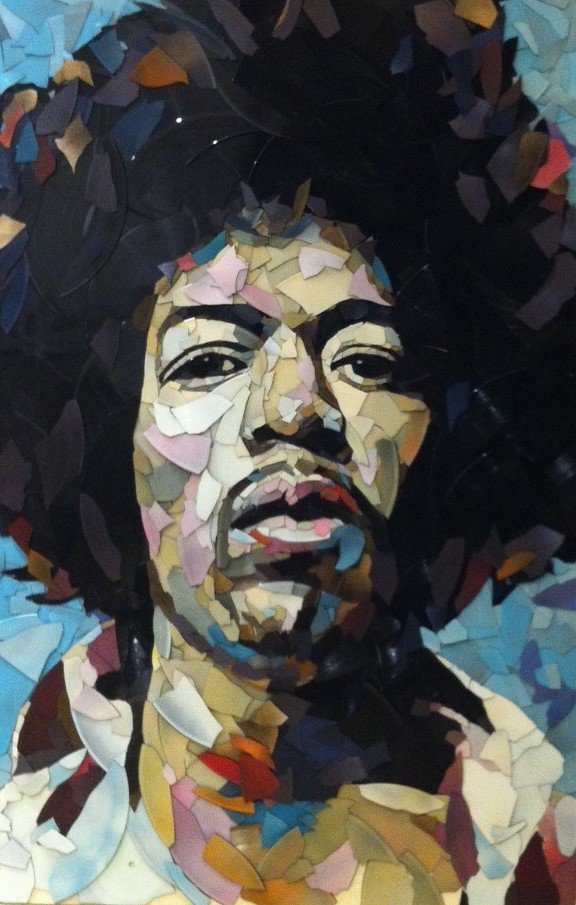
Before Monterey, Jimi Hendrix was virtually unknown in America. The British scene knew him, but stateside he was a mystery. Monterey Pop was a hub where both fans and artists alike were exposed to exciting new musical voices, often for the very first time. Groups as diverse as The Jimi Hendrix Experience, Otis Redding, Ravi Shankar, Jefferson Airplane and Laura Nyro all brought their folk, soul and psychedelic rock to a receptive audience.
Jimi Hendrix’s Monterey set was the show of all shows as far as live classic rock is concerned. The guitar legend cemented his status as one of the greatest rockers of all time, and the burning guitar was just the grand finale to an amazing concert. The relatively small festival crowd witnessed what many consider the most influential guitar performance in rock history. The moment he knelt beside his burning Stratocaster became an iconic image of the 1960s. His performance that day didn’t just introduce Hendrix to America. It reset the ceiling for what electric guitar music could do and feel like. Still jaw-dropping, even now.
Elvis Presley’s ’68 Comeback Special: A Star Who Didn’t Want to Return
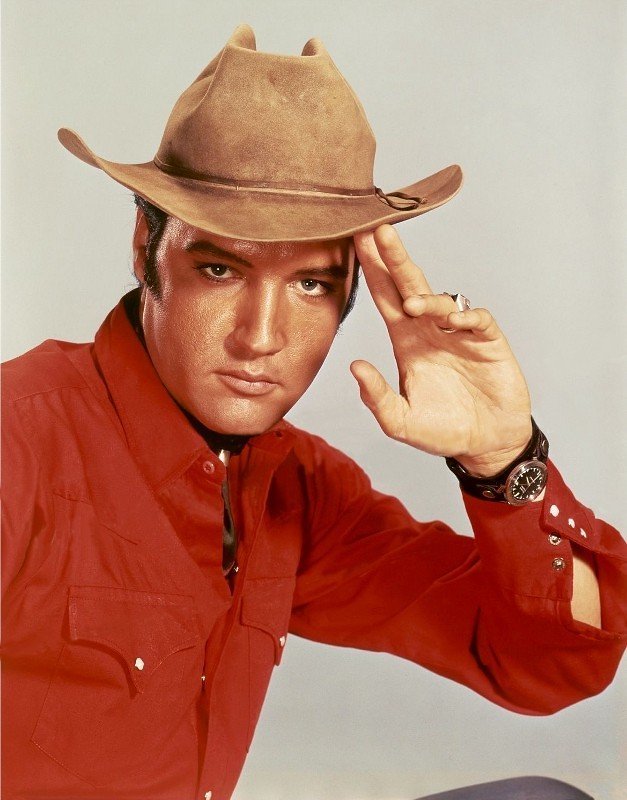
Here’s the thing: Elvis didn’t want to do it. After years making Hollywood films with little creative satisfaction, the idea of returning to the stage was genuinely terrifying for him. The ’68 Comeback Special might be his greatest performance. At this point, he was done being an up-and-coming kid, but not far from the decline that would eventually follow. He didn’t really want to do it at the time and was concerned about both his performance and fan reaction, but you can’t tell at all by watching it.
Elvis was hardly ever nervous, according to drummer D.J. Fontana, who remembered the NBC special that relaunched Presley’s career after years in Hollywood. The highlight was an intimate sit-down set with his band that was almost like catching Elvis at the Louisiana Hayride back in 1954. Presley’s energetic and controversial performance shocked mainstream audiences, exemplifying rock’s power to challenge social norms and becoming a watershed cultural event. Television had never seen anything like Elvis’s raw magnetism. His willingness to finally step out of his comfort zone reignited a career and reminded the world exactly who Elvis Presley was.
Nirvana MTV Unplugged, 1993: A Band on the Edge of Something Unknown
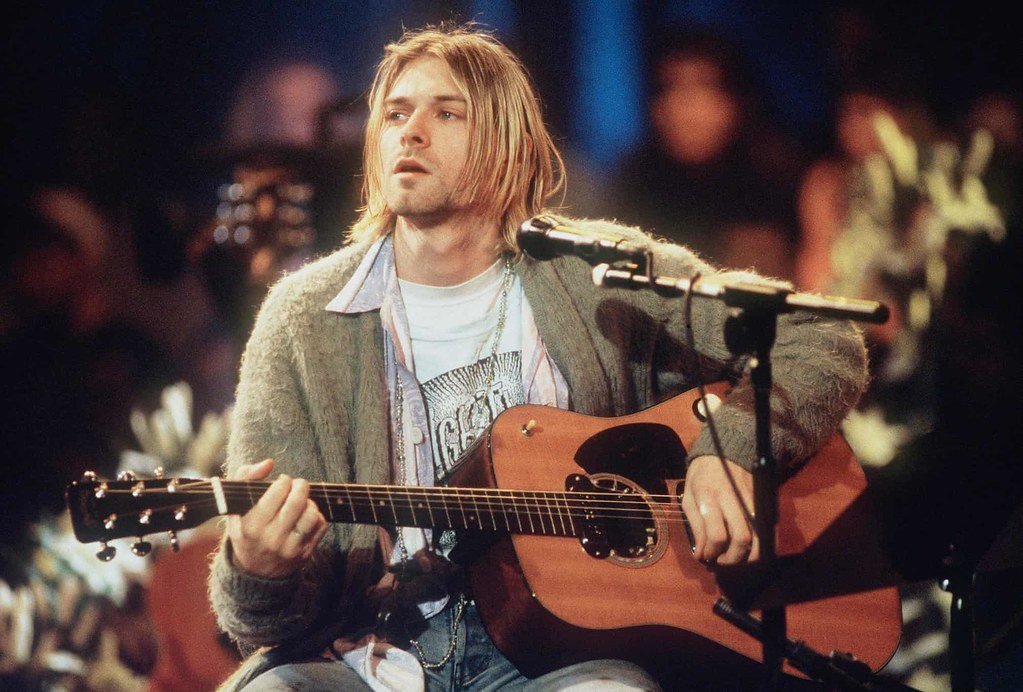
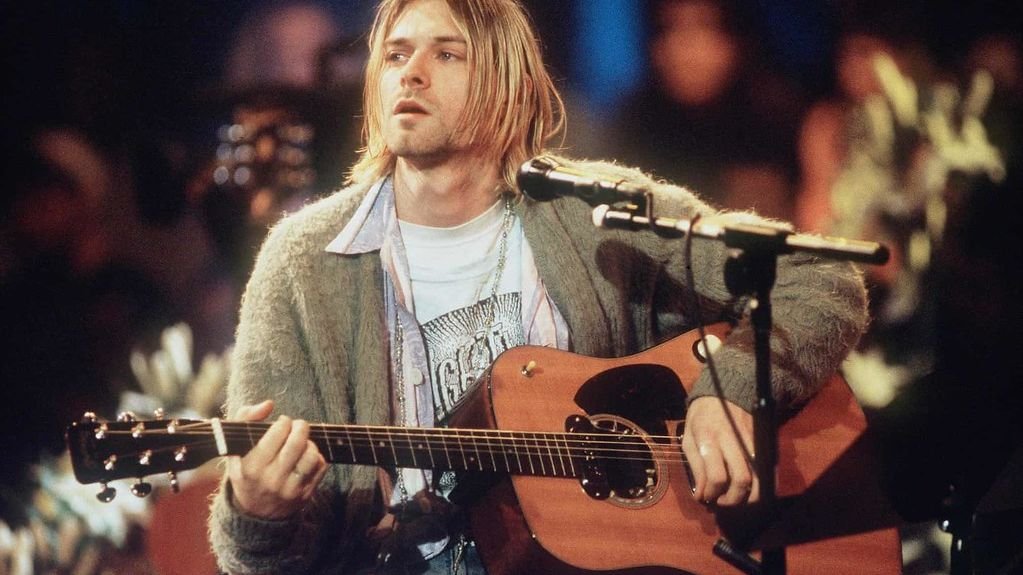
Nirvana’s eerie, intense “Unplugged in New York” show for MTV in November 1993 became one of the biggest “what might have been” moments in music. Kurt Cobain and company chose to play lesser-known material and covers, including songs by David Bowie, Lead Belly and Meat Puppets, hinting at a new direction for the band. Cobain was resistant to the format, initially skeptical of the whole stripped-down concept, and nearly didn’t commit to it.
Cobain’s acoustic reinterpretations showcased grunge’s emotional depth just months before his death. The performance featured haunting covers delivered with haunting intensity that made the originals feel like rough drafts. Cobain’s distressed presence transformed familiar songs into confessions. The stripped-down arrangements revealed layers of meaning that electric guitars had previously masked, creating an intimacy that felt almost invasive to witness. The show was released as Nirvana’s first live album in November of 1994, a few months after Cobain took his own life. It became a document of extraordinary, heartbreaking beauty.
Metallica at Moscow’s Tushino Airfield, 1991: A Million People and Zero Precedent
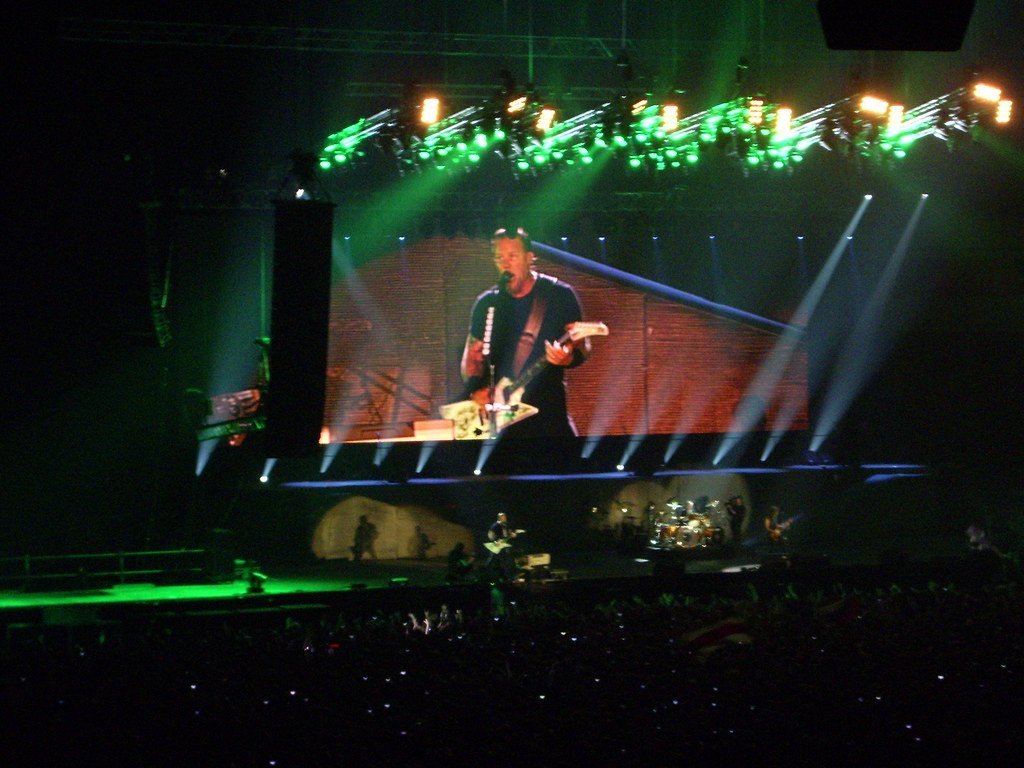
In 1991, the Soviet Union dissolved, and on September 28, Moscow’s Tushino Airfield held the country’s first free open-air rock concert. The sheer scale of what was being attempted was staggering. Nothing like it had ever been done in that country. The political climate, the logistics, the potential for disaster, all of it made the event almost unthinkable.
Metallica’s momentous performance was attended by as many as 1.6 million people, making it one of the largest shows to ever take place. The legendary heavy metal band’s fierce ten-song setlist sent shockwaves through the airfield; even military personnel were seen headbanging. Think about that for a second. A million and a half people at a single concert, in a country that had never allowed anything like it. That’s not just a show. That’s a seismic cultural rupture. The concert stood as proof that music can move through walls that politics cannot.
The Beatles on The Ed Sullivan Show, 1964: Nearly Lost to Beatlemania Itself
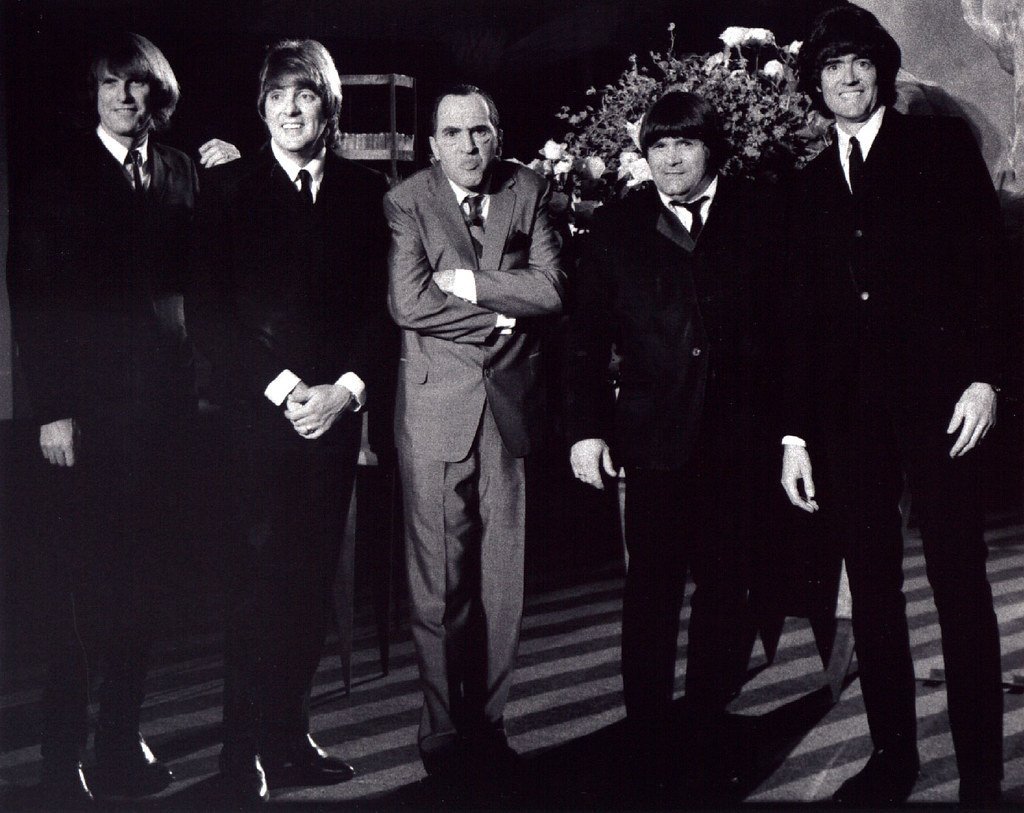
Even if you were only a small child in 1964, you still know where you were when the Beatles played the Ed Sullivan Show. It was the start of a musical influence that is still unmatched to this day. The Beatles came to the U.S. and took over the world, and it all began with a brief set on a network TV show. What many don’t know is just how volatile the situation was around that performance. Beatlemania had created genuine crowd control crises everywhere the band went.
Beatlemania was officially here to stay during this landmark concert. The band were on their second American tour, capitalizing on the momentum afforded them by their iconic Ed Sullivan appearance. This show was a landmark for the British Invasion’s influence on American culture, and the excitement present here by the throngs of screaming fans was feverish to the point of madness. The Sullivan performance didn’t just launch the Beatles in America. It completely rewired what a pop act could be, what pop culture could look like, and what mass hysteria in the name of music might feel like. Nothing before it quite compared. Nothing since has fully matched it.
David Bowie’s Ziggy Stardust Farewell at Hammersmith Odeon, 1973: The Shock Nobody Expected
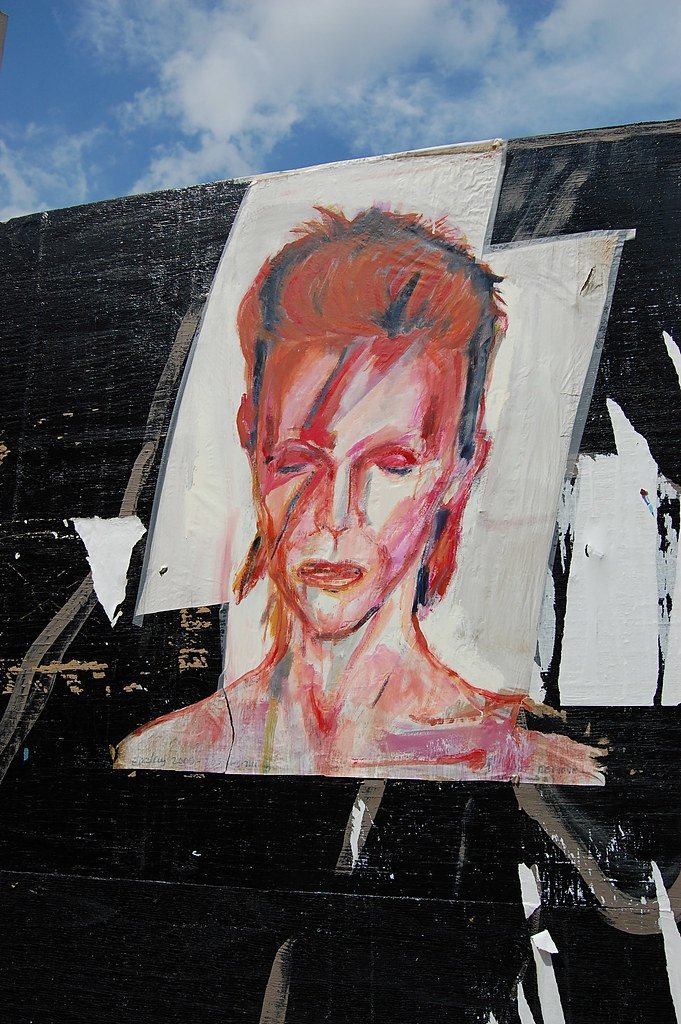
Let’s be real: nobody in that audience knew what they were about to witness. At London’s Hammersmith Odeon, Bowie shocked the audience by announcing it was “the last show we’ll ever do.” Nobody knew he meant he was retiring his Ziggy Stardust persona. The emotional performance marked the end of a transformative era in rock history. Bowie had deliberately kept his plans secret, partly because the band itself didn’t know it was coming, and partly because the announcement needed to land like a thunderclap.
The concert almost didn’t proceed with that revelation intact. There were internal pressures around the Ziggy persona, growing tensions about the blurring between character and reality, and real concerns about whether Bowie could sustain the performance without fully losing himself in it. The fear was that Ziggy Stardust was consuming David Bowie the person. There are concerts that you’ll never forget, and then there are concerts that the world never forgets. A single mind-blowing performance can define a band for years to come and put them in the history books for generations to see and hear. Bowie’s Hammersmith show did exactly that. The retirement of Ziggy that night freed Bowie to become every other version of himself that followed, and that freedom produced some of the greatest art of the twentieth century.
Conclusion: History Hangs by a Thread
Some performances don’t just entertain, they carve themselves into collective memory and refuse to leave. These concerts didn’t just happen; they exploded across generations, becoming shorthand for entire cultural movements. From intimate acoustic sets that revealed hidden vulnerability to stadium spectacles that united hundreds of thousands, these moments prove that live music’s real power isn’t just in the notes. It’s in how those notes can change everything.
The truly dizzying part of all of this is how random it all was. A dairy farmer said yes. A mayor didn’t cancel. A phone call finally got through. A tired band said yes instead of no. Live music history, it turns out, is not made of certainties. It’s made of near-misses, last-minute agreements, and unlikely rescues. That should terrify us a little. It should also fill us with enormous gratitude.
What do you think: which near-cancellation shocks you the most? Tell us in the comments.

Christian Wiedeck, all the way from Germany, loves music festivals, especially in the USA. His articles bring the excitement of these events to readers worldwide.
For any feedback please reach out to info@festivalinside.com
