

History has a funny way of remembering only the triumph, not the stumble. We read about great leaders, revolutionary artists, and fearless freedom fighters – but rarely do we pause long enough to absorb the sheer scale of what they had to overcome just to reach the starting line. The poverty. The illness. The ridicule. The years of failure stacked on top of more failure.
Honestly, that is the part that deserves a closer look. Because behind every name carved into a monument, there is a story of someone who had every reason to give up and chose, against all logic, not to. These twelve people did not just achieve greatness. They wrestled it from the hands of circumstances that would have crushed most of us.
Let’s dive in.
1. Abraham Lincoln – From Log Cabin to Legend

Lincoln was born into abject poverty in a one-room log cabin in 1809, yet he managed to rise to become the 16th President of the United States. He had no formal education and even dropped out of grade school. His childhood was defined not by books or classrooms, but by hard labor, grief, and persistent hunger. When he was just a boy, his mother died in remote wilderness, and the loss scarred him deeply.
He started numerous failed businesses, went bankrupt twice, and was defeated in 26 of the campaigns he made for public office. He suffered from depressive tendencies throughout his life. Yet somehow, none of it stopped him. In 1863, he issued the Emancipation Proclamation, which declared that enslaved people in Confederate states were free – changing the very purpose of the war, making it about not just saving the Union but also ending slavery. To this day, Lincoln is considered by scholars, historians, and the general public to be one of the greatest presidents in American history.
2. Harriet Tubman – The Woman Who Never Lost a Soul
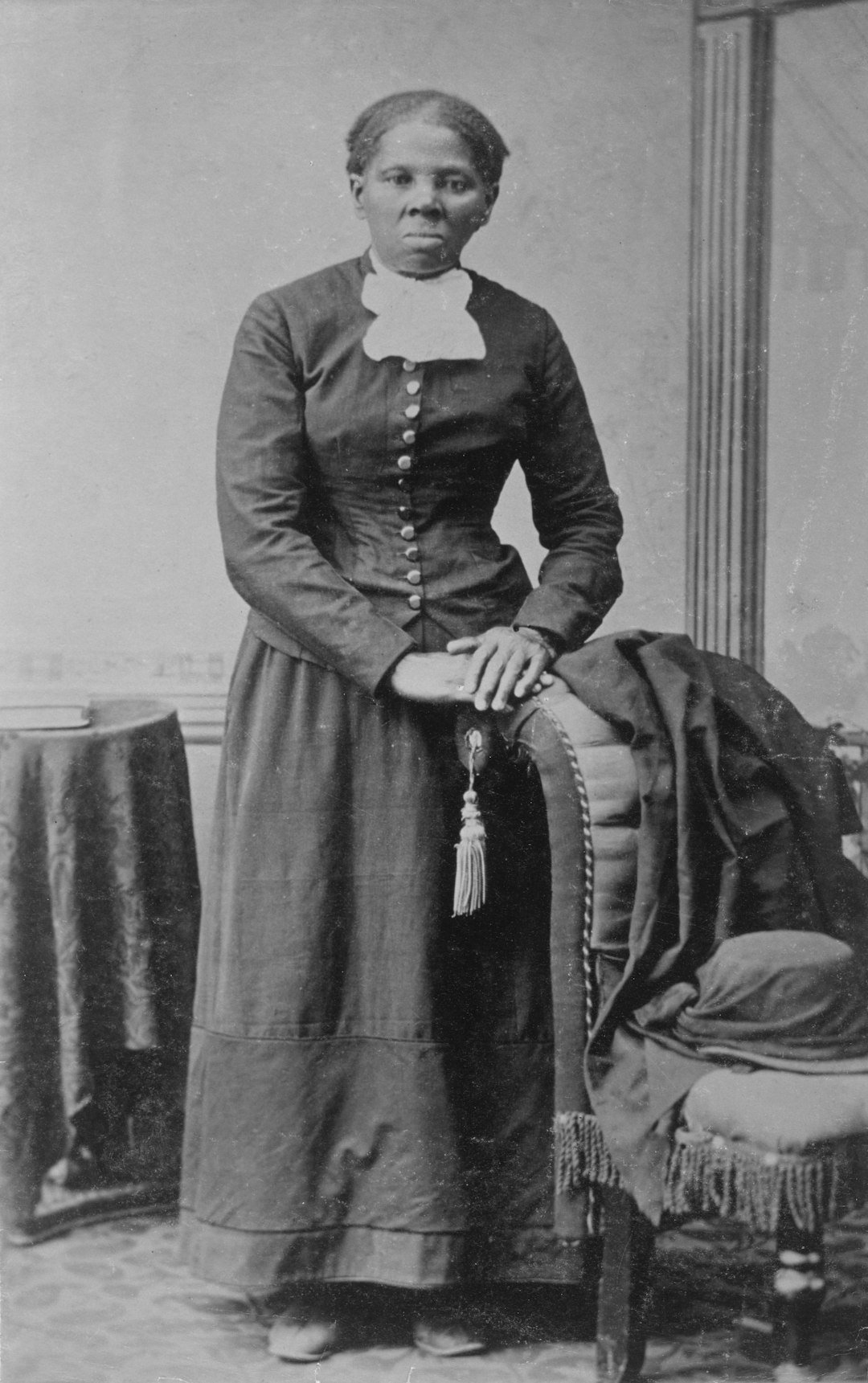
Harriet Tubman overcame immense adversity throughout her life, born into slavery and enduring physical and emotional abuse from her masters. The cruelty she experienced was not abstract. It was daily, intimate, and brutal. She escaped to freedom in 1849, which by itself would have been enough to cement her place in history. She didn’t stop there.
She became a conductor on the Underground Railroad, leading hundreds of enslaved people to freedom, and also served as a spy for the Union Army during the Civil War, risking her life to gather intelligence. She never lost a single person on her journeys, earning her the nickname “Moses.” She faced the constant threat of capture and death, but her determination and bravery never wavered – and she became a symbol of hope and inspiration for generations to come.
3. Helen Keller – Proof That Darkness Cannot Silence a Voice
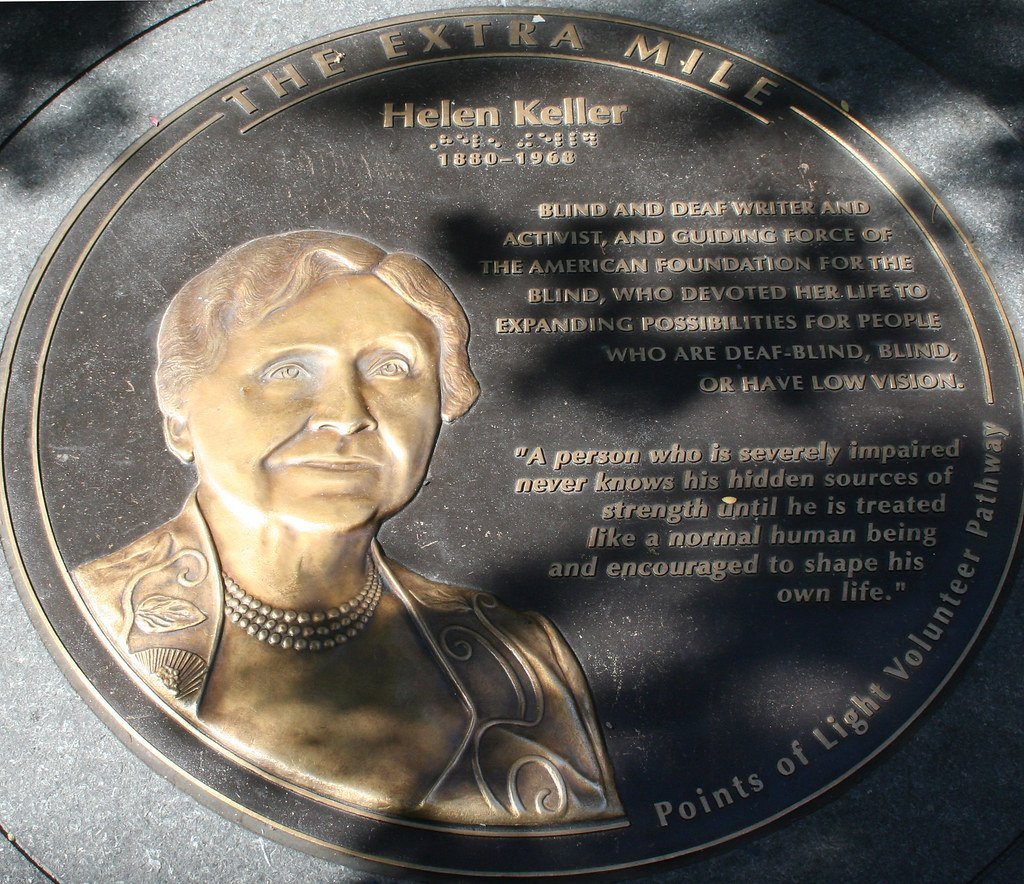
Helen Keller was born on June 27, 1880, with her senses intact, but it wasn’t until she was 18 months old that she was stricken with a mysterious illness that robbed her of both sight and sound. Think about that for a moment. A toddler, plunged into permanent silence and darkness. Most people in that era would have simply written her off. Many did.
Despite this debilitating disability, she learned to read and write, and became the first deaf-blind person to gain a bachelor’s degree. She campaigned on issues of social welfare, women’s suffrage, and disability rights, impressing many with her force of personality. Through her indomitable spirit and perseverance, she became an inspiration for people with disabilities worldwide. Her life stands as one of the most extraordinary examples of human determination ever recorded.
4. Ludwig van Beethoven – The Deaf Composer Who Rewrote Music
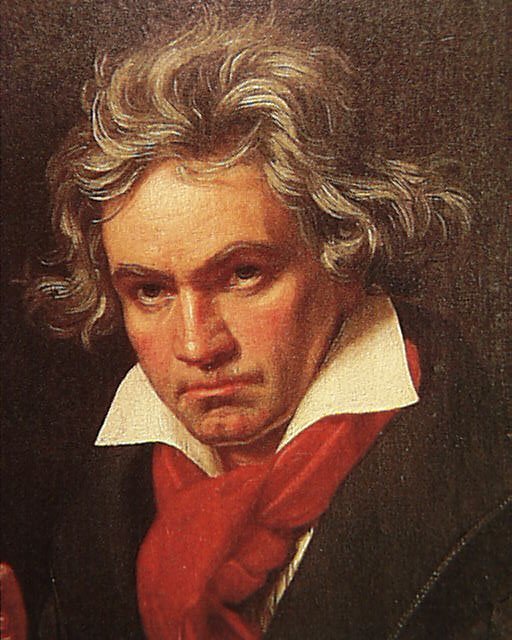
In his formative years, Beethoven was incredibly awkward on the violin, and his music teacher famously said he was too stupid to be a music composer. That early dismissal could have crushed him permanently. It didn’t even slow him down. The cruelest twist came later, when the very sense he needed most began to fail him. For a musician to lose his hearing is perhaps the greatest possible misfortune, yet despite the inevitable frustration, it didn’t stop Beethoven from composing some of the most sublime pieces of music in the history of mankind.
In spite of the contempt, the criticism, and becoming deaf in his later years, Beethoven wrote sweeping and epic compositions that have become an indelible part of human history and culture. He composed his legendary Ninth Symphony almost entirely without the ability to hear a single note. Let that sink in. His legacy is not just musical. It is a testament to the defiant refusal to be defined by what life takes away.
5. Marie Curie – A Woman Who Refused to Be Invisible
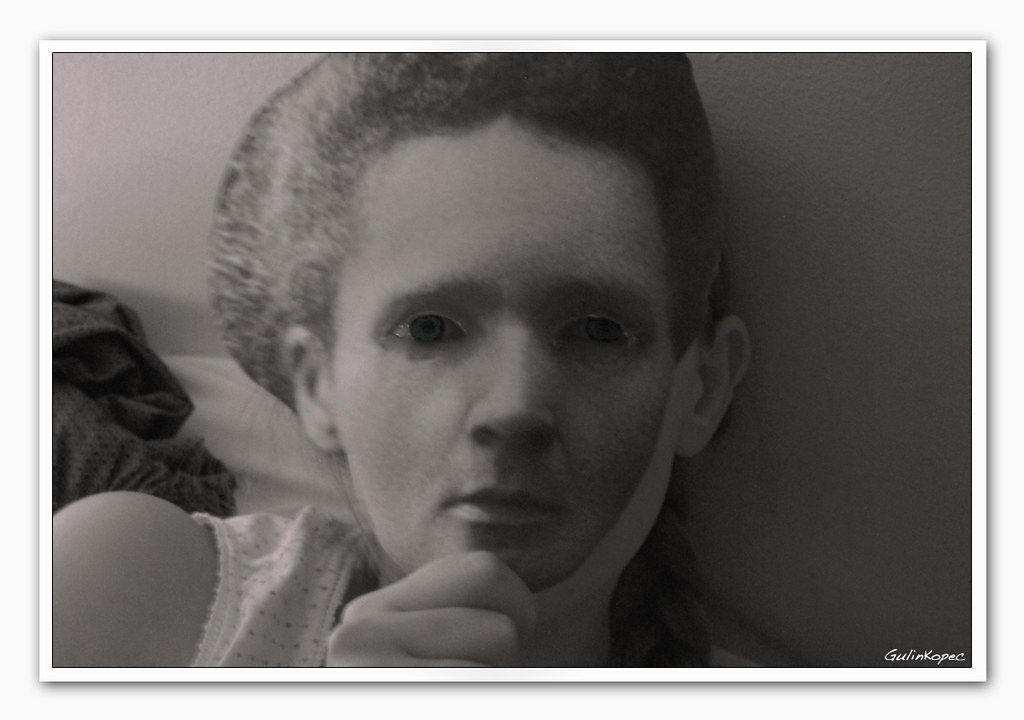
Marie Curie faced significant barriers as a woman in science during the late 19th and early 20th centuries. At the time, women were largely excluded from higher education, and Curie had to move to Paris to study at the Sorbonne, where she faced discrimination and financial hardship. She was, in many ways, fighting two battles at once – one against the boundaries of scientific knowledge and one against a world that didn’t believe she belonged there.
Despite these challenges, Curie made groundbreaking discoveries in the field of radioactivity, a term she coined, and together with her husband Pierre, she discovered the elements polonium and radium. She ultimately became the first person to win Nobel Prizes in two different scientific disciplines – Physics and Chemistry. Her legacy continues to inspire and empower people to strive for excellence, no matter what obstacles come their way, serving as a powerful reminder that dedication and resilience can overcome even the toughest barriers.
6. Nelson Mandela – 27 Years in Prison, Zero Bitterness
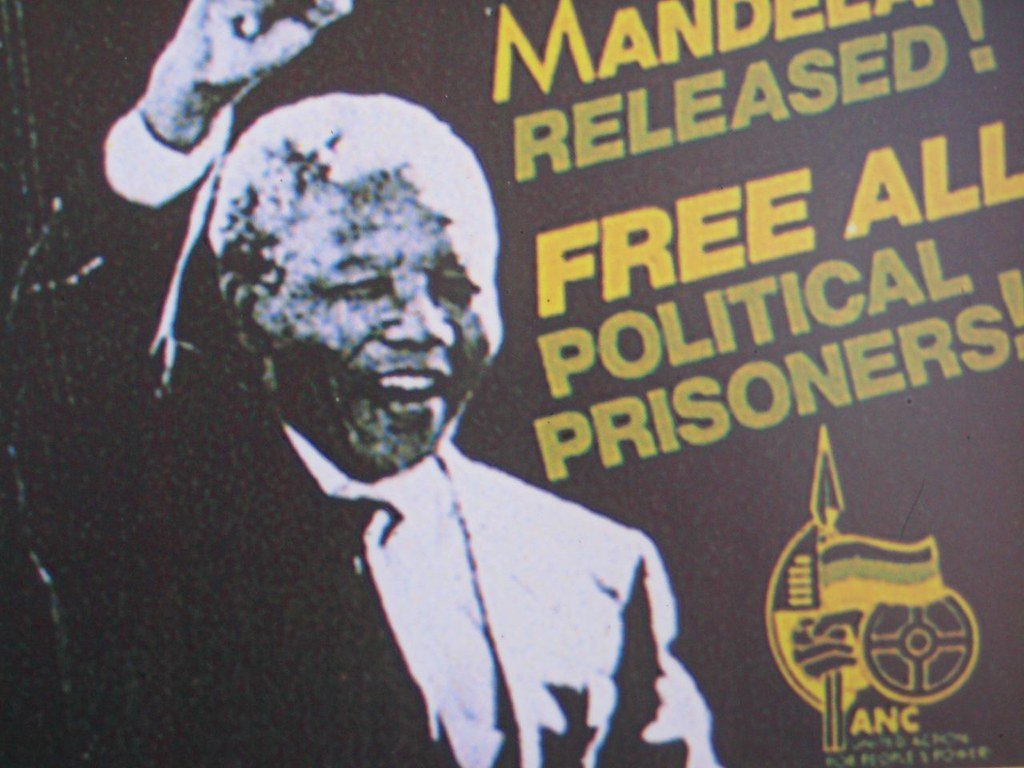
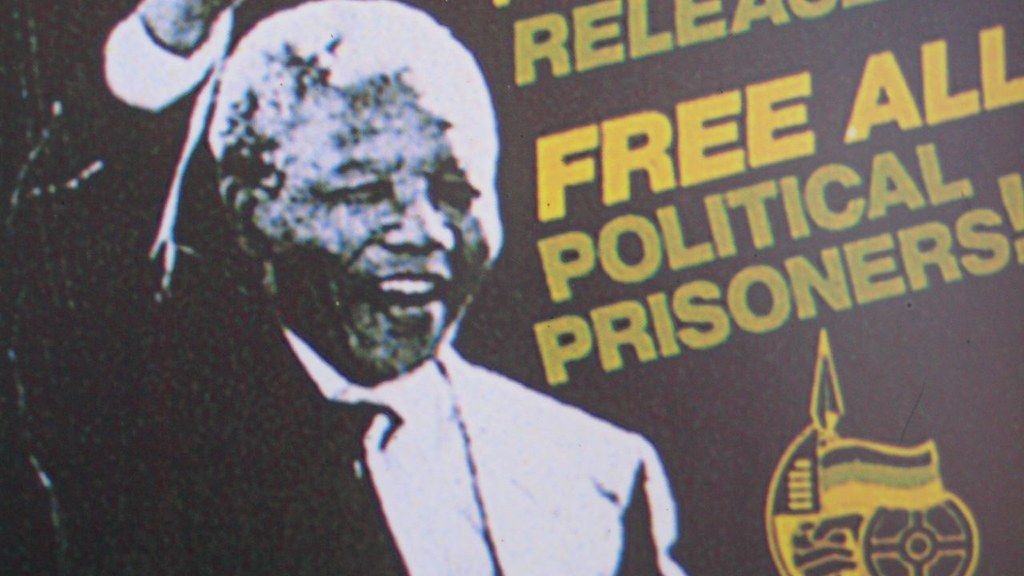
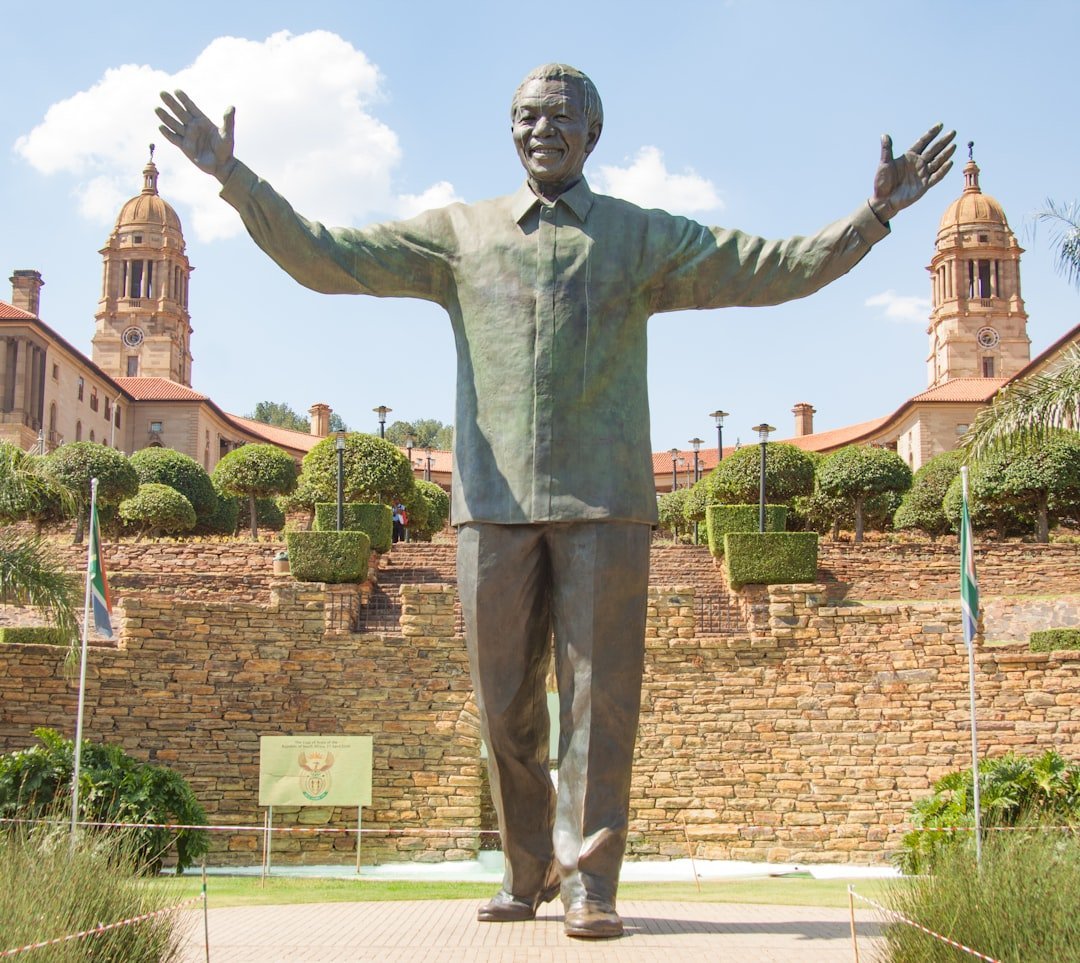
Nelson Mandela’s journey to becoming a global symbol of freedom and justice was marked by extraordinary resilience. In his fight against apartheid in South Africa, Mandela was arrested and sentenced to life imprisonment in 1962, spending 27 years in prison, much of it in harsh conditions on Robben Island, isolated from his family and supporters. Despite these years of hardship, Mandela remained steadfast in his commitment to ending apartheid.
Even after years of imprisonment, Mandela maintained a strong sense of hope and a commitment to reconciliation rather than revenge, and his approach demonstrated the power of forgiveness, which helped unify a divided nation. Upon his release in 1990, Mandela led negotiations to dismantle apartheid and establish multiracial elections, and in 1994, he became South Africa’s first Black president, symbolizing the triumph of justice over oppression. He also won the Nobel Peace Prize for his efforts to bring democracy to South Africa.
7. Mahatma Gandhi – The Frail Man Who Toppled an Empire
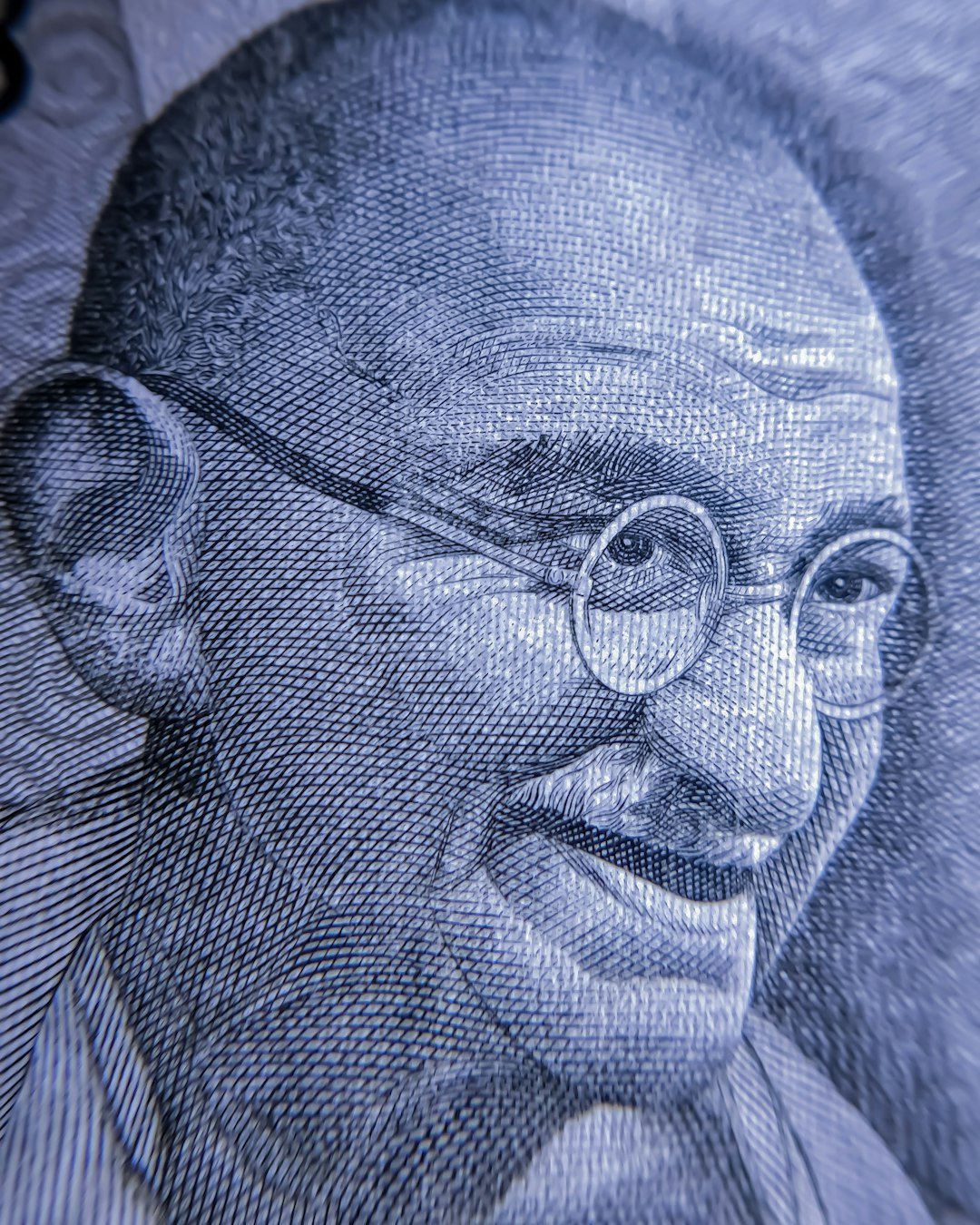
Here’s the thing about Gandhi – on paper, he had no business changing anything. He was a soft-spoken lawyer, not a soldier. He had no army. He had no wealth. For his non-violent protests against the British domination of India, Gandhi was put into jail several times. Yet through his policy of non-violence, he awoke the spirit of fellow Indians and helped to create a climate for Indian Independence which came in 1947.
Often called the “Father of the Nation” in India, Gandhi is a powerful example of perseverance, despite being jailed multiple times and spending over six years in prison for his activism against British rule, with his unwavering commitment to non-violence ultimately leading to India’s independence. Gandhi’s ideas influenced other civil rights leaders around the world, and his work showed how non-violence could bring about major social change. It’s almost impossible to overstate just how radical that idea was at the time.
8. Frida Kahlo – Pain Transformed Into Immortal Art
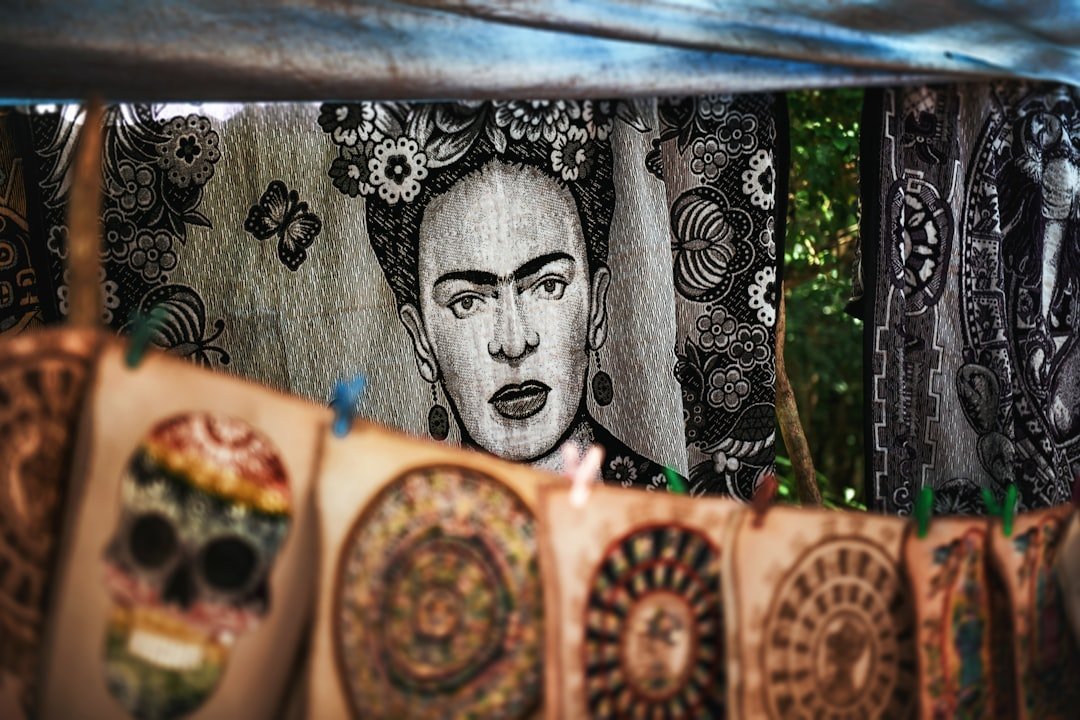
Frida Kahlo had poor health from childhood, contracting polio at the age of six, which forced her to be bedridden for nine months and caused her right leg and foot to grow much thinner than her left. That was only the beginning. A near-fatal bus accident as a teenager left her with severe, lifelong injuries. She endured dozens of surgeries over the course of her life. Her lifelong health issues and that severe accident played a significant role in shaping her art – she transformed her pain and struggles into unique and powerful artworks, using her experiences to fuel her creative expression.
Despite facing serious health problems throughout her life, Kahlo continued to paint, using her pain as inspiration, and she became one of Mexico’s most celebrated and influential artists. Although Kahlo faced many challenges during her life, her work gained immense recognition, making her a significant figure in both the art world and feminist movements – her story highlights how adversity can lead to profound creative achievements. She didn’t just survive. She created something that the whole world now claims as its own.
9. Demosthenes – The Stuttering Boy Who Became History’s Greatest Orator
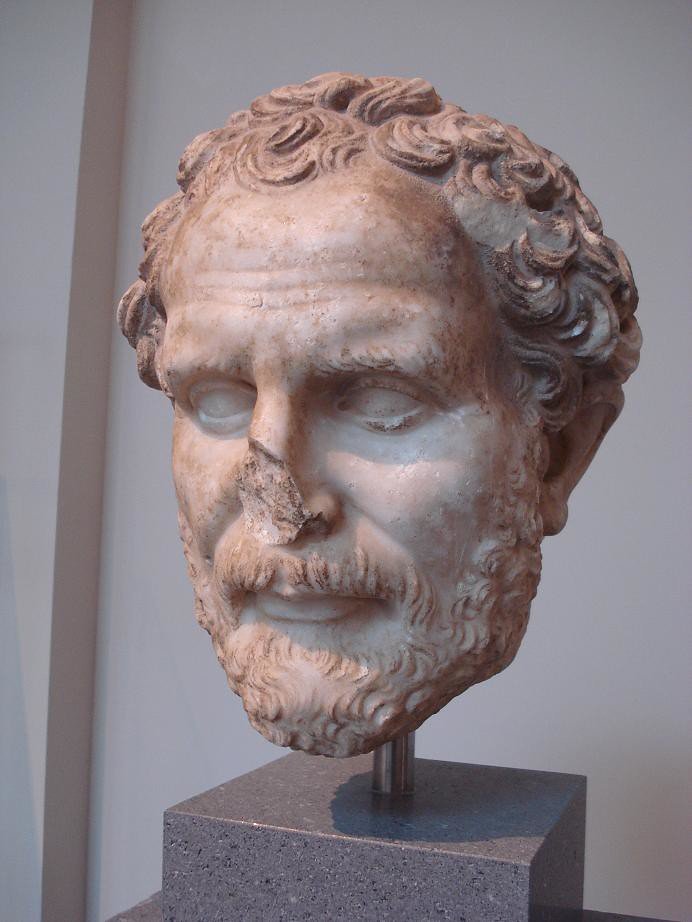
Demosthenes was born sickly and frail, with a nearly debilitating speech impediment. At just seven years old, he lost his father, and his guardians stole his inheritance and refused to send him to school. I know it sounds crazy, but this is the same man who would go on to become the most celebrated public speaker in ancient Athens. The odds against him were almost laughable in their cruelty.
He overcame his stutter by filling his mouth with rocks and shouting into the wind while running. That image alone – a young man screaming into a storm with a mouthful of stones – captures something deeply human about the will to overcome. He practiced until his weakness became his greatest weapon. His speeches went on to shape the political course of ancient Greece and inspired orators for centuries afterward. His story still resonates today, more than two thousand years later.
10. Joan of Arc – A Teenage Girl Who Changed the Course of a War
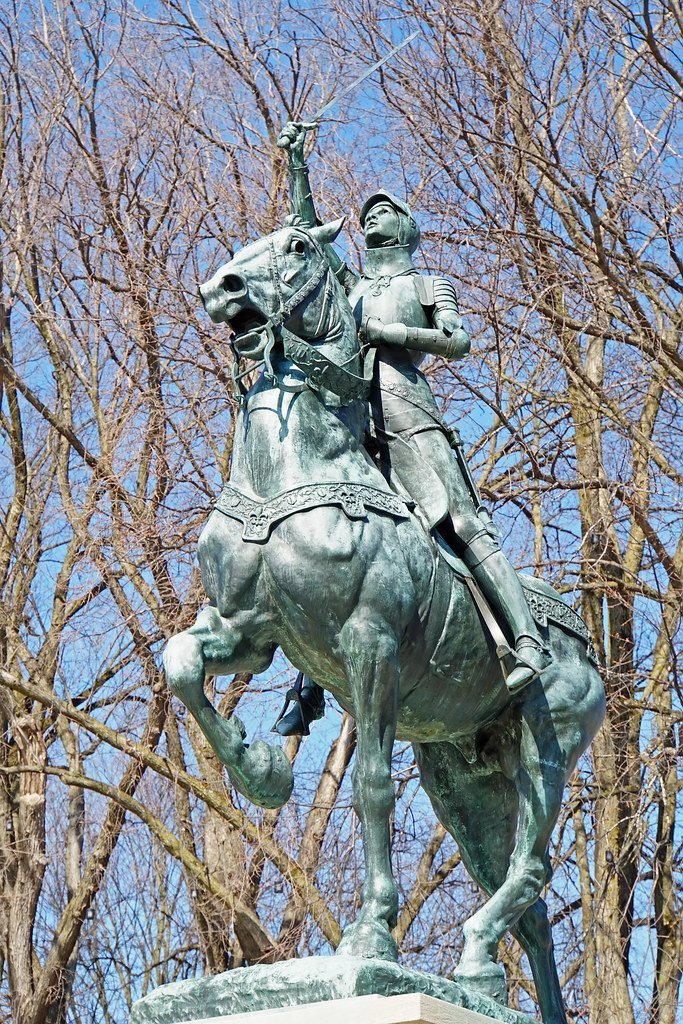
Joan of Arc was a 14-year-old illiterate peasant girl who, despite the prejudice against both peasants and women, persuaded the Dauphin of France to lay siege to the town of Orleans. The sheer audacity of that moment is almost incomprehensible. A teenage girl walked into the court of a king and convinced him to trust her with an army. In medieval Europe. Let that register.
She led French forces to a series of remarkable victories during the Hundred Years’ War, turning the tide of a conflict that had been going badly for France. She was later captured by her enemies and burned at the stake at just nineteen years old. Yet the story didn’t end there. She was posthumously declared innocent, canonized as a saint in 1920, and remains one of the most iconic symbols of courage and faith in all of Western history. Her life was short. Her shadow is enormous.
11. Thomas Edison – Ten Thousand Failures Before the Light
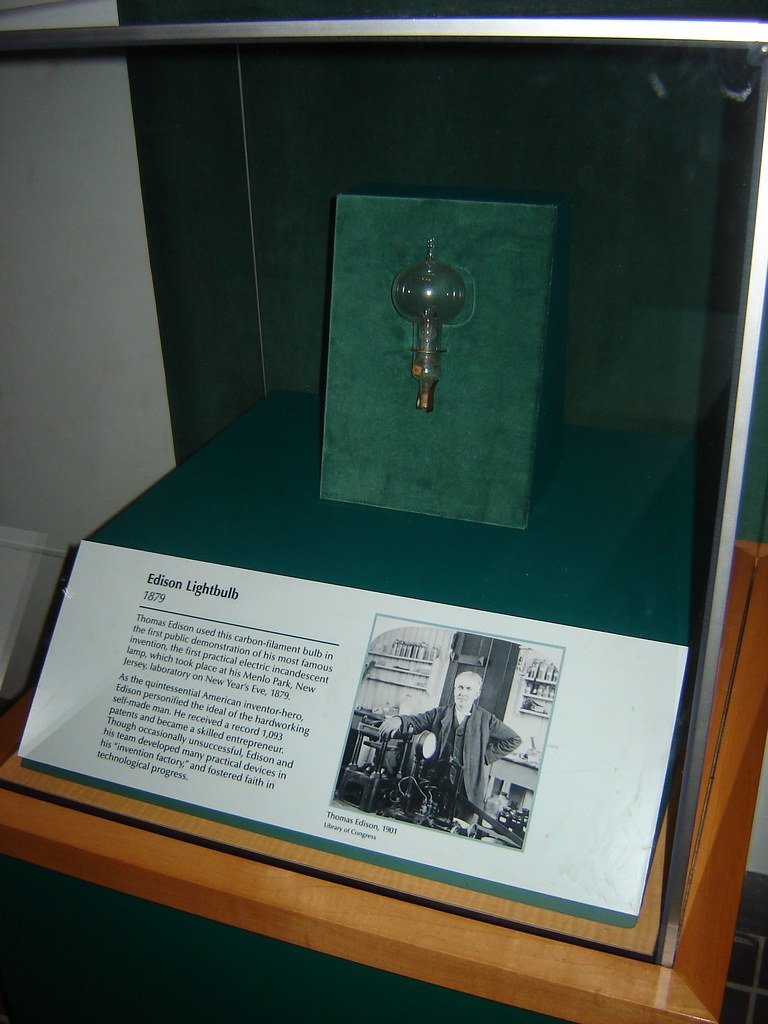
Edison failed somewhere between one thousand and ten thousand times before he invented the light bulb. Can you imagine failing at something ten thousand times? Instead of quitting, Edison tried again and again until he achieved success – that kind of dedication is nothing short of extraordinary. Most people would have surrendered after a handful of attempts. Edison seemed to treat each failure as a data point, not a verdict.
Beyond the light bulb, Edison held over a thousand patents and developed inventions that fundamentally reshaped modern civilization, including the phonograph and improvements to the telegraph. Everyone knows about Edison’s invention of the light bulb, but few realize how many times he is said to have failed before succeeding – yet he never gave up, and his determination led to an incredible invention that changed the world. His philosophy of relentless experimentation became a model for innovators that still applies today.
12. Albert Einstein – The “Slow” Child Who Unlocked the Universe
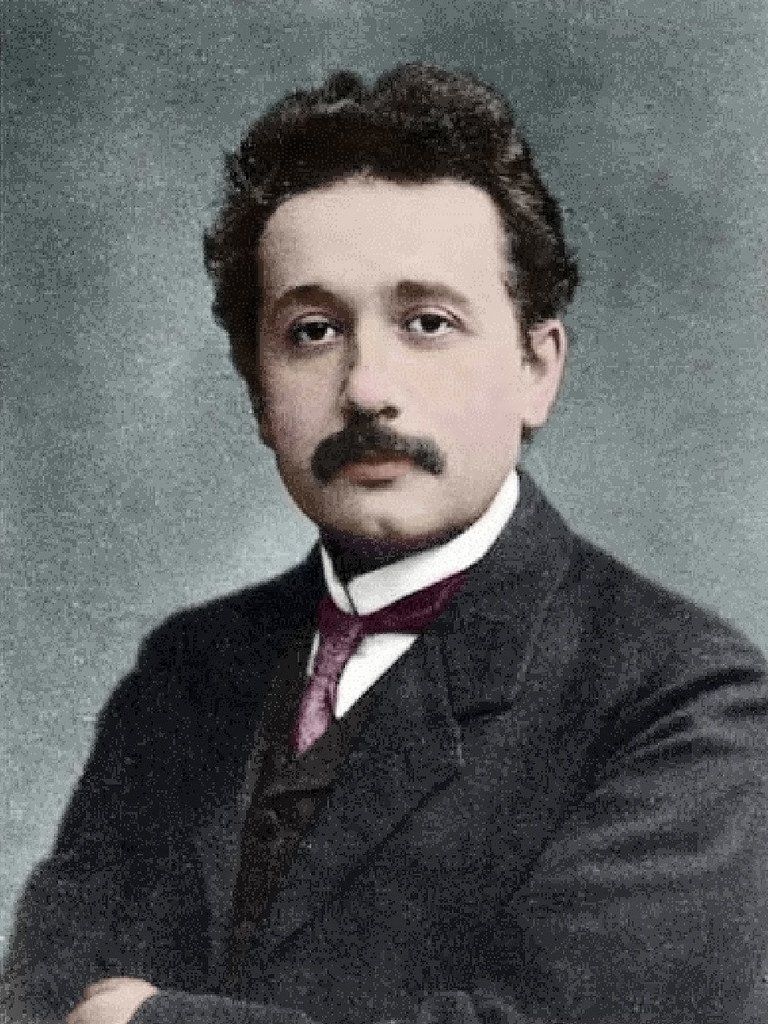
Einstein didn’t speak at all for the first three years of his life, and even though he received good grades throughout primary and elementary school, many of his teachers assumed he was lazy because he was always distracted by abstract concepts. He was apparently chastised by his father for “being lazy” and “too dreamy”. The system simply had no framework for what Einstein was. He didn’t fit, and so it labeled him a problem.
Albert Einstein faced significant academic struggles early in life, with his teachers and peers doubting his potential, thinking he lacked the aptitude for conventional learning. Despite the lack of confidence that many adults showed towards him, he rose above such negativity and developed the theory of relativity. His work on the theory of relativity and the photoelectric effect permanently transformed physics and earned him the Nobel Prize in 1921. The boy nobody believed in became the name synonymous with genius itself.
The Takeaway: Greatness Was Never Easy
Every single one of these twelve people had an exit. A moment where giving up would have been entirely understandable. Nobody would have blamed Lincoln for staying in his log cabin. Nobody would have faulted Tubman for seeking only her own safety. Nobody expected a deaf composer, a speechless child, or a peasant girl to change history.
Yet they did. Not because they were untouched by hardship, but because they kept going through it. Perseverance, it turns out, is less a personality trait and more a daily decision. A choice, made quietly, in the face of overwhelming pressure to stop.
Their stories are not just inspiring relics from the past. They are, honestly, a direct challenge to the present. The next time life feels impossibly stacked against you, these twelve names are worth remembering. Which one of them surprised you the most?

Besides founding Festivaltopia, Luca is the co founder of trib, an art and fashion collectiv you find on several regional events and online. Also he is part of the management board at HORiZONTE, a group travel provider in Germany.
