

- 12 Historical Events You Won’t Believe Happened At The Same Time - April 3, 2026
- Top 10 Virginia Destinations for Music Lovers - April 3, 2026
- 15 Scenic Spring Destinations in Virginia - April 3, 2026
We tend to think of history as a neat, tidy conveyor belt. One thing ends, another begins. The Romans wrap up, the Middle Ages clock in. The guillotine retires, the smartphone arrives. Except that is not how history actually works. History is messy, layered, and downright chaotic. Events that feel emotionally or culturally centuries apart were often sharing the same calendar year, sometimes even the same week.
What happens when you place those events side by side? Your entire mental model of time starts to crack. Ancient creatures coexisting with human wonders. Literary masterpieces being born alongside industrial catastrophes. Legends of two different worlds breathing the same air at the same moment. It is genuinely unsettling in the best possible way. Let’s dive in.
1. Woolly Mammoths Were Still Alive When the Egyptian Pyramids Were Built

Here is a fact that will make your jaw drop. When construction of the Great Pyramids began roughly four and a half thousand years ago, there were still woolly mammoths living on Wrangel Island, off the coast of Siberia. Most people picture mammoths as creatures of the far distant past, stomping around alongside dinosaurs. They were not. They were very much still here.
Although most woolly mammoths died out by around ten thousand years ago, a small group of between five hundred and one thousand survived on that remote island until approximately 1650 BC. Meanwhile, Egyptian engineers were laying colossal limestone blocks under the desert sun. Think about that. Somewhere on a cold Siberian island, a shaggy prehistoric giant was grazing, completely unaware that one of history’s greatest construction projects was underway thousands of miles away. The overlap is almost poetic.
2. The Titanic Sank the Same Year Oreo Cookies Were Invented
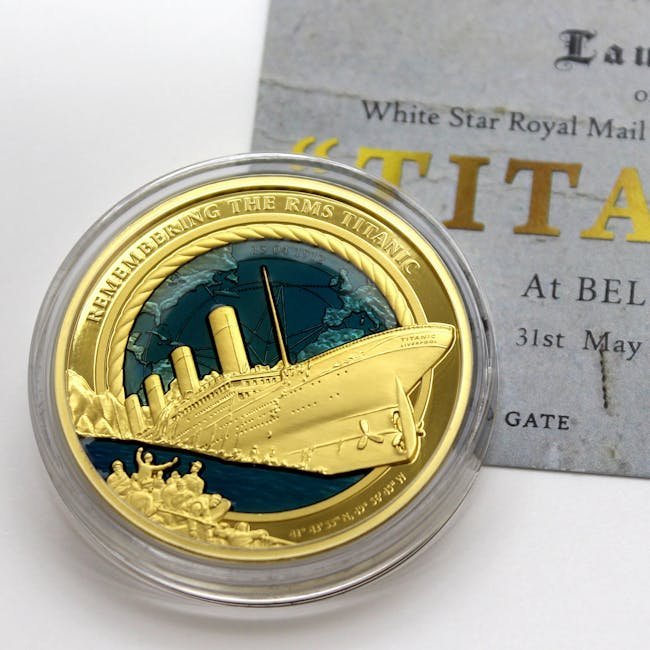
1912 is one of those years that sits heavy in our collective memory. It is stamped into history as the year the Titanic met its icy fate, a tragedy that still grips imaginations over a century later. The sinking of the “unsinkable” ship killed over fifteen hundred people and shook the world’s confidence in technology and progress in a way that still resonates.
It seems strange that the tragedy of the Titanic in 1912 occurred the very same year Nabisco debuted the Oreo cookie. Yet both events took place one after another. So as one of history’s most infamous maritime disasters was unfolding, people were likely dunking Oreos in milk. There is something almost surreal about that image. One of civilization’s greatest tragedies and one of its most beloved snacks, arriving in the same twelve months. History has a sense of humor, and it is a dark one.
3. The Last Guillotine Execution in France Happened the Same Year Star Wars Was Released

I know it sounds crazy, but this one is completely true. 1977 is forever remembered for the birth of Star Wars, with its glowing lightsabers and epic battles. Shockingly, that same year, France carried out its last public execution by guillotine. Let that sit for a moment. The French Revolution feels like a relic from the ancient past, dusty and distant.
The last guillotining in France was carried out on September 10, 1977, almost four months after Star Wars hit theaters. The Atari 2600, the first successful home video game console, was released the very next day. In a sense, the boundary separating the “era of guillotines” and the “era of video games” was less than twenty-four hours. The contrast is staggering, almost incomprehensible. A futuristic space opera in one cinema, a medieval method of execution still happening in the same week. Progress is never as linear as we assume.
4. Anne Frank and Martin Luther King Jr. Were Born in the Same Year
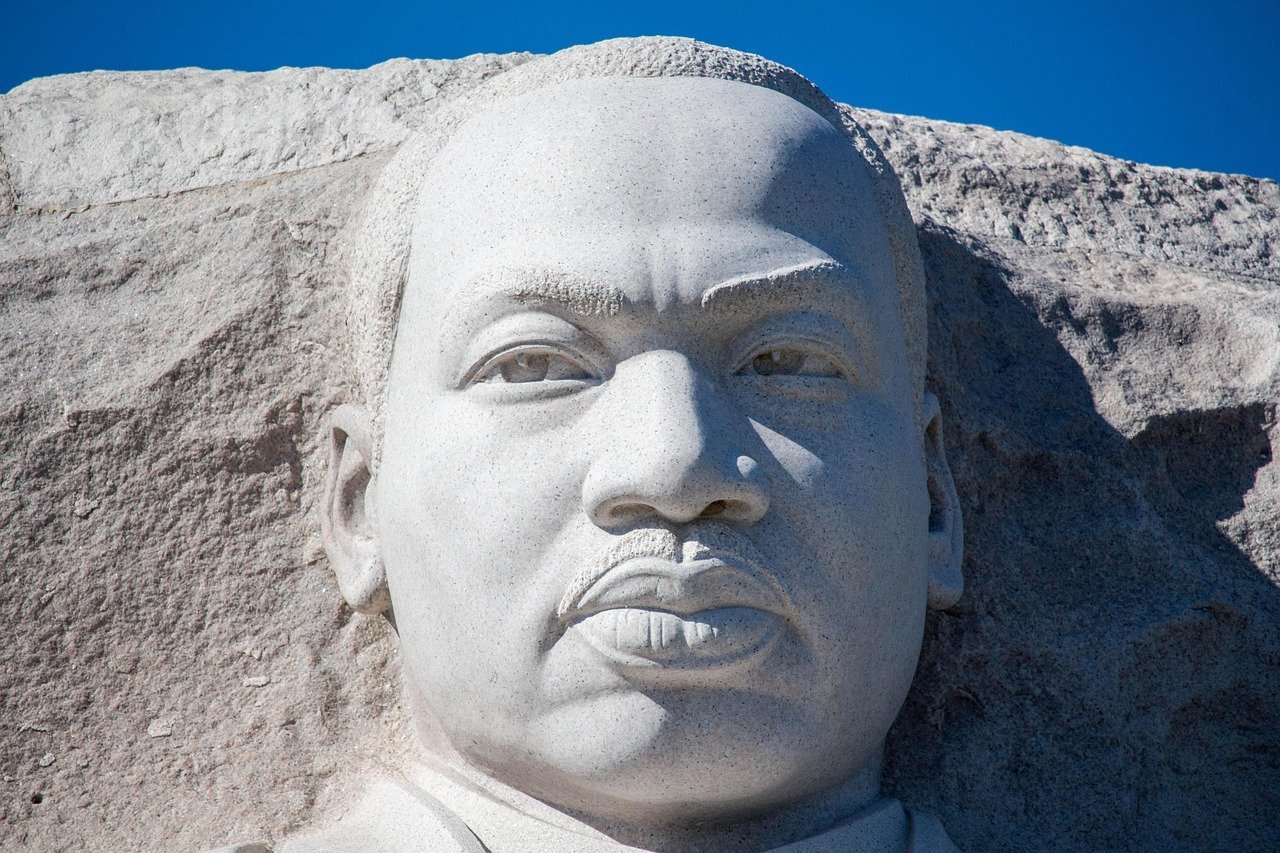
Anne Frank, the Jewish diarist who became a symbol of the Holocaust, and Martin Luther King Jr., the civil rights leader, were both born in 1929. Honestly, this one hits differently. Their stories feel like they belong to entirely separate chapters of human suffering and resilience, separated by oceans and decades.
Both were born in 1929, but their lives took wildly different turns, one in a hidden attic, the other on the front lines of civil rights. The thought that they were peers in age absolutely shatters the neat timelines we mentally assign to history. One child hiding from state-sponsored genocide in Amsterdam, another growing up in Atlanta who would go on to reshape America’s moral conscience. Same year. Same world. Two destinies so different they barely seem to belong on the same planet, let alone in the same generation.
5. Oxford University Is Older Than the Aztec Empire
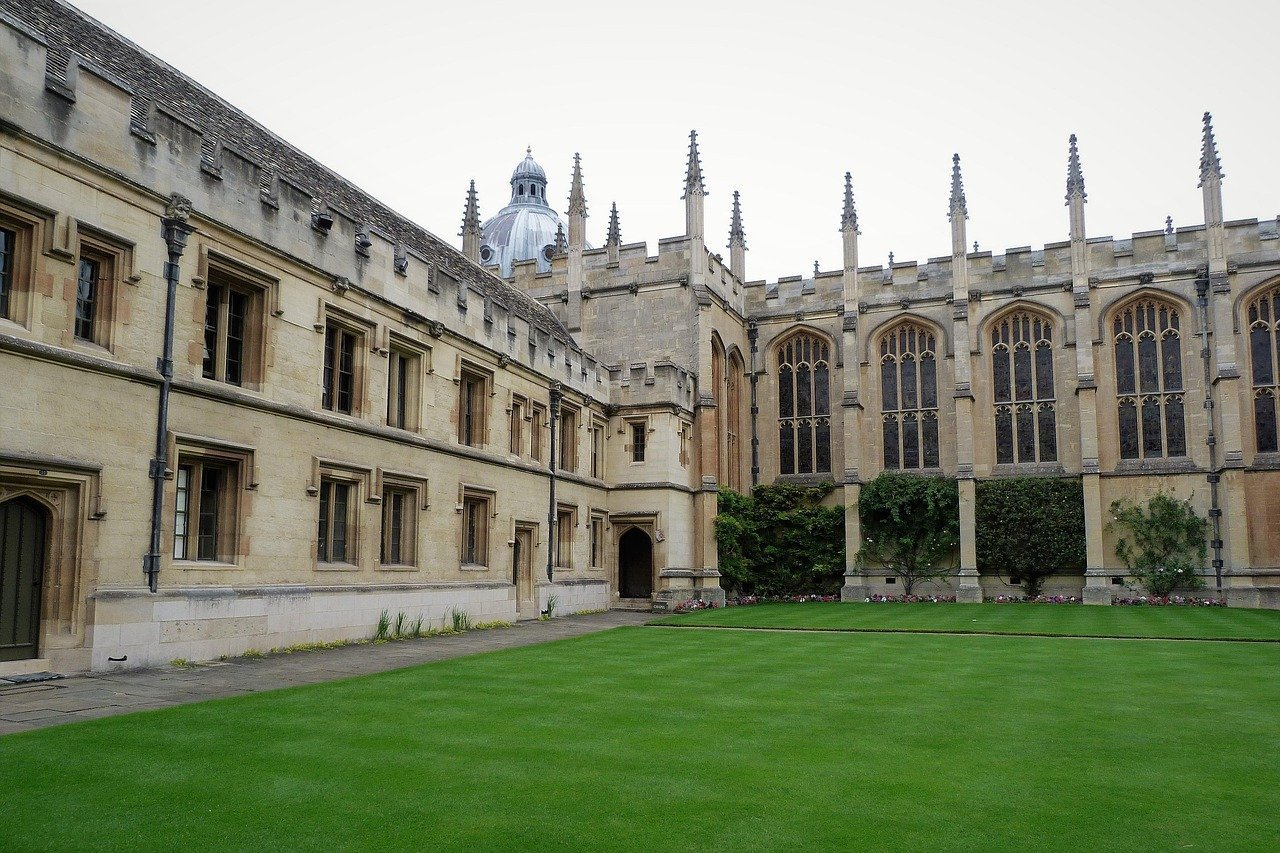
It almost doesn’t seem possible, but Oxford University began teaching students in 1096, more than two centuries before the Aztec Empire was even founded in 1325. When you picture ancient Aztec pyramids, it’s wild to imagine that scholars in England were already debating philosophy. This flips our sense of history upside down.
We tend to think of pre-Columbian civilizations as “ancient” and European universities as “modern.” In reality, students were cramming for exams in Oxford long before a single Aztec temple had been laid. The Aztec Empire, at its height one of the most powerful and sophisticated civilizations in the Americas, did not even exist yet while English scholars were arguing about Aristotle. It’s a humbling reminder of how vast and interconnected the human timeline truly is.
6. Genghis Khan Was Born the Same Year Notre Dame Cathedral Was Founded
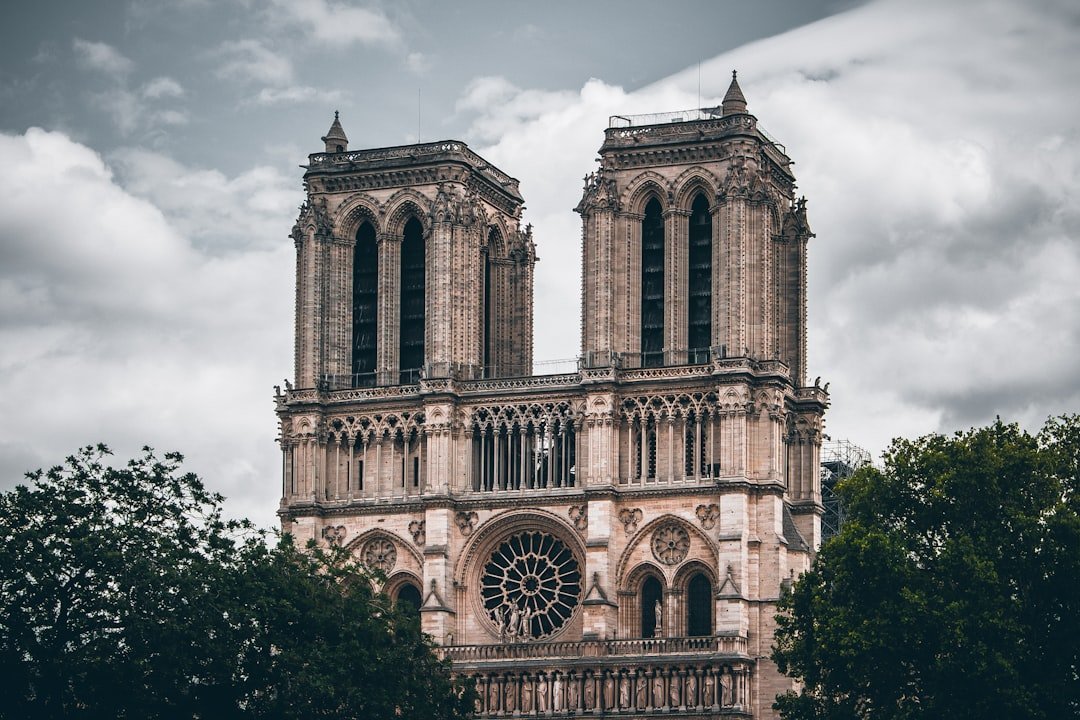
In 1163, Temujin, who would one day be known as Genghis Khan, was born in the Hentiyn Nuruu mountains near Ulan Bator, Mongolia. That same year, construction began on the cathedral in Paris that would become Notre Dame. Two of the most iconic names in medieval history, one a conqueror who would reshape entire continents, the other a building that would outlast empires and become the soul of a city.
It is a remarkable collision of two civilizations that had almost no awareness of each other. While a Mongol infant was drawing his first breaths on the sweeping Mongolian steppe, Parisian stonemasons were hoisting the first stones of what would become one of the world’s most beloved cathedrals. One legacy was built through fire and conquest. The other was built stone by stone, reaching toward heaven. Both have left marks on the human story that are nearly impossible to overstate.
7. The Eiffel Tower and Nintendo Were Born in the Same Year
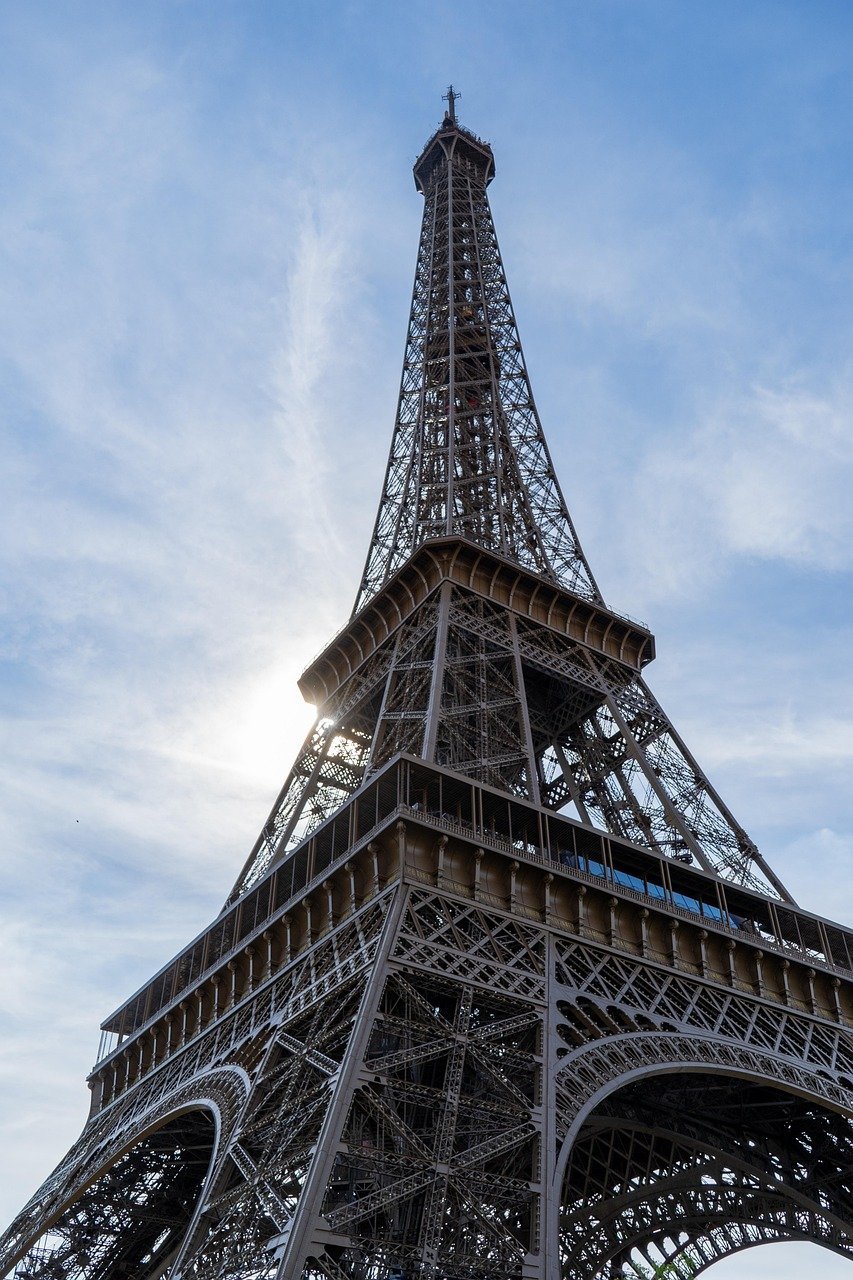
Nintendo, now a household name in gaming, started as a humble playing card company in 1889. That was also the year Paris unveiled the Eiffel Tower, a symbol of modern engineering. Today, the two names exist in completely separate cultural universes. The Eiffel Tower is synonymous with romance, art, and European grandeur. Nintendo is synonymous with cartridges, controllers, and childhood joy.
On one side of the world, Parisians were marveling at a tower that touched the sky; on the other, a small Japanese business was laying the foundation for video game revolutions. This overlap shows how innovation, whether in steel or in play, can spring up in the most unexpected corners, sometimes all at once. 1889 was clearly a remarkable year for human creativity, though nobody at the time could have possibly connected these two dots.
8. Lincoln and Kennedy: Eerie Parallels Across a Century

Let’s be real, this one has been discussed for decades, and it still manages to send a chill down the spine every single time. Both Lincoln and Kennedy were elected to Congress in the year ending in ’46, and rose to the presidency in ’60, precisely one hundred years apart. Each was assassinated on a Friday and succeeded by a vice president with the surname Johnson.
There are also parallels in the assassins: John Wilkes Booth shot Lincoln in a theater and was caught in a warehouse; Lee Harvey Oswald shot Kennedy from a window in a book warehouse and was apprehended in a movie theater. What’s more, both Booth and Oswald were themselves killed before they could face justice. The sheer accumulation of coincidences here is almost too much to absorb. Whether it means something or absolutely nothing remains one of history’s most tantalizing open questions.
9. The Irish Famine and the California Gold Rush Happened Simultaneously
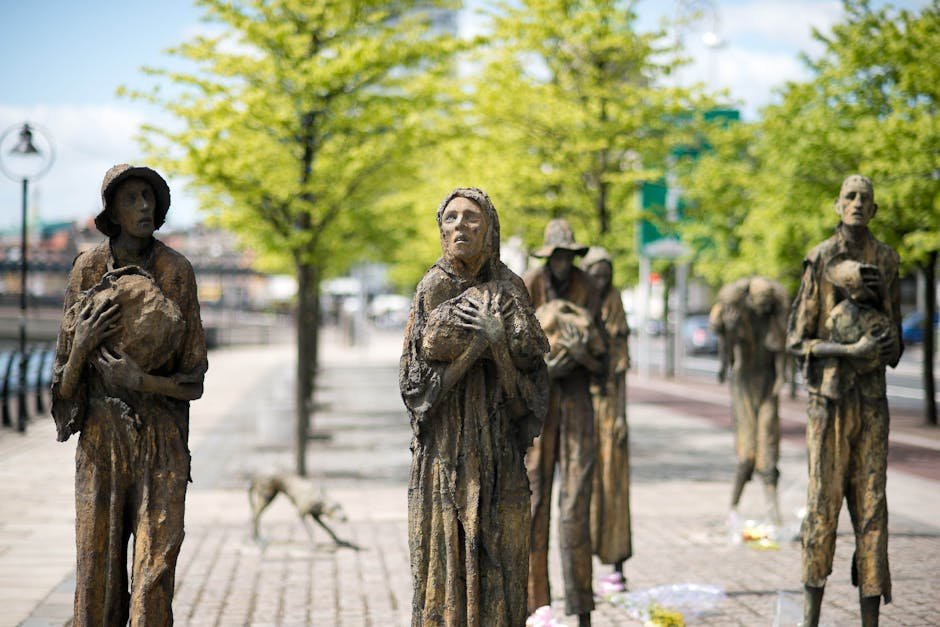
When Ireland was experiencing “The Great Famine” between 1845 and 1852, the country was devastated. Meanwhile in California, the discovery of gold at Sutter’s Mill kicked off a mass migration to the West Coast by settlers looking to literally strike it rich. The contrast could not be more visceral. On one side of the Atlantic, an entire nation was starving and being hollowed out by death and emigration. On the other, people were sprinting toward impossible fortune.
The Irish Famine killed roughly one million people and forced another million to emigrate, many of them ironically heading to America in search of survival. Some of those very Irish immigrants would eventually make their way west, chasing the same gold that was being celebrated in California while their homeland collapsed. History rarely offers up irony this sharp. Two worlds, two completely different realities, sharing the same few years on the calendar.
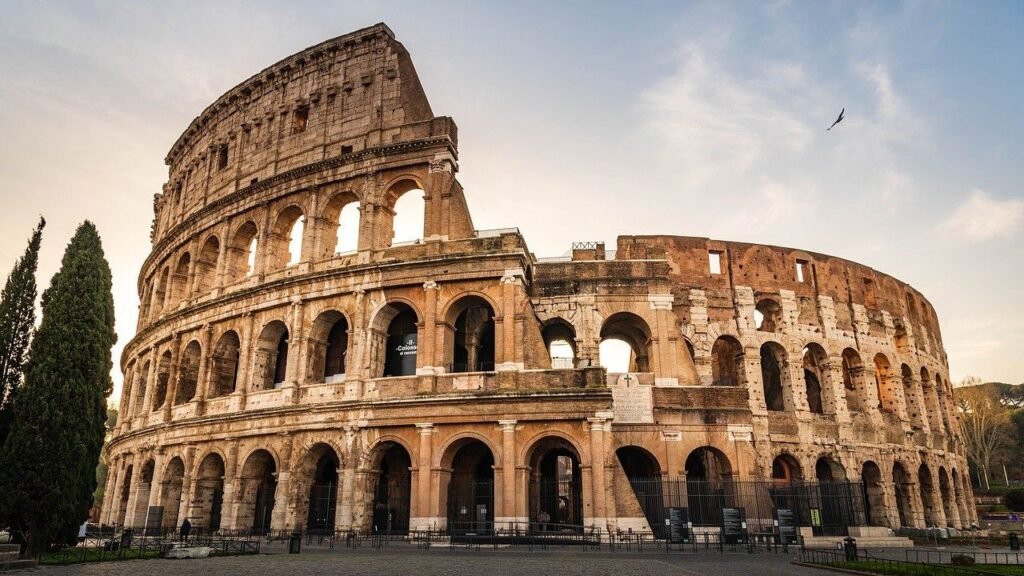
10. The Colosseum Was Built While the Gospels Were Being Written
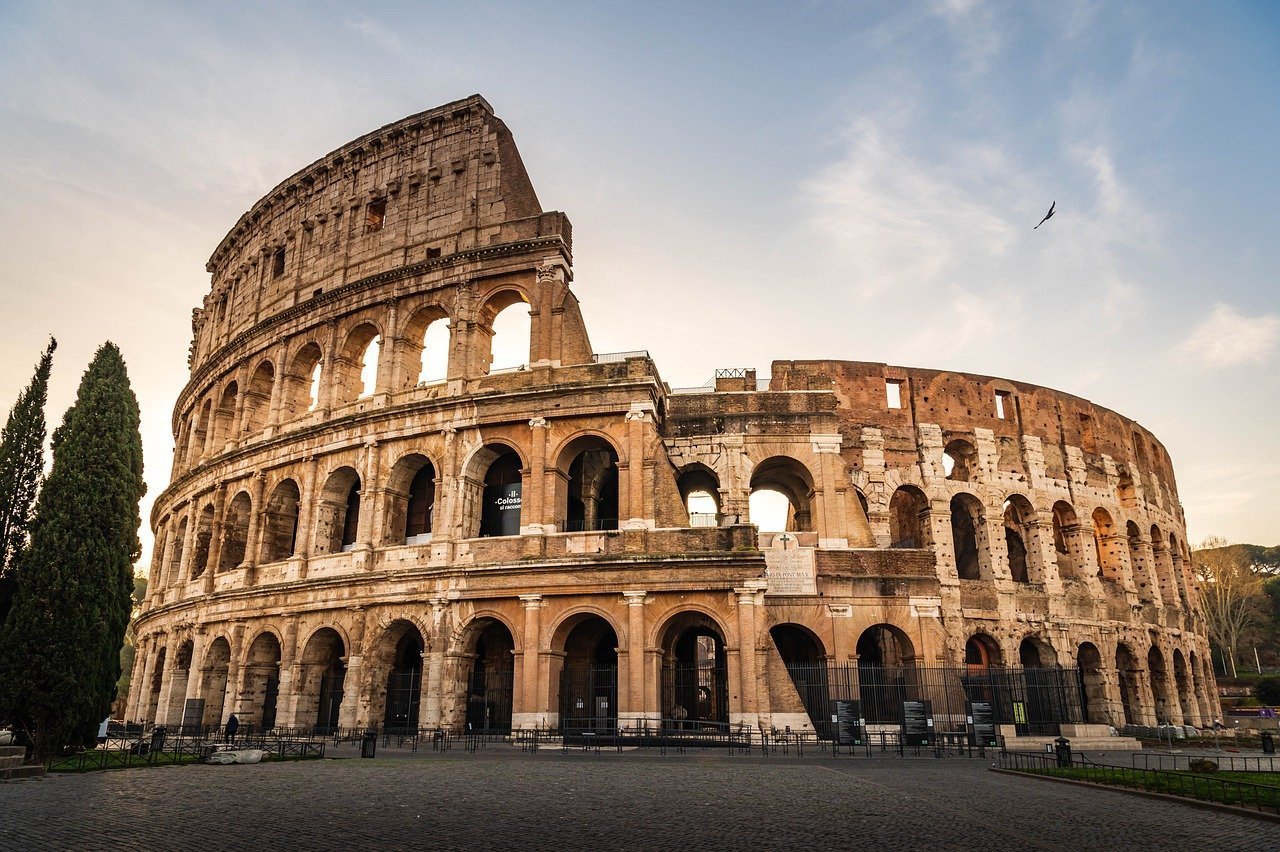
The Colosseum in Rome was completed around 80 AD, the same period during which the Gospel of Luke and the Acts of the Apostles were being written. These events reflect the simultaneous development of monumental architecture and foundational religious texts, both of which have had lasting impacts on Western civilization.
Think about that for a moment. The most famous arena of the ancient world, where gladiators fought and crowds roared, was rising from the ground at the exact same time that early Christian writers were quietly documenting the life of Jesus. One structure was built for spectacle and blood sport. The other documents were written to spread a message of peace and redemption. Both would shape Western culture for the next two thousand years in ways that still echo loudly today. Two parallel legacies, born from the same era of Roman dominance.
11. Mark Twain Was Born and Died With Halley’s Comet

American author and humorist Mark Twain was born on November 30, 1835, the same year Halley’s comet passed within sight of the Earth during its seventy-six-year journey around the sun. Twain was aware of this fact and found it amusing to hitch his wagon to the rare cosmic occurrence. Most people might shrug at a celestial coincidence. Twain turned it into a prophecy.
In April of 1910 Twain died, just a day after Halley’s Comet was seen again. He had practically predicted it, writing about his expected departure alongside the comet’s return. The alignment still stands as an astonishingly personal astronomical coincidence. It is hard not to feel something when you consider that one of America’s greatest storytellers seemed to arrive and depart on the universe’s own schedule. Whether fate, coincidence, or sheer poetic luck, it is one of history’s most beautiful overlaps.
12. Thomas Jefferson and John Adams Died on the Same Day, the Fourth of July
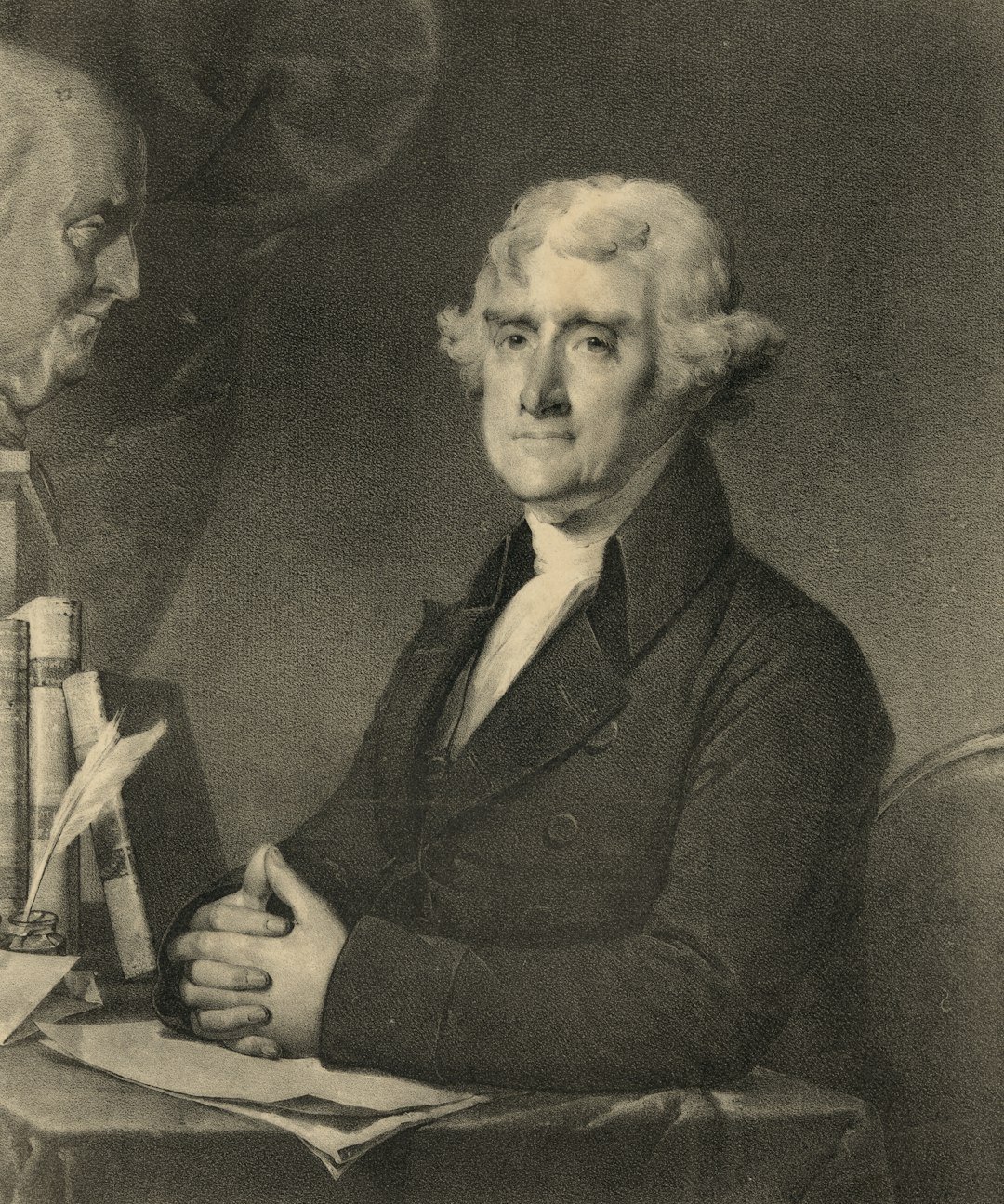
Thomas Jefferson and John Adams, both pivotal Founding Fathers and former political rivals, died on July 4, 1826. This date marked the fiftieth anniversary of the Declaration of Independence, a document they both helped shape. The odds of this happening are staggering enough on their own. Two architects of American democracy, both drawing their last breath on the exact day their greatest creation turned fifty.
It is unlikely enough that two of America’s Founding Fathers would die on the very same day, but the story gets even stranger. These two political rivals died within hours of each other. To add another eerie layer, Founding Father James Monroe also died on the Fourth of July, five years later. Three of the first five American presidents died on the nation’s Independence Day. At that point, calling it coincidence starts to feel almost inadequate. History sometimes writes its own dramatic endings with a precision that no novelist would dare attempt.
A Final Reflection on Time’s Strange Web
History is not a straight road. It is more like a wild, overgrown forest where every path crosses another unexpectedly. The more closely you look at dates and timelines, the more these jaw-dropping overlaps reveal themselves. Ancient beasts and ancient monuments. Genocide and civil rights, sharing a birth year. Star Wars and the guillotine, separated by a single summer.
These coincidences do not just entertain us. They challenge how we perceive entire eras. They force us to accept that human experience across the globe has always been messy, simultaneous, and strangely interconnected. Progress and brutality, beauty and tragedy, they have always been happening at the same time, in different corners of the same world.
Perhaps the most powerful takeaway is this: no moment in history ever truly stood alone. Every event was always sharing its moment with something else, something unexpected, something that might seem to belong to a completely different world. Which of these twelve surprises you the most? Drop your thoughts in the comments below.

Besides founding Festivaltopia, Luca is the co founder of trib, an art and fashion collectiv you find on several regional events and online. Also he is part of the management board at HORiZONTE, a group travel provider in Germany.
