

- The 25 Most Collectible Vinyl Records of All Time - September 25, 2026
- 15 Revolutionary Ideas That Started in American Universities - September 25, 2026
- 15 Songs Inspired by True Events You Didn’t Know About - September 25, 2026
Leonardo da Vinci (1452–1519): The Polymath Who Sketched the Future
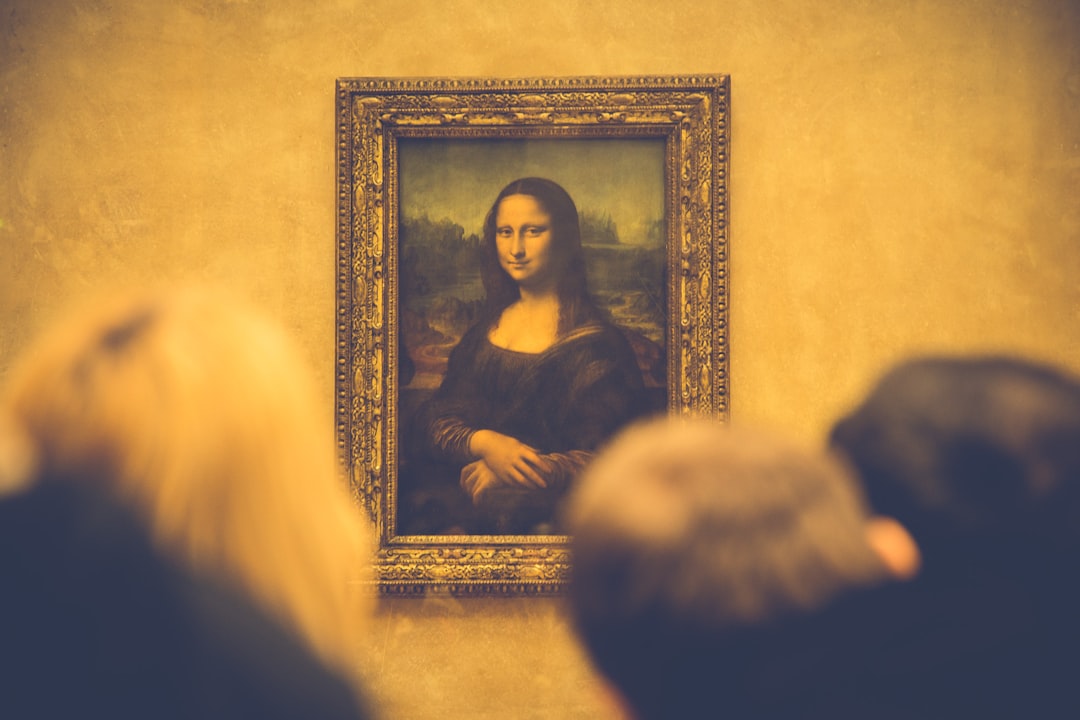
Leonardo da Vinci was not just the artist behind the Mona Lisa and The Last Supper—he was a restless mind who simply refused to fit inside the box of any single discipline. Blending art, science, and engineering, da Vinci filled thousands of pages with sketches of flying machines, intricate anatomical diagrams, and war inventions that wouldn’t become reality until centuries later. His helicopter and armored tank designs, found in his famous notebooks, seem almost like blueprints for a future that only he could see. The Royal Collection Trust has confirmed that his anatomical drawings were so detailed, they could rival modern medical illustrations. Da Vinci’s obsession with observing the natural world led him to experiment in ways that shocked his peers. His relentless curiosity made him one of the most inspiring figures in history, an artist who saw no boundaries between creativity and scientific discovery. Even today, people marvel at how he could imagine such futuristic concepts in an era with no electricity or engines.
Isaac Newton (1643–1727): The Mathematician Who Decoded the Cosmos
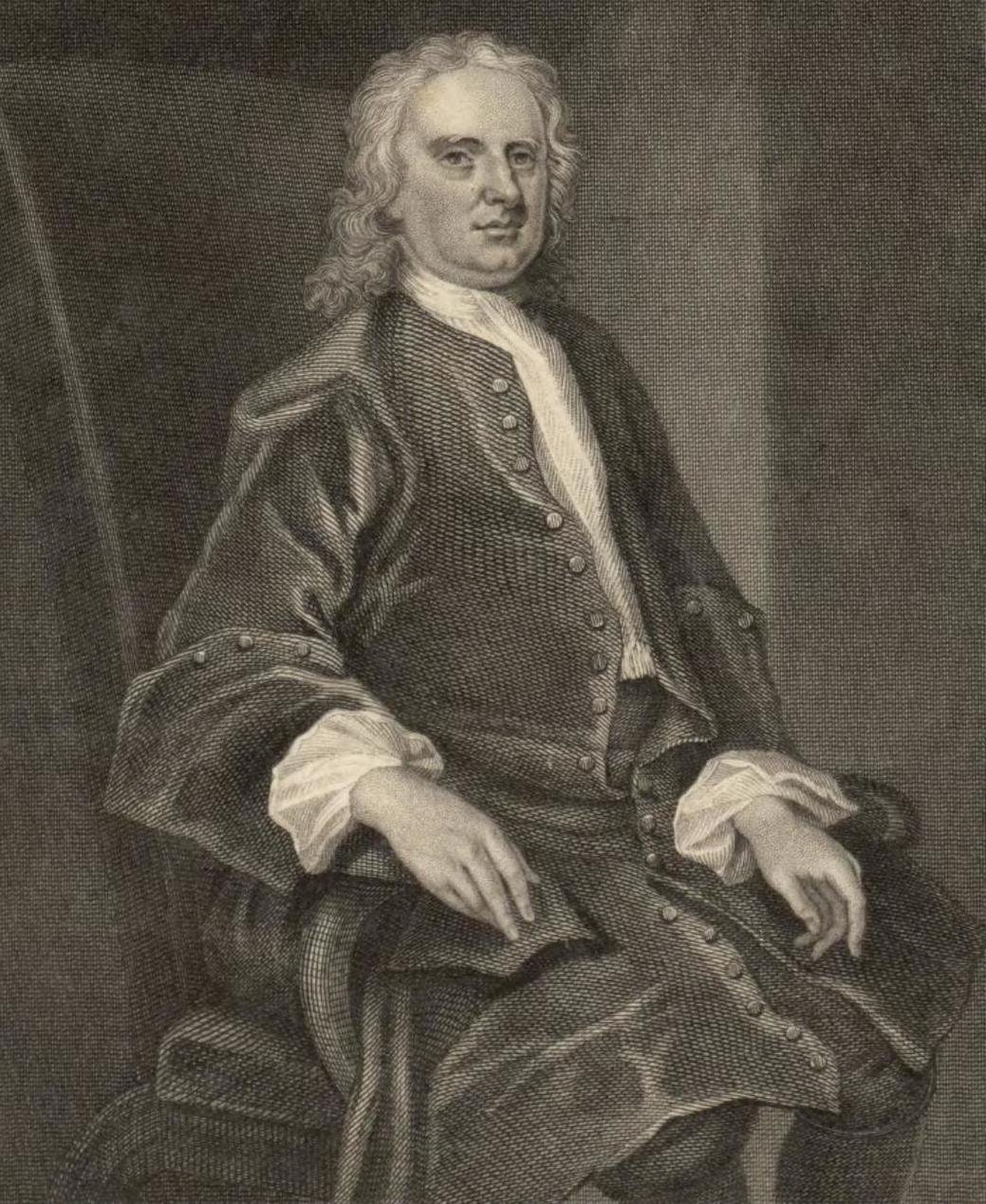
Isaac Newton’s work has been called the bedrock of modern science, but his journey was anything but ordinary. He formulated the three laws of motion and the law of universal gravitation, transforming how we understand the universe. His 1687 masterpiece, “Philosophiæ Naturalis Principia Mathematica,” remains one of the most influential books ever written. Newton’s methods were unconventional—he often performed risky experiments on himself, including staring at the sun to study optics. The American Physical Society highlights that Newton’s equations are woven into the foundation of every physics classroom on Earth. He didn’t just accept the wisdom of his time; he questioned everything, sometimes even cloistering himself away for years to pursue his ideas. His commitment to experimentation and his mathematical genius changed how humanity viewed the world, inspiring generations to pursue science with the same boldness.
Nikola Tesla (1856–1943): The Visionary Who Lit Up the World

Nikola Tesla’s mind was a storm of electrifying ideas, many of which sounded like magic in his day. He invented the alternating current (AC) electrical system that powers modern cities, and his Tesla coil is still used in radio technology today. Tesla dreamed of wireless energy transmission—imagine charging your phone through the air—and even built massive towers to try and make it happen. The IEEE confirms that Tesla’s inventions serve as the backbone for much of today’s electrical infrastructure. What set Tesla apart was his willingness to ignore mainstream thinking, instead chasing visions that others laughed off as impossible. He died nearly penniless, but his legacy is everywhere: every time you flip on a light switch, you’re living in the world Tesla imagined. His story is both inspiring and tragic, a reminder that genius often walks a lonely, electrified road.
Albert Einstein (1879–1955): The Rebel Who Bent Space and Time
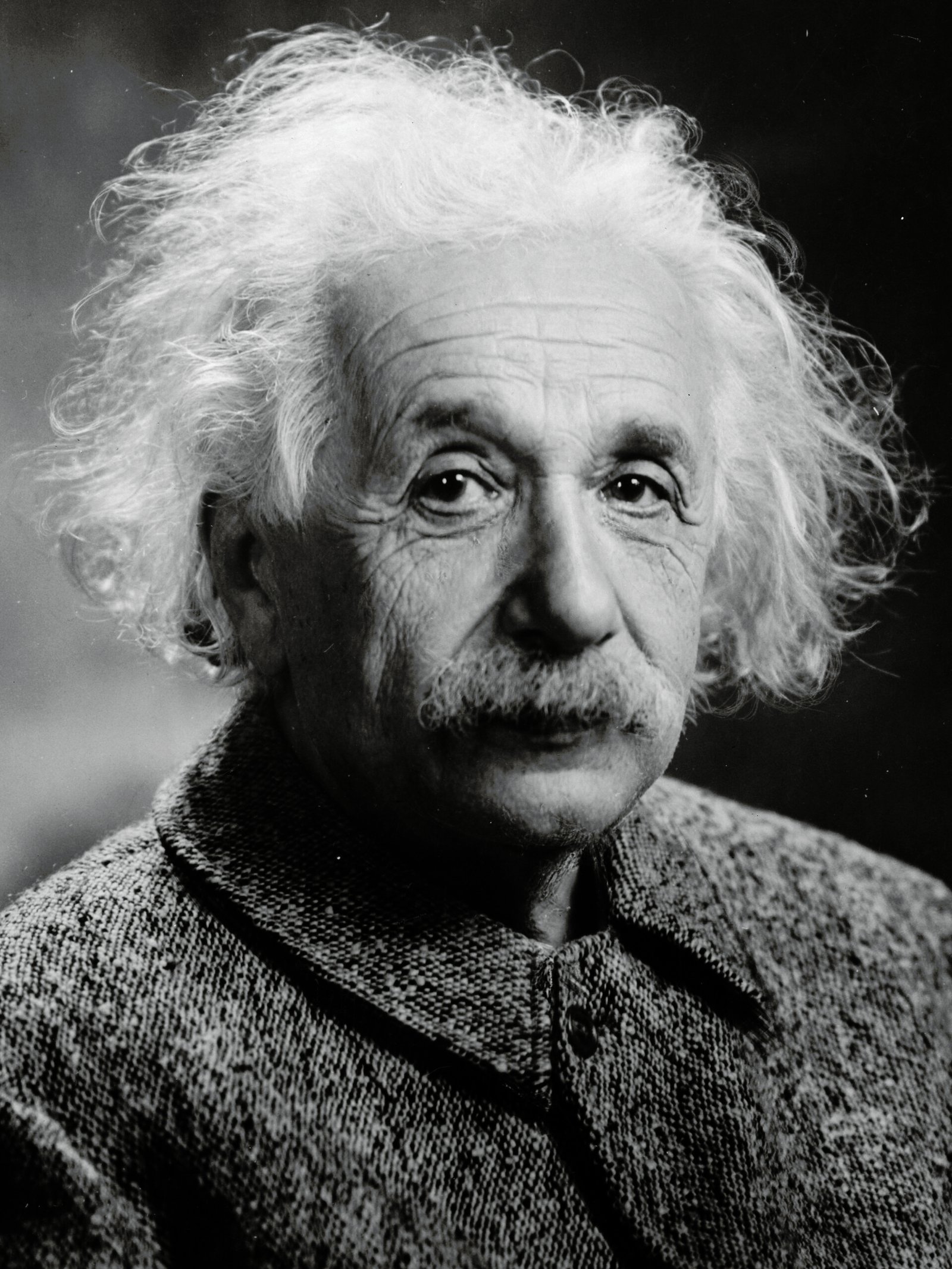
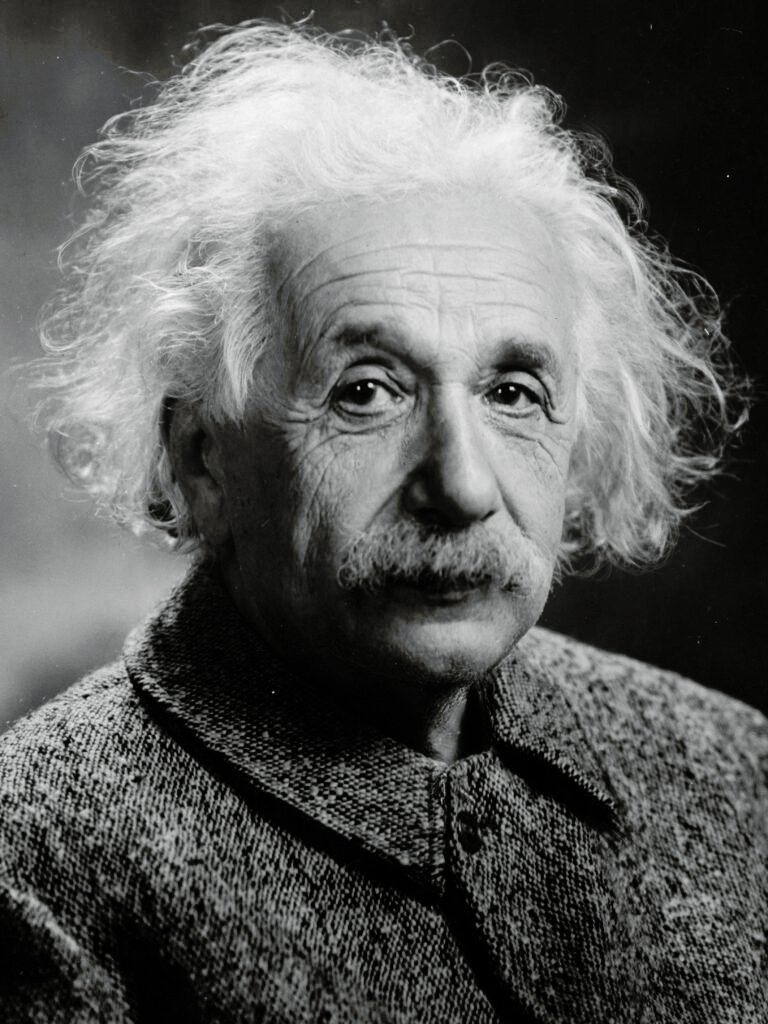
Albert Einstein’s name is now a synonym for genius, but his early school days were fraught with struggle and skepticism from teachers. He would later revolutionize our understanding of the universe with his theory of relativity, famously expressing that E=mc²—energy and mass are interchangeable. This single equation changed the trajectory of physics and laid the groundwork for nuclear energy. The American Institute of Physics details how Einstein’s ideas challenged the Newtonian view that had dominated for centuries. His 1921 Nobel Prize recognized his explanation of the photoelectric effect, another leap for science. Einstein was known for questioning authority and thinking visually, imagining himself riding alongside a beam of light to unravel the mysteries of space and time. His passion for challenging the status quo continues to inspire everyone who dreams of seeing the world differently.
Marie Curie (1867–1934): The Pioneer Who Unleashed Radioactivity
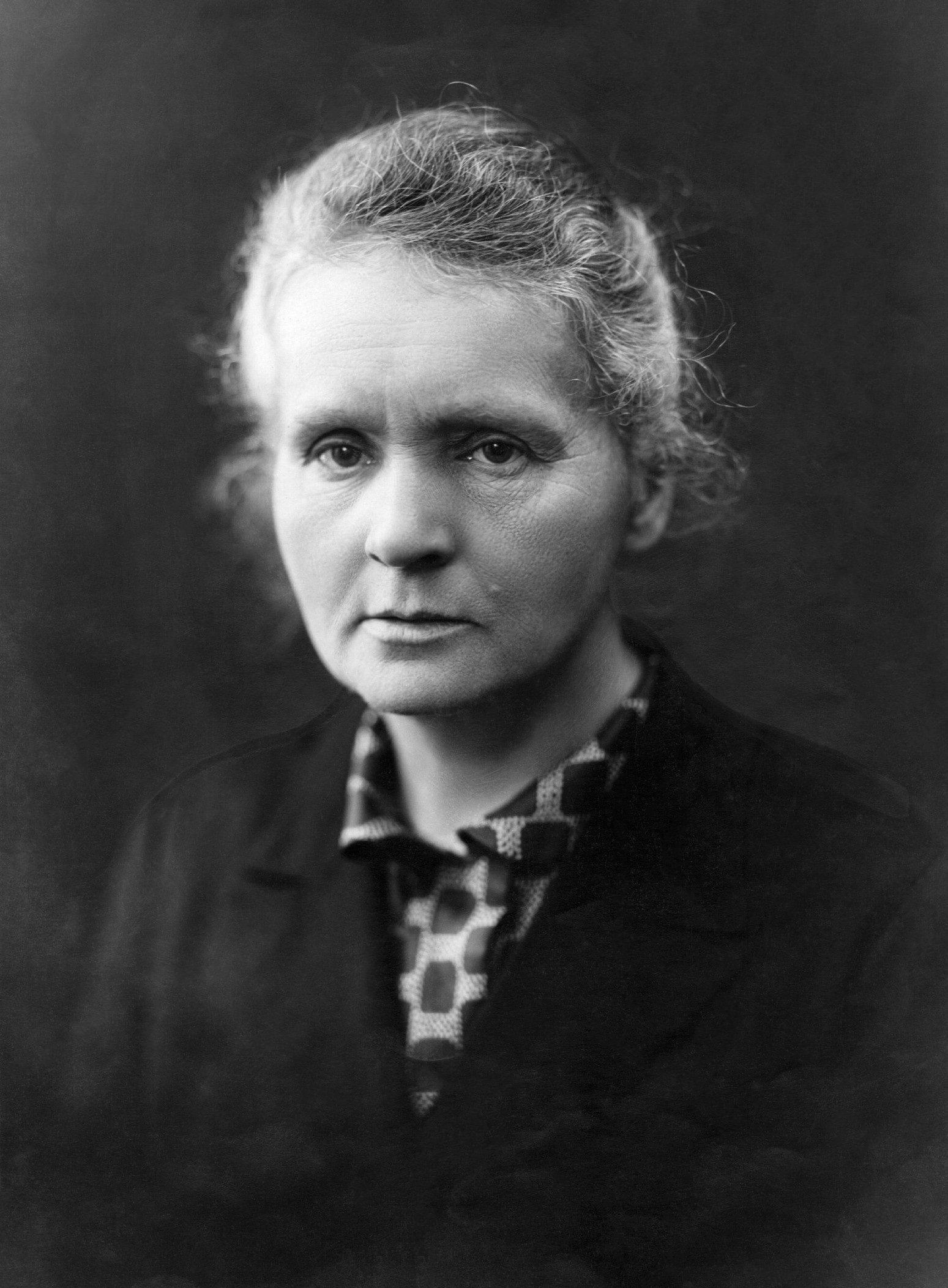
Marie Curie broke through every barrier in her path, becoming the first woman to win a Nobel Prize, and the only person to win in two scientific fields—Physics and Chemistry. Her research on radioactivity, a term she coined, resulted in the discovery of polonium and radium. The Nobel Prize organization notes that her findings paved the way for life-saving cancer treatments using radiation. Curie’s laboratory was a place of danger and discovery; she handled radioactive elements without knowing the risks, sacrificing her own health for her work. Her relentless drive and unique approach to problem-solving have made her a role model, not just for women in science, but for anyone determined to change the world. Her courage, intellect, and refusal to accept “no” as an answer are legendary.
Alan Turing (1912–1954): The Codebreaker Who Dreamed of Machines That Think
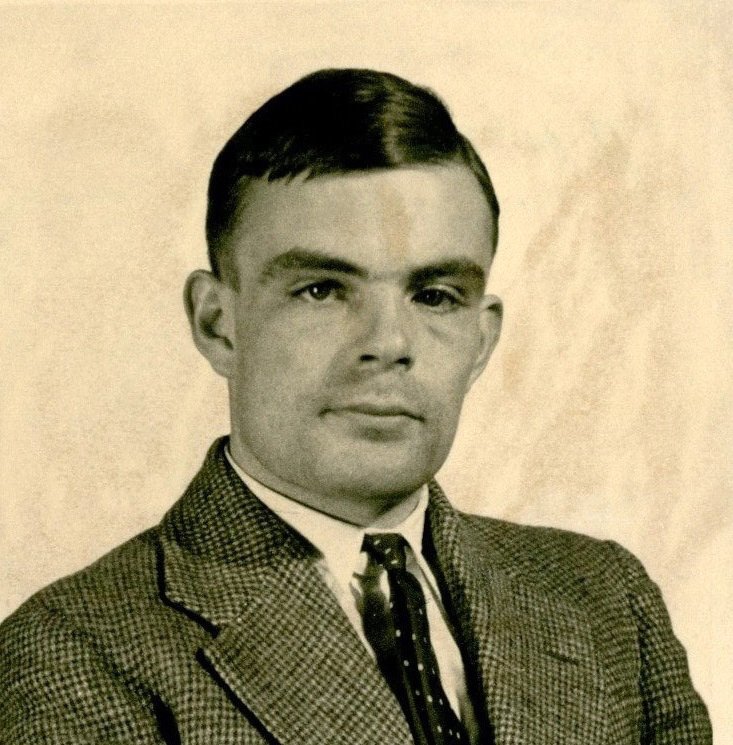
Alan Turing’s mind was as precise as a machine—and just as creative. He imagined a “universal machine” that could solve any calculation, giving birth to the idea of the modern computer. During World War II, Turing led the charge in cracking the Nazi Enigma code, a feat many historians agree helped turn the tide of the war. The British Computer Society recognizes Turing as the father of computer science, with his work forming the basis for programming and artificial intelligence. Turing’s logic was revolutionary, but so was his willingness to challenge the limits of what machines and minds could do. His life ended in tragedy, but his legacy is in every smartphone, laptop, or AI assistant we use today.
Steve Jobs (1955–2011): The Designer Who Reimagined Everyday Life
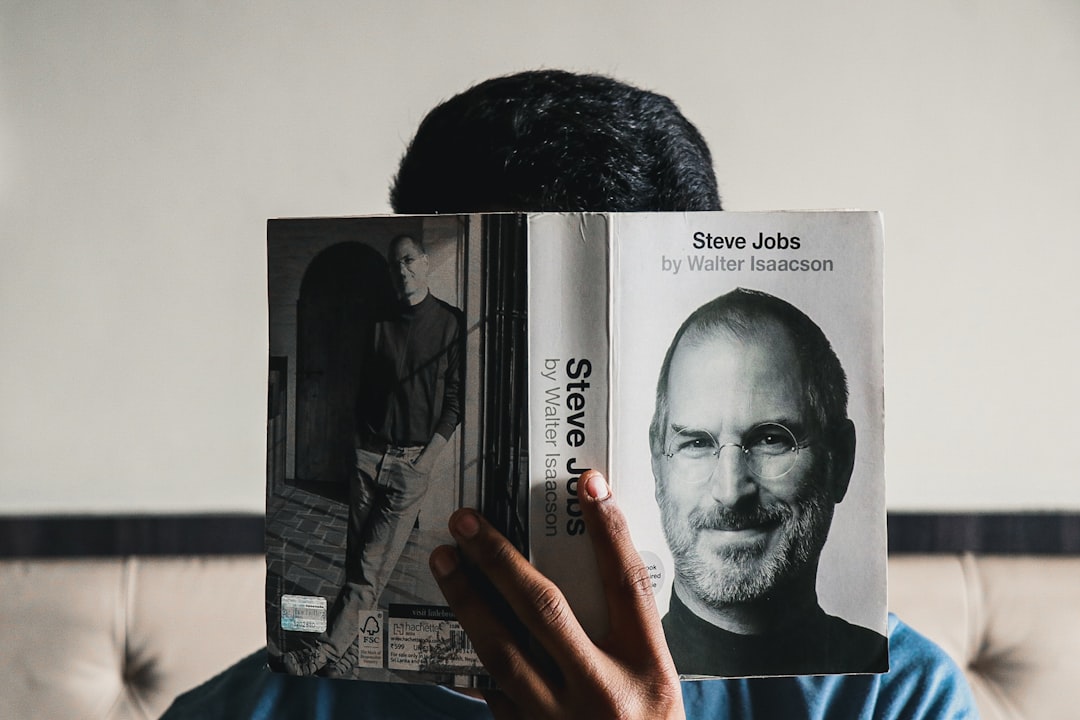
Steve Jobs didn’t just build products—he designed experiences that shaped the way we live and communicate. As co-founder of Apple, he fused technology with artistry, insisting that every device should be as beautiful as it was functional. The iPod, iPhone, and MacBook became cultural icons, defining the digital age. Forbes reports that Apple’s market value soared under Jobs’ leadership, making it one of the world’s most valuable companies. Jobs was notorious for his perfectionism, often pushing his teams beyond what they thought possible. He didn’t invent the smartphone or the computer, but he reimagined them with a relentless focus on simplicity and user experience. His story is a testament to the power of thinking differently—sometimes even thinking obsessively.
Ada Lovelace (1815–1852): The Prophetess of the Computer Age
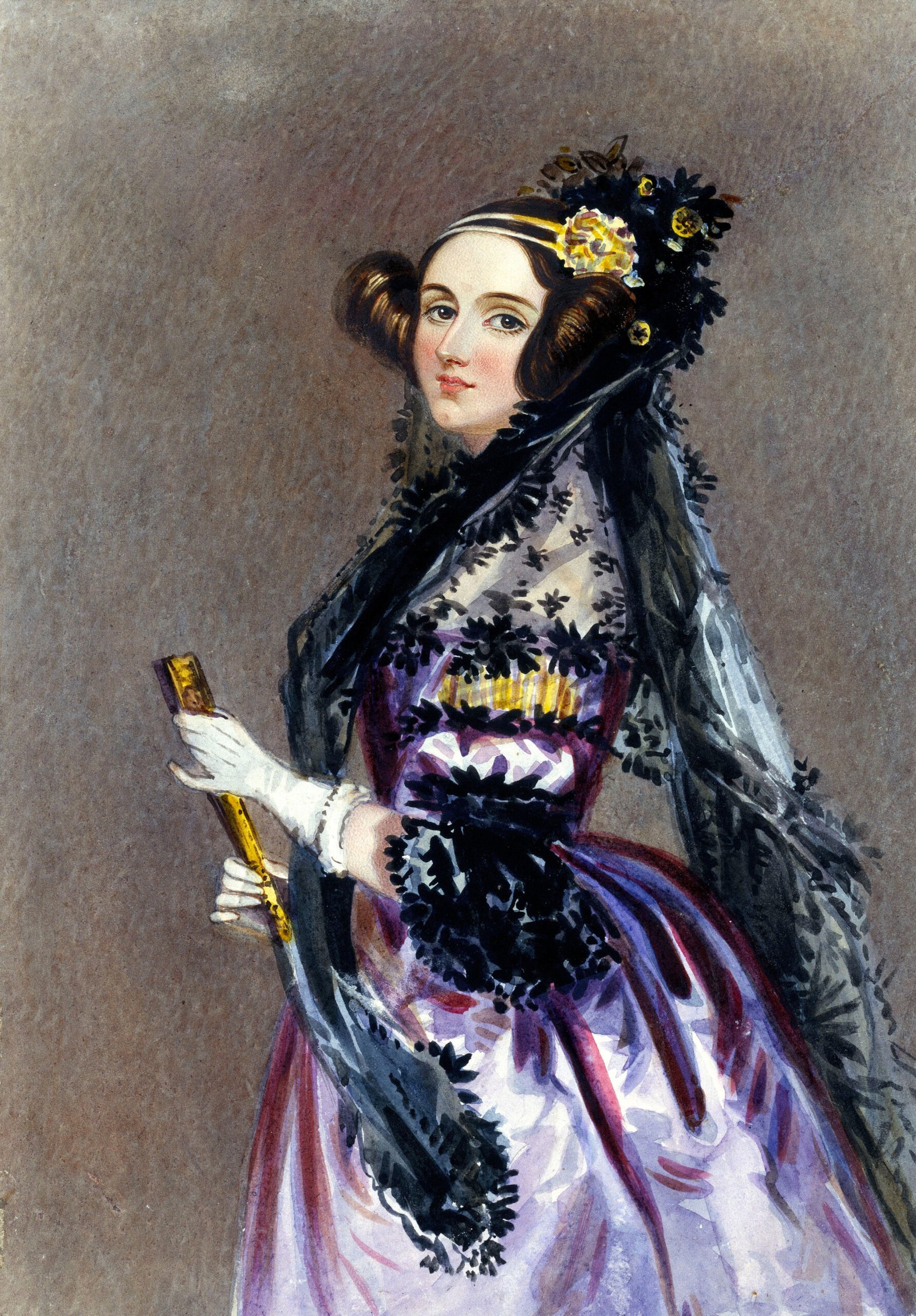
Ada Lovelace saw what no one else could: the future of computing, long before computers existed. Working with Charles Babbage’s Analytical Engine, she wrote what is considered the first computer algorithm, envisioning machines that could create music or art—a vision that sounds eerily like today’s AI. The Computer History Museum credits Lovelace with introducing the concept of looping in programming, a foundational technique in software today. Her writings reveal a mind that danced between logic and imagination, blending poetry and mathematics. Lovelace’s legacy is especially powerful for women in STEM, as she beat the odds in a field dominated by men. Her story shows how imagination, not just intellect, can shape technology’s future.
Galileo Galilei (1564–1642): The Stargazer Who Challenged the Heavens
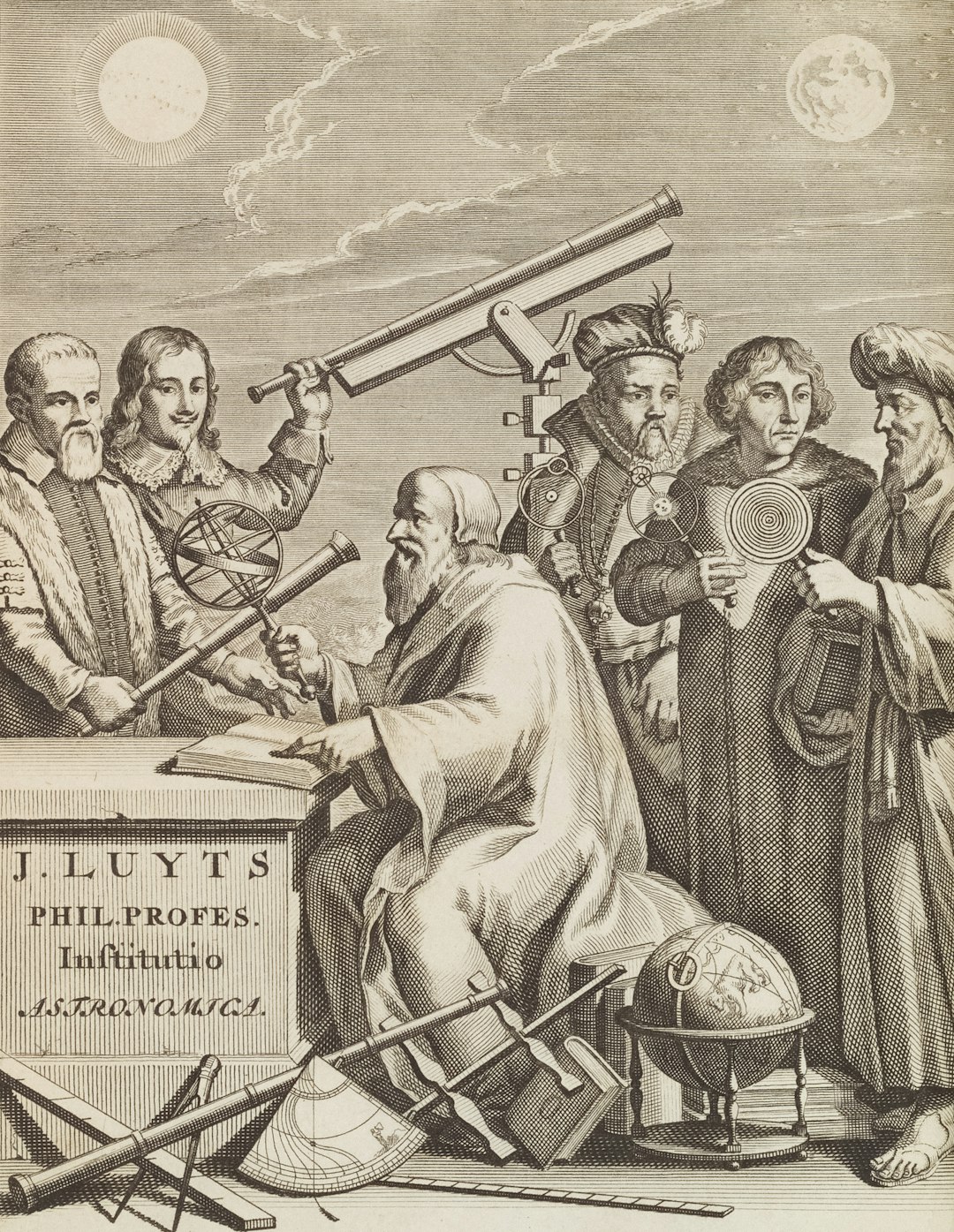
Galileo Galilei aimed his telescope at the night sky and saw something that terrified the powers of his day: evidence that the Earth was not the center of the universe. His detailed observations of Jupiter’s moons and the phases of Venus directly contradicted the church’s teachings. NASA recognizes Galileo as the father of modern observational astronomy, with his methods forming the basis of scientific inquiry in the field. Despite facing house arrest and condemnation, Galileo persisted, publishing findings that opened humanity’s eyes to the vastness of the cosmos. His willingness to risk everything for the truth changed science forever, proving that sometimes you have to look up to see what others refuse to see.
Charles Darwin (1809–1882): The Naturalist Who Redefined Life
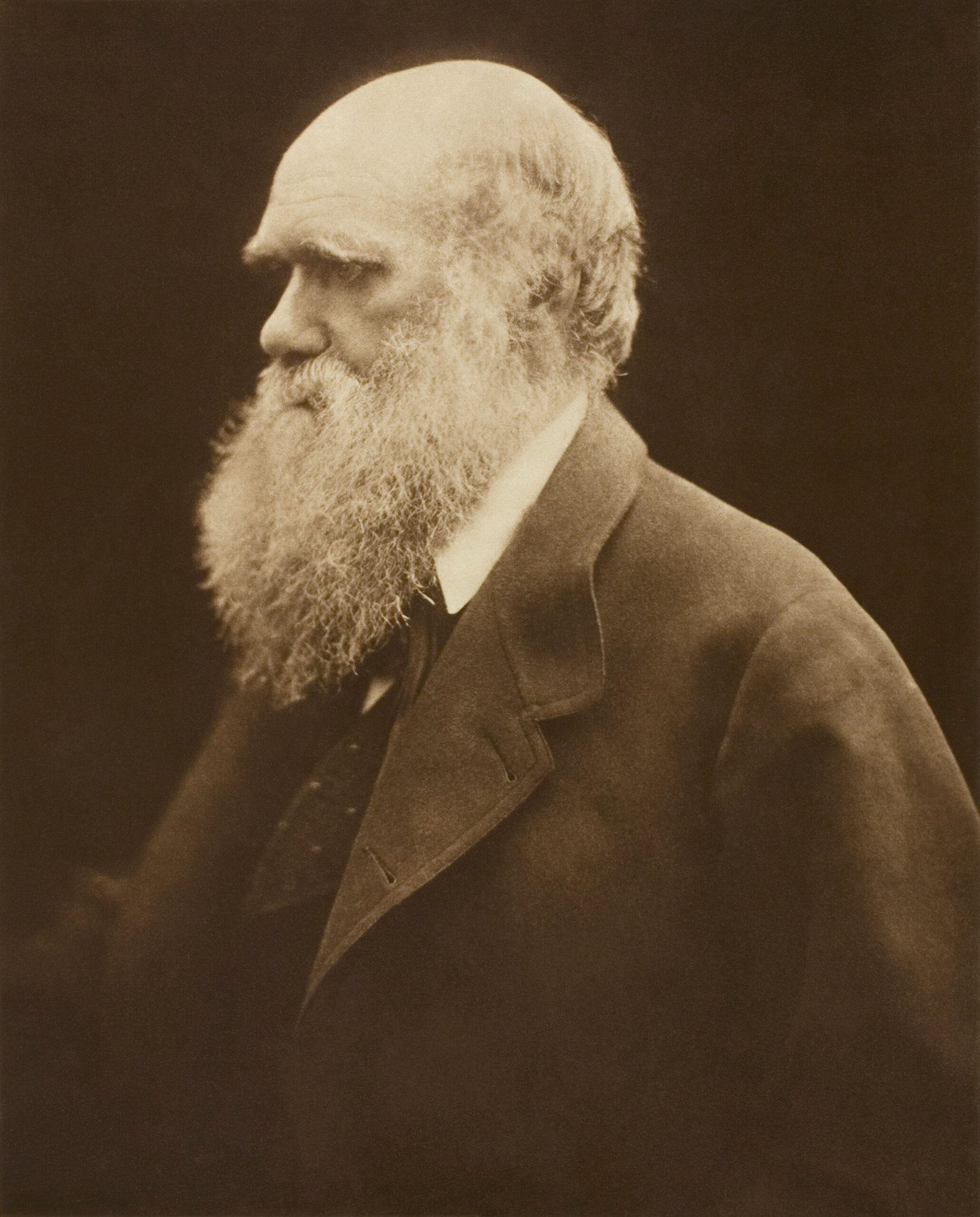
Charles Darwin embarked on a voyage aboard the HMS Beagle that would reshape our understanding of life itself. Observing finches in the Galápagos Islands, he developed the theory of natural selection, explaining how species evolve over time. In 1859, he published “On the Origin of Species,” which the National Academy of Sciences considers one of the most important scientific works ever. Darwin’s ideas were controversial, clashing with religious and cultural beliefs, but his evidence-based approach won out. Genetics and paleontology have since confirmed his theories, making evolution a cornerstone of modern biology. Darwin’s curiosity and courage to follow the facts—no matter where they led—set a new standard for scientific discovery.
Malala Yousafzai (1997– ): The Young Activist Who Gave Girls a Voice

Malala Yousafzai’s story is one of breathtaking courage. Growing up in Pakistan, she defied extremists who tried to silence her for advocating girls’ education. In 2012, she survived a gunshot to the head, but instead of retreating, she amplified her campaign, becoming the youngest Nobel Peace Prize laureate at age 17. The Malala Fund has empowered millions of girls worldwide to pursue education and equality. Malala’s activism is proof that you don’t need to be a scientist or inventor to change the world—sometimes, it’s the power of your voice and conviction that moves mountains. Her relentless optimism and fearlessness make her one of the most inspiring figures of our time.
Elon Musk (1971– ): The Disruptor Who Dares to Dream Big
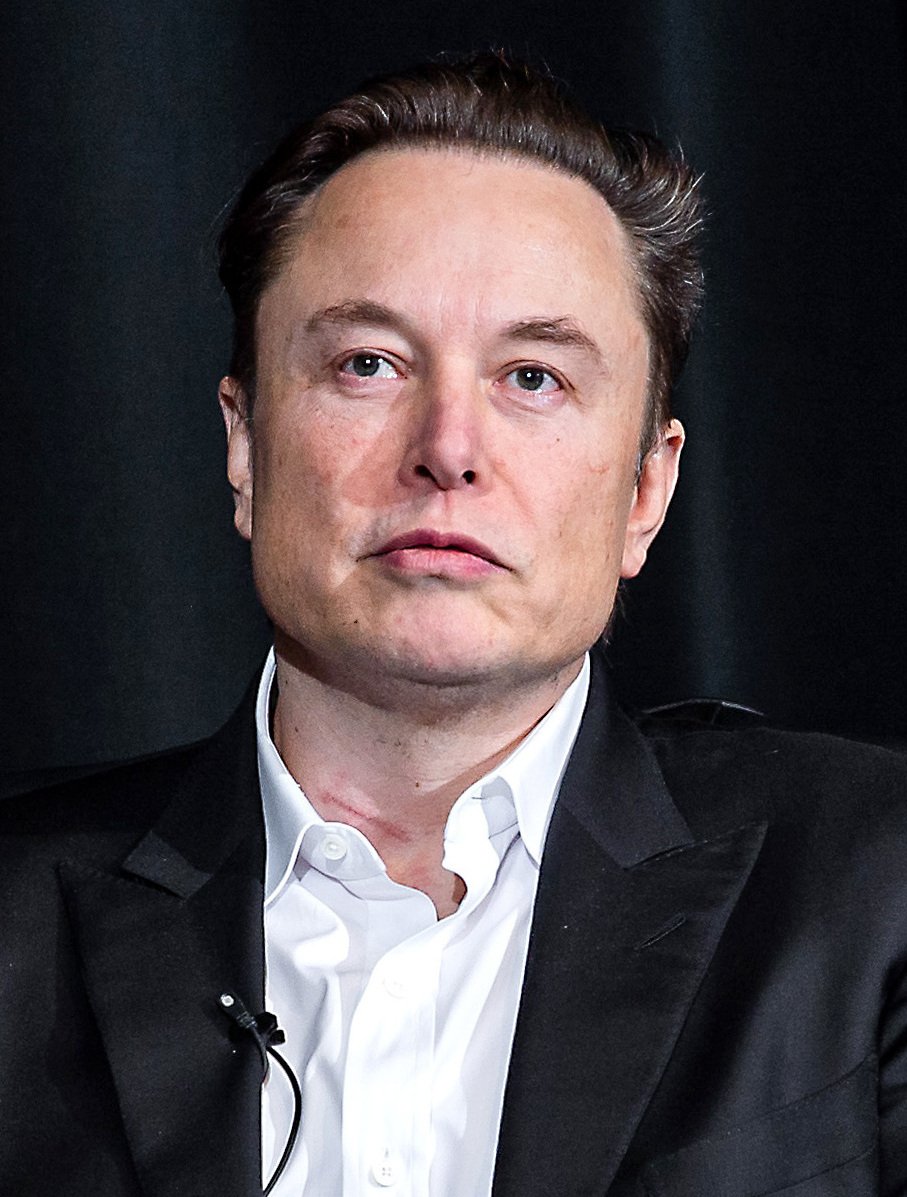
Elon Musk is a name that sparks fierce debate, but few can deny his impact. As CEO of Tesla, he made electric cars cool and set new standards in sustainable energy. With SpaceX, Musk has redefined what private companies can achieve in space, launching reusable rockets and even sending a car into orbit. Forbes highlights that Tesla’s valuation topped $1 trillion in 2024, while SpaceX’s Starship project aims for Mars. Musk’s ventures into AI (OpenAI), underground transit (The Boring Company), and brain-machine interfaces (Neuralink) have made headlines and sometimes controversy. His relentless ambition and willingness to risk everything for his vision have shaken up industries that once seemed untouchable.
CEO-Co-Founder
