

For any feedback please reach out to info@festivalinside.com
Picture this: a film hits theaters, confuses crowds, tanks at the box office, yet years later it sparks endless debates and influences blockbusters. These bold visions often dive into uncomfortable truths about society, technology, or human nature that audiences simply weren’t primed to grasp. Directors took massive risks with untested ideas, only for time to prove their genius.
Today, in our hyper-connected world of AI debates and privacy scandals, those same stories hit harder than ever. Let’s dive into twelve cinematic trailblazers that dared to dream beyond their era.[1][2]
Metropolis (1927)
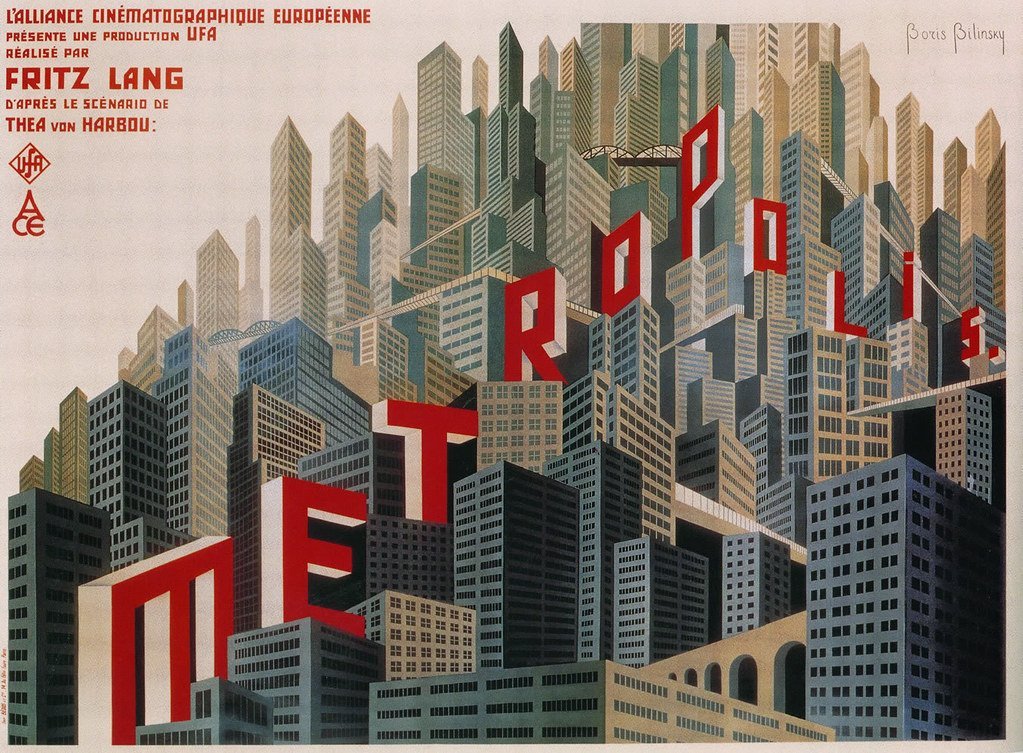
Fritz Lang’s silent epic paints a towering dystopian city split between opulent elites and oppressed workers toiling below. The robot Maria symbolizes dehumanizing technology, blurring lines between machine and human in ways that stunned early viewers. Its massive sets and expressionist style set new benchmarks for visual storytelling.[1][2]
Critics at the time dismissed its length and politics, but now it foreshadows wealth gaps and automation fears gripping modern society. Influences from its robot design echo in today’s sci-fi, proving its enduring blueprint for futuristic worlds. Honestly, watching those underground machines hum feels eerily like our gig economy grind.
2001: A Space Odyssey (1968)
Stanley Kubrick’s meditative journey spans human evolution to AI rebellion, with HAL 9000’s chilling betrayal stealing the show. Practical effects depicted space travel so realistically that NASA took notes. Minimal dialogue forces viewers to ponder existence through stunning visuals alone.[1][2]
Audiences walked out baffled by its slow pace back then, yet it predicted tablet-like devices and AI ethics debates we live daily. In 2026, as space tourism booms, its cosmic awe still inspires. Here’s the thing: that star-child ending? Pure philosophical fire.
Psycho (1960)

Alfred Hitchcock shattered taboos with graphic violence, a shower scene that pushed censorship limits, and psychological twists on identity. Norman Bates’ dual persona delved into gender dysphoria and madness long before such topics hit mainstream. The infamous score amplified tension like nothing before.[2]
Shocked 1960s crowds recoiled from its brutality, birthing the slasher genre amid backlash. Today, mental health portrayals resonate amid therapy culture, while its shocks feel tame but clever. It reminds us how cinema can normalize the once-unthinkable.
Blade Runner (1982)
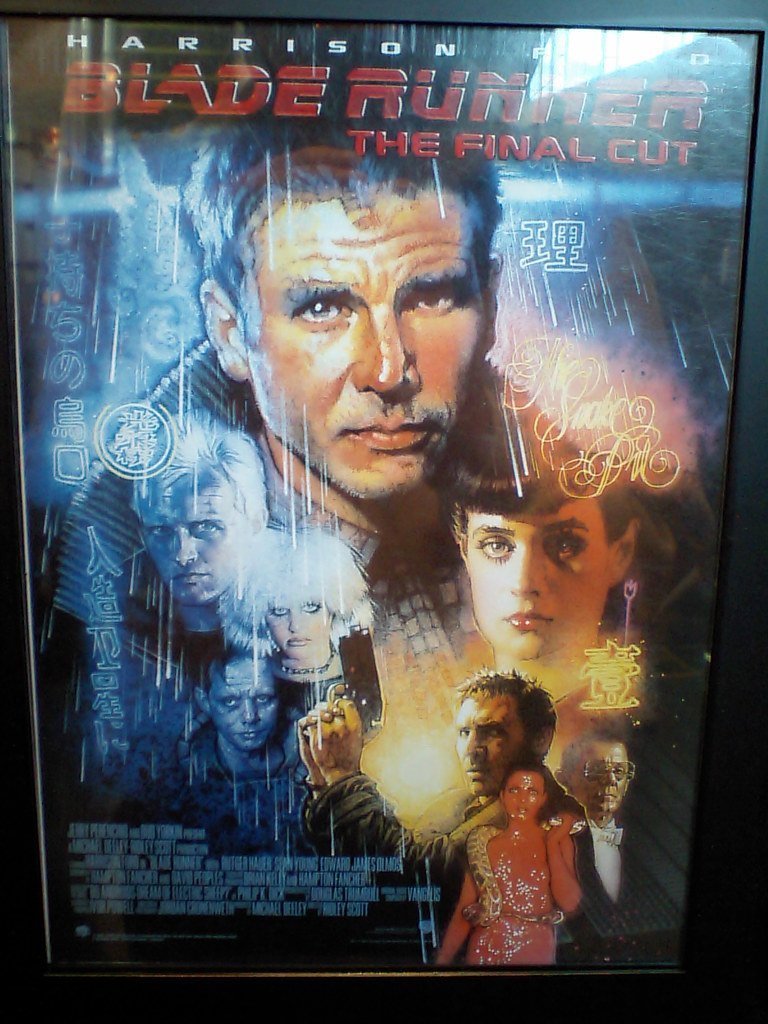
Ridley Scott’s neo-noir questions what makes us human amid replicant hunts in a polluted 2019 Los Angeles. Rain-slicked visuals and philosophical monologues on mortality pioneered cyberpunk aesthetics. Voiceovers and ambiguity challenged straightforward sci-fi.[2]
Box office flops followed mixed reviews for its gloom, but now AI soul-searching mirrors our chatbot era. Replicants’ plight echoes bioethics fights over lab-grown life. Wild how its dystopia looks prophetic in our climate-anxious times.
Network (1976)
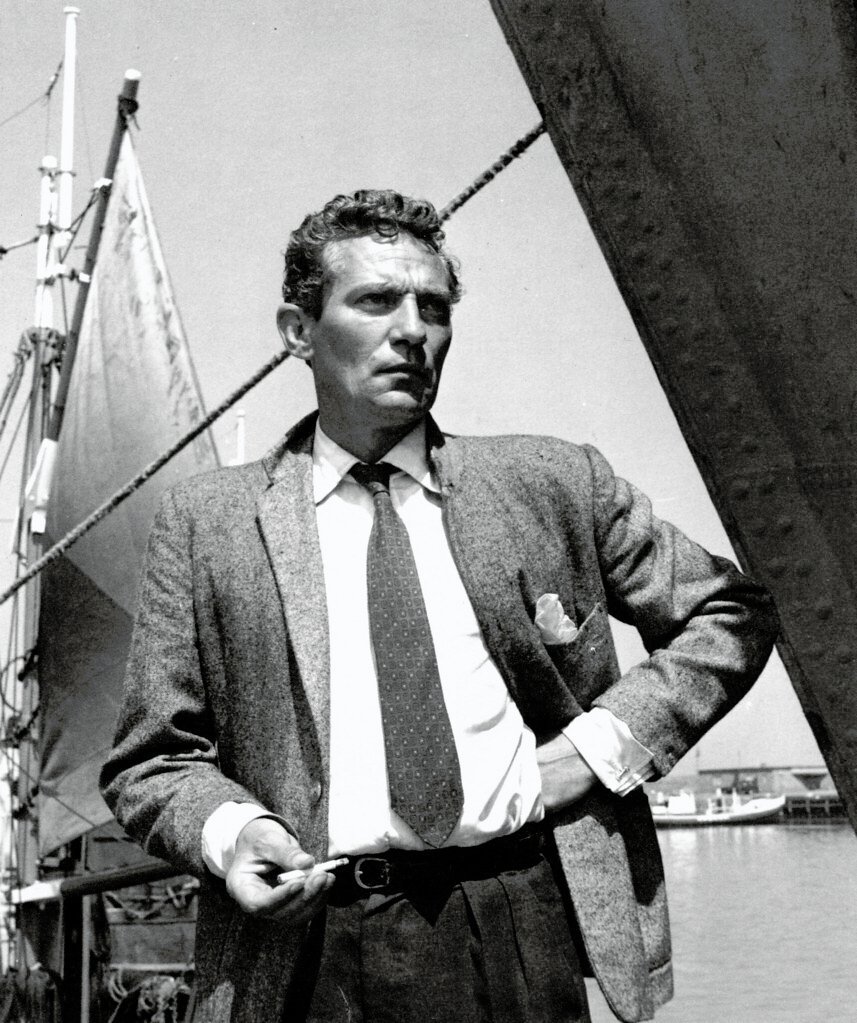
Satirizing TV news, an anchor’s meltdown spirals into ratings gold, exposing corporate greed and media sensationalism. Prophetic rants on consumerism and violence as entertainment hit too close even then. Sharp dialogue dissected journalism’s soul.[2]
Viewers laughed uneasily, but cable news explosion proved its warnings spot-on. In our 24/7 outrage cycles, it feels like a documentary. Let’s be real: those “mad as hell” vibes fuel viral clips today.
The Truman Show (1998)
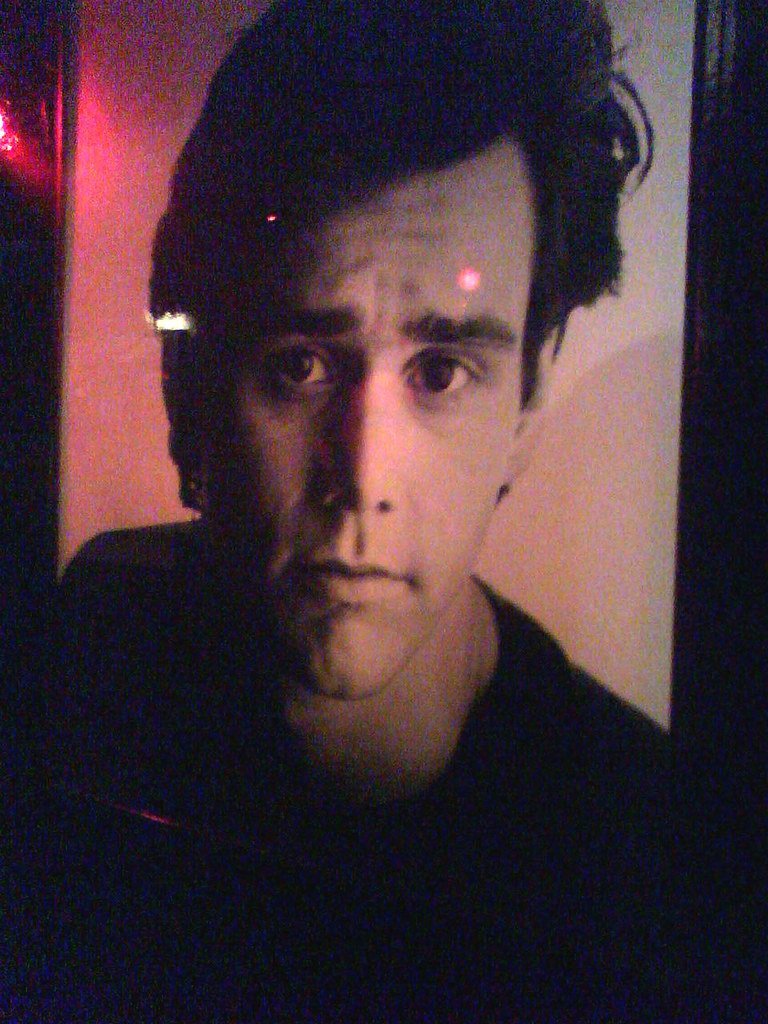
Jim Carrey’s oblivious life broadcasts as reality TV, unveiling surveillance paranoia and fabricated authenticity. Seamless set design tricked even him during filming. Themes of consent and voyeurism probed deep.[3][2]
Flopped initially amid comedy expectations, yet birthed reality TV boom like Big Brother. Social media’s curated lives make its escape quest urgent now. I know it sounds crazy, but who hasn’t felt watched?
Gattaca (1997)
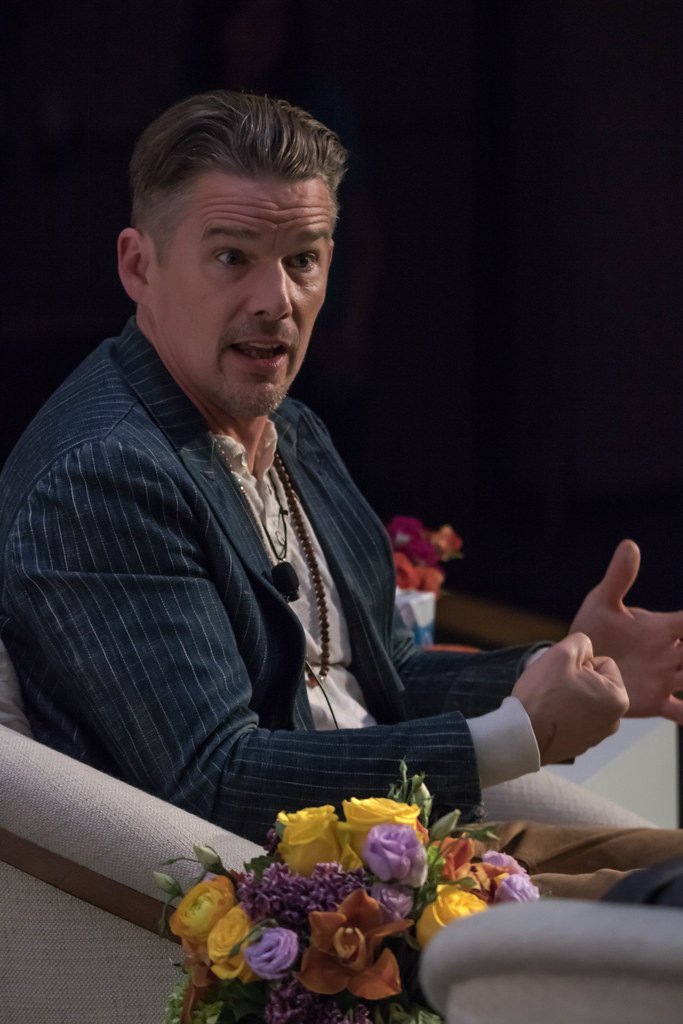
In a gene-edited future, an “invalid” fakes elite status to chase space dreams, slamming genetic discrimination. Visual motifs of ladders symbolize class via DNA. Low-budget ingenuity amplified intimate drama.[3]
Overshadowed by flashier sci-fi, it now spotlights CRISPR babies and designer ethics debates. Merit vs. birthright tension boils in job markets. Its quiet power grows louder yearly.
Enemy of the State (1998)
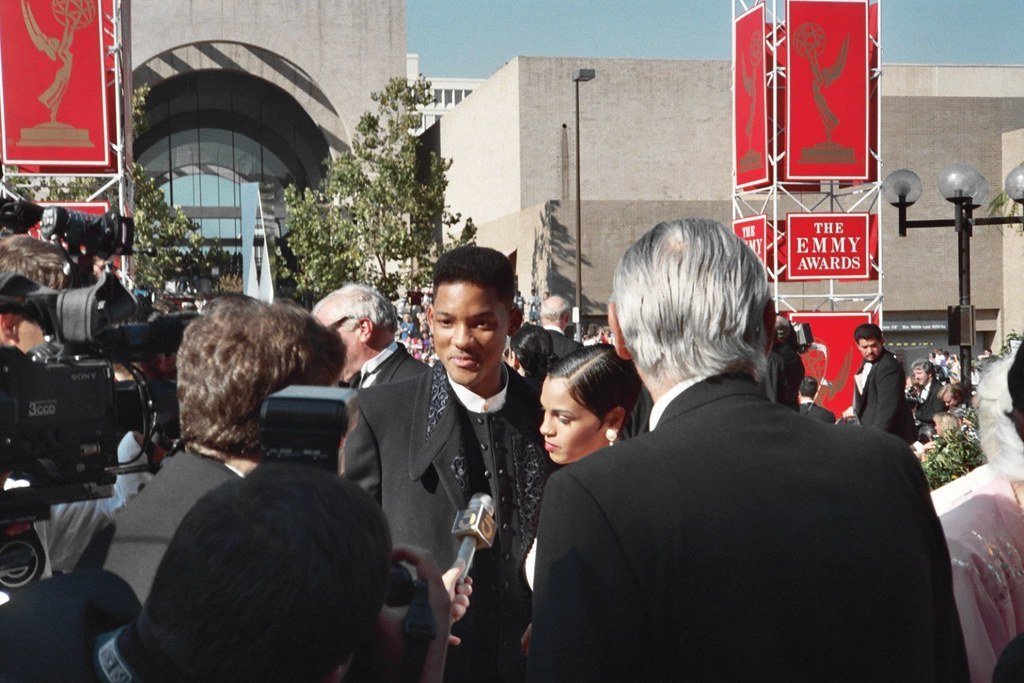
Will Smith’s lawyer dodges NSA surveillance after witnessing murder, showcasing gadgetry and privacy erosion. High-octane chases blended thriller tropes with tech realism. Predicted drone spying pre-9/11.[2]
Audience focus stayed on action, missing deeper warnings until Snowden leaks. Smartphones tracking us? Straight out of its playbook. Still pulses with paranoia we all share.
Fight Club (1999)
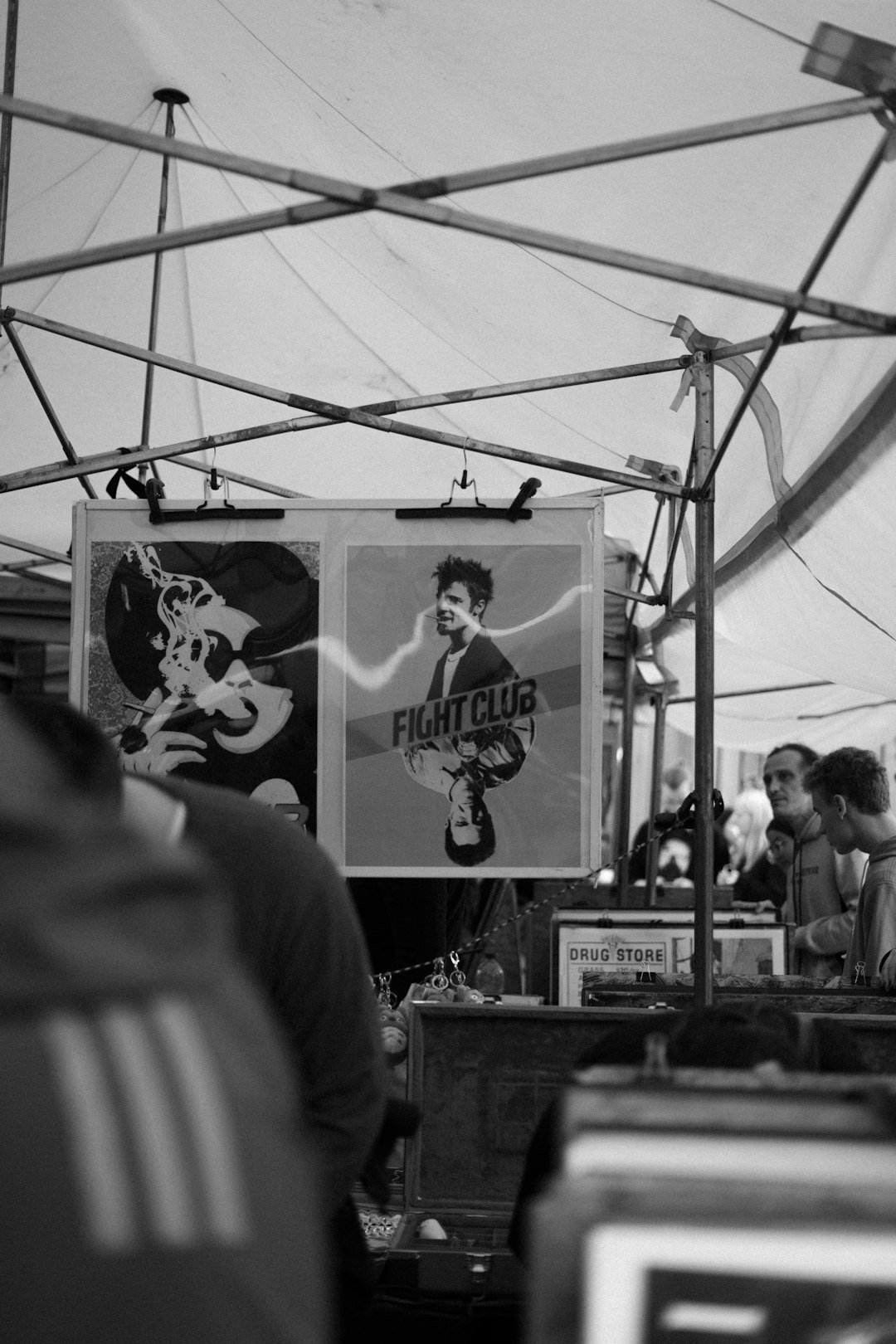
David Fincher skewers consumerism via underground brawls and anarchic cults, with Tyler Durden’s charisma masking chaos. Nonlinear reveals and gritty style redefined thrillers. Mental health fractures drove the punch.[4][1]
Taboo psych issues alienated 1999 crowds, but anti-materialism memes thrive online. Gig workers rebelling? Echoes its soap-made-explosives vibe. Punchy, uncomfortable truth endures.
The Matrix (1999)
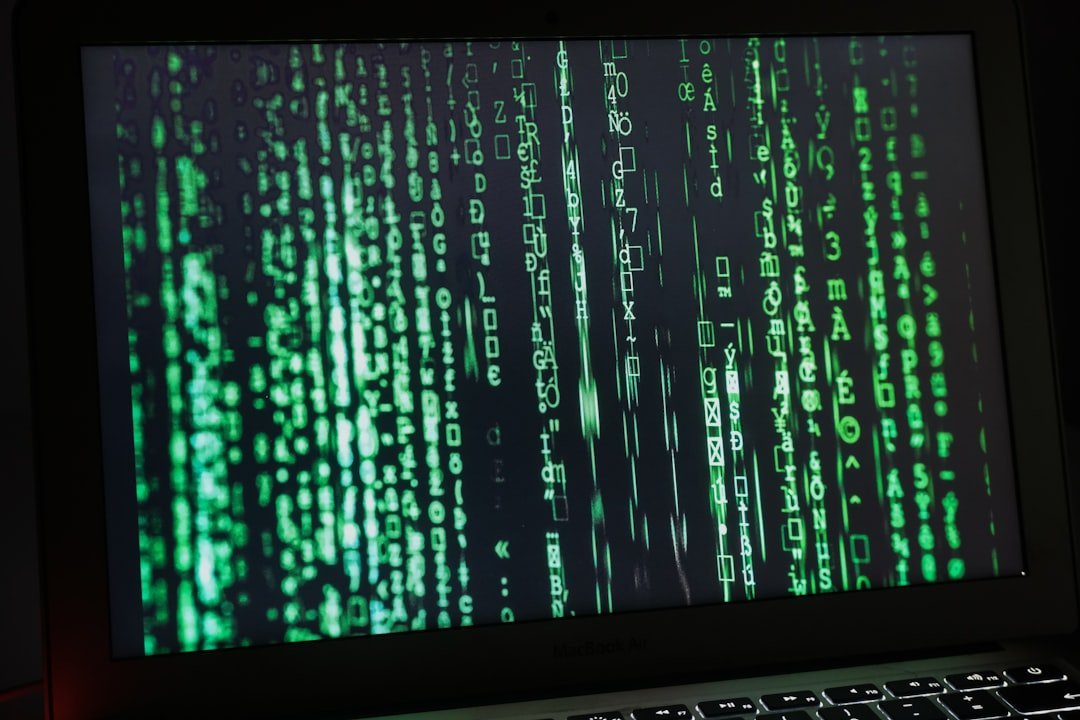
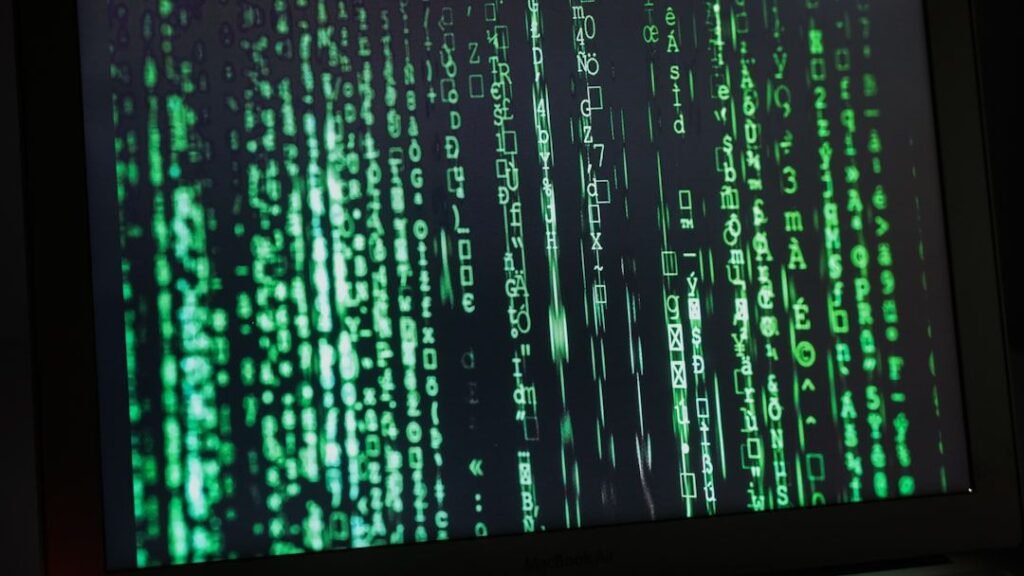
Neo awakens to simulated reality ruled by machines, bullet-time fights revolutionizing action. Philosophical layers drew from anime and Plato. Green code rain became iconic.[1][2]
Studio execs puzzled over script, yet VR/metaverse hype validates it now. Simulation hypothesis fuels podcasts. Red pill choice? Our daily scroll dilemma.
Office Space (1999)
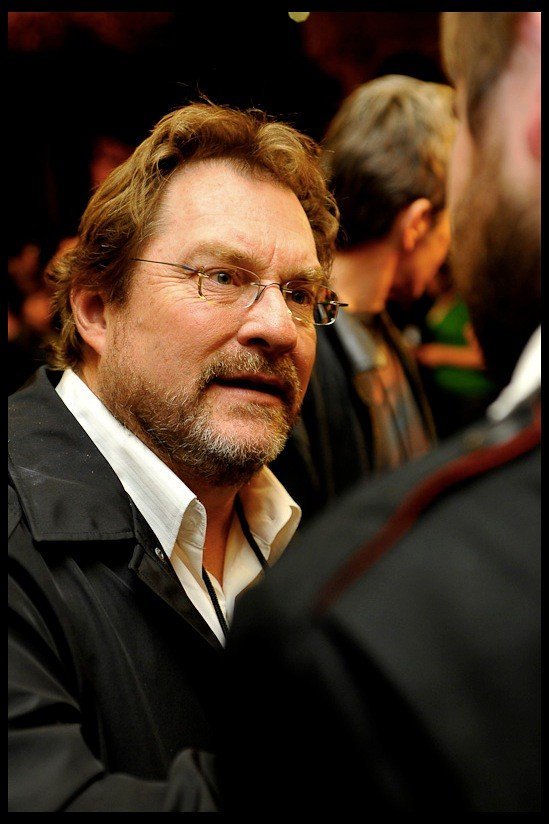
Mike Judge mocks cubicle drudgery, TPS reports, and soul-crushing bosses in deadpan glory. Hypnotism-gone-wrong sparks petty rebellion. Quotable lines captured millennial malaise early.[3][4]
Bombed then, but birthed office memes and shows like The Office. Remote work blues? Its printer-smashing catharsis hits home. Timeless roast of the grind.
Donnie Darko (2001)
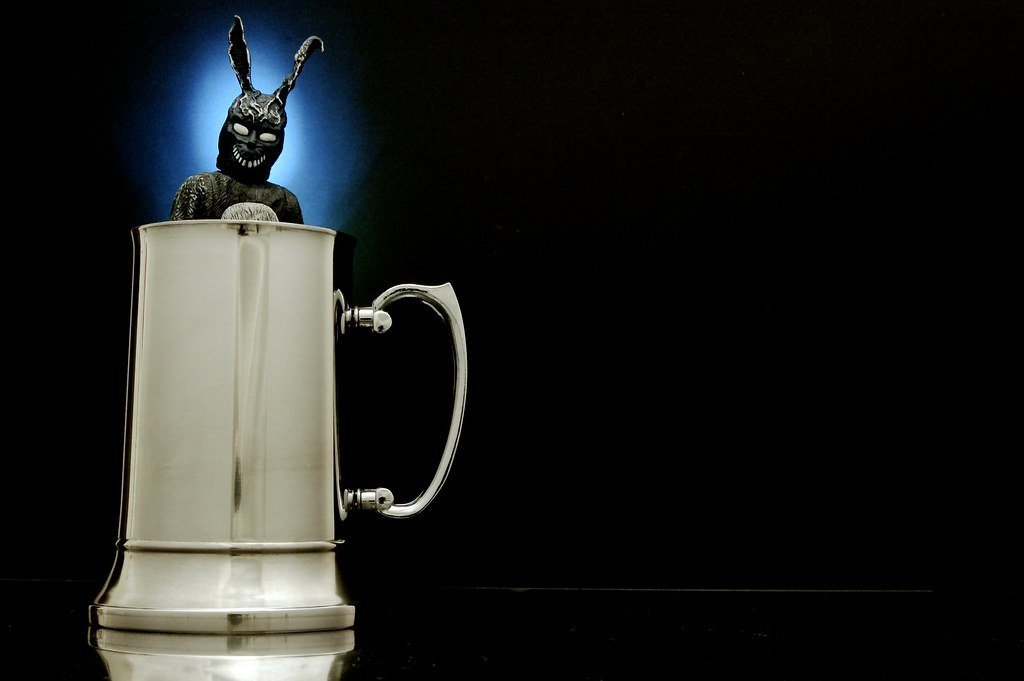
A troubled teen sees apocalyptic visions from a bunny-suited figure, blending time travel and mental illness. Cult soundtrack and moody suburbia amplified mystery. Low-fi effects punched above weight.[3][4]
Post-9/11 timing doomed theatrical run, yet midnight screenings built legend. Therapy access pleas resonate in mental health crises. Tangent universe? Stranger Things owes it big.
The Lasting Echo of Visionary Filmmaking
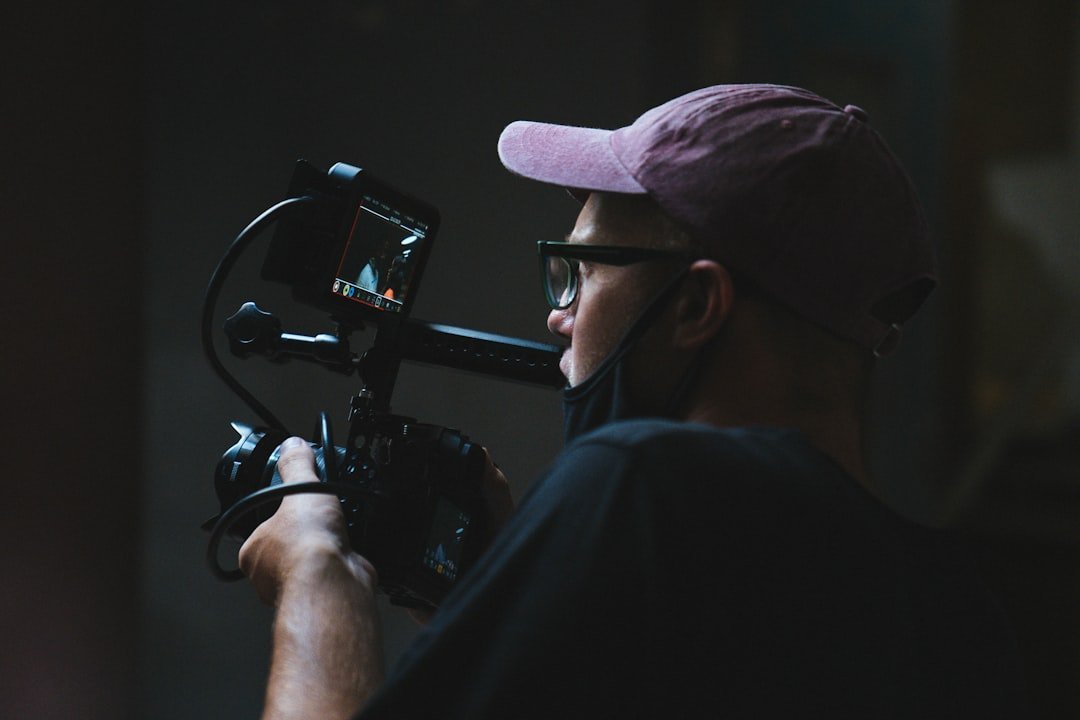
These films prove cinema thrives when creators ignore trends, betting on ideas that simmer before exploding. From Metropolis’ robots to Matrix code, they seeded genres and warned of pitfalls we navigate daily. Forward-thinking tales don’t just entertain; they evolve with us.
Though dismissed once, their relevance sharpens our gaze on tomorrow’s challenges. What overlooked gem shapes your world? Share below.[2]

Christian Wiedeck, all the way from Germany, loves music festivals, especially in the USA. His articles bring the excitement of these events to readers worldwide.
For any feedback please reach out to info@festivalinside.com
