

- 15 Incredible True Stories Behind the Most Famous Rock Ballads Ever - March 26, 2026
- The Disturbing Origins of 10 Famous Fairy Tales - March 26, 2026
- 10 ‘Ghost Ships’ That Mysteriously Disappeared At Sea - March 26, 2026
History has a habit of making novelists look unimaginative. For every carefully crafted plot twist in fiction, the past seems to one-up it with something so outrageous, so perfectly absurd, that no editor would ever let it pass. A dead pope put on trial. An emperor routed by farm animals. A city drowned in syrup. These are not the fever dreams of a bored screenwriter. They happened. Really.
The truth is, the past is full of episodes that textbooks quietly skip over, not because they are unimportant, but perhaps because they are simply too strange to fit neatly into the usual historical narrative. What follows are twelve events that are fully verified, genuinely documented, and somehow more entertaining than almost anything fiction has ever produced. Get ready to question everything you thought you knew about history.
1. The Cadaver Synod: A Dead Pope Put on Trial (897 AD)
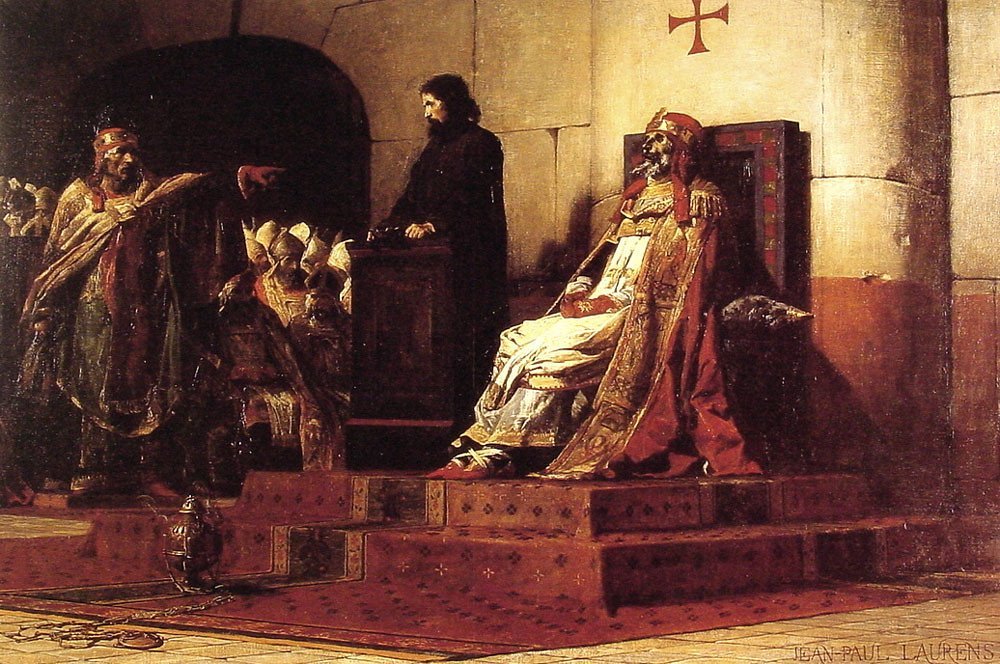
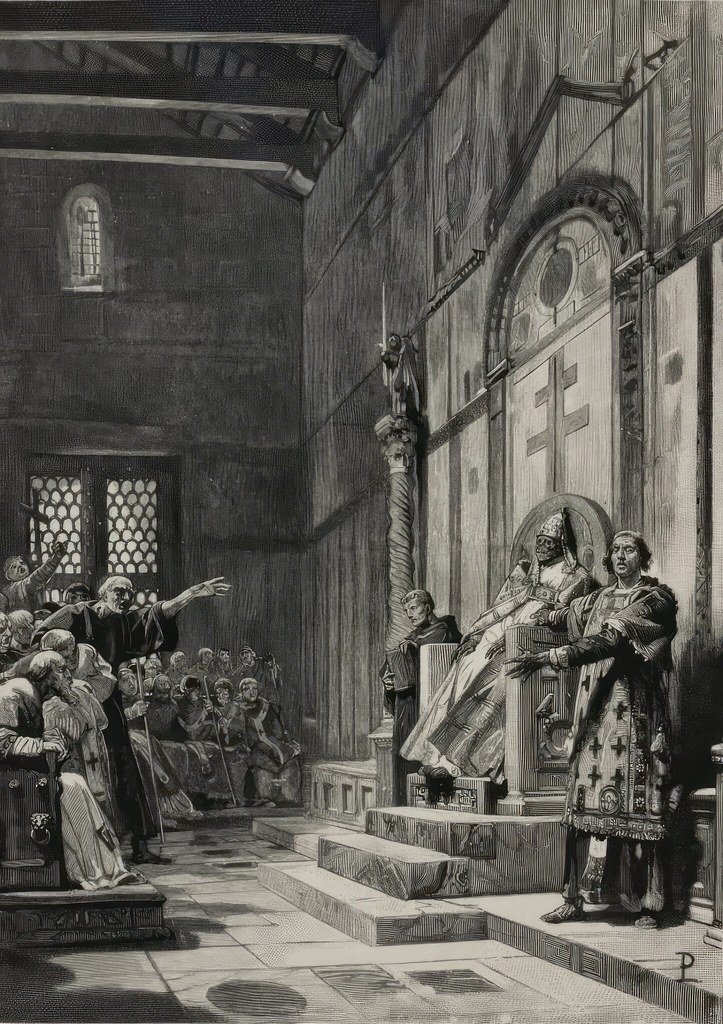
Here is something that sounds like the opening act of a very dark opera. In 897 AD, one of the wildest events in all of Vatican history took place when Pope Formosus, who had been dead for several months, was literally dug up and put on trial by his successor, Pope Stephen VI. The deceased pontiff was dressed in papal robes, propped up on a throne, and forced to “stand trial” while a deacon answered on his behalf. Honestly, it is hard to know whether to laugh or stare in open disbelief.
Pope Formosus was charged with being unworthy of the pontificate, violating canon law, perjury, and serving as a bishop while technically still a layman. The trial was conducted by Pope Stephen VI himself, who served as judge, jury, and executioner, even hurling insults at the corpse during proceedings. Following the predictable guilty verdict, the corpse was stripped of all papal vestments, dressed as a commoner, and three fingers from its right hand were cut off, since those were the fingers used for blessings. The whole affair remains one of the most unsettling moments in the history of the Catholic Church, and a reminder that power can drive people to extraordinary extremes.
2. The Dancing Plague of Strasbourg (1518)
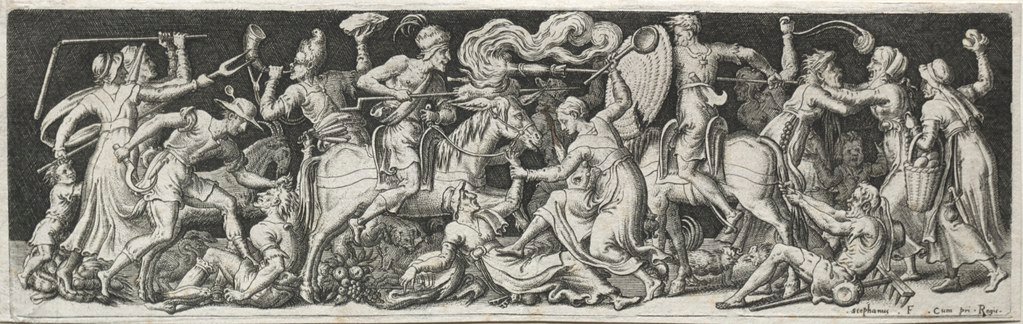
In July 1518, a woman in Strasbourg named Frau Troffea began dancing uncontrollably, continuing for days despite exhaustion and bloody feet. What started as one woman’s bizarre compulsion spread through the city like wildfire, and within weeks, approximately 400 people had joined her in relentless, joyless dancing that persisted for about two months. Let that sink in. Not hours. Not days. Two months of unstoppable dancing, with people collapsing and dying from exhaustion.
Initially, the city council concluded that the dancing stemmed from “overheated blood” and actually encouraged more dancing, providing guild halls, musicians, and strong men to hold up exhausted dancers. When this failed miserably, the authorities reversed course, banning music and public dancing and treating the incident as divine punishment. One modern hypothesis suggests ergot poisoning from a psychotropic mold growing on damp rye, which produces LSD-like chemicals, though this theory has never been confirmed. To this day, no one really knows what caused it.
3. Napoleon Bonaparte, Defeated by Rabbits (1807)
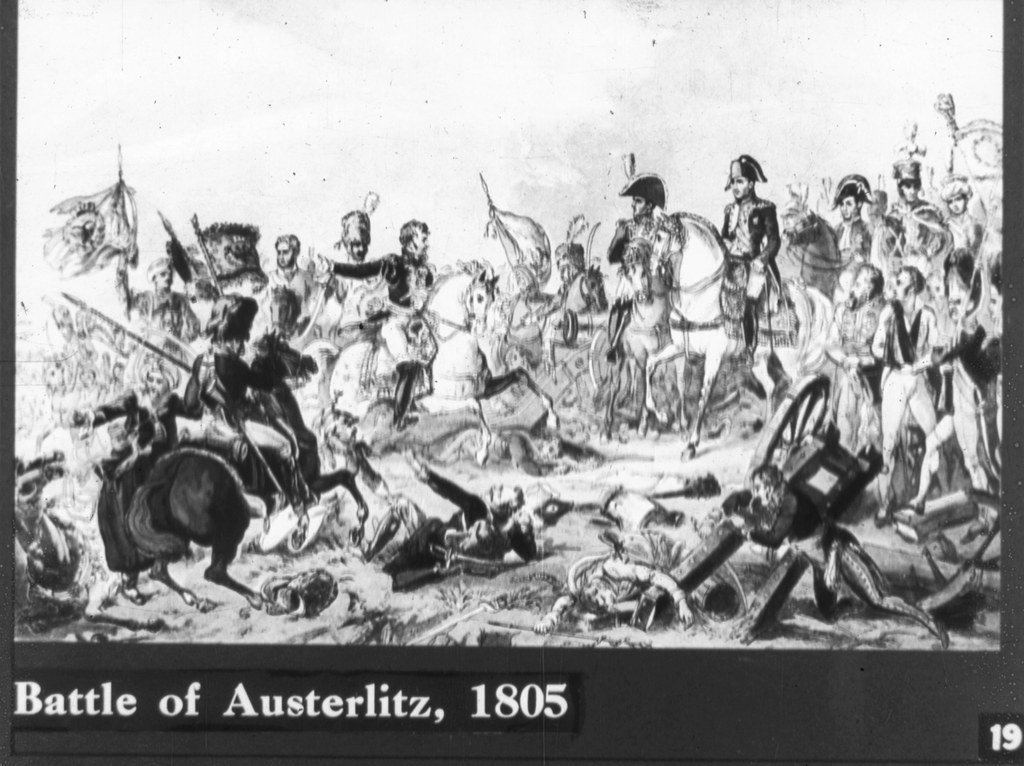
In July 1807, Napoleon and his entourage celebrated the Treaties of Tilsit, which brought a victorious end to the war between France and Russia, with a traditional rabbit hunt. It was meant to be a glorious, celebratory outing for the most powerful man in Europe. What happened instead is the kind of thing that writers of historical comedy could only dream of.
Instead of capturing wild rabbits that would naturally flee from humans, Berthier’s men had purchased tame, domesticated rabbits from local farmers. These were farm rabbits who associated humans with food. When released, they didn’t see hunters; they saw the people who normally fed them. In their rabbit brains, Napoleon was the dinner bell. They charged toward him, expecting carrots and lettuce, not bullets. The mighty conqueror was forced into full retreat, scrambling back to his carriage as rabbits pursued him. Even as his carriage pulled away, some determined bunnies allegedly jumped aboard, refusing to give up their quarry. The man who conquered most of Europe could not handle a few hundred hungry bunnies.
4. The Great Molasses Flood of Boston (1919)
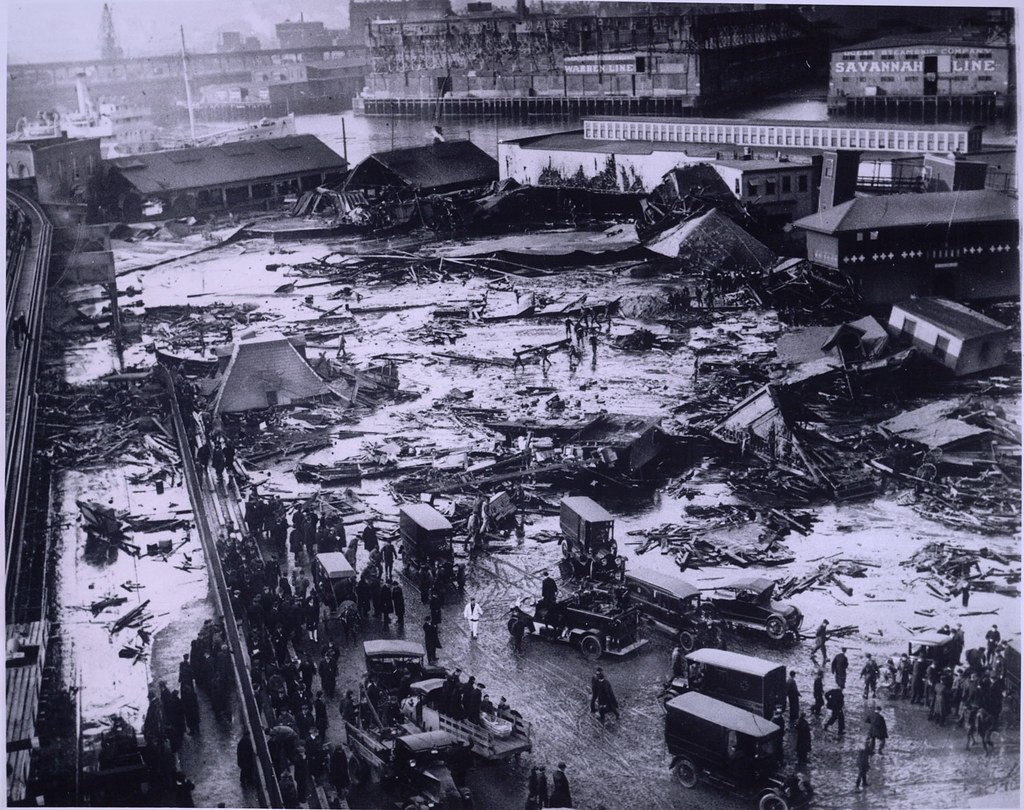
Molasses is not exactly the first thing you associate with catastrophe. It’s thick, it’s slow, it’s the stuff of gingerbread. A large storage tank filled with 2.3 million gallons of molasses, weighing approximately 13,000 short tons, burst, and the resulting wave rushed through the streets at an estimated 35 miles per hour. That is faster than most people can sprint. Imagine running from dessert and losing.
On January 15, 1919, a combination of the tank’s shoddy construction, a sudden temperature change, and a large new shipment of molasses resulted in a rupture of the tank’s walls. The wave of molasses rushed through the North End at about 35 miles per hour, knocking an elevated train off its tracks, crushing buildings, moving a firehouse and other buildings off their foundations, and suffocating both humans and animals. After a six-year investigation that involved 3,000 witnesses and 45,000 pages of testimony, a special auditor finally determined that the company was at fault because the tank used had not been strong enough to hold the molasses. The accident became a staple of local culture, not only for the damage the flood brought, but also for the sweet smell that filled the North End for decades after the disaster.
5. The Great Emu War of Australia (1932)

Australia is a country well acquainted with nature fighting back. But in 1932, it took things to an entirely new level when the Australian military was officially deployed to fight birds. Not a figure of speech. Actual military soldiers, with actual guns, sent to battle emus. During the Great Depression, farmers were growing more wheat to survive, and this attracted more than 20,000 migrating emu birds to attack the farmlands for sustenance in the erratic Australian climate.
To deal with the issue, a small group of soldiers armed with automatic weapons were employed to wipe out the encroaching animals. As far as animal culls go, it was one of the most extreme instances ever attempted. During the operation, hundreds of emus were killed. However, the emu population endured. Let’s be real, this is a military force losing to birds. The birds’ growing numbers, fast speed, and unpredictable movement made them difficult targets. That is how Australia declared war on emus and lost, making it one of the most absurd events in military history.
6. The Tanganyika Laughter Epidemic (1962)

Laughter is contagious. We all know that. Someone starts giggling in a quiet room and suddenly the whole room is in stitches. But in 1962, that common human truth spiraled into something nobody could have predicted. In the village of Kashasha in Tanganyika, now Tanzania, a bizarre phenomenon began with a few students at a mission-run boarding school who started laughing uncontrollably. This laughter quickly spread, affecting over 1,000 people in the surrounding communities. The outbreak was so disruptive that schools had to close for months, and the epidemic remains one of the most unusual cases of mass hysteria in recorded history.
One of the most perplexing aspects of the event was that the outbreak included not just laughter but also respiratory problems, restlessness, pain, and fainting. This was not a cheerful situation. People were genuinely suffering, even as they appeared to be laughing. The Tanganyika Laughter Epidemic highlights the extraordinary power of psychological phenomena and the impact of social and environmental stress on mental health, demonstrating how emotions and behaviors can spread rapidly within a community under certain conditions. It is the most unsettling thing you will ever describe using the word “laughter.”
7. The Soviet Union Traded Submarines for Pepsi (1989)
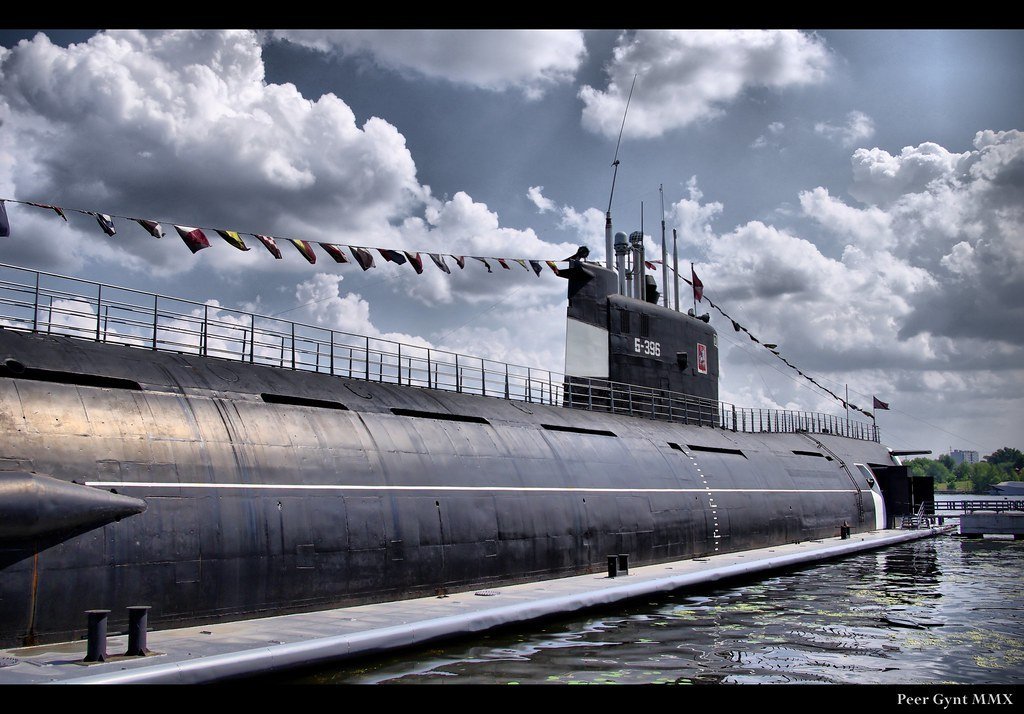
I know this one sounds like a joke someone made up at a party. It is not. During the late 1980s, the Soviet Union’s love of Pepsi proved deeply problematic for those in charge. Their initial agreement with the American company had expired, and their currency would not be accepted. So they did a trade, handing over 17 submarines and several other large naval vessels in exchange for three billion dollars’ worth of Pepsi. This is the moment a soda company briefly became one of the largest naval powers on Earth.
This arrangement made Pepsi the sixth most powerful military fleet in the world for a brief period, marking one of the most obscure events in Cold War history. Pepsi later sold its fleet to a Swedish company that scrapped it. Think about that next time you crack open a can. There is a version of history where a carbonated beverage company had more warships than most nations. It is hard to say for sure what is stranger, that this happened, or that it was apparently a perfectly logical solution at the time.
8. The 1904 Olympic Marathon That Went Completely Off the Rails

The Olympics are supposed to be the pinnacle of athletic achievement. The 1904 marathon in St. Louis was something else entirely. The marathon course featured only one water station, creating severe dehydration risks for runners. The first person to cross the finish line, Fred Lorz, was immediately disqualified after it was discovered he had ridden part of the course in a car. The eventual winner, Thomas Hicks, completed the race with the help of strychnine and brandy, substances used by his trainers to keep him going despite the dangerous conditions.
This was largely due to organizer James E. Sullivan’s belief that dehydration was good for the body, which is why he provided only one water station for the nearly 25-mile race. On dusty, unpaved roads. In July. Many runners resorted to stealing food from spectators and even taking naps along the course to endure the sweltering heat and dusty roads. Of the 32 competitors who started, only 14 actually finished. The whole thing reads less like a sporting event and more like a very ambitious punishment.
9. The Erfurt Latrine Disaster (1184)
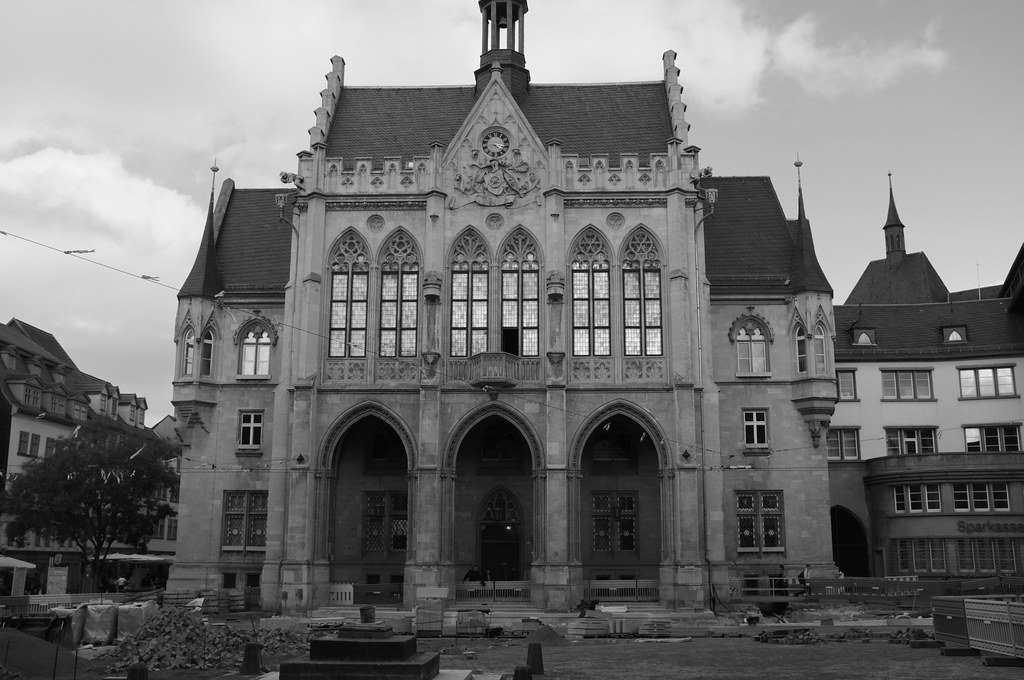
Medieval gatherings were not always dignified occasions. Sometimes they literally collapsed. In 1184, a grand royal assembly in Erfurt, Germany, turned into a nightmarish tragedy when the weight of the gathered nobles caused the wooden floor to collapse. This catastrophic failure sent dozens of high-ranking officials plummeting into a latrine cesspit below, and around 60 nobles met a gruesome fate, drowning in liquid excrement. There is no polite way to say this. It is exactly as terrible as it sounds.
The disaster not only highlighted the perilous state of medieval architecture but also led to a significant political upheaval due to the sudden loss of so many influential figures. The Erfurt Latrine Disaster remains a macabre yet fascinating episode in history, illustrating the unpredictability and danger of life in the Middle Ages. Medieval politics were already brutal, but this particular power vacuum was created in circumstances that surely no one saw coming. The entire incident stands as proof that sometimes history’s biggest turning points arrive in the most undignified packaging imaginable.
10. Medieval Europe Put Animals on Trial (824–1700s)
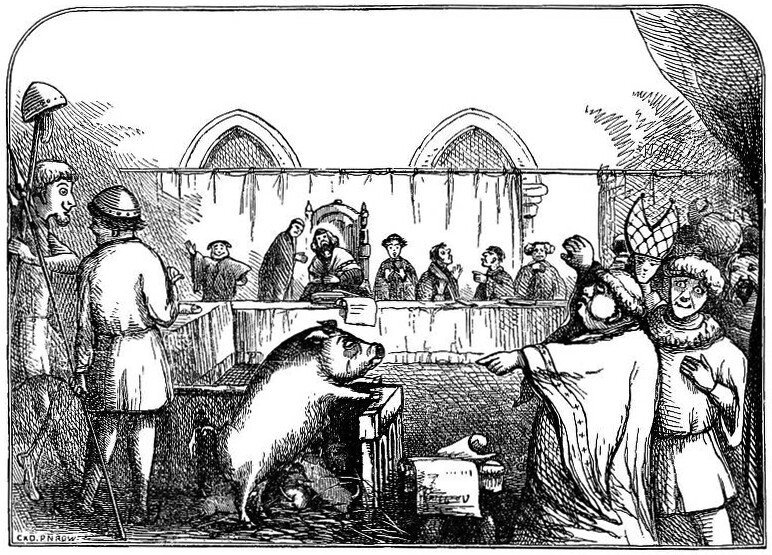
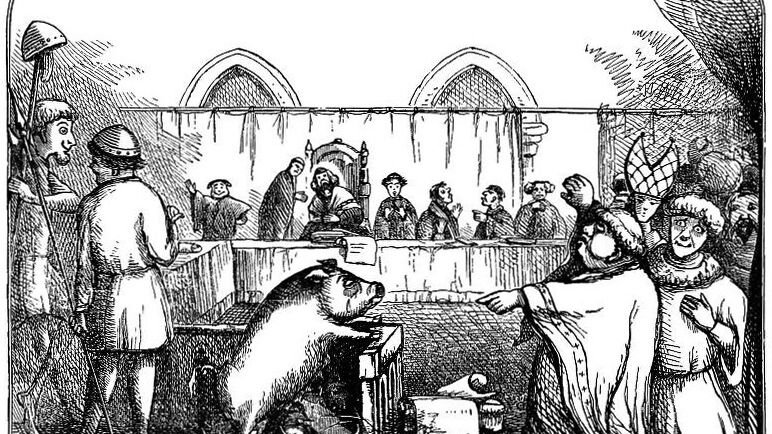
If you ever feel like the legal system has gone off the rails, take comfort in knowing it has been far stranger before. Medieval Europe regularly put animals on trial for crimes, complete with legal representation and formal court proceedings. Pigs were prosecuted for killing children, rats faced charges for destroying crops, and entire populations of insects could be excommunicated from the church. In 1474, a rooster in Basel, Switzerland, was publicly executed for the “unnatural crime” of laying an egg.
Animals were held morally accountable for crimes like assault and even murder starting in 824, and the practice continued well into the 1700s. These trials were conducted with genuine legal gravity. Defense attorneys argued on behalf of their rat clients. Judges deliberated. Sentences were handed down. It sounds farcical to modern ears, but within the moral and theological framework of the time, it made complete sense. That, perhaps, is the most unsettling detail of all: how convincing a logic can be built around something completely absurd.
11. The Straw Hat Riot of New York City (1922)
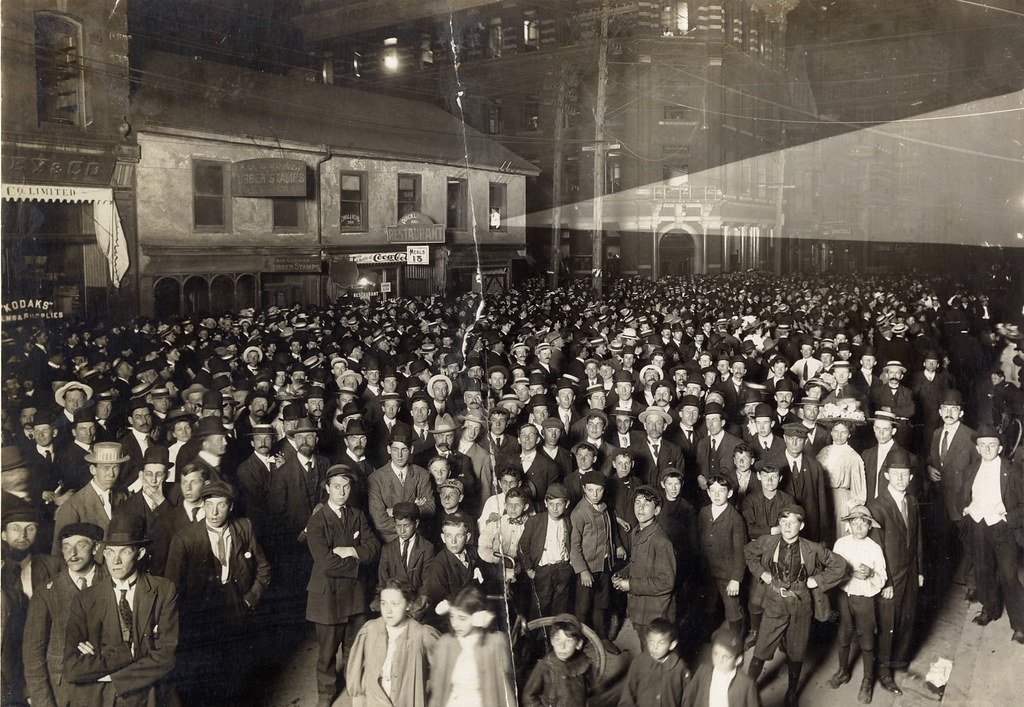
People feel passionately about fashion. But New York in 1922 took sartorial outrage to a level that genuinely shocks. In the early 20th century, it was considered a fashion faux pas for men to wear straw boater hats after September 15th. If they did, they were often subject to public ridicule or having their hats knocked off. A minor social custom, perfectly understandable in context.
When some enthusiastic young people started the tradition a few days early on some dock and factory workers, it sparked a series of riots that lasted over a week. Mobs of youths destroying hats roamed the city. While there were thankfully no deaths, there were still an unfortunate number of people injured and arrested, all over hats. Think about that. Actual riots. Actual injuries. Over straw hats and a calendar date. It is easy to laugh, but there is also something oddly fascinating about the intensity of social norms when they were still enforced by the crowd itself, without irony, and with absolute seriousness.
12. The Death of Aeschylus, Father of Tragedy (456 BC)
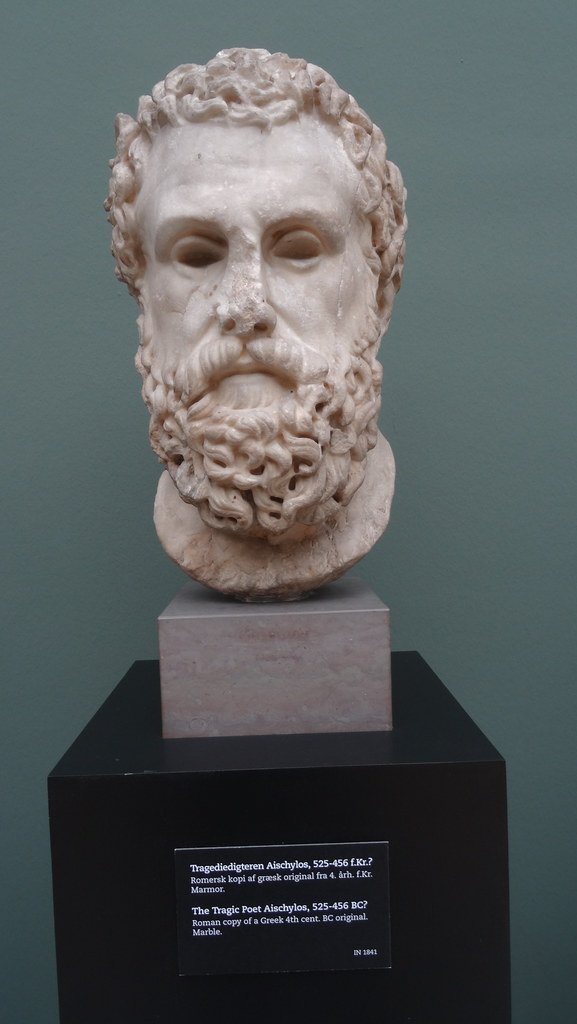
It is hard to imagine a more fitting, more darkly ironic end for the man known as the father of Greek tragedy. Aeschylus, renowned for exploring themes of fate and tragic irony in his plays, met an extraordinary death. Legend has it that a tortoise fell from the sky after being dropped by an eagle. That eagle had mistaken Aeschylus’ bald head for a rock and released the tortoise intending to crack open its shell.
Aeschylus’ unusual death in 456 BC is remembered as one of the most ironic in history, particularly fitting for the father of tragedy renowned for exploring human fate and irony. Whether the story is entirely accurate or has been embellished over centuries is genuinely hard to say. But it has been repeated since antiquity, and the ancient sources that preserve it treat it as real. Even if it is partly legend, it says something profound about how the ancient world understood fate: that the universe has a sense of humor, and it is not always kind. For the man who made tragedy an art form, dying as the punchline of a cosmic joke feels almost too perfect.
Conclusion: History Is Stranger Than We Dare to Admit
Reading through these twelve events, a pattern starts to emerge. It is not just that history contains strange chapters. It is that the strangest moments often reveal the most about us. The Cadaver Synod tells us about the ferocity of political power. The Dancing Plague tells us about the fragility of the human mind under collective stress. The Emu War and the Molasses Flood remind us that nature and physics do not care about our plans or our dignity.
Honestly, I think the biggest takeaway here is that humans have always been unpredictable, creative, foolish, and remarkable, often all at once. No era has a monopoly on absurdity. These were not stupid people living in simpler times. They were people navigating impossible circumstances with the tools they had, sometimes brilliantly, sometimes catastrophically, and occasionally while being chased by farm rabbits.
History is not a smooth arc of progress. It is a wild, lurching, occasionally hilarious ride, and the chapters that get left out of textbooks are often the ones that make it feel most alive. Which of these twelve stories surprised you most? Drop it in the comments below.

Besides founding Festivaltopia, Luca is the co founder of trib, an art and fashion collectiv you find on several regional events and online. Also he is part of the management board at HORiZONTE, a group travel provider in Germany.
