

- 10 Best Music Festivals You Need To Visit in 2026 - April 3, 2026
- 12 Iconic American Revolution History Getaways in The US - April 3, 2026
- 10 Things You May Not Know About Mozart - April 3, 2026
Few names in all of human history carry the weight of Wolfgang Amadeus Mozart. He didn’t just write music. He reshaped what music could be, how it could feel, what it could mean. Over two and a half centuries after his death, orchestras across the world still open their seasons with his symphonies. Film directors still reach for his concertos when they need something that feels profound. Children still learn his pieces as their first “serious” works at the piano.
Yet for all his fame, Mozart the man remains surprisingly mysterious. The textbook image, the powdered wig, the child prodigy at the harpsichord, barely scratches the surface. Behind the genius was a complicated, funny, eccentric, and deeply human individual whose real story is far more interesting than any legend. So let’s dive in.
His Real Name Was Not Wolfgang Amadeus Mozart
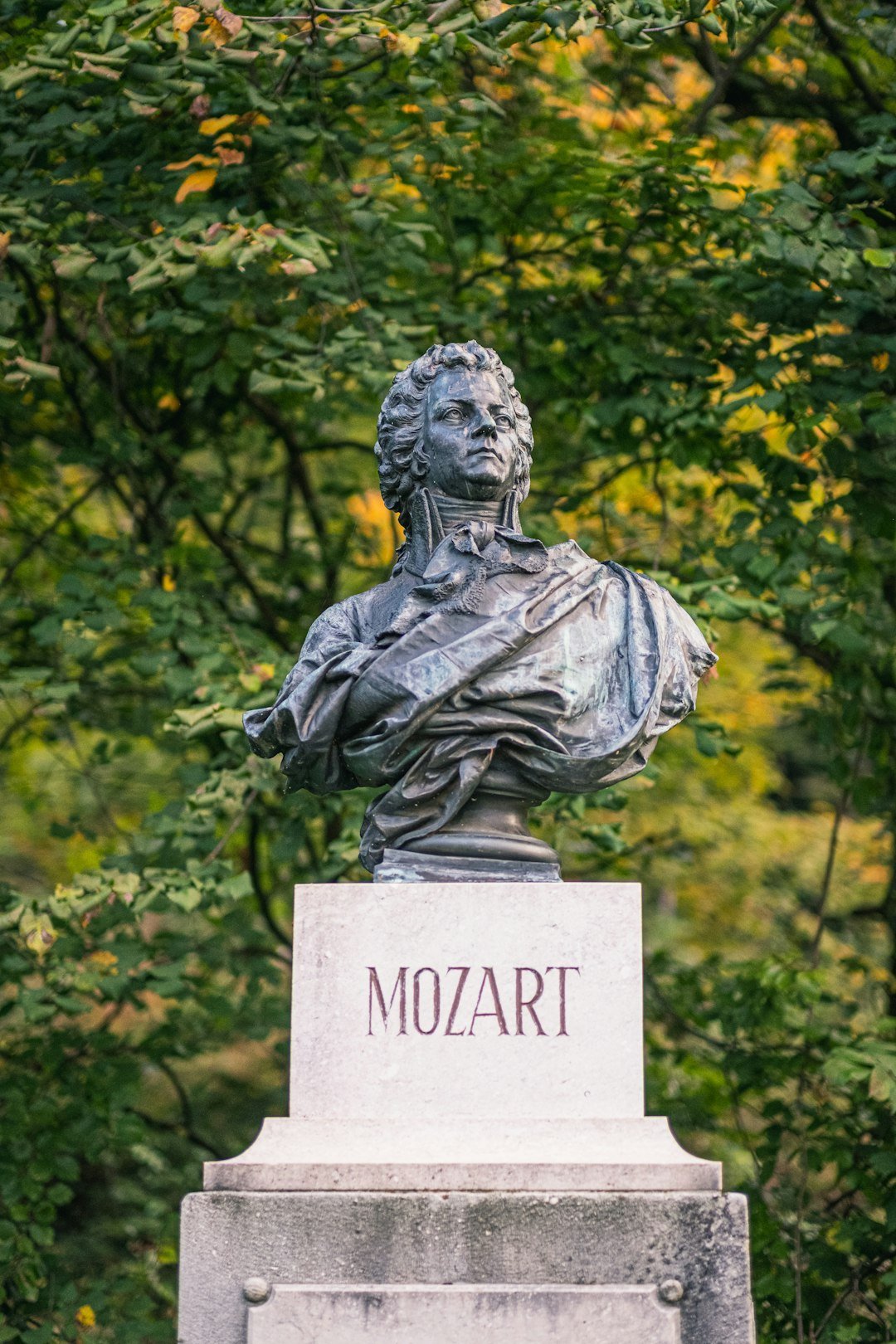
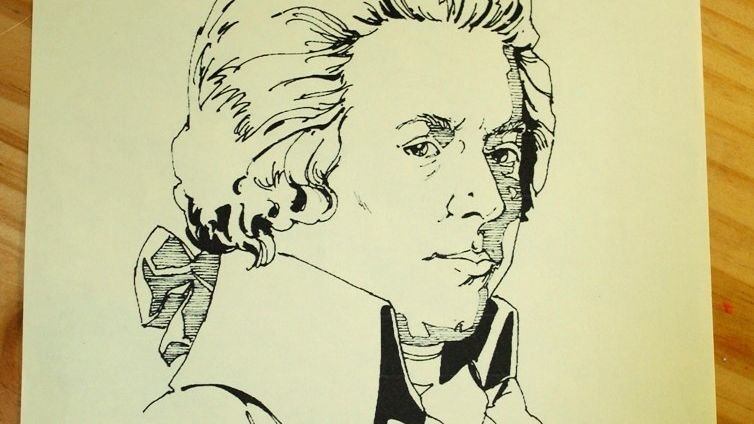
Most people assume that “Wolfgang Amadeus Mozart” is simply what he was named. It isn’t quite that simple. At birth and baptism, Mozart was named Joannes Chrysostomus Wolfgangus Theophilus Mozart. That is quite a mouthful for a birth certificate. The name “Theophilus” is Greek in origin, meaning “beloved of God,” and its Latin equivalent gave rise to the familiar “Amadeus.”
It was actually quite common at the time to translate your name depending on the country you were in. So when he was in Italy, he was Wolfgango Amadeo, in Germany he was Wolfgang Gottlieb. He seemed to prefer “Wolfgang Amadé,” as can be seen on his marriage contract with Constanze Weber. Closer to home, family members simply called him “Wolferl.” The Latin form apparently originates from his facetious tendency to sign letters in mock Latin, “Wolfgangus Amadeus Mozartus.” Honestly, that alone tells you everything you need to know about his personality.
He Was a Child Prodigy Beyond Anything We Can Easily Imagine
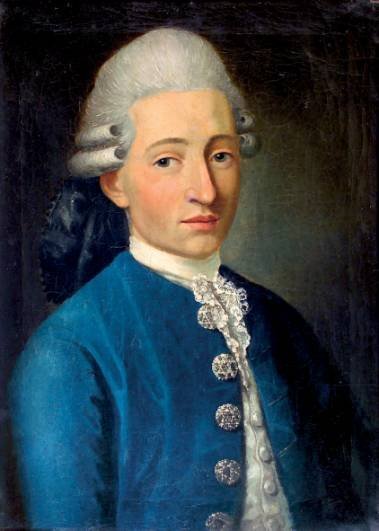
People throw around the term “child prodigy” rather loosely these days. Mozart redefined the term entirely. Mozart started learning music from his sister’s lesson book when he was three years old, and could play minuets by the age of four. He composed his first music at age five and, encouraged by his father, Leopold, was performing internationally by the age of six.
Think about that for a moment. At six years old, most children are just learning to tie their shoes. Mozart’s genius came from the fact that he had an absolute ear and an eidetic memory, an ability to remember a large quantity of sounds, images or objects in their smallest details. He was able to decipher and play a score perfectly before he could read, count or write. He wrote his first symphony at the age of eight, an oratorio at eleven, and his first opera at twelve years old. His musical journey gained momentum at this early age, and by the time he was 15 years old, he had a seat on the court orchestra. It’s genuinely hard to comprehend.
He Once Copied a Forbidden Vatican Piece from Memory
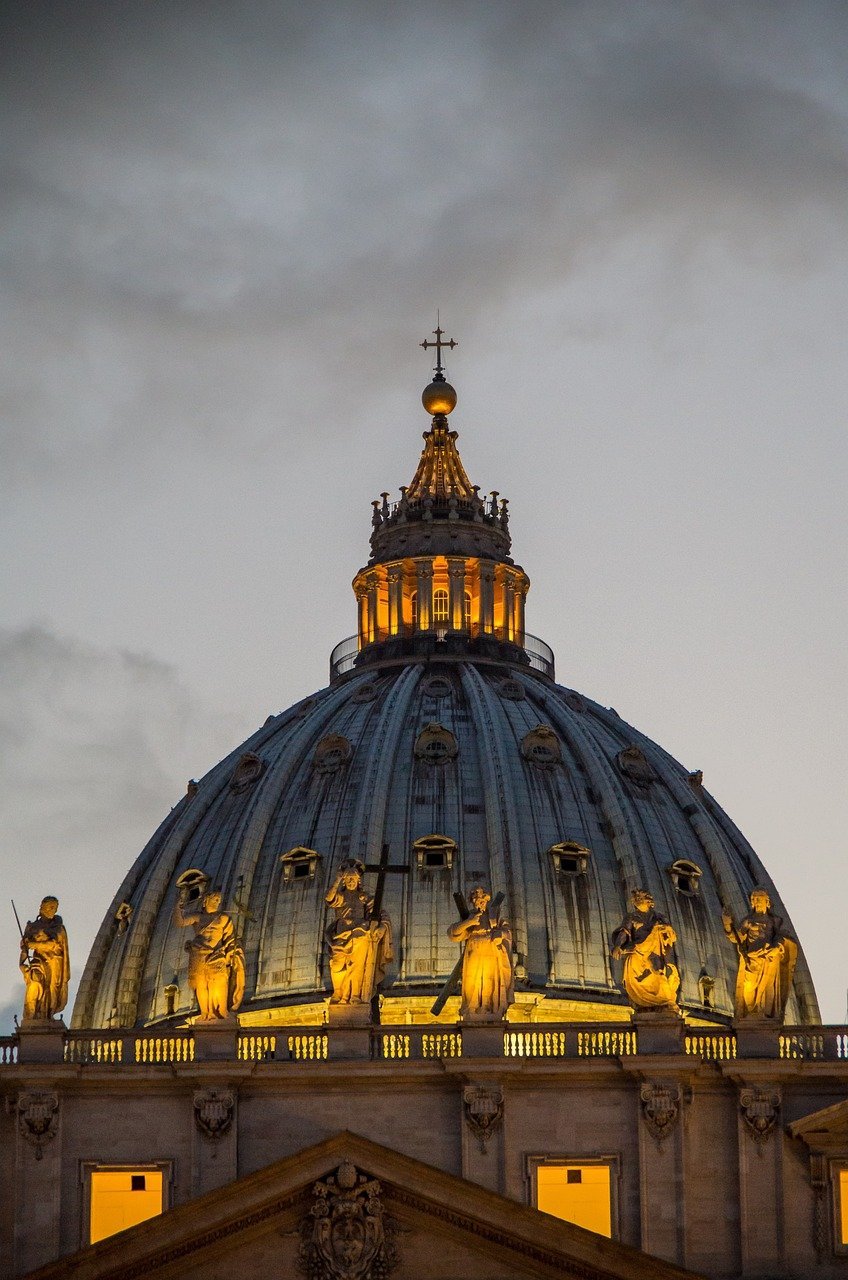
Here’s a story that sounds like it belongs in a heist movie. At age 14, after hearing Allegri’s Miserere in the Sistine Chapel, a piece forbidden to be copied, Mozart famously wrote it down from memory, nearly perfectly. The Miserere by Gregorio Allegri was one of the most closely guarded compositions in the Catholic Church. The Vatican kept it effectively locked away, shared only within its walls.
The performance in question was reportedly at the Sistine Chapel, and the composition itself belonged to the Vatican. So the devoutly Catholic Mozart would have been making an unauthorized copy. Also, shortly after the alleged incident, the Pope honoured Mozart by making him a Knight of the Order of the Golden Spur. So rather than punishing him, the Church essentially rewarded him. In 1770, Pope Clement XIV awarded Mozart the Order of the Golden Spur in recognition of his contributions to sacred music. History has a wonderful sense of irony sometimes.
He Had a Genuinely Shocking Sense of Humor
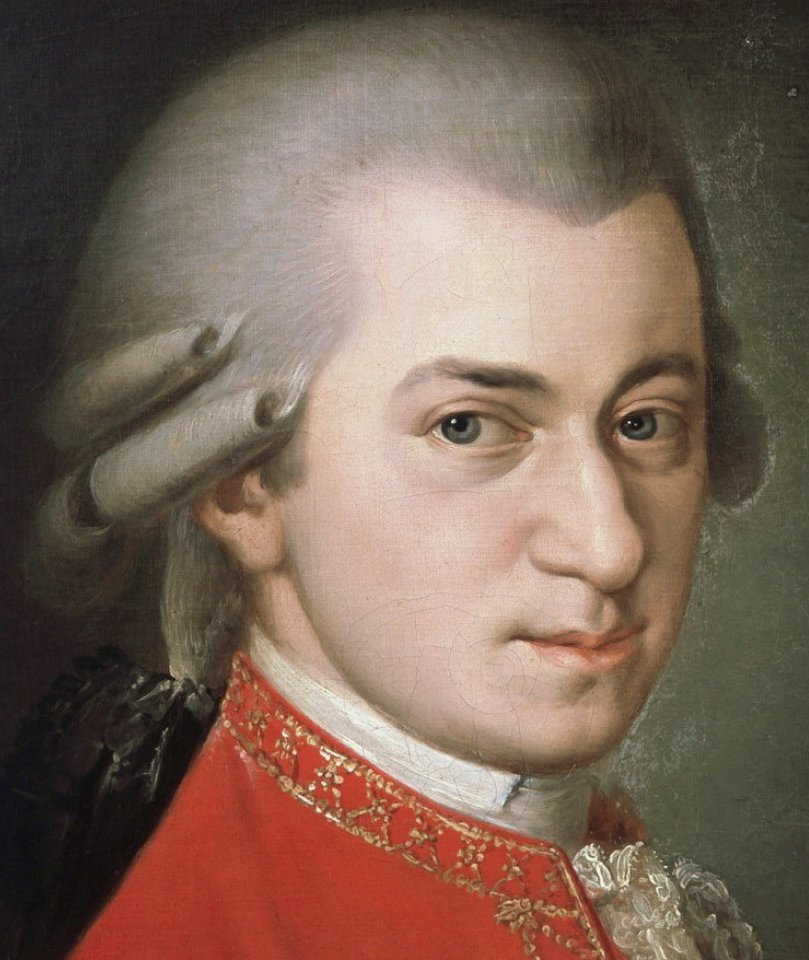
The portrait of Mozart as a refined, elegant court musician doesn’t quite survive contact with the historical record. Let’s be real here. Among the reasons Mozart was an odd character, he had quite a potty mouth. His jokes, both in his regular life and his musical works, were extremely crude. He often included toilet humor in his music and poetic letters to his family. This is called scatological humor by scholars.
Mozart was infamous for his toilet humor. We have proof in letters to his sister, parents and most especially his cousin Maria Anna Thekla Mozart. He also had a somewhat mean, mocking sense of humor, which he especially directed at his friend and horn player, Joseph Leutgeb, for whom he composed the four horn concertos. The man who wrote some of the most transcendently beautiful music in Western history was also cracking crude jokes in letters to his relatives. Somehow, that makes him feel far more real and relatable.
Mozart Was a Devoted Freemason
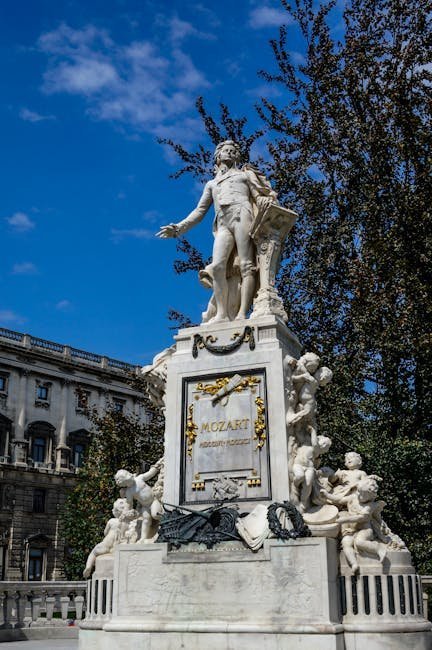
This is one that tends to genuinely surprise people. During the last seven years of his life, Mozart was a Freemason. He was involved in a rational, Enlightenment-inspired faction, as opposed to those that leaned toward mysticism. Several of Mozart’s compositions contain Masonic symbolism, perhaps most famously his opera The Magic Flute.
In 1784, he joined Freemasonry and began to compose Masonic music occasionally. This new commitment became a crucial part of his life as he attended meetings and made friends from the Masons group. Think of The Magic Flute not just as an enchanting opera with memorable melodies, but as a piece encoded with the ideals of reason, brotherhood, and Enlightenment philosophy. The layers of meaning buried in that work are far richer than most audiences realize when they first encounter it.
He Was Terrified of the Trumpet as a Child
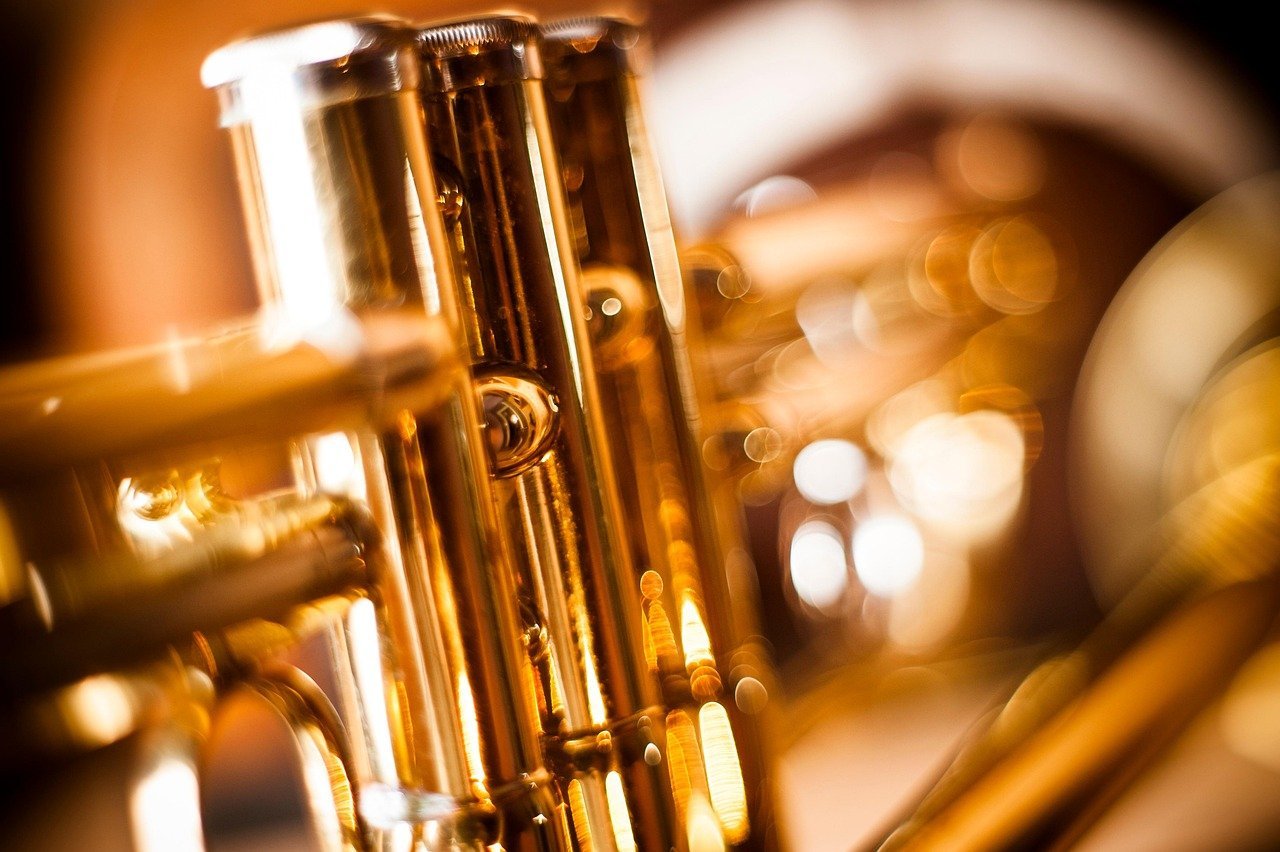
According to the Encyclopedia Britannica, Mozart was afraid of the trumpet as a child. The clarinet would become his favorite instrument, for which he wrote the first concerto. There’s something almost poetically amusing about this. The man who would go on to compose grand orchestral works that featured brass instruments extensively couldn’t stand the sound of the trumpet as a boy.
His phobia reportedly extended to other instruments too. Isn’t it strange that this music genius detested one special instrument? The flute. Even funnier when considering that he named one of his most famous operas “The Magic Flute.” He not only hated it, he even had a phobia of flutes. It is said that he could not stand the sound of this instrument. “The Magic Flute” is said to be an assignment he did not accomplish happily. A composer who loathed the flute writing what became one of opera’s most beloved works featuring the instrument. You honestly can’t make this stuff up.
His Friendship with Haydn Was One of Music History’s Greatest Bonds
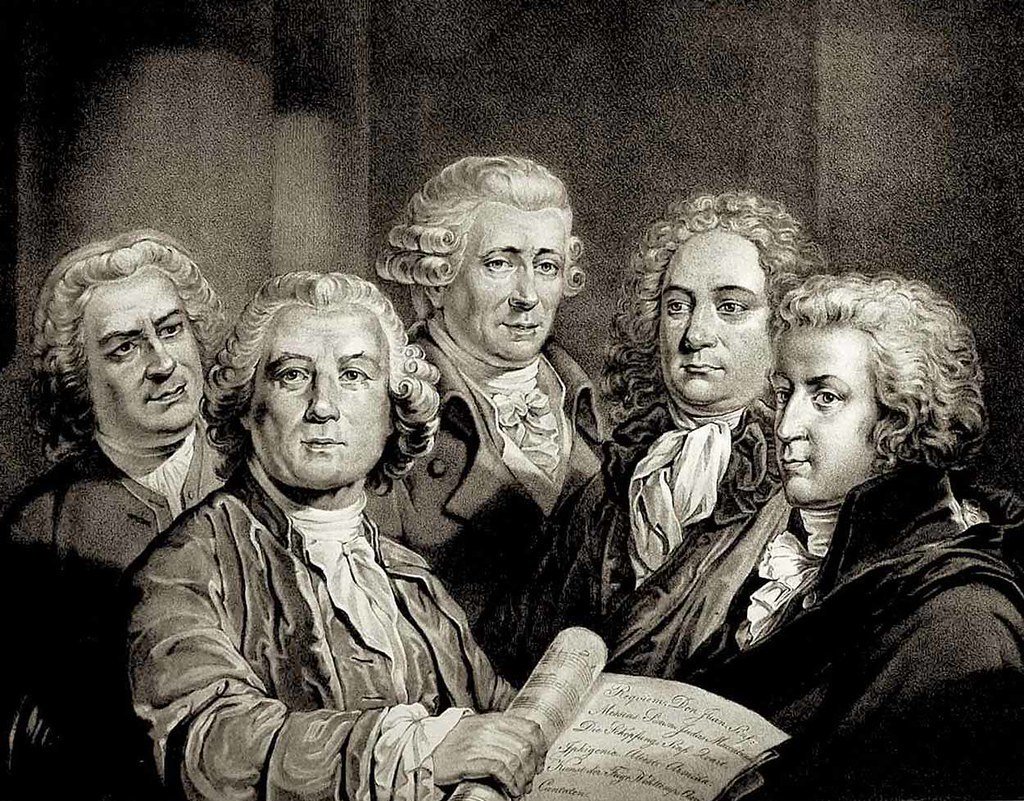
We tend to think of genius as solitary. Mozart’s relationship with fellow composer Joseph Haydn challenges that idea beautifully. The two composers met in Vienna in the early 1780s as they were both already quite renowned. Despite the age difference, Haydn being 24 years Mozart’s senior, they had great respect for one another, which quickly grew into a close friendship. Mozart dedicated six string quartets to his mentor, and Haydn admitted that his friend was able to express emotions like no other composer.
Mozart composed his “Haydn Quartets” influenced by Haydn’s Opus 33 quartets. The dedication to Haydn was heartfelt and unusual for his time because only aristocrats would have musical compositions dedicated to them. Haydn was in London when Mozart died, having learned the news about a year later. As you can imagine, he was devastated. He wrote a letter to Constanze offering music lessons to her son when he reached the appropriate age. That detail, an aging legend quietly offering to mentor the orphaned son of his departed friend, is quietly heartbreaking.
His Pet Starling Inspired His Music

Mozart had a notable soft spot for animals. Along with his love for music, Mozart had a soft spot for animals of all kinds. He had a dog, canary, horse, and starling on his property. He likely came into possession of the canary and starling as a way to blend his passion for music with his admiration for nature. The starling was his most famous pet and inspired him to write short melodic pieces.
Or rather, the bird wrote the song. Mozart’s notebook contained a tune originally sung by the starling upon which his 17th piano concerto is based. That’s right, a bird contributed to classical music history. After the starling passed away, Mozart wrote a poem in its honor and gave it a burial in his backyard. He even dedicated a poem to the bird upon its passing, his “Poem to a dead starling” in 1787. For a man often surrounded by emperors and aristocrats, his most tender gesture may have been reserved for a tiny bird.
His Finances Were a Perpetual Disaster

Mozart is often romanticized as a tragic, starving artist. The truth is a bit more complicated and, honestly, a bit more relatable. Between 1782 and 1785, his career reached its peak as he organized many popular concerts, with him as the soloist. During this period, he made enough money to live luxuriously. He and his wife moved to an expensive apartment, sent their son to a boarding school, and even had servants.
Yet prosperity slipped through his fingers remarkably fast. Mozart borrowed and spent without limit to the point of accumulating debts, sometimes even with his relatives and students. By the late 1780s, Mozart’s popularity had declined, and his income from concerts dried up. Some scholars believe this was a time of emotional turmoil. It’s a cautionary tale that still resonates today. Talent at the level of genius offers absolutely no protection against bad money management.
His Death Remains One of History’s Great Unsolved Mysteries
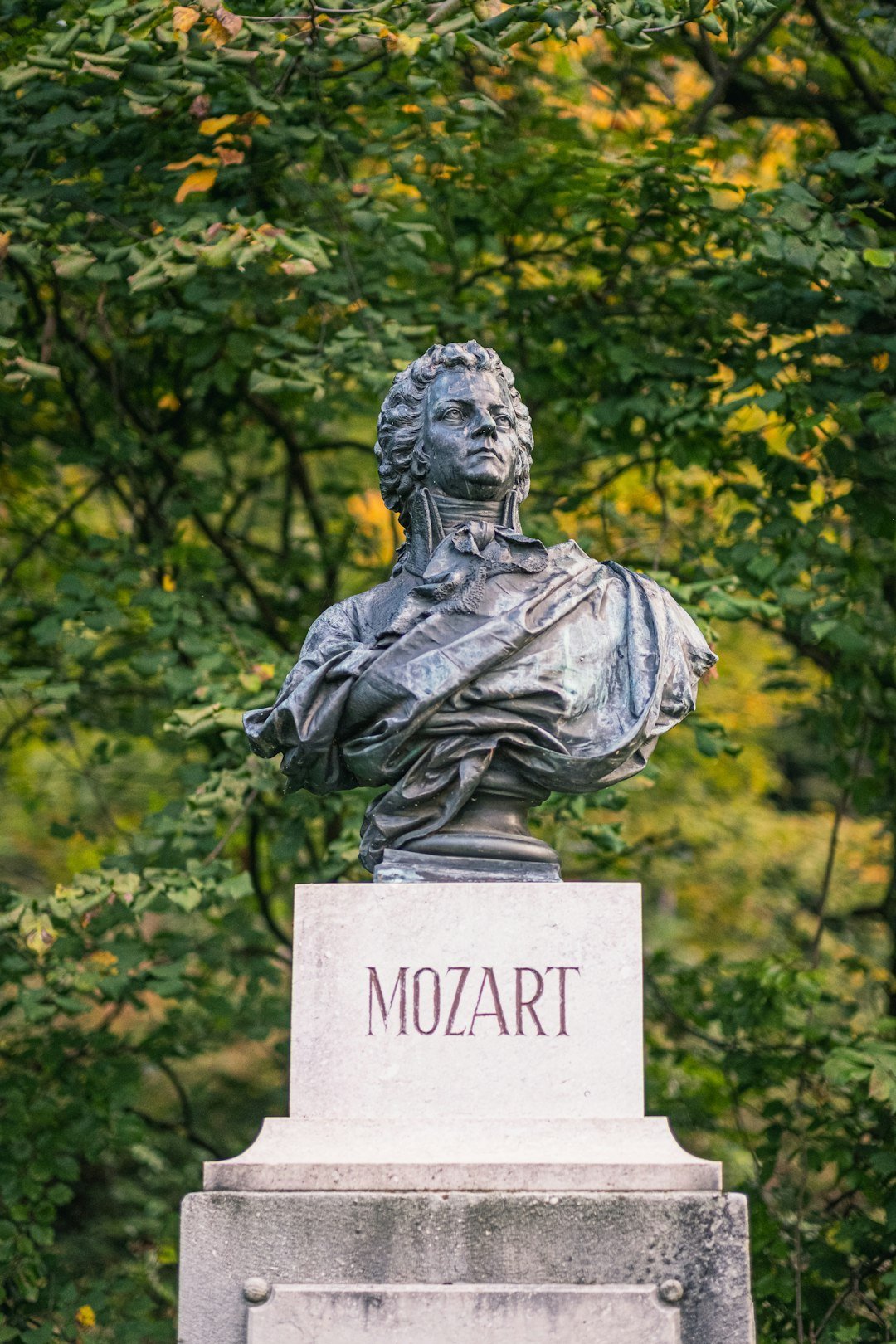
Perhaps the most dramatic chapter of Mozart’s story is its ending. Mozart died at the age of 35 on 5th December 1791. So, how did he die? The answer is unclear. All that can be said confidently is that he contracted a sudden illness which apparently killed him. While the official record states he died from “severe miliary fever,” researchers have posed at least 118 different causes of death, ranging from rheumatic fever to the flu to mercury poisoning.
The poisoning theory, particularly the idea that rival composer Antonio Salieri was responsible, captured the popular imagination for centuries. Rumors swirled about poisoning, but no definitive cause has ever been confirmed. The tale of rival composer Antonio Salieri poisoning Mozart has been widely debunked, though it inspired books, plays, and the Oscar-winning film Amadeus. Today, the medical and historical consensus is that he likely died of natural causes like rheumatic fever or kidney disease, as there is no substantial evidence to the poisoning theory. To this day, Mozart’s death remains open. Over a hundred theories, and still no consensus. It feels fitting, somehow, for a man who continues to defy easy explanation.
A Legacy Too Large for Any Single Lifetime
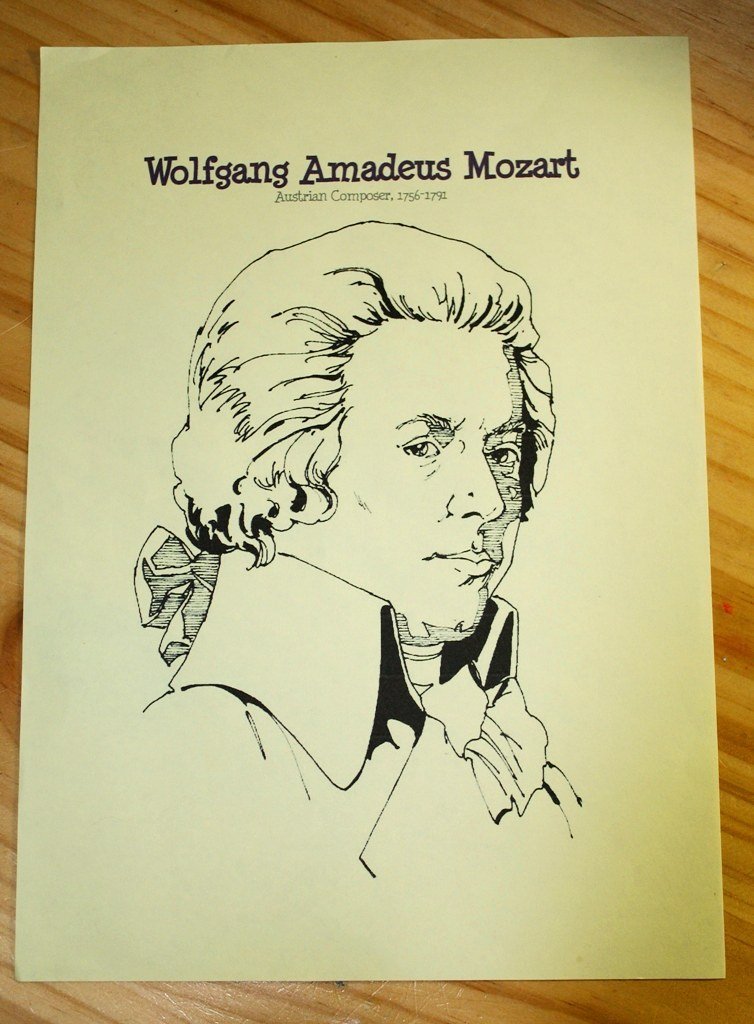
A gifted child and a composer of genius, Wolfgang Amadeus Mozart lived only 35 years. Yet he left us more than 620 works that are still played daily by the world’s greatest orchestras. That statistic never gets less staggering, no matter how many times you hear it. Thirty-five years. Over six hundred compositions. The mathematics of it feel almost supernatural.
What makes Mozart’s legacy so enduring isn’t just the volume of his output. It’s the emotional range. He could write music that made you weep and music that made you grin in the span of the same symphony. He was a court composer who loved crude jokes. A devout Catholic who encoded Enlightenment philosophy into opera. A financial disaster who still managed to compose some of the most luminous music in human history from his sickbed. Mozart wasn’t a myth. He was a person, gloriously contradictory and wonderfully strange. And perhaps that’s precisely why, more than two centuries later, the world hasn’t stopped listening.
What surprises you most about the man behind the music? Tell us in the comments.
CEO-Co-Founder
