

Imagine picking up a dusty novel only to find its words echoing in the chorus of your go-to playlist. Literature and music share an invisible thread, where profound stories spark rhythms and lyrics that stick with us for decades. These worlds collide in ways that reshape entire genres, proving artists draw from the deepest wells no matter the medium.[1][2]
From epic fantasies fueling heavy riffs to dystopian nightmares birthing glam anthems, the influences run wild. Let’s uncover ten mind-bending links that might just change how you hear your favorites. Dive in and see familiar tunes in a whole new light.
J.R.R. Tolkien Ignites Led Zeppelin’s Mythic Quests
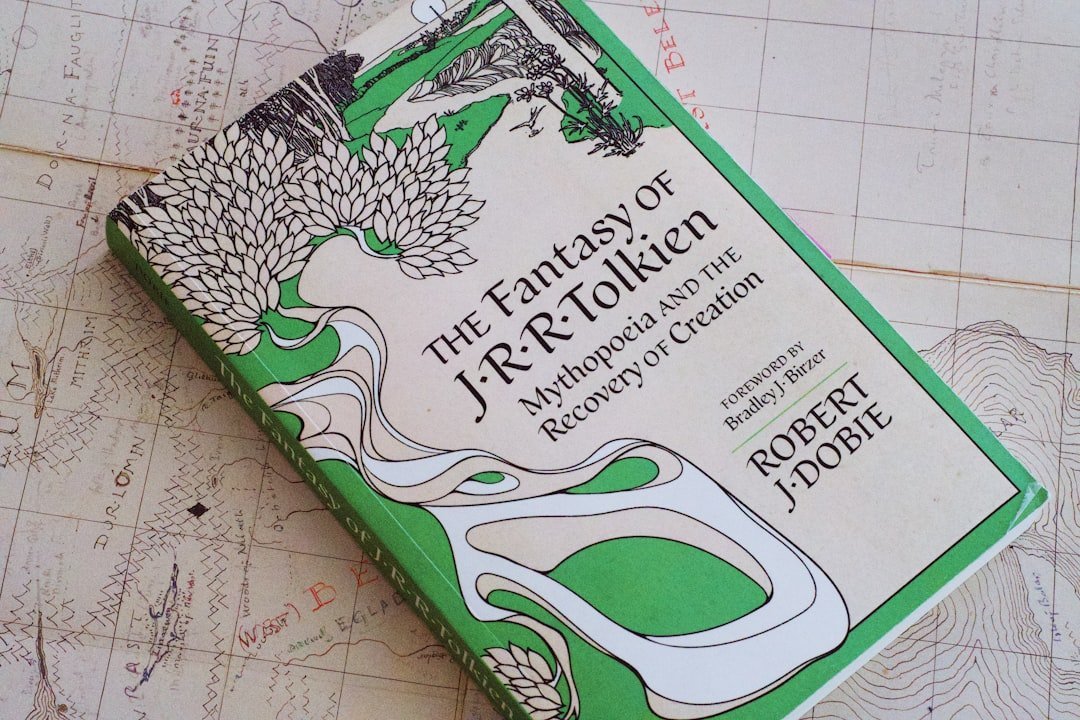
Robert Plant and Jimmy Page devoured J.R.R. Tolkien’s Middle-earth tales, weaving them straight into Led Zeppelin’s sound. Tracks like “Ramble On” plunge listeners into Mordor’s darkest depths, name-dropping the foreboding land amid a tale of wandering love.[1] Plant’s lyrics conjure elven maidens with flowing hair, blending Tolkien’s high fantasy with rock’s raw energy. It’s no one-off; the band echoes the professor’s world across their catalog.
This literary lift gave Zeppelin’s music an otherworldly scale, turning concerts into epic odysseys. Fans still debate the exact nods, but the influence feels as timeless as the rings of power. Honestly, it makes those air guitar sessions feel downright legendary.
Ayn Rand’s Philosophy Powers Rush’s Epic Dystopia
Neil Peart of Rush drew heavily from Ayn Rand’s Objectivist ideals for the sprawling “2112” suite. The song paints a lone guitar player’s rebellion against a oppressive priesthood, mirroring Rand’s champions of individualism.[1] Peart soaked up her novels like Anthem, fueling lyrics that champion personal freedom over collectivist chains. The result? A prog-rock manifesto that stirred controversy back in the day.
Critics slammed Rush as budding fascists, but Peart shrugged it off, insisting he borrowed ideas, not blind loyalty. That defiance only amplified the track’s staying power among fans craving intellectual depth in their metal. Here’s the thing: it proves philosophy can shred as hard as any riff.
Lewis Carroll’s Wonderland Fuels Jefferson Airplane’s Psychedelic Trip
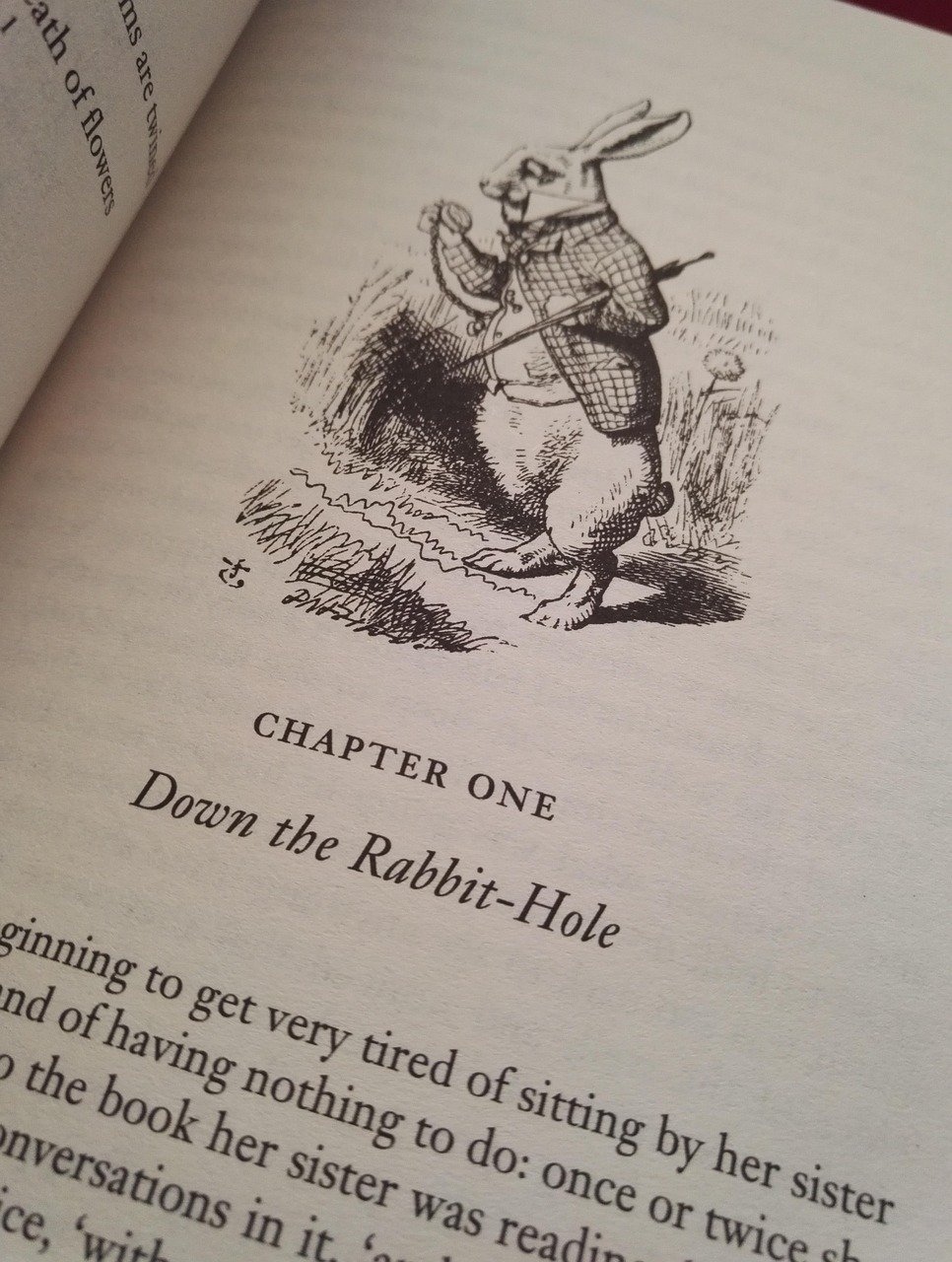
Grace Slick channeled Lewis Carroll’s Alice adventures into Jefferson Airplane’s “White Rabbit,” a psychedelic staple. The song races through hookah-smoking caterpillars and size-shifting heroines, capturing Wonderland’s mad curiosity.[1] Written amid the LSD boom, it turned Carroll’s whimsy into a druggy anthem for the counterculture. Slick’s soaring vocals make the literary nod feel urgent and alive.
Radio stations banned it at first, fearing the trippy vibes, yet it climbed charts anyway. Today, it stands as a bridge between Victorian nonsense and rock rebellion. I know it sounds wild, but who else could make a rabbit chase so electrifying?
H.P. Lovecraft Haunts Fields of the Nephilim’s Dark Visions

Carl McCoy of Fields of the Nephilim summoned H.P. Lovecraft’s cosmic horrors for “Last Exit for the Lost.” Lyrics whisper of Cthulhu’s call from beyond the door, echoing the eldritch dread of Lovecraft’s 1928 tale “The Call of Cthulhu.”[1] McCoy’s gothic rock absorbs the author’s mythos, blending ancient evils with post-punk gloom. It’s a chilling fusion that pulls listeners into abyssal nightmares.
This obscure link highlights how pulp fiction seeds extreme genres. Nephilim’s fans revel in the Lovecraftian undercurrents, turning gigs into ritual summons. Pretty surprising for a band most folks overlook, right?
George Orwell’s Nightmare Shapes David Bowie’s Diamond Dogs
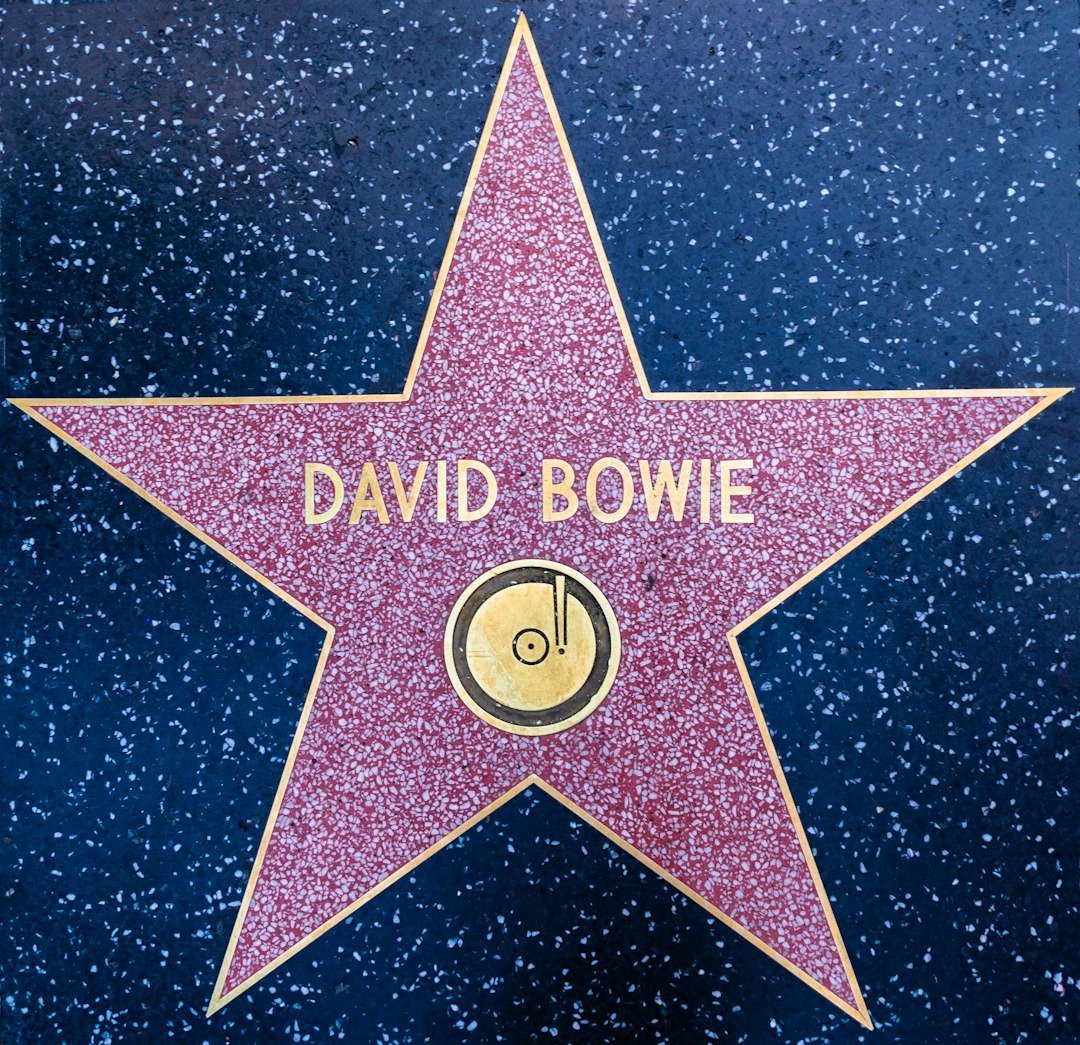
David Bowie fixated on George Orwell’s 1984, crafting the Diamond Dogs album around its dystopian hell. The title track “1984” channels Winston Smith’s torture under the Thought Police, with Bowie eyeing a full musical adaptation.[1] Orwell’s widow nixed the rights, but Bowie’s glam take on totalitarianism endures. Big Brother looms large in the lyrics, a stark warning wrapped in glitter.
The album’s mutant dogs and surveillance themes twist Orwell into Bowie’s surreal vision. It influenced countless artists grappling with authoritarian chills. Let’s be real: few make prophecy this danceable.
John Steinbeck’s Wrath Stirs Bruce Springsteen’s Dust Bowl Ballads

Bruce Springsteen pulled from John Steinbeck’s The Grapes of Wrath for “The Ghost of Tom Joad.” The song revives Tom Joad’s fight for the forgotten, linking 1930s migrant woes to modern struggles.[1] Springsteen nods to Woody Guthrie’s ballad too, amplifying Steinbeck’s raw humanism through folk-rock grit. It’s activism in melody, pure and unflinching.
This connection bridges Depression-era lit with Boss anthems, inspiring covers and films alike. Springsteen’s take feels urgent even now, a call to hear the voiceless. No wonder it hits like a freight train.
Ernest Hemingway Tolls for Metallica’s War Machine

James Hetfield mined Ernest Hemingway’s For Whom the Bell Tolls for Metallica’s thrash classic. The title and brutal combat scenes from the Spanish Civil War fuel lyrics of machine-gun fire and doomed soldiers.[1] Chapter 27’s airstrike annihilation echoes in the riff’s relentless pound. Hetfield distills Hemingway’s stark prose into headbanging fury.
Thrash metal rarely courts literary giants, making this pairing shockingly potent. Fans chant the bell’s toll at shows worldwide, a nod to life’s shared fragility. It’s proof even Papa could headbang from beyond.
Mikhail Bulgakov’s Devil Inspires Patti Smith’s Banga

Patti Smith titled her 2012 album Banga after Mikhail Bulgakov’s The Master and Margarita. The track dives into Pontius Pilate’s headaches and his loyal dog, quoting the novel’s defiant “Manuscripts don’t burn.”[1] Smith’s punk poetry merges with Bulgakov’s surreal satire, creating a spiritual rock odyssey. The Russian master’s chaos fits her visionary style perfectly.
This late-career gem shows enduring literary hunger in music icons. Banga’s themes of creation and endurance resonate deeply with creators everywhere. Surprisingly fresh for a punk legend’s twilight work.
Leopold von Sacher-Masoch Whips Velvet Underground’s Venus
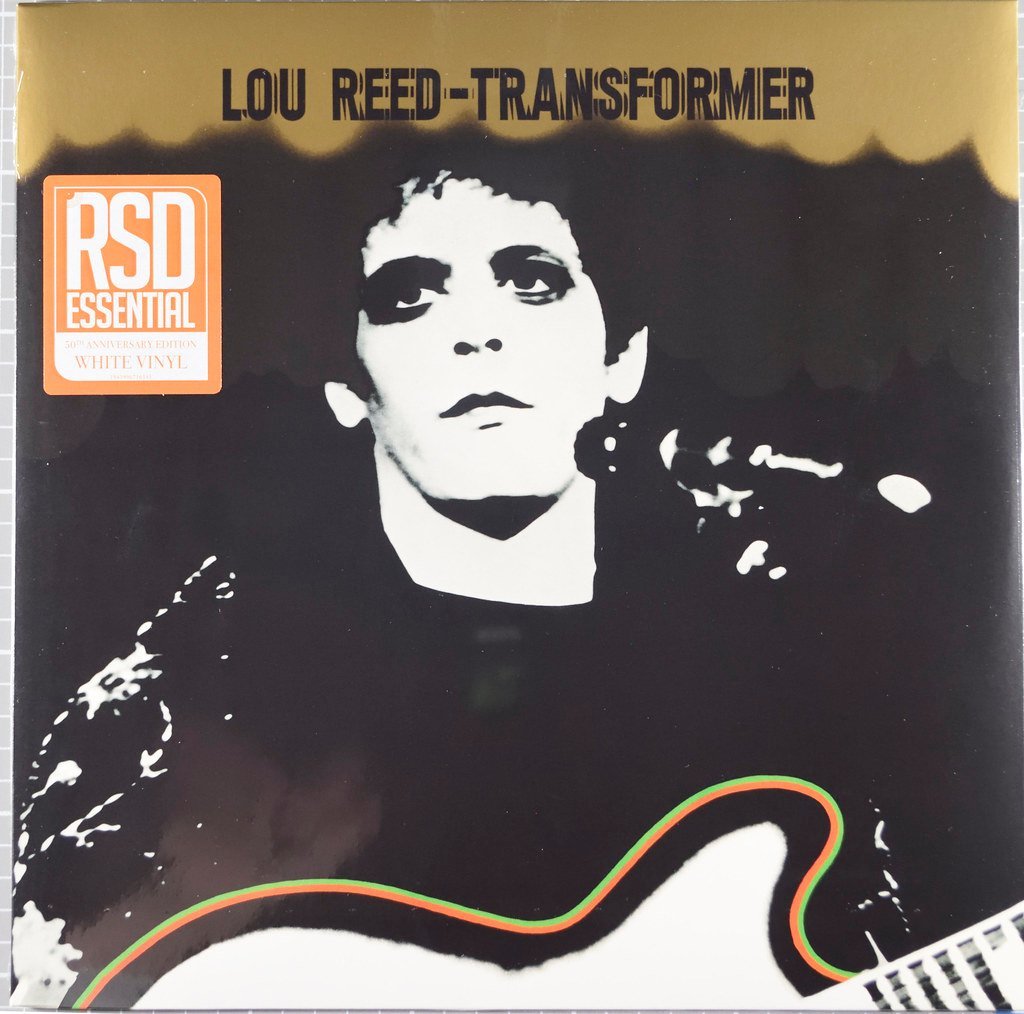
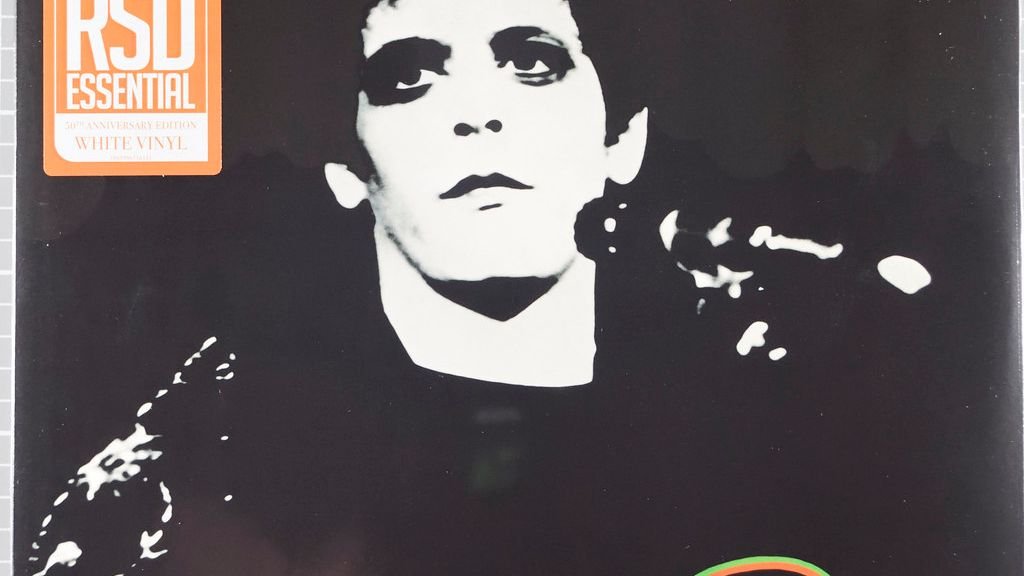
Lou Reed adapted Leopold von Sacher-Masoch’s Venus in Furs for The Velvet Underground’s signature track. Themes of submission and bondage flow from the novella that birthed “masochism,” name-checking hero Severin.[1] Reed’s drone amps the erotic tension, pushing boundaries in 1967. It’s a direct literary descent into S&M’s literary roots.
The song shocked censors but defined underground cool. Velvet’s influence rippled through punk and alt scenes, all thanks to a 19th-century tale. Who knew fur coats hid such dark inspiration?
Patrick Süskind’s Perfume Obsesses Nirvana’s Scentless Tale
Kurt Cobain obsessed over Patrick Süskind’s Perfume, basing Nirvana’s “Scentless Apprentice” on its murderous perfumer. The orphan’s hyper-sniffing killings scent the lyrics with obsession and isolation.[1] Dave Grohl’s riff backs Cobain’s raw howl, turning prose horror into grunge catharsis. Cobain called it a favorite book, raw fuel for his angst.
Unexpected for Nirvana’s sludgy sound, yet it fits their outsider edge. The track’s primal scream captures the novel’s chilling hunt. A grim reminder: great art sniffs out the weirdest sources.
The Endless Echo of Words in Melody

These ten ties reveal how authors’ visions pulse through music’s veins, from Tolkien’s quests to Süskind’s scents. Boundaries blur when creators borrow across realms, birthing hybrids richer than either alone. In 2026, with AI remixing everything, these human sparks remind us true surprise comes from deep reading and wild imagination.[2]
Next time a lyric hooks you, wonder what book birthed it. What overlooked connection lights up your playlist? Share in the comments – what blew your mind here?
CEO-Co-Founder
