
Picture this: a punk anthem blasts out during the Queen’s Silver Jubilee, sending shockwaves through an entire nation. Music isn’t just entertainment; it can rattle cages, challenge norms, and ignite public fury. These tracks didn’t just top charts – they provoked bans, protests, and endless debates right from the start.
1. Sex Pistols – God Save the Queen (1977)
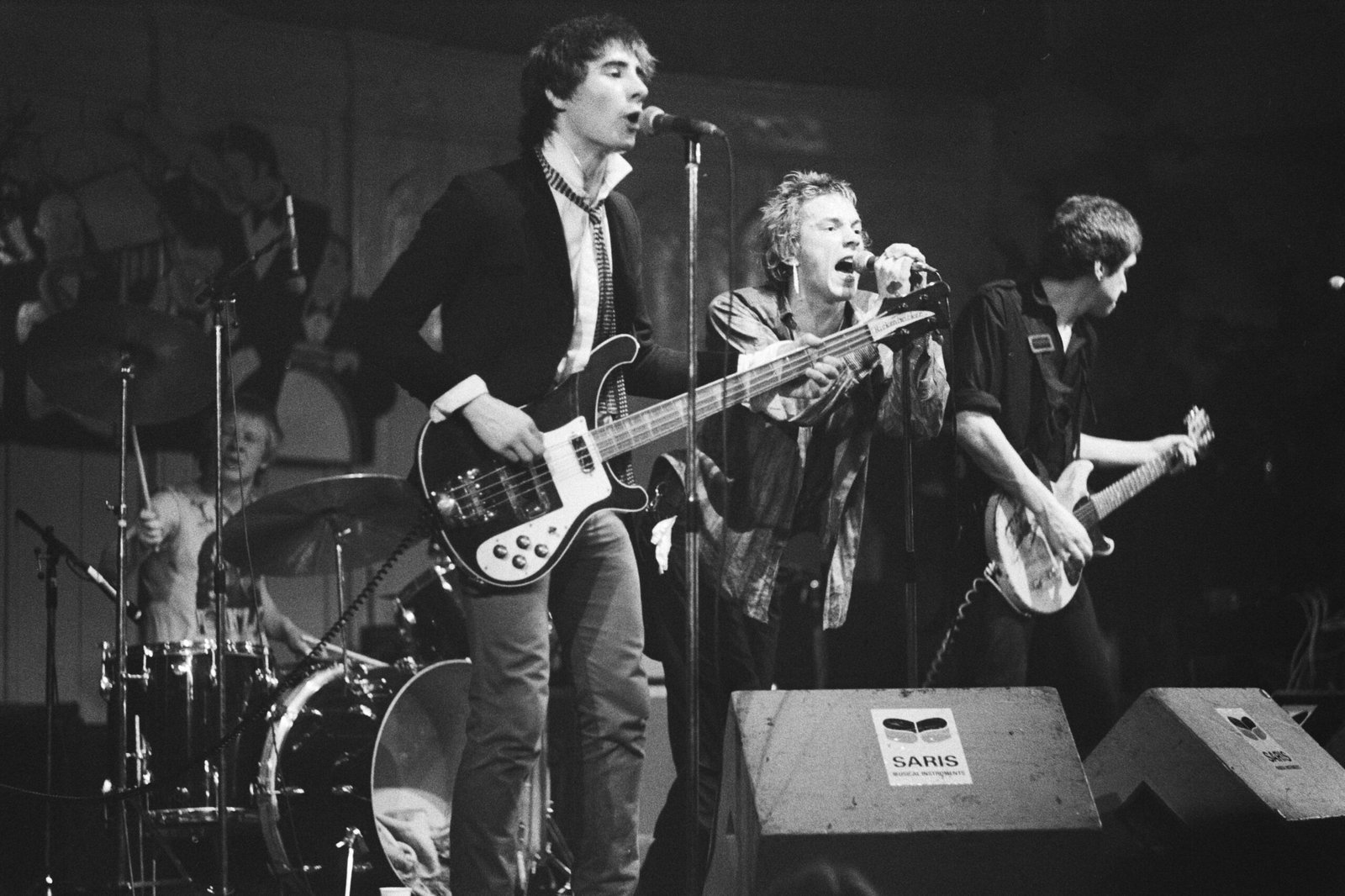
The Sex Pistols twisted Britain’s national anthem into a punk rebellion, calling the monarchy a ‘fascist regime.’ Released amid the Queen’s Silver Jubilee, it sparked instant outrage. The BBC banned it outright, shops refused to stock it, and even A&M Records smashed 25,000 copies in panic.
2. N.W.A. – F**k Tha Police (1988)
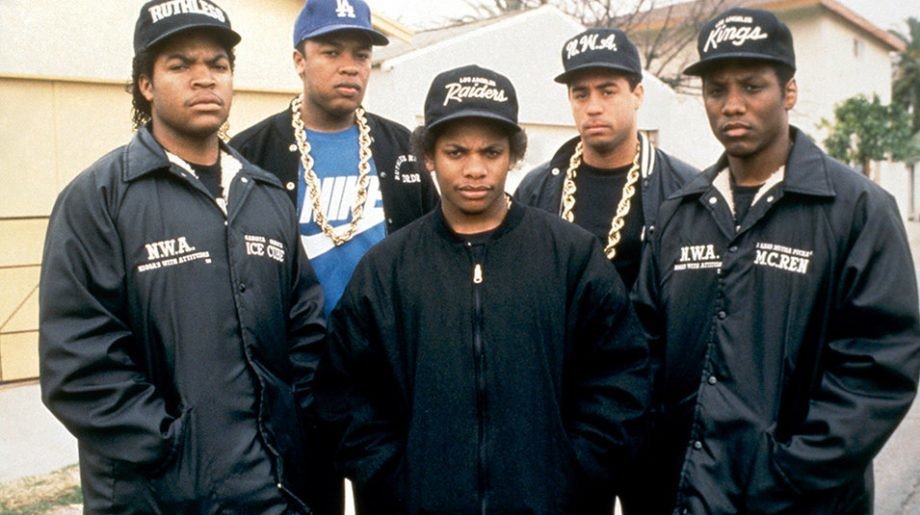
Straight Outta Compton dropped this raw takedown of police brutality amid LA’s Operation Hammer crackdowns. Radio stations shunned it for the blatant insults. The FBI even sent a warning letter to the label, escalating tensions.
Live shows turned hostile with cops patrolling venues. Ice Cube later called it their nonviolent protest weapon. No wonder it became a blueprint for hip-hop defiance.
Here’s the thing: it captured real street rage perfectly.
3. Frankie Goes to Hollywood – Relax (1983)
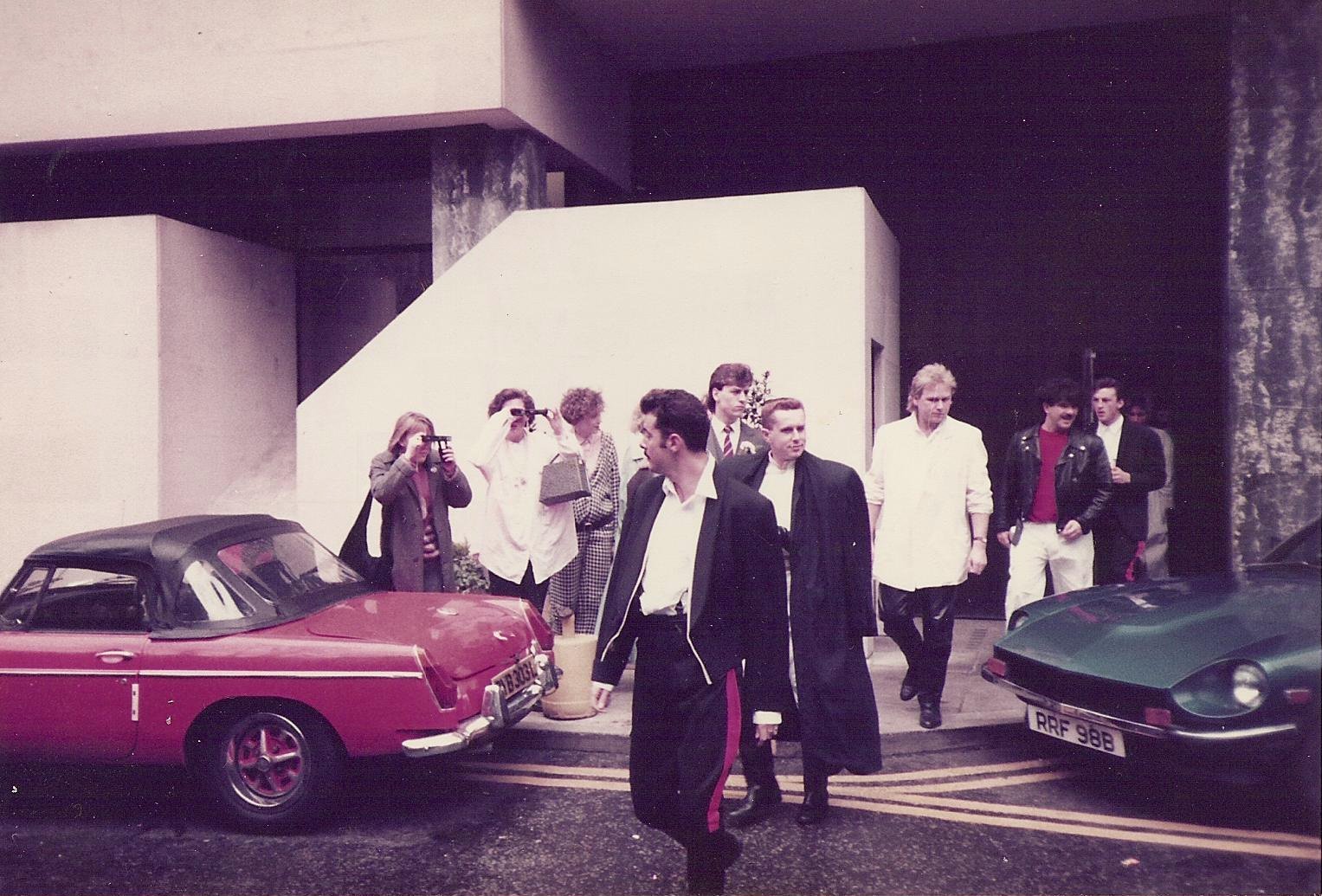
This synth-pop banger oozed sexual innuendo, with lyrics like ‘Relax, don’t do it’ hitting too close for comfort. BBC DJ Mike Read yanked it mid-play, sparking ban rumors. Trevor Horn’s video only amped the explicit vibe.
Top of the Pops refused it too. Paradoxically, the controversy rocketed it to five weeks at UK No.1. Sales exploded worldwide – proof that forbidden fruit tastes sweetest.
4. Loretta Lynn – The Pill (1975)

Country’s queen sang about birth control liberating women from endless pregnancies. Conservative stations buried it deep, seeing it as a feminist threat. MCA held it back three years amid backlash.
The New York Times covered the firestorm. It still hit her highest US chart spot ever. Lynn’s bold honesty flipped Nashville on its head.
I know it sounds tame now, but back then? Revolutionary.
5. Serge Gainsbourg & Jane Birkin – Je t’aime… Moi Non Plus (1969)
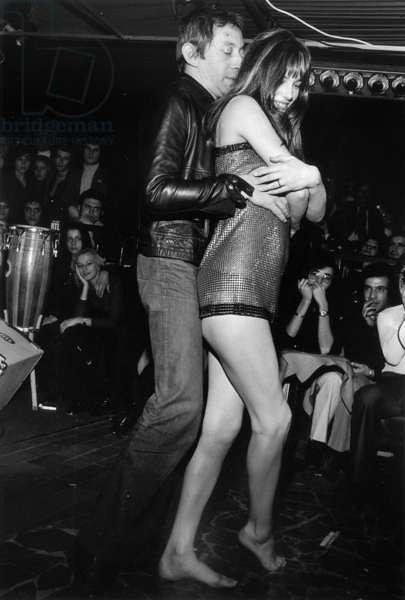
Heavy breathing and orgasmic moans made this French duet a scandal bomb. The Vatican slammed it as immoral; the BBC banned it swiftly. It became the first foreign-language No.1 in UK history despite the uproar.
Labels initially shelved it fearing backlash. Over 3 million copies sold amid the frenzy. Talk about turning outrage into gold.
6. The Kinks – Lola (1970)
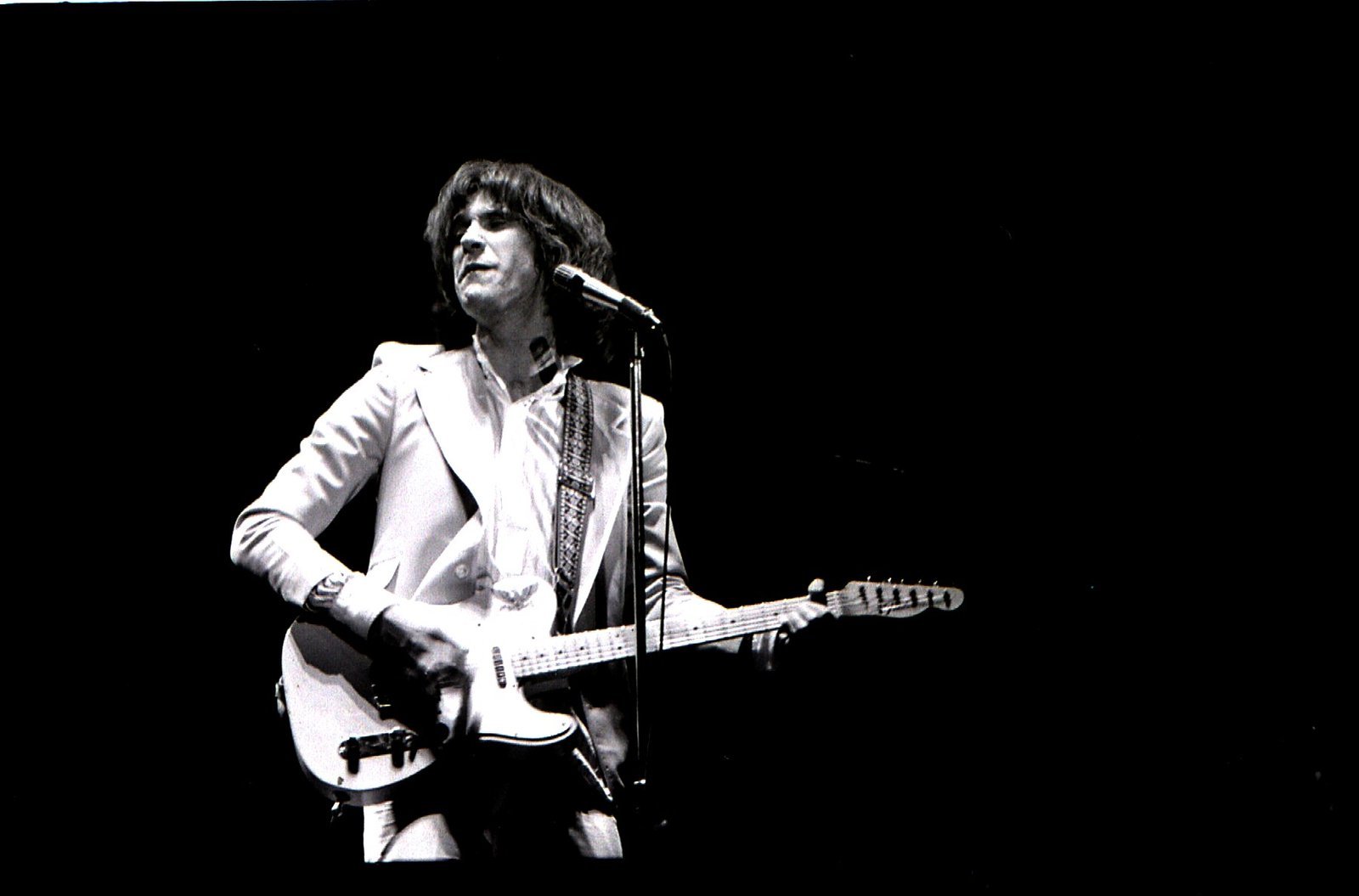
A tale of a man falling for a trans woman, but the real kicker? Lyrics name-dropping Coca-Cola as ‘cherry cola.’ BBC banned it for covert ads, forcing Ray Davies to fly back and re-record.
Airplay suffered initially. The song’s gender-bending twist added extra edge. It climbed charts anyway, proving resilience.
Let’s be real – that product placement rule was absurdly strict.
7. The Beatles – A Day in the Life (1967)
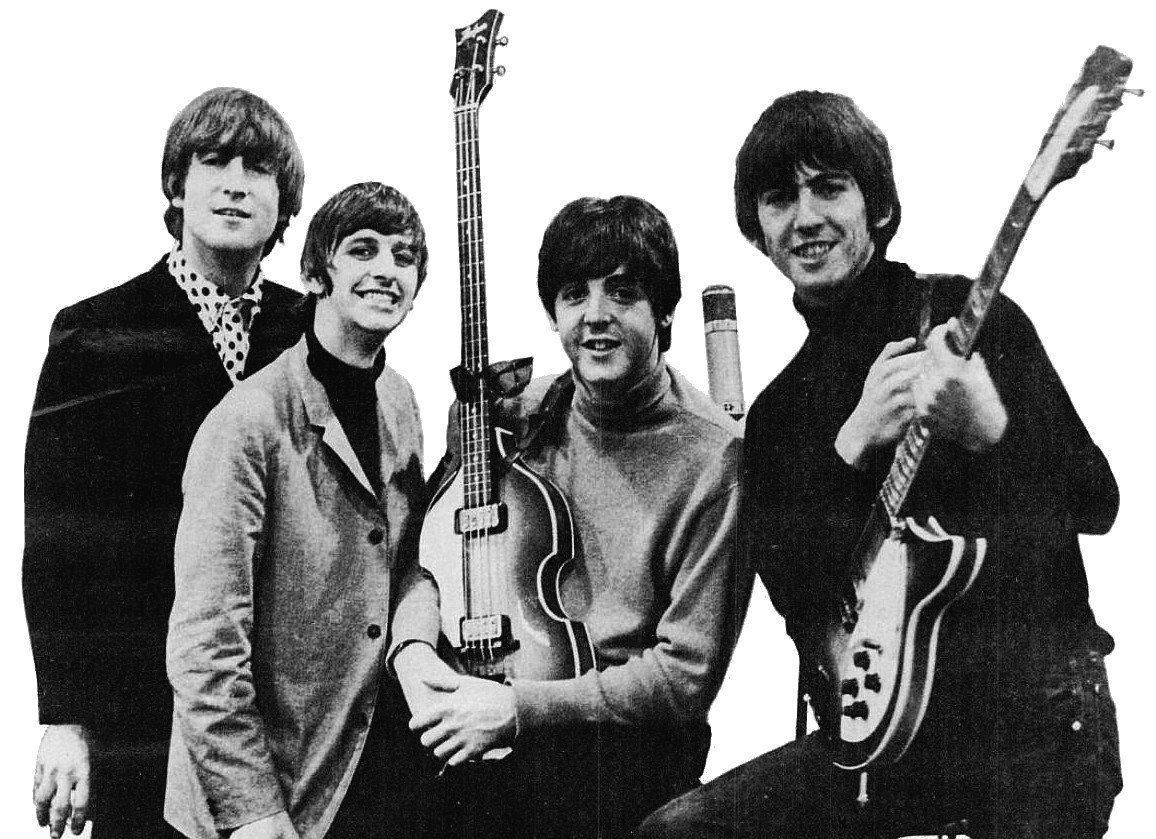
From Sgt. Pepper, the orchestral chaos and ‘I’d love to turn you on’ screamed drugs to censors. BBC banned it alongside Lucy in the Sky with Diamonds. Counterculture vibes clashed hard with establishment fears.
Denials didn’t help. It fueled the band’s rebel image. Timeless provocation at its finest.
8. Ozzy Osbourne – Suicide Solution (1980)
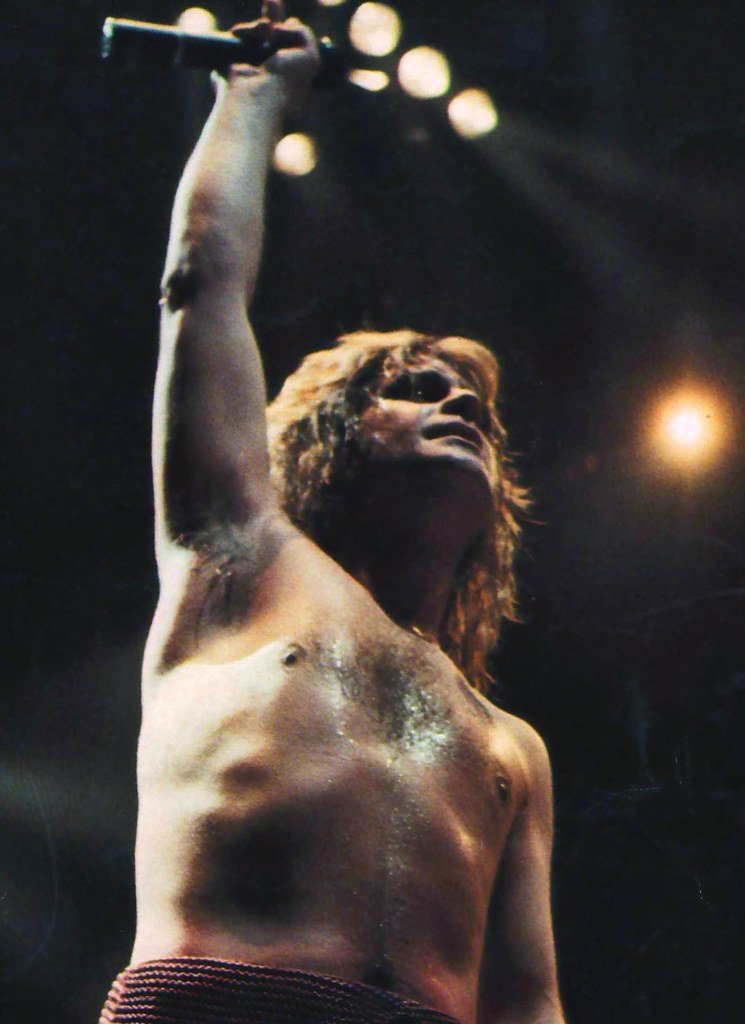
Parents sued, claiming hidden messages drove a teen to suicide – though it really slammed alcohol abuse. Courts cleared Ozzy, but the damage stuck. Radio play dried up amid moral panic.
Heavy metal’s bad rep grew. Still, it highlighted lyrics’ power – or lack thereof.
9. The Cure – Killing an Arab (1979)
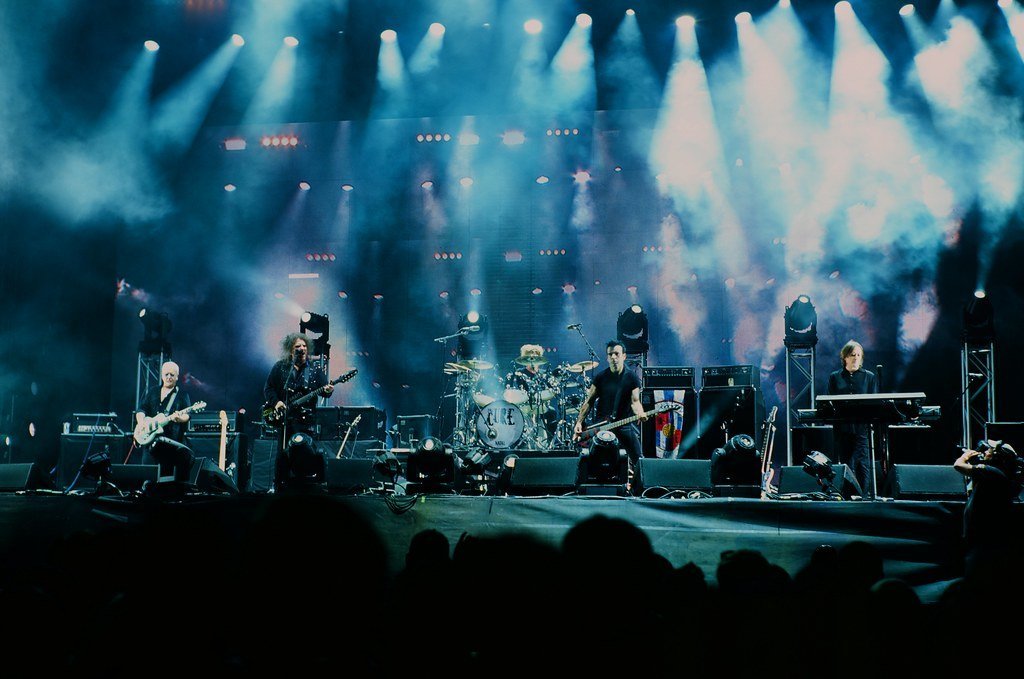
Inspired by Camus’ The Stranger, lines evoked violence and got slapped with racism charges. Bans followed quick. The band defended its literary roots, but outrage lingered.
Post-punk edge sharpened the debate. It forced talks on art versus intent.
10. The Prodigy – Smack My B**ch Up (1997)
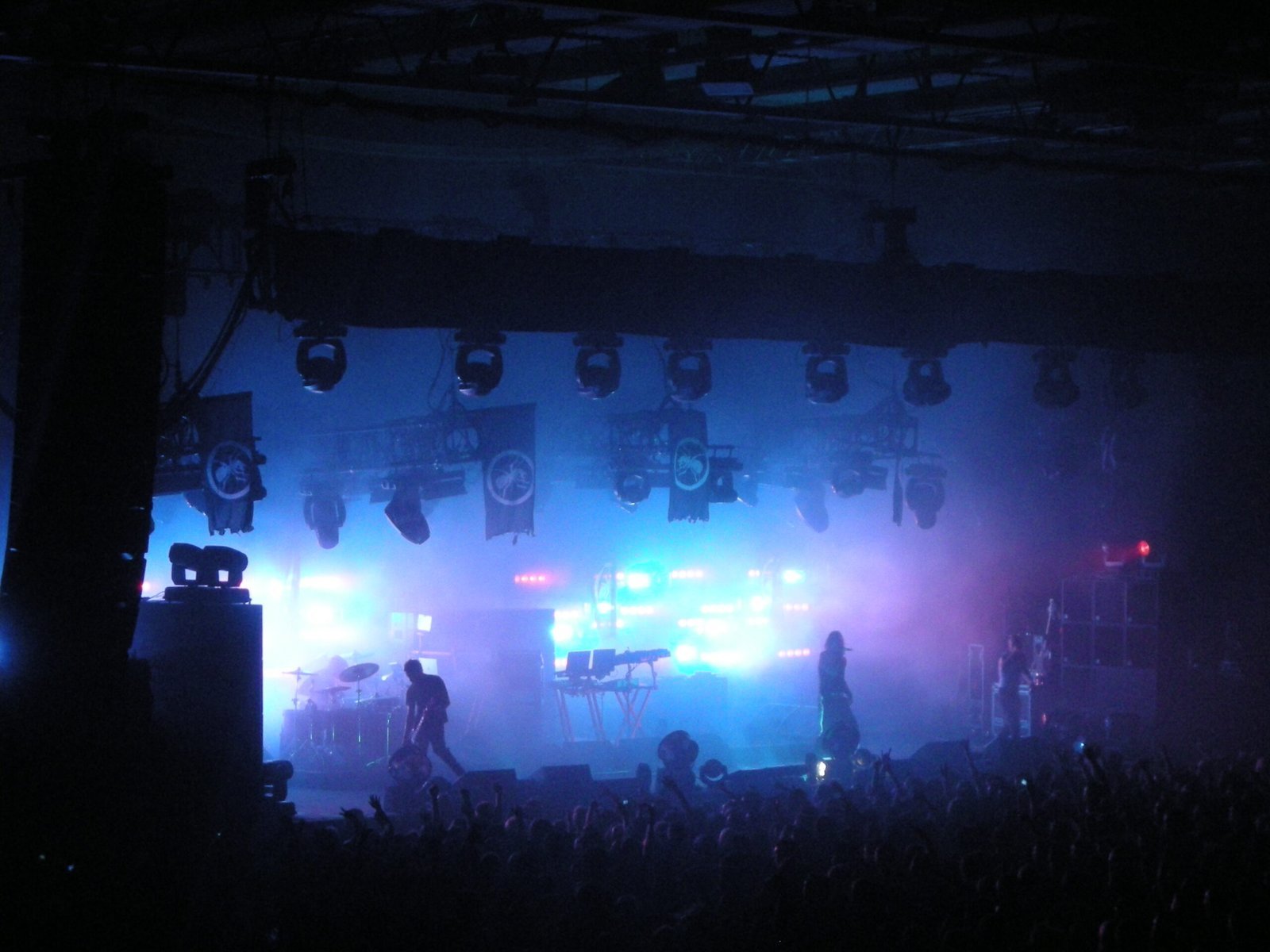
Raw aggression labeled it sexist, inciting violence against women. BBC banned it from airwaves despite chart smash. The POV video intensified the storm.
Prodigy shrugged off critics. Controversy kept it alive in clubs.
Why These Songs Still Echo
These tracks remind us music thrives on pushing boundaries. Bans often backfired, boosting fame instead. In 2026, they stand as badges of artistic guts
What sparks controversy evolves, but the thrill stays. Which one shocked you most? Drop your thoughts in the comments.

Besides founding Festivaltopia, Luca is the co founder of trib, an art and fashion collectiv you find on several regional events and online. Also he is part of the management board at HORiZONTE, a group travel provider in Germany.
