“Bohemian Rhapsody” – Queen (1975)

When Queen released “Bohemian Rhapsody” in 1975, the music industry wasn’t sure what to make of it. Some radio stations flat-out refused to play it, saying it was too long and too odd for mainstream listeners. Critics were split, with some dismissing it as pretentious while others just didn’t get it. Yet Freddie Mercury and his bandmates pushed boundaries with their genre-blurring operatic sections and dramatic shifts. Everything changed in 1992, when the song was featured in the movie “Wayne’s World.” That scene—four friends headbanging in a car—breathed new life into the track, catapulting it back up the charts. Today, it’s hailed as one of the greatest rock songs ever, amassing over 1.5 billion YouTube views by 2023 and still inspiring singalongs worldwide. “Bohemian Rhapsody” is now a cultural touchstone, proof that daring creativity can outlast any first impression.
“Hallelujah” – Leonard Cohen (1984)

Leonard Cohen’s “Hallelujah” barely whispered onto the scene in 1984, almost invisible on the charts and largely ignored by radio. Its complex biblical and poetic lyrics baffled some critics, leading to a muted reception. But the song didn’t vanish; it simmered quietly. When Jeff Buckley covered it in 1994, his haunting voice pulled the song from the shadows into the spotlight. Suddenly, “Hallelujah” was everywhere—soundtracks, weddings, television dramas, and open mic nights. By 2023, it had been recorded by over 300 artists and streamed millions of times, becoming a modern standard. Its emotional depth and spiritual ambiguity have touched people of all backgrounds, cementing its place as one of the most covered—and most beloved—songs of the last fifty years.
“Creep” – Radiohead (1992)

When “Creep” first hit the airwaves, radio stations called it too gloomy, and it completely failed to chart in the UK. Even Radiohead’s own label seemed unsure, almost shelving the band after the song’s initial stumble. But something about its raw honesty—a misfit’s self-loathing, sung over a wall of distorted guitars—stuck with listeners. Slowly, “Creep” found its footing, particularly among 1990s youth who felt alienated and unseen. It gained momentum with international audiences, and by the mid-90s, Radiohead was performing it to sold-out crowds. The band has since moved on musically, sometimes refusing to play it live, but fans still clamor for the anthem. “Creep” is now considered a defining song of the alternative era, a staple on playlists and covered by artists of every genre.
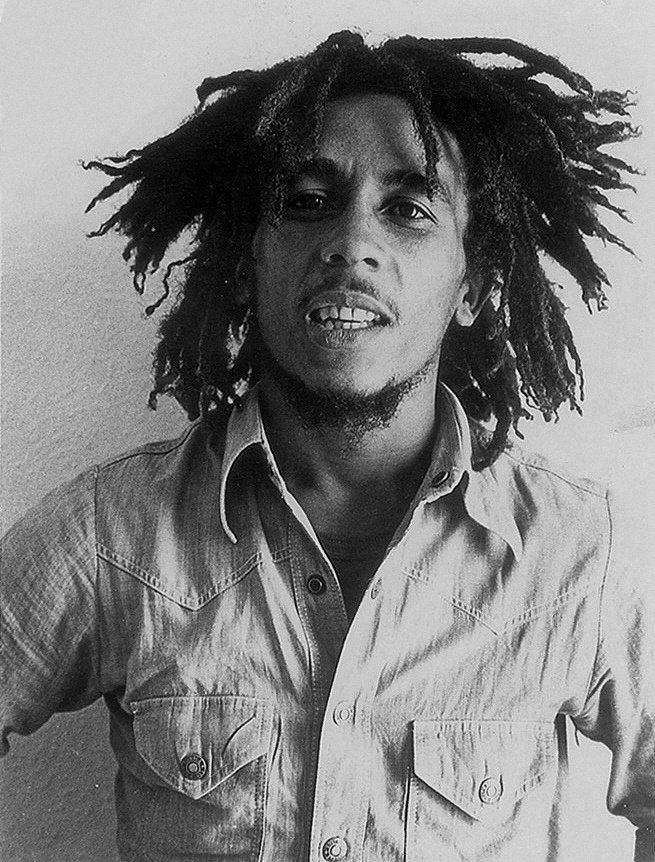
“Redemption Song” – Bob Marley (1980)

“Redemption Song” wasn’t an immediate chart success for Bob Marley. Released as part of his final album, it didn’t have the reggae bounce of his other hits, and some listeners overlooked its acoustic simplicity. But over time, its message—freedom, hope, and the power to overcome adversity—began to resonate more deeply. The lyrics, “Emancipate yourselves from mental slavery,” have become rallying cries for social justice movements across the world. Countless artists, from Johnny Cash to Rihanna, have covered the song, giving it new life and meaning with every generation. In 2023, “Redemption Song” remains one of Marley’s most widely recognized and impactful works, often cited in discussions about music’s role in activism and change.
“God Only Knows” – The Beach Boys (1966)

When The Beach Boys released “God Only Knows” in 1966, it was tucked away as a B-side in America—a risky move, considering the use of “God” in the title was controversial at the time. Critics and radio programmers were hesitant, and it didn’t immediately catch fire on the charts. Yet the song’s lush harmonies, emotional lyrics, and intricate arrangements set it apart from anything else on the radio. Over decades, musicians from Paul McCartney to Bono have praised it as one of the best pop songs ever written. Its influence echoes through generations of music, and its induction into the Grammy Hall of Fame in 2021 added official recognition to its legacy. Today, “God Only Knows” is considered not just a Beach Boys classic but a masterpiece in the pop canon.
“Heroes” – David Bowie (1977)

David Bowie’s “Heroes” wasn’t a commercial juggernaut when it debuted in 1977. It barely made a dent in the UK or US charts, surprising fans and critics alike. The song’s powerful story—two lovers meeting at the Berlin Wall, dreaming of freedom—wasn’t immediately embraced. But with time, “Heroes” became an anthem for resilience and hope, especially after Bowie’s death in 2016, when its streaming numbers soared. The song has since been featured in everything from Olympic ceremonies to political rallies, and its title phrase has become shorthand for everyday bravery. In 2023, “Heroes” stands as one of Bowie’s most enduring songs, proof that some messages just need time to find their audience.
“Running Up That Hill” – Kate Bush (1985)

When Kate Bush released “Running Up That Hill” in 1985, it was a moderate hit in the UK but barely registered in the U.S. The song’s ethereal synths and enigmatic lyrics puzzled some listeners, and Bush’s unique style wasn’t yet widely understood outside Britain. Everything changed in 2022, when the song’s inclusion in Netflix’s “Stranger Things” launched it back into the global charts. Suddenly, Bush’s music was streaming in the millions, with Gen Z discovering her for the first time. The song’s themes—wishing to swap places with a loved one—felt timeless, and its sound fit perfectly with modern tastes. By 2023, “Running Up That Hill” had reached the top five in charts around the world, making it one of the most extraordinary musical comebacks ever.
“Mr. Brightside” – The Killers (2003)

“Mr. Brightside” didn’t set the world on fire when The Killers released it in 2003. Its initial chart run in the U.S. was modest, and the band was still finding its audience. But the song’s infectious energy and relatable lyrics about jealousy and heartbreak made it a sleeper hit. Over time, “Mr. Brightside” became a mainstay at parties, sports events, and weddings, often the first song to get everyone singing along. By 2021, it was officially recognized as the most streamed track of the 2000s on Spotify, with hundreds of millions of plays. The Killers still close most shows with it, and for many, it’s an anthem of resilience and hope in the face of heartbreak.
“Big Yellow Taxi” – Joni Mitchell (1970)

When Joni Mitchell first sang about paving paradise to put up a parking lot, “Big Yellow Taxi” only made a minor impression on the U.S. charts, though it did better in Australia. Its catchy melody and biting environmental message slowly worked their way into public consciousness. As environmental issues moved into mainstream conversation, the song gained new relevance. It’s been covered by artists like Counting Crows and Amy Grant, each time finding new audiences. The phrase “They paved paradise and put up a parking lot” is now a common lament about urban development and environmental loss. As of 2023, “Big Yellow Taxi” is still featured in protests and documentaries, proving how a simple melody can spark a global conversation.
“Tutti Frutti” – Little Richard (1955)

“Tutti Frutti” didn’t immediately rocket up the charts when Little Richard first unleashed it in 1955. At a time when rock ‘n’ roll was just emerging, its raw energy and wild vocals were seen as too much by some radio programmers. But the song quickly found its place in the rock revolution, influencing major artists like Elvis Presley, The Beatles, and Prince. Its signature “A-wop-bop-a-loo-bop-a-wop-bam-boom!” became a rallying cry for a new generation. Over the years, “Tutti Frutti” has been hailed as a cornerstone of rock music, with Rolling Stone including it in their list of the greatest songs of all time. In 2023, it still electrifies listeners and stands as a symbol of rock’s joyful rebellion.