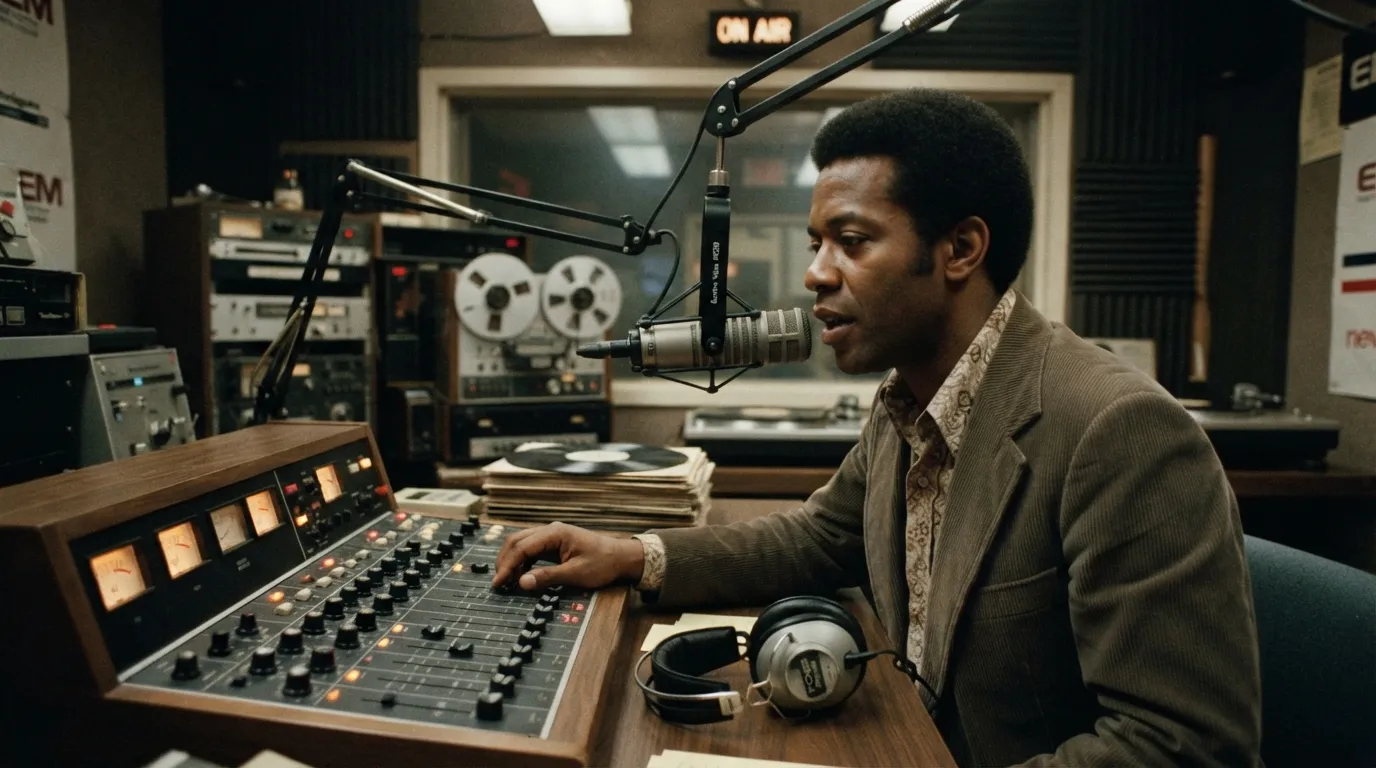
Picture a 1970s radio voice and you probably picture permanence: the same host, the same microphone, the same grin you could hear through the speaker, pouring out of every kitchen and car. These 24 names show how wrong that picture can be. Some quit live on air, some were pushed out, some traded the studio for television, and some decided the spotlight had cost enough.
The exits are the real story. One host resigned on the air twice in his career, another kept broadcasting for more than seven decades, and one fall from the top came faster than anyone expected. Start at #24 and keep going, because the strangest goodbyes are still ahead.
#24 – Kenny Everett
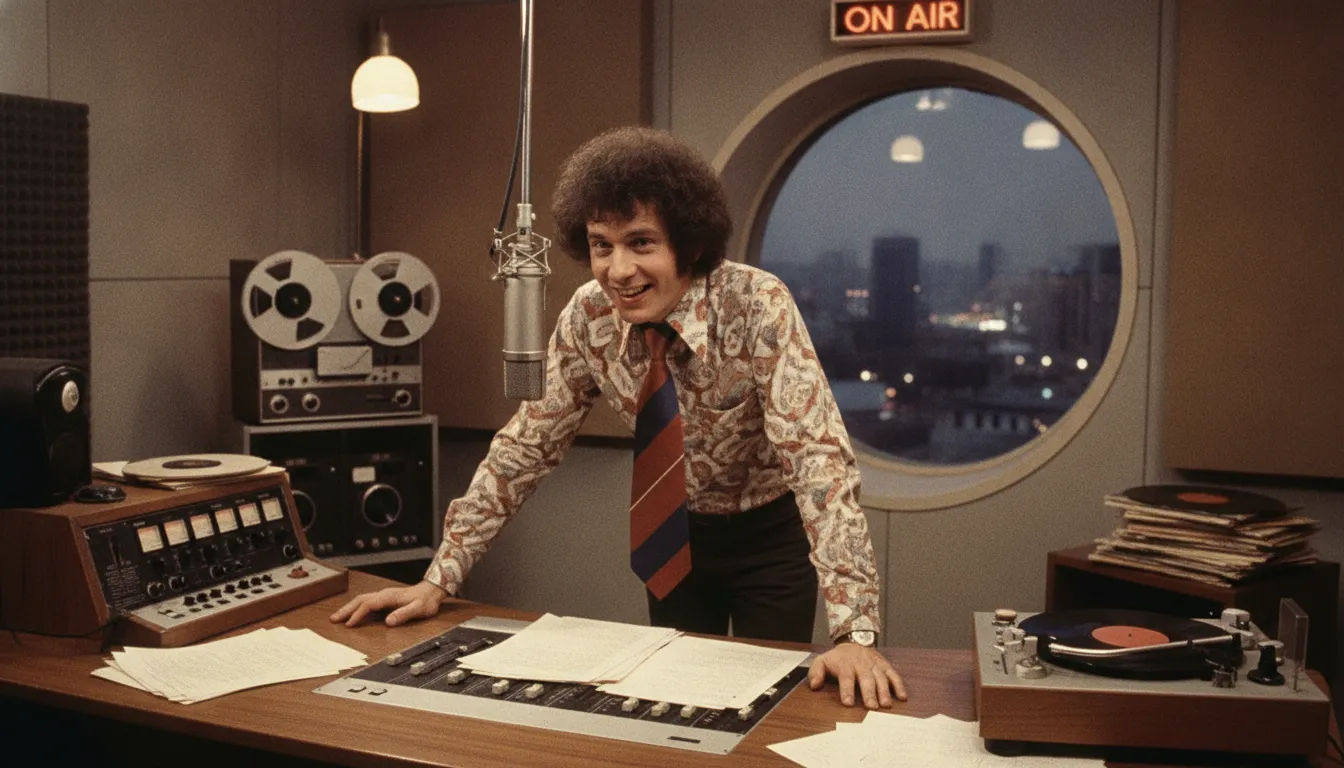
Kenny Everett sounded like a man who had broken into the BBC and decided to stay. He came up through pirate radio, landed at Radio 1 in 1967, and filled the airwaves with invented characters, wild jingles and pure chaos. Listeners never knew what he would do next. Neither, often, did his bosses.
That friction caught up with him. The BBC dropped him in 1970 after a joke that offended the establishment, and he later resurfaced at Capital Radio. By the late 1970s his biggest stage was television, where The Kenny Everett Video Show brought his cartoonish energy to a mass audience.
Radio never stopped being his home, but the spotlight moved. The man who seemed too wild for the microphone ended up too big for it.
#23 – Dave Lee Travis
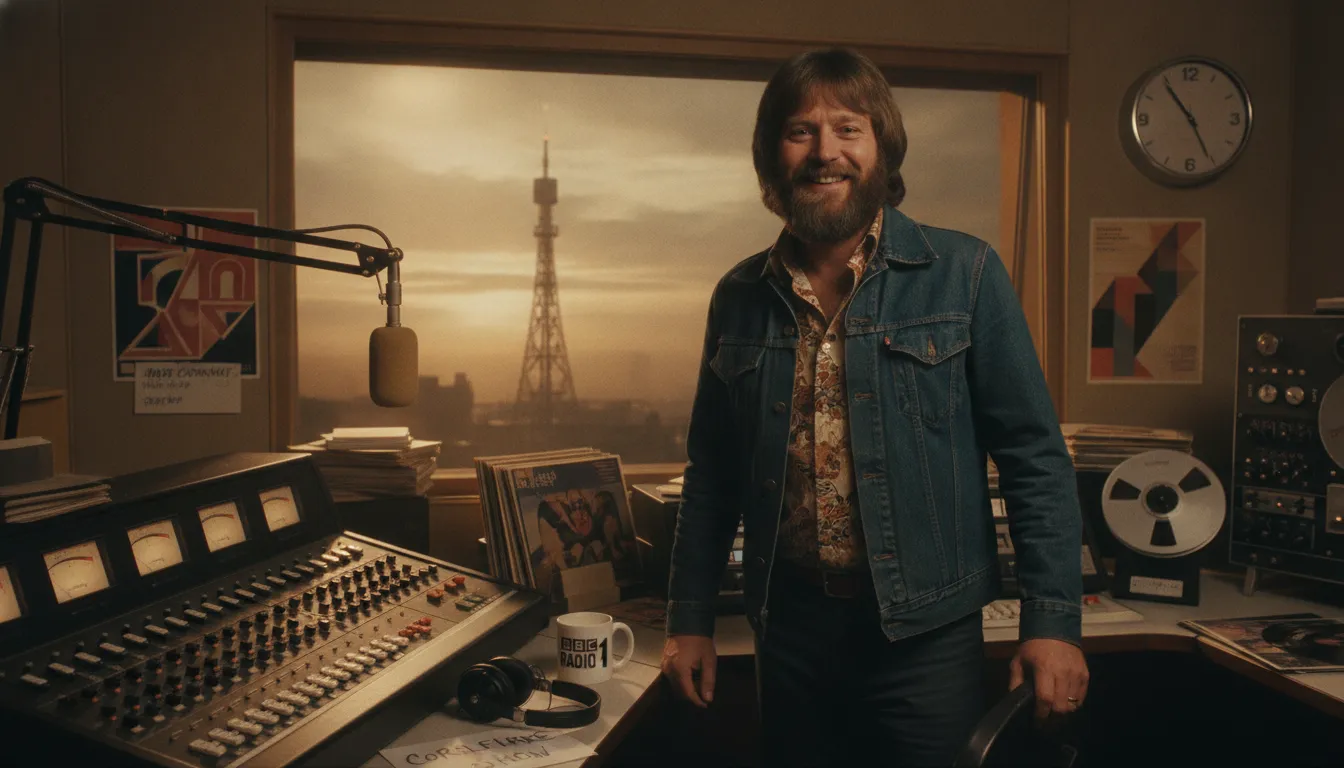
Dave Lee Travis, the beard-and-booming-voice host nicknamed the Hairy Cornflake, ruled Radio 1 in the 1970s. His afternoon and breakfast slots reached millions, and his relaxed, joking style made him feel like a friend in the room. He stayed with the station long after most of his generation had gone.
Then came the exit nobody could miss. In 1993 he resigned live on air, unhappy with the changes sweeping through Radio 1.
There was no polite press release and no quiet handover. Listeners heard a veteran of the station’s early days decide, in real time, that the new direction was not for him. It was a clear break between one era of radio and the next.
#22 – Pete Brady
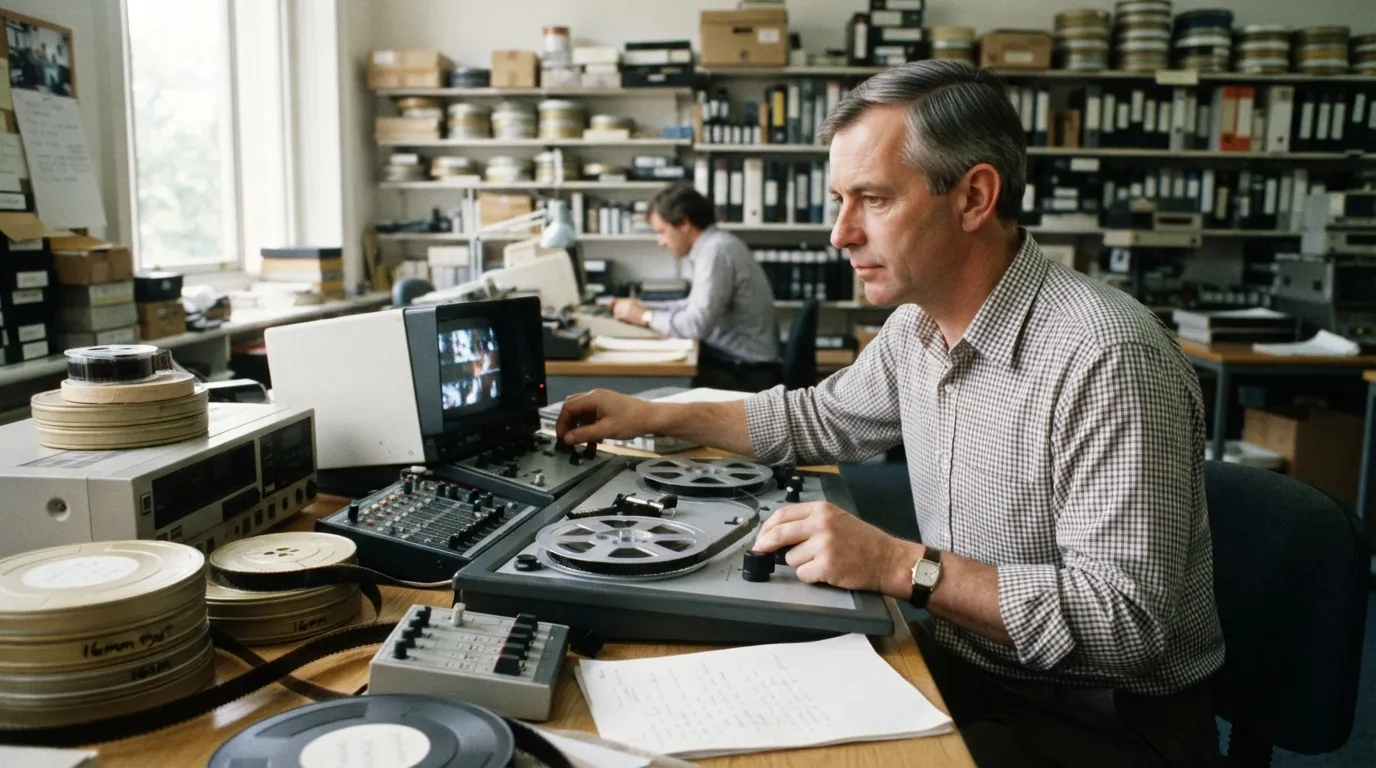
Pete Brady was a daily voice on Radio 1 in the early 1970s, a presenter who made the leap from pirate radio to the BBC at the exact moment British pop radio was being rebuilt. For many listeners he was simply part of the background of an ordinary weekday.
Then he did something unusual for a familiar broadcaster: he stepped off the airwaves and went into business. Brady eventually retired from broadcasting to run a film and video company.
It was a quiet swap. The microphone gave way to cameras, edits and client work, and the name that once introduced the hits faded from the public eye. Not every radio star wants the fame to last forever, and Brady’s career suggests he had a plan for what came next.
#21 – David Symonds
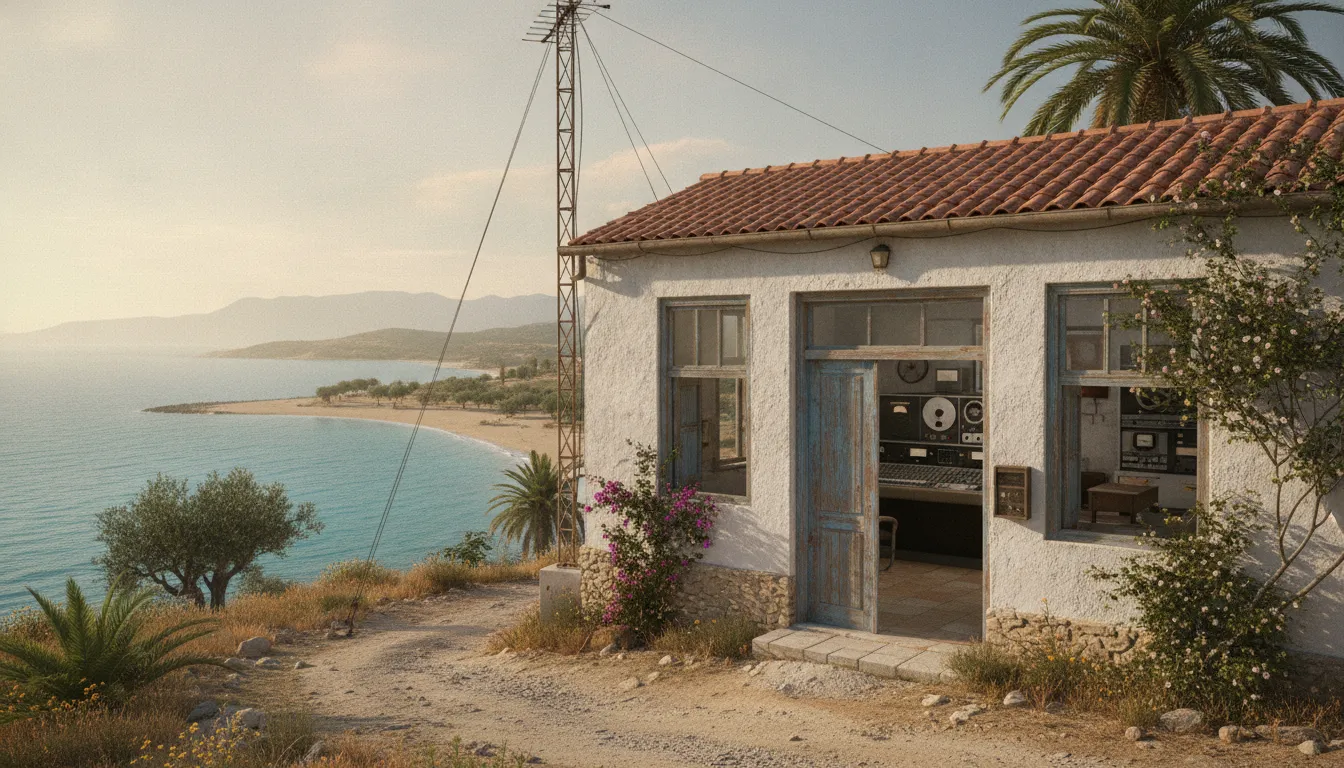
David Symonds belonged to the original Radio 1 generation, the team that gave the station its first sound. He hosted shows in the 1970s and later worked at Capital Radio, so he had a real place in the London radio scene.
Then he swapped that scene for something far sunnier. Symonds left regular UK broadcasting to run a radio station in Cyprus and later lived in France.
It is a striking trade: from the crowded British airwaves to a station on a Mediterranean island, then a quieter life abroad. British listeners who remembered his voice found it harder and harder to hear. His story is one of the clearest examples of a presenter who stepped back deliberately, and kept going somewhere else.
#20 – Duncan Johnson
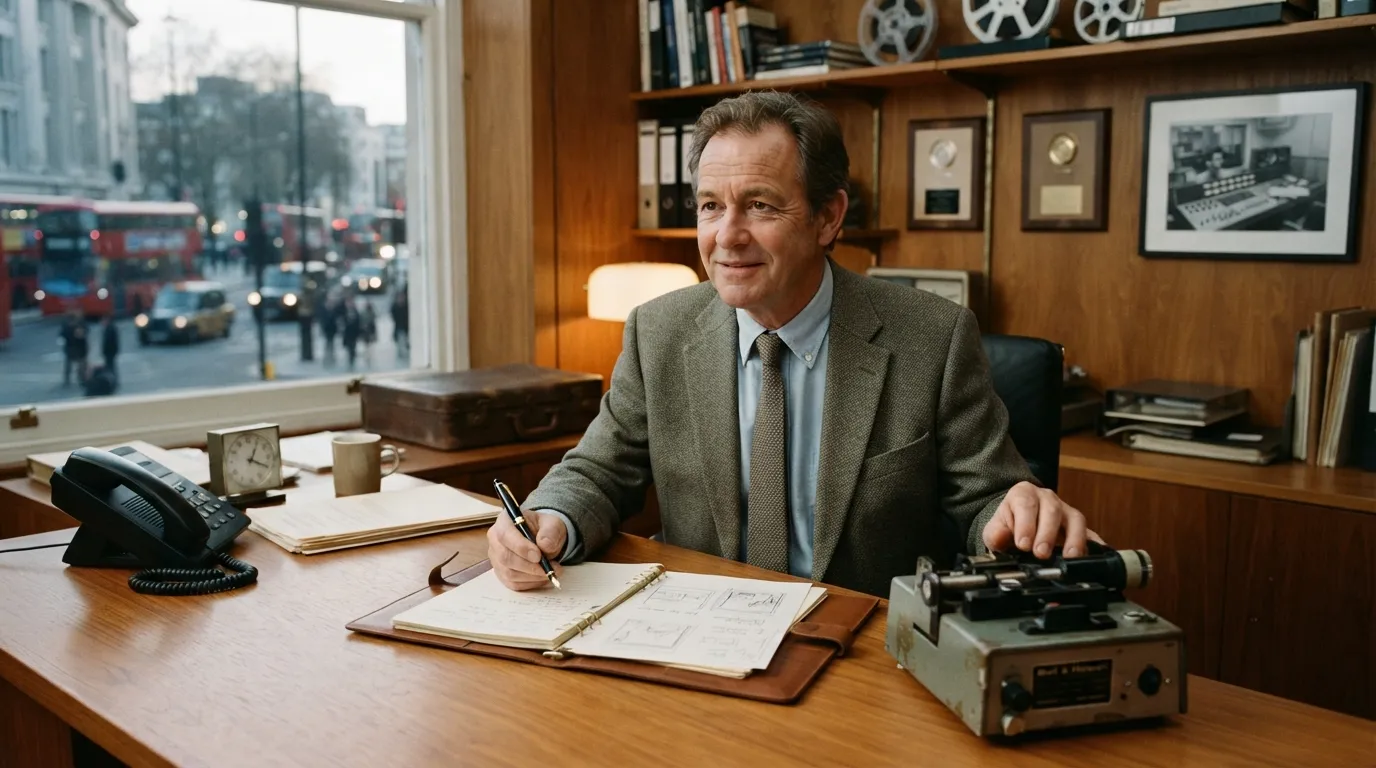
Duncan Johnson was in the room when Radio 1 launched in 1967. He was one of the original presenters, and his Canadian background gave his shows a flavor that stood out in a British lineup.
His time at the station was short, and fans who had just gotten used to him felt the loss. Part of what makes his story interesting is how little the public heard afterward.
Johnson moved into advertising work and eventually retired in 2004. There was no big comeback tour and no dramatic farewell broadcast. A voice that helped launch one of the most famous radio stations in Britain went on to spend his later career in a world listeners rarely saw. Being part of the launch team did not mean staying in front of the microphone.
#19 – Dave Cash
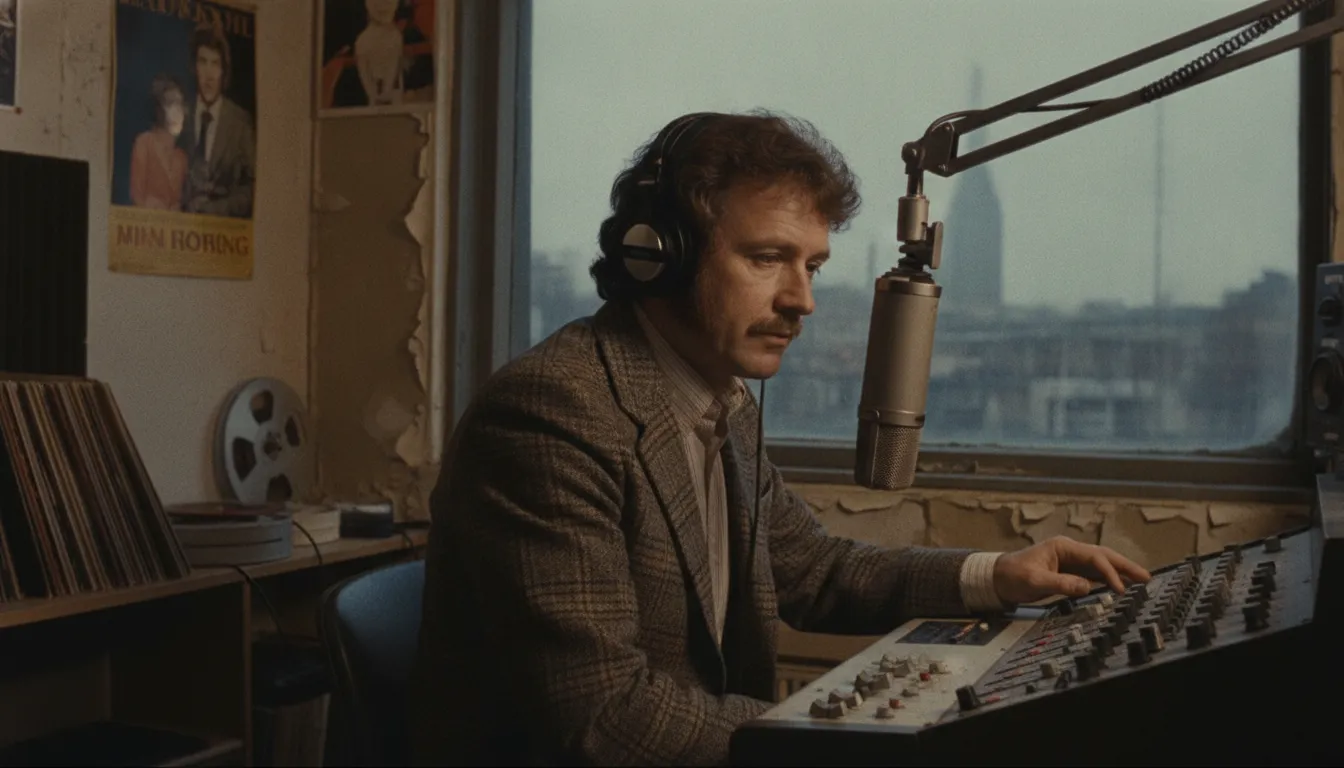
Dave Cash was one of the early voices of Radio 1, presenting daily shows as the station found its feet in the late 1960s and early 1970s. He sounded like a natural. Then, in 1970, the BBC dropped him.
That moment split his career in two. He did not vanish: Cash joined Capital Radio and stayed active in radio until his death in 2016.
But the national spotlight he had at Radio 1 never fully returned. His later work stayed closer to a local audience, and the huge reach of his early years became a memory. It is the kind of story where the walk away was not entirely a choice, and the long road afterward was still lived on his own terms, one show at a time.
#18 – Jimmy Young
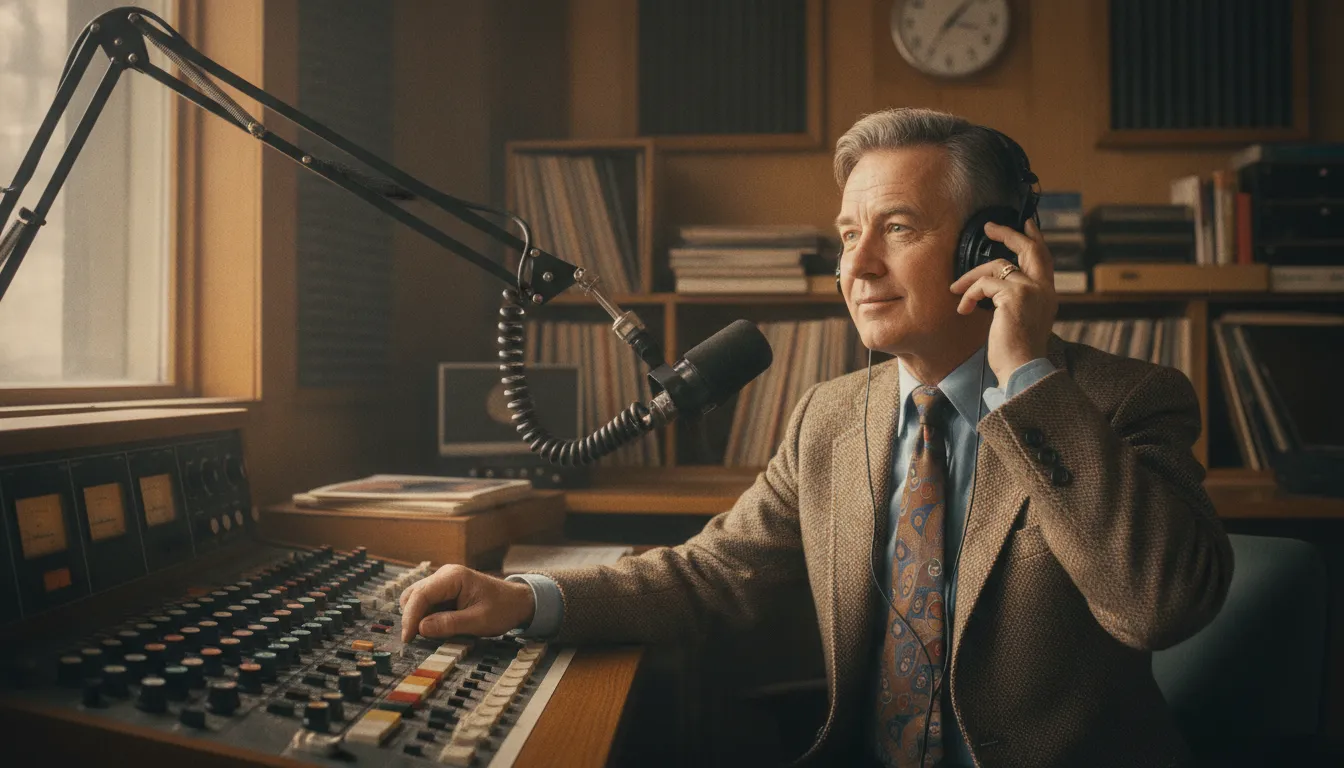
Jimmy Young was already a pop singer and a radio veteran by the time he arrived at Radio 1, and he made one of the smartest moves of the decade. In 1973 he shifted to Radio 2 and built a show that mixed music with serious talk, a format that felt more like a living room conversation than a pop chart countdown.
Fast Facts
- He topped the UK singles chart in 1955 with “Unchained Melody.”
- His move to Radio 2 came in 1973.
- His show blended pop music with interviews and serious talk.
- He retired in 2002 after nearly 30 years on the station.
He stayed on air for decades. His exit was different from the dramatic walkouts on this list. It was planned, calm and well earned. Young adapted across stations and eras, and when he stepped away he did so at the end of one of the longest runs to come out of the 1970s.
#17 – Alan ‘Fluff’ Freeman
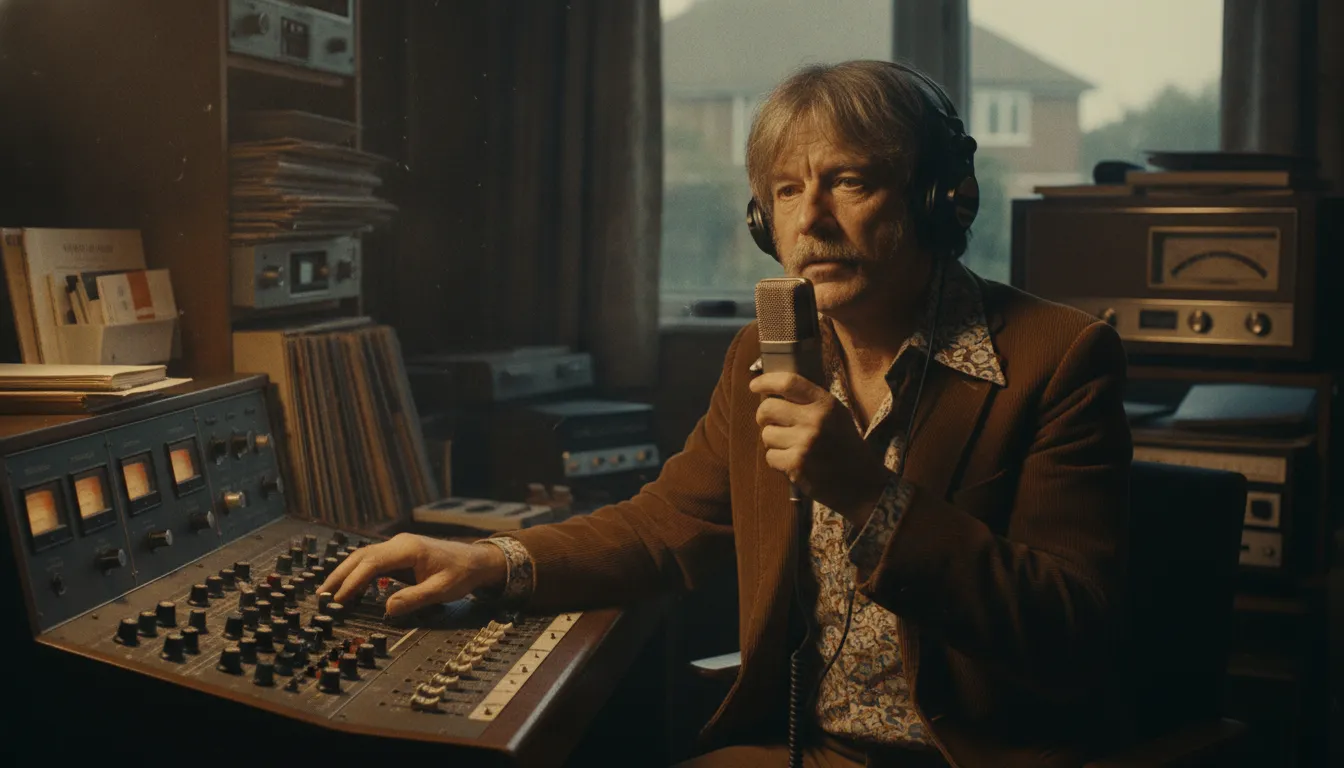
Alan Freeman did not just present rock music, he announced it like good news. His catchphrase, “Not ‘arf, chaps!”, became part of 1970s British radio, and his love of the music came through in every bounce of his voice.
He came from the pirate radio world and settled into the BBC, where Radio 1 listeners knew him as Fluff. Through the decade he was a pillar of the rock sound.
Later, his radio presence shrank. The energetic 1970s peak gave way to a quieter profile, and the man who once seemed to be everywhere on the dial was heard less often. His career still spanned multiple decades, but the loudest chapter belonged to the 1970s. Some stars do not slam the door. They slowly turn the volume down.
#16 – Noel Edmonds
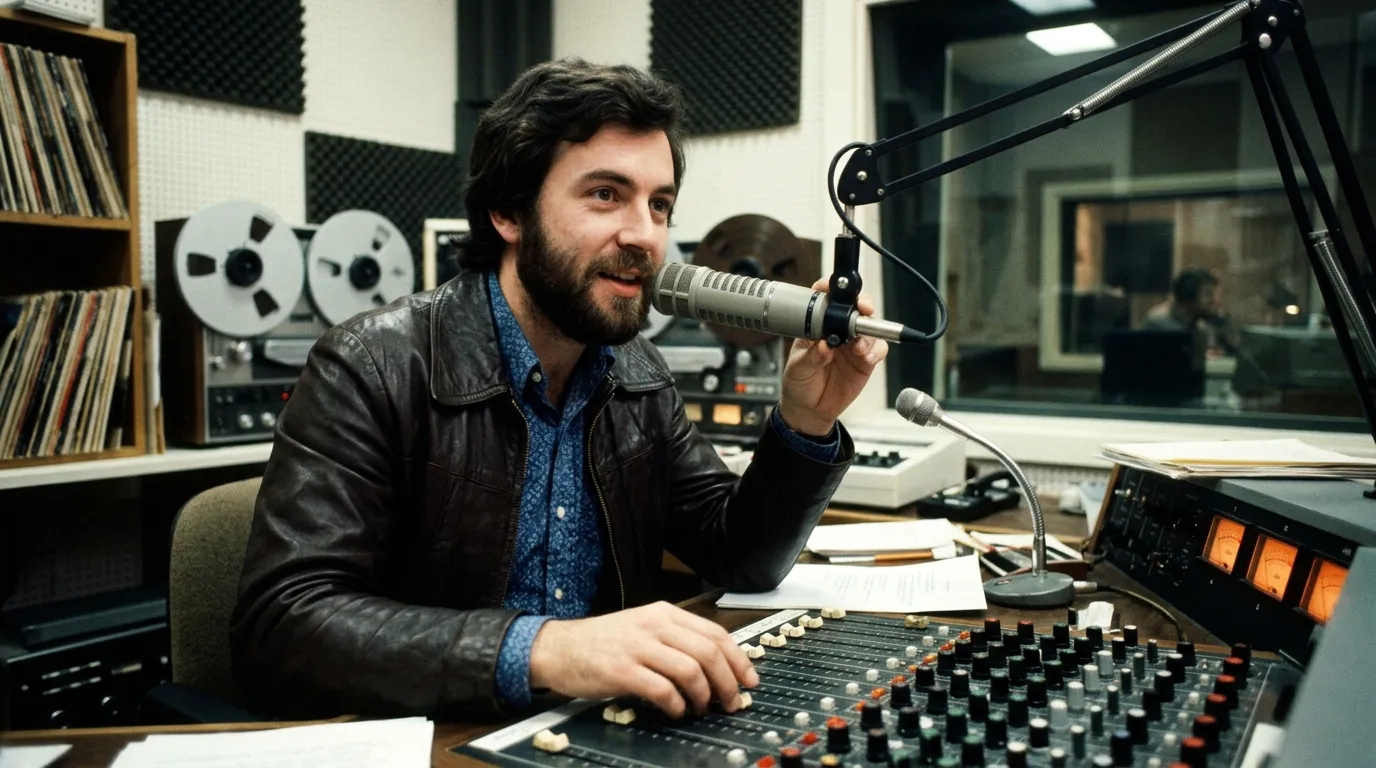
Noel Edmonds joined Radio 1 in the early 1970s and quickly became one of its biggest names. He hosted the breakfast show, mixed music with humor and stunts, and gave the station a young, mischievous face.
Then television started calling. In the late 1970s, shows like Multi-Coloured Swap Shop made him a household name well beyond the radio audience.
That shift took him away from the daily grind of the microphone. Edmonds had been central to Radio 1’s youth appeal, yet his later fame came mostly from the TV screen rather than the airwaves. His story is a good reminder that sometimes the spotlight does not disappear. It simply moves to a bigger room.
#15 – Simon Dee
Simon Dee was one of the most glamorous broadcasters of the pirate radio years. His chatty, confident style helped him into the BBC, and for a short time he seemed unstoppable. His television chat show, Dee Time, made him a genuine celebrity.
Then the fall came fast. After Dee Time was dropped in 1970, work dried up, and he left broadcasting amid conflicts and troubles in the early 1970s.
His story is not a polite retirement. The man who had been among the most visible figures from the pirate radio generation never regained that place in mainstream radio. It is one of the sharpest drops on this list, and a reminder of how quickly a loud spotlight can turn off.
#14 – Emperor Rosko
Emperor Rosko arrived with an American accent, a burst of energy and a pirate radio pedigree. Born Mike Pasternak, he worked on Radio Caroline in the 1960s, then brought that fast-talking style into BBC shows in the 1970s.
He sounded different from the polite British voices around him, which was exactly the point. His shows helped define part of the decade’s sound, and his career linked the offshore stations to the BBC mainstream.
Eventually he stepped back from regular UK radio work. There was no single walkout moment, just a shrinking presence where a booming one used to be. For listeners who grew up with that high-energy delivery, the change was noticeable even without a big announcement.
#13 – Johnnie Walker
Johnnie Walker started on pirate radio in the 1960s and joined BBC Radio 1 in 1969. He became known for putting the music first and the chatter second, championing artists he believed in at a time when the playlist was changing fast.
His first break from the BBC came in 1976, when he left for a time. He returned later, and radio remained his life for decades.
The final walk away came in 2024. Walker announced full retirement because of his health, ending a career of close to six decades. It was a long goodbye for a voice that first became popular in the 1970s, and one that felt personal to the listeners who had grown up beside him.
#12 – Dick Summer
Dick Summer owned the night in Boston. He hosted overnight shows on WBZ in the 1960s and 1970s, and his program Nightlight turned the late hours into something closer to a conversation than a broadcast, with poetry, humor and listener interaction.
That was bold for the time. His style borrowed from underground radio, and it made him a local legend rather than a nationwide name.
Summer worked at multiple stations, but eventually he focused on voiceover work and reduced his on-air radio time. The change came gradually instead of in a single dramatic exit. The voice that once spoke to the audience still awake after midnight moved into the quieter world of commercials and narration, where the microphone stayed but the crowd did not.
#11 – Hy Lit
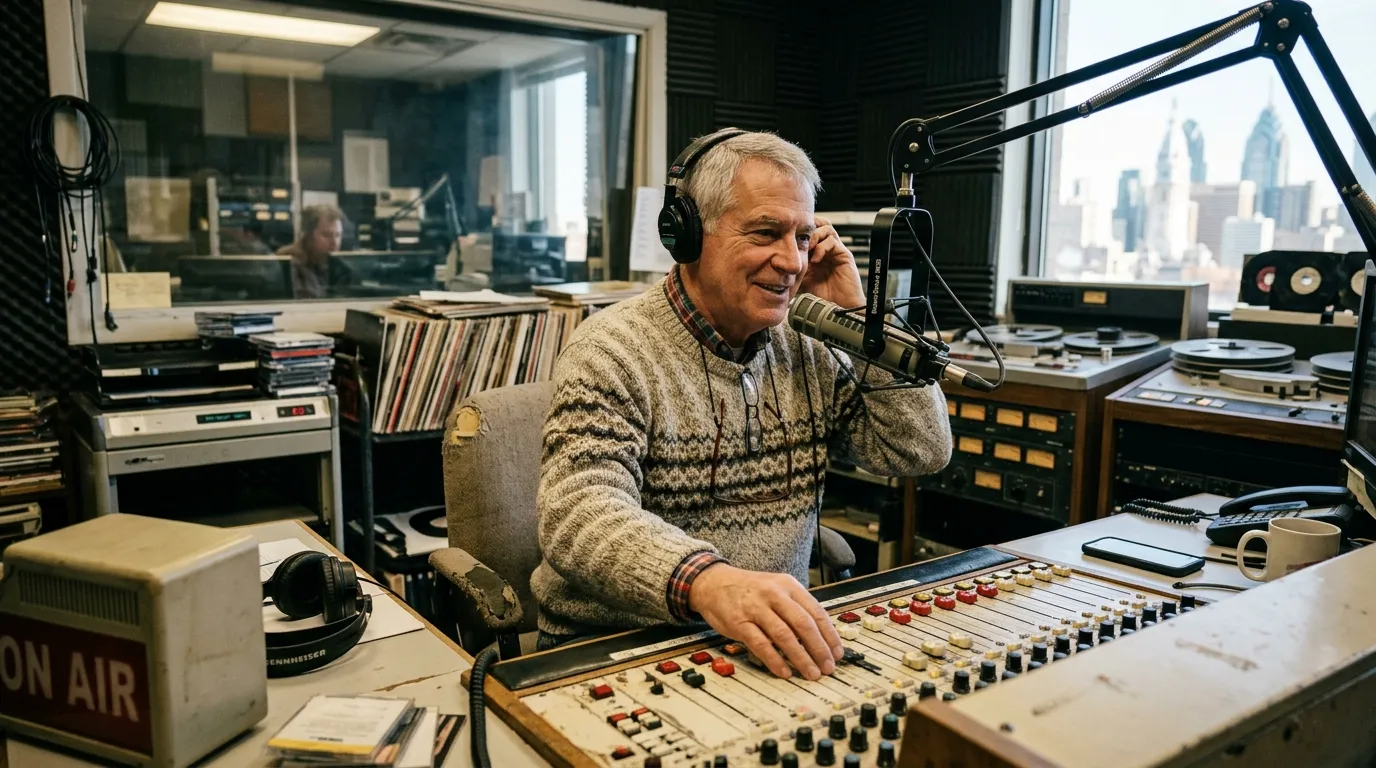
In Philadelphia, Hy Lit was not just a DJ. He was a sound. Through the 1960s and into the 1970s he played a central role in the city’s rock and roll scene, and his name meant something to listeners who tuned in for the hits.
His story is different because he never really left. Lit remained active on local stations, a loyal presence for a loyal audience.
What faded was the wider spotlight. After the 1970s peak he kept a lower national profile, and his career stayed mostly in Philadelphia. That is its own kind of walking away: not leaving the room, just choosing a smaller one. Regional radio stars often shaped the sound of a city more deeply than the famous names listeners heard on the national stage.
#10 – Wolfman Jack
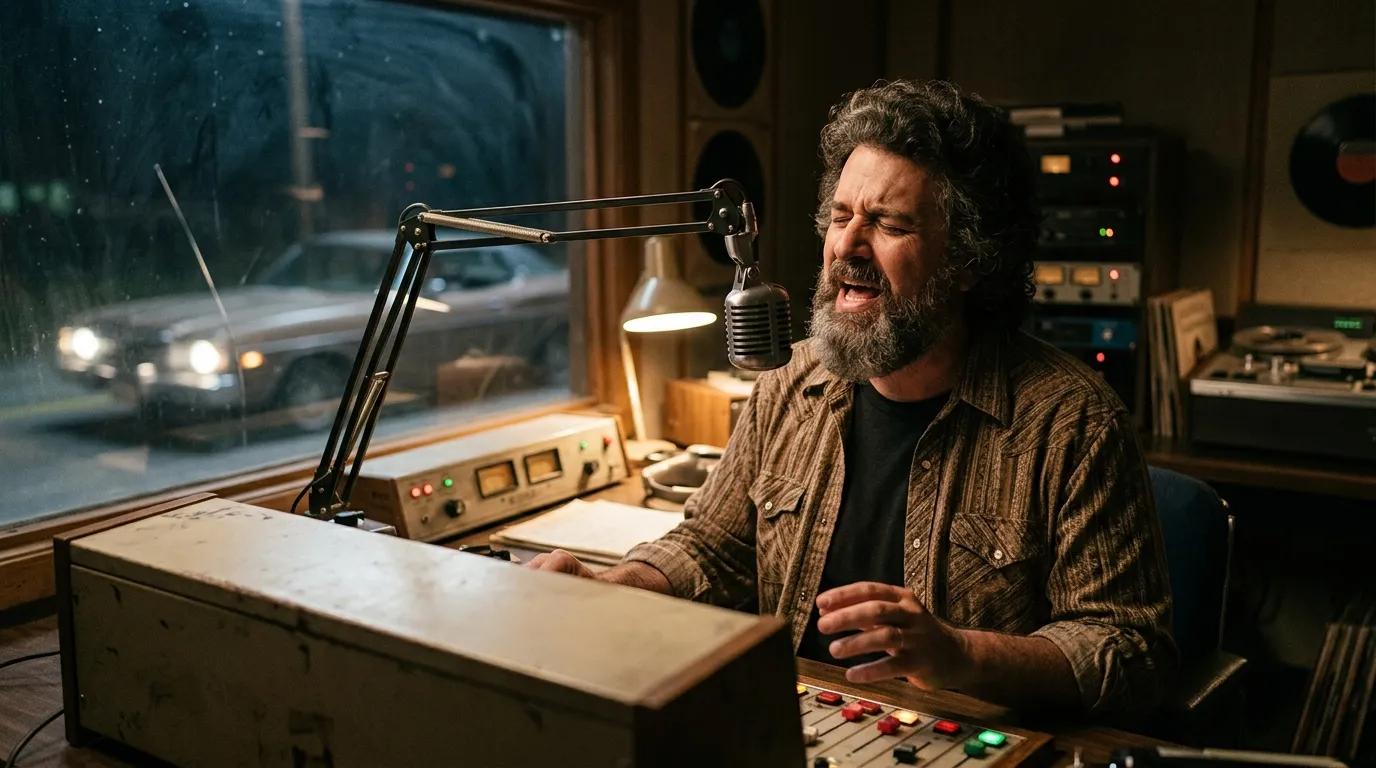
Wolfman Jack sounded like a rumor you could pick up on the car radio. His gravelly voice poured across North America from powerful border blaster stations in the 1960s and 1970s, and nobody quite knew what the man behind it looked like.
Then he stepped into the light. He appeared in the 1973 film American Graffiti as a version of himself, and that turned a mysterious late-night voice into a mainstream celebrity.
Worth Knowing
- His real name was Robert Weston Smith.
- American Graffiti, directed by George Lucas, arrived in 1973.
- His signal came from border stations that reached listeners far beyond their home country.
- He died in 1995, long after his voice had become a pop culture shorthand.
The irony is that the bigger he got, the less mysterious the legend became. He continued some work in broadcasting, but he never again matched the spread of his earlier border-station days. His style influenced many later DJs, and his career bridged wild, pirate-style radio and the mainstream.
#9 – Robin Scott
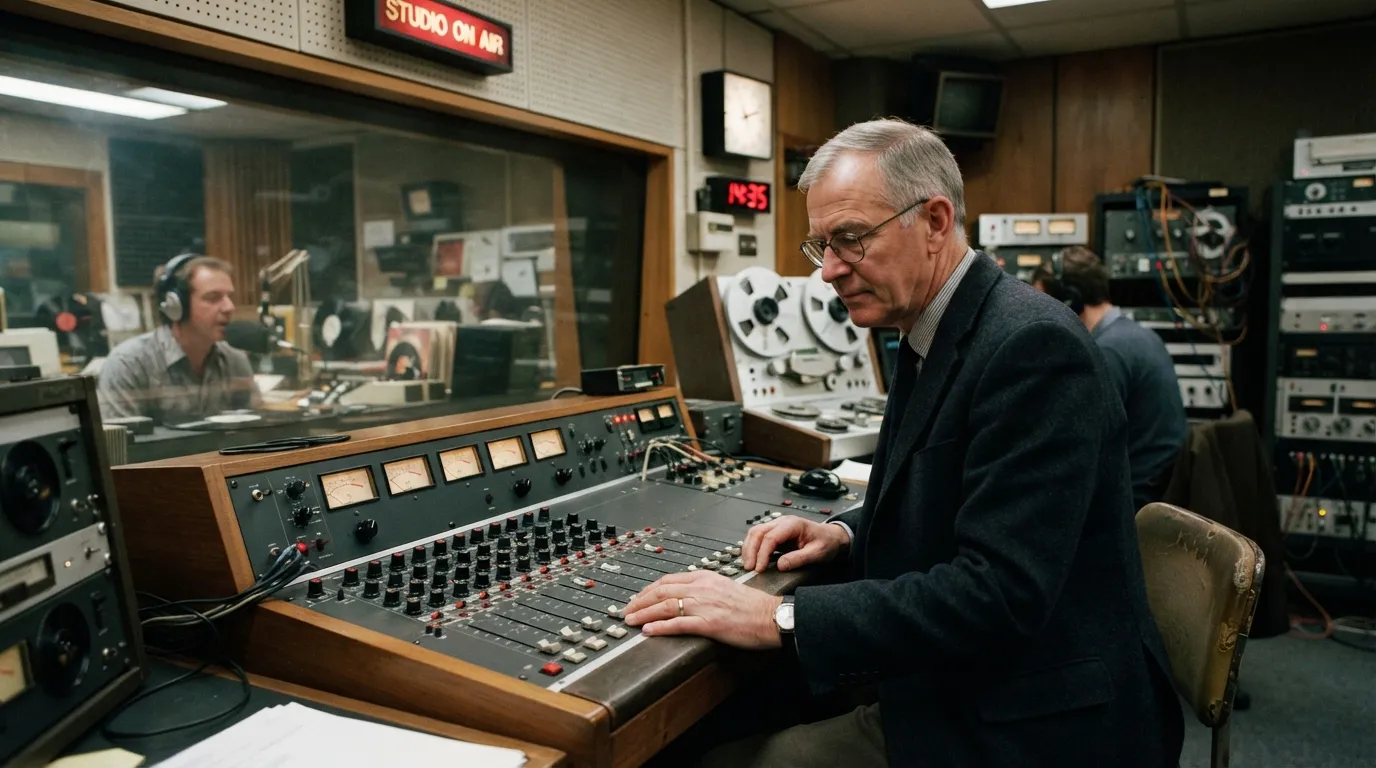
Not every 1970s radio name was a voice. Robin Scott was the first controller of both Radio 1 and Radio 2, the man who helped decide what those stations would sound like when they launched. If you loved the sound of BBC radio in those early years, his fingerprints were on it.
He came from a background in programming, and his work happened behind the glass instead of in front of the microphone.
When he left the controller role, he kept a lower public profile. His influence lasted, but his name never became familiar the way the presenters’ names did. That is the strange math of radio: the person who shapes the sound can stay almost invisible, while the voice on the air becomes famous.
#8 – David Rider
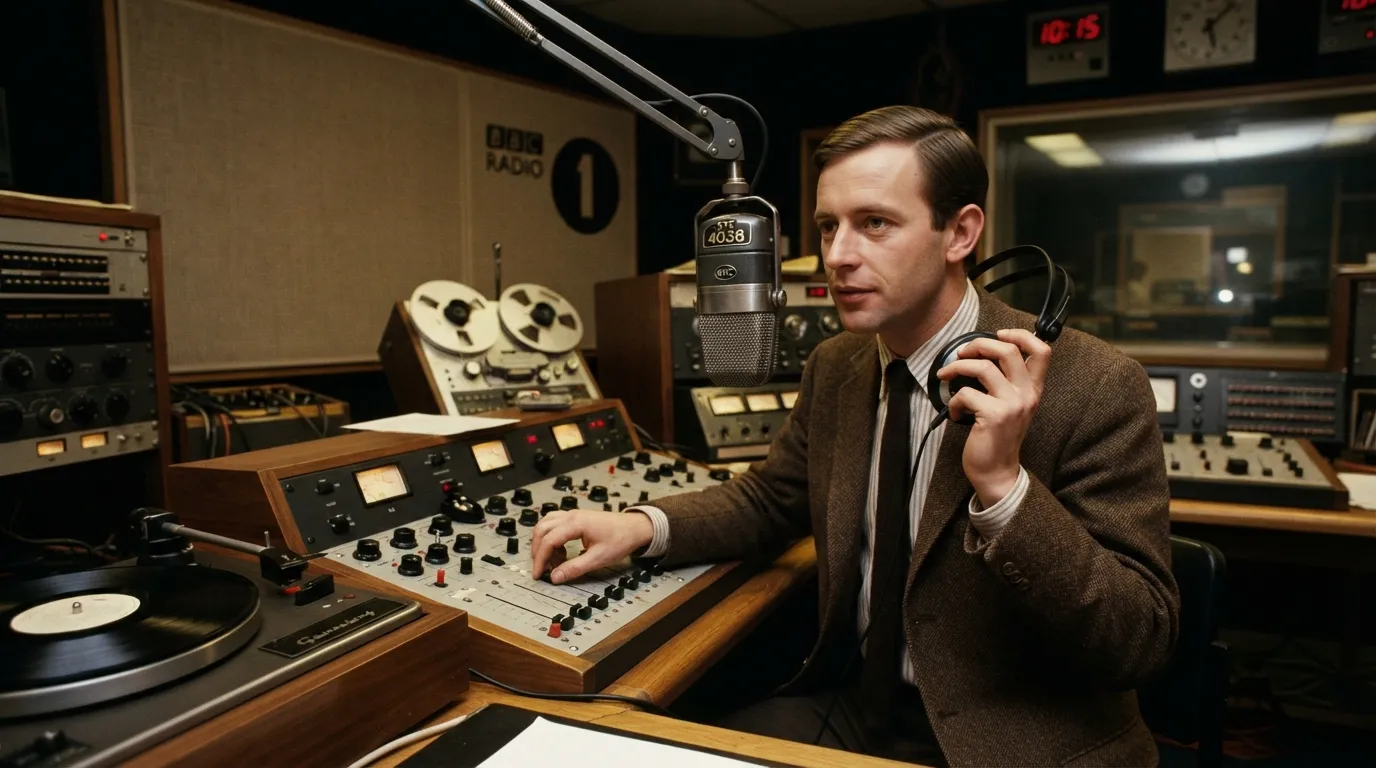
David Rider has one of the most unlikely origin stories on this list. He came from the BBC finance division and became a Radio 1 DJ, going from numbers and budgets to the microphone almost overnight.
He presented shows in the late 1960s and early 1970s, and for a short time he was part of the station’s original lineup. Then he left after about a year.
Rider went freelance and kept some links to the business, but he never returned to regular presenting. His exit came early in the history of Radio 1, and it kept him out of the main spotlight. It is a surprisingly human story: a man who stepped from a desk job into the studio, tried it, and walked away.
#7 – Jimmy Savile
Jimmy Savile was once one of the most recognizable figures in British broadcasting. He started on pirate and Luxembourg stations, hosted shows on Radio 1 in the 1970s, and became a household name through multiple media.
As his television commitments grew, radio shrank in his schedule. His later fame centered on programs like Jim’ll Fix It, which began in 1975, while his radio presence faded compared with earlier years.
His story now carries a very different weight. After his death in 2011, investigations revealed that he had been a prolific sexual abuser, and his public image collapsed. He appears on this list not as a tribute but as a reminder that the spotlight can hide a great deal, and that some stars deserved to lose it.
#6 – Terry Durney
There is no quiet way to resign on the radio. Everyone hears it. That is exactly what Terry Durney did in 1991, on BBC Radio Lancashire, when he quit live on air over management changes.
Durney’s move sits just past the 1970s, but it belongs to the same tradition as the bigger walkouts on this list. He had roots in earlier broadcasting, and he was part of local radio during the broader era when presenters were learning how much power management had over format and style.
His exit highlighted a frustration many presenters shared: the feeling that the show they built was being reshaped by decisions they did not make. The public departure drew attention at the time, and it showed what a microphone can still do after a presenter has decided to leave.
#5 – Dani Elwell
Dani Elwell found a way to quit that listeners remembered. At CFNY-FM in Toronto, she resigned in 1992 by reading her resume on air.
The stunt was dramatic, funny and a little brutal. She had been part of the station during format changes, and the mood among staff was low. Instead of slipping out quietly, she used the one thing a radio host always has: the open microphone.
Her story lands later than the 1970s, but it echoes the same theme. Elwell’s exit reflected tensions in the industry at the time, when talent and management often disagreed about where a station was headed. Her career included periods at Canadian stations, yet the resignation stood out as a public break. Reading your own resume on air may be the boldest job application in reverse.
#4 – Jim Santella
In 1972, Jim Santella hosted evening shows at WPHD-FM in Buffalo and built a following with conversational segments that sounded more like talking with a friend than reading off a playlist. He was part of the shift from underground radio to album rock.
Then the corporate criticism arrived, over his style and his music cuts. Santella responded by resigning on the air.
Quick Compare: On-Air Resignations
- Jim Santella: WPHD-FM, Buffalo, 1972, after criticism of his style and music choices.
- William “Rosko” Mercer: WOR-FM in 1967, then WKTU in 1985.
- Terry Durney: BBC Radio Lancashire, 1991, over management changes.
- Dani Elwell: CFNY-FM, Toronto, 1992, by reading her resume on air.
It was a classic clash between creative freedom and management. The station wanted one thing, the host wanted another, and the audience got to hear the decision happen. The public departure ended his time at WPHD, and it became part of a larger story about how the freewheeling radio of the early 1970s collided with a more controlled future.
#3 – William “Rosko” Mercer
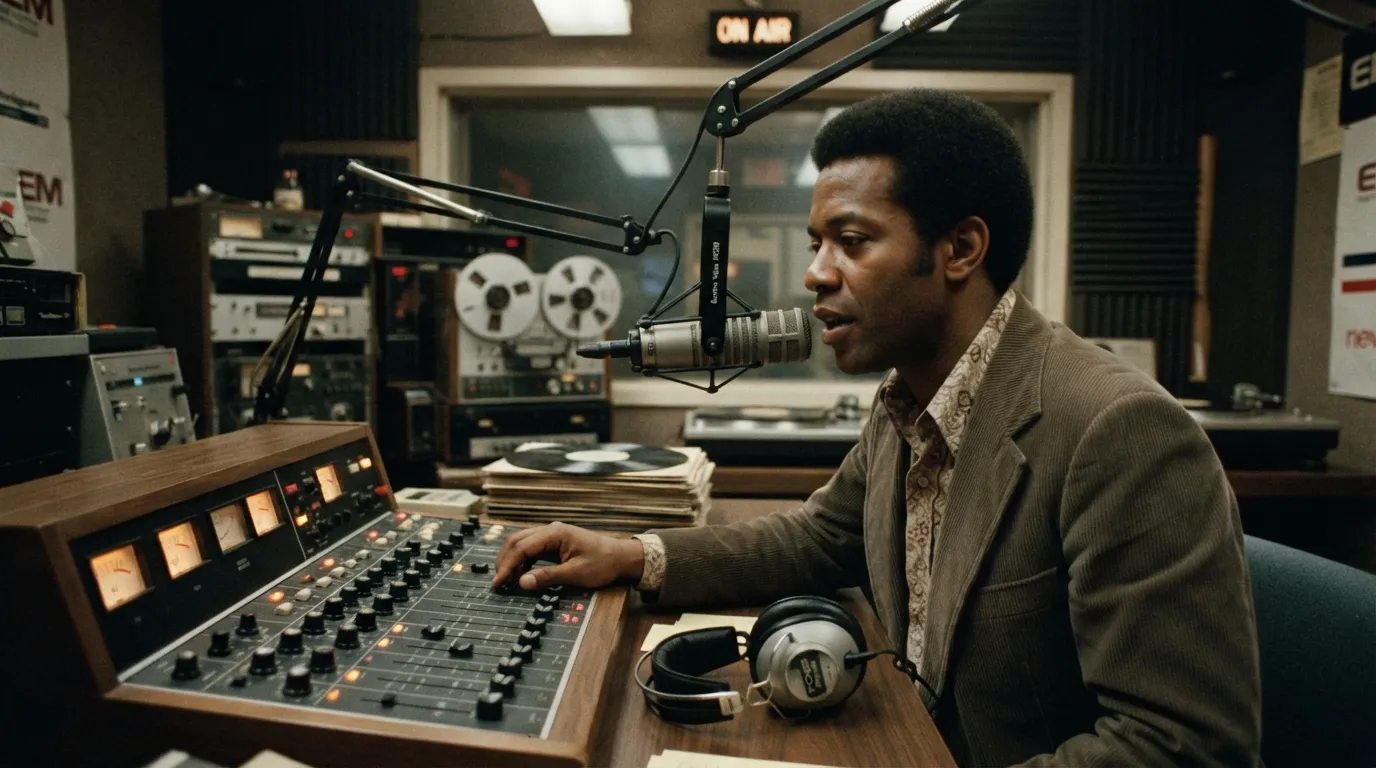
Most people quit once. William “Rosko” Mercer did it on the air twice. He resigned from WOR-FM in 1967, then again from WKTU in 1985, both times over management disputes.
Mercer had been active in New York radio through the 1970s, and he had a distinctive approach that set him apart. He opposed consultant-driven changes, the kind of outside advice that could turn a station’s personality into a formula.
That stance defined his career. His periods of high visibility were bracketed by moments when he chose principle over security, and the departures reduced his regular presence. It is one of the most striking patterns on this list: a radio voice who was willing to walk out in public more than once, rather than stay quiet for the sake of a paycheck.
#2 – Ray Cordeiro
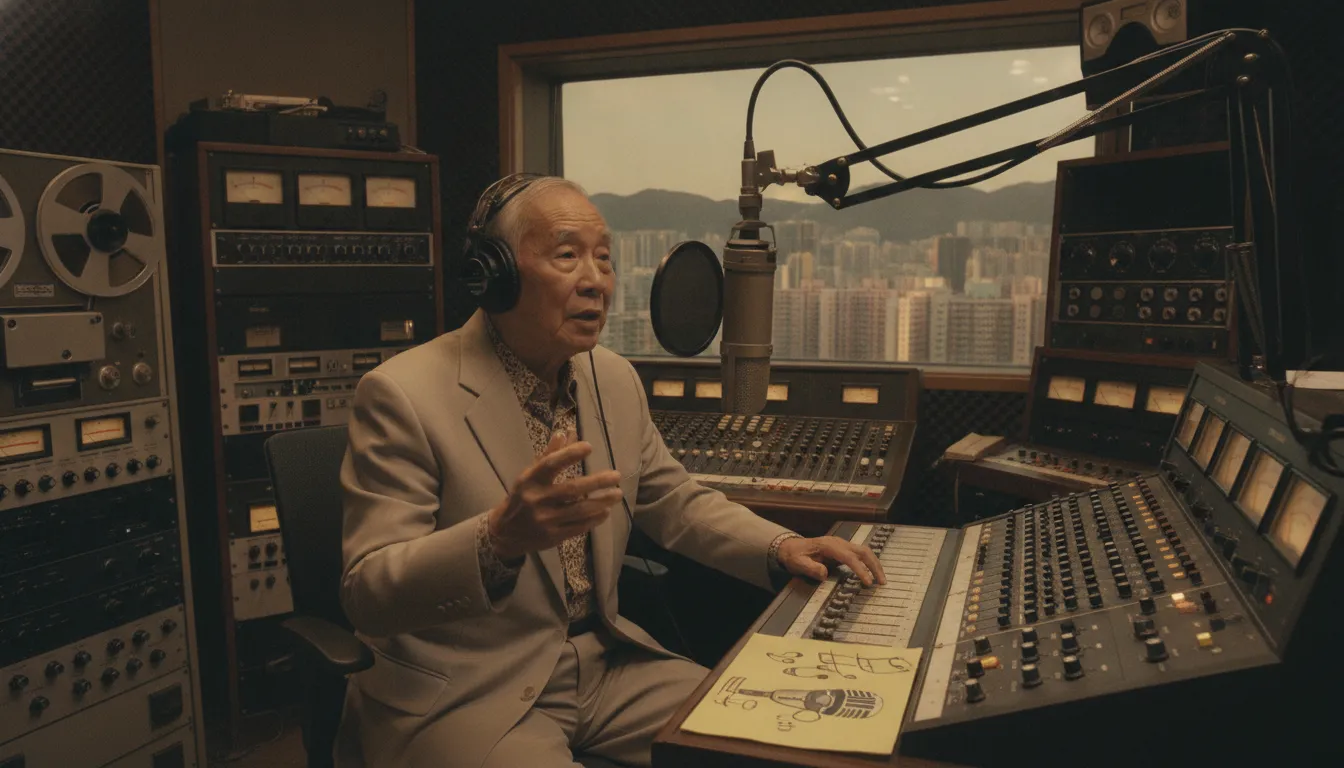
Some radio stars walk away after a few years. Ray Cordeiro walked away after more than 70. He hosted shows in Hong Kong for decades, including into the later years of his life, and his program All The Way With Ray became a familiar part of listeners’ routines.
His voice was a constant for generations. Parents and children who grew up in different eras could still recognize the same host, and he held a Guinness record for longevity.
Why It Stands Out
- His career ran for more than 70 years, longer than anyone else on this list.
- His base was Hong Kong, far from the London and New York radio scenes.
- His signature show was All The Way With Ray.
- He cited age and pandemic concerns when he stepped down.
It was not an angry exit or a surprise walkout, but a planned goodbye at the end of an extraordinary run. His retirement closed a long chapter in Asian radio, and it makes every other career on this list look short.
#1 – Danny Bonaduce
For many people, Danny Bonaduce was the red-haired kid on The Partridge Family, the TV hit that ran from 1970 to 1974. Few expected that the child star would turn into a long-running radio host, but that is exactly what happened in the decades that followed.
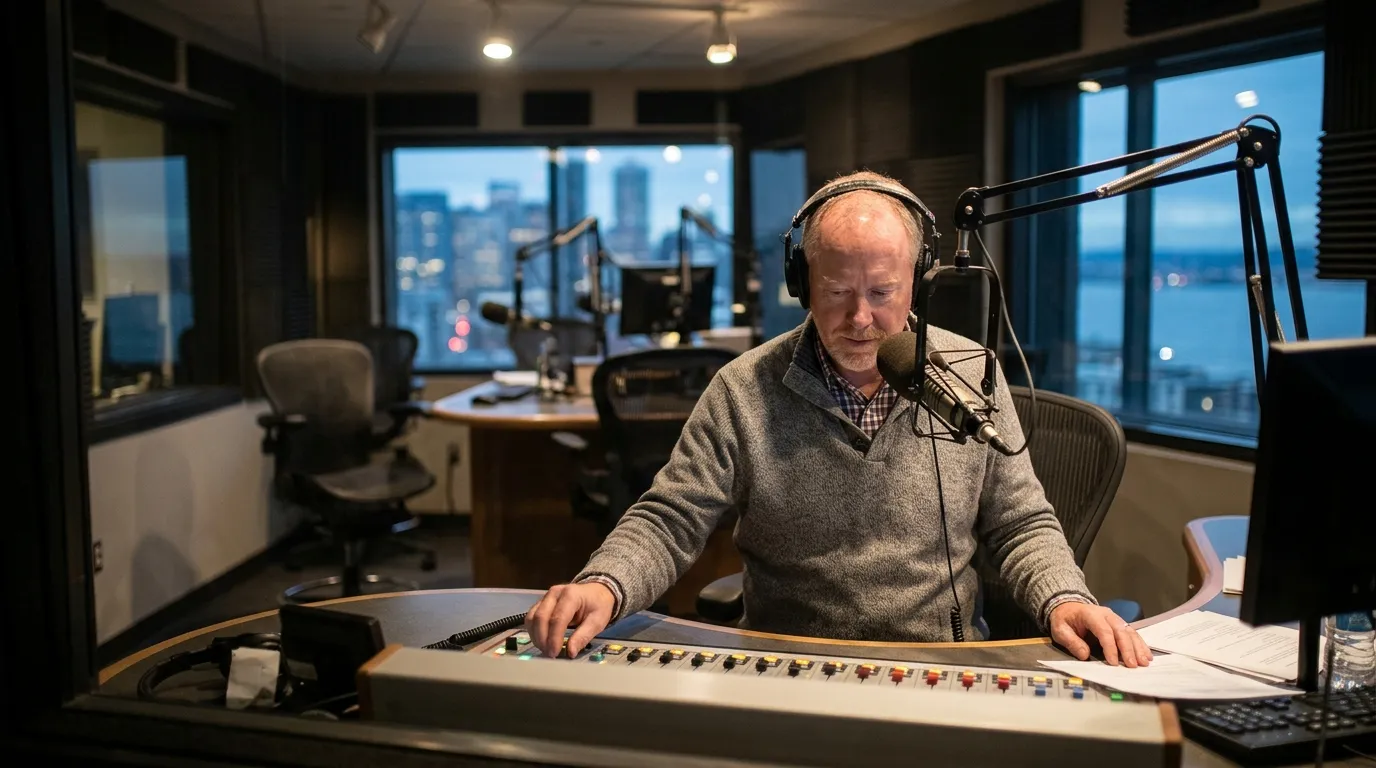
Radio became his second act, including a long run in Seattle. He built a career on his distinctive voice and personality, and he kept coming back to the microphone alongside other work.
In 2023, he announced his retirement after years on air, closing a 50-plus year entertainment path that began in the 1970s spotlight. The kid who became famous on a TV bus left on his own terms, after sustained success in a medium that rarely forgives a bad show. Sometimes the loudest way to walk away is simply to finish.