

For any feedback please reach out to info@festivalinside.com
- 12 Unexpected Ways Classic Literature Influenced Modern Pop Culture - April 6, 2026
- 15 Literary Hoaxes So Clever, They Fooled the Entire Publishing World - April 6, 2026
- 12 Masterpieces of Architecture That Were Nearly Lost to History - April 6, 2026
There’s a popular idea that entertainment is just a distraction, a way to unwind after a long day, something fundamentally separate from the “serious” stuff happening in the world. I think that notion is wildly wrong. Pop culture is often dismissed as mere entertainment, yet certain events within it have had a profound impact on society, shaping not only the way we live and think but also influencing history itself. These moments, whether in music, film, fashion, or technology, resonate far beyond their immediate context, altering social norms, inspiring movements, and sometimes even sparking global change.
Think about it: the songs we stream on our commute, the films we quote at dinner, the awards show moments we debate the next morning – all of it is quietly shaping how we see the world. Pop culture is more than entertainment – it’s a living, breathing reflection of who we are and what we value. From the characters we root for to the songs we sing, the clothes we wear, and the conversations we have online, pop culture documents our collective journey. So let’s dive into ten moments when pop culture did something nobody quite saw coming: it changed everything.
1. The Beatles on The Ed Sullivan Show (1964): A Cultural Revolution in Four Chords
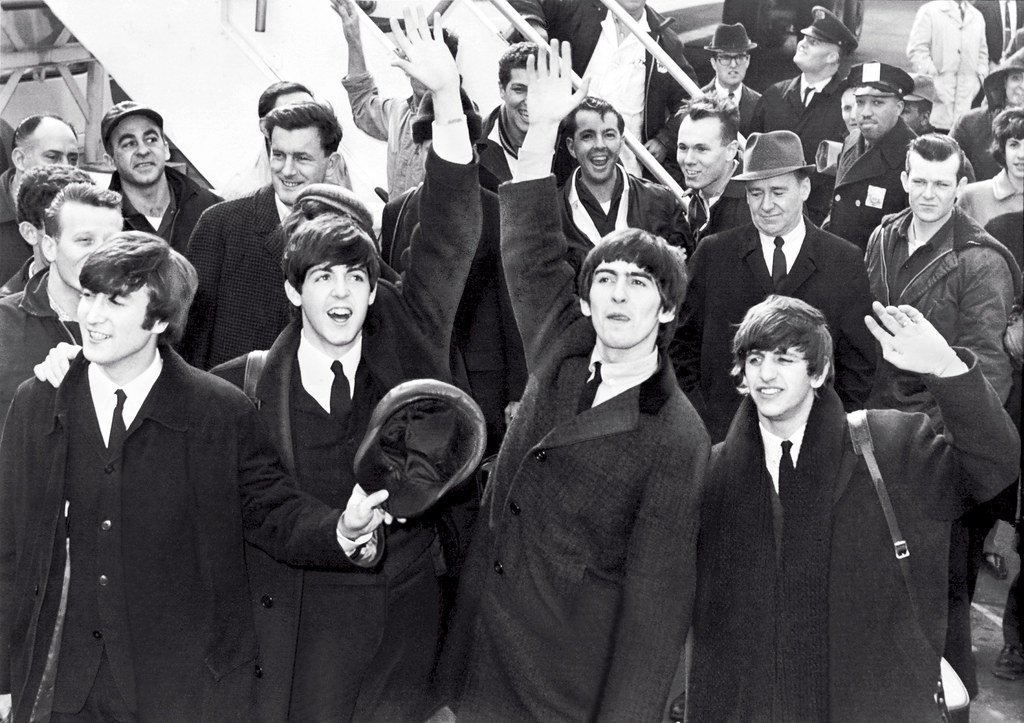
Nobody in 1964 fully understood what was about to happen when four young men from Liverpool stepped onto an American television stage. The Beatles’ performance on The Ed Sullivan Show on February 9, 1964, was a watershed moment in television and music history. This iconic broadcast introduced Beatlemania to the United States and marked the beginning of a cultural revolution. An estimated 73 million viewers, roughly 40% of the American population at the time, tuned in to watch the Fab Four perform live, making it one of the most-watched television events ever.
The Beatles’ appearance on The Ed Sullivan Show was much more than just a musical performance; it was a significant cultural moment that signaled a shift in the American entertainment landscape. The band’s infectious energy, distinctive style, and innovative sound captivated the audience, leading to an immediate surge in their popularity. What few people talk about is the deeper ripple: the British Invasion that followed cracked open American music to transatlantic exchange, and these artists not only redefined popular music but also introduced British culture to American audiences, fostering a cross-cultural dialogue that enriched both sides.
One of the most impactful movements was the rise of rock and roll in the 1950s and 60s. The emergence of artists like Elvis Presley and The Beatles revolutionized music, challenging social norms and inspiring a sense of rebellion among the young. A generation of youth, watching that broadcast in their living rooms, didn’t just fall in love with a band – they started questioning authority, questioning conformity, and ultimately questioning the world they’d inherited. That’s not nothing. That’s everything.
2. Woodstock (1969): Half a Million People and a Nation’s Conscience
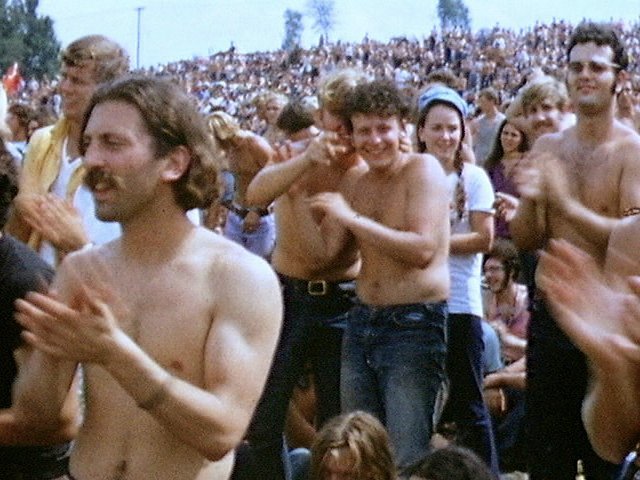
Imagine nearly half a million strangers agreeing to camp in a muddy field together for three days. Sounds chaotic. It was. It was also electric. Over 400,000 people gathered on a farm in Bethel, New York, to celebrate peace, love, and music in an event that symbolized the height of the anti-war movement and the rise of the hippie generation. Woodstock was more than a festival – it was a statement against the Vietnam War, a plea for civil rights, and a celebration of freedom and expression.
The Woodstock Music and Art Fair in 1969 wasn’t just a concert; it was a defining moment of the counterculture movement. Featuring performances by legends like Jimi Hendrix, Janis Joplin, and The Who, Woodstock epitomized the spirit of peace, love, and music. It showcased the unifying power of music and its role in social change. Think of it like this: before Woodstock, youth protest was scattered and disorganized. After it, a generation understood that culture could be a weapon of resistance, not just a soundtrack to it.
3. The Launch of MTV (1981): When Music Became Visual and Fashion Became Protest
The launch of MTV in 1981 revolutionized the music industry by turning the music video into an essential promotional tool. Iconic videos from artists like Michael Jackson, Madonna, and Prince not only showcased their music but also created visual identities that defined an era. Before MTV, you heard a song and imagined the rest. After MTV, the artist told you exactly who they were – and challenged you to decide how you felt about it.
In the 1980s, the rise of MTV brought music videos into the mainstream, making fashion an integral part of a musician’s image and, by extension, their fans’ identity. The glam rock style, characterized by bold colors, exaggerated makeup, and androgynous looks, became a symbol of the decade’s excess and self-expression. Suddenly, gender norms were being dismantled on prime-time television every hour. Fashion trends are often dismissed as superficial, but they’re powerful symbols of cultural change. From the rebellious flair of punk rock to the fluidity of gender-neutral fashion today, style is an outward expression of inward shifts. When society questions traditional norms about gender, race, or class, fashion follows. MTV didn’t just change music. It rewired the visual vocabulary of an entire generation.
4. Michael Jackson’s “Thriller” and the Moonwalk (1983): Breaking Racial Barriers in Real Time
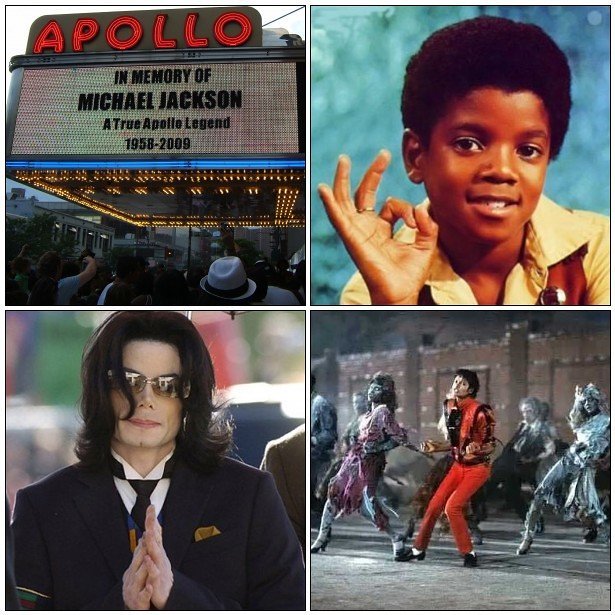
Honestly, it’s hard to overstate just how seismically large Michael Jackson’s impact truly was. Michael Jackson’s Thriller was a music video that was released in 1982, and it was a cultural moment that defined the 1980s. The video was directed by John Landis, and it featured groundbreaking special effects and choreography. Thriller was a massive commercial success, and it became the best-selling album of all time.
When Michael Jackson performed the moonwalk during a live performance of “Billie Jean” on the Motown 25 TV special, he didn’t just execute a dance move – he created a moment of pop culture history. The moonwalk became instantly iconic, cementing Jackson’s status as the “King of Pop” and influencing generations of performers. Jackson’s moonwalk was a turning point in entertainment, blending music, dance, and visual spectacle in a way that was unprecedented. What changed beneath the surface was equally profound: Jackson became one of the first Black artists to receive heavy rotation on MTV, cracking open a door that many had been pushing against for years. His crossover success forced an industry to reckon with its own racial gatekeeping.
5. The Rise of Hip-Hop in the Bronx (1970s–1980s): A Community Speaks Loud Enough for the World to Hear
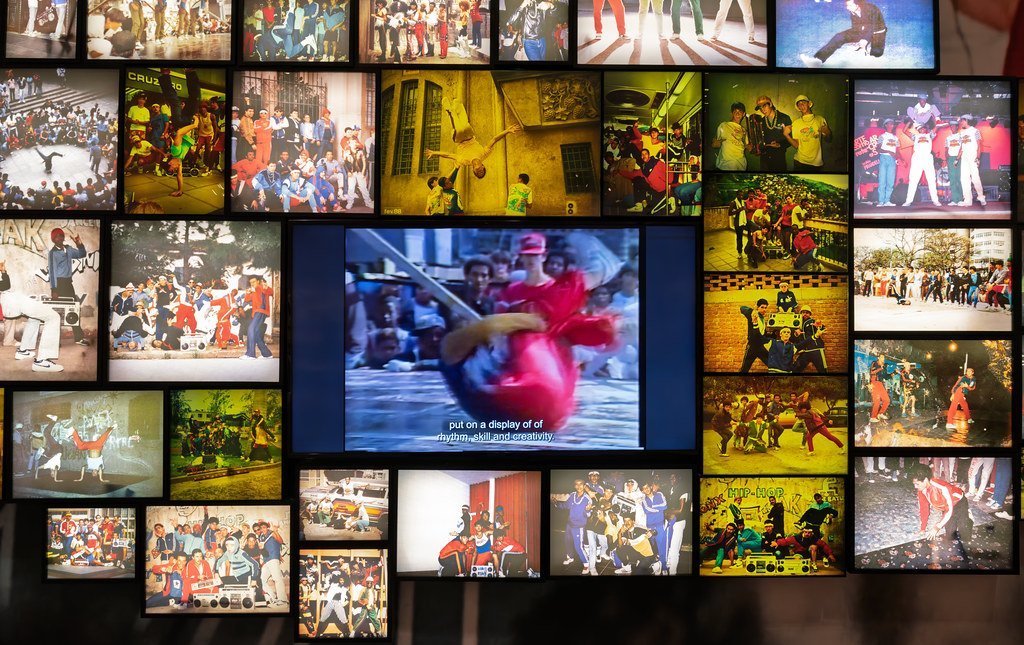
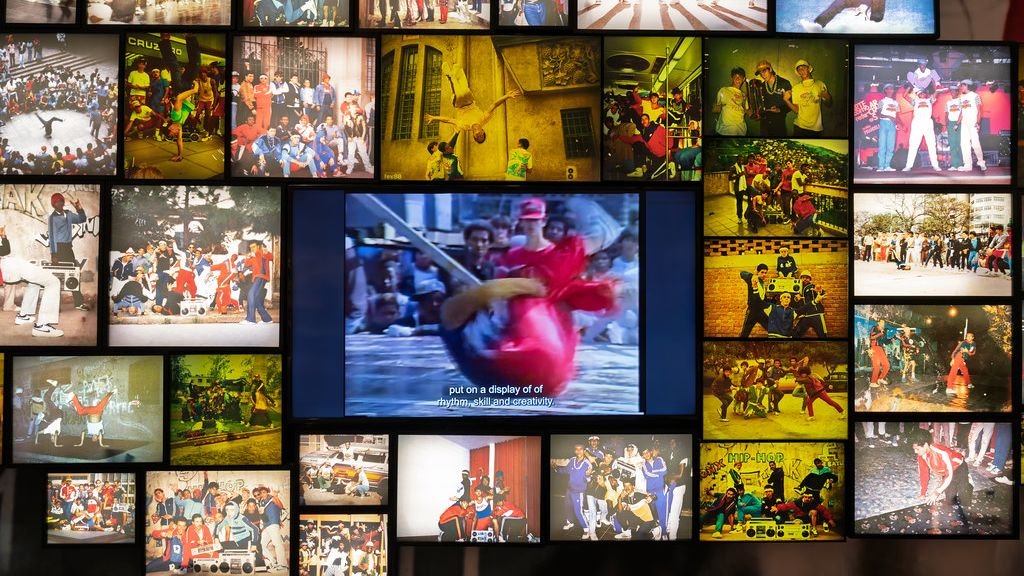
Few artistic movements have carried as much social weight as hip-hop, and its roots are not glamorous in the Hollywood sense. The early 1970s block parties in the Bronx gave rise to a new genre: hip hop. Pioneers like DJ Kool Herc, Grandmaster Flash, and Afrika Bambaataa transformed these gatherings into cultural milestones, blending DJing, MCing, breakdancing and graffiti. Hip hop’s emergence brought a new voice to marginalized communities and reshaped the musical landscape with its innovative sounds and social commentary.
Originating in the Bronx, New York, hip-hop quickly became a global phenomenon, influencing not only music but also fashion, language, and attitudes. The genre gave a voice to marginalized communities and highlighted issues of race, class, and social justice, resonating with those who felt unheard. Hip-hop’s impact extended beyond the music, shaping the way an entire generation viewed the world and their place within it. What started as a neighborhood conversation became a global reckoning. Bob Dylan, Nina Simone, and Marvin Gaye captured the civil rights and anti-war movements in their lyrics. Public Enemy and Tupac Shakur addressed systemic racism, inequality, and life in marginalized communities. Hip-hop was a microphone handed to the people who needed it most.
6. Star Wars (1977): A Space Fantasy That Redefined Commerce, Cinema, and Fan Culture
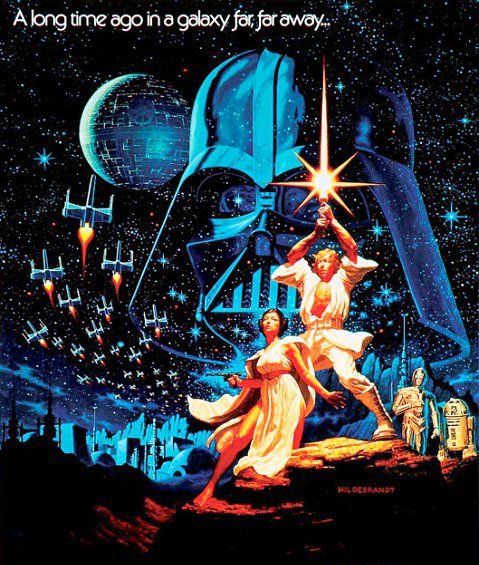
Star Wars was a science fiction movie that was released in 1977, and it was a game-changer in the world of cinema. The movie was directed by George Lucas and it introduced audiences to a new world of possibilities. The movie was a massive commercial success, and it spawned a franchise that has become a cultural phenomenon. That sounds like a business story, and in many ways it is. What gets less attention is the societal shift that followed.
The 1970s and 80s brought the rise of the Hollywood blockbuster, starting with Steven Spielberg’s Jaws and George Lucas’s Star Wars. These films changed how movies were made, marketed, and consumed. Big budgets, groundbreaking special effects, and expansive merchandising turned films into cultural phenomena that reached far beyond the theater. Star Wars also pioneered something subtler: the idea of fandom as community, a shared identity that transcended geography, class, and even language. The Marvel Cinematic Universe, Harry Potter, and Avatar all owe a debt to the blockbuster model established decades ago. These films shape fashion trends, inspire fan communities, and even influence social conversations about representation and storytelling. Community built around story. Few things are more powerful than that.
7. Beyoncé’s “Lemonade” (2016): A Visual Album That Became a Political Act
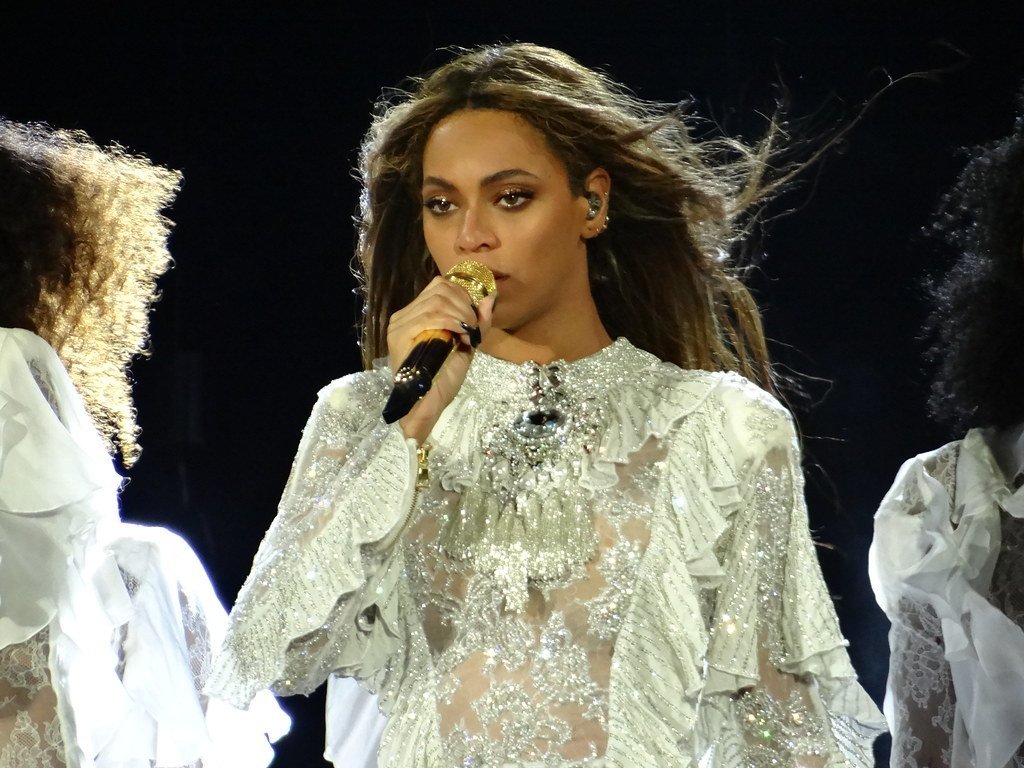
Nobody expected a visual album to become a college curriculum. Nobody expected a pop star to bring the mothers of victims of police violence to the world stage. Lemonade is the sixth studio album by Beyoncé. It was surprise-released on April 23, 2016, by Parkwood Entertainment and Columbia Records, as a visual album together with a film of the same name. Beyoncé conceived Lemonade as a concept album that explores the historical Black female experience in the United States, allegorized as a personal journey through marital betrayal and healing.
Lemonade tracks “Formation” and “Freedom” became known as protest songs upon their release and have since been used as anthems for various sociopolitical movements. The songs became Black Lives Matter anthems, being adopted by activists and played at protests worldwide. The academic world took notice, too. A course at the University of Tennessee at Chattanooga titled “Black Women, Beyoncé and Popular Culture” explored how the visual album “is a meditation on contemporary Black womanhood,” before advancing into the theoretical, historical, and literary frameworks of Black feminism. The university also hosted a “Lemonade Week” in April 2017, which featured discussions on feminism, theatrical performances, and celebrations of African-American women writers and poets. A pop album did what textbooks often fail to do: it made people feel the weight of systemic injustice.
8. The #MeToo Moment in Hollywood (2017): When Entertainment Became Accountability
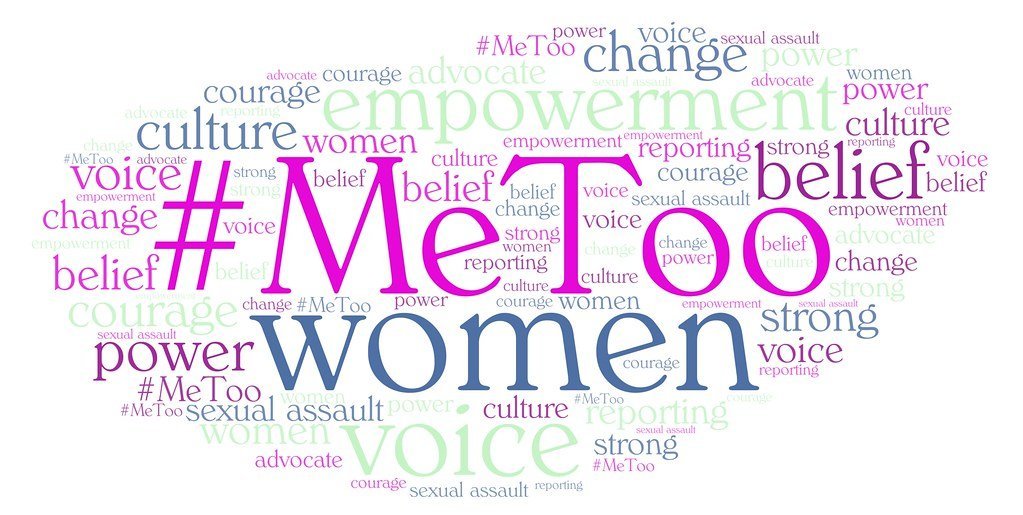
Here’s the thing about Hollywood: for decades, it was an industry built on whisper networks. Everyone knew. Almost nobody spoke publicly. That changed in 2017 in a way nobody fully predicted. In 2017, a movement that would transform Hollywood and ripple through society gained global traction. The #MeToo movement, sparked by allegations against Hollywood movie producer Harvey Weinstein, unleashed a wave of change that continues to reshape our cultural landscape to this day. The #MeToo movement is a social movement and awareness campaign against sexual abuse, sexual harassment and rape culture.
More than 1.7 million tweets from 85 countries included the hashtag within the first week, and by September 2018, #MeToo had been tweeted more than 19 million times. The #MeToo movement, which led to the firing of hundreds of other powerful men accused of sexual harassment in several job sectors, was seen as a call to action for the film industry. The measurable change in hiring is striking. Producers previously associated with Weinstein are, on average, about 35% more likely to work with female writers after the scandal than they were before, relative to nonassociated producers. Female producers are the main drivers of the results, perhaps because they are more likely than male producers to resonate with the movement’s cause and face relatively low costs of enacting change. A scandal born in entertainment spread to governments, universities, and boardrooms worldwide. It proved that the stories Hollywood tells – and the power structures behind them – have consequences that reach far beyond the screen.
9. Beyoncé’s Coachella Performance “Beychella” (2018): Visibility as a Form of Revolution
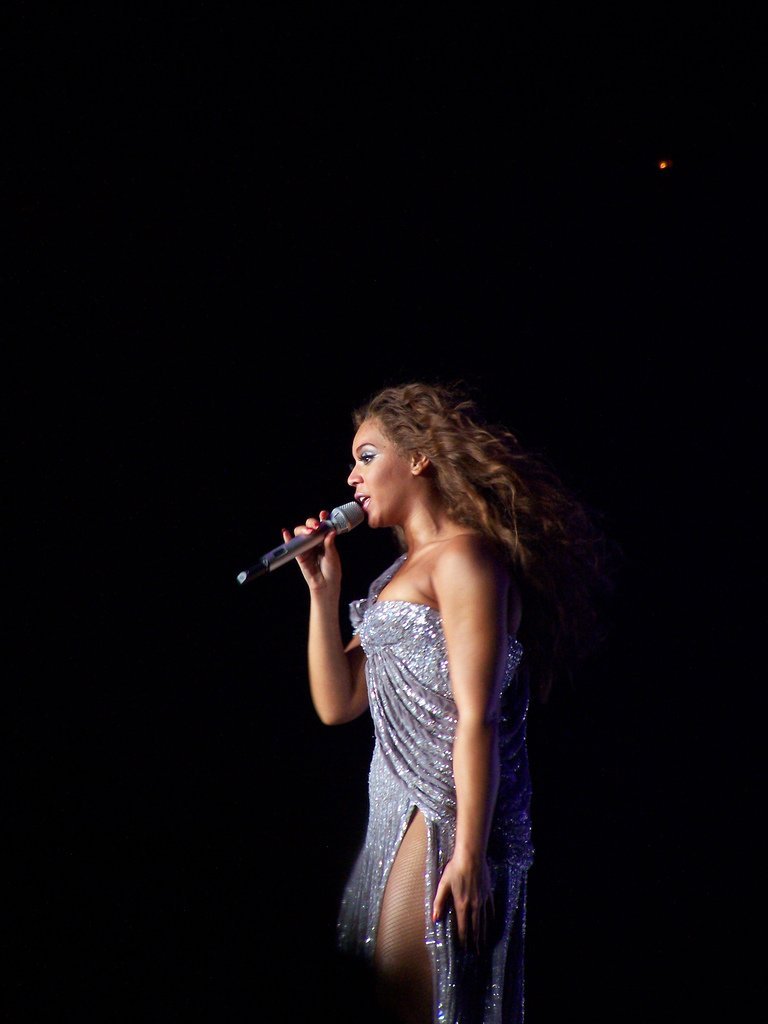
Let’s be real: a music festival headliner slot doesn’t usually make history. This one did. Beyoncé’s headlining Coachella performance, dubbed “Beychella,” made history in 2018. It was easily one of the top pop culture moments of any decade. As the first Black woman to headline the California music festival, she delivered everything her fans wanted when it came to presenting her catalog.
Beyoncé gave a stellar performance that shocked many and was talked about on social media for days because of the showcasing of Black culture in a way that many people had never seen before. This performance was so exceptional that Netflix created a Beychella special titled “Homecoming,” which showcased the path to the performance and all the hard work that went into this epic performance. Historically Black college and university culture, Black marching band traditions, Black student movements – all of it was brought to the world’s biggest music stage by one woman. Representation is not just about seeing someone who looks like you. It’s about seeing your culture treated as worthy of the grandest platform imaginable. That matters enormously.
10. The Rise of Social Media and Hashtag Activism (2004–Present): Everyone Gets a Microphone
It’s hard to say for sure exactly when social media crossed from novelty to cultural engine, but the shift was irreversible. The advent of technology and social media platforms has arguably been one of the most transformative pop culture phenomena of recent times. The digital revolution, which gained momentum in the late 20th century, has dramatically altered how people communicate, consume media, and perceive reality. The introduction of the internet and, later, social media platforms like Facebook, Twitter, and Instagram has had a profound impact on social dynamics and individual identity.
The digital age has accelerated how quickly pop culture reflects and responds to social shifts. Memes, viral trends, and user-generated content now play major roles in how ideas spread. Social platforms have democratized who gets to shape culture, giving a voice to activists, creators, and everyday users alike. Consider what that actually means: a teenager with a phone can now reach the same audience as a major television network. Movements like #MeToo and #BlackLivesMatter gained momentum not just through political action, but through viral pop culture moments – celebrities speaking out, symbolic outfits at award shows, and protest art going viral. In today’s world, pop culture doesn’t just reflect change – it participates in it. The microphone has been democratized, and that may be the most consequential pop culture development of all.
Conclusion: Culture Moves Faster Than We Think
Looking at these ten moments together, a pattern becomes unmistakably clear. None of them were designed as political instruments. Pop culture is often dismissed as mere entertainment, yet certain events within it have had a profound impact on society, shaping not only the way we live and think but also influencing history itself. These moments, whether in music, film, fashion, or technology, resonate far beyond their immediate context, altering social norms, inspiring movements, and sometimes even sparking global change.
A song becomes an anthem. A dance move cracks open racial barriers in an industry. A festival crystallizes a generation’s resistance. A viral hashtag dismantles careers built on silence and fear. None of these outcomes were written into the original script. They emerged from the collision between a cultural moment and a society ready – or not yet ready – to reckon with itself.
As generations grow and social norms shift, the media we consume evolves alongside us. In many ways, pop culture is a time capsule, capturing the spirit of the moment and showing us how far we’ve come – or how far we still need to go. The next catalyst for change is probably already out there, hiding in a song, a film, a performance, or a post that nobody is taking seriously yet. Which one do you think it will be?

Christian Wiedeck, all the way from Germany, loves music festivals, especially in the USA. His articles bring the excitement of these events to readers worldwide.
For any feedback please reach out to info@festivalinside.com
