

- How George Washington Was A Coffee Connoisseur Of His Time - April 10, 2026
- Classic Novels Often Hide Modern Lessons We’re Still Learning Today - April 10, 2026
- The 15 Most Influential Musicians of the 20th Century - April 10, 2026
The Dreyfus Affair: France’s Most Explosive Cover-Up
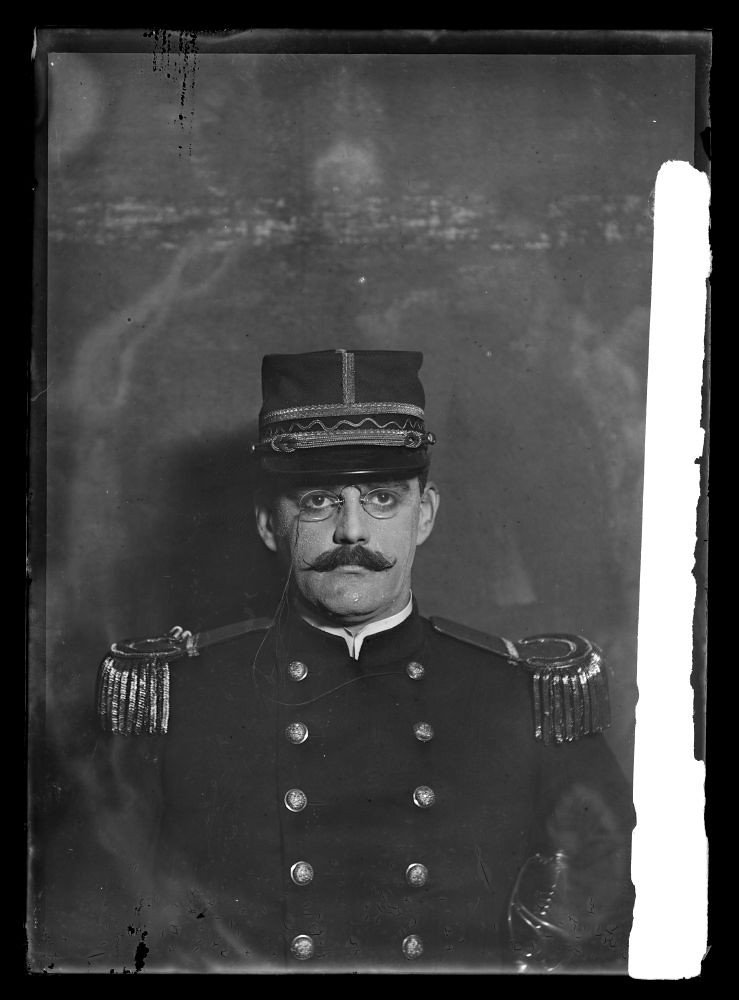
Picture this: a Jewish army officer gets framed for treason, and when the real culprit is discovered, the military doubles down on their lie instead of admitting their mistake. The Dreyfus Affair split France right down the middle from 1894 to 1906, with families literally not speaking to each other over dinner tables. Émile Zola’s famous ‘J’Accuse…!’ letter would have been the ultimate viral Twitter thread, calling out corruption at the highest levels. The antisemitism, the government conspiracy, the celebrity intellectuals taking sides – it had all the ingredients for a social media firestorm. Today’s hashtags would have been trending for years: #DreyfusGate, #JusticeForAlfred, #ZolaWasRight.
The Borgias: Medieval Reality TV Gone Wrong
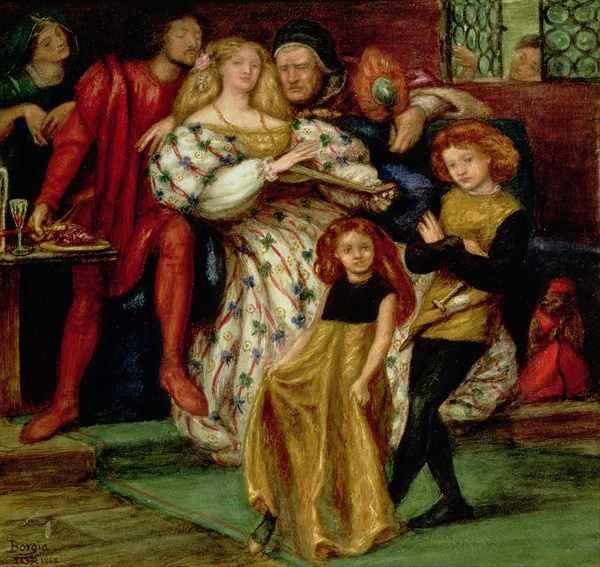
Long before the Kardashians, there were the Borgias – a papal family so scandalous they made modern celebrity drama look like a church picnic. Pope Alexander VI allegedly threw orgies in the Vatican, while his daughter Lucrezia was rumored to poison dinner guests who annoyed her. His son Cesare supposedly murdered his own brother out of jealousy. The incest rumors alone would have kept conspiracy theorists busy for decades. Instagram would have been flooded with leaked Vatican party photos, and true crime podcasts would still be dissecting every murder. Think of the memes comparing medieval poison rings to modern cancel culture!
The War of Jenkins’ Ear
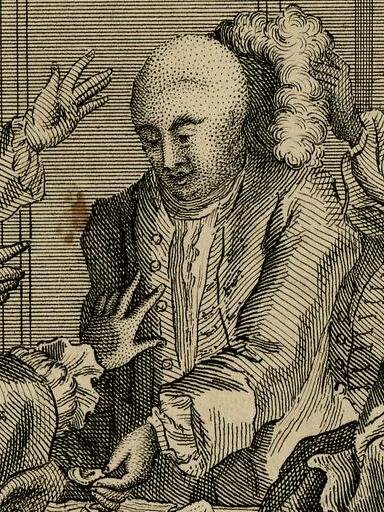
Yes, you read that right – Britain and Spain went to war partly because a Spanish coast guard allegedly cut off British captain Robert Jenkins’ ear in 1731. Jenkins preserved the ear in a jar and presented it to Parliament eight years later as evidence of Spanish cruelty. The absurdity of starting a war over a severed ear would have been meme gold. TikTok videos would show people dramatically presenting random objects to authority figures. The phrase ‘making a mountain out of a molehill’ would be replaced with ‘starting a war over an ear.’ International relations experts would be pulling their hair out explaining how such trivial incidents can escalate into global conflicts.
Caligula’s Horse in the Senate
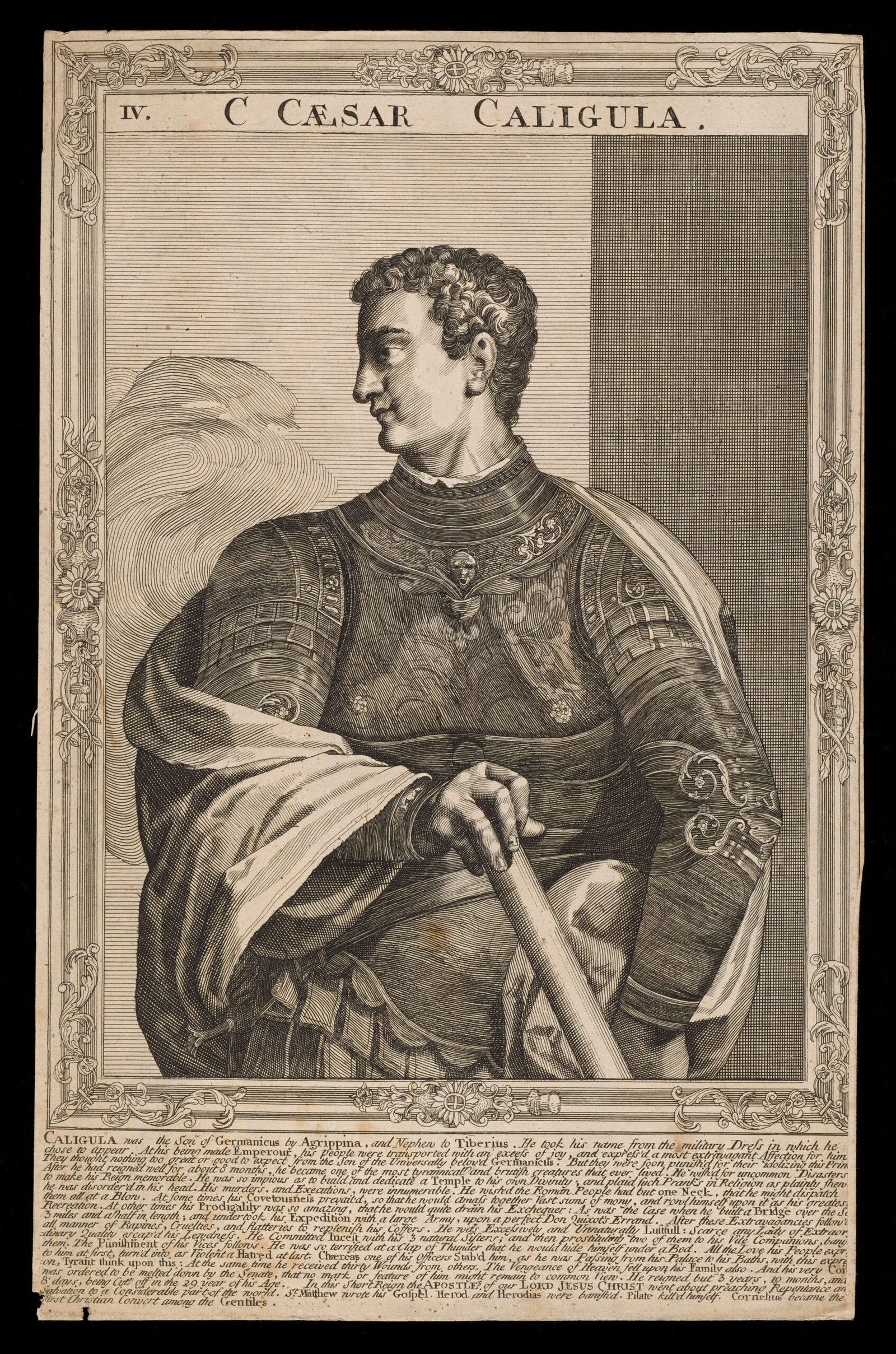
Roman Emperor Caligula was so fed up with the Senate that he allegedly planned to make his beloved horse, Incitatus, a consul. The horse lived better than most humans, with a marble stable, ivory manger, and servants to attend to his every need. Political satirists would have had a field day comparing the horse to actual politicians – and probably concluding the horse was more qualified. The horse would have its own verified Twitter account with millions of followers. Late-night talk show hosts would joke about how a horse couldn’t possibly make worse decisions than human politicians. Campaign merchandise featuring horses would fly off the shelves during every election season.
The Dancing Plague of 1518
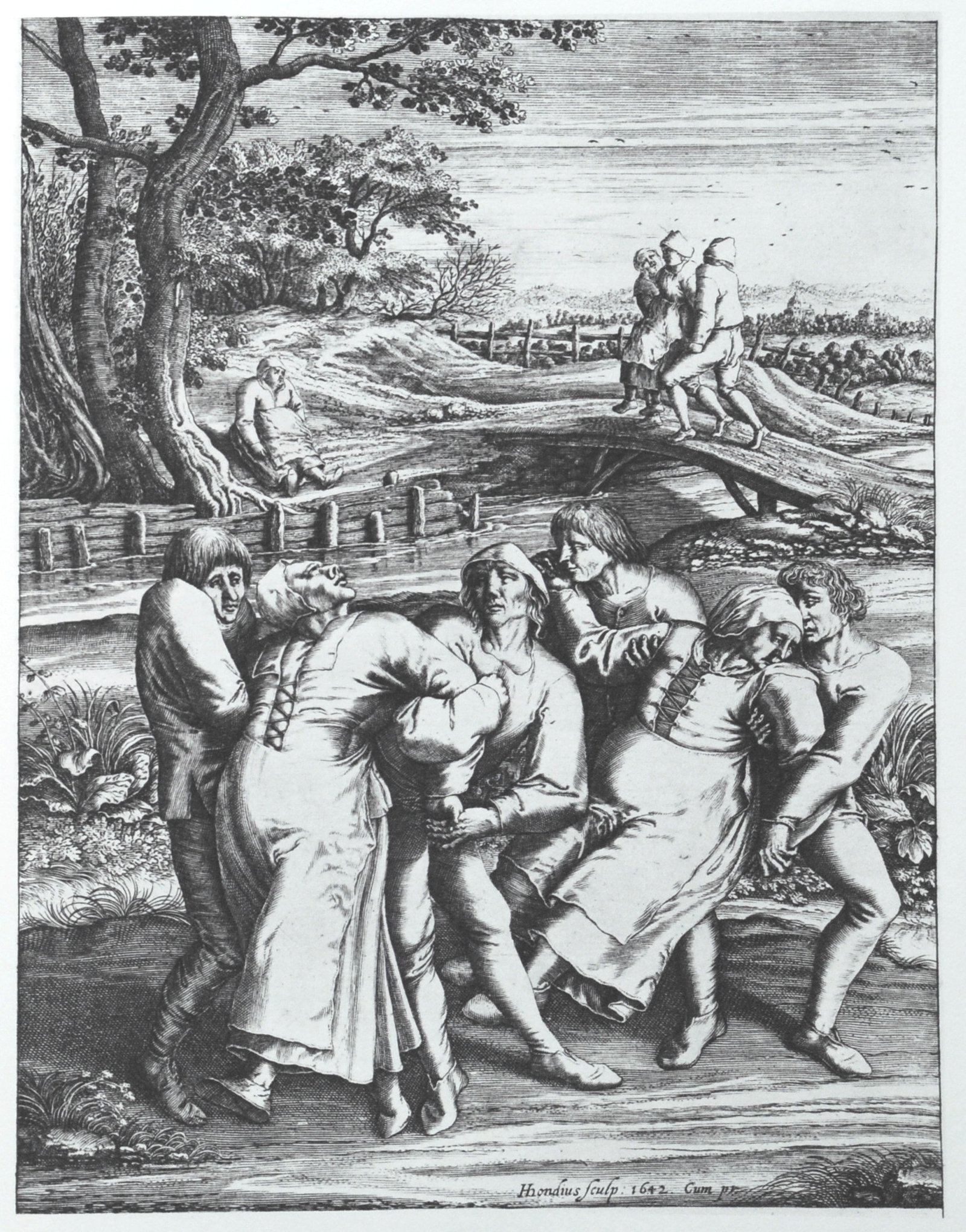
Hundreds of people in Strasbourg started dancing uncontrollably for days, with some literally dancing themselves to death. It began with one woman dancing in the street and spread like wildfire through the city. Authorities tried to cure it by bringing in musicians and building dance stages, which only made it worse. This would have been the ultimate viral challenge gone horribly wrong. Medical experts would be frantically posting explainer videos while conspiracy theorists blamed everything from 5G towers to government mind control. The hashtag #DancingPlague would trend globally as people filmed themselves doing ‘historically accurate’ medieval dance moves. Emergency rooms would be flooded with copycat dancers suffering from exhaustion.
Nero’s Golden House Excess
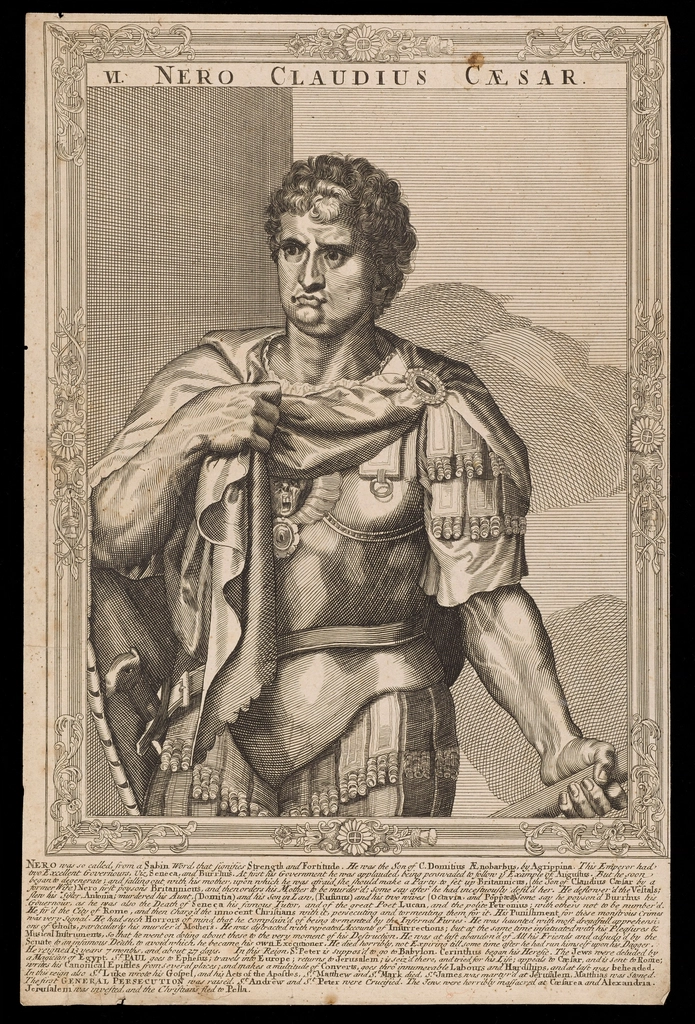
After the Great Fire of Rome, Emperor Nero built himself a palace so lavish it covered roughly 300 acres of prime real estate. The dining rooms had ivory ceilings that opened to shower guests with flowers and perfume. There was a 120-foot bronze statue of Nero in the entrance hall. While Romans lived in cramped apartments, their emperor was literally bathing in luxury built on their city’s ashes. Architectural Twitter would be posting thread after thread about the engineering marvels and environmental waste. Instagram influencers would be desperately trying to recreate the flower-shower dining experience. The whole thing would spark global debates about wealth inequality that would make modern billionaire space races look modest by comparison.
The Defenestration of Prague
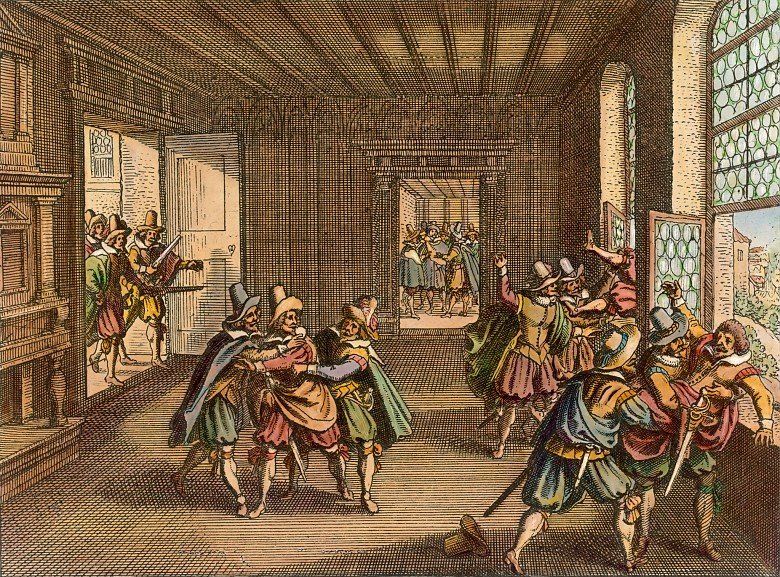
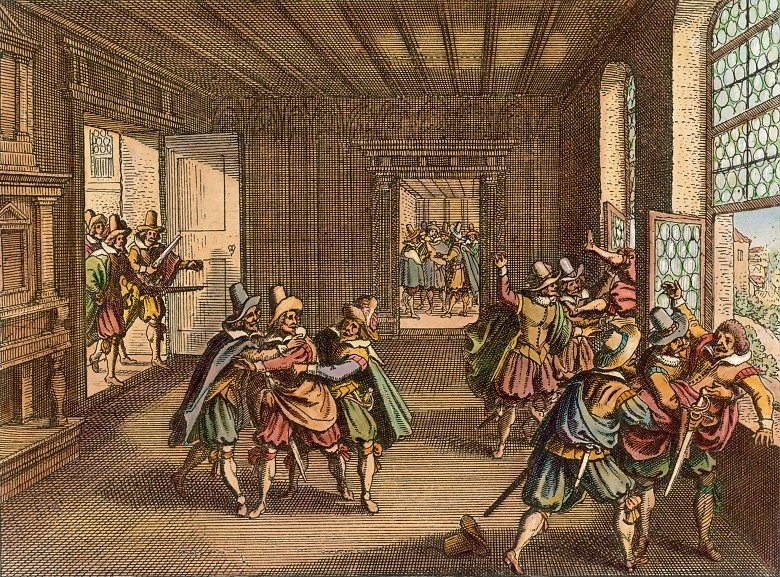
In 1618, Protestant nobles literally threw two Catholic officials out of a castle window, starting the Thirty Years’ War. The officials survived the 70-foot fall, landing in a pile of manure – which Catholics claimed was divine intervention while Protestants insisted it was just lucky timing. The word “defenestration” would become internet slang for dramatically removing someone from a position of power. Memes would flood social media showing people being “defenestrated” from everything from group chats to corporate boardrooms. The fact that this window-throwing incident led to one of Europe’s most devastating wars would spark endless discussions about how small actions can have massive consequences in our interconnected world.
The Great Molasses Flood
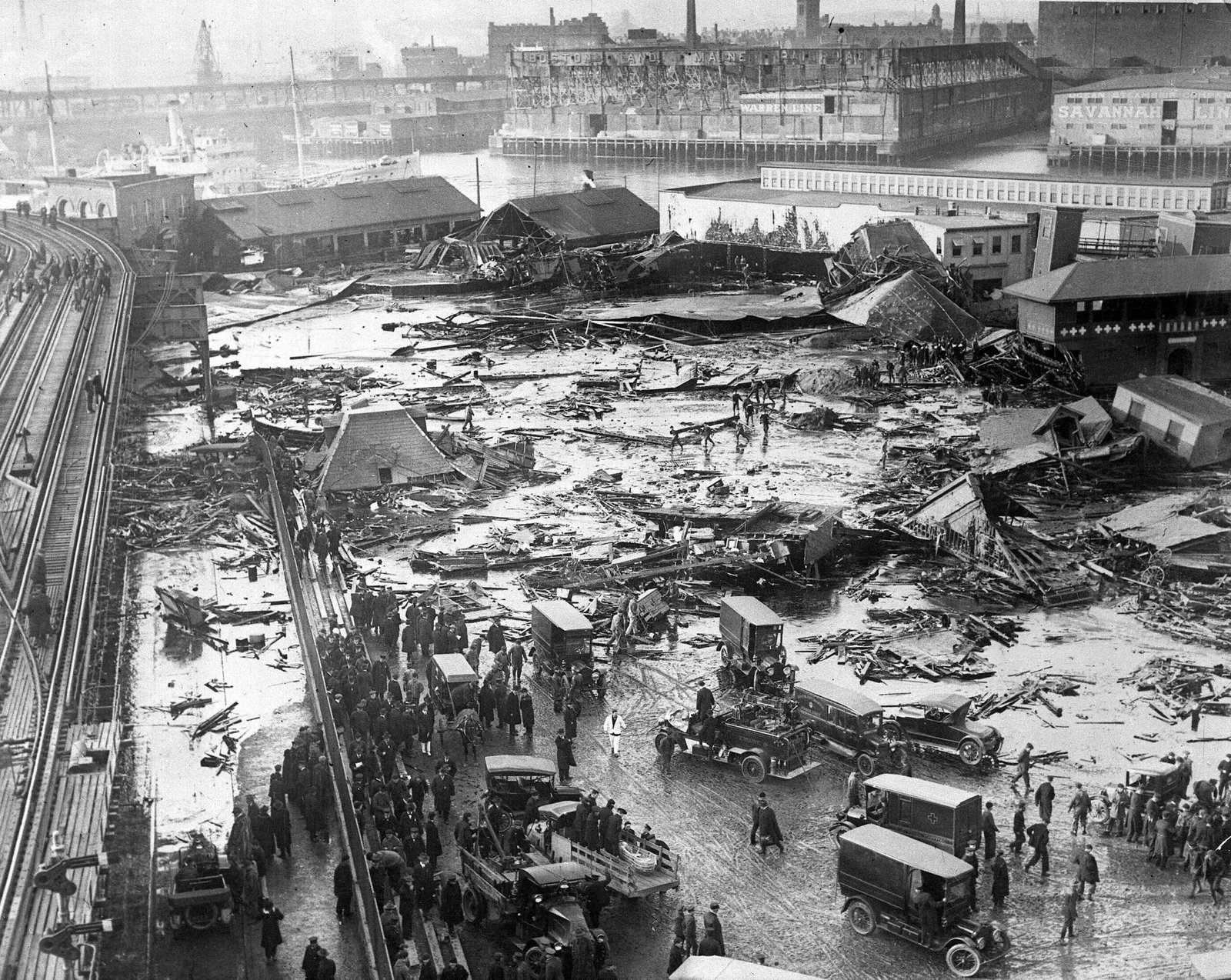
A 25-foot wave of molasses swept through Boston in 1919, killing 21 people and destroying buildings. The industrial tank burst on an unusually warm day, sending 2.3 million gallons of sticky syrup racing through the North End at 35 miles per hour. Survivors described the sound as a machine gun and said the ground shook like an earthquake. This disaster would have been the most surreal news story of the year, with footage going viral instantly. Food safety advocates would use it as the ultimate example of corporate negligence. The cleanup took months, and residents claimed they could smell molasses for decades – imagine the conspiracy theories about long-term health effects that would still be circulating today.
What would your ancestors have tweeted about these wild moments in history?

Besides founding Festivaltopia, Luca is the co founder of trib, an art and fashion collectiv you find on several regional events and online. Also he is part of the management board at HORiZONTE, a group travel provider in Germany.
