

- 15 Incredible True Stories Behind the Most Famous Rock Ballads Ever - March 26, 2026
- The Disturbing Origins of 10 Famous Fairy Tales - March 26, 2026
- 10 ‘Ghost Ships’ That Mysteriously Disappeared At Sea - March 26, 2026
We tend to think of history’s greatest minds in very narrow terms. Einstein was the physicist. Austen was the novelist. Franklin was the statesman and inventor. Henry VIII was the tyrant with too many wives. We file them away neatly, one label per person, and call it done.
But here’s the thing: some of the most influential figures in history were also deeply, seriously trained in classical music. Not just casual hobbyists who strummed a lute on a Sunday. We’re talking real, dedicated, sometimes lifelong musical practice that quietly shaped how these people thought, created, and led. It turns out the line between artistic and intellectual genius has always been much blurrier than the history books suggest. Let’s dive in.
1. Albert Einstein – The Physicist Who Played Mozart by Heart
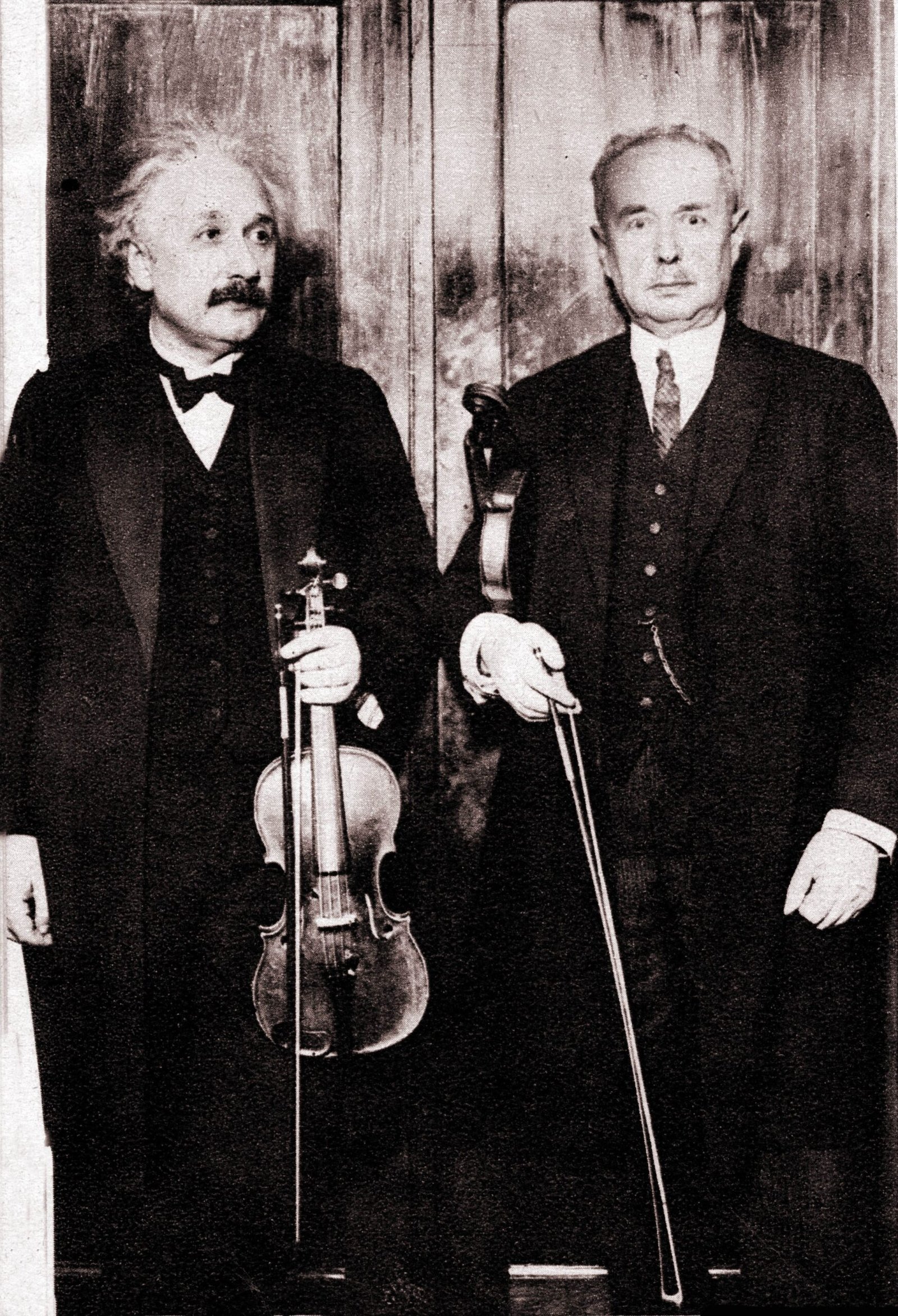
Few stories are as quietly surprising as Einstein’s relationship with the violin. His love of music can be traced back to his mother, Pauline, who was an accomplished pianist and would perform duets during Einstein’s childhood in Munich. When he was about six years old, Pauline arranged for the young Albert to take violin lessons. It was not an immediate fit. He toiled with the instrument, only partially engaged, but he did dutifully keep up with it.
The real turning point came in his early teens. It was the work of one composer in particular that sparked Einstein’s lifelong love for music. At age 13, he fell for the music of Wolfgang Amadeus Mozart, engaged in part because the composer’s music instilled “an awareness of the mathematical structure of music.” Throughout his lifetime, Mozart would remain Einstein’s favorite composer. According to Einstein himself, sound, in the form of music, gave him more pleasure than anything else in life. Far more than a diversion or hobby, music was such a part of the man that it seems to have played a role in his scientific working processes. His beloved violin, which he affectionately named “Lina,” never left his side. Honestly, I think that detail alone says everything.
2. Henry VIII – The King Who Was More Than Just Six Wives
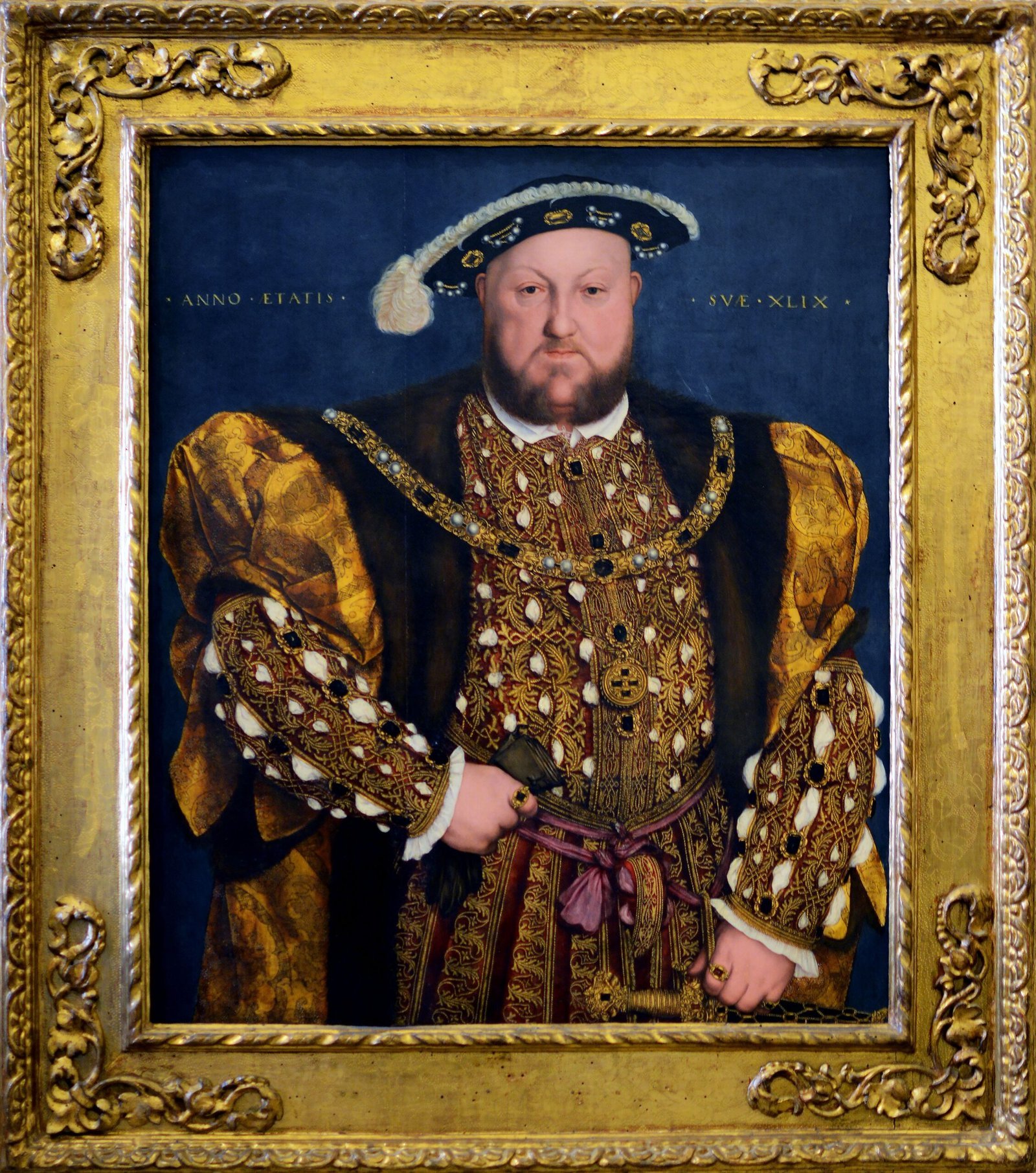
Most people remember Henry VIII for his terrifying reign, his collection of marriages, and his taste for executions. Music is rarely the first thing that comes to mind. It is a fact that, however tyrannical and unpleasant he may have been, Henry VIII was a skilled musician. History has him down as a good sight-reader, instrumentalist, and composer.
The song “Pastime with Good Company,” also known as “The Kynges Ballade,” is his best-known piece of music. Think about that for a moment. A man responsible for some of the most dramatic political and religious upheavals in English history also sat down and composed songs. His musical education was not an afterthought or a courtly formality. It was a genuine part of his intellectual identity. Music, for the Tudor court, was a marker of power and sophistication, and Henry took that seriously.
3. Queen Elizabeth I – The Virgin Queen With a Lute in Her Hands
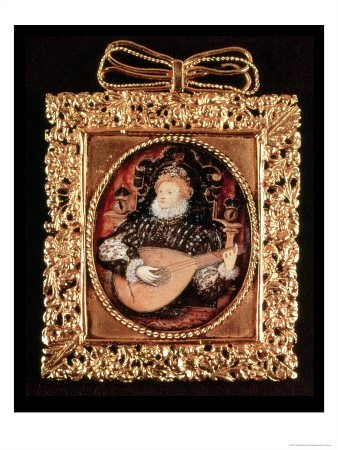
The longest-reigning monarch in the House of Tudor, Queen Elizabeth I loved music and encouraged music-making among her subjects. She practiced what she preached. She was an adept lute and virginal player, singer, and rumored composer. The virginal, for those unfamiliar, is a keyboard instrument not unlike a harpsichord. Mastering it was no trivial accomplishment.
What’s striking is just how seriously she took it institutionally. She employed over 70 musicians at her court. That number is staggering when you consider that this was 16th century England, not a modern concert hall. Music wasn’t decoration for Elizabeth. It was policy. It was culture. It was power projection. Her musical training gave her a nuanced understanding of artistic patronage that helped define the Elizabethan golden age.
4. Samuel Pepys – The Diarist Who Loved Music Almost as Much as Gossip
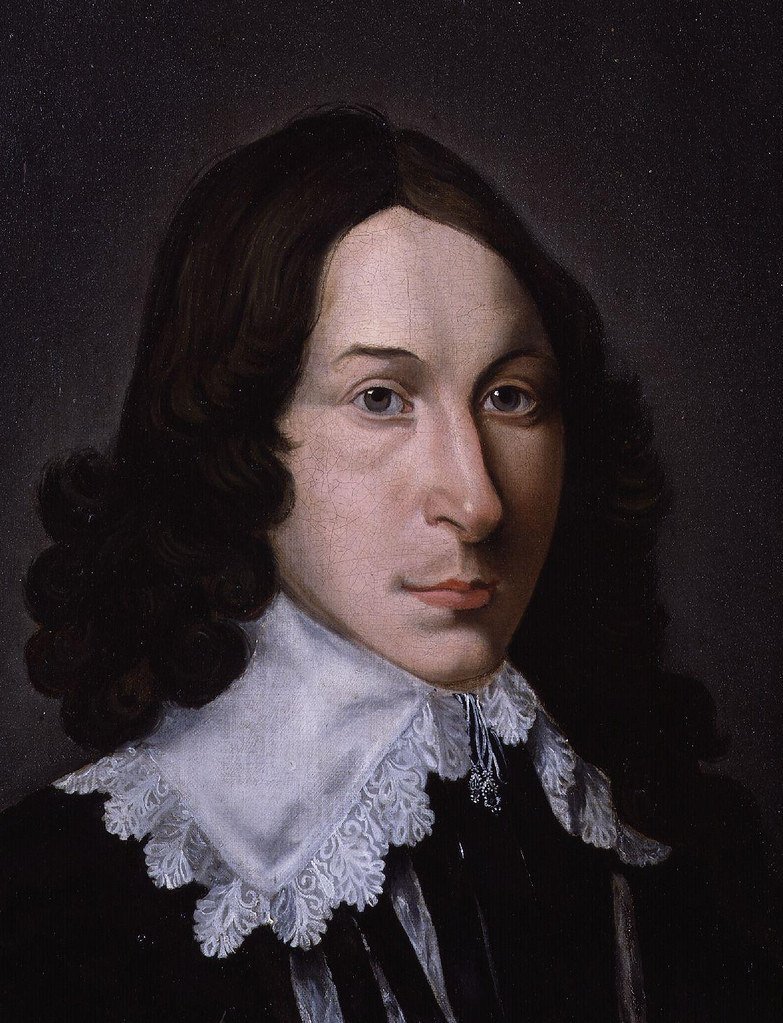
Samuel Pepys is immortalized as history’s greatest diarist, the man who recorded the Great Fire of London and the Great Plague with vivid personal detail. His extensive decade-long, million-word diary takes in the early years of the coronation of Charles II, the Great Plague and the Great Fire of London, among other significant events. The diarist was also a musician: he was trained in several musical instruments, including string instruments such as the lute, viol, and violin, and woodwind instruments like the recorder.
Music plays a surprisingly large role in Pepys’s life. In looking at the first years of his diary, we hear of him playing the recorder, both alone and with friends, singing, getting up in the morning to practice his singing, and listening to his friends play the viol, the harpsichord, and other instruments. Pepys was a contemporary and acquaintance of Henry Purcell, considered one of the greatest English composers. He didn’t just listen passively either. He composed his own songs and was proud enough about them to have them performed publicly. For Pepys, music wasn’t separate from intellectual life. It was woven straight through it.
5. Benjamin Franklin – The Founding Father Who Invented a Musical Instrument
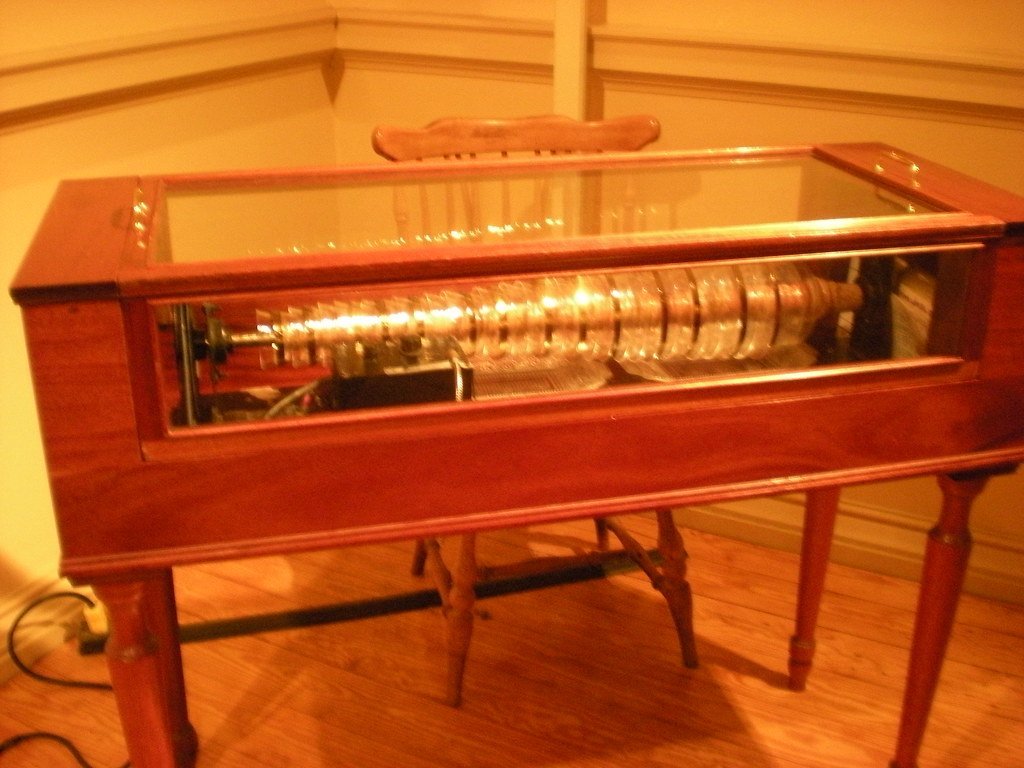
Let’s be real: most people know Benjamin Franklin as the kite-in-a-thunderstorm guy who helped birth a nation. His musical life barely gets a footnote. American founding father Ben Franklin was a busy man, helping found modern America, running the United States Postal Service, writing, thinking, and diplomating. He still found time for music: classically trained, he was a composer and played several musical instruments, including the violin, the harp, and the guitar.
He also put his name and efforts into developing a new and improved glass harmonica. The glass harmonica, also known as the armonica, became genuinely popular in European classical circles. Mozart and Beethoven both later composed pieces for it. For Franklin, musical training was simply another dimension of his almost pathological curiosity. He didn’t see boundaries between science, politics, and art. Music, to him, was just another elegant system worth mastering.
6. Ernest Hemingway – The Tough Guy Who Learned the Cello
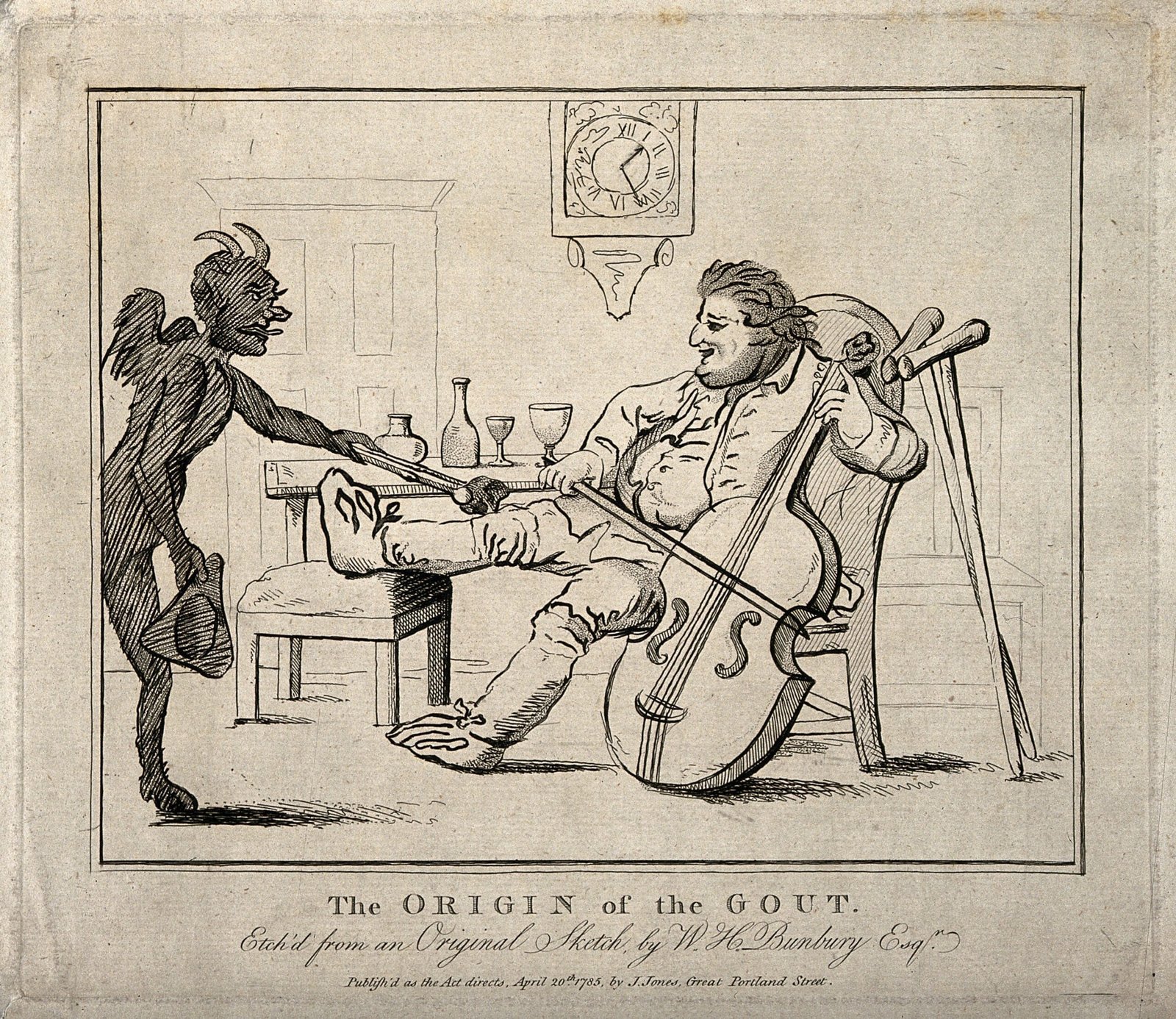
Nobody thinks of Hemingway and classical music in the same breath. The man wrote about war, boxing, bullfighting, and deep-sea fishing. He cultivated a persona of raw, rugged masculinity so effectively that his softer intellectual pursuits get completely buried. Hemingway was born to well-educated parents in Oak Park, Illinois, and his mother, Grace, was an opera singer, music teacher, and painter. Grace taught Ernest to play the cello, and although he took up the instrument extremely reluctantly, he said that his music lessons contributed to his writing style, including the “contrapuntal structure” of For Whom the Bell Tolls.
That word “contrapuntal” is worth pausing on. Counterpoint is one of the most complex structural concepts in classical music. Two or more independent melodic lines woven together, each distinct, yet harmonically interdependent. The fact that Hemingway consciously drew on that musical architecture while constructing one of his masterworks suggests his cello lessons went far deeper than childhood reluctance. Music shaped the very bones of his prose.
7. Jane Austen – The Novelist Who Practiced Piano Before Breakfast Every Single Morning
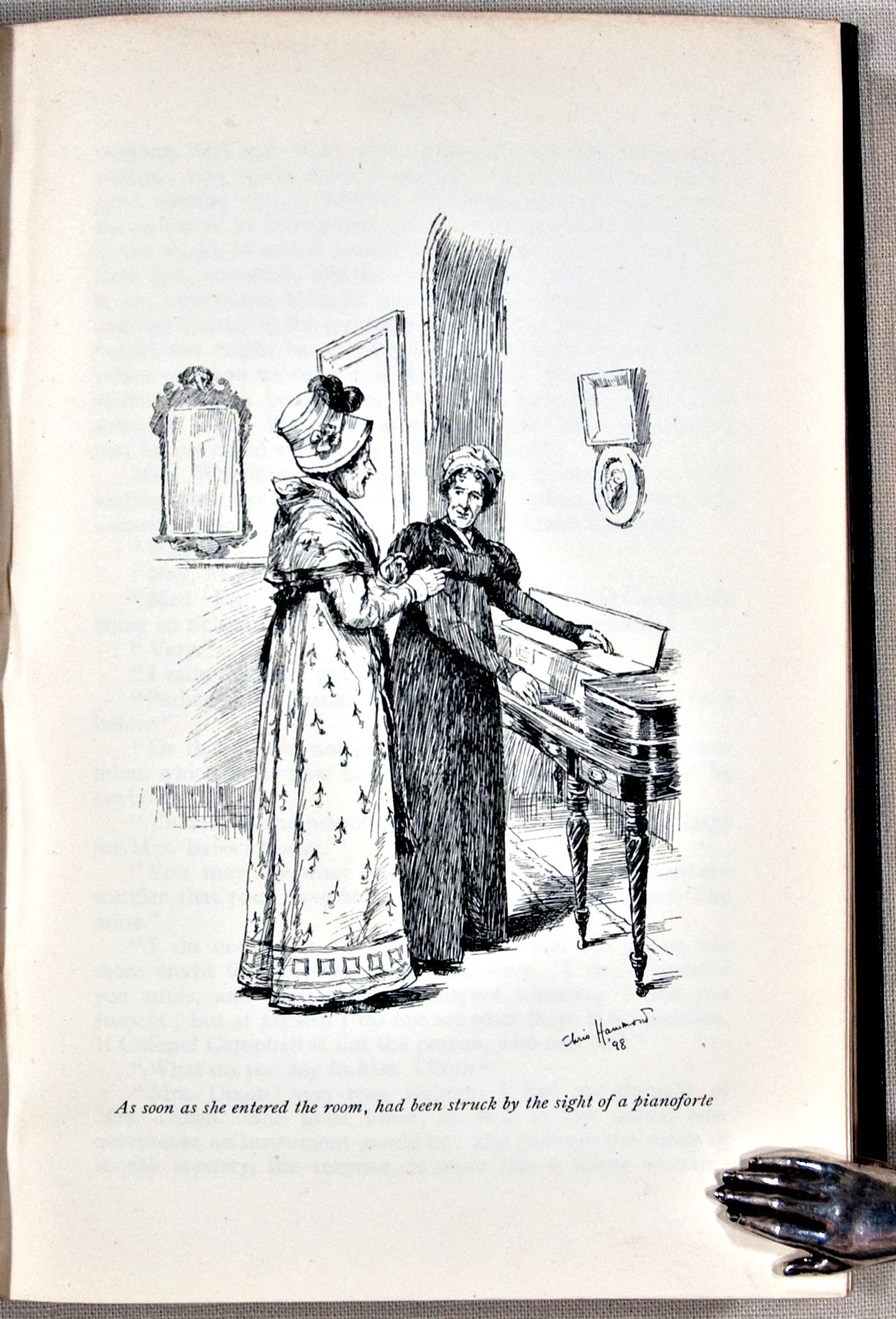
Jane Austen is one of those figures whose musical life is hiding in plain sight, right there in all her novels. Elizabeth Bennet plays the pianoforte. Anne Elliot lives through music. Jane was apparently introduced to the piano aged nine while she attended the Abbey School in Reading in 1785. An instrument was eventually purchased and she studied the piano with Dr. George Chard, assistant organist of Winchester Cathedral.
Jane Austen’s relationship with music, especially her private morning sessions on the pianoforte before her family arose, was as creatively important to her as her writing. Music scholars of the period who also read Jane Austen like to propose that unless Jane Austen had music in her life, her writing didn’t proceed the way it should. It wasn’t until Austen moved to Chawton in Hampshire in 1809 that she had a piano in her home again. All six of her novels were published after moving to Chawton. That correlation is remarkable. Take away the music, the writing stops. Put it back, and the masterpieces flow. I find that genuinely beautiful.
8. Nina Simone – The Civil Rights Icon Who Was Trained at Juilliard
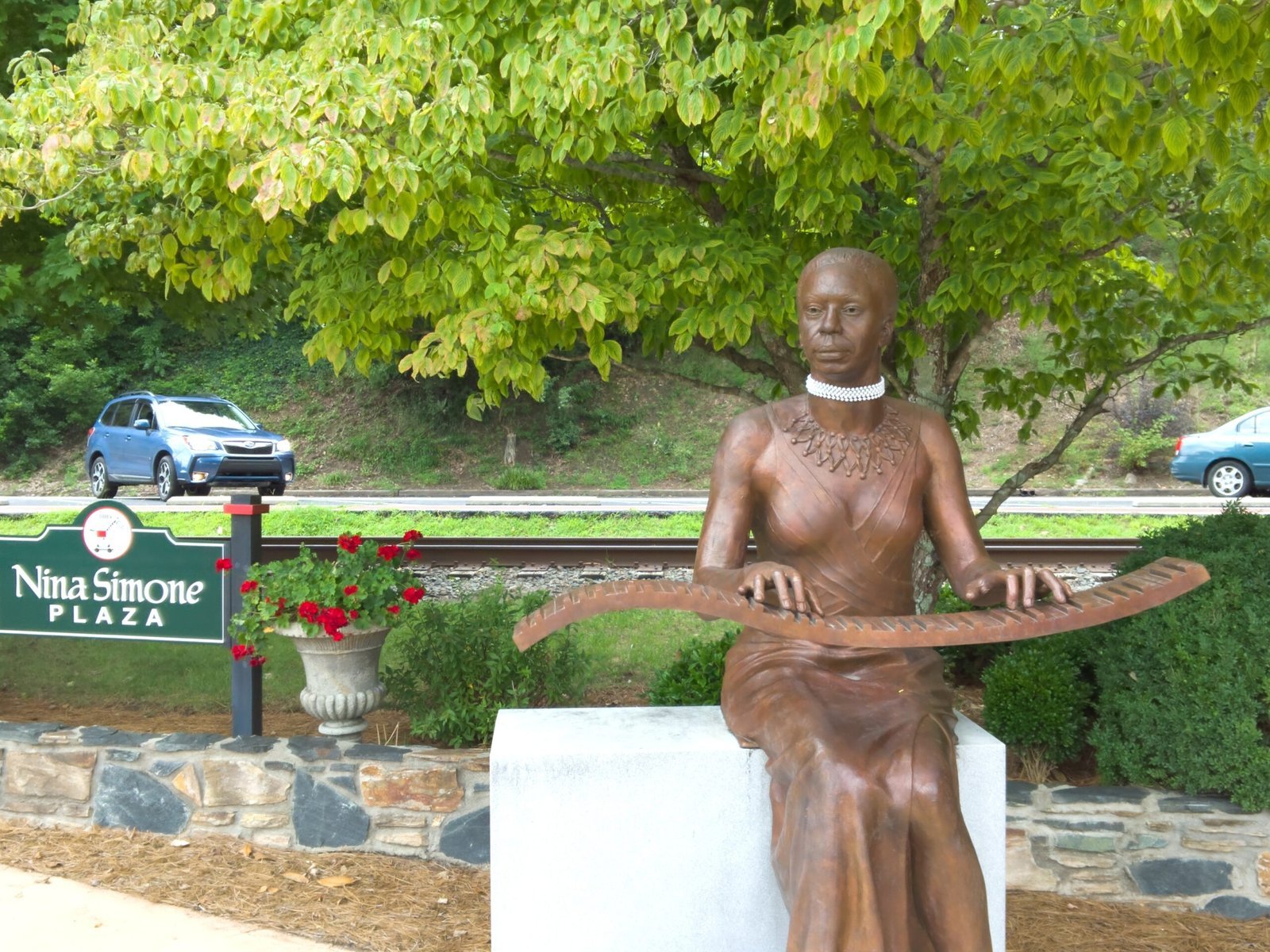
Nina Simone tends to be remembered primarily as a jazz and soul artist and a fierce civil rights activist. Her classical training is mentioned far less often than it should be. Nina Simone was a prolific musician and civil rights activist whose music spanned genres including blues, jazz, R&B, folk, and pop. She began learning piano at a young age, going on to study classical music at Juilliard.
Her goal had actually been to become a classical concert pianist, a dream that was denied to her in part because of racial discrimination at the institution she applied to for further training. That rejection became fuel. The discipline and technical mastery she had built through years of classical study became the foundation for everything she later created across genres that had nothing to do with concert halls. Her story is a powerful reminder that classical training doesn’t confine. It liberates.
9. Condoleezza Rice – The U.S. Secretary of State Who Was a Concert-Level Pianist
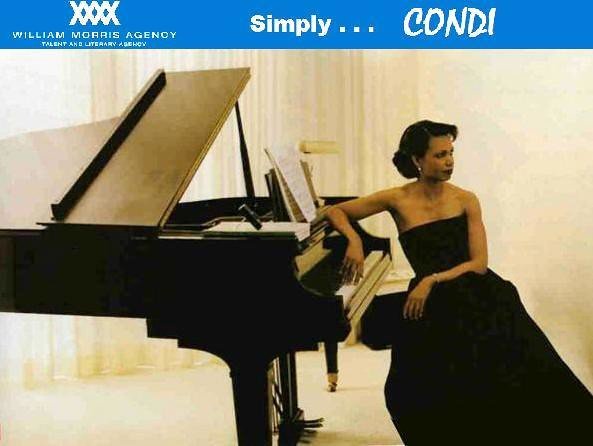
This one genuinely surprises people. Condoleezza Rice has been photographed performing with The Philadelphia Orchestra. That’s not a casual hobby. Rice began studying the piano at age three. She was considered a child prodigy and originally trained with the intention of becoming a professional concert pianist before shifting her focus to political science and international affairs. Her classical training was so rigorous and so serious that she has performed alongside world-class professional musicians throughout her life.
It’s hard to say for sure whether her musical mind shaped her diplomatic thinking, but many who know her work suggest that the deep structural thinking required by classical music, understanding patterns, anticipating movement, reading complex systems, maps surprisingly well onto the strategic intelligence demanded in geopolitics. Think of it like chess played with both hands simultaneously on a concert grand.
10. Friedrich Nietzsche – The Philosopher Who Composed His Own Music
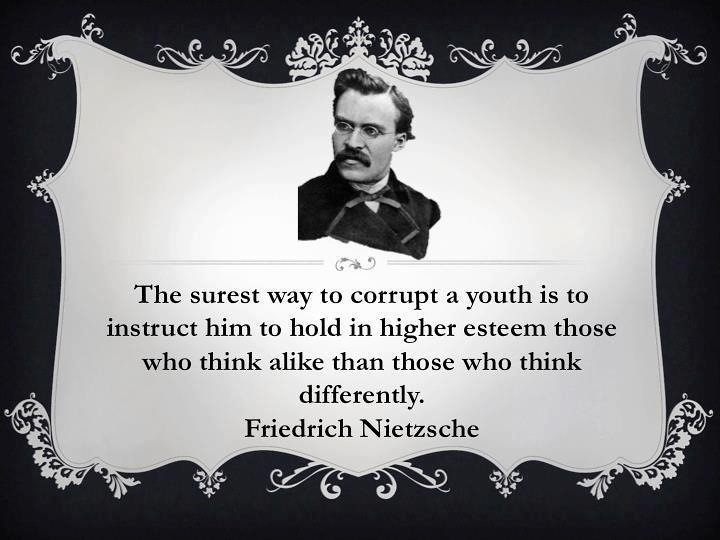
Nietzsche is known for his philosophy, his provocations, and his legendary mustache. His identity as a classically trained musician and actual composer is much less known. He studied piano seriously from childhood and maintained a devoted relationship with music throughout his life. His early admiration for Richard Wagner famously shaped, and then fractured, his philosophical development. That creative falling-out with Wagner produced some of his most important writing.
What’s fascinating is that Nietzsche didn’t just theorize about music in the abstract. He composed it. He wrote piano pieces and songs that, while not widely performed today, show genuine classical craft and training. Music wasn’t metaphor for Nietzsche. It was practice. He believed, in a very literal sense, that music accessed truths that language could not. His philosophical ideas about the “Dionysian” spirit in art grew directly from his experience as a practicing musician, not merely as a listener.
The Hidden Symphony Behind History’s Greatest Minds
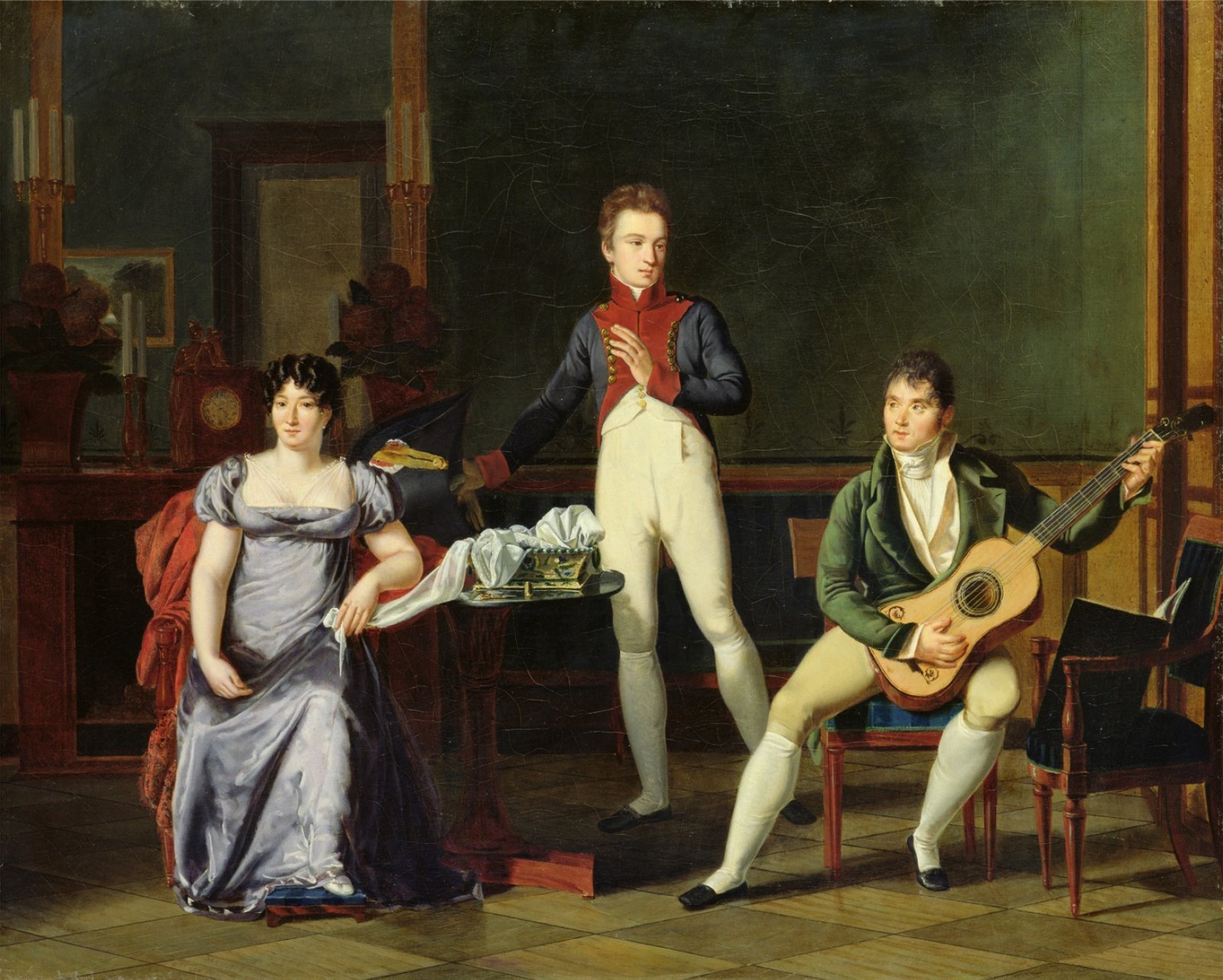
There’s a pattern emerging here that I think is genuinely worth reflecting on. Through studying classical music, students learn discipline, resilience, self-expression, and self-confidence. It supports brain development and gives you the tools to find success in whatever career path you pursue. The range of intellectual stimuli gained from playing music, and its impact on a visionary approach to work, should probably not be underestimated.
The figures in this list didn’t succeed despite their musical training. In many cases, they succeeded partly because of it. Hemingway structured his novels like a fugue. Austen’s creativity dried up when her piano was taken away. Einstein used the violin to unlock the very thoughts that changed physics forever. Music wasn’t a side note in their biographies. It was part of the operating system. History, it turns out, has always had a soundtrack. We just rarely stop long enough to hear it.
What do you think – does knowing about these hidden musical lives change the way you see these iconic figures? Tell us in the comments.

Besides founding Festivaltopia, Luca is the co founder of trib, an art and fashion collectiv you find on several regional events and online. Also he is part of the management board at HORiZONTE, a group travel provider in Germany.
