

- 10 Concert Stages So Legendary, They Became Part of Music Lore - April 6, 2026
- 12 Iconic Cultural Moments That Defined a Decade – Were You There? - April 6, 2026
- 12 Revolutionary Music Technologies That Transformed How We Listen - April 6, 2026
Picture this: a dimly lit room where the raw energy of a single performance ignites a cultural revolution. Some concert stages transcend their physical form, weaving themselves into the fabric of music history as indelibly as the artists who graced them. These aren’t just venues; they’re sacred grounds where legends were born, movements sparked, and moments frozen in time.
From gritty clubs birthing punk to majestic halls echoing with rock anthems, these 10 stages have hosted shows that redefined genres and captivated generations. Let’s explore why they endure as mythic landmarks in music lore.
Fillmore East: Psychedelic Rock’s Holy Ground
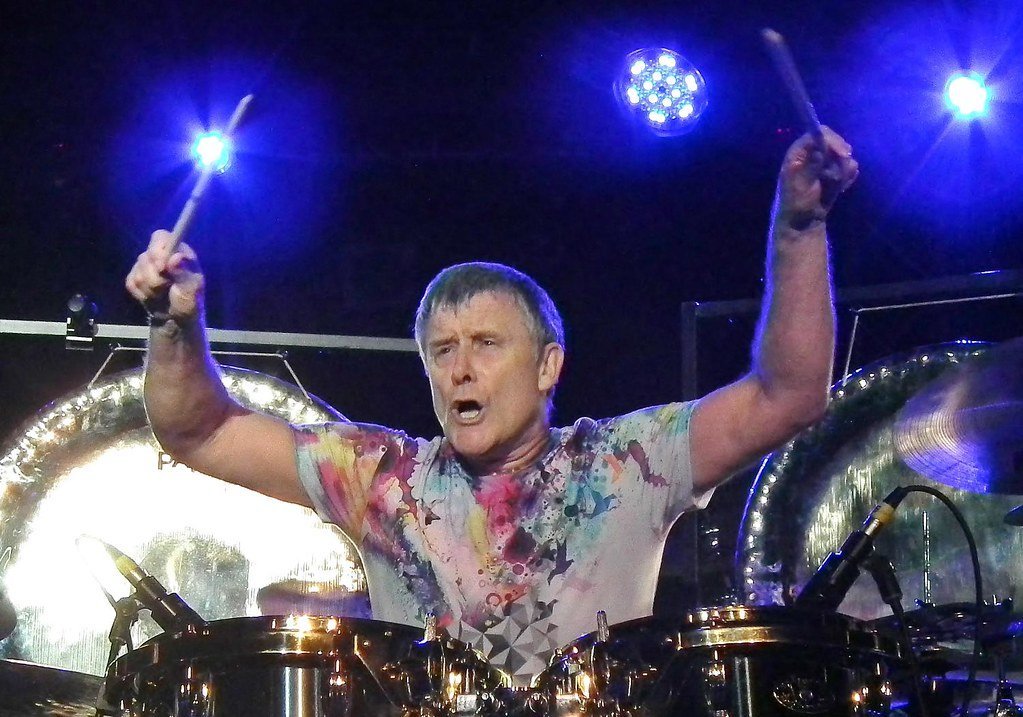
The Fillmore East in New York pulsed with the counterculture spirit from 1968 to 1971. Jimi Hendrix unleashed mind-bending solos there in 1970, while the Grateful Dead played over 40 electrifying shows, cementing their jam-band legacy. The Allman Brothers became the unofficial house band, delivering marathon sets that influenced Southern rock.
Bill Graham’s triple-bill format packed the house with icons like Led Zeppelin, Jefferson Airplane, and Santana. Many live albums captured the venue’s electric atmosphere, turning performances into timeless artifacts. Though short-lived, it shaped the East Coast rock scene amid shifting industry tides, earning its place as a temple of psychedelic innovation.
CBGB: Punk’s Gritty Cradle
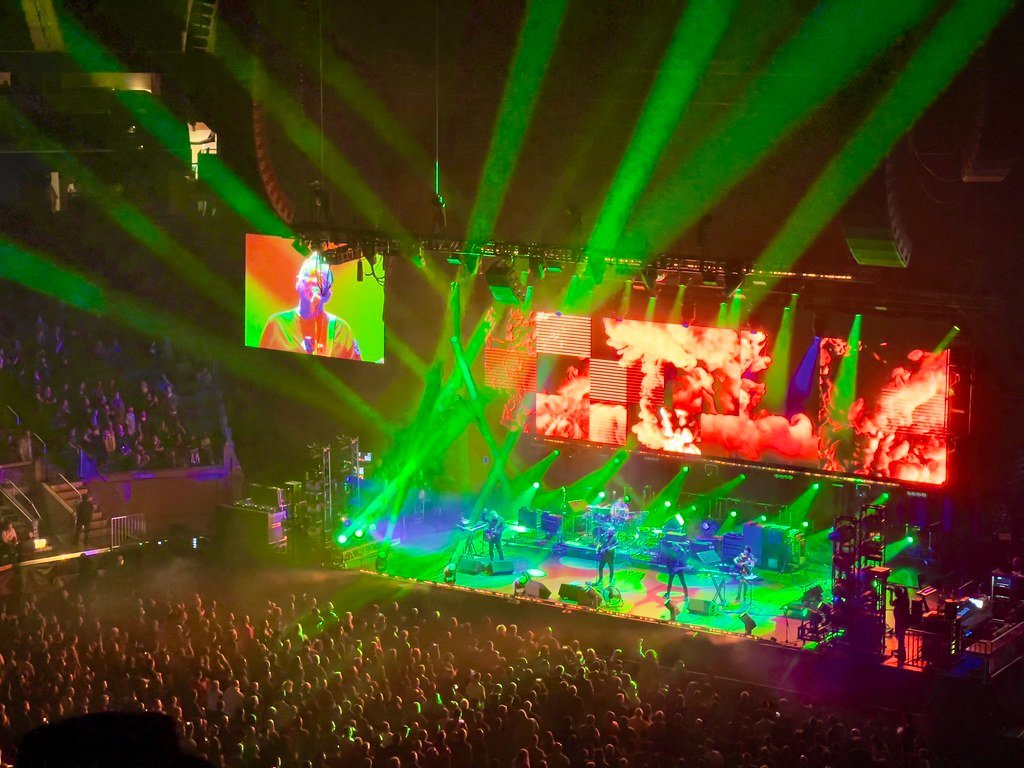
Opening in 1973 amid New York’s East Village chaos, CBGB hosted the Ramones’ blistering debut sets that birthed punk’s fury. Patti Smith, Talking Heads, Television, and Blondie honed their raw edges on its sticky floors, defying the era’s polished rock norms. Even Elvis Costello and the Police cut their U.S. teeth here.
From its unlikely country-bluegrass origins, it became punk and new wave’s mecca, fostering DIY ethos amid broken bathrooms and violence. Beastie Boys and Bad Brains added hip-hop and hardcore layers. Its 2006 closure due to rent hikes couldn’t erase its role in exploding punk globally, making it a symbol of rebellious creativity.
Ryman Auditorium: Country’s Mother Church
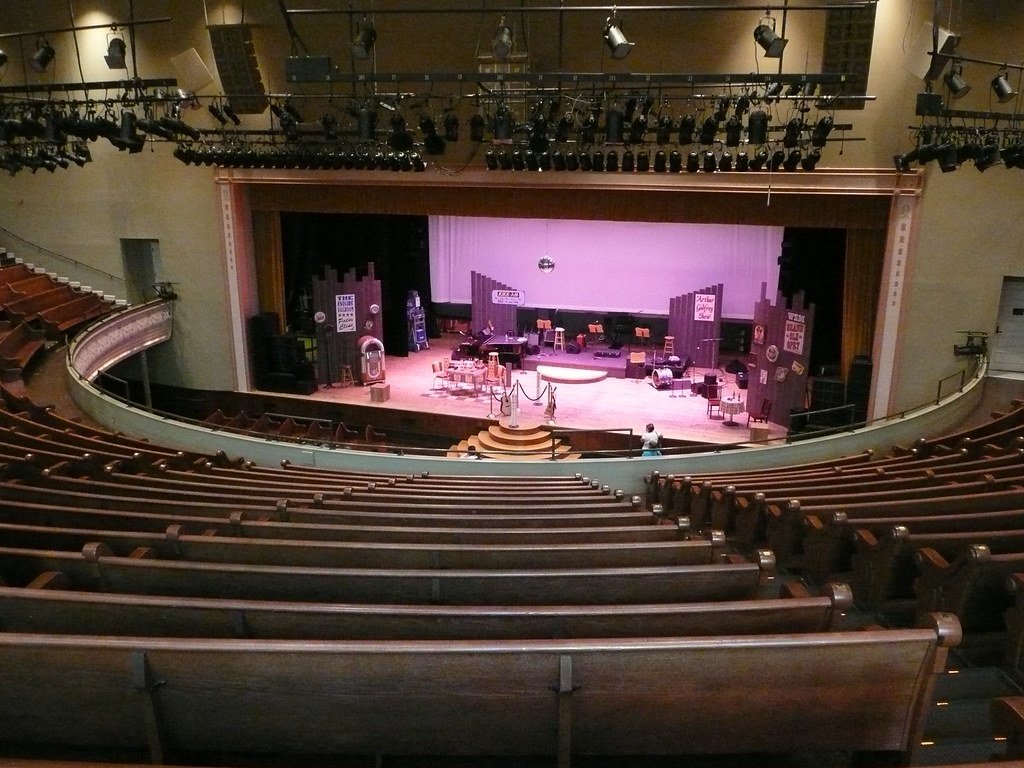
Since 1892, Nashville’s Ryman Auditorium evolved from a tabernacle to country music’s heart. The Grand Ole Opry called it home from 1943 to 1974, featuring Hank Williams, Johnny Cash, Patsy Cline, and Elvis Presley in defining broadcasts. Its sacred acoustics amplified raw emotion night after night.
Later, Emmylou Harris, Bob Dylan, and even Wu-Tang Clan and Lizzo broadened its legacy. As a National Historic Landmark, it preserved Opry magic during abandonment. Today, it stands as country’s enduring shrine, blending tradition with bold reinvention across genres.
Apollo Theater: Harlem’s Soul Beacon
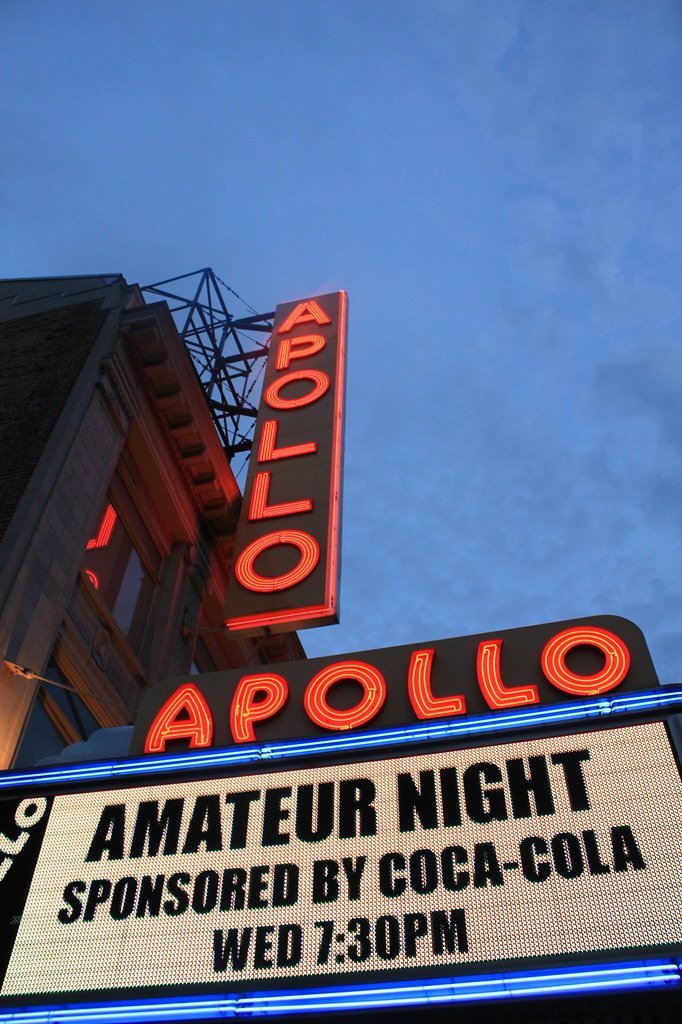
Since 1913, the Apollo Theater lit up Harlem with Black excellence during segregation’s shadows. Billie Holiday, James Brown, Ella Fitzgerald, and Otis Redding owned its stage, while Amateur Nights launched stars like the Jackson 5. Jazz giants Duke Ellington and B.B. King added bluesy depth.
The “log” of rejected acts symbolized tough love for performers. It nurtured R&B, soul, and comedy, providing a vital platform denied elsewhere. Despite closures, its cultural power persists, celebrating Black artistry as an unyielding Harlem icon.
Red Rocks Amphitheatre: Nature’s Sonic Wonder
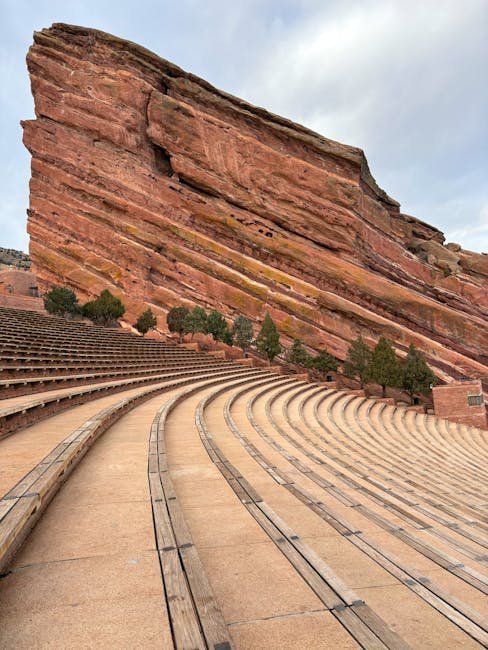
Nestled in Colorado’s red sandstone since 1947, Red Rocks hosted The Beatles’ 1964 rock debut amid natural drama. Jimi Hendrix, U2, and Dave Matthews Band recorded legendary live albums here, their sounds bouncing off ancient formations. Johnny Cash and the Supremes added soulful highs.
Its pristine acoustics and starry skies elevate every show, from Rush to Mumford & Sons. Comedians like Steve Martin thrive in its vast openness. This geological marvel transcends venues, becoming a pilgrimage for music lovers chasing transcendent vibes.
The Troubadour: Folk-Rock’s Launchpad
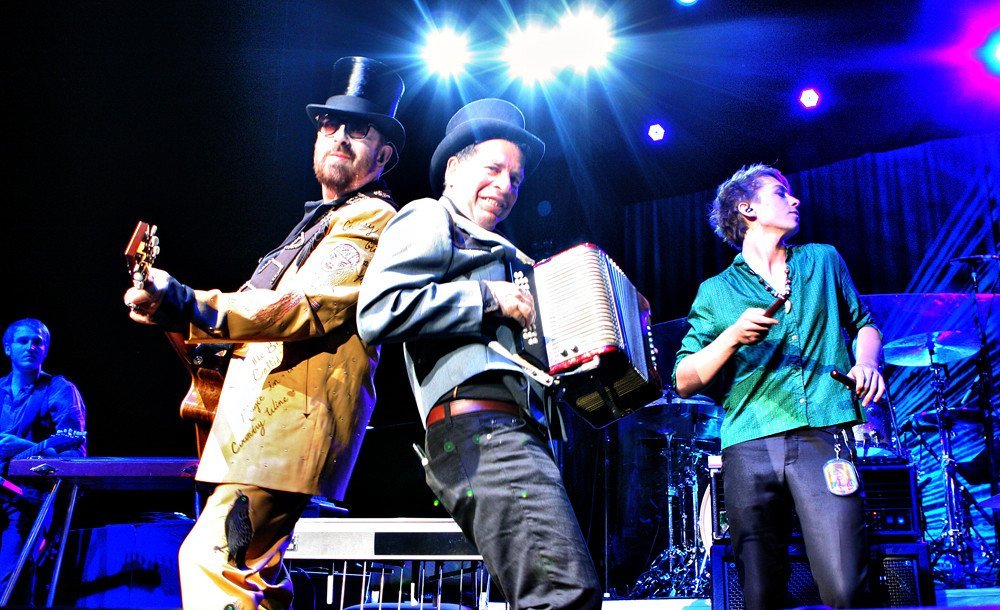
West Hollywood’s Troubadour, born in 1957 as a coffeehouse, nurtured Carole King, James Taylor, and Elton John in the singer-songwriter boom. Neil Diamond and Linda Ronstadt found their voices amid folk intimacy. Later, punk and glam metal acts kept its edge sharp.
It survived financial woes by spotlighting emerging talent across eras. Tom Waits’ gritty tales resonated in its cozy confines. Honestly, its knack for career ignition makes it feel like music’s ultimate proving ground, timeless and unpretentious.
Radio City Music Hall: Entertainment’s Grand Dame
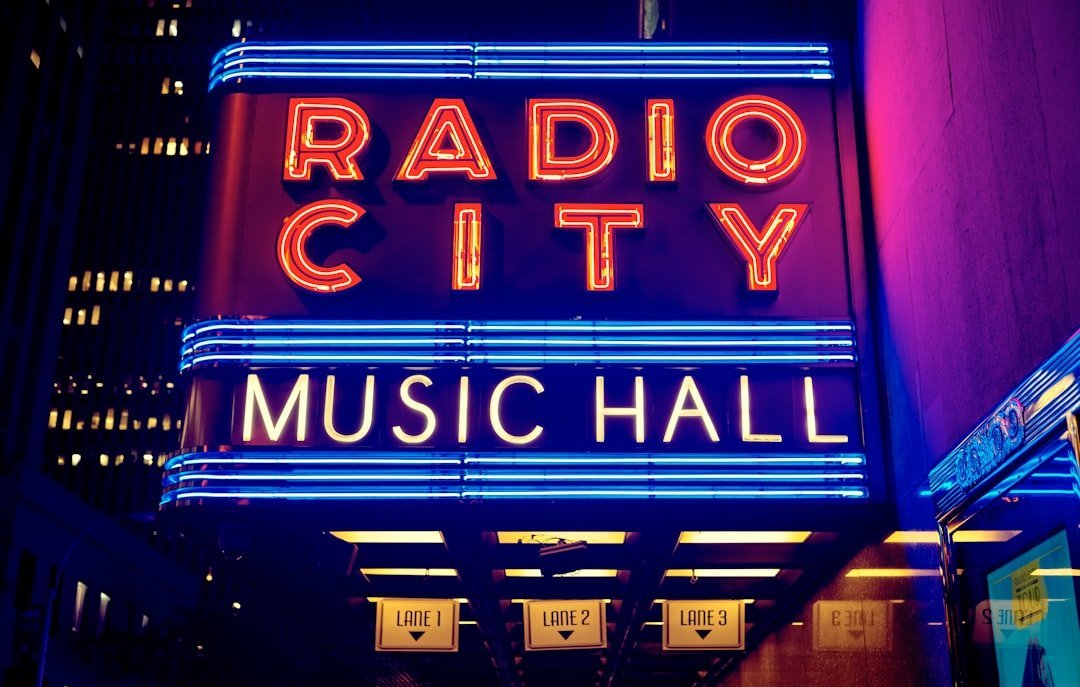
Opening in 1932 as Rockefeller Center’s jewel, Radio City dazzled with Rockettes kicks and Grateful Dead jams. Liberace’s flamboyance and Adele’s power ballads filled its art deco splendor. TV tapings and awards amplified its reach.
From films to mega-productions, it hosted diverse spectacles blending music and spectacle. Its ornate stage demands excellence, mirroring New York’s ambition. As a landmark, it embodies live entertainment’s evolution, grand yet accessible.
Madison Square Garden: The World’s Most Famous Arena
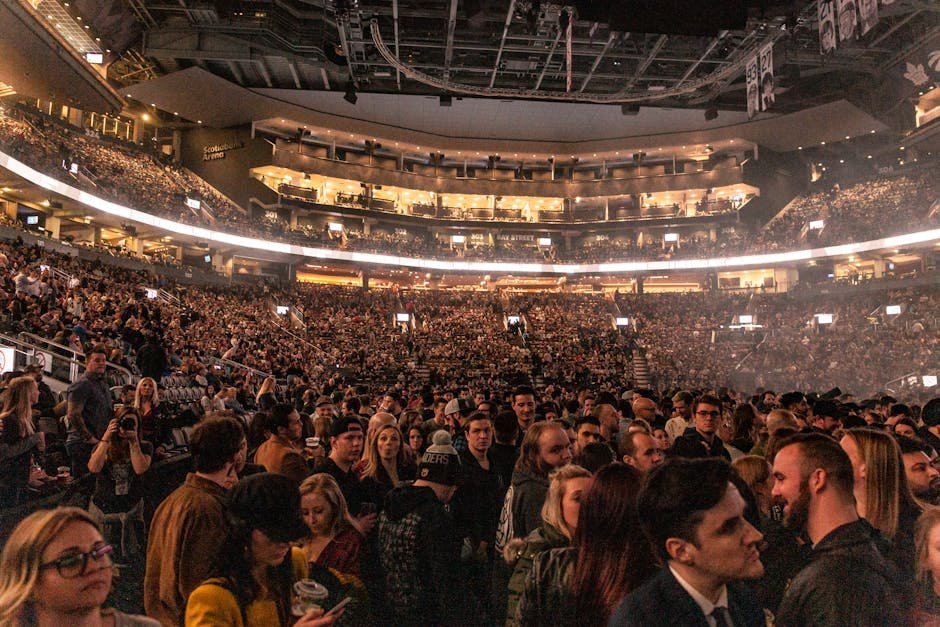
New York’s MSG exploded with George Harrison’s 1971 Concert for Bangladesh, a landmark charity gig. John Lennon’s last show opened for Elton John in 1974; Michael Jackson’s Bad tour and post-9/11 benefits followed. Billy Joel’s 150+ nights made it his fortress.
Phish’s 13-night Baker’s Dozen marathon showcased endurance. Primarily a sports hub, its concert pedigree validates superstars. This Manhattan icon pulses with history, proving arenas can forge intimate legends amid crowds.
Royal Albert Hall: London’s Prestigious Echo
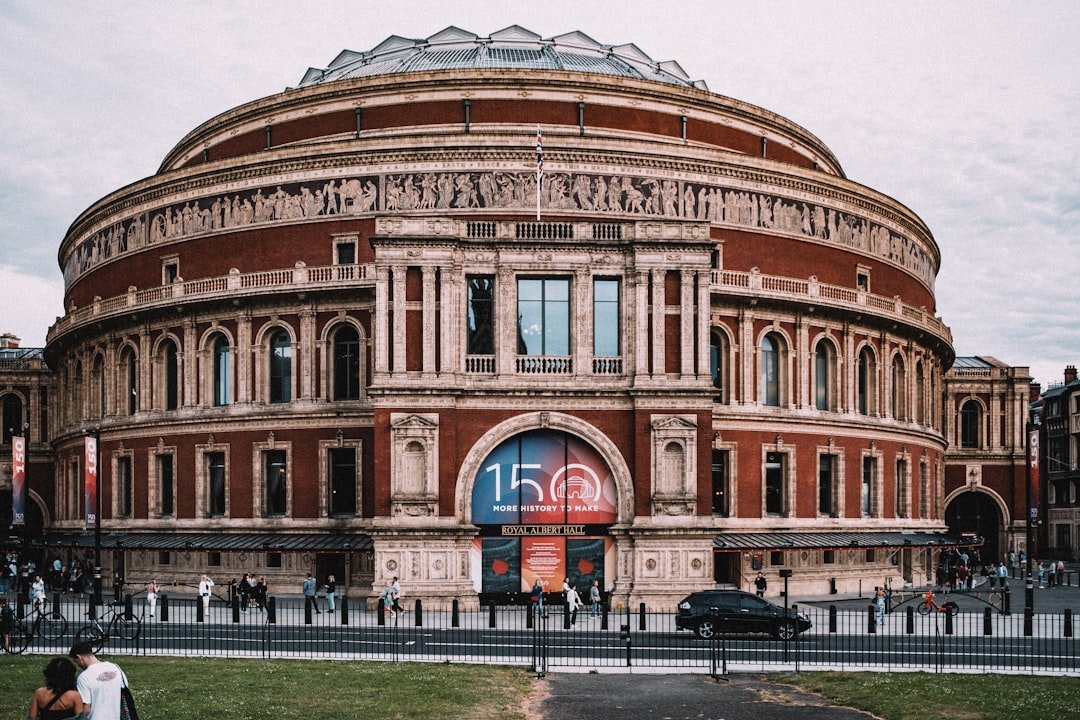
Since Queen Victoria’s 1871 opening, the Royal Albert Hall blended classical roots with rock rebellion. Pink Floyd, Bob Dylan, and Adele soared under its dome. Arthur Sullivan’s cantatas set early tones; boxing and ballet diversified its lore.
Hosting nearly 400 events yearly, its acoustics honor every genre. It bridges eras, from speeches to One Direction mania. Prestige defines it, turning performances into historic benchmarks in Britain’s cultural heart.
Hollywood Bowl: LA’s Outdoor Epicenter
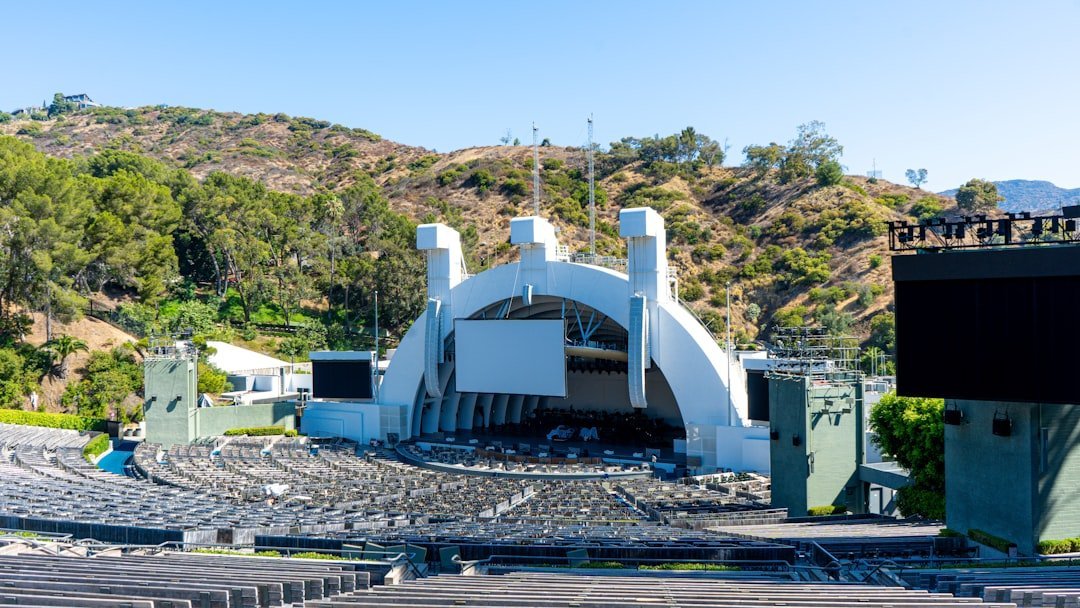
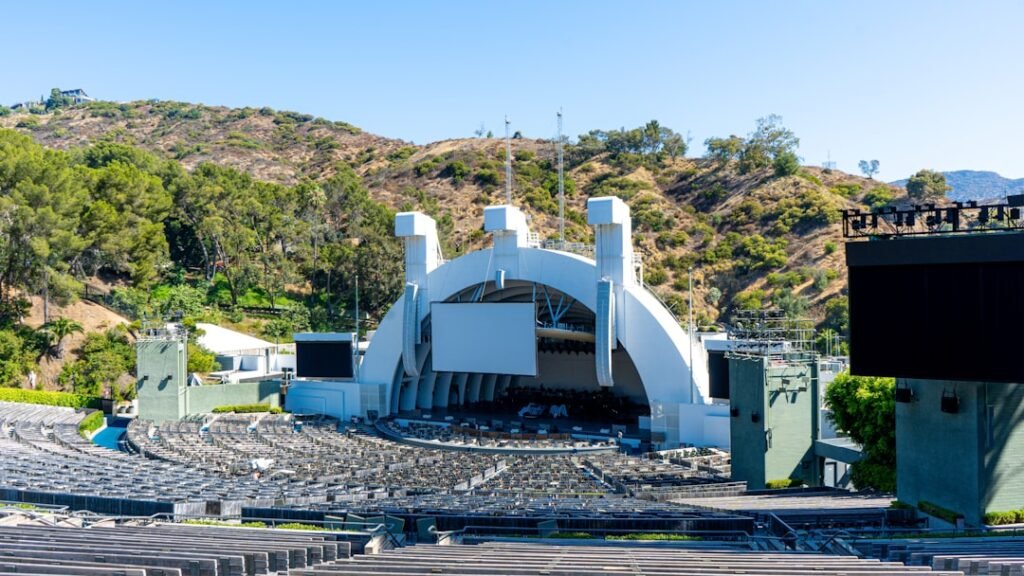
Since 1922, the Hollywood Bowl’s bandshell rang with The Beatles’ 1964-65 triumphs and Jimi Hendrix’s fire. The Doors, Jackson 5, and Black Sabbath pushed rock boundaries; Judy Garland added glamour. Monty Python and Kanye West expanded horizons.
From orchestras to comedy, its 17,500 seats capture LA’s eclectic vibe. Ranked among America’s best, its design amplifies magic. This sun-kissed amphitheater cements Hollywood’s myth as music’s dream factory.
Conclusion: Stages That Sculpt Sound’s Legacy
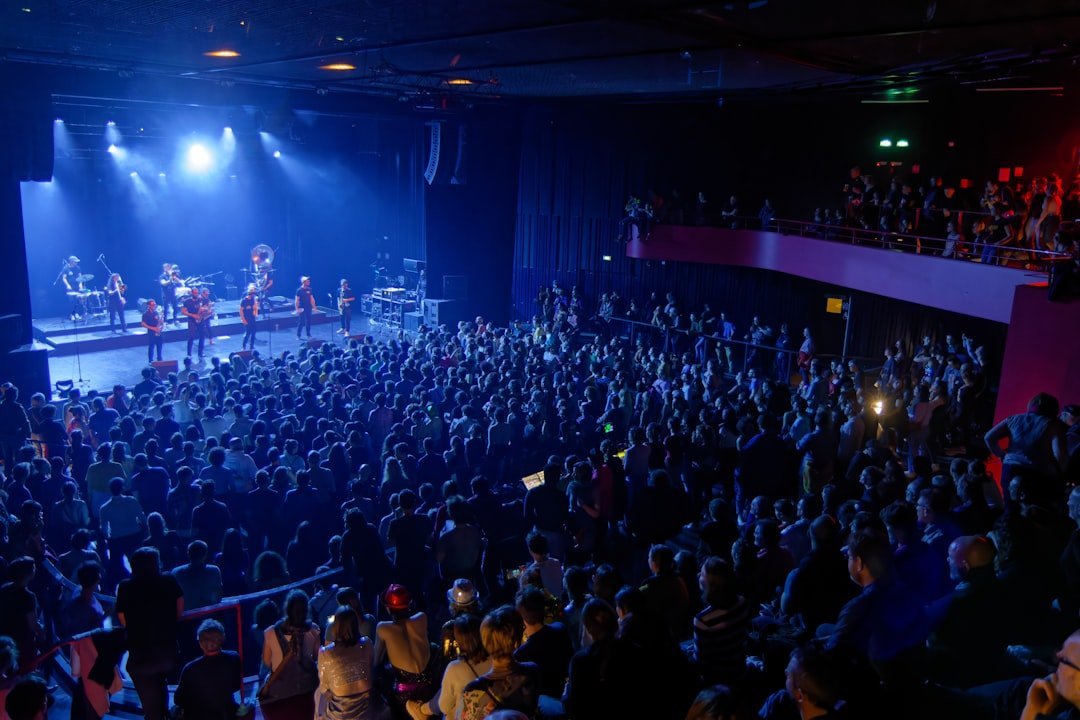
These concert stages didn’t just host music; they molded it, turning sweat-soaked floors and echoing halls into chapters of lore. From punk’s raw birth to rock’s psychedelic peaks, they cradled revolutions that still ripple today.
Performance spaces remind us music thrives in shared spaces, shaping history one riff at a time. Which stage calls to you most? Imagine standing where legends did – what song would you play?
CEO-Co-Founder
