

For any feedback please reach out to info@festivalinside.com
- The Simplest Pleasures From Our Past Often Bring the Most Joy Today. - April 11, 2026
- The Enduring Power of a Good Story Is Evident in Every Generation. - April 11, 2026
- Legendary Concert Venues Hold Echoes of Unforgettable Musical Moments. - April 11, 2026
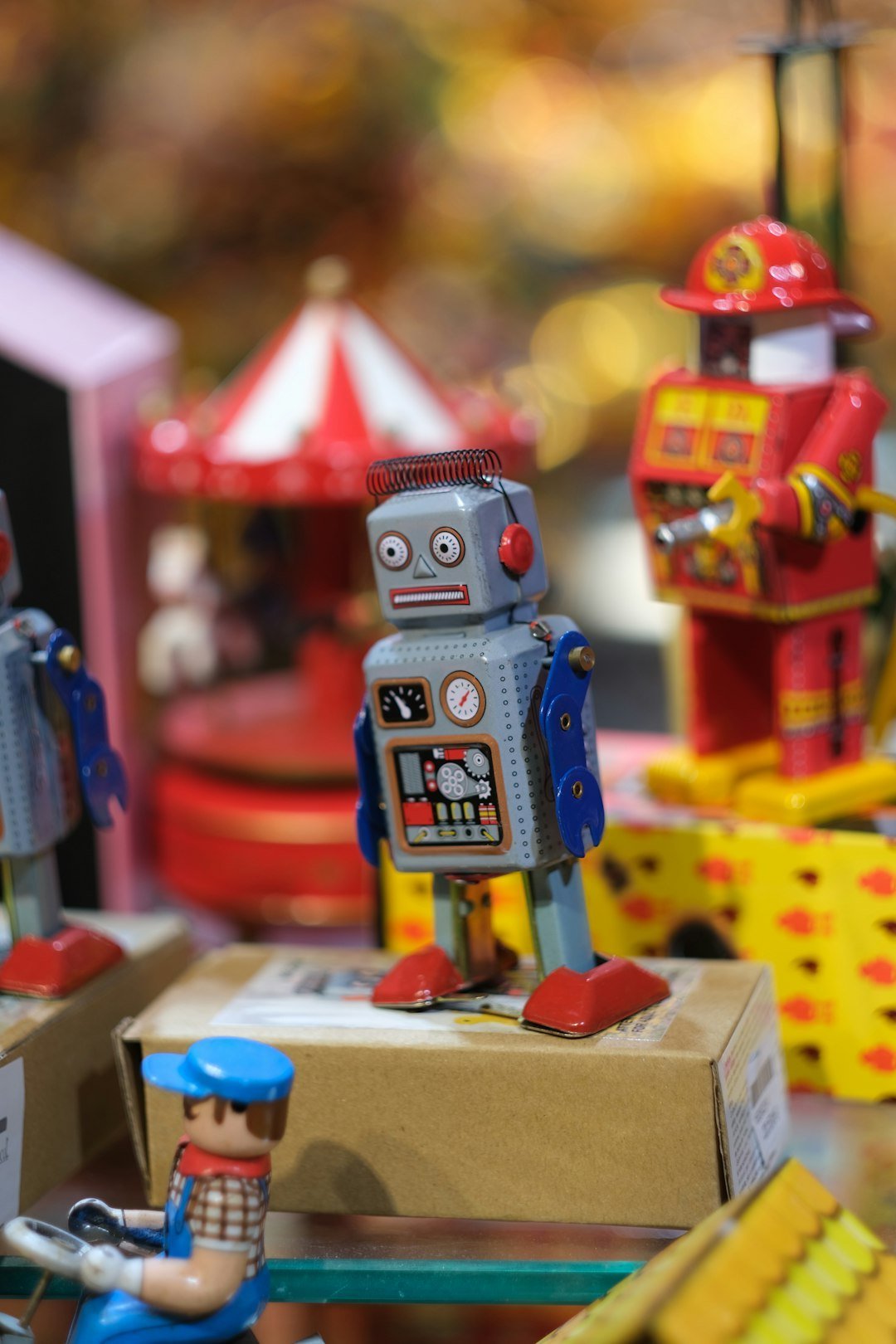
As artificial intelligence surges forward in 2026, fears of widespread unemployment grip Europe and beyond. Factories hum with tireless robots, while algorithms crunch data faster than any human team. Germany’s manufacturing heartland feels the pinch first, sparking urgent questions about jobs, pensions, and society’s next chapter. This comes amid cosmic chatter linking Pluto’s shift into Aquarius to tech upheavals that could redefine labor entirely.
Here’s the kicker: blending hard data from future studies with astrological angles paints a picture that’s equal parts warning and wild speculation. Will machines claim most roles, leaving billions idle? Or do new gigs await the adaptable? Let’s dive into the evidence shaking up the debate today.
The Automation Wave Hits Hard
Experts at McKinsey project up to 800 million global jobs at risk from automation by 2030, hitting routine tasks in factories and offices square on. In Germany, sectors like manufacturing and logistics could shed 40 percent of positions as robots outpace humans in speed and precision. No breaks, no raises – just relentless efficiency driving the shift. Asian plants already showcase this, where robotic arms assemble goods flawlessly around the clock.
What alarms policymakers most? These aren’t pipe dreams; real trends back them, from autonomous trucks in logistics to AI handling admin drudgery. Whole communities risk destabilization if reskilling lags. Yet history whispers that tech disruptions birth unforeseen booms too.
Astrology Enters the Chat
Astrologers tie Pluto’s entry into Aquarius – fully since late 2024 – to radical power shifts, mirroring the AI boom’s assault on old jobs. This era, they claim, echoes the Industrial Revolution’s upheavals, fast-tracking us from mechanical to digital dominance. Pluto here symbolizes transformation, dooming roles like trucking and bookkeeping while sparking innovation waves.
Skeptics roll their eyes, but proponents point to past alignments during tech leaps. Routine jobs fade, sure, but human creativity might thrive in the chaos. It’s a quirky lens on future research, urging us to ponder if stars align with silicon’s rise. Let’s be real: even if cosmic, it spotlights real anxieties.
Future Visions: From Boom to Bust
Zukunftsforscher outline stark contrasts post-2040 – utopias brimming with AI oversight and green tech roles offsetting losses, or dystopias where just 20 percent work. Germany’s IAB highlights routine gigs vanishing fastest, sparing creative and empathetic ones. By now, 375 million globally need reskilling, per reports, with nations like Finland leading via robust education.
Adaptability rules: Singapore thrives on lifelong learning, while laggards falter. Optimists eye World Economic Forum data showing 170 million new jobs by 2030 from AI alone. Pessimists warn structural unemployment looms without bold moves.
Pensions on the Brink
Germany’s pay-as-you-go system teeters as worker-to-retiree ratios dip from 1.8 today toward under two by 2050, per projections. Fewer contributors mean collapsing funds if robots dominate production. Enter ideas like universal basic income trials in Finland, proving cash boosts innovation over idleness, or robot taxes redistributing gains.
Economists push wealth taxes to plug gaps. Pilot programs abroad hint at viability, but scaling nationwide? That’s the gamble. Without fixes, social fabrics fray as machines fuel economies sans human payrolls.
Industries in the Crosshairs – and Survivors
Auto plants deploy cobots erasing 30 percent of assembly lines, boosting efficiency 25 percent. White-collar realms crumble too: Oxford pegs 47 percent of U.S. jobs automatable, Europe’s rules softening the blow slightly. ChatGPT gobbles data analysis and service chats, though care and teaching endure via empathy demands.
Creative fields like design morph under generative AI, but niches persist. Aging populations safeguard nursing. Expect human-machine teams bridging the gap, not instant wipeouts.
Upsides: Jobs and Wealth from the Machine Age
World Economic Forum forecasts 170 million fresh roles in data ethics, VR, and AI training by decade’s end. Siemens pours billions into upskilling staff into specialists. Productivity jumps – Germany eyes 1.5 percent annual gains – lifting wages for the skilled.
Global GDP swelled 15 percent from past automation. Drohnen fixes and algorithm audits emerge as goldmines. Proactive policies turn peril into prosperity.
Governments Gear Up
EU’s AI Act demands transparency and job safeguards; Germany’s coalition pumps Digitalpakt 2.0 for infrastructure. Unions battle for input on bot rollouts. UN’s 2030 agenda weaves sustainable work models.
Global divides sharpen: rich nations reskill, poorer face AI dominance. Cooperation between firms, states, and folks decides winners.
Final Thought
Melding data dives and starry insights reveals mass joblessness as possible, not inevitable – history’s tech waves always unlocked doors. Invest in people now: education, safety nets, bold innovation. What path do you see for work in this AI dawn? Share below.
Source: Original YouTube Video

Christian Wiedeck, all the way from Germany, loves music festivals, especially in the USA. His articles bring the excitement of these events to readers worldwide.
For any feedback please reach out to info@festivalinside.com
