
The headlines coming out of Caracas this January told a story that many suspected but few expected to see unfold with such dramatic force. Venezuela, a nation sitting atop unimaginable geological wealth, became the center of a geopolitical storm. While the official narrative spoke of security concerns and law enforcement, the reality beneath the surface is far more complex and strategic. It’s hard to ignore the elephant in the room when you’re standing on top of the world’s largest proven oil reserves and a mineral treasure trove that reads like a wish list for modern technology.
Let’s be real here. Venezuela isn’t just another troubled Latin American economy. It’s a geological lottery winner that has somehow ended up bankrupt, and the reasons why its have everything to do with what powers our phones, fuels our cars, and keeps strategic industries running.
The Heavy Crude Reality That Most Refineries Were Built For
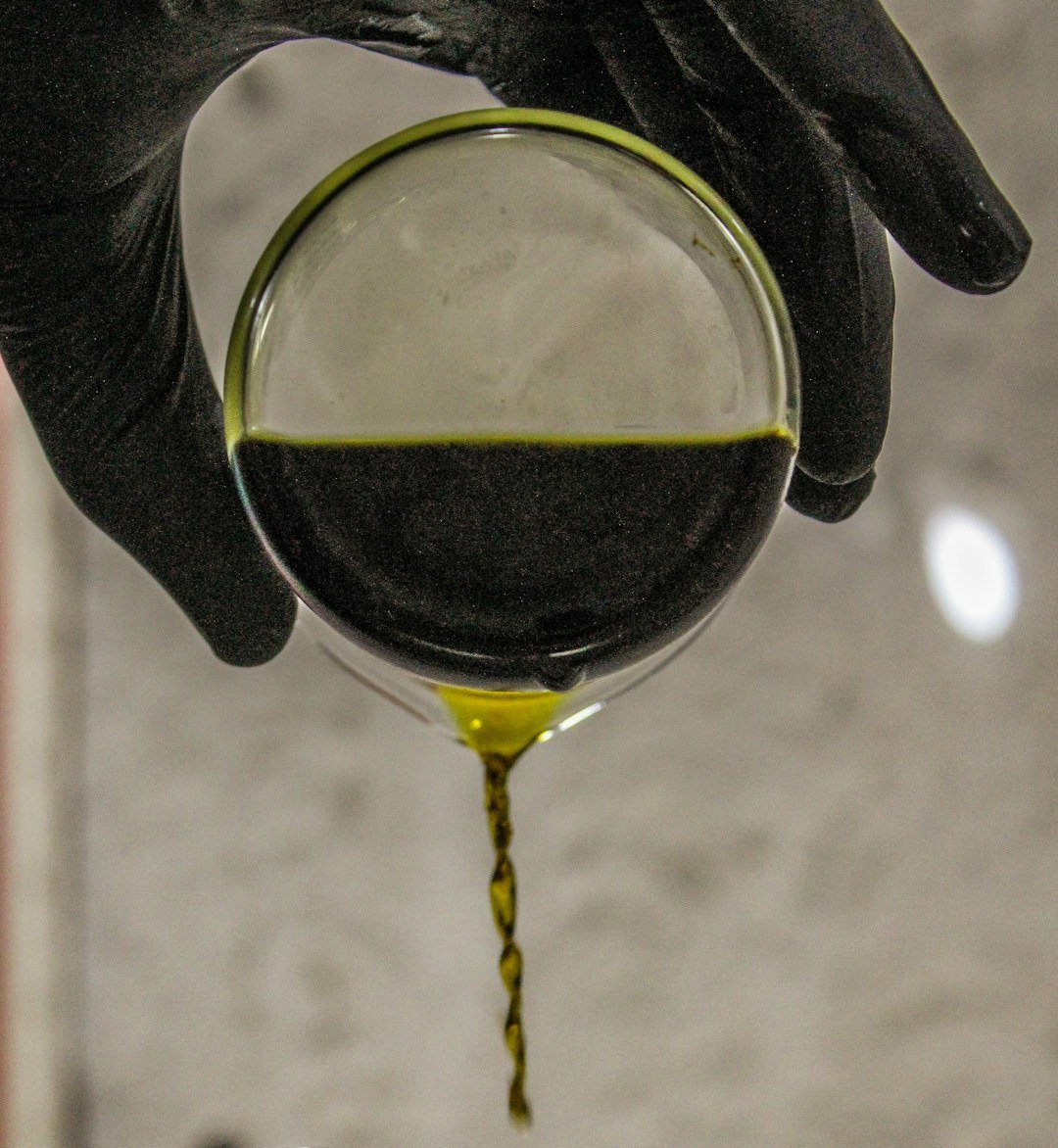
Venezuela is sitting on a massive 303 billion barrels worth of crude – about a fifth of the world’s global reserves. Yet here’s the thing that makes this particularly interesting for the US: it’s not just any oil. Heavy, sour crude like the oil from Venezuela is crucial for certain products made in the refining process, including diesel, asphalt and fuels for factories and other heavy equipment.
Think of it this way. The United States, the world’s largest oil producer, has light, sweet crude, which is good for making gasoline but not much else. So while America pumps millions of barrels daily, there’s a technical mismatch. Most US refineries were constructed to process Venezuela’s heavy oil, and they’re significantly more efficient when they’re using Venezuelan oil compared to American oil. It’s like having a machine built for a specific fuel type, and suddenly that fuel becomes available again after years of scarcity.
Diesel is in tight supply around the world – in large part because of sanctions on Venezuelan oil. Diesel powers trucks, ships, agricultural machinery, and industrial equipment. When diesel costs spike, supply chains feel it immediately. This isn’t about filling up your sedan at the pump; it’s about keeping the entire logistics backbone of the economy moving.
The Infrastructure That Time Forgot

Anyone who thinks accessing Venezuelan oil will be quick and easy is in for a rude awakening. International sanctions on the Venezuelan government and a deep economic crisis contributed to the decline of the country’s oil industry – but so did a lack of investment and maintenance. Venezuela’s energy infrastructure is deteriorating, and its capacity to produce oil has been greatly diminished over the years.
I think it’s worth understanding just how bad things have gotten. Venezuelan state-owned oil and natural gas company PDVSA says its pipelines haven’t been updated in 50 years, and the cost to update the infrastructure to return to peak production levels would cost $58 billion. That’s not pocket change, and it’s not a project that gets done in months or even a couple of years.
Venezuela is currently producing just around 1 million b/d, only 45 percent of its early 2010s levels near 2.5 million b/d and barely 30 percent of peaks near 3.5 million b/d seen in the 1990s. So while the resource is theoretically enormous, the actual output has been a fraction of its potential for years now.
Beyond Oil: The Critical Minerals Hiding in Plain Sight
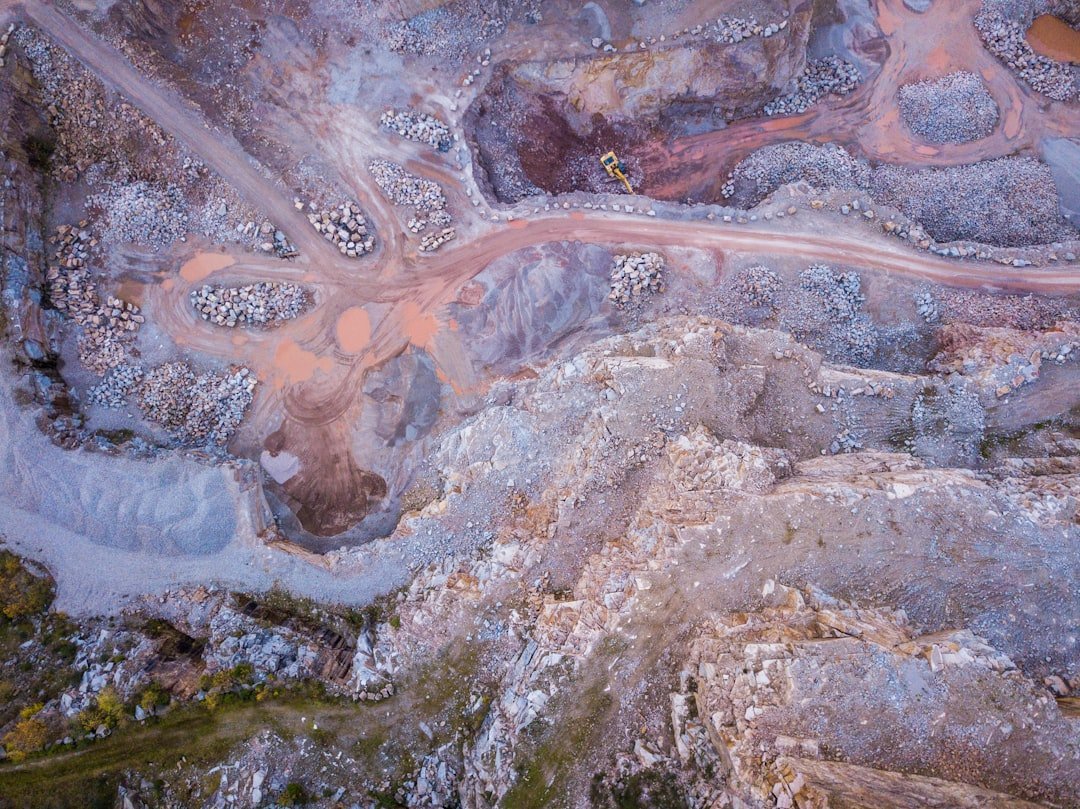
Here’s where the story gets even more interesting. Oil grabs headlines, yet Venezuela’s southern regions hold something that might matter even more in the long run. Abundant deposits of bauxite, coltan, gold and rare-earth minerals, which are now central to national security and global supply chains, are located in Venezuela, mainly in the southern part of the country.
Coltan, for those unfamiliar, is shorthand for columbite-tantalite. When refined, it yields tantalum, a metal essential for capacitors in smartphones, laptops, and advanced military equipment. In 2009, then-President Hugo Chávez announced that Venezuela possessed a “great reserve” of what he called “blue gold,” referring to coltan. “That is a mineral over which I don’t know how many wars have been fought in Africa, because it’s a strategic mineral, among other things, used to make long-range rockets,” Chávez declared.
Once dominated by gold, the region’s informal mining sector has expanded to include coltan, cassiterite (tin), and rare earth elements, which are materials essential for electric vehicles, wind turbines, and defence technologies. The twist? Much of this extraction happens outside legal frameworks, controlled by criminal networks and guerrilla groups. Much of the extraction – especially for coltan, cassiterite and some rare earths – is inside the Orinoco Mining Arc and southern Amazon zones where illegal actors, guerrillas and criminal networks dominate, producing large illicit shares of output and severe environmental harm.
The Supply Chain Vulnerability Nobody Talks About
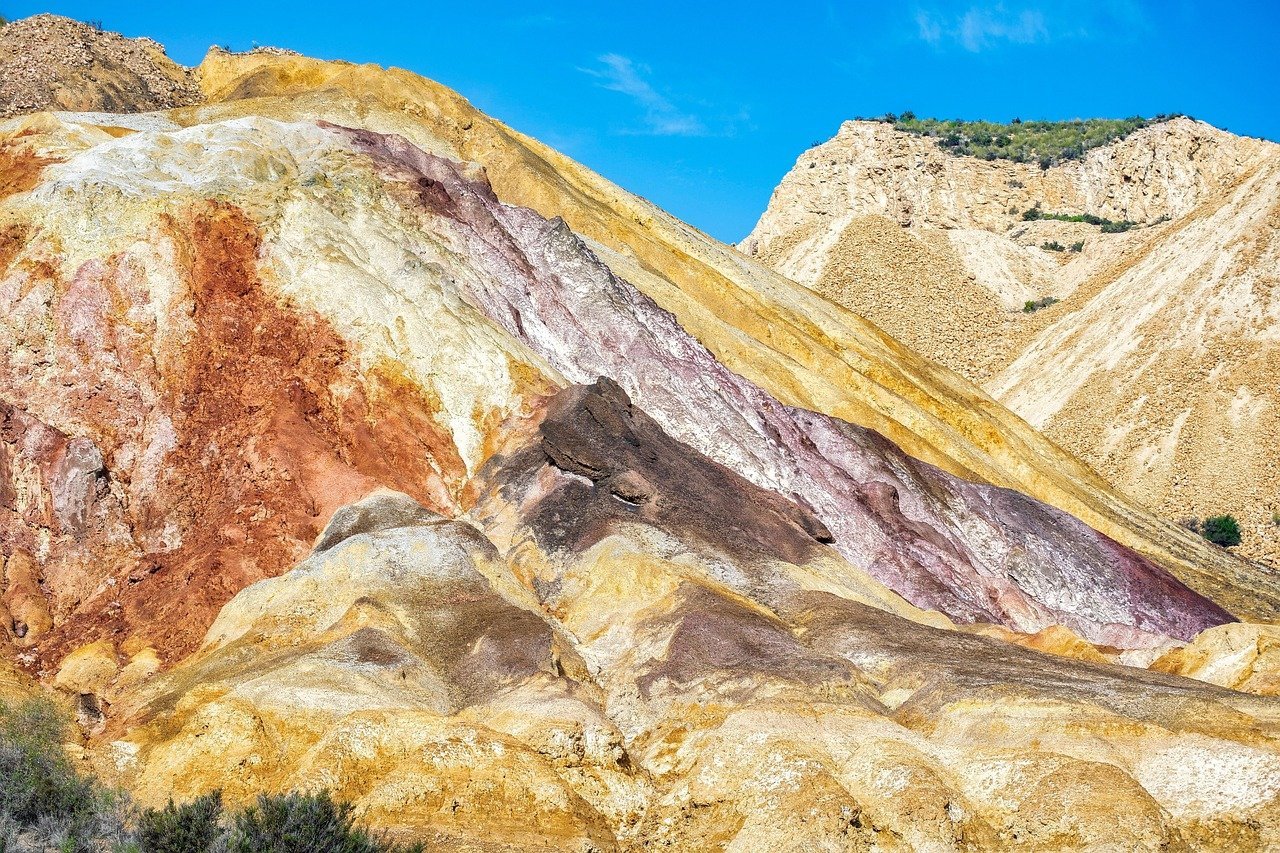
Let me paint a slightly uncomfortable picture. China alone accounts for roughly 70 percent of global critical mineral mining and 90 percent of processing. If you’re the United States and you’re thinking about resilience, diversification, and strategic independence, that statistic should keep you up at night.
Venezuela theoretically offers an alternative. The country’s geological endowment extends far beyond oil, with abundant deposits of iron ore, bauxite, gold, and nickel – plus notable occurrences of copper, zinc, and even rare earth elements – largely concentrated in the mineral-rich Guayana Shield of southern Venezuela. In fact, the country boasts Latin America’s largest gold reserves and ranks among the top global holders of iron ore and bauxite.
The problem? Potential doesn’t equal production. Venezuela’s critical minerals remain untapped while illicit and small-scale operations fill the void. The resources are there on paper – but without dramatic improvements in governance and infrastructure, they cannot feed the global supply chain or Venezuela’s own development. It’s a resource paradox: immense wealth underground, chaos and dysfunction above it.
Proximity Matters More Than You Think
There’s something uniquely strategic about having resource-rich neighbors. Unlocking Venezuelan oil could be particularly beneficial to the United States: Venezuela is nearby and its oil is relatively cheap – a result of its sticky, sludgy texture that requires significant refining. Proximity means shorter supply lines, lower transportation costs, and reduced exposure to maritime chokepoints like the Strait of Hormuz or the South China Sea.
When you compare this to sourcing oil from the Middle East or critical minerals from Central Africa, the logistics become dramatically simpler. Honestly, the Western Hemisphere offers a natural buffer against global supply disruptions that are becoming more frequent, whether from conflict, sanctions, or accidents. A pro-U.S. Venezuela enables a “Fortress Americas” energy market by integrating Canadian, American, and Venezuelan production into a hemispheric supply system largely insulated from MENA and Eurasian volatility.
The Chinese Factor and the Long Game
Currently, China is Venezuela’s top oil customer, according to analysts, but due to the secretive nature of some of those exports exact data is hard to come by. Over the past decade, China invested heavily in Venezuela, extending loans and taking oil shipments in return. Beijing also became a key buyer of minerals extracted from those contested southern regions.
While Western nations seek to reduce reliance on China, which controls 91% of rare earth refining capacity, Chinese buyers are increasingly accessing materials from regions with weak regulatory oversight – including the Colombian-Venezuelan border area. So from an American perspective, Venezuela isn’t just about accessing resources directly. It’s also about denying a strategic competitor the exclusive lock on those resources.
The calculation is straightforward: if Venezuela’s raw materials flow primarily to China, that strengthens Chinese supply chains and weakens alternatives for Western manufacturers. Conversely, redirecting or diversifying those flows reduces dependence and increases leverage.
The Diesel Dilemma and Industrial Backbone
Let’s return to diesel for a moment because it deserves more attention. The country produces a form of crude suitable for making diesel, which is widely used in many industries. As a result, removing Venezuela’s oil input from global markets could push up diesel costs in the U.S. and boost inflation.
Think about the ripple effects. Diesel fuels freight trucks that move goods across continents. It powers construction equipment. It runs backup generators. It’s the industrial workhorse fuel, and tightness in diesel markets translates directly into higher costs for businesses and consumers alike. When inflation becomes a political liability, access to affordable diesel becomes a national priority.
The OPEC Wildcard and Market Dynamics
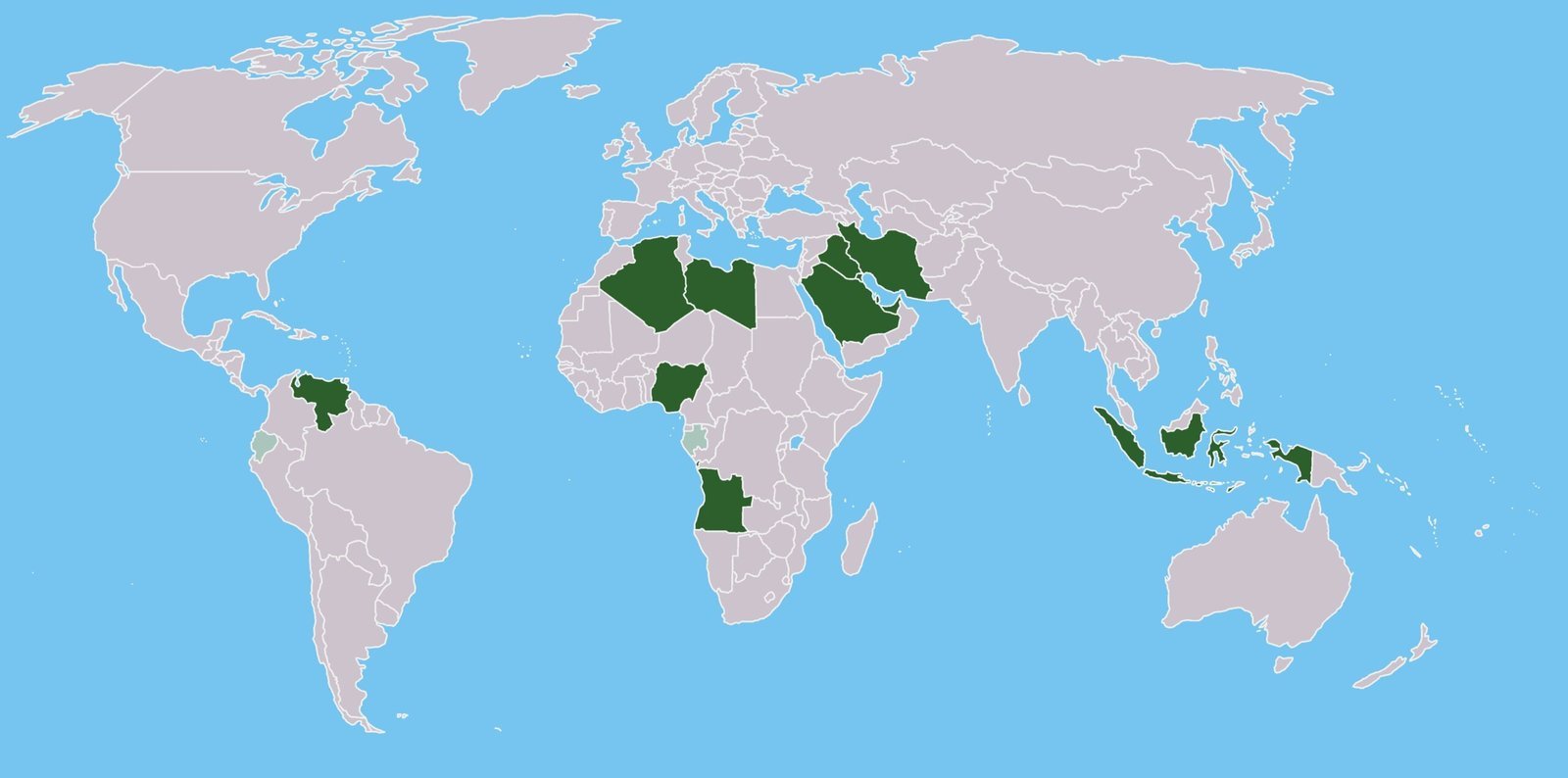
Venezuela is a current and founding member of OPEC, which enables the co-operation of leading oil-producing and oil-dependent countries to stabilize supplies and maximize profit. If Venezuela’s production could be revived and its political orientation shifted, it would change the internal dynamics of OPEC considerably.
If a US-directed Venezuela manages to rapidly boost output in the future, OPEC will face a supply glut or will have to adjust quotas. This would give Washington indirect but major influence inside the group and over global supply, disrupting the delicate balance members have been trying to keep for years. It’s not just about oil flowing into US refineries; it’s about reshaping global supply negotiations.
Bauxite, Aluminum, and Everything Else
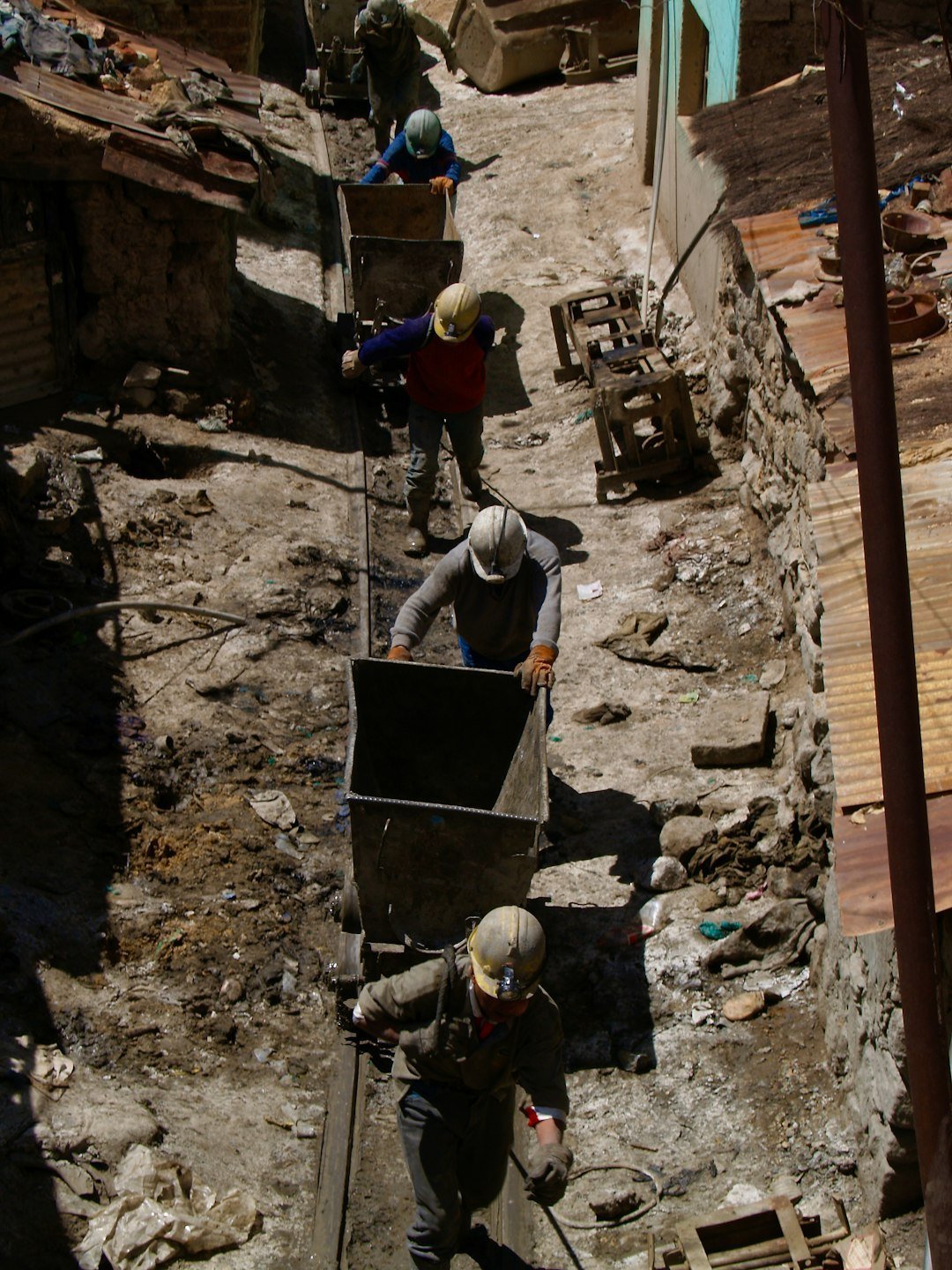
Venezuela is a major producer and exporter of minerals, notably bauxite, coal, gold, iron ore, and oil, and the state controls most of the country’s vast mineral reserves. Bauxite is the primary ore for aluminum production, and aluminum is everywhere – from aircraft and vehicles to construction materials and packaging.
Tantalum (from coltan), rare earths and battery metals are strategic inputs for chips, communications gear, batteries and guidance systems. Bauxite and aluminium feed structural and electronics manufacturing, while lithium, nickel and cobalt are central to modern battery supply chains – all cited as minerals Venezuela either produces or has exploration potential for.
It’s hard to overstate how diversified Venezuela’s resource base is. Iron ore for steel production. Coal for energy and industrial processes. Gold as a financial asset and industrial input. The list goes on, and each item represents a piece of the global supply chain puzzle.
The Governance Gap That Changes Everything

I know it sounds crazy, but all this geological wealth means almost nothing without the right institutions to manage it. Mineral wealth alone does not confer strategic power: ‘Resources only matter if you can mine them, process them, finance them, and deliver them to market reliably. Without that industrial and political architecture, reserves are just numbers on paper.’
This is the crux of the issue. Venezuela has been economically mismanaged for decades. Corruption, political instability, lack of investment, and international sanctions have created a toxic environment for resource development. U.S. and allied sanctions – imposed in response to governance concerns and democratic backsliding – have severely restricted access to capital markets, technology providers, insurers, and offtake partners.
So while the raw materials are undeniably there, actually getting them out of the ground, processed, and into global supply chains requires a level of stability and investment that has been absent. It’s a classic resource curse scenario: a country rich in resources but unable to translate that wealth into prosperity or strategic power.
What It All Means for the Future
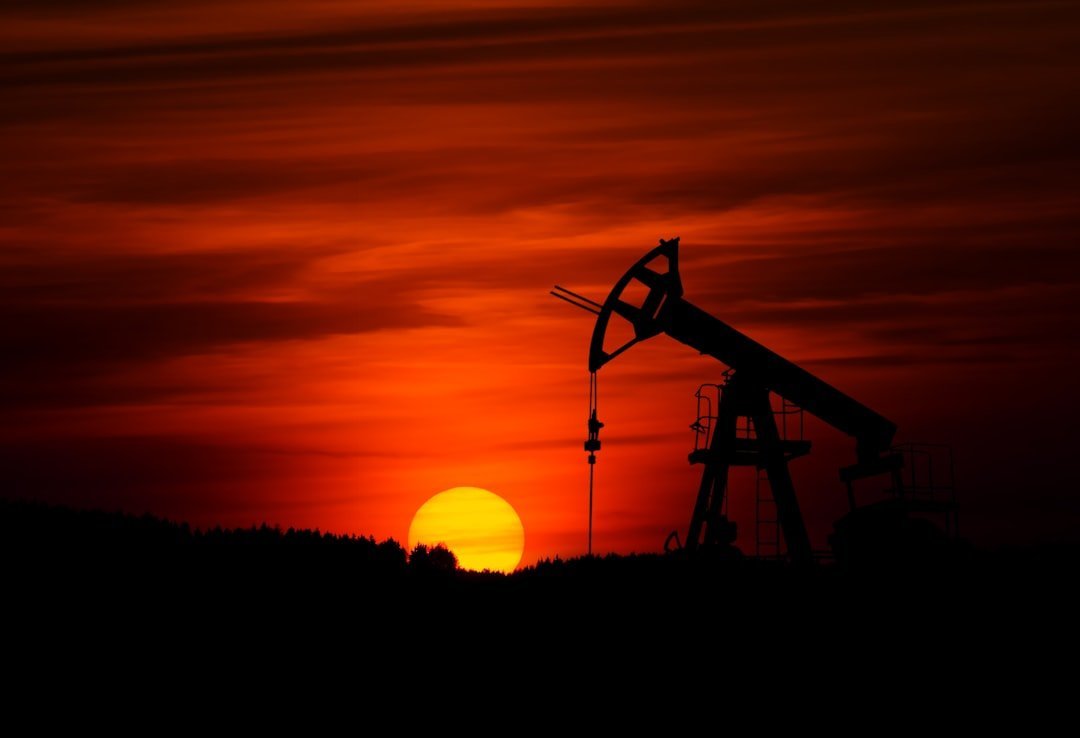
Rebuilding Venezuela’s oil sector will take many years and will require a new legal and economic framework that can attract the needed investment. There’s no quick fix here. The infrastructure is degraded. The workforce has been decimated by emigration and underinvestment in training. The regulatory environment is uncertain at best.
Still, the strategic calculation for the United States hasn’t changed. Venezuela’s raw materials matter because they represent a massive potential source of energy and critical minerals in a world where supply chain resilience is increasingly recognized as a national security priority. Diesel matters. Tantalum matters. Aluminum matters. Proximity matters.
Venezuela’s resources won’t solve America’s supply chain challenges overnight. They might not solve them at all if governance issues persist. However, the possibility – the sheer scale of what sits beneath Venezuelan soil – keeps the country relevant in Washington’s strategic thinking. It’s not about what Venezuela produces today. It’s about what it could produce tomorrow if the right conditions align. That potential, more than anything, explains why in 2026, despite all the chaos and complexity, Venezuela’s raw materials still matter deeply to the United States.