
For any feedback please reach out to info@festivalinside.com
- 10 Obscure ’70s Rock Songs That Shaped Metal Legends - April 1, 2026
- These 10 Books Will Challenge Everything You Thought You Knew About History. - April 1, 2026
- 13 Top Trending Songs on Instagram Reels in 2026 - April 1, 2026
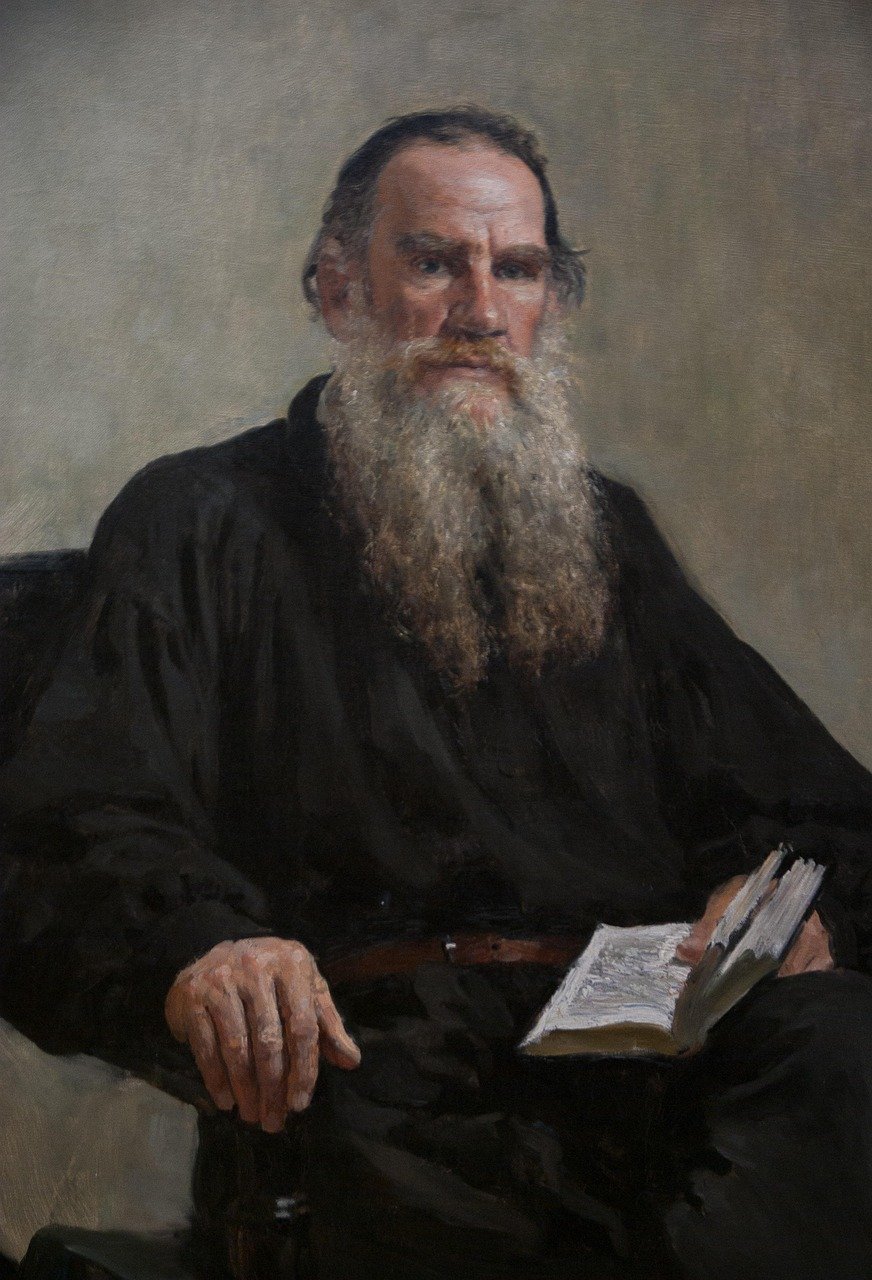
Leo Tolstoy’s War and Peace towers over world literature like a Russian winter – vast, unrelenting, and profoundly transformative. Published fully between 1865 and 1867, this epic clocks in at over 1,200 pages, chronicling the Napoleonic Wars’ grip on Russian society through battles, balls, and tangled personal fates. Critics consistently rank it among the greatest novels ever, praising its fusion of historical sweep with raw human insight. Yet for many, the sheer size sparks intimidation rather than excitement. Here’s the thing: pushing past that barrier unlocks rewards that reshape how you see history, fate, and yourself.
What elevates this work isn’t just its scale, but Tolstoy’s genius in making chaos feel intimate. Real events like Napoleon’s 1812 invasion collide with fictional lives, revealing how ordinary choices ripple through epochs. In today’s fast-scroll world, where depth often loses to brevity, War and Peace challenges us to slow down and grapple with life’s big questions. Scholars point to its timeless pull, influencing everyone from Virginia Woolf to modern thinkers. As we navigate our own turbulent times, this novel feels more urgent than ever.
Let’s unpack why embarking on this journey proves worthwhile, starting with its masterful blend of eras and emotions.
A Masterful Tapestry of History and Fiction
Tolstoy weaves real historical upheavals with invented lives, painting a panoramic view of early 19th-century Russia. The French invasion of 1812 takes center stage, featuring icons like Napoleon Bonaparte and General Mikhail Kutuzov, yet the narrative thrives through aristocratic families caught in the storm. Pierre Bezukhov, the awkward intellectual heir, quests for purpose amid the chaos, while Natasha Rostova grows from impulsive youth to steadfast pillar of strength. Prince Andrei Bolkonsky chases battlefield glory, only to face profound disillusionment. This interplay doesn’t just recount military tactics or politics; it humanizes an entire society’s convulsions. Readers gain not only knowledge but a visceral sense of how history pulses through personal veins.
The Pulse of Domestic Life Amid War’s Shadow
War propels the storyline, yet Tolstoy lavishes equal attention on everyday intimacies, exposing the novel’s emotional core. Glamorous balls in Moscow and St. Petersburg clash against grim battlefields, underscoring the aristocracy’s detachment from looming doom. Family tensions drive the heart – the Rostovs’ lively warmth contrasts the Bolkonskys’ stern pride, fueling drama across generations. Romances ignite and fade, marriages strain under duress, and the young confront heartbreaking losses. These moments reinforce Tolstoy’s view that history emerges from myriad individual decisions, not grand decrees alone. Ultimately, rituals like hunts or feasts anchor the monumental tale in universal human rhythms.
Philosophical Depths on Free Will and Fate
Deep at its heart, War and Peace confronts life’s thorniest riddles: the tug-of-war between personal agency and inexorable forces. Tolstoy dismantles the “great man” theory, positing that Napoleon’s downfall arose from collective tides rather than one leader’s brilliance. Pierre’s Masonic wanderings and Andrei’s final revelations probe suffering’s purpose, while embedded essays dissect history’s flawed chronicles. This bold structure urges readers to question tidy cause-and-effect tales. Tolstoy champions subtle influences – “swarms” of choices – as true shapers of destiny. The result? A richer grasp of navigating an unpredictable existence.
A Sprawling Cast That Feels Deeply Personal
Over 500 characters populate this universe, but Tolstoy crafts them with such nuance that none blur into the background. Core families – the Rostovs, Bolkonskys, and Bezukhovs – intertwine across decades, propelling the saga forward. Natasha’s vibrant energy, Pierre’s earnest clumsiness, and Andrei’s introspective fire etch them into memory. Even bit players, from sly courtiers to enduring peasants, lend authentic texture. Omniscient narration fluidly hops viewpoints, breeding empathy for imperfect souls. What emerges is less a crowd scene than a intimate mosaic of humanity’s breadth.
Revolutionary Techniques That Keep Pages Turning
Tolstoy upends traditional storytelling, merging genres in ways that feel strikingly modern. Crisp chapters pivot from thunderous clashes to hushed musings, sustaining pace over immense length. Sensory prose plunges readers into blizzards or barrages, while dialogue nails dialects and class subtleties. Midway historiographical dives halt the fiction, demanding reflection on narrative itself. This psychological acuity, with its piercing inner voices, foreshadows later literary giants. Honestly, these innovations make the epic not just readable, but riveting.
Timeless Lessons for a Distracted Age
In our soundbite era, War and Peace counters with patience, layers, and hard-won clarity. Its disdain for war’s absurdity mirrors conflicts from Ukraine to the Middle East today. Resilience themes hit home, prompting soul-searching in personal crises. Translations by Richard Pevear and Larissa Volokhonsky have refreshed it for new eyes, while its sway over Woolf and Eco affirms elite status. Building intellectual endurance through it yields insights that stick. No wonder millions snap it up yearly.
Conquering the Page-Count Hurdle
The tome’s bulk daunts newcomers, yet smart tactics turn intimidation into triumph. Audiobooks or abridgments offer gentle entry before the full plunge. Prioritize character journeys over subplot overload – apps and guides manage the dramatis personae. Steady bites, like 50 pages daily, wrap it in mere weeks. The dividends? Lasting epiphanies mirroring the protagonists’ arcs. Countless finishers call it transformative, a catalyst for real growth.
A Legacy Echoing Through Culture
Adaptations abound, from Bondarchuk’s 1960s cinematic marathon to BBC series and operas, keeping Tolstoy alive on screen and stage. UNESCO honors it, and lists like Modern Library’s throne it as supreme. Gandhi and Einstein lauded its wisdom; in Russia, it embodies the soul. Globally, it bridges divides with universal truths. Sales hum on, a testament to grip. For observers of the human drama, it stands as unmatched masterclass.
Final Thought
War and Peace isn’t mere reading – it’s a reckoning with life’s grand mess, proving Tolstoy’s vision endures across centuries. Tackling it builds not just knowledge, but resilience for our own chaotic times. What’s holding you back from starting? Share your thoughts in the comments below.
Source: Original YouTube Video

Christian Wiedeck, all the way from Germany, loves music festivals, especially in the USA. His articles bring the excitement of these events to readers worldwide.
For any feedback please reach out to info@festivalinside.com
