

For any feedback please reach out to info@festivalinside.com
- 25 Underrated U.S. Cities You Should Visit Before They Get Too Popular - February 8, 2026
- Hidden Messages in Famous Logos - February 8, 2026
- 12 Famous Paintings with Hidden Faces – Can You Find Them? - February 8, 2026
Have you noticed how much Virginia has changed recently? Maybe you’ve sat in traffic longer than you used to, or you’ve looked at home prices and done a double take. Perhaps you’ve simply felt a shift in the energy of the place, something harder to pin down but unmistakable nonetheless. The truth is, Virginia in 2025 looks and feels remarkably different from the Virginia of 2015. This isn’t just nostalgia talking.
Over the past decade, the Old Dominion has experienced transformations that have reshaped everything from daily commutes to neighborhood demographics to the political landscape. Some changes happened gradually, almost imperceptibly. Others arrived with the force of a major announcement that made national headlines. Let’s dive into what exactly has changed and why your Virginia experience today might feel worlds apart from what it was just ten years ago.
The Population Boom That Changed Everything
Virginia’s population increased by nearly half a million people between 2014 and 2024, a growth rate that has fundamentally altered the character of many communities. Think about that for a moment. That’s roughly the equivalent of adding an entire city the size of Raleigh, North Carolina, to the state. Over the past decade, Virginia added over 500,000 people to its population, an increase of roughly 6 percent, and those newcomers didn’t spread out evenly across the Commonwealth.
The growth has been heavily concentrated in certain areas. Suburban areas are experiencing the most dramatic growth, with counties like New Kent and Goochland growing by more than 23 percent and nearly 18 percent respectively. Meanwhile, rural southwestern regions have actually lost population, creating a stark divide between booming suburbs and struggling rural communities. This uneven distribution means some Virginians are dealing with overcrowding and infrastructure strain, while others are watching their towns slowly empty out. The Virginia you experience depends heavily on where you happen to live.
Traffic That Wasn’t This Bad Before
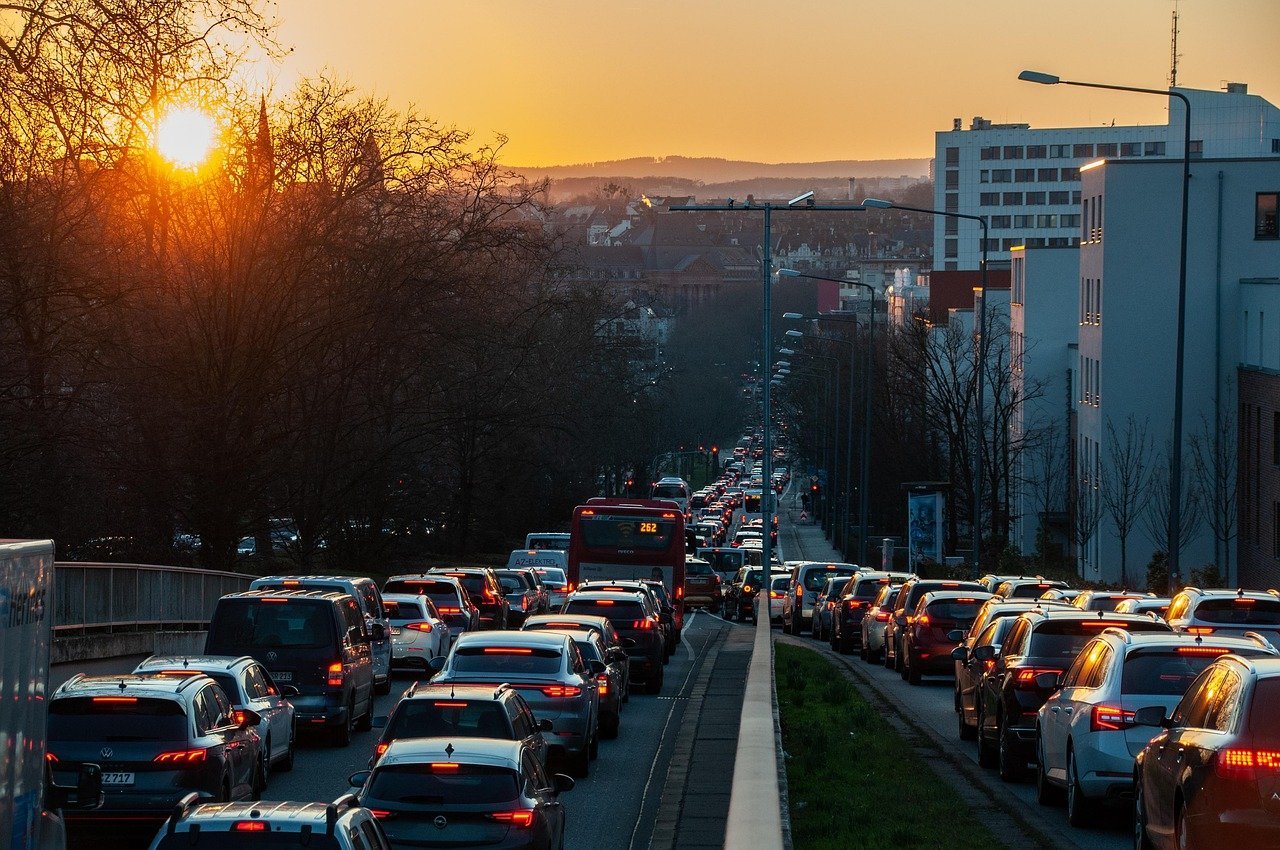
Let’s be real: Northern Virginia traffic has always been terrible. Yet somehow, it’s gotten worse. Northern Virginia experiences the worst traffic congestion in the Commonwealth and is consistently ranked among the top five most congested regions in the United States. That’s not just anecdotal frustration speaking. That’s measurable, documented reality.
Here’s the thing: building more roads hasn’t solved the problem. VDOT added a fourth general-purpose lane to I-95 in 2011 and found that it didn’t reduce travel times long-term. In fact, speeds have gone down since then, which means worse congestion instead of relief. It’s a phenomenon called induced demand, where new road capacity simply encourages more driving until congestion returns to previous levels or gets even worse. The billions spent on road improvements have helped, sure, but they haven’t delivered the relief many hoped for. If you’ve been commuting in Northern Virginia for the past decade, you’ve lived this reality day after frustrating day. What used to be a manageable drive has morphed into a test of patience and podcast endurance.
Housing Prices That Feel Impossible
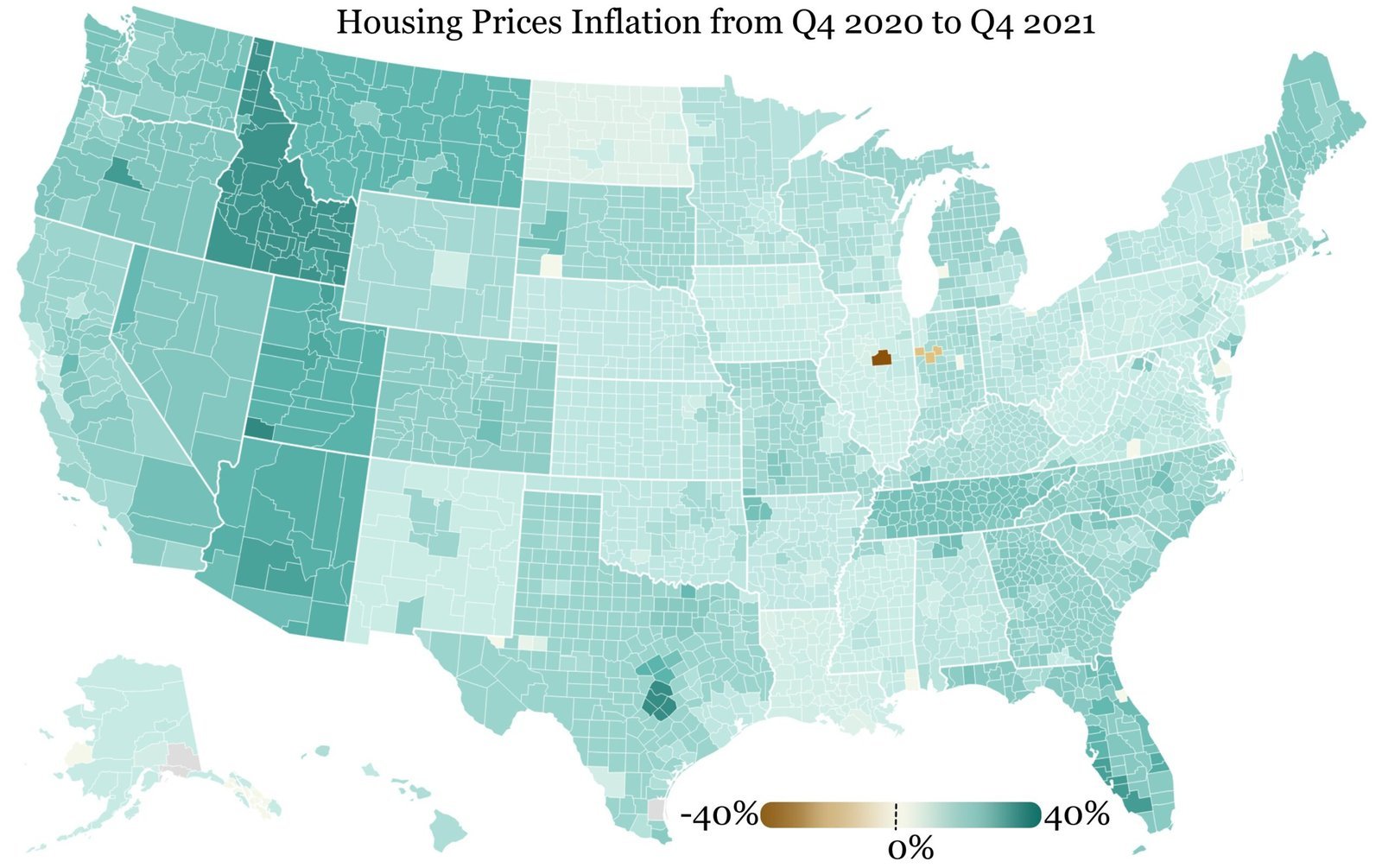
Ten years ago, buying a home in Virginia was challenging for many families. Today, it feels nearly impossible for some. The median price of a single-family home in Virginia rose nearly 40 percent between 2019 and 2024, pushing homeownership further out of reach for working-class families. In early 2025, the median home sold for over $600,000 in Northern Virginia, $370,000 in Richmond, and $341,000 in Hampton Roads.
I think what strikes many people is the speed of this change. The ability of typical blue-collar worker households to purchase a home has declined markedly across Virginia’s largest metro areas. In 2023, less than half of such working households could afford the median entry-level home, down from nearly two-thirds about a decade ago. That’s a massive shift in affordability that has locked out an entire segment of the population from homeownership. Young professionals, teachers, service workers, and countless others who would have been first-time homebuyers a decade ago are now stuck renting or living with family. The dream of owning a piece of Virginia has become significantly more distant for millions of residents.
The Amazon Effect and Tech Transformation

When Amazon announced in 2018 that it would locate its second headquarters in Northern Virginia, many viewed it as a watershed moment. They were right. Amazon announced plans to invest approximately $2.5 billion to establish HQ2 in Virginia, creating more than 25,000 high-paying jobs. Yet the impact has rippled far beyond those direct employment numbers.
More than 8,300 corporate and tech jobs have been assigned to HQ2, along with over 2 million square feet of new commercial space, fundamentally reshaping the National Landing area that encompasses parts of Arlington and Alexandria. The presence of Amazon has acted as a magnet, attracting other tech companies and workers to the region. Virginia’s $1 billion investment in higher education, including the doubling of computer science programs and the launch of the Virginia Tech Innovation Campus, was specifically designed to attract Amazon and create a tech talent pipeline.
Honestly, this transformation has been both blessing and burden. The tech boom brought high-paying jobs and economic growth. It also contributed to housing price increases, changed neighborhood character, and intensified competition for everything from restaurant reservations to preschool slots. The Virginia that Amazon moved into is not the Virginia that exists today, and Amazon’s arrival played no small role in that evolution.
A Political Landscape Flipped on Its Head
Virginia’s political transformation over the past decade has been nothing short of remarkable. In the 21st century, Northern Virginia has become more liberal in attitudes and voting, constituting a reliable voting bloc for Democrats and joining population centers in Richmond and Hampton Roads to dominate the state. This represents a dramatic shift from Virginia’s reliably Republican status that persisted from the 1950s through the early 2000s.
Virginia’s shifting demographics, driven largely by Hispanics and Asians, have dramatically altered the electorate in just a few decades. The growth of diverse, educated, suburban populations has fundamentally changed who votes and what issues matter. Counties like Loudoun and Prince William, which were considered Republican strongholds in 2000, now lean Democratic. Meanwhile, rural areas that once voted Democratic have shifted Republican. The political map has essentially inverted itself. If you’re politically active in Virginia, the landscape you’re navigating today bears little resemblance to the one from a decade ago. What worked then doesn’t work now, and both parties are still figuring out how to adapt.
The Remote Work Revolution and Rural Possibilities

The explosion in remote work during the pandemic and its persistence since then is shaping up to be the most impactful demographic trend since the expansion of suburbs after World War II. This shift has created unexpected opportunities and challenges across Virginia. Workers who once needed to live within commuting distance of offices in Northern Virginia or other urban centers can now potentially live anywhere with decent internet.
Hybrid and remote work has made it possible for many Northern Virginians to move hours away from Washington and still keep their current job, which has increased migration to other parts of Virginia. Many of these areas are ramping up new home construction levels, with the number of new homes built outside the urban areas doubling over the past decade. This represents a potential lifeline for rural communities that had been experiencing population decline.
Still, it’s hard to say for sure whether this trend will reverse rural Virginia’s demographic challenges. The effects are uneven. Some rural areas with good infrastructure and natural beauty have seen an influx of remote workers. Others continue to struggle. The question is whether remote work will fundamentally reshape Virginia’s population distribution or merely slow existing trends. We’re still in the middle of this experiment.
The Cost of Living Creep

Beyond just housing, the overall cost of living in Virginia has crept steadily upward. The average cost of living in Virginia in 2025 is approximately 9 percent higher than the national average, though this varies significantly by location. Arlington remains one of the most expensive places to live in the entire state, while rural areas maintain more affordable price points.
What changed over the past decade isn’t just the raw numbers. It’s the feeling that Virginia is becoming less accessible to regular people. In Virginia, roughly half a million renter families spend more than 30 percent of their income on housing, creating financial strain that affects everything from healthcare decisions to retirement savings. Grocery costs, transportation expenses, childcare, and other daily necessities have all increased faster than wages for many workers. A decade ago, Virginia felt like a place where middle-class families could thrive. Today, it increasingly feels like a place designed for high earners, with everyone else scrambling to keep up.
Infrastructure Struggling to Keep Pace
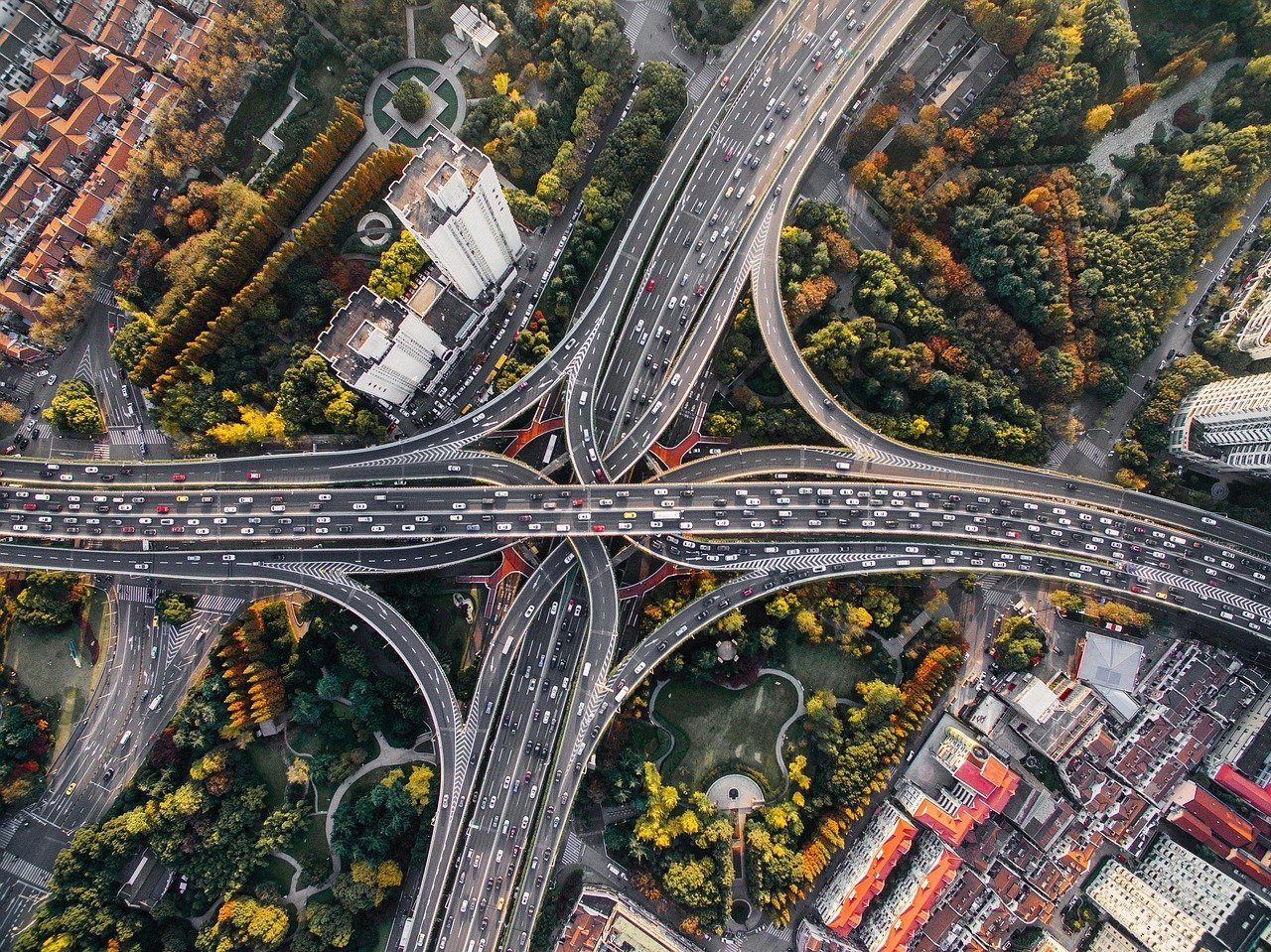
Virginia’s infrastructure, from roads to schools to water systems, was designed for the population levels of the past. The rapid growth of the last decade has exposed the limitations of that infrastructure in ways both large and small. Schools in growing suburban areas have become overcrowded, with some districts resorting to trailers and redistricting battles. Achieving adopted regional housing targets would reduce congestion by roughly 20 percent, the same amount of congestion reduction that would be achieved if the entire $76 billion transportation plan were built.
The mismatch between population growth and infrastructure capacity has created a quality-of-life squeeze. Parks are more crowded, appointments are harder to get, and public services are stretched thinner. Local governments are racing to catch up, but infrastructure takes years to plan and build. Many residents feel like they’re living in a place that’s bursting at the seams, where the systems that should support daily life are instead sources of frustration. This wasn’t the Virginia experience a decade ago, when infrastructure mostly kept pace with demand. Today, playing catch-up has become the norm.
Changing Demographics and Community Character

Virginia is at a demographic tipping point, with people of color becoming the majority. Since 2000, residents of color account for more than three out of every four new Virginia residents. This demographic shift has brought cultural richness and diversity to many communities, transforming neighborhoods, schools, businesses, and social institutions.
Because of immigration in the late 20th and early 21st centuries, there are rapidly growing populations from Latin America, Asia, Africa, and the Caribbean, especially in Northern Virginia. Northern Virginia is one of the most diverse regions in the country, and Virginia has one of the largest Salvadoran populations in the United States. Walk through certain neighborhoods in Northern Virginia today and you’ll hear multiple languages, smell cuisines from around the world, and see cultural celebrations that simply didn’t exist a decade ago. For many, this diversity is Virginia’s greatest strength. For others, it represents unsettling change. Either way, it’s impossible to deny that Virginia’s cultural landscape has been fundamentally transformed in just ten years.
The Economic Opportunity Gap
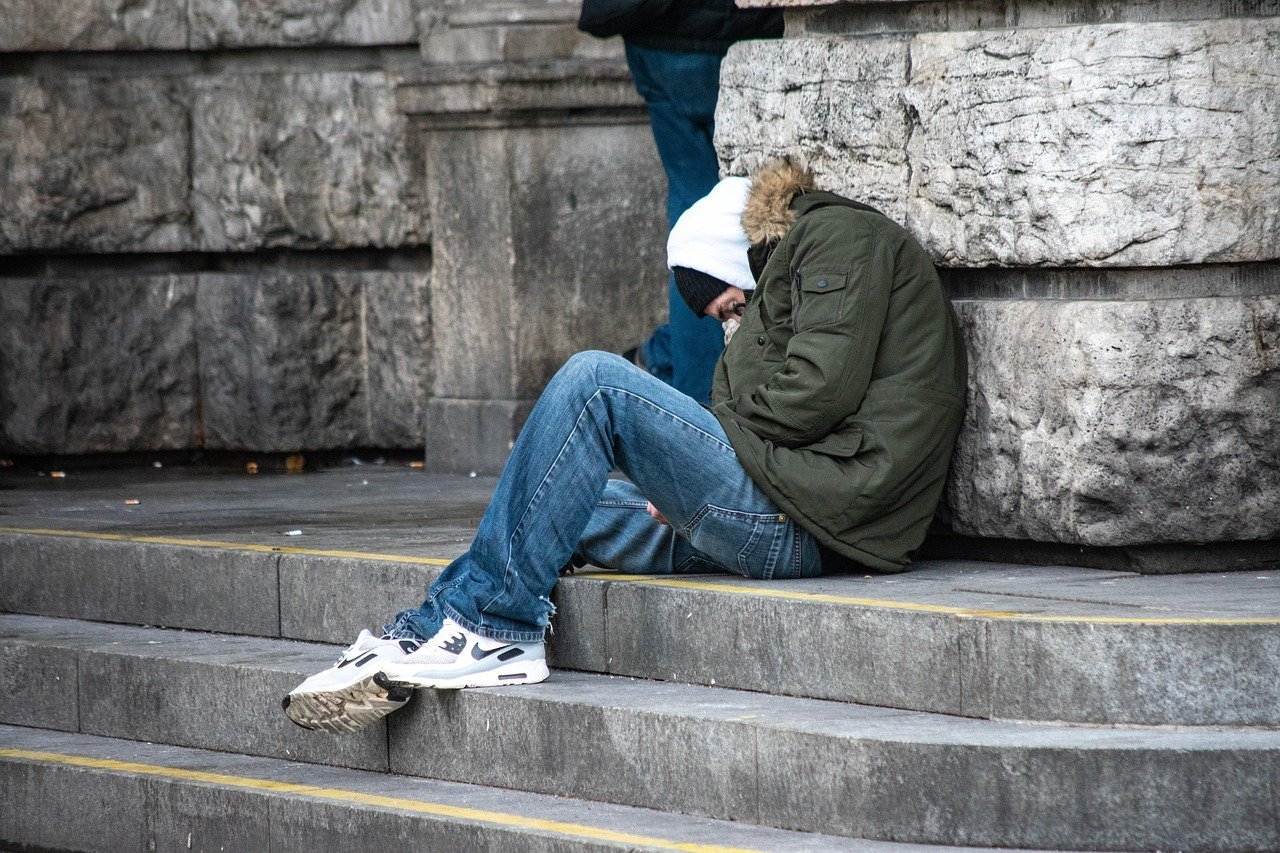
Virginia’s economic growth over the past decade hasn’t benefited everyone equally. While tech workers and highly educated professionals have seen wages rise and opportunities expand, many working-class Virginians have struggled to keep up. Income inequality has widened, creating two very different economic realities within the same state.
Income inequality grew over the past two decades in Virginia, with racial disparities in education playing a significant role. High school dropout rates are significantly higher among youth of color. This educational gap translates directly into economic opportunity gaps that persist into adulthood. Communities with strong schools, tech jobs, and high property values have thrived. Communities without those advantages have fallen further behind. The result is a Virginia increasingly divided between haves and have-nots, with geography and background determining life outcomes more than ever before. This wasn’t the Virginia promise of a decade ago, when opportunity felt more widely distributed.
Nature and Open Space Under Pressure
As Virginia’s population has grown and development has spread, the state’s natural spaces have come under increasing pressure. Farmland has been converted to subdivisions, forests cleared for shopping centers, and green spaces paved over for parking lots. The pace of development has been particularly intense in areas experiencing rapid growth.
This loss of open space affects quality of life in subtle but important ways. It means longer drives to find hiking trails, fewer places for kids to play in nature, and less of the scenic beauty that attracted many people to Virginia in the first place. Wildlife habitats shrink, flooding risks increase as natural drainage disappears, and the character of communities shifts from semi-rural to fully suburban. Ten years ago, you could drive just a few miles outside many Virginia towns and find yourself surrounded by countryside. Today, that countryside is often twenty or thirty miles away, replaced by endless sprawl. For people who value nature and open space, this represents one of the most painful changes of the past decade.
Education and Workforce Development Pressures

Virginia’s education system has been forced to adapt rapidly to changing demographics and economic demands. The need for tech workers has pushed universities to dramatically expand computer science programs. The diversification of student populations has required new approaches to teaching and support services. Budget pressures in some districts have led to difficult choices about class sizes and program offerings.
The result has been an education landscape in flux. Some schools and universities have thrived, attracting resources and talent to meet new demands. Others have struggled, particularly in rural areas losing population and tax base. Parents navigating Virginia’s education system today face choices and challenges that barely existed a decade ago, from magnet school lotteries to decisions about virtual learning options. The transformation of education has been both necessary and disruptive, leaving many families feeling uncertain about what the future holds for their children.

Christian Wiedeck, all the way from Germany, loves music festivals, especially in the USA. His articles bring the excitement of these events to readers worldwide.
For any feedback please reach out to info@festivalinside.com
