

- The World’s Most Beautiful Gardens Are Artworks in Themselves - April 2, 2026
- 10 Coming of Age Books Every Teenager Should Read - April 2, 2026
- The Most Memorable Concerts Are More Than Just Music; They’re Experiences - April 2, 2026
There is something quietly revolutionary happening in backyards, community plots, and balcony pots all across the world. People are putting down their phones, stepping outside, and digging their hands into the earth. Not as a hobby. Not as a weekend chore. As medicine. As a way to breathe again.
Mental health has become one of the defining conversations of our era, and yet the answer may have been growing quietly in front of us all along. Gardening, one of humanity’s oldest practices, is now the subject of serious scientific inquiry, and what researchers are finding is nothing short of remarkable. Stay with me, because this story gets more compelling the deeper you go.
The Psychological Power of Getting Your Hands Dirty
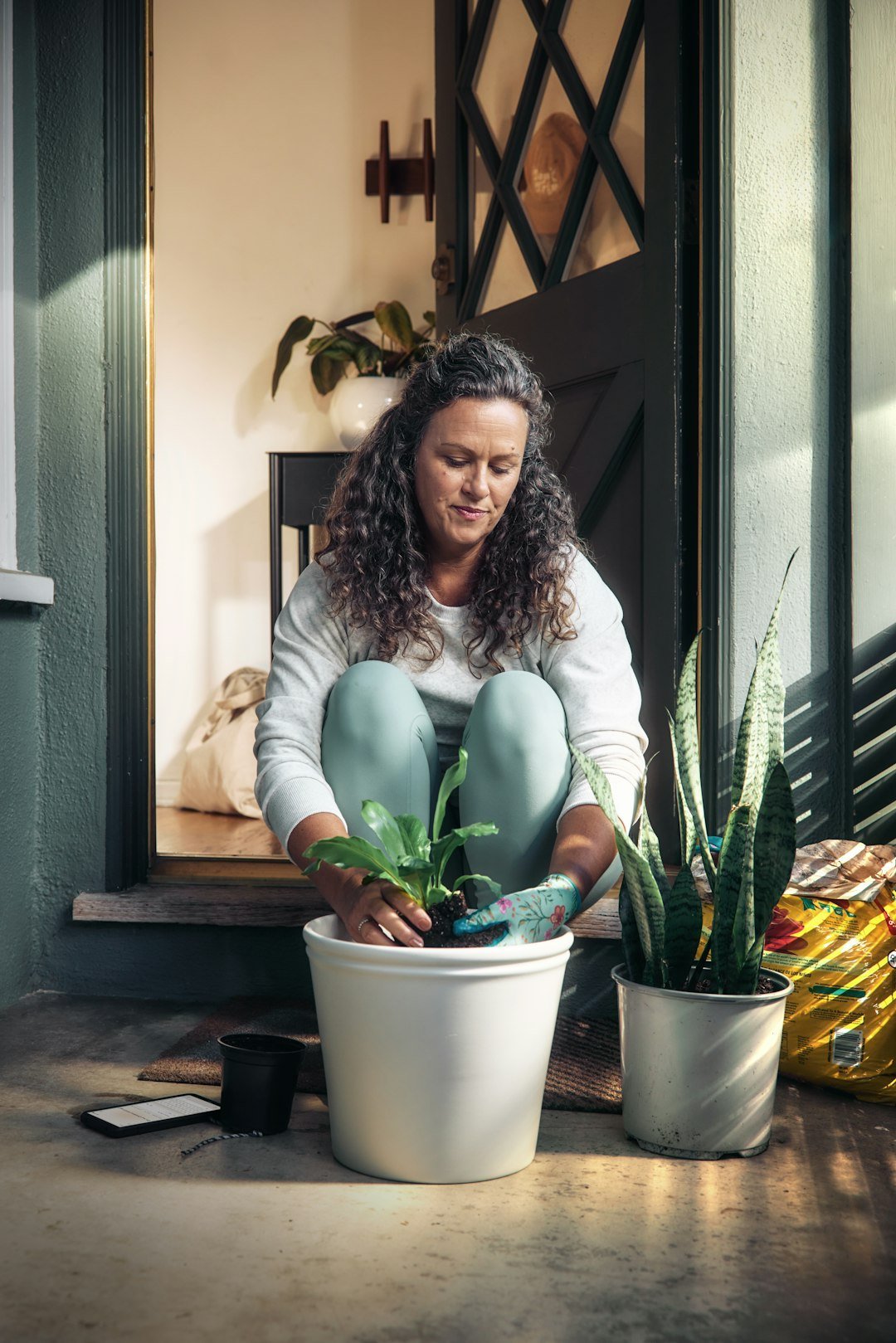
Most people think of therapy as a couch, a notepad, and a softly lit room. Honestly, that image needs updating. Therapeutic gardening activities have been shown to positively affect mental health and reduce negative emotions such as depression, anxiety, and stress. That is not a minor claim. Depression and anxiety are among the most common mental health conditions globally, and here we are with one of the most accessible interventions imaginable, a patch of soil and something to grow in it.
Studies have shown gardening to reduce stress and promote feelings of mastery, accomplishment, and competence, alongside higher levels of self-efficacy, self-esteem, and psychological wellbeing. Think about that for a moment. The act of nurturing a living thing, of watching something thrive under your care, produces the same emotional rewards as completing a major project or achieving a goal. It is goal-setting and accomplishment on a human, unhurried scale.
Horticultural therapy, which involves sowing and planting with therapeutic goals and objectives for improving or recovering health, is effective in treating patients with a number of mental health conditions, including clinical depression, schizophrenia, and substance abuse. That is a remarkable range of conditions. The garden, it turns out, is not just relaxing. It is genuinely healing.
Reviewed studies reported an overall positive impact of gardening activities on several measures of mental wellbeing, quality of life, and health status. This was no small body of research. An umbrella review included 40 studies, comprising 10 interventional studies, 2 observational studies, and 28 mixed interventional and observational studies. The evidence, in other words, is stacking up impressively.
Gardening as Physical Activity You Will Actually Enjoy
Here is the thing about exercise. Most people know they should do it. Most people also find it deeply, personally difficult to keep doing it. The gym can feel punishing. Running can feel like a chore. Gardening, though? That one sneaks up on you.
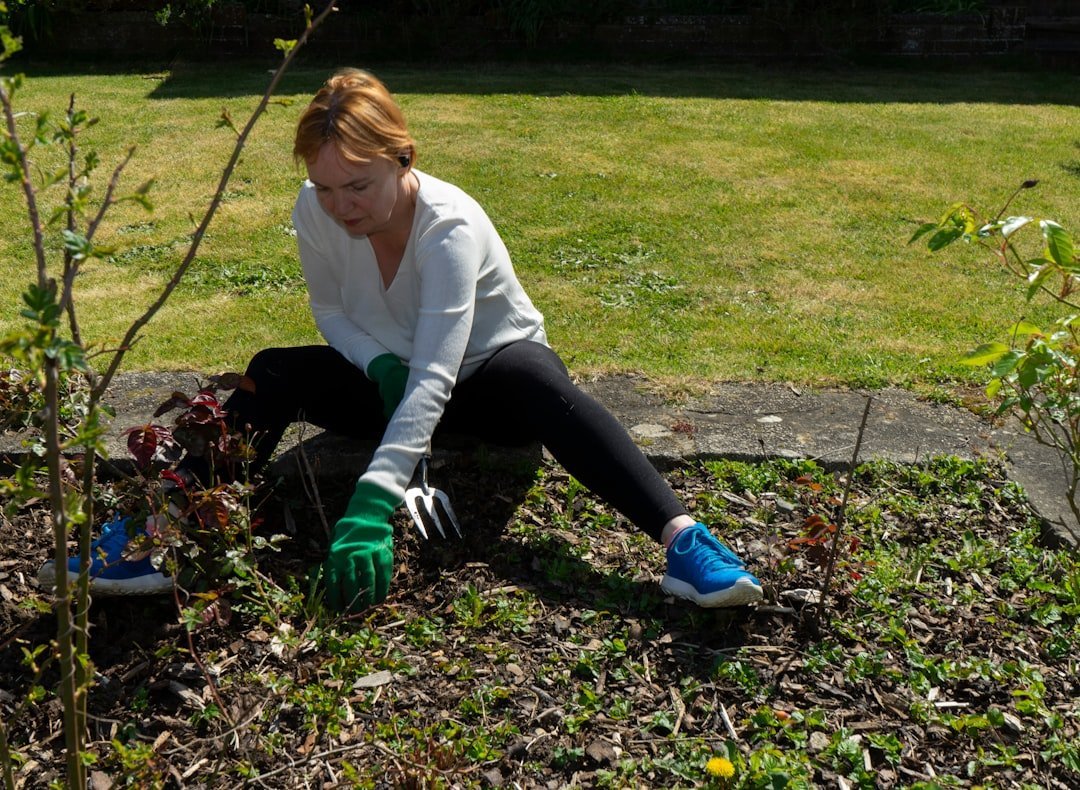
Planting, weeding, digging, raking, and mowing are considered physically intense, and avid gardeners can easily exert the same amount of energy as running or going to the gym. Most people would never guess that. You are not just pottering around. You are genuinely working your body, often without even noticing, because you are too focused on what you are planting.
A 2023 study involving 300 people suggested that people who kept a garden for one year ate about two more grams of fiber per day, had less stress and anxiety, and did more moderate-to-vigorous exercise per day than people who did not do any gardening. That is a remarkable set of knock-on effects from one simple activity. It improves diet, stress, and physical movement all at once.
Digging, raking, and using a push mower can be physically intense activities, and you may burn as many calories as a workout at the gym. Meanwhile, gardening can also improve your balance, strength, and flexibility. That is essentially a full fitness program wrapped inside something that produces beautiful results. I think that is about as good a deal as you can find.
The Sensory Experience That Grounds the Mind
We live in an era of relentless digital noise. Screens, notifications, headlines. Our nervous systems are constantly processing information that comes at us in waves, rarely giving us a moment to simply be present. Gardening is one of the few activities that forcefully, gently pulls you back into your body and into the physical world around you.
Gardens engage multiple senses simultaneously: vision through colors and shapes, smell through flowers and herbs, touch through soil texture, sound through water features or wildlife, and even taste through fresh fruits or vegetables. This multisensory stimulation can ground individuals in the present moment while providing soothing sensory input. That is essentially the definition of mindfulness, achieved not through seated meditation but through action.
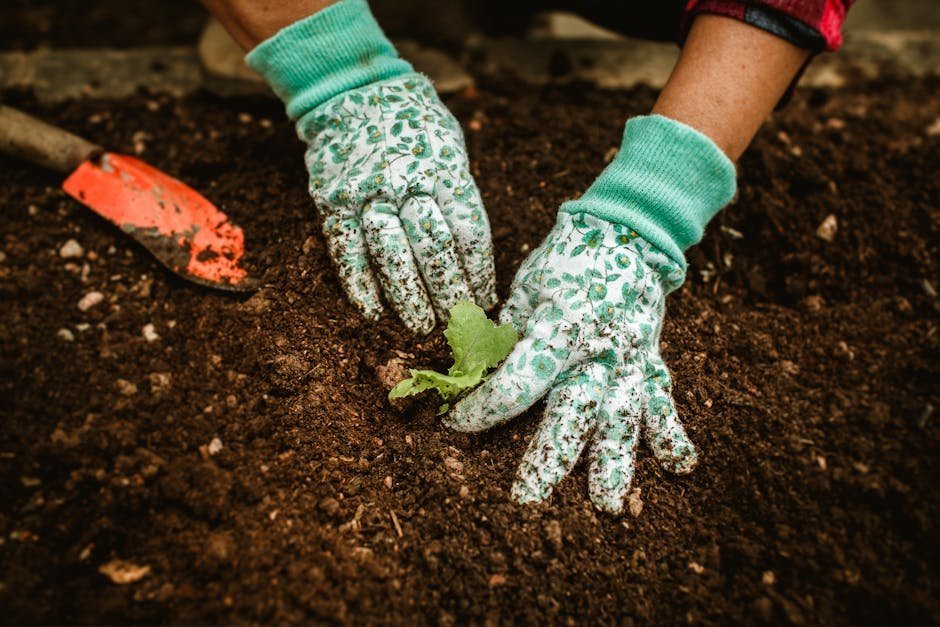
Engaging with soil is associated with grounding experiences that activate sensory responses, enhancing mood and reducing stress. The physicality of handling soil can trigger positive memories and facilitate a sense of connection to nature. There is something primal about it. Getting your hands in the dirt does not just feel satisfying. Science suggests it genuinely is.
Stepping into a garden often elicits a gentle fascination through sensory experiences, such as observing a butterfly alight on a flower, noticing the shifting patterns of sunlight through leaves, or tracking subtle changes in plant growth over time. These natural stimuli capture attention in a soft, involuntary manner, allowing the brain’s directed attention system to rest and recover. Think of it like a power nap for your overloaded mind, without lying down.
Reconnecting With the Environment Around You
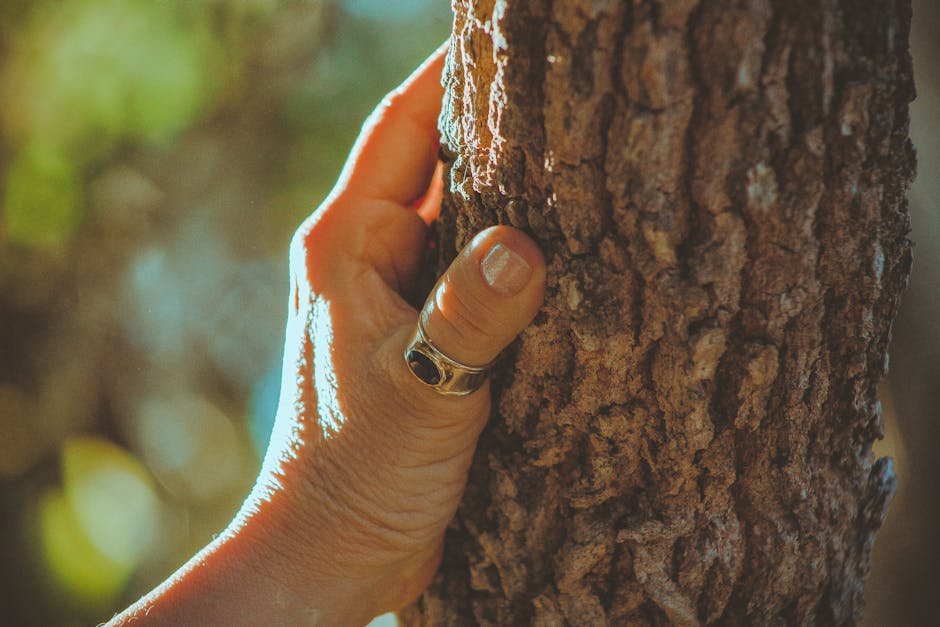
One concept that keeps emerging in psychological research is something called biophilia, the idea that human beings have an innate, evolutionary pull toward living systems and nature. We spent hundreds of thousands of years outdoors, embedded in natural environments. Modern life has severed that connection sharply, and many researchers believe that rupture carries a cost.
Biophilia, our inherent affinity for living systems, explains why nature exposure feels restorative and healing. When we engage in therapeutic gardening, we satisfy this fundamental human need for natural connection, resulting in reduced stress and enhanced wellbeing. It is not wishful thinking. It is evolutionary biology catching up with modern psychology.
Many studies in the UK and other countries concur that higher proportions of green space, especially biodiverse habitats, are associated with less depression, anxiety, and stress, even after controlling for potential confounding factors such as deprivation. The relationship between nature and mental health is not a luxury for those with large gardens. It scales down. A window box of herbs can begin to restore what urban life takes away.
Spending time outdoors in a relaxed atmosphere can make people more mindful of the present, gain emotional resilience, and combat stress through greater vitality. Several studies have documented that spending time in nature triggers physiological responses that lower stress levels. According to the attention restoration theory, connectedness with nature replenishes cognitive resources, leading to improved concentration and attention. Gardening, in other words, is not an escape from real life. It restores your capacity to engage with it.
How Routine Gardening Builds Mental Stability Over Time
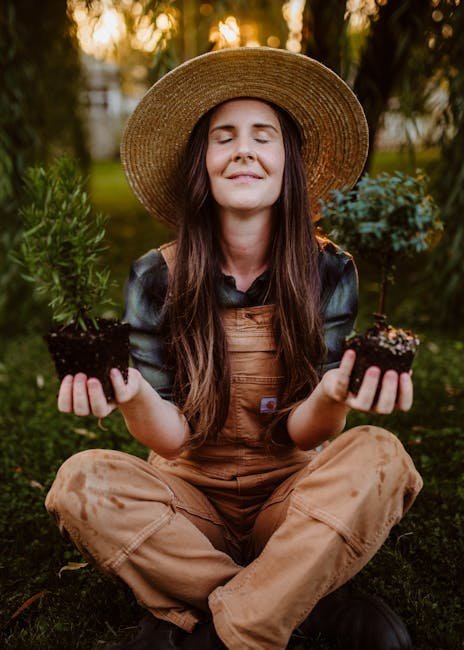
There is a quiet but powerful truth about mental health that often gets overlooked: structure saves people. A sense of purpose, a regular rhythm, something to show up for. These things matter enormously, particularly for those navigating anxiety, depression, or grief. Gardening offers all three in one place.
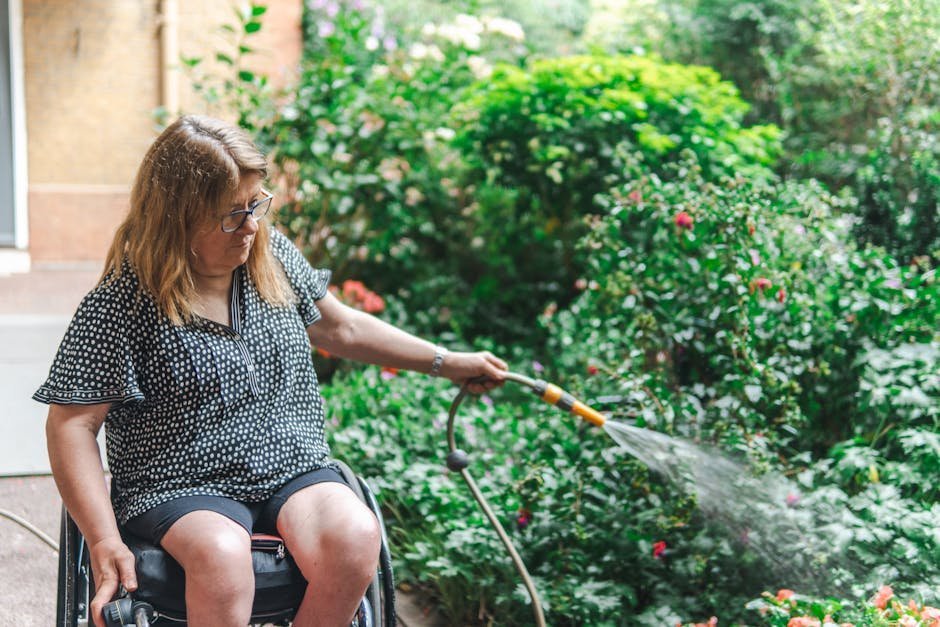
Routines provide structure to our day and are linked to improved mental health. Gardening routines, like watering and weeding, can create a soothing rhythm to ease stress. It is a bit like the mental equivalent of making your bed in the morning. Small, consistent actions build a sense of order and agency in a world that often feels chaotic.
Sustained engagement produces cumulative mental health benefits that extend well beyond individual gardening sessions. Research tracking participants over multiple years reveals ongoing improvements in psychological resilience and life satisfaction. Regular practice develops crucial resilience skills, including patience, adaptability, and hope. Those are not small gains. Those are the pillars of a stable inner life.
The inevitable setbacks in gardening, such as plant diseases or weather damage, provide safe opportunities to practice coping strategies and emotional regulation skills in low-stakes environments. That is a beautiful insight. When your tomato plant fails to thrive, you learn to adapt without catastrophe. You try again. You adjust. That is a rehearsal for every hard thing life will ask of you. These benefits include high quality of life, sleep improvement, increased hope, happiness, reduction of symptoms of depression, stress, and anxiety.
A Growing Prescription: What the Science Is Telling Us
Evidence from observational and interventional studies supports a positive role for gardening and horticultural therapy activities on wellbeing and general health. Interventional studies with horticultural-based therapies were effective in improving wellbeing and quality of life both in the general population and vulnerable subgroups. What this tells us is that the benefits are not restricted to any one group. They are broadly human.
Research provides evidence that participating in gardening activity is psychologically therapeutic, improves food security, and improves physical health. It is proposed that clinicians, researchers, and policy makers consider participating in gardening activity as a potential mental health preventive intervention for people of all ages. In 2026, as mental health systems worldwide strain under rising demand, that suggestion feels not like a nice idea but a necessity.
Gardening stimulates the brain, which reduces the risk of cognitive decline. Some studies have shown that regular gardening may help to reduce the risk of dementia by roughly half. That single finding alone should be enough to get anyone outside with a trowel. Given the fact that the activity can be easily replicated and is inexpensive, policymakers are encouraged to invest in this prevention strategy aimed at maintaining the overall health of psychiatric service users and the general population.
Conclusion: Time to Put Down the Scroll and Pick Up a Seed
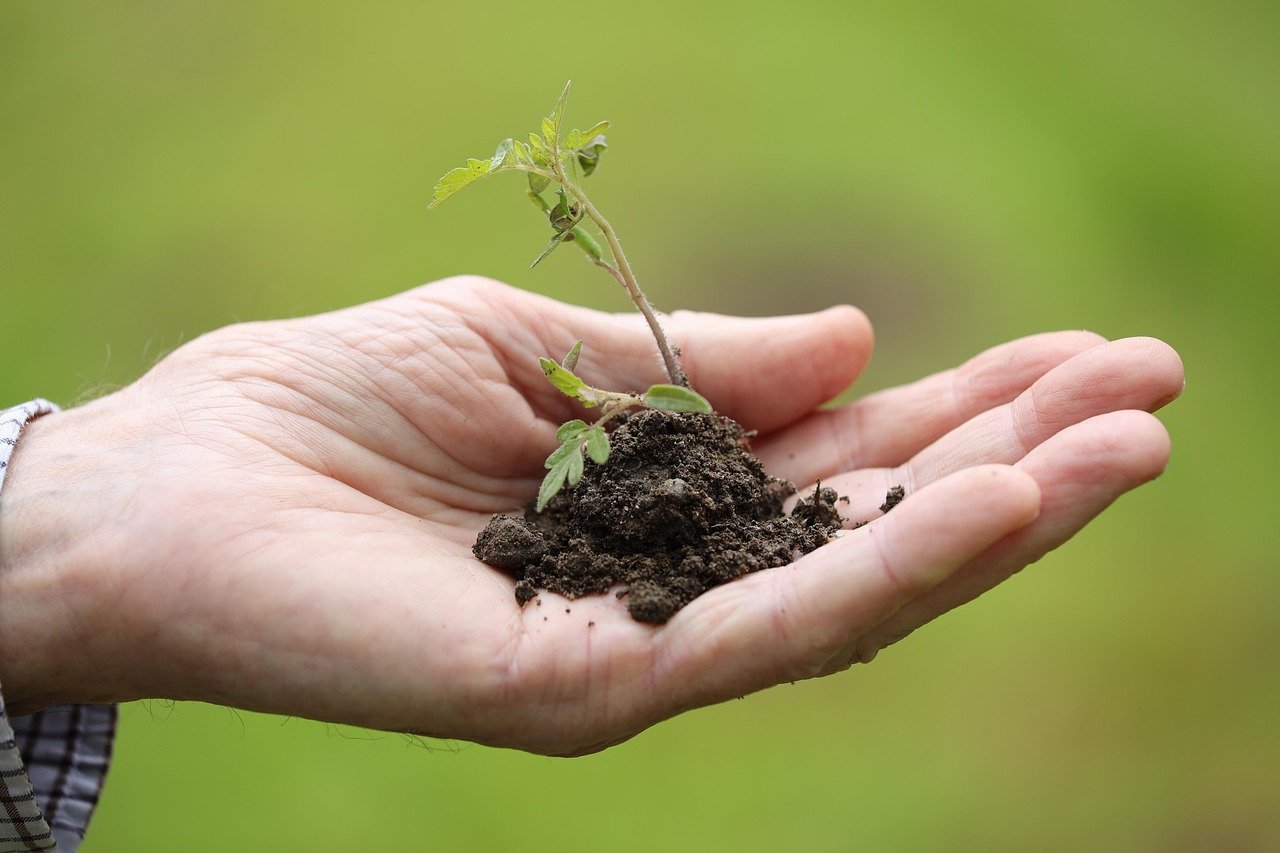
We live in a world obsessed with optimization, productivity apps, biohacks, and expensive wellness routines. Gardening asks for almost none of that. It asks for a small amount of space, a little time, and the willingness to slow down enough to notice what is growing. In return, it offers something no subscription service can match: genuine, embodied, living connection.
The science is clear, the research is accumulating, and honestly, the case has never been stronger. Biologically, home gardens reconnect individuals with soil microbiota, enhancing immune function and regulating endocrine responses. Psychologically, gardening fosters mindfulness, emotional stability, cognitive function, and social cohesion, reducing stress, anxiety, and depression. You do not need a sprawling country estate. A pot of mint on a windowsill is a place to begin.
Start small. Be patient with yourself. Watch something grow. The therapy happens whether you are watching for it or not. So here is the question worth sitting with: in a world full of complicated solutions to complicated problems, why are so many of us still overlooking the simplest one? What would you grow, if you started tomorrow?
CEO-Co-Founder
