

- How George Washington Was A Coffee Connoisseur Of His Time - April 10, 2026
- Classic Novels Often Hide Modern Lessons We’re Still Learning Today - April 10, 2026
- The 15 Most Influential Musicians of the 20th Century - April 10, 2026
Unbeatable Lineups Draw Global Talent
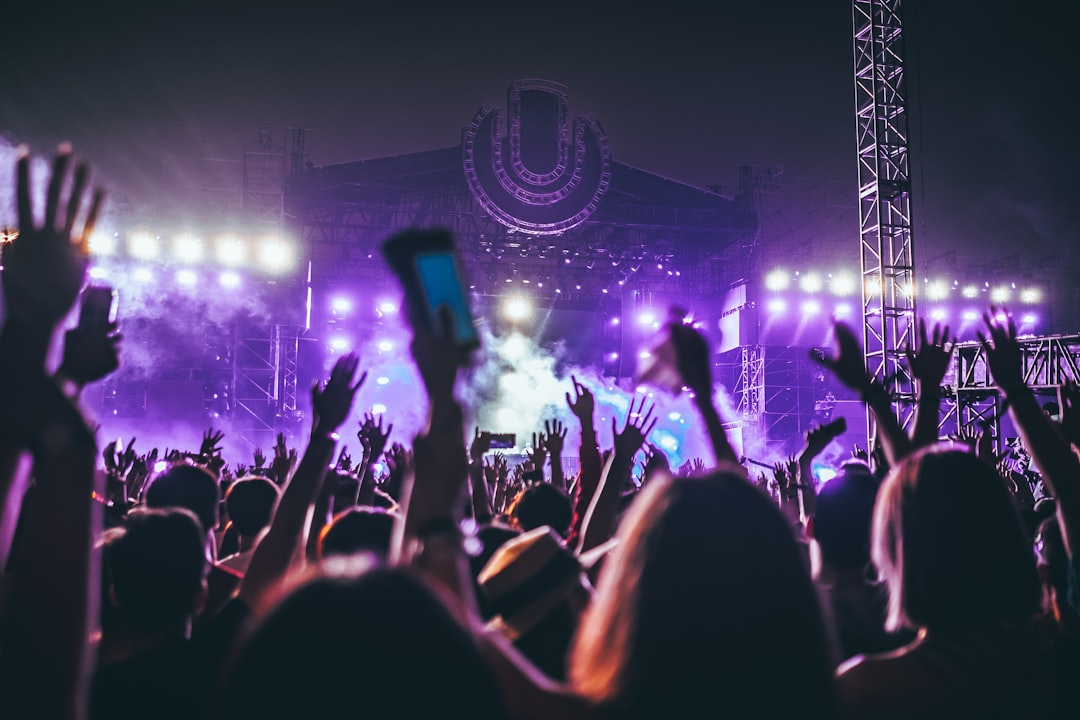
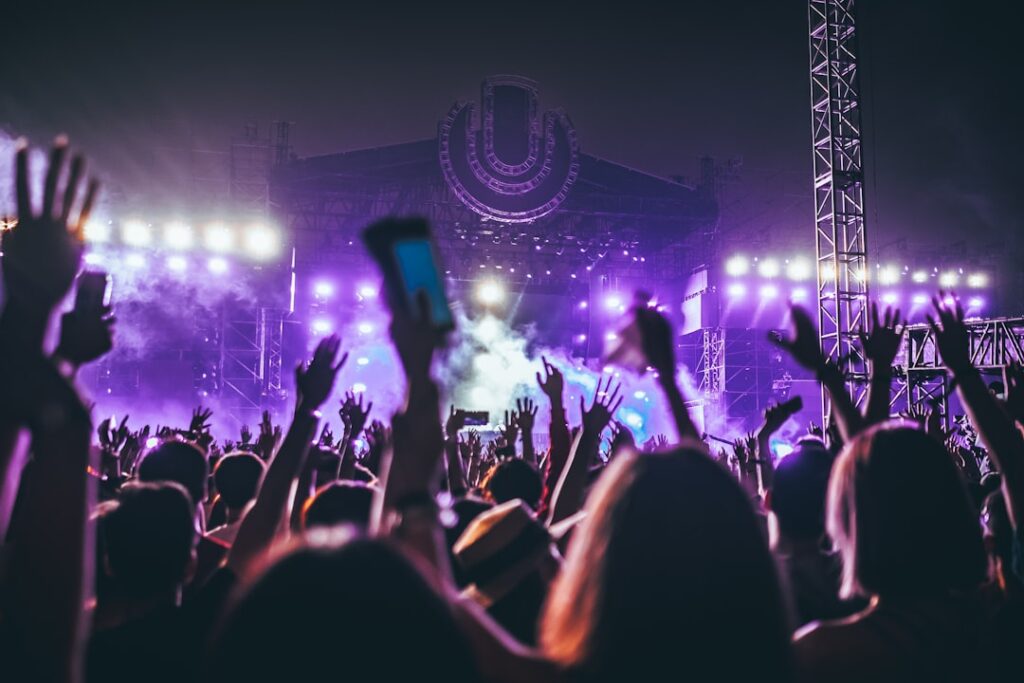
Big European festivals like Glastonbury, Tomorrowland, and Primavera Sound have become magnets for the world’s top acts. In 2025, headliners at these festivals include American superstars like Billie Eilish, Kendrick Lamar, and Foo Fighters, but also major European and Asian artists rarely seen in the US. American fans are crossing the Atlantic to see their favorite artists share the stage with international legends, creating once-in-a-lifetime lineups. According to recent ticket sales data, over 22% of Tomorrowland’s 2025 attendees are from the US, a record high. The unique mix of genres and surprise collaborations is something you don’t often find stateside, making the trip worth every penny for diehard music lovers.
Affordability Compared to US Festivals

It may sound surprising, but attending a European festival can sometimes be cheaper than going to a big American one. With ticket prices for major US festivals like Coachella exceeding $600 (not including camping or hotels), many Americans have found that European counterparts offer more value. Festivals like Sziget in Hungary or Poland’s Open’er provide week-long experiences—including food and camping—for less than $400. According to a 2025 Statista survey, 1 in 4 American attendees cited “better value for money” as their main reason for going to Europe. Even with airfare, the total cost can end up similar or less, especially for those combining festivals with a vacation.
Allure of European Culture and Scenery
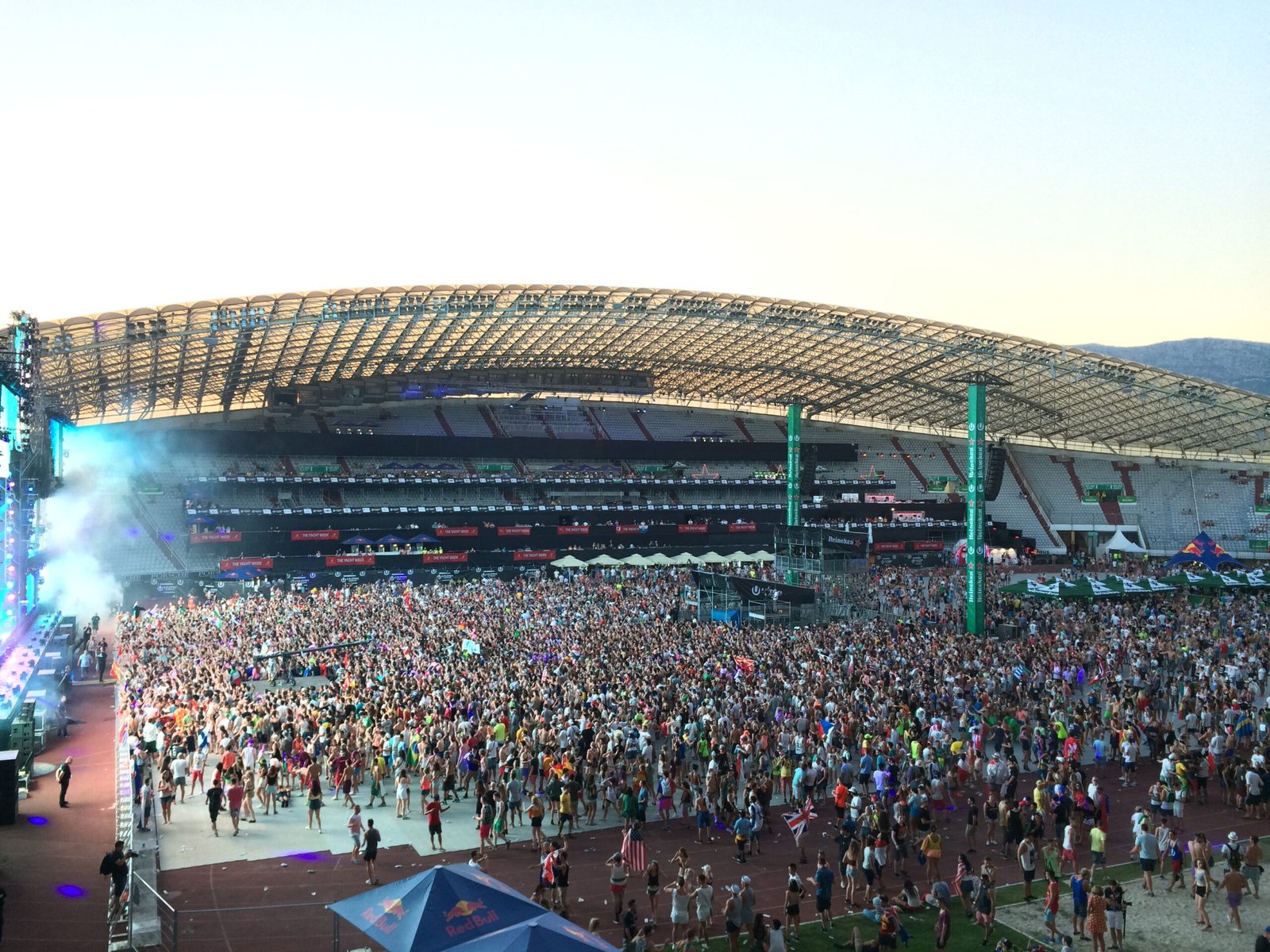
Festivals in Europe are not just about the music—they’re also about the setting. Imagine dancing to your favorite DJ in the shadow of a medieval castle or listening to indie bands by the Adriatic Sea. The 2025 festival circuit includes stunning destinations like Barcelona, Budapest, and the Belgian countryside. Americans are drawn to the chance to explore new cultures, food, architecture, and landscapes while enjoying world-class music. According to the European Festival Association, 37% of US attendees in 2025 listed “cultural experience” as a top reason for traveling. It’s a double win: live music and a European adventure wrapped into one.
Social Media FOMO and Viral Moments
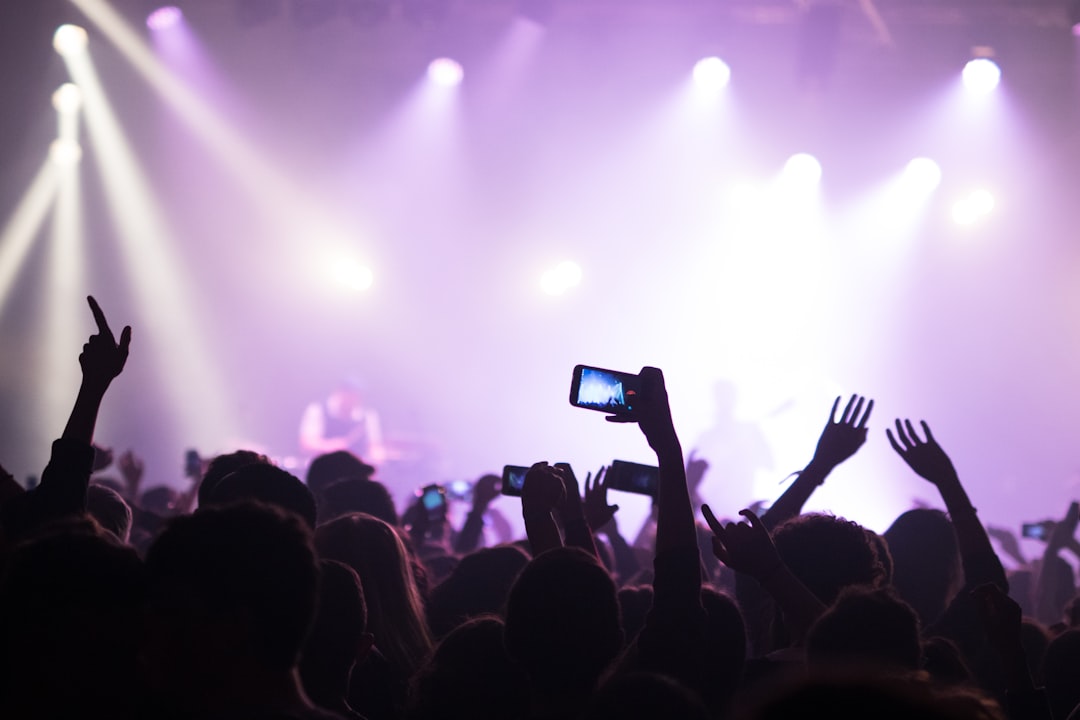
Social media is fueling the transatlantic festival craze. Viral TikToks and Instagram reels from events like Tomorrowland and Glastonbury have racked up millions of views, showcasing stunning stages, wild costumes, and crowd energy unlike anything back home. In a 2025 Pew Research Center poll, 60% of young American festival-goers said seeing friends or influencers post about European festivals influenced their decision to go. The unique photo ops, jaw-dropping production, and the chance to go viral themselves are powerful motivators—nobody wants to miss out on the party everyone’s talking about.
Innovative Festival Experiences
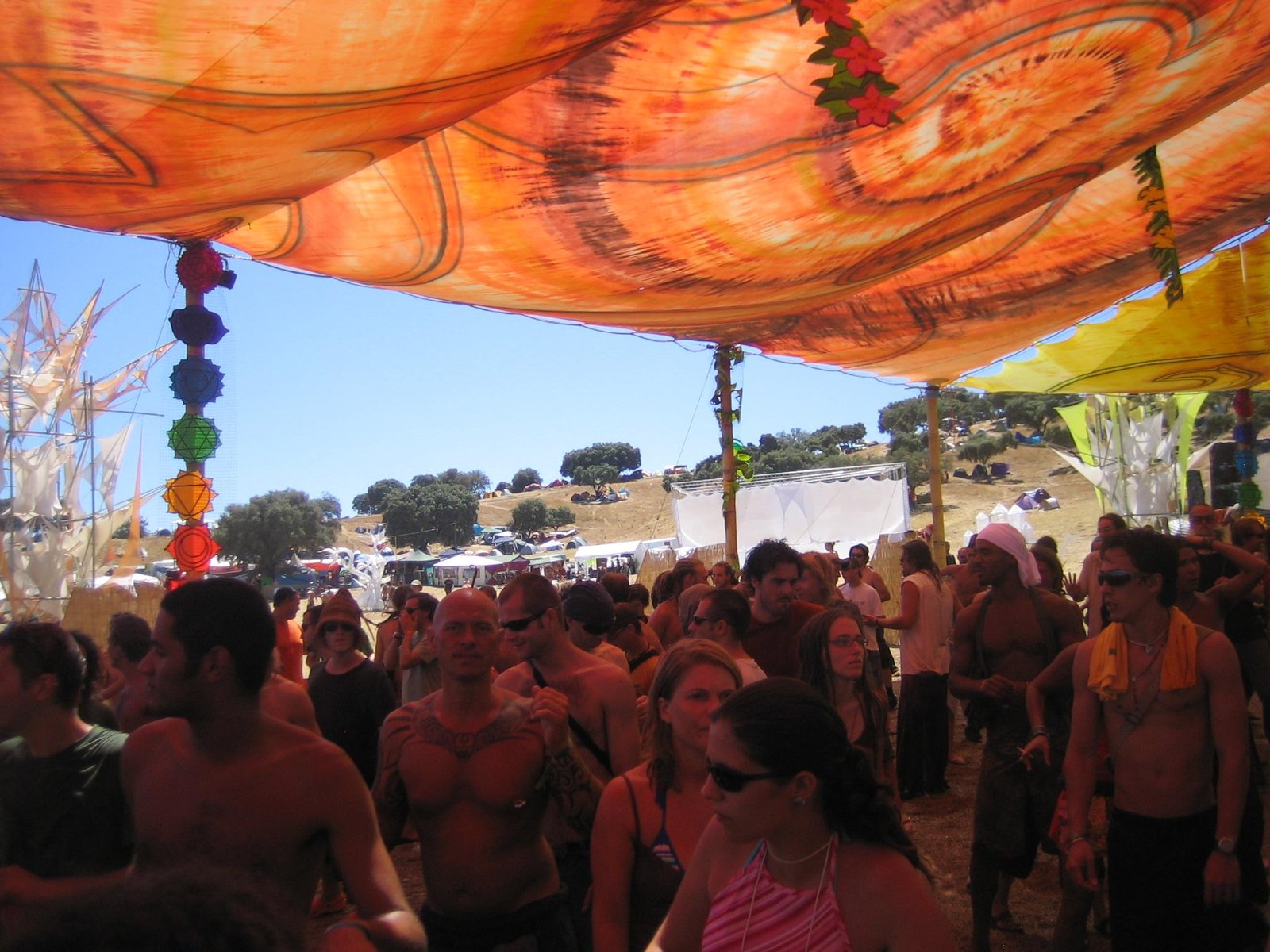
European festivals are pioneering new experiences that are hard to find in the US. For example, Boom Festival in Portugal is offers immersive wellness retreats alongside its music, including sound baths and sunrise yoga. These unique touches, often rooted in local traditions or environmental activism, create a festival atmosphere that feels fresh and exciting. In 2025, surveys by Festicket found that 45% of Americans attending European festivals chose their events because of these innovative extras.
Accessibility and Efficient Transportation
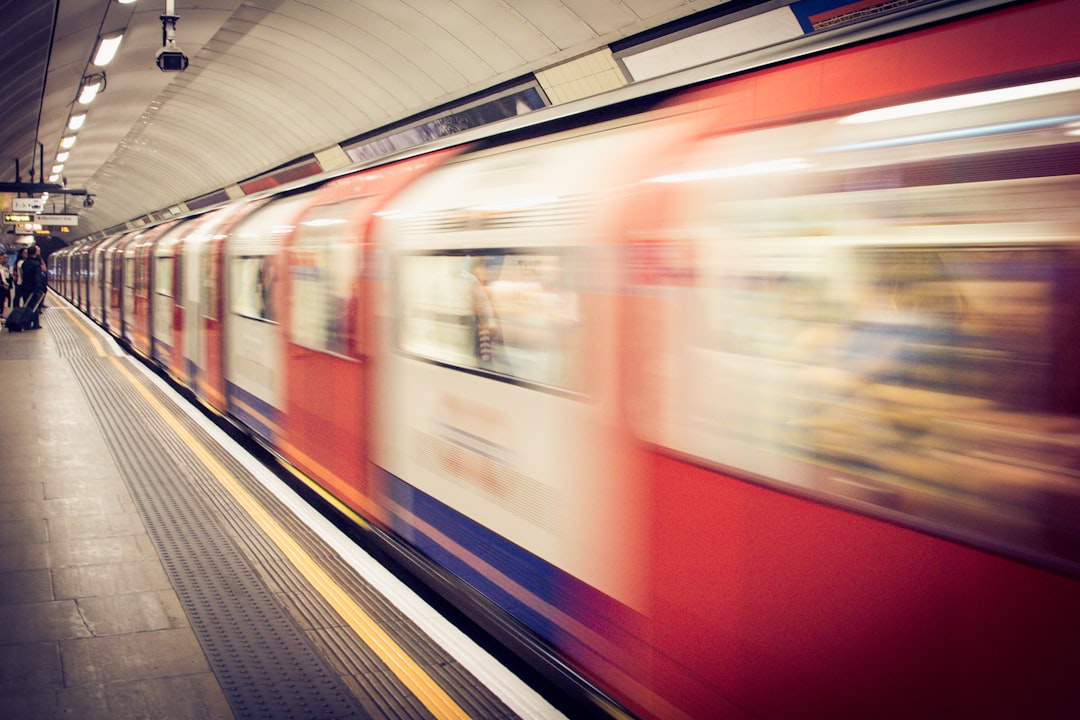
Getting around Europe is easier and more affordable than many parts of the US, thanks to extensive train networks and budget airlines. American festival-goers can land in London, hop a train to Paris, and then catch a cheap flight to Croatia for another event—all in one trip. The “Euro festival hop” has become a travel trend, with some Americans hitting three or more festivals in a single summer. According to Rail Europe, over 18,000 Americans bought special “festival passes” in 2025, a 40% increase over 2023. The convenience and adventure of exploring multiple countries adds to the festival fever.
Safety and Crowd Management Improvements
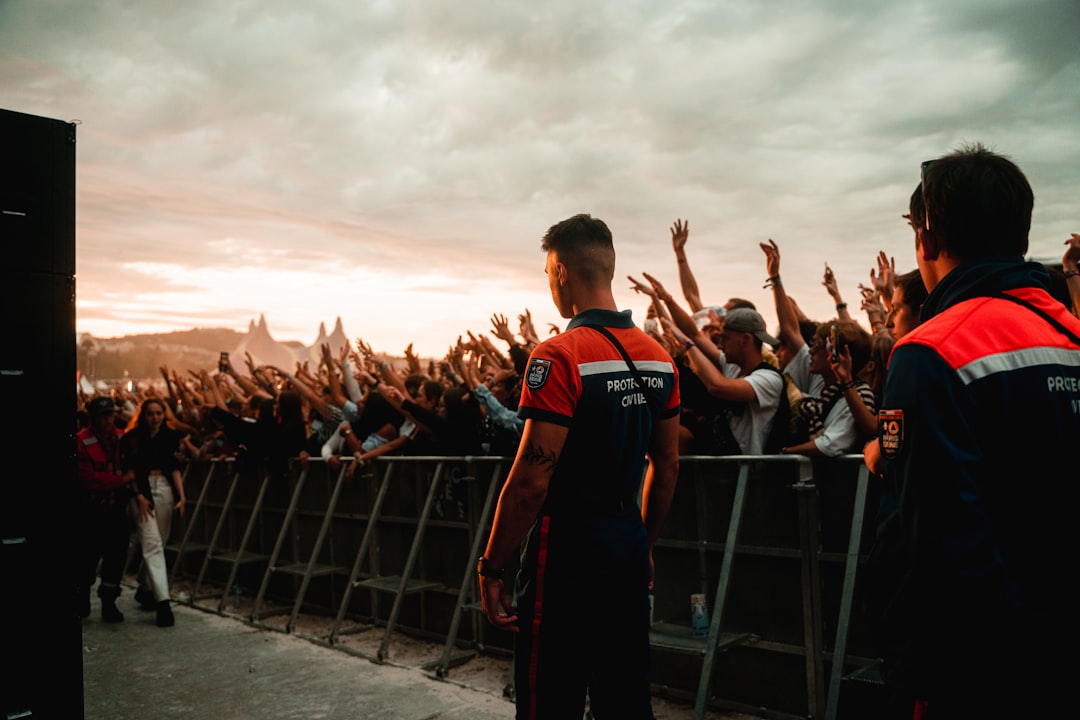
After the pandemic, European festivals invested heavily in crowd safety and public health. Many events use digital wristbands, contactless payments, and real-time crowd monitoring to keep things running smoothly. In 2025, major festivals like Roskilde and Rock Werchter implemented new crowd flow systems and increased medical staff, leading to a 30% drop in reported incidents according to the European Festival Health Report. American travelers appreciate these visible safety upgrades, especially as some US events continue to struggle with overcrowding and security issues.
Emphasis on Sustainability
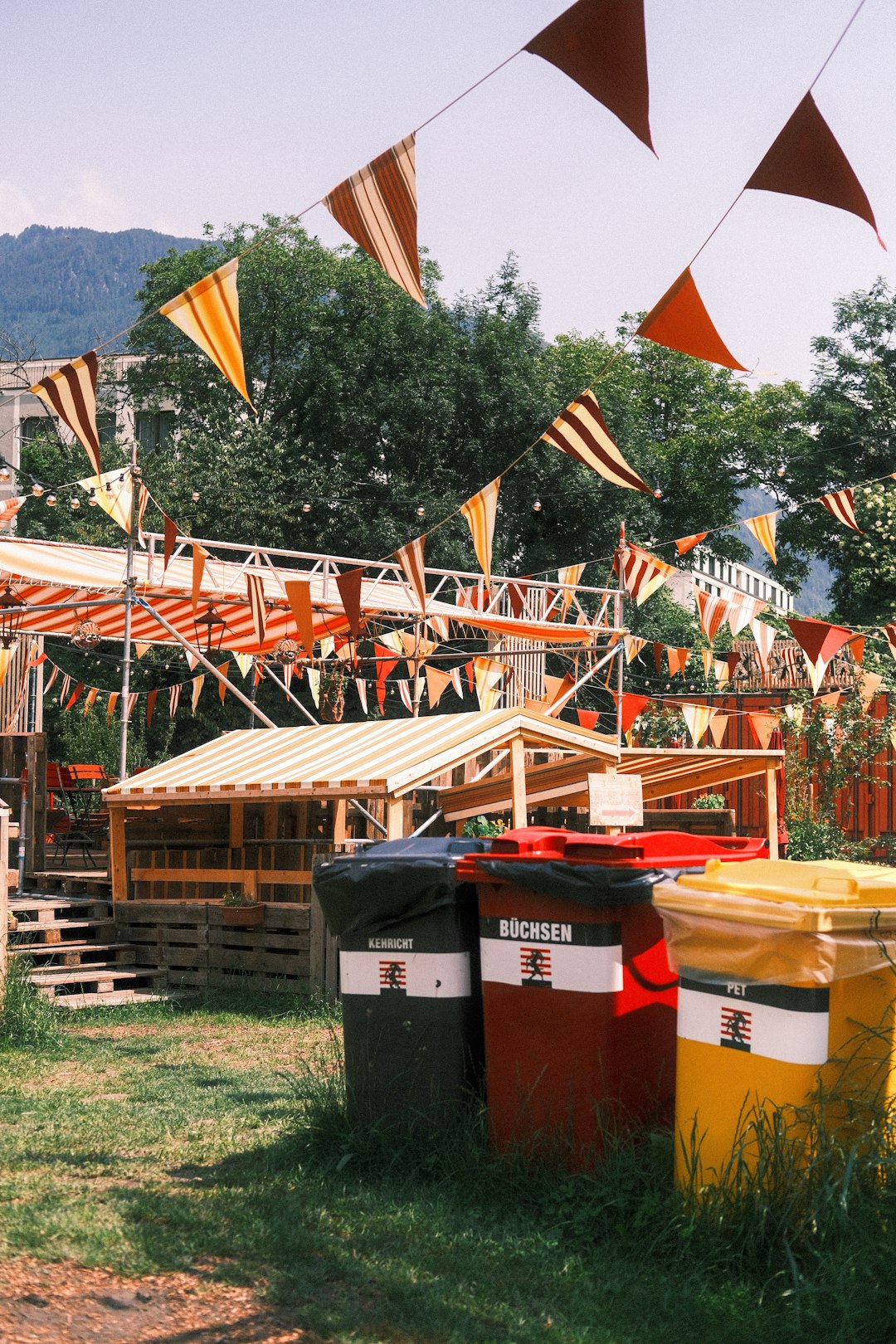
Environmental responsibility is a huge focus for European festivals in 2025. Many have gone single-use plastic free, offer vegetarian-only food courts, and run on renewable energy. Glastonbury’s “leave no trace” rules are strictly enforced, and Primavera Sound has a “zero waste” policy. These efforts resonate with eco-conscious American fans, 51% of whom told a 2025 Rolling Stone survey that sustainability played a role in their festival choice. The chance to party guilt-free—or even participate in volunteer cleanup squads—makes these events even more appealing.
Community and Togetherness
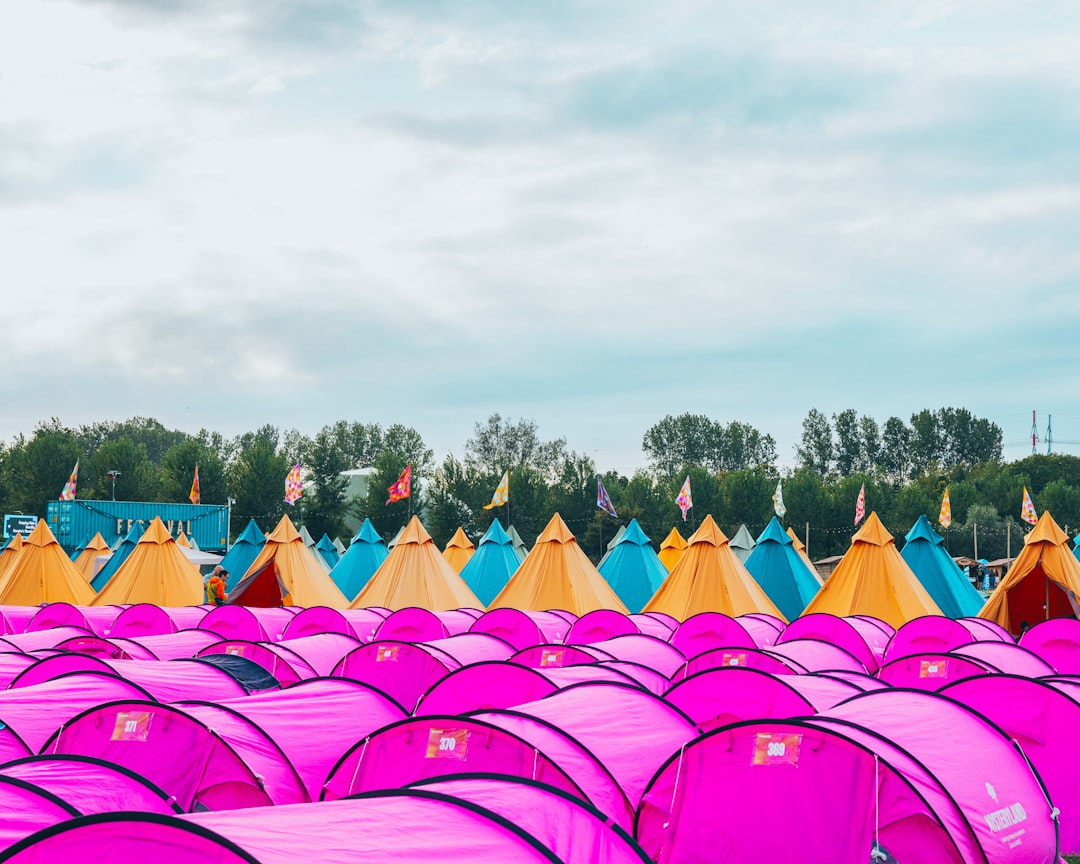
European festivals are famous for their communal vibe. Instead of VIP sections and exclusive lounges dominating the scene, most events focus on creating a sense of togetherness. Long communal tables, open campsites, and group dancing are the norm. For Americans used to highly commercialized festival experiences, the friendly, inclusive atmosphere is a refreshing change. According to a 2025 Festival Buddy poll, 67% of American attendees felt “more connected” at European festivals compared to those in the US. The feeling of being part of a global community is hard to beat.
Historic Venues and Legendary Events

Unlike the parking lots and stadiums often used in the US, European festivals take place in jaw-dropping locations: castles, ancient forests, historic city centers. The Montreux Jazz Festival happens on the shores of Lake Geneva, while EXIT Festival is held in a 17th-century fortress. These venues add a magical, almost surreal feeling to the music. In 2025, a record number of Americans attended the Montreux Jazz Festival, lured by both the legendary history and stunning setting. The combination of music and history is a powerful draw.
Better Food and Local Flavors
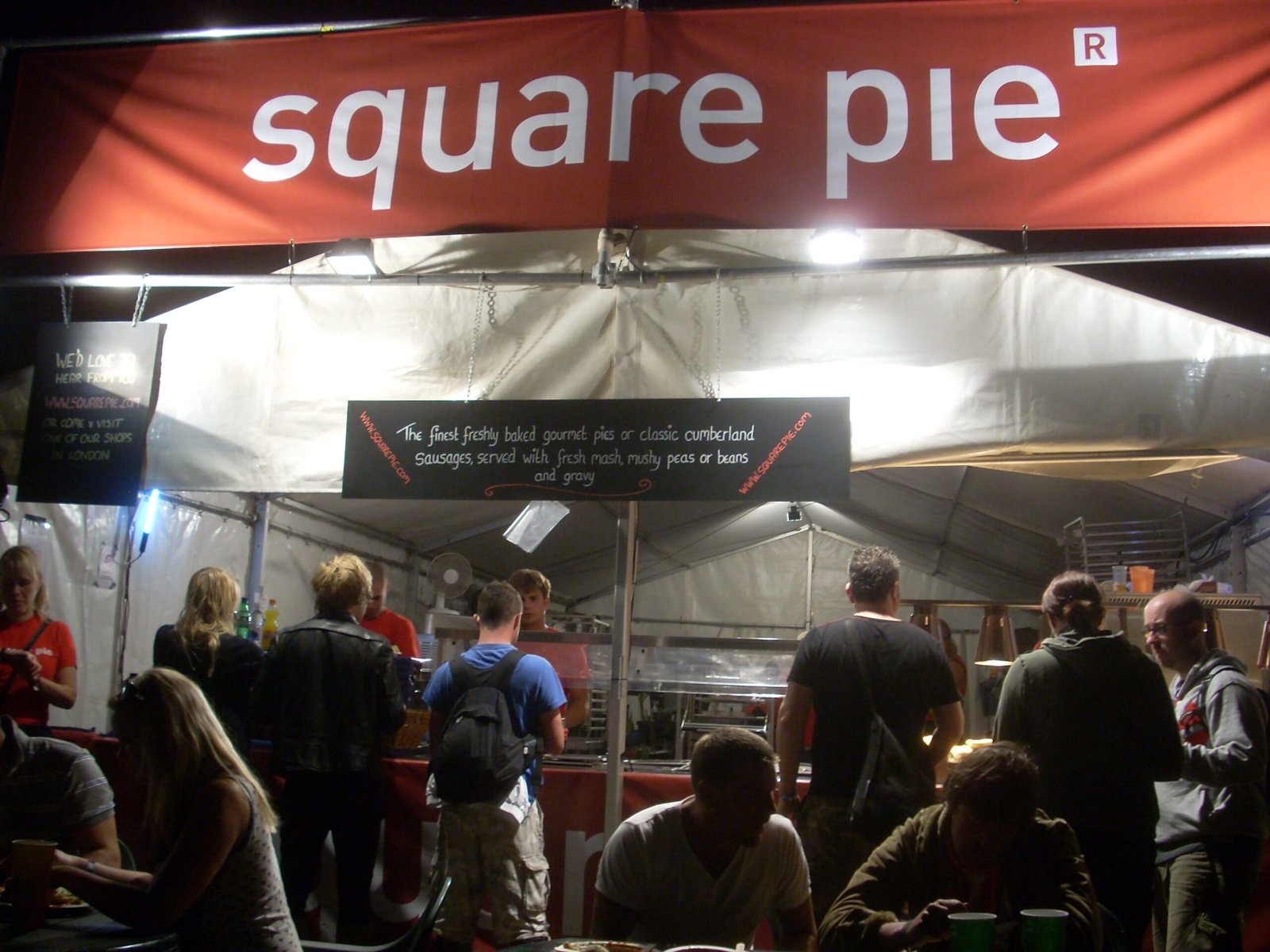
Food at European festivals goes far beyond greasy burgers and fries. In 2025, events feature gourmet food trucks, local specialties, and even pop-up restaurants by Michelin-starred chefs. At Sziget, you can try traditional Hungarian goulash; at Spain’s Mad Cool, it’s all about tapas. Americans are raving about the chance to eat well while rocking out. A 2025 FestiFood survey revealed that 42% of US attendees ranked “better food options” as one of the top reasons for choosing a European festival. Good music and great food? Who could resist?
Longer Festival Durations
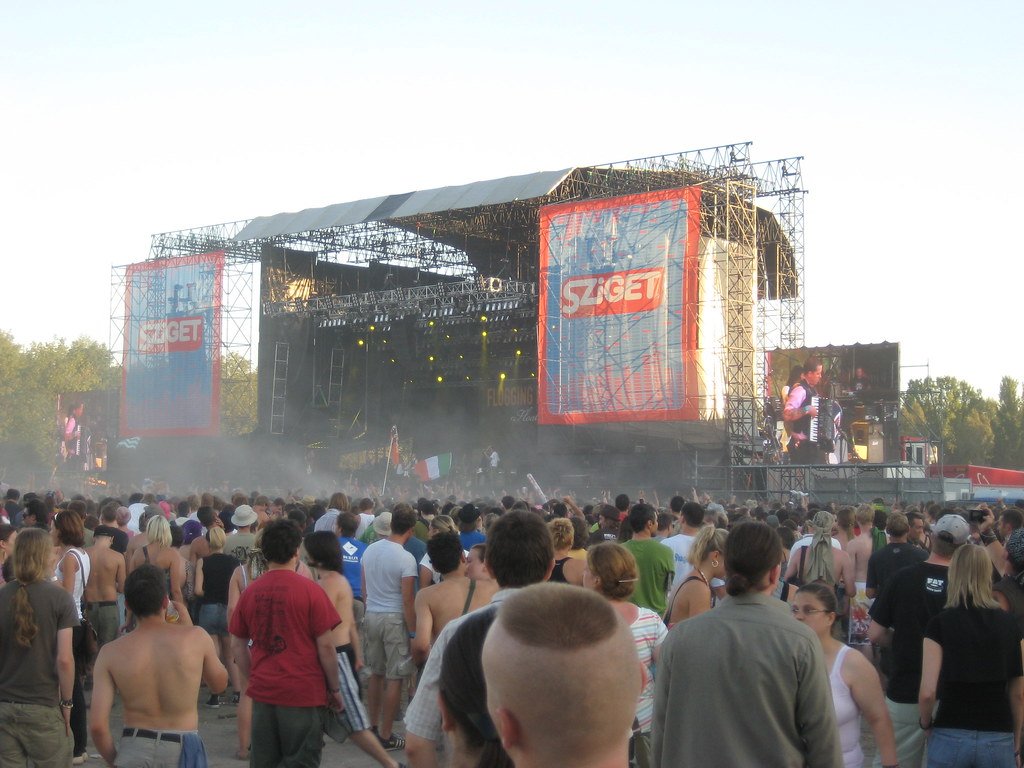
Many European festivals run for several days—sometimes even a whole week. Sziget in Hungary, for example, stretches over seven days, with music, art, and activities nonstop. This extended format gives Americans the chance to fully immerse themselves, make friends, and create deeper memories. According to the European Festival Association, the average American festival-goer in Europe stays for 5.5 days, compared to just 2.2 at US events. The longer duration makes the transatlantic flight feel much more worthwhile.
Affordable Accommodations and Camping
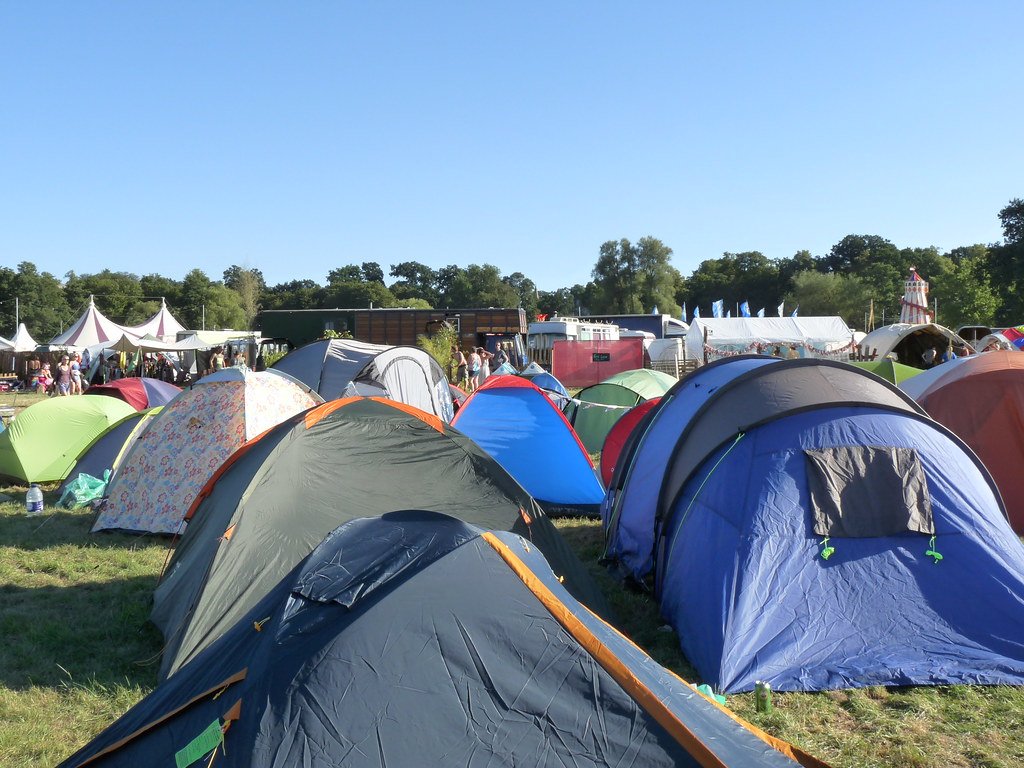
European festivals often offer cheap or even free camping as part of their ticket package, making the whole trip more affordable. Many also partner with local hostels or Airbnb-style rentals to offer discounts. In 2025, a survey by Hostelworld found that bookings in festival host cities jumped by 60% among American travelers in July and August. The communal camping experience is part of the adventure, and many Americans describe meeting new friends from all over the world while roasting marshmallows at 3am.
Chance to Meet International Friends
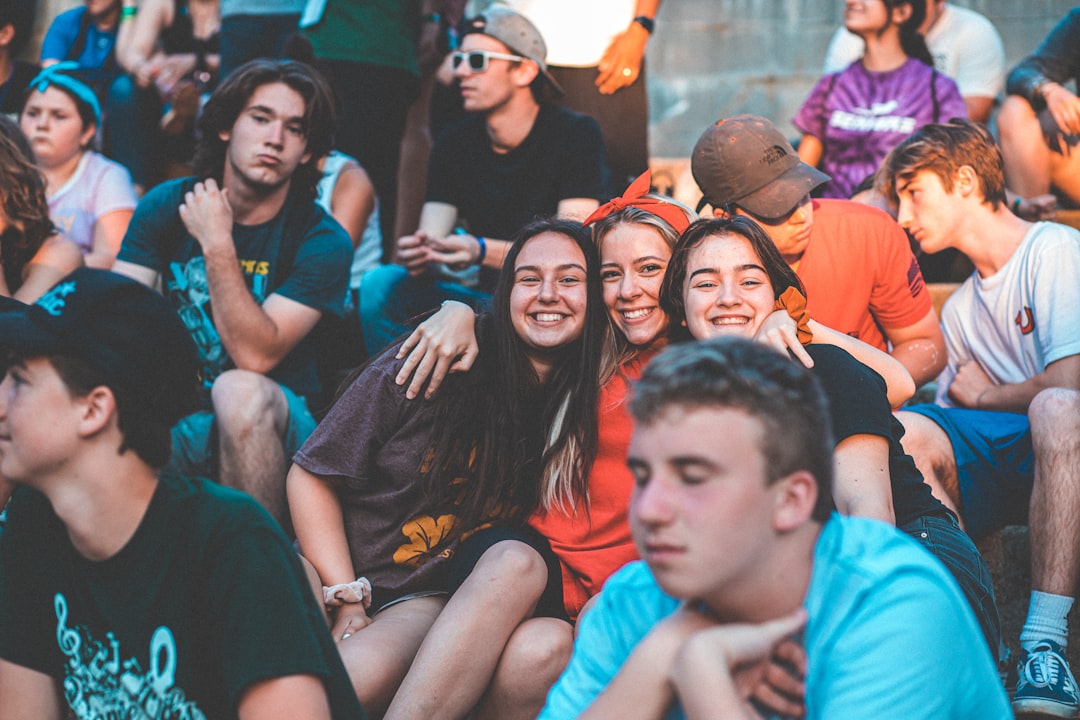
European festivals are melting pots, drawing fans from dozens of countries. For Americans, this is a rare chance to make friends from around the world, swap stories, and network in a relaxed, joyful setting. According to a 2025 InterNations survey, 58% of US festival-goers in Europe reported making at least three new international friends during their trip. These global connections often last long after the music ends, leading to travel opportunities and even transatlantic reunions for future events.
Quieter, More Respectful Audiences
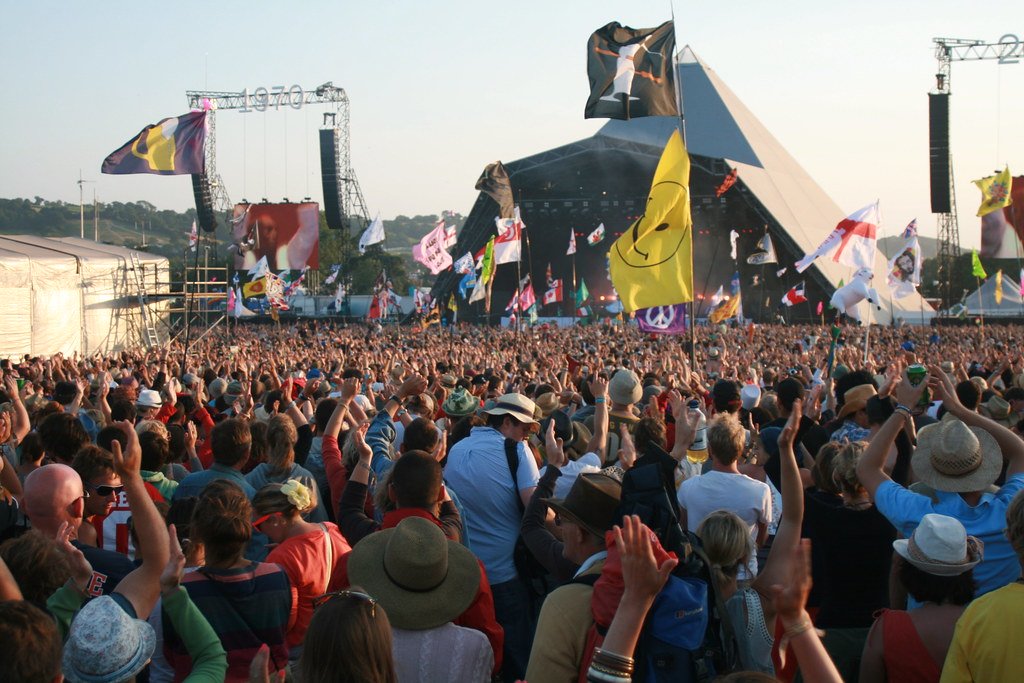
Many Americans are pleasantly surprised by the audience etiquette at European festivals. While US crowds can sometimes be rowdy or distracted, European audiences are often more focused on the music, with less talking during performances and more respect for the artists. A 2025 Reddit thread on r/Festivals saw dozens of Americans praising the “chill but passionate” European crowds. For music purists, this atmosphere makes the experience much more enjoyable and immersive.
Smaller, More Intimate Events
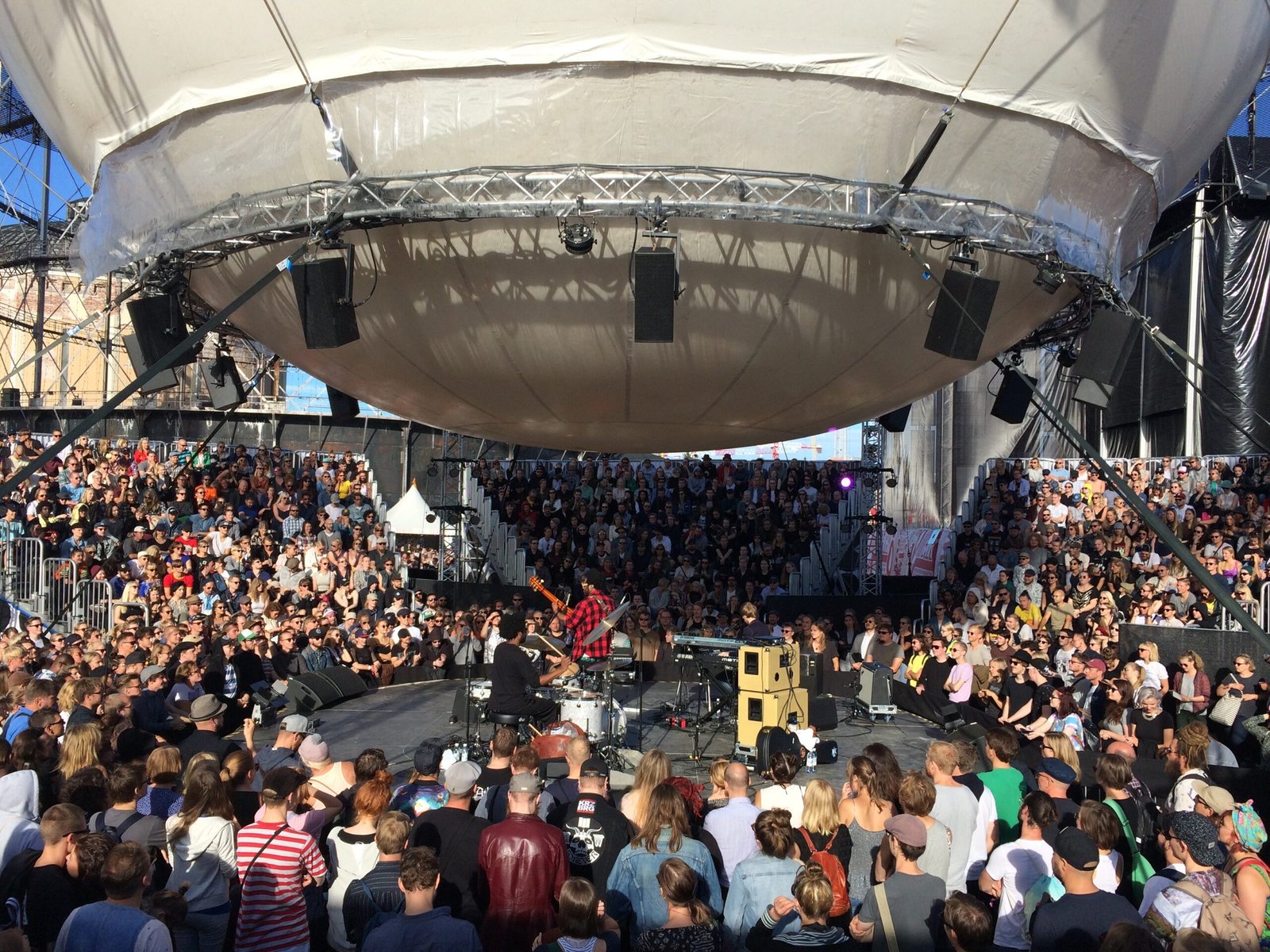
Not all European festivals are massive. Many, like Flow Festival in Finland or End of the Road in England, are deliberately kept small to preserve an intimate vibe. Americans are seeking out these boutique events for their relaxed pace, shorter lines, and up-close performances. According to the 2025 Festpop report, American attendance at boutique European festivals is up 35% over last year. The chance to see a favorite artist on a tiny stage is a dream come true for many.
Fewer Restrictions and Age Barriers
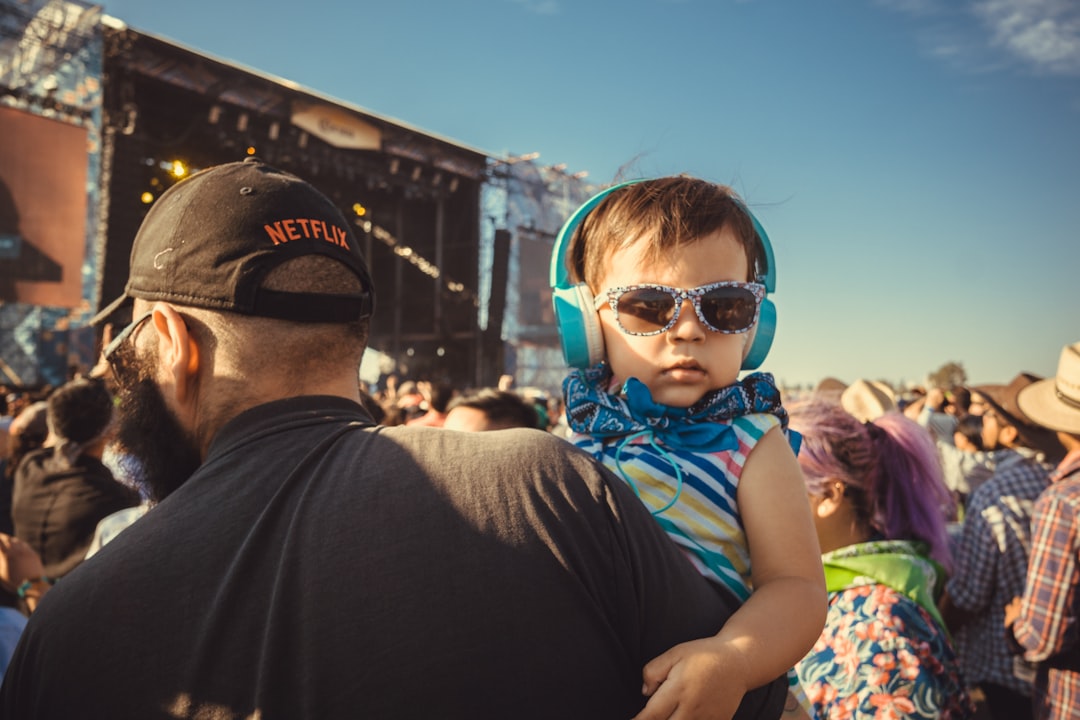
European festivals tend to have more flexible rules about age, re-entry, and what you can bring in. Many all-ages events let families and teens attend together, and the overall atmosphere is more relaxed than at many US events. In a 2025 poll by Youth Music, 47% of American teens and young adults said these policies made European festivals more appealing. Parents traveling with kids find it easier to navigate, too, making it a family-friendly adventure.
Unique Festival Traditions
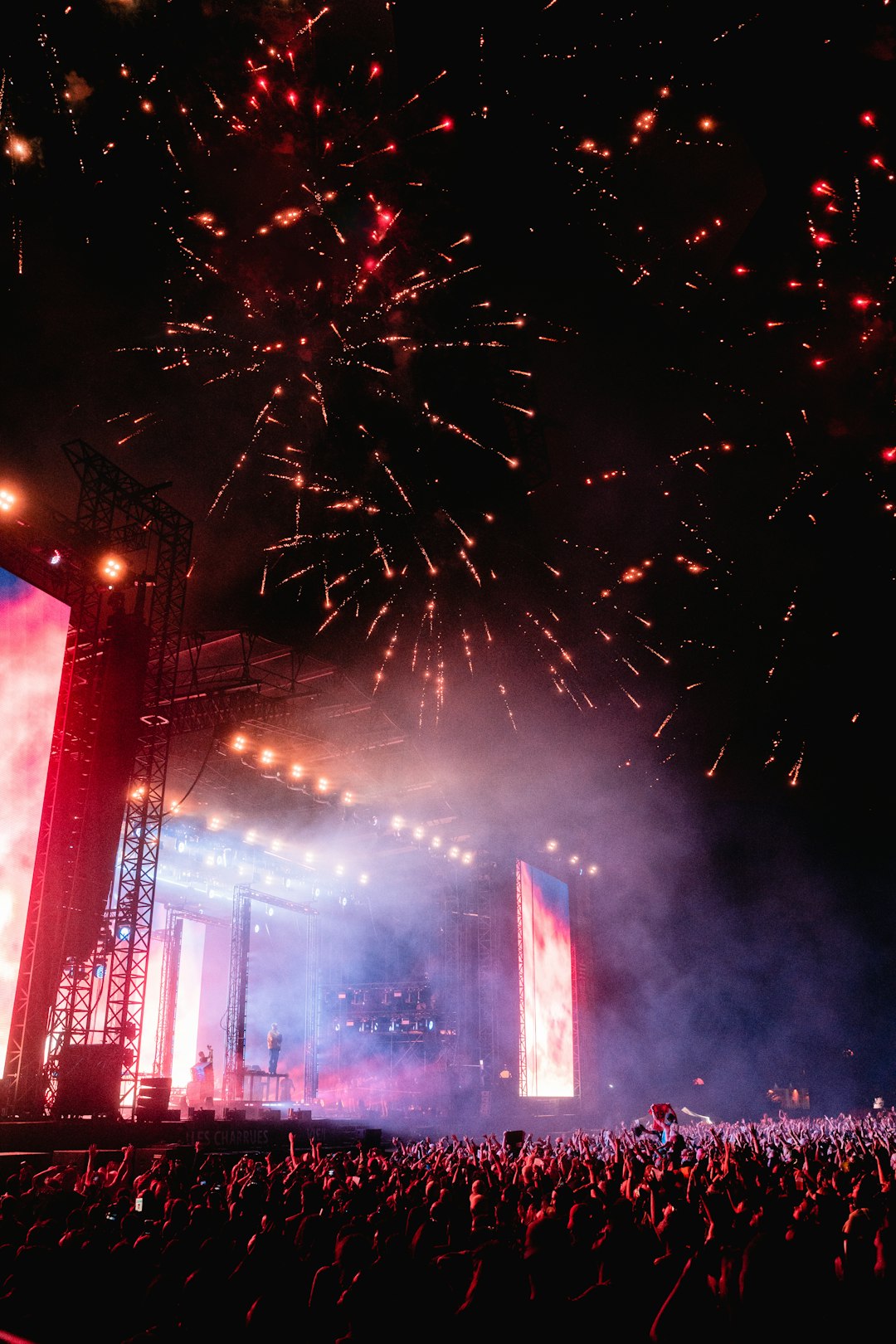
From the flower-crown parades at Sweden’s Way Out West to the midnight fireworks at Portugal’s NOS Alive, European festivals brim with quirky local traditions. Americans love joining in these celebrations and often bring home new customs and stories. In 2025, festival-goers from the US posted hundreds of TikToks about “weird but wonderful” traditions, fueling curiosity for the next year’s events. These little rituals make every festival feel one-of-a-kind.
More Opportunities for Travel and Exploration
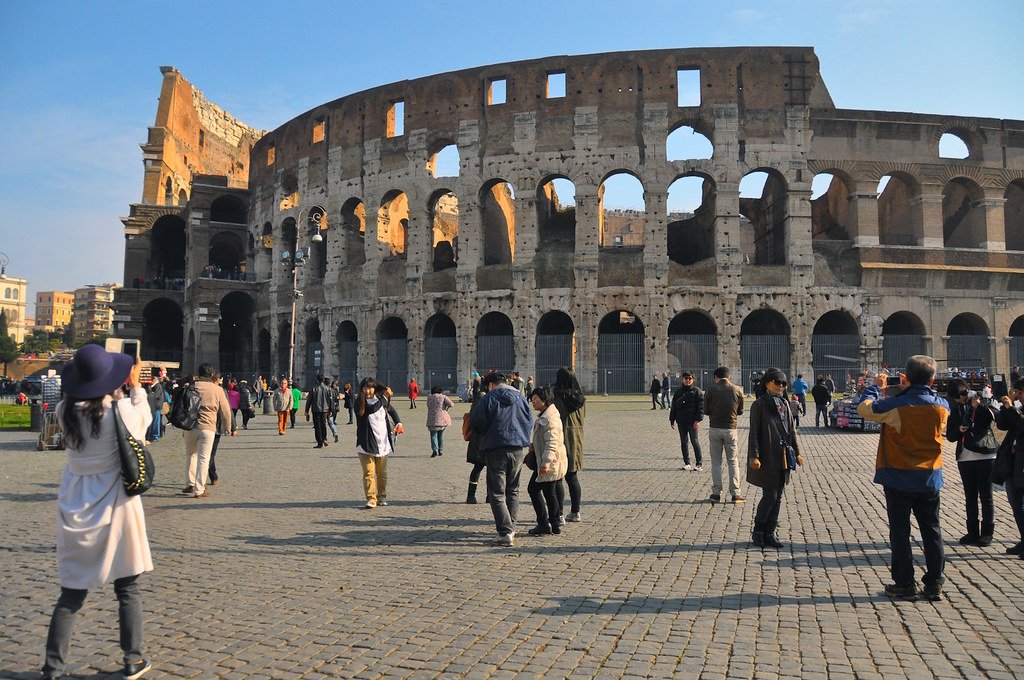
Going to a European festival is often just one stop on a bigger journey. Many Americans use their festival trip as a launching pad to explore nearby cities, beaches, or cultural landmarks. According to Expedia’s 2025 summer travel report, 62% of US festival-goers in Europe added at least one extra destination to their itinerary. Whether it’s a quick hop to Paris after Lollapalooza Berlin or a Greek island break after EXIT, the chance to combine music and travel is irresistible.
The Power of the Post-Pandemic Rebound

After years of pandemic restrictions and travel bans, Americans are more eager than ever to experience the world. The 2025 festival season represents freedom, connection, and joy after a long period of isolation. The feeling of being in a huge, happy crowd—singing and dancing together in a beautiful European city—has a powerful emotional pull. In a 2025 survey by Eventbrite, 76% of American festival-goers said this year’s trip felt “especially meaningful” because of what they’d missed during the pandemic years. The sense of celebration is at an all-time high.
End.

Besides founding Festivaltopia, Luca is the co founder of trib, an art and fashion collectiv you find on several regional events and online. Also he is part of the management board at HORiZONTE, a group travel provider in Germany.
