

For any feedback please reach out to info@festivalinside.com
- These 10 Forgotten Literary Masterpieces Are Just Waiting to Be Rediscovered - April 4, 2026
- These 10 Historical Events Had Far-Reaching Consequences We Still Feel Today - April 4, 2026
- 10 Most Romantic Glamping Getaways In America - April 4, 2026
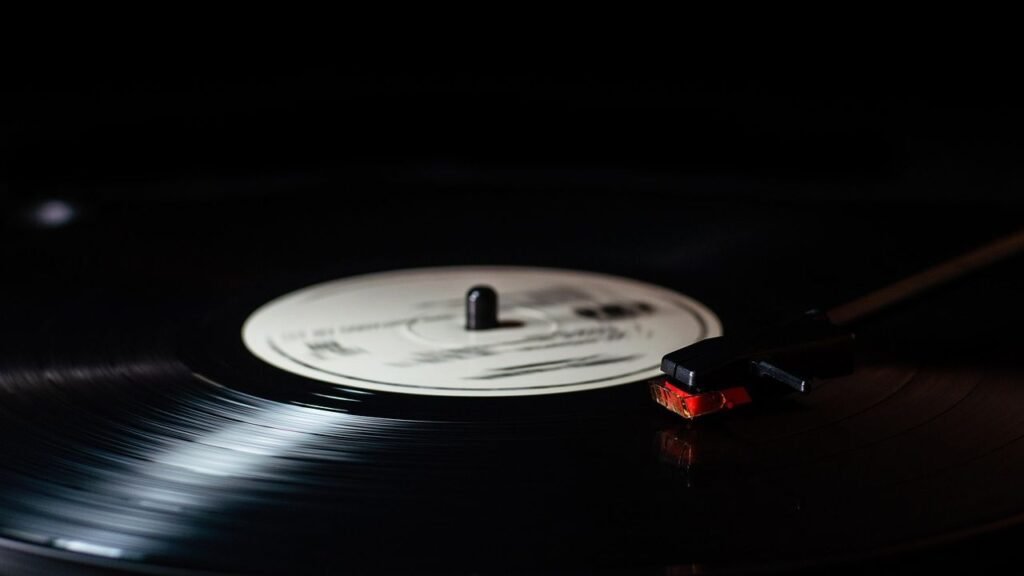
There’s something almost impossible to explain about dropping the needle on a 1970s record. The sound that fills the room feels different. Warmer. More alive. It’s not imagination, or pure nostalgia, or even just the crackling charm of analog. There are real, documented reasons why music from that decade connects so powerfully through vinyl, reasons rooted in engineering history, studio craft, and the very physics of how sound was captured and played back.
In the first half of 2023, vinyl records brought in roughly three quarters of all non-digital recorded music revenues in the United States, surpassing CDs by a wide margin. Clearly, people are chasing something. Whether they know it or not, a big part of what they are chasing is the particular sound of a specific era. Let’s dig into exactly why that era, and that format, feel so irreplaceable.
1. The Two-Inch Tape Machine Was the Secret Weapon
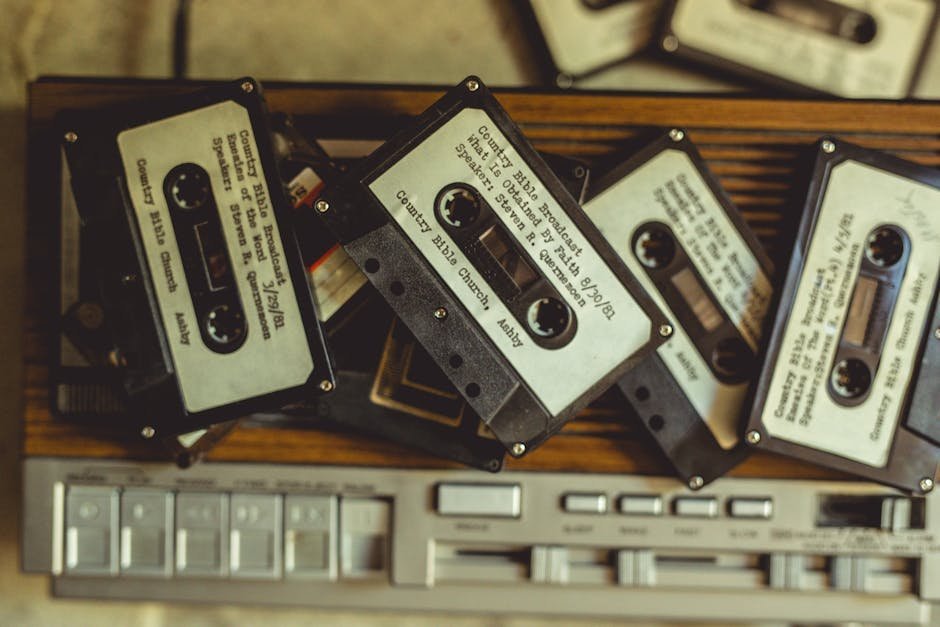
The backbone of almost every major 1970s recording was the two-inch analog tape machine. As reported by Universal Audio and covered extensively in ProSoundWeb, MCI introduced 24 tracks on two-inch tape in 1968, and the two-inch 24-track became the most common format in professional recording studios throughout most of the 1970s and 1980s. This wasn’t just a technical choice. It shaped the actual texture of the music in ways that remain deeply felt today.
Probably the most commonly cited characteristic of analog recording is its “warmth.” Tape warmth adds a level of color to the sound, primarily softening the attacks of musical notes and thickening up the low frequency range. Think of it like the difference between a raw photograph and one shot on film. The film version has a quality, a grain and depth, that is genuinely different from pixel-perfect digital sharpness.
2. Tape Saturation: The Beautiful Accident
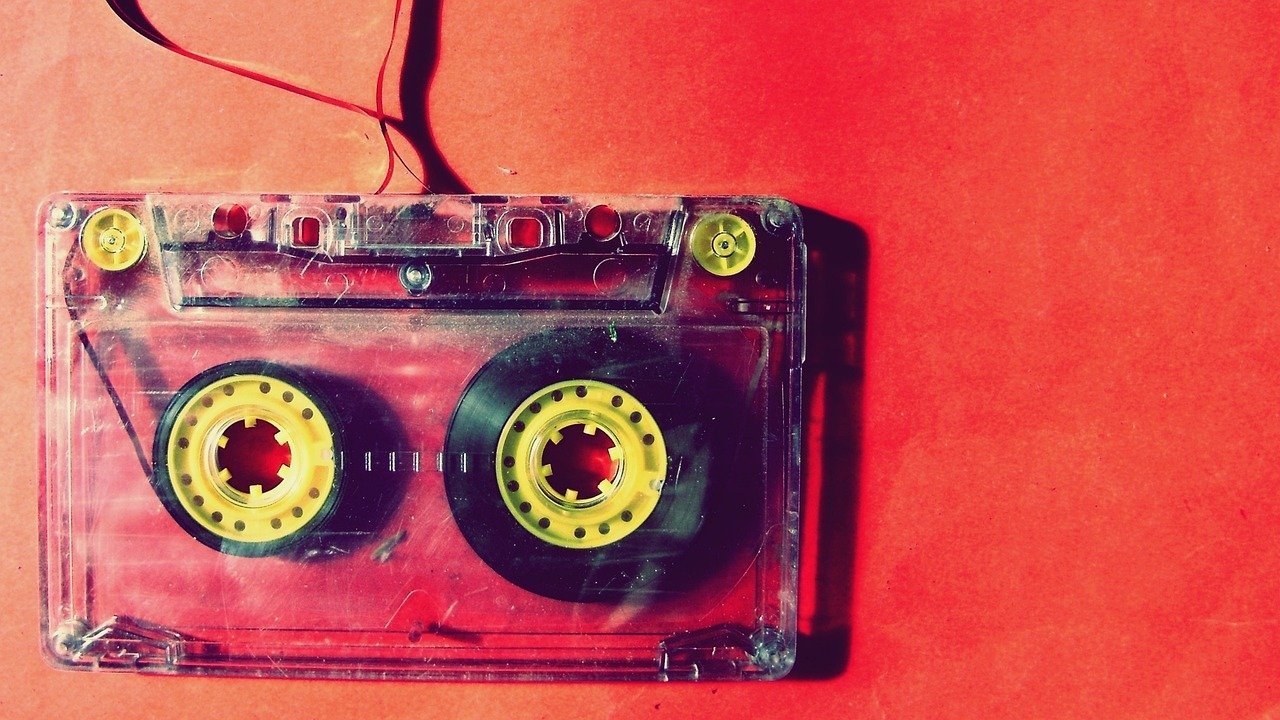
Here’s the thing about analog tape. Its imperfections were the magic. Words like “warmth” and “warble” are used to describe it, but the phenomenon that causes this sound is called tape saturation. Tape saturation refers to the subtle changes in sound that a magnetic tape produces as a producer adds more information to the tape. Producers in the 1970s learned to lean into this effect rather than fight it.
Tape saturation subjects audio to very slight compression and subtle harmonic distortion. The saturation happens very gradually, for a unique warmth and edge, and recording engineers learned to take advantage of it for a full, rich recorded sound right off the bat. When that saturated signal then got pressed into vinyl, the warmth compounded. The record you hear is the sound of physics doing something beautiful.
3. The Golden Age of Mastering Engineers
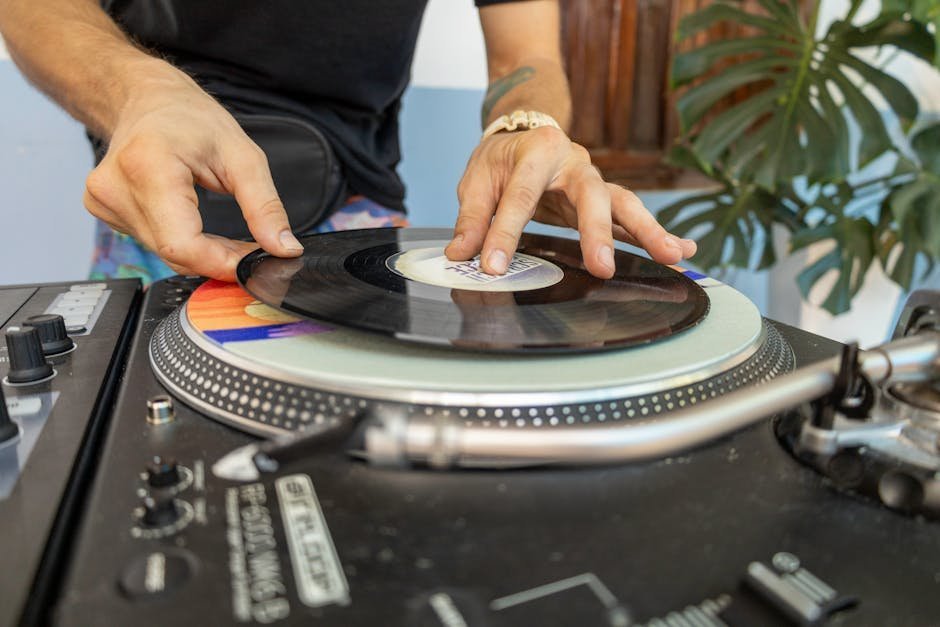
The 1960s and 1970s are often considered the golden age of analog mastering. Engineers relied on tube compressors, tape machines, and custom-built consoles to craft rich, warm masters that defined this era’s sound. These weren’t just technicians turning knobs. They were artists with ears trained over years of working in purely analog environments.
Bob Ludwig, one of the most iconic mastering engineers in history, began his career during this time. His work on albums like Led Zeppelin’s II and Queen’s A Night at the Opera showcased his ability to bring out both power and nuance in recordings. Engineers like Ludwig didn’t just master tracks, they shaped entire albums into cohesive listening experiences. Their work demonstrated how mastering could enhance not just individual songs but an artist’s entire vision.
4. The Loudness Wars Hadn’t Started Yet
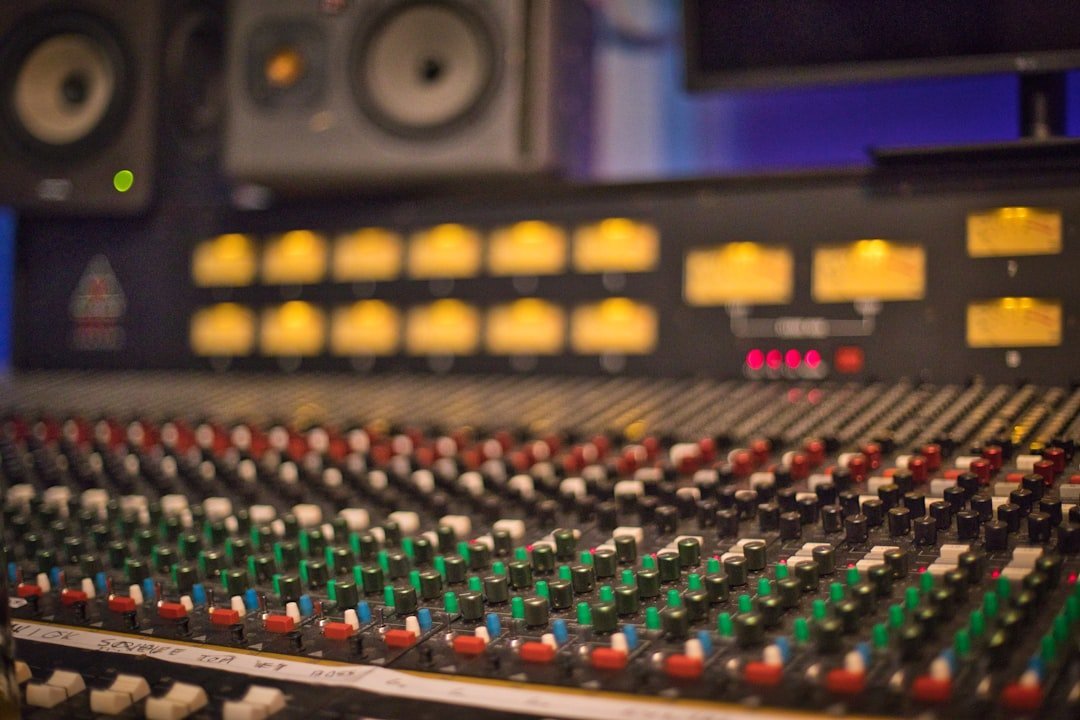
Honestly, this one is massive and it doesn’t get nearly enough credit. The competition for louder recordings reached fever pitch in the 1990s as digital technology allowed mastering engineers to push tracks louder and louder. By the late 1990s, records were on average 18dB louder than they had been in 1980, and this did not come without sacrificing certain aspects of the final product.
By compressing recordings this hard, dynamic range is lost, and music can end up sounding lifeless as a result. This process can also lead to distortion artifacts appearing in the master. The 1970s predated all of that. Those records were mastered for music, not for volume competition on radio. You can hear the breathing room in every track.
5. Vinyl’s Physical Constraints Forced Artistic Restraint
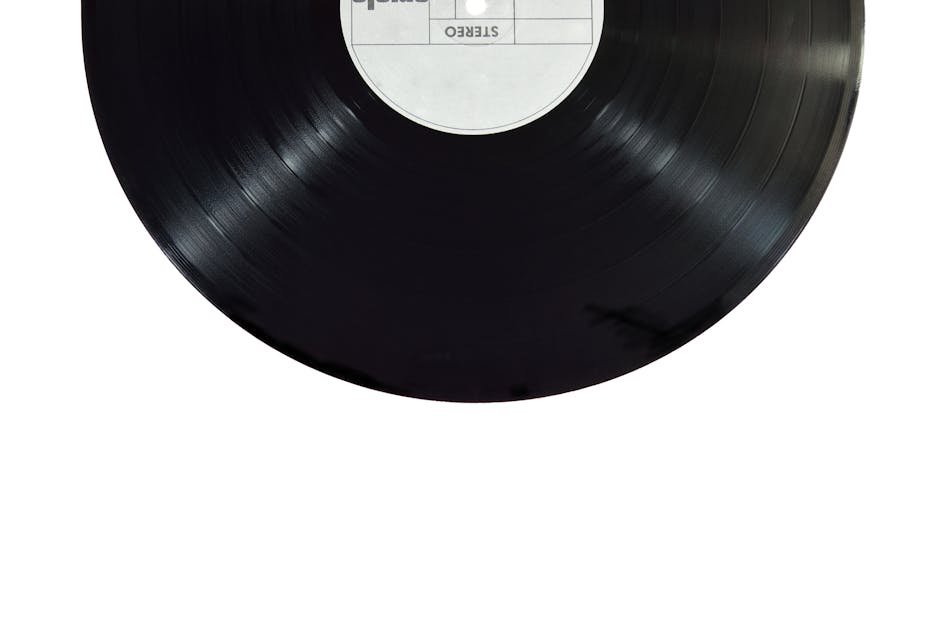
There’s a counterintuitive idea that limitations can produce better art. The physical nature of vinyl is a perfect example. The mastering engineer had to meticulously manage groove spacing and depth. Louder passages require wider and deeper grooves, while quieter sections allow for tighter spacing, maximizing play time. This often involved careful dynamic range compression, not just for volume but for physical compatibility with the medium.
So when engineers cut a 1970s record, they were not just transferring a mix. They were solving a physical puzzle. The mastering engineer’s role was far more than technical; it was artistic. They were the final creative filter, ensuring the audio translated optimally to vinyl while preserving the artist’s original intent. That care is audible.
6. Album Sequencing Was Treated Like a Craft
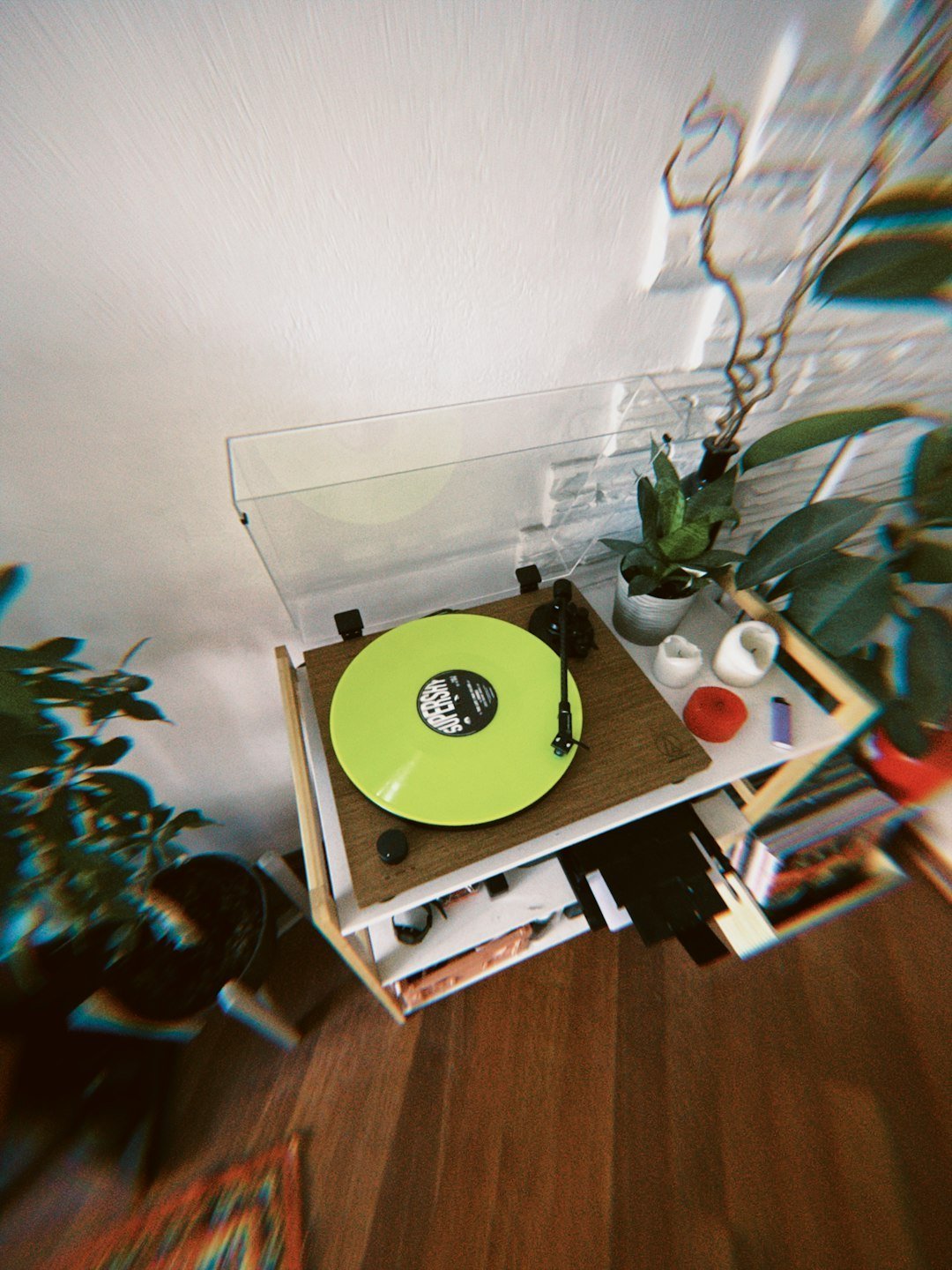
Ask any serious music listener about flipping a 1970s record from Side A to Side B and watch their face change. That pause wasn’t a bug. It was a feature. According to Wikipedia’s Album Era entry, music journalist James Campion described the 1970s LP format as having “two sides, as if two acts in a play with an intermission,” allowing for “a crucial arc in the storytelling.”
For decades, the dual structure informed how artists conceived and sequenced their albums, often creating distinct moods, narratives, or thematic shifts between the two halves. Side A frequently served as the album’s initial greeting, packed with the most immediate hits. In contrast, Side B often became a space for deeper cuts, more experimental tracks, or a continuation of the album’s story. That architecture is something streaming playlists have never truly replaced.
7. The Album Was the Primary Art Form
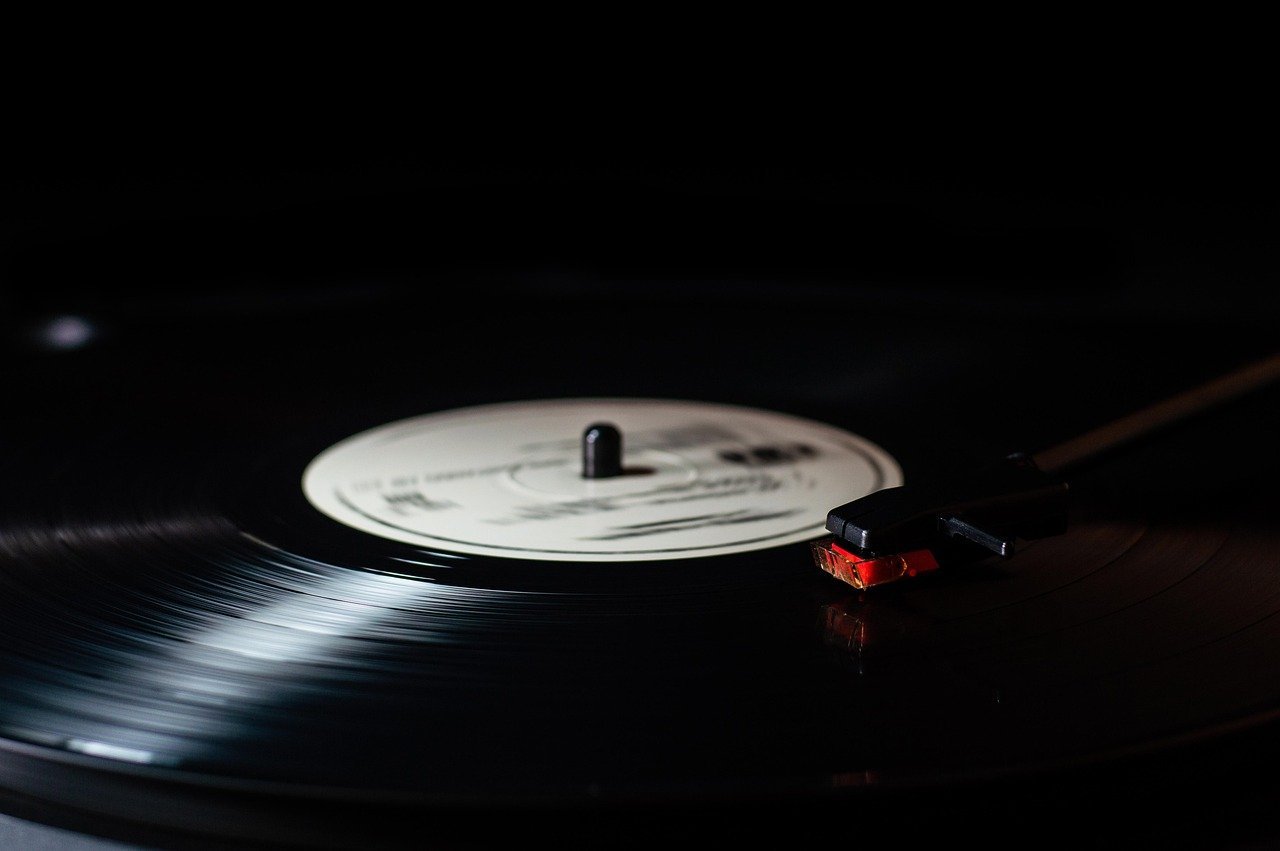
In the 1970s, nobody was skipping songs. The album was the point. Vinyl records were the dominant format for music, and albums often featured a cohesive set of songs meant to be listened to as a whole. Artists put thought into the flow and sequencing of the songs, and listeners would experience the album as a complete artistic statement.
Some iconic albums from this era, such as Pink Floyd’s “The Dark Side of the Moon” and Fleetwood Mac’s “Rumours,” exemplified this trend, becoming classics not just for their singles but for their full albums. I think that’s the real secret. The music was written to be heard in order. On vinyl, you still hear it that way.
8. Vinyl Introduces Harmonic Distortion That Many Ears Prefer
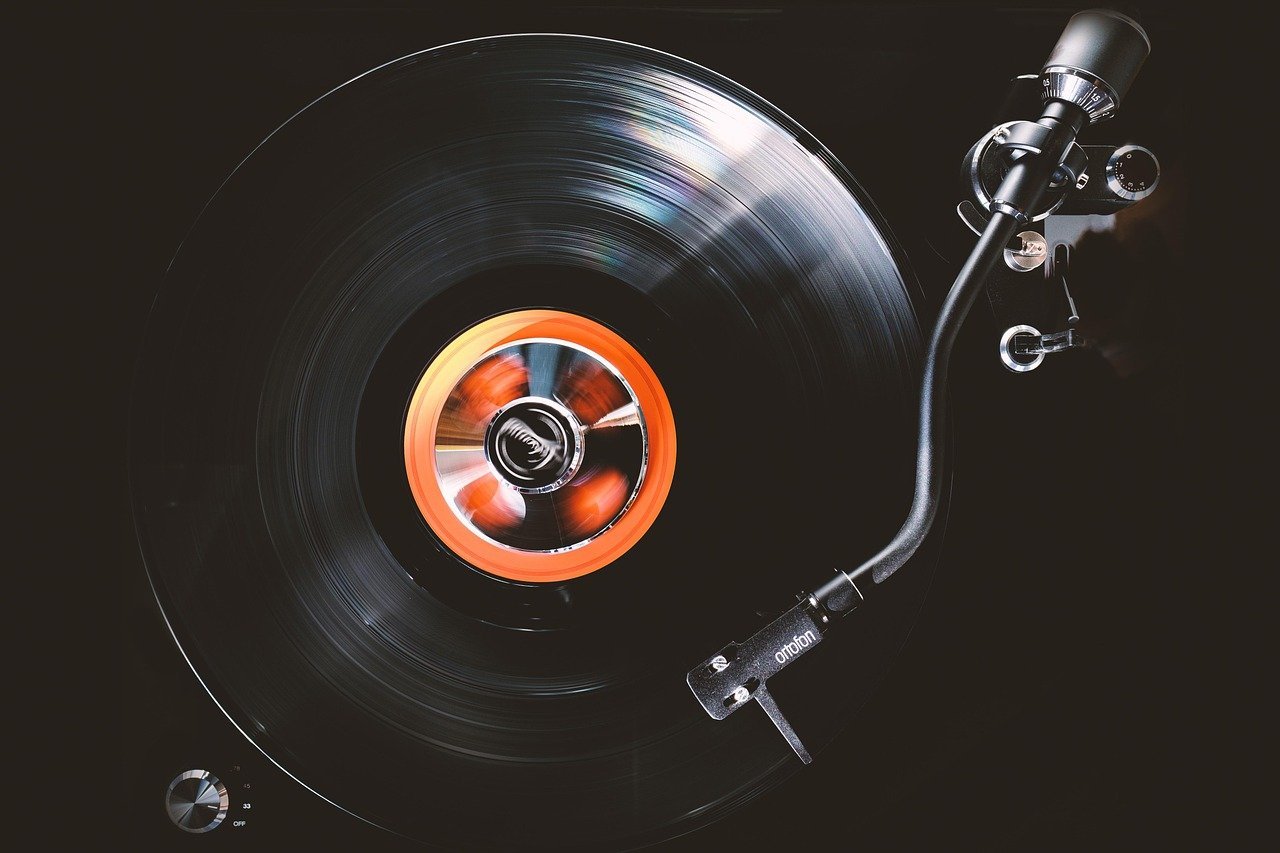
It sounds strange to say that distortion is a good thing. But the kind vinyl produces is genuinely different from harsh digital clipping. While digital offers pristine clarity, vinyl introduces subtle harmonic distortions and a certain “warmth” that many listeners find inherently musical. This isn’t just nostalgia; it’s an appreciation for a different presentation of sound, one shaped by the elegant constraints of physics and the masterful hands of dedicated artisans.
As reported by Sound on Sound’s technical coverage of analog recording, the technical limitations and imperfections of analog systems have become an integral part of the quality of the recorded sounds that many people grew up with, and the end result is perceived by many as being more pleasing than what can be achieved with all-digital recording chains. It’s hard to argue with that, honestly. Your ears know what they like.
9. The Ritual of Listening Creates Emotional Investment
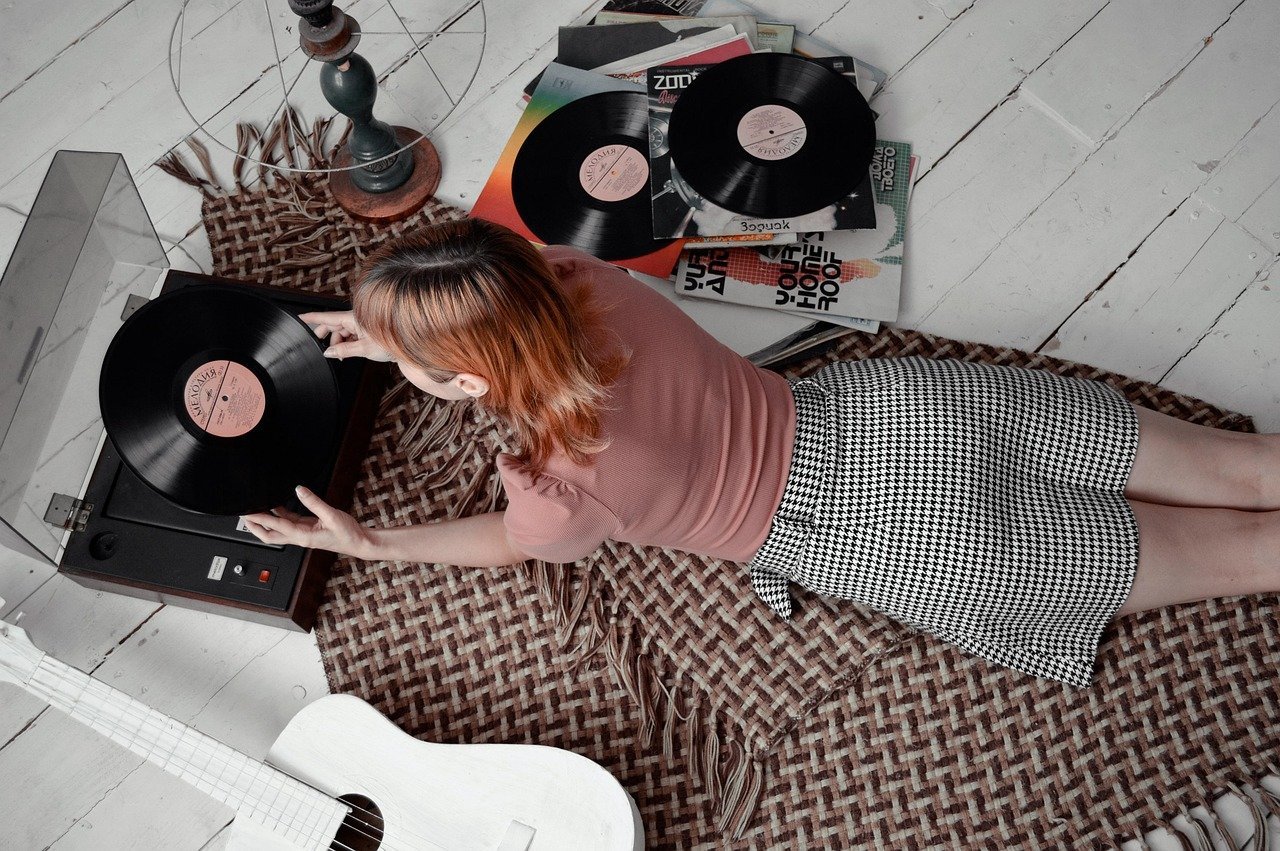
There’s a dimension to the vinyl experience that has nothing to do with frequency response or dynamic range. It’s psychological. Listeners value the ritual of playing records, the large-format artwork, and the intentional listening experience that vinyl provides. When you have to flip a record, you are invested. You cannot just skip ahead. You are in a relationship with the music.
For listeners, the vinyl format introduced a deliberate pause, an enforced moment of reflection or preparation, transforming the consumption of music from a passive act into an engaged, multi-sensory ritual. Combine that with the immersive headphone experience that, as journalist James Campion described, “enveloped listeners in intricate stereo panning, atmospheric sounds, and multilayered vocal trickery,” and you have a listening environment that streaming simply cannot replicate.
10. Vinyl’s Revival Confirms What Listeners Already Sensed
If vinyl sounded worse, people wouldn’t be buying it in historic numbers. The market has spoken. Vinyl album sales in the United States grew for the 17th consecutive year in 2023. The RIAA reported that vinyl reached a 30-year high in sales, reflecting a growing trend that shows no signs of slowing down. That is not nostalgia alone driving those numbers.
Vinyl records offer a warm, rich sound that many audiophiles argue is superior to digital formats. The analog process captures the nuances and depth of recordings, providing a listening experience that is often described as more authentic and immersive. The 1970s, captured on tape, pressed into vinyl, played back through a needle tracing a physical groove, represents the fullest expression of that philosophy. It’s a format that was designed for that music, and that music was designed for that format.
Conclusion: Some Things Are Just Right the First Time
It’s easy to dismiss the vinyl conversation as audiophile snobbery or boomer sentimentality. But the more you look at the history, the engineering, and the cultural context, the more you realize that the 1970s and vinyl were genuinely made for each other. The tape saturation, the mastering craft, the album sequencing, the dynamic range, and the ritual of listening all converged into something that streaming has never quite solved.
The numbers, the engineers, and the listeners all seem to agree. Sometimes the old way wasn’t just different. It was better. The only question left is: when did you last actually sit down, flip a record, and let a whole album side play through without touching your phone?

Christian Wiedeck, all the way from Germany, loves music festivals, especially in the USA. His articles bring the excitement of these events to readers worldwide.
For any feedback please reach out to info@festivalinside.com
