


For any feedback please reach out to info@festivalinside.com
- Senator Hawley Targets Minnesota AG Keith Ellison in Explosive Somali Fraud Exposé - February 26, 2026
- Bill Gates Comes Clean: Rare Apology for Epstein Ties and Extramarital Affairs Shocks the World - February 26, 2026
- Ohio Home Health Firm Draws Fire Over $1.2 Million PPP Windfall With No Digital Trail - February 26, 2026
The question that splits playlists
Who gets to wear the crown in German rap is the question that starts friendly debates and ends friendships at house parties. Open a train carriage in Berlin at rush hour and you will hear three different answers before the doors close. Some people point to relentless hitmakers, others swear by the purest lyricists, and a few chase the next underground spark. I remember stepping into a tiny basement show in Neukölln and watching the crowd chant every bar like a football stadium. That moment taught me the best is not just about numbers, it is about command of the room. It is a living contest judged by energy, craft, and staying power.
That is exactly why the search for the best German rapper refuses to end. Every month a new sound or accent pushes the conversation forward. The scene is not a single lane, it is a busy roundabout where styles loop and crash. Veterans do not simply retire, they reinvent themselves and draw fresh heat. Newcomers arrive with regional slang, fresh melodies, and fearless visuals. The answer changes slightly every time you hit play.
A short history that explains today
The roots of German rap stretch back to the early nineties when local voices proved the language could bounce over boom bap. Those early crews built a foundation that mixed social commentary with playful wordplay. By the two thousands, a sharper street perspective broke through, reshaping how the mainstream heard the genre. Radio and TV slowly caught up, but the internet was the real accelerator. With streaming came speed, scale, and the ability for scenes to bloom city by city. Suddenly the country felt like a cluster of creative islands connected by headphones.
This history matters because the current stars did not appear out of nowhere. They learned how to hook listeners who grew up on both local classics and international trends. They borrowed what worked, bent the rest, and found space for German, English, and immigrant languages in the same verse. The results sound familiar yet new, like a city you know seen from a higher roof. Every major name today carries traces of those earlier eras. That is why the present feels both fresh and rooted.
What makes a rapper the best
To answer the crown question, you need criteria that go beyond fan loyalty. Technical skill still matters, from breath control to multisyllabic rhymes that snap into tight pockets. Originality separates leaders from followers, since audiences can smell recycled ideas from the first hook. Range is crucial, because the star who can dominate club sets and late night headphones wins more hearts. Visual identity and storytelling turn songs into worlds that fans want to revisit. Above all, consistency under pressure is the real test.
Then comes impact, the invisible weight a song has on culture. If phrases spill into schoolyards and social feeds, you know a switch got flipped. If producers start chasing the same drum patterns, the influence is real. If regional slang becomes national vocabulary, you are hearing genuine reach. The best is not just loud, the best leaves a footprint others step into. By that standard, a handful of names stand out right now.
Capital Bra and the chart machine
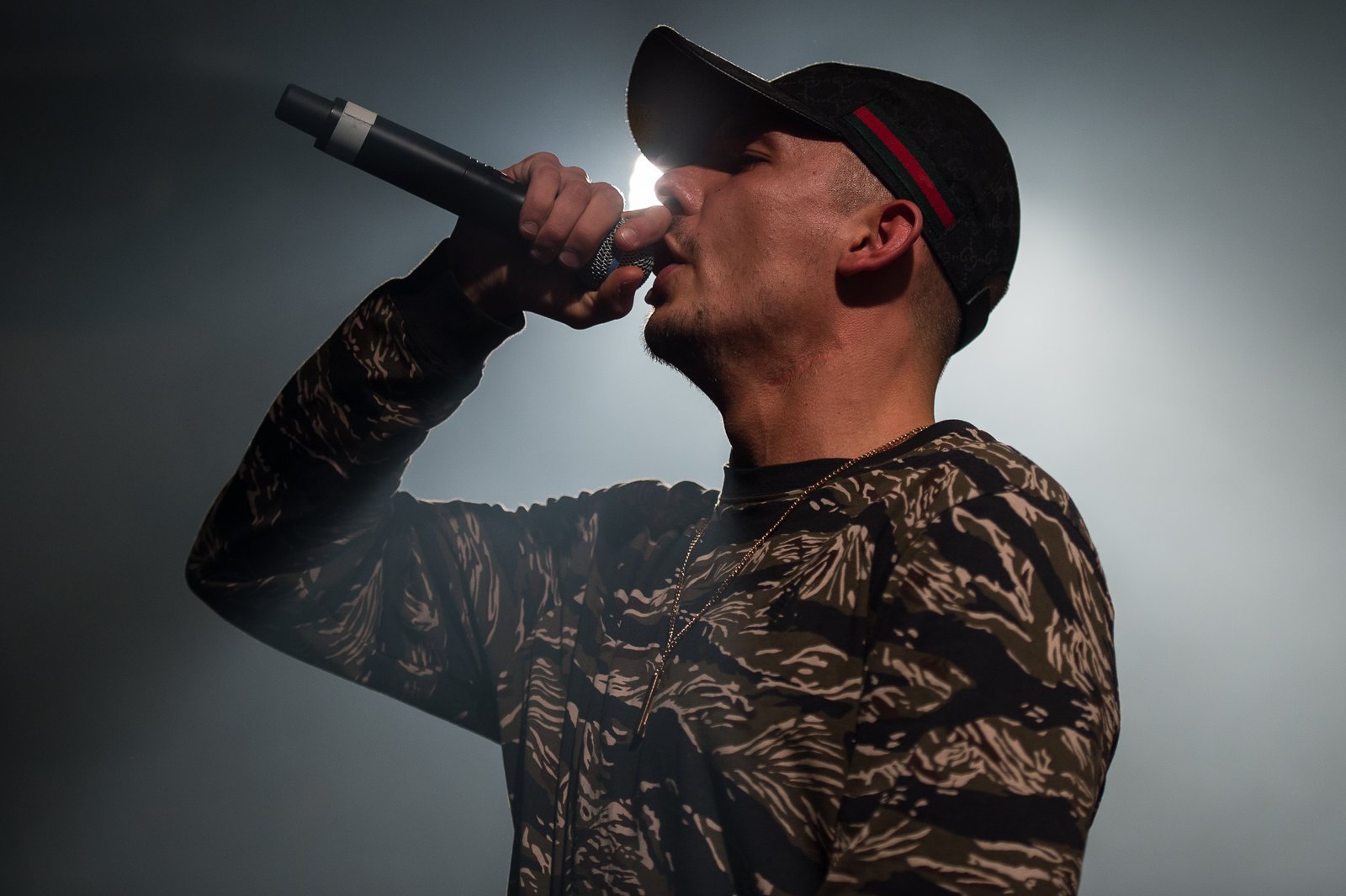
Capital Bra is the name that always crashes the conversation because output and momentum define his legacy. He built a reputation for rapid releases that felt like events, not placeholders. Hooks stick with an easy swing, while verses toggle between swagger and street detail. The beats often ride the border between pop bright and trap tough, which widens the audience. That blend turns casual listeners into repeat streamers without losing edge. It is a formula that many attempt and few master.
Critics sometimes ask about depth, but the catalogue answers with variety and volume. There are tracks for cars, kitchen speakers, and festival stages. Features showcase chemistry with both long time allies and rising voices. The brand feels approachable, which fans reward with loyalty during every new drop. When conversations turn to who can dominate a release cycle, his name is hard to ignore. In the crown debate, he represents the case for relentless consistency.
Luciano and the drill blueprint

Luciano turned heads by giving German drill a precise, muscular shape that travels well across borders. The flow is clipped yet bouncy, landing on beats with a boxer’s rhythm. Production choices lean toward cold synths and heavy low end that stalk the room. Even when the tempo shifts, the voice anchors the groove like a metronome with attitude. Videos extend the mood with sharp styling and confident minimalism. The package is tight, modern, and unmistakable.
What makes the case for best is how his sound sets standards for others. Club DJs can count on the bounce to grab bodies in seconds. International features feel natural, not forced, which helps the songs move outside Germany. Younger artists often chase the same drum language after a big Luciano season. When influence shows up in the work of peers, you are hearing leadership. That kind of imprint keeps his name in every shortlist.
Apache 207 and the pop rap crossover
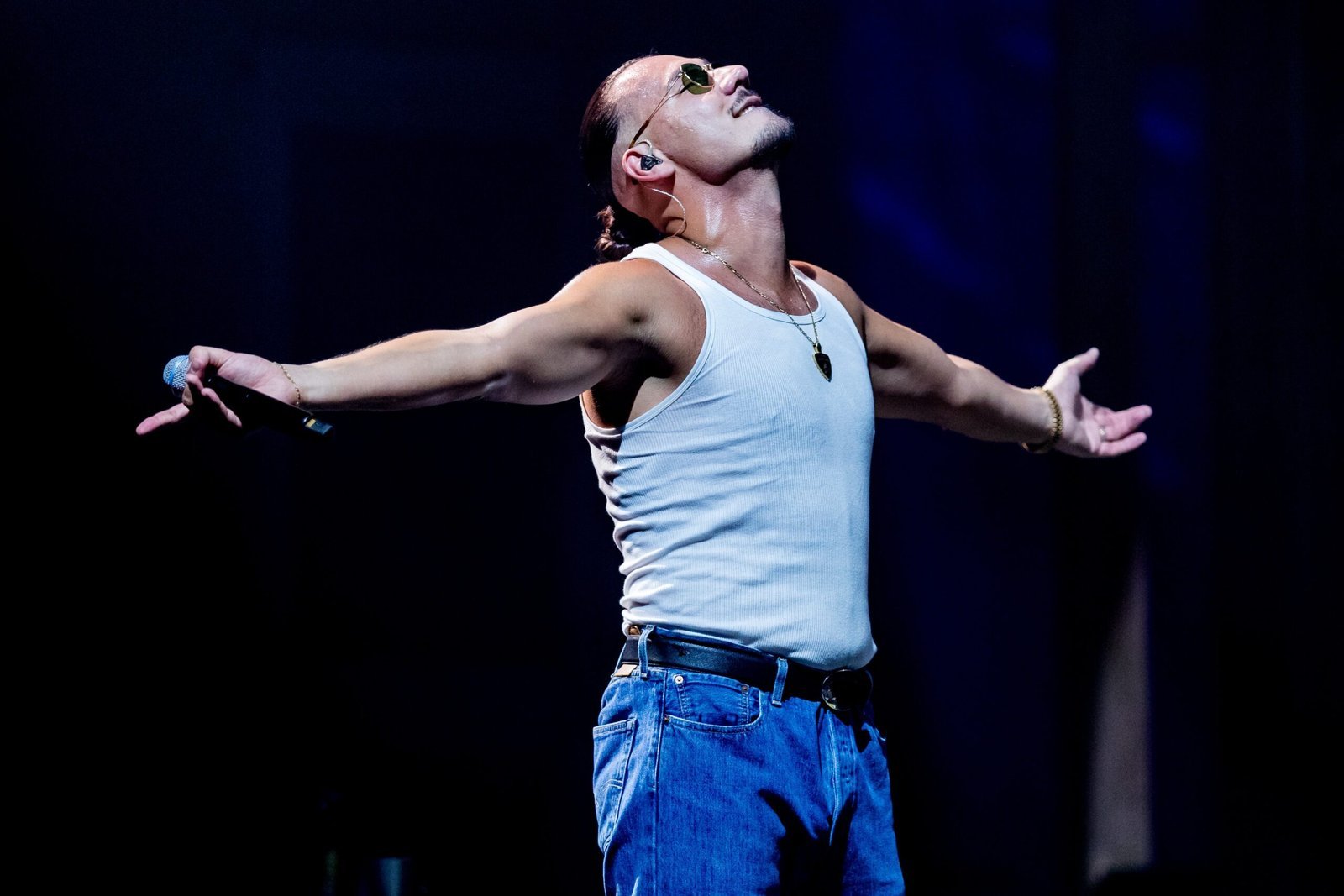
Apache 207 proves you can be melodic and still command respect from rap audiences. The voice glides, the hooks bloom, and yet the beats keep enough punch for hip hop heads. There is a romance to the storytelling that plays well in cars at night. Visuals add cinematic flair, with frames that feel like snapshots from a stylish road movie. The pace is unhurried, which lets the songs breathe and sink in. That patience is rare in a rush heavy market.
His case for best rests on reach and emotional pull. Fans who do not usually listen to rap sing along without hesitation. At the same time, there is structure in the verses that shows care for craft. The bridge between pop and rap is tricky, but he walks it with balance. When an artist unites different crowds without losing identity, the ceiling gets higher. That ceiling is why many argue he owns the moment.
Shirin David and the power of reinvention

Shirin David brings a sharp sense of image, strategy, and control that few can match. The records arrive with clear concepts, crisp choruses, and obvious replay value. Flows switch from playful to cutting with a flip of tone. Production leans glossy, but there is a bite in the bars that keeps things grounded. Each era feels like a new chapter rather than a random pivot. That coherence helps the catalogue add up to more than singles.
Her presence pushes conversations about who gets to lead in a male heavy space. Fashion, choreography, and features are folded into the music rather than sitting beside it. The audience sees ambition treated as normal, which can reshape expectations for new artists. Collaborations show range with both pop and street leaning voices. That kind of positioning changes what success looks like for others. It is a serious claim in the best rapper debate.
Haftbefehl and the street poetics
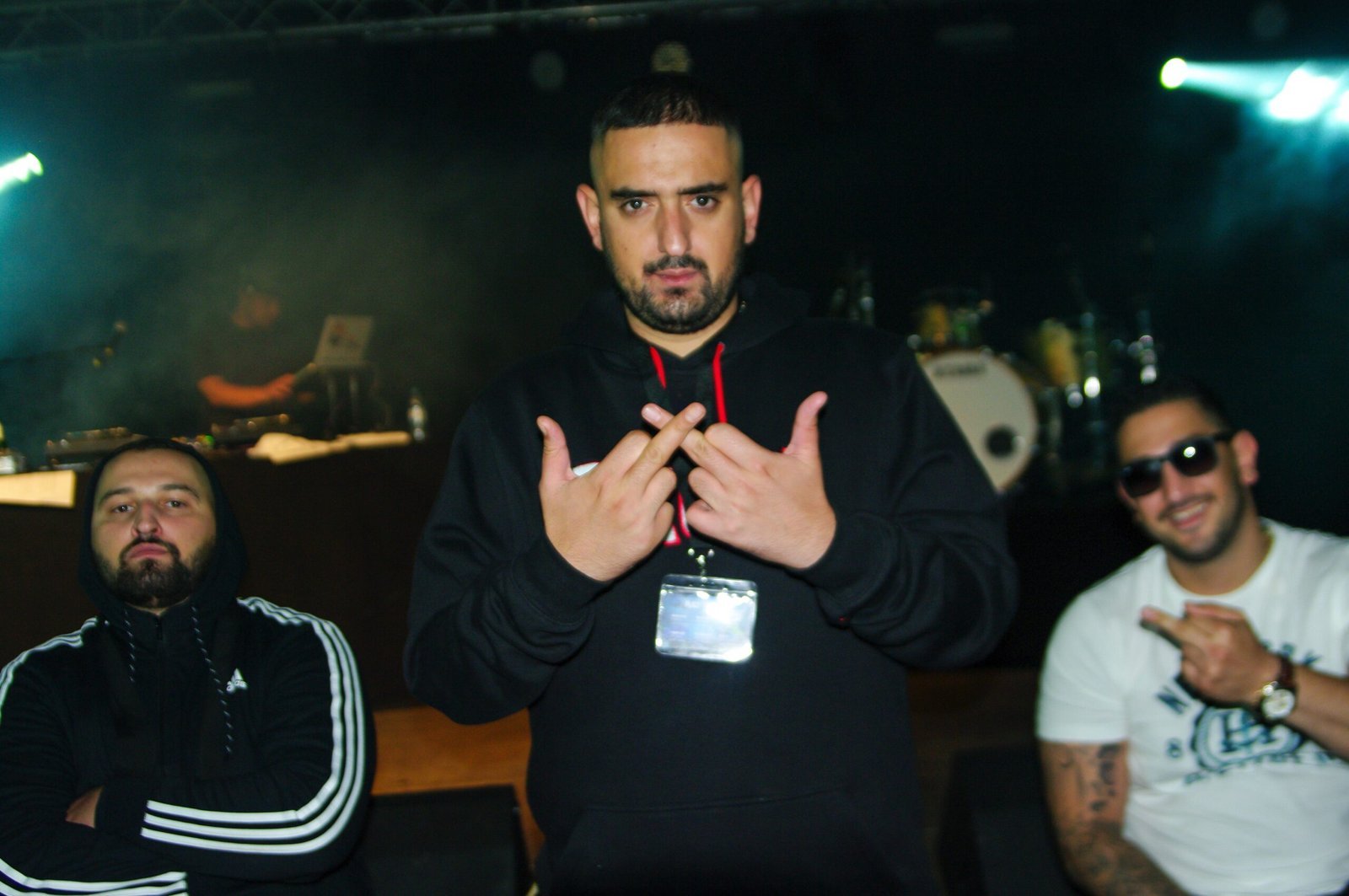
Haftbefehl stands as a symbol of gritty storytelling and coded language that entered the mainstream. The voice alone can paint a block without a single extra word. Slang, rhythm, and dark humor mix into a texture that feels lived in. Producers tailor moody backdrops that ride low and tense. Even brief ad libs can turn into cultural markers fans repeat for years. That kind of signature is hard to manufacture.
The argument for best is anchored in influence on craft and attitude. You can trace lines from his style into a wave of artists who followed. He opened space for raw narratives to live on big platforms. The work does not chase polish for its own sake, yet it stays catchy. When a rapper shifts the center of gravity for the scene, the impact lasts. That legacy keeps his name in the running every time.
RAF Camora and the continental sound
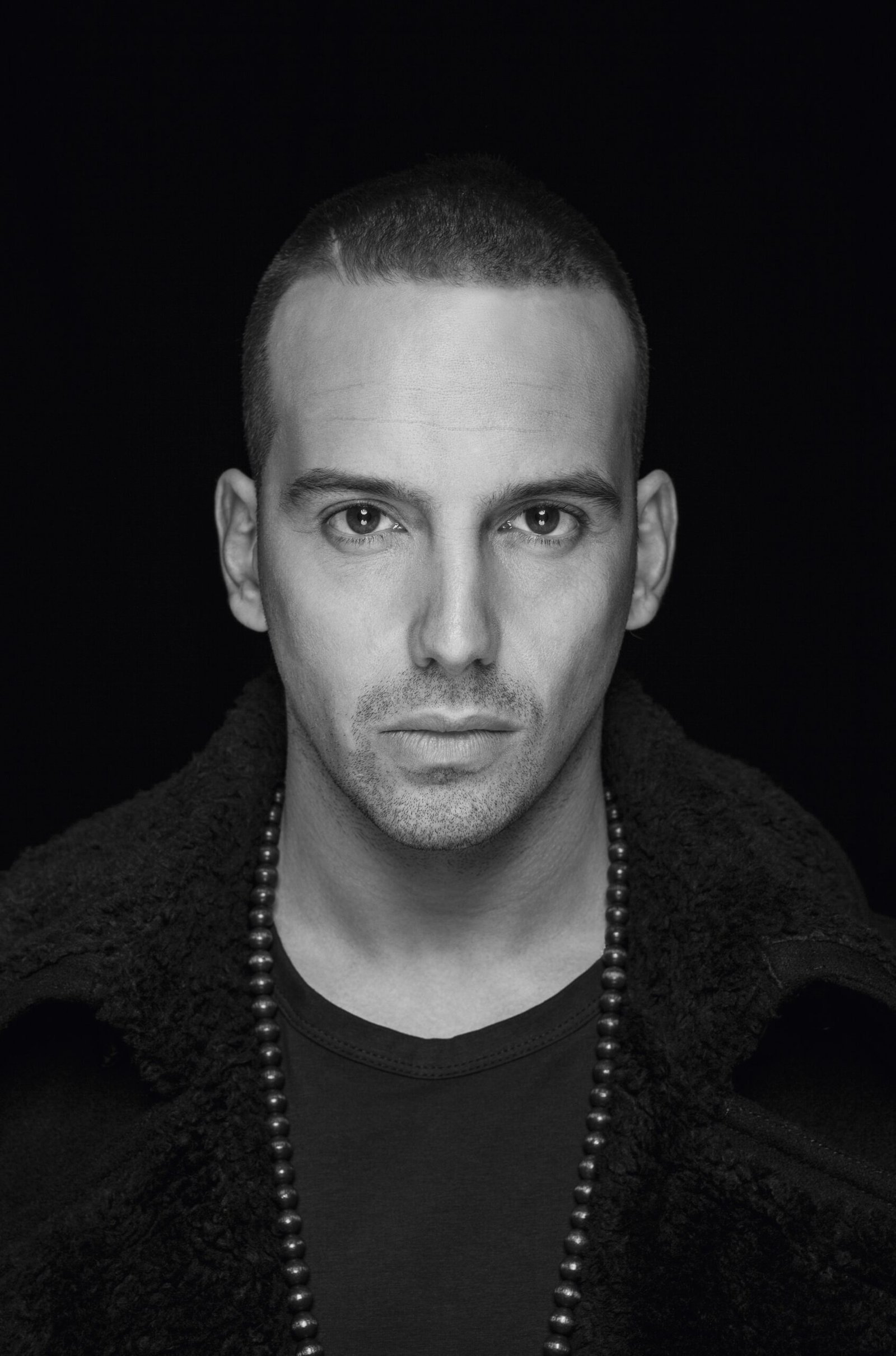
RAF Camora helped unlock a wider European palette that turned German rap into a borderless party. Melodies float, rhythms borrow from multiple club traditions, and the mixes feel international. There is a curator’s ear at work, selecting textures that travel across languages. Choruses sink in quickly, then verses add just enough grit to hold core listeners. The balance between radio friendly and street credible is carefully kept. That balance makes the songs durable across seasons.
His case for best comes from vision and partnership building. Projects with allies have created a shared universe fans love to revisit. Tours draw crowds from different countries who know the same hooks by heart. Producers and writers influenced by his approach now shape the sound of others. When an artist turns local momentum into continental motion, the stakes change. That shift is part of why the crown conversation stays lively.
The crews and cities behind the hits
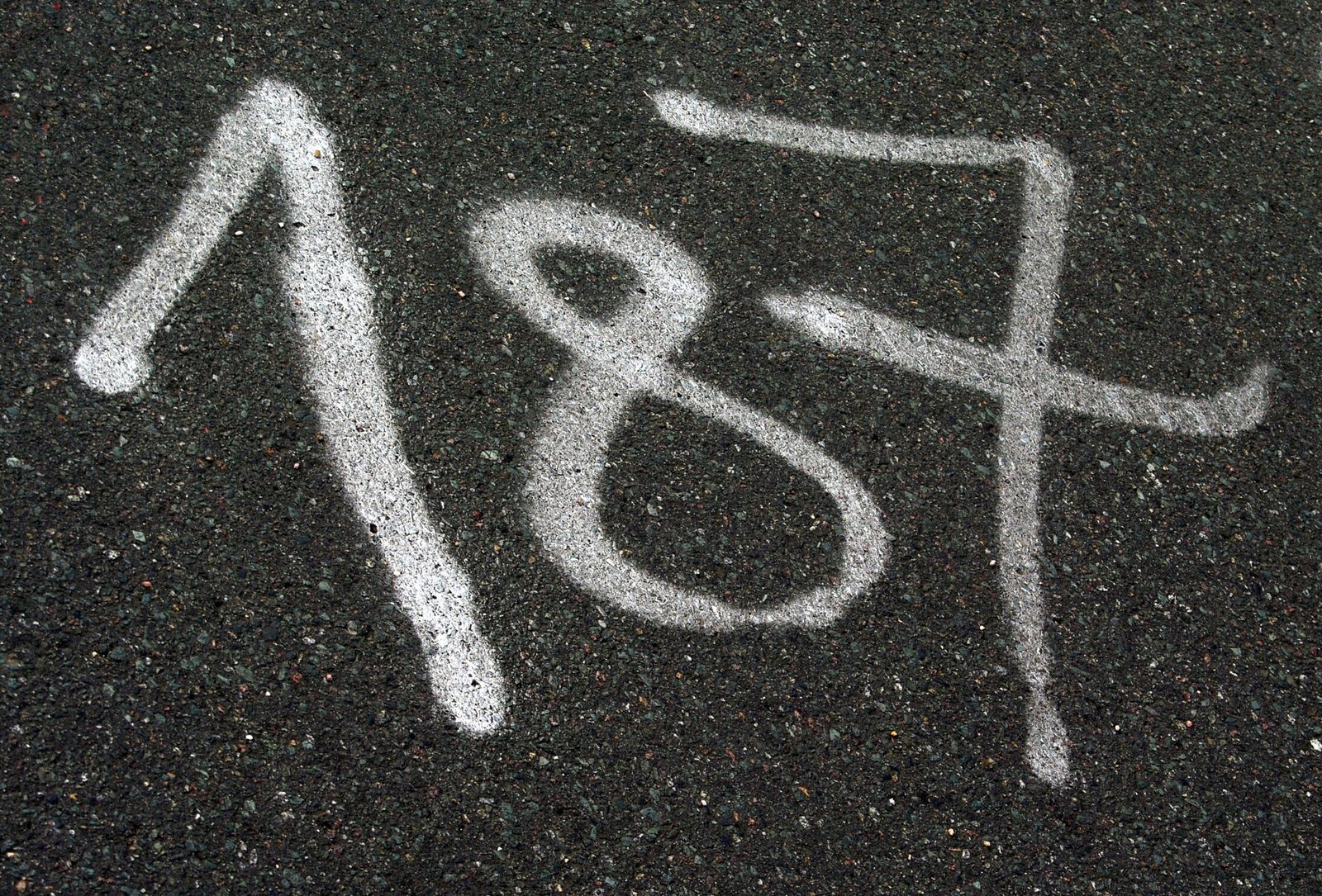
German rap is a web of crews, labels, and city scenes that feed each other. Berlin supplies relentless output and gritty ambition that fits big city pace. Hamburg brings distinct flavors and tough textures that age well. Frankfurt channels street intensity with lyrical focus. Stuttgart and Cologne add thoughtful craft and polished sound design. Munich and the Ruhr area round things out with fresh voices and club instincts.
These hubs do not compete in silence, they trade talent and ideas all year. Producers bounce between camps, sharpening palettes as they go. Videographers lift visual standards with every new drop. Dancers and stylists build looks that become recognizable in a heartbeat. The ecosystem acts like a living studio spread across highways and train lines. The best rapper often stands on the shoulders of this network.
How German rap travels across Europe
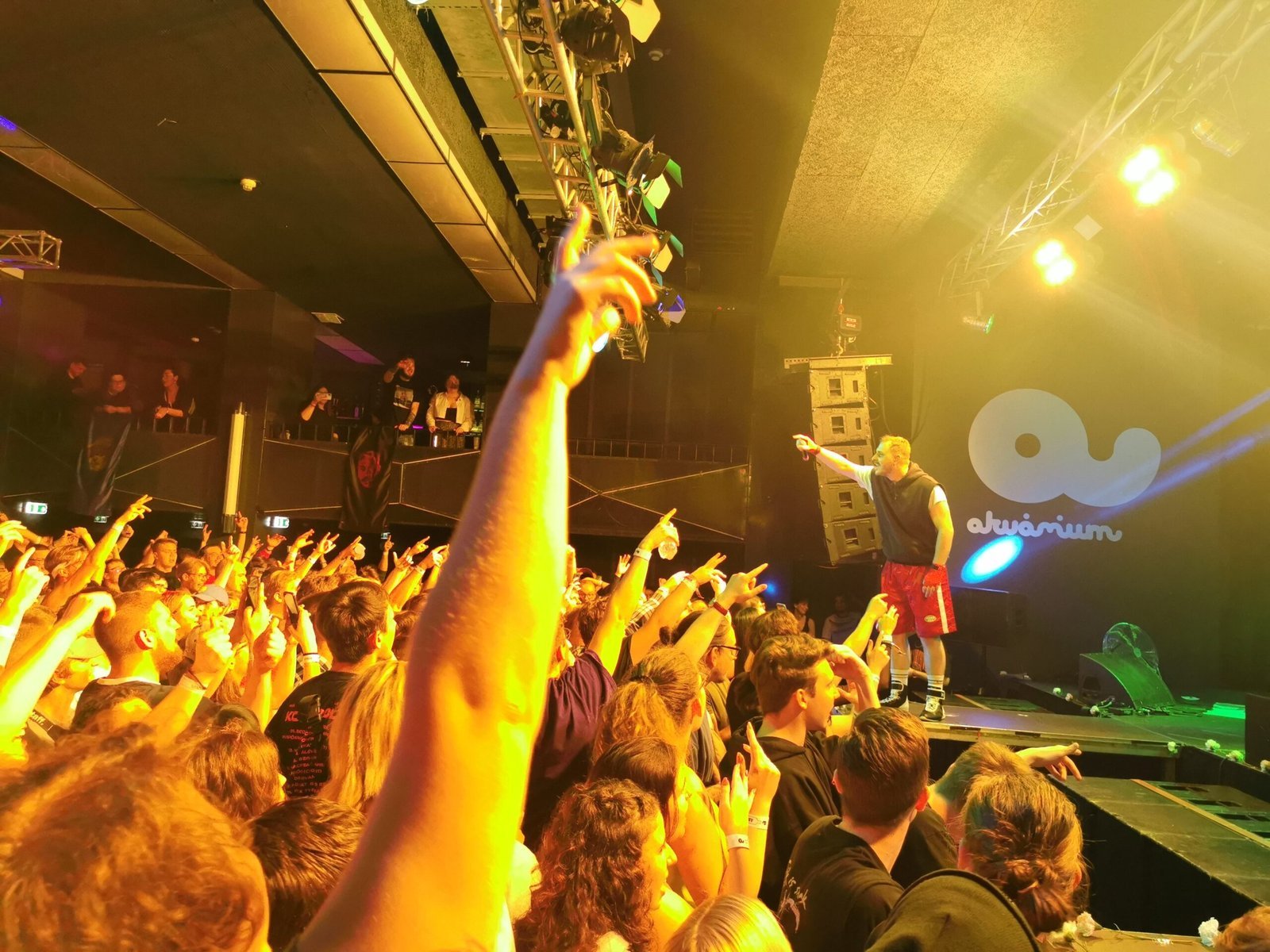
Language used to be seen as a barrier, but rhythm and vibe now cross borders in seconds. Playlists bundle German tracks with French, Dutch, and Italian hits without hesitation. Clubs in Prague or Warsaw will light up for a hook even if the crowd only knows the chorus. Social clips push dances and catchphrases that skip translation entirely. Festival stages place these acts next to global names with ease. The result is steady cultural exchange rather than one way export.
Collaborations multiply that reach by mixing accents and production styles. Fans discover new artists from features and keep exploring after a single track. Visuals with strong art direction help songs break past language, since aesthetics read instantly. Remixes give tracks a second life in new markets. When that cycle repeats, momentum builds around the whole scene. This is how a national sound becomes a continental presence.
So who is the best right now
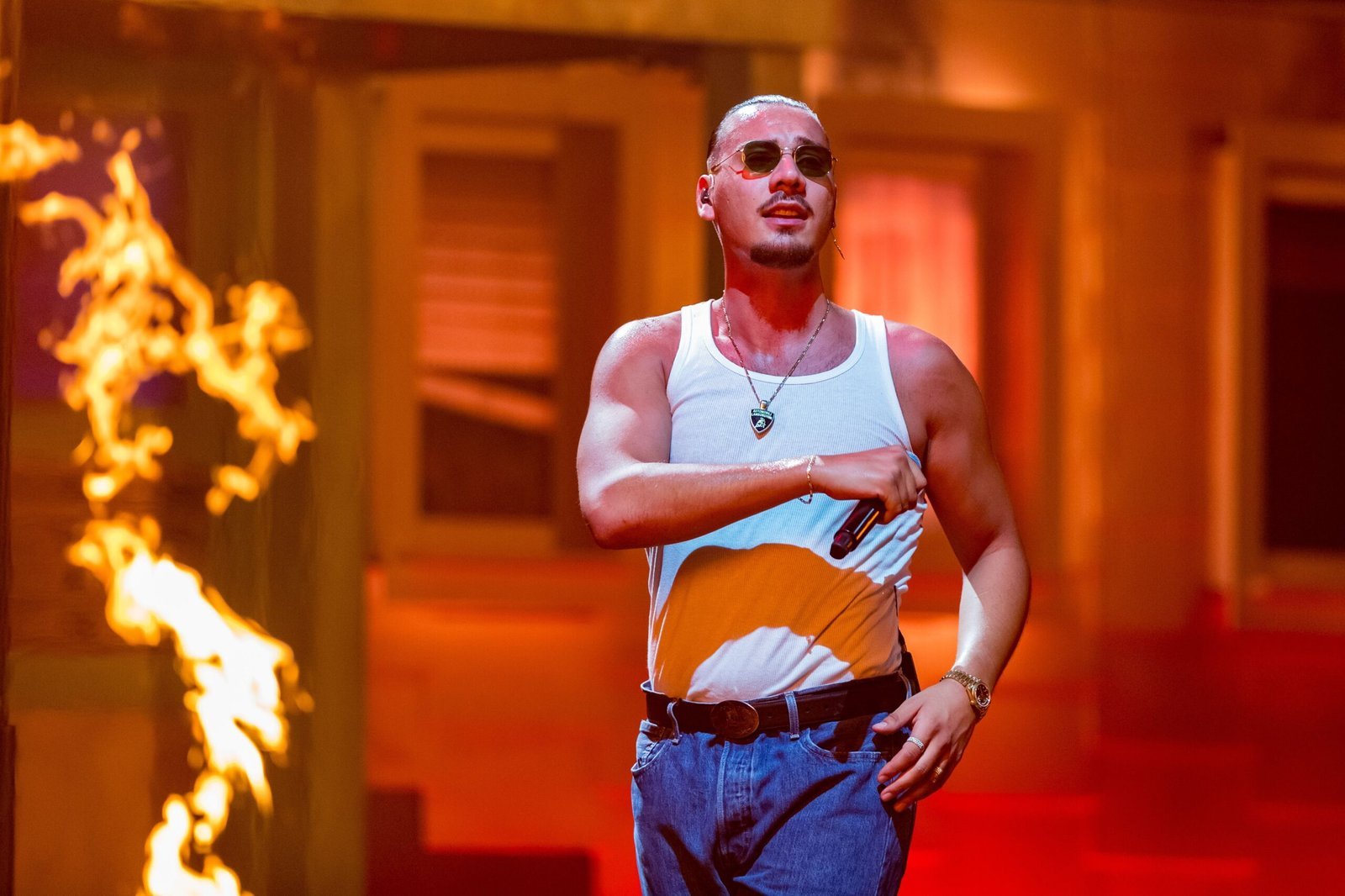
If you judge by pure chart muscle, Capital Bra has a heavyweight argument that is hard to dismiss. If your standard is club power and stylistic influence, Luciano makes a fierce claim. If crossing pop and rap with emotional pull is the goal, Apache 207 is the name many pick. If reinvention and cultural conversation drive your vote, Shirin David stands tall. If street poetics and lasting impact matter most, Haftbefehl remains essential. If continental vision is the metric, RAF Camora is impossible to overlook.
My own answer shifts with context, like sneakers you choose for a different kind of day. For late night headphones I reach for Haftbefehl, for summer drives I lean Apache 207, and for packed rooms I call on Luciano. The crown changes hands depending on mood, setting, and criteria. That is the secret power of German rap in this moment, it offers many ways to be the best. The scene keeps expanding, and the bar keeps rising with it. So the smartest answer is to listen widely and decide with your own ears, which name would you pick today?

Christian Wiedeck, all the way from Germany, loves music festivals, especially in the USA. His articles bring the excitement of these events to readers worldwide.
For any feedback please reach out to info@festivalinside.com
