
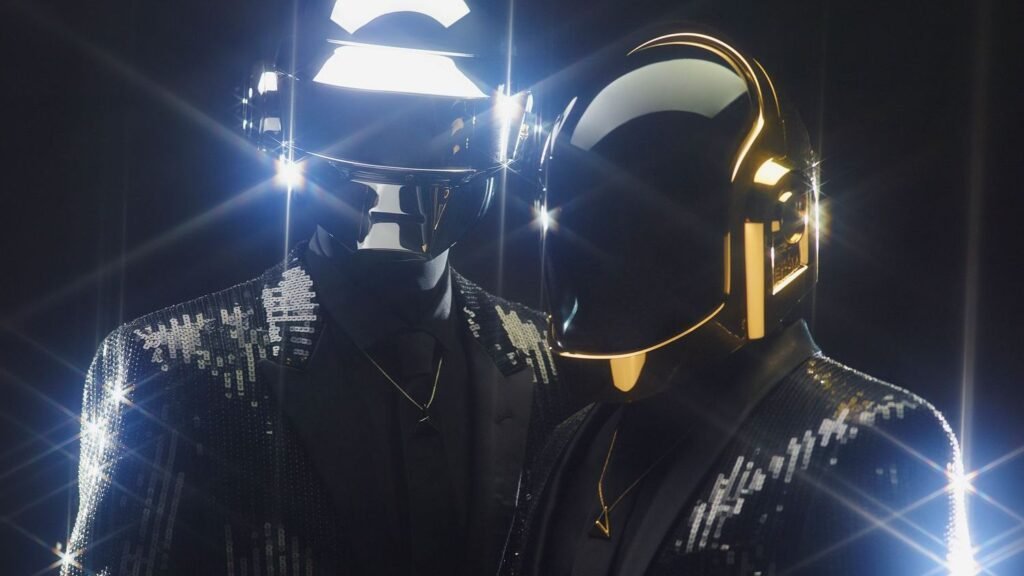

There’s something quietly remarkable about the moment a musician steps beyond the concert stage and into the darkened world of cinema. Not just to contribute a single track, not just to license an old hit, but to craft an entire album specifically built around someone else’s story. It’s a deeply different creative challenge, one that demands both ego and surrender at the same time.
Some of the most celebrated names in music history have taken on that challenge, and the results are often extraordinary. The nine artists featured here didn’t just show up. They went all in, and in doing so, they created some of the most memorable sonic experiences in both film and music history. Get ready, because a few of these will genuinely surprise you.
Eddie Vedder – Into the Wild (2007)
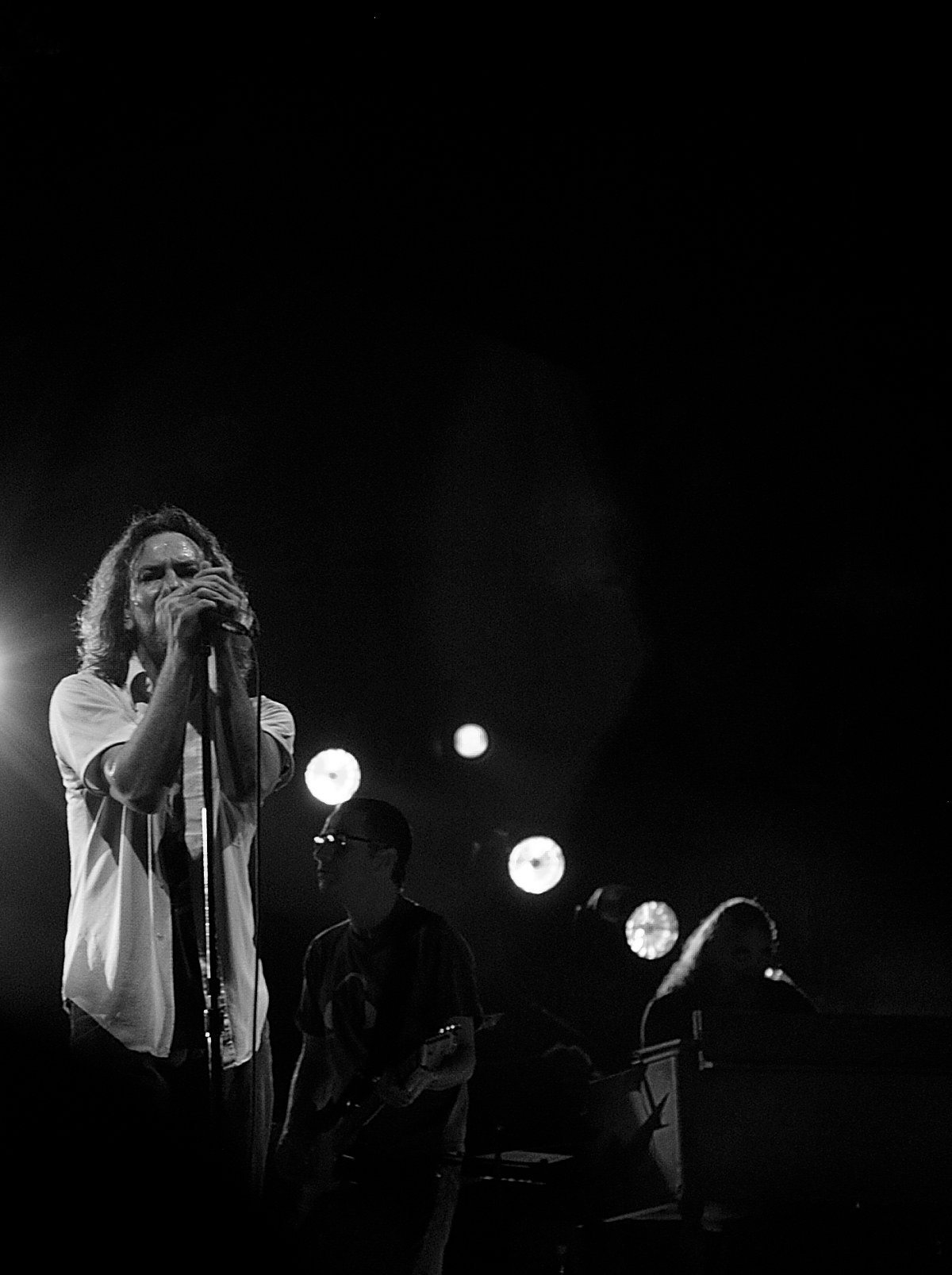
Let’s be real: when you think of Pearl Jam’s Eddie Vedder writing a full solo soundtrack album, your first thought probably isn’t ‘folk-heavy acoustic ballads.’ Yet that’s exactly what he delivered. Into the Wild is the debut solo studio album by Vedder, based on his contributions to the soundtrack for Sean Penn’s film of the same name, released in September 2007.
Director Sean Penn personally handpicked Vedder to provide the music for the film. It was a match made in cinematic heaven. Vedder’s songs written for the film feature a folk sound, which one AllMusic writer described as “a collection of folksy, rootsy tunes where rock and roll makes fleeting appearances.”
After viewing a rough cut of Into the Wild, Vedder quickly went to work writing songs for the film. Honestly, you can feel that urgency and emotional charge throughout the whole record. Vedder won a 2008 Golden Globe Award for the song “Guaranteed” from the album. A rock star picking up a Golden Globe for a solo folk project. Not something you see every day.
Simon & Garfunkel – The Graduate: Original Soundtrack Recording (1968)
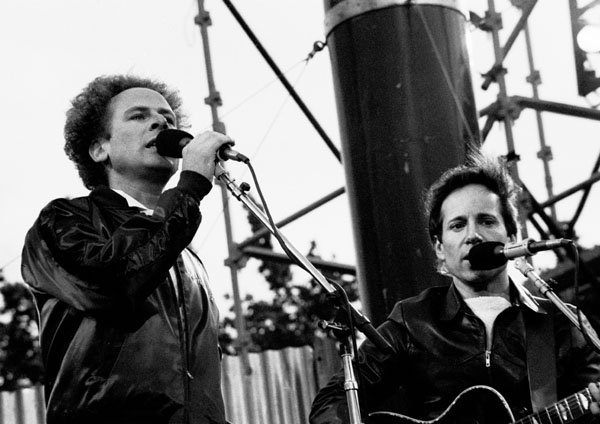
Few soundtrack relationships in history are as deeply intertwined with a film’s identity as Simon & Garfunkel’s music and Mike Nichols’ landmark 1967 film The Graduate. The duo’s existing catalog of songs became the emotional backbone of the movie in a way that felt almost telepathically matched to the film’s restless, alienated spirit.
Songs like ‘Mrs. Robinson,’ ‘The Sound of Silence,’ and ‘Scarborough Fair’ didn’t just accompany the story. They became the story. It’s one of those rare cases where the music and the film became so fused in the public consciousness that you genuinely cannot imagine one without the other.
I think it’s worth pointing out how unusual this was for 1968. Using a contemporary pop duo’s catalogue as a serious cinematic score was an almost radical choice at the time. It helped define an entirely new era of film music, one where pop culture and cinema could speak the same language. The influence of that decision is still being felt today.
Daft Punk – Tron: Legacy (2010)
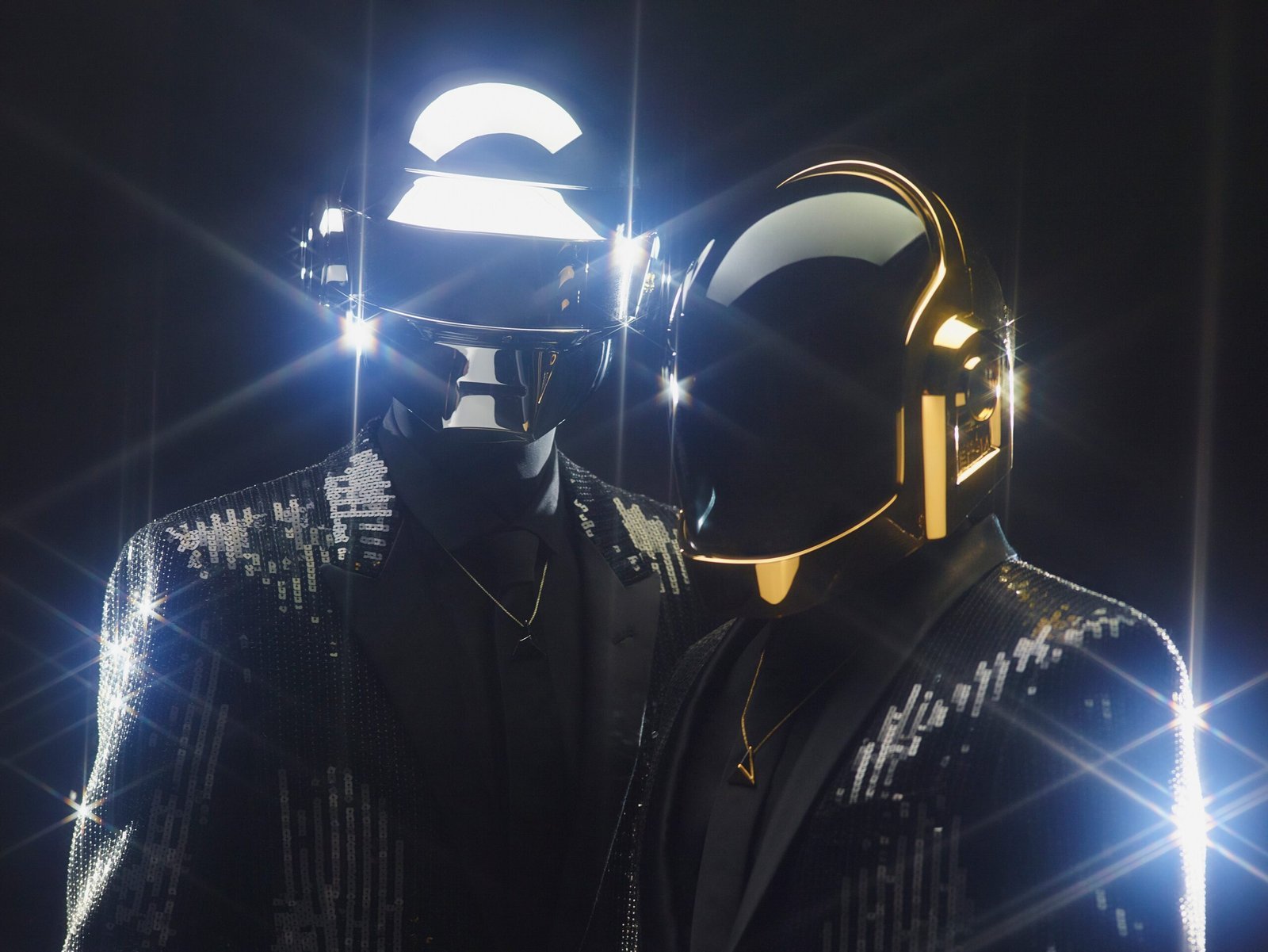
Here is where things get genuinely cinematic in scale. After agreeing to score the film, Daft Punk worked exclusively on the score for nineteen months, putting off all other projects, and even consulted with film composers including Hans Zimmer, Alexandre Desplat, John Powell, and Christophe Beck. Nineteen months. For two guys best known for making people dance in robot helmets.
The score of Tron: Legacy features an 85-piece orchestra, recorded at AIR Lyndhurst Studios in London. The idea of Daft Punk orchestrating a full symphony is almost absurd, until you actually hear it. The score took over two years to create and features a stunning mix of electronics fused with a traditional 85-piece orchestra, and Daft Punk managed to create a score that works not only as a living character within the film but also as a stand-alone record.
It is the only film score ever released by Daft Punk. That fact carries a weight of its own. They went in completely, gave it everything, and never did it again. Sometimes the once-in-a-career project is exactly that.
Trent Reznor & Atticus Ross – The Social Network (2010)
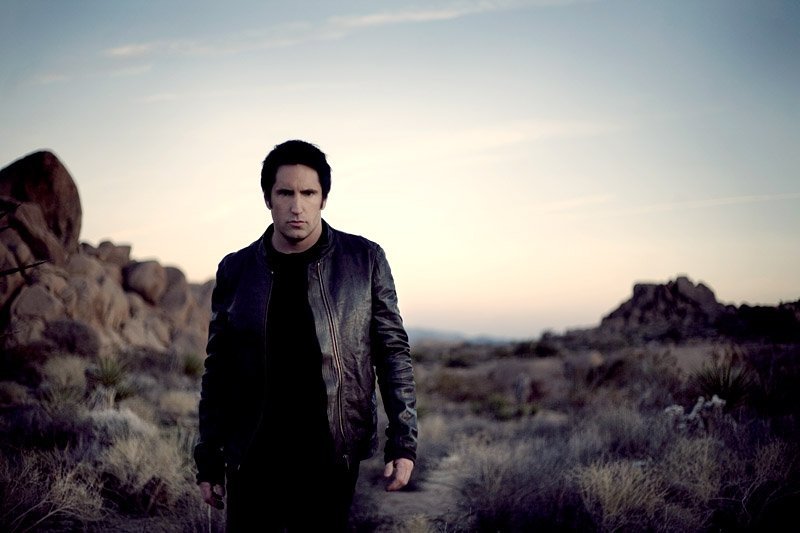
When Nine Inch Nails frontman Trent Reznor was first approached by director David Fincher to score a film about the founding of Facebook, the reaction from the outside world was… skeptical. A tech bro drama, scored by industrial rock’s most celebrated dark poet? It sounded ridiculous on paper.
It was, in practice, a stroke of pure genius. Reznor and Ross’s synth-heavy, non-orchestral soundtrack for The Social Network was awarded Best Original Score at the 83rd annual Academy Awards. That’s not a minor achievement. The score won nine major awards in total, including the Golden Globe for Best Original Score and that Academy Award.
The Social Network is the score album for David Fincher’s 2010 film of the same name, composed by Trent Reznor and Atticus Ross, released through The Null Corporation. Reznor described the music as ‘electronic in basis, but mostly organic sounding,’ with lots of experiments and an emphasis on sound fraying around the edges while focusing on the proper emotional tone for each scene. That combination of clinical precision and emotional rawness is exactly what made it work so well.
Prince – Purple Rain (1984)
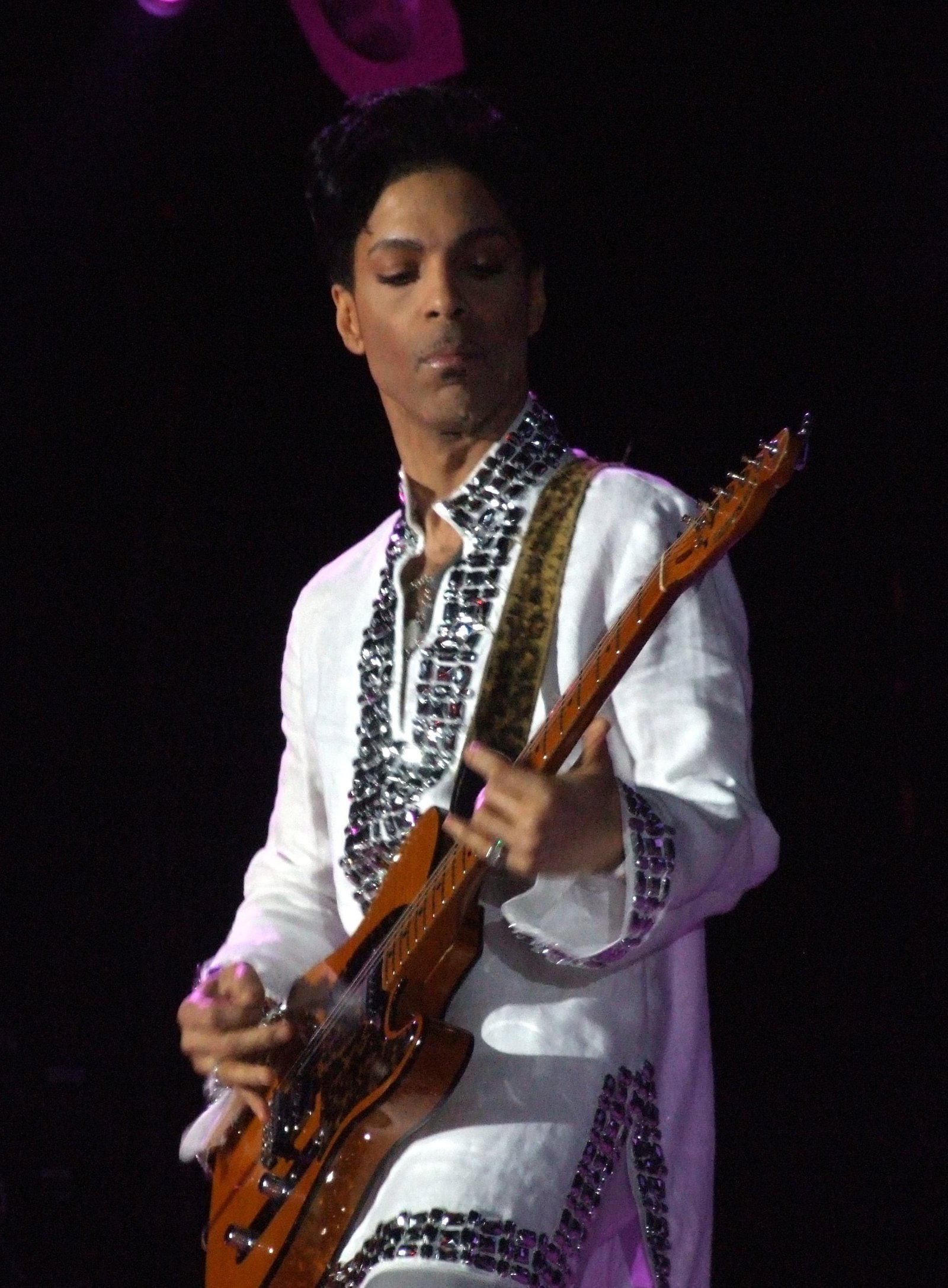
If you want a single album that proves a movie soundtrack can transcend its own medium and become one of the most important records in music history, Purple Rain is your answer. Purple Rain is the sixth studio album by Prince, released on June 25, 1984, by Warner Bros. Records as the soundtrack album to the 1984 film of the same name.
Purple Rain is Prince’s commercial peak, with total sales standing at 25 million copies worldwide, making it one of the best-selling albums of all time. Let that sink in. Twenty-five million copies. For a movie soundtrack. Purple Rain became Prince’s first album to reach number one on the Billboard 200, spending 24 consecutive weeks at the top.
Prince and the Revolution received a Grammy Award nomination for Album of the Year and won the Best Rock Performance by a Duo or Group and Best Score Soundtrack for Visual Media. The album was later inducted into the Grammy Hall of Fame. It also won Prince the Academy Award for Best Original Song Score. Honestly, calling this a soundtrack album almost feels like an insult. It’s a masterpiece that happened to accompany a film.
Jonny Greenwood – There Will Be Blood: Original Score (2007)
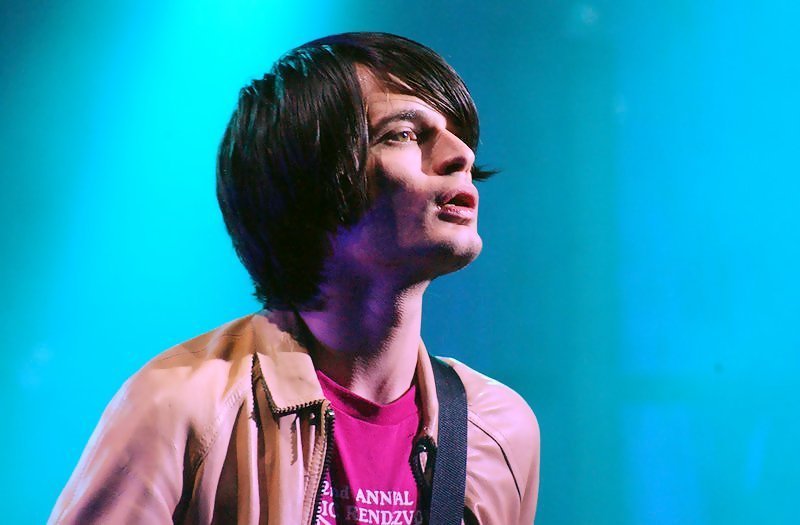
Radiohead’s Jonny Greenwood is a fascinating case. Here is someone whose day job involves being the guitarist in one of the most acclaimed bands on the planet, who quietly stepped into film scoring and produced work that many critics consider among the greatest movie music of the modern era.
His score for Paul Thomas Anderson’s There Will Be Blood is genuinely unsettling in the best possible way. Greenwood drew heavily on experimental classical composers, particularly Krzysztof Penderecki, and constructed something that feels both ancient and alien. It creates a sonic tension that mirrors the film’s own brooding, violent psychology.
There Will Be Blood was notably snubbed at the Academy Awards due to a technicality involving pre-existing compositions, which many in the industry considered a significant oversight. Critics were nearly unanimous in their praise. It remains one of the most talked-about film scores of the 21st century, and Greenwood has since become one of the most sought-after composers in cinema. It’s hard to say for sure, but his work here may have been even more influential than the film itself.
Cliff Martinez – Drive (2011)
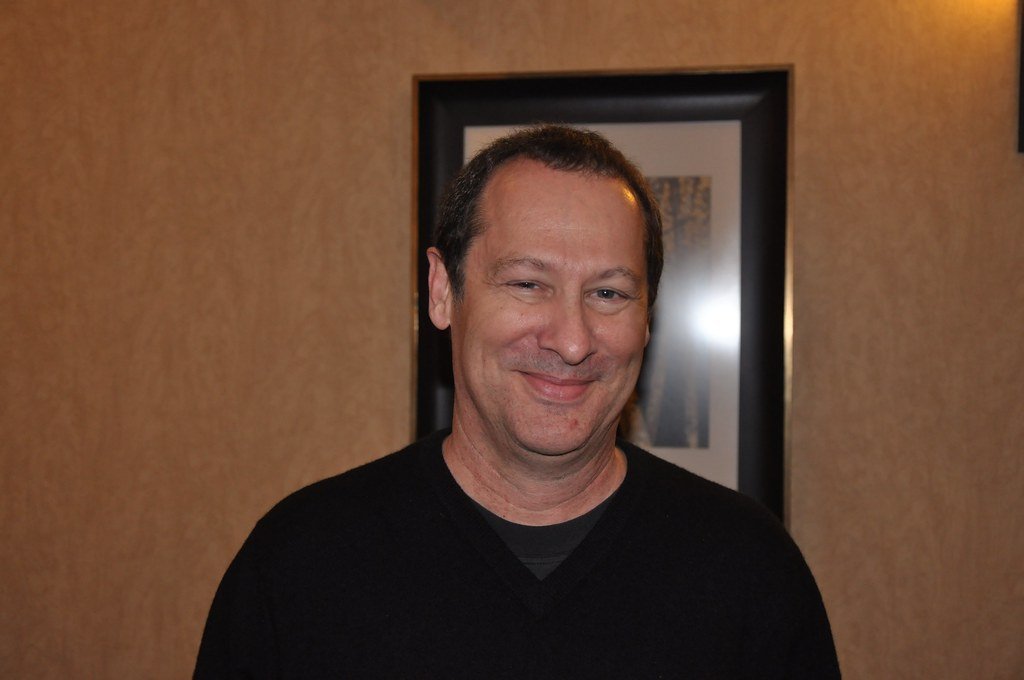
Nicolas Winding Refn’s 2011 thriller Drive is, in many ways, inseparable from its soundtrack. Cliff Martinez, a former drummer for the Red Hot Chili Peppers, crafted something that felt genuinely new at the time, a neon-soaked, glacially paced blend of synthesizers that felt both retro and futuristic simultaneously.
The Drive soundtrack is widely credited with playing a major role in popularizing the modern synthwave aesthetic, the entire musical genre that swept through indie culture throughout the 2010s. Think of it like a stone dropped into water. The ripples are still spreading. Artists like Kavinsky and College, who also contributed to the film, became touchstones for an entire movement.
What’s remarkable about Martinez’s score is how deeply it inhabits the film’s silences. There are long stretches of Drive where barely anything is said, and yet the music communicates volumes. That’s extraordinarily difficult to achieve, and it elevates the whole film into something closer to a mood piece than a conventional action thriller.
M83 – Oblivion: Original Motion Picture Soundtrack (2013)
French electronic artist Anthony Gonzalez of M83 was handed a genuinely tricky assignment. Joseph Kosinski’s sci-fi film Oblivion, starring Tom Cruise, demanded a sonic landscape that was simultaneously epic, intimate, and futuristic. M83’s brand of grand, soaring synth-pop turned out to be a near-perfect fit.
The result was one of the more underrated sci-fi soundtracks of the past decade. M83’s atmospheric electronic approach matched the film’s sweeping visuals and themes of memory, loss, and identity in ways that felt intuitive rather than manufactured. It’s the kind of score that makes you feel the sheer size of an empty, post-apocalyptic Earth.
Gonzalez collaborated with the film’s director and worked alongside composer Joseph Trapanese, the same orchestrator who had worked with Daft Punk on Tron: Legacy. There’s something quietly poetic about that connection, two grand electronic film scores sharing a musical collaborator. The Oblivion soundtrack stands as proof that electronic artists can craft genuinely cinematic music without abandoning their identity in the process.
Ryuichi Sakamoto – The Last Emperor: Original Soundtrack (1987)

Few composers in the history of cinema have had a run quite like Ryuichi Sakamoto’s. The Japanese musician and co-founder of the pioneering electronic group Yellow Magic Orchestra brought an extraordinary range and sensitivity to film scoring, and his collaboration with director Bernardo Bertolucci on The Last Emperor stands as his crowning cinematic achievement.
His greatest award success was for scoring The Last Emperor, which won him the Academy Award for Best Original Score, the Golden Globe Award for Best Original Score, and the Grammy Award for Best Score Soundtrack Album for a Motion Picture, Television or Other Visual Media. That’s the trifecta. Oscar, Grammy, and Golden Globe. In the same year. For the same film.
The win made Sakamoto the first Japanese composer to win an Academy Award. The historical significance of that milestone is easy to understate, but it represented a genuine breakthrough for Japanese artists in Western cinema. The nine tracks Sakamoto composed for the film manage to use orchestral arrangements to convey sweeping, grand moments alongside quiet, intimate ones, supporting the movie’s dramatic shifts with immaculate precision. Sakamoto passed away in March 2023, but this soundtrack remains a living testament to his genius.
The Screen Was Never Just a Screen
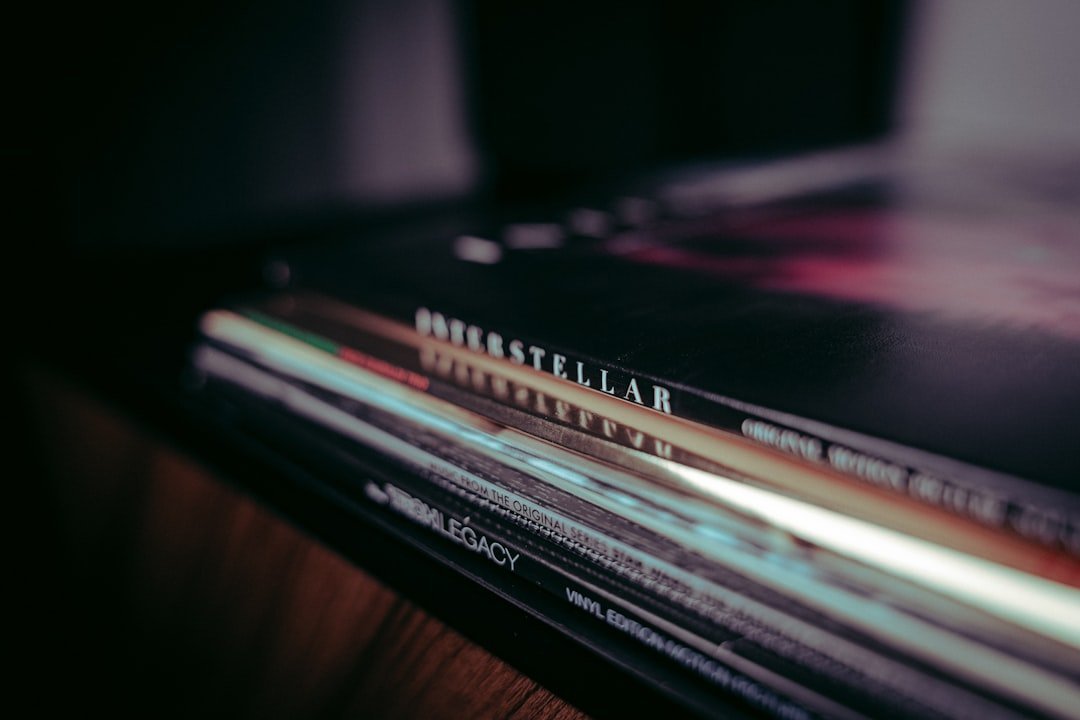
What’s striking about this entire list is how often the soundtrack outlived, or at least outpaced, the film it was created for. Purple Rain is now more famous as a music album than as a movie. The Social Network’s score is studied in music programs. The Tron: Legacy soundtrack has entire communities dedicated to it on vinyl forums.
There’s something deeply human about that. Music, it turns out, can carry the emotional weight of a story long after the images have faded. These nine artists didn’t just score films. They created parallel universes of sound that exist entirely on their own terms.
Which of these nine soundtrack albums do you think made the biggest cultural impact? Drop your thoughts in the comments.

Besides founding Festivaltopia, Luca is the co founder of trib, an art and fashion collectiv you find on several regional events and online. Also he is part of the management board at HORiZONTE, a group travel provider in Germany.
