

There is something quietly fascinating about watching a musician walk offstage and straight into a boardroom. It happens more often than people realize. Somewhere between the studio sessions and the world tours, a handful of artists figured out something the rest of us tend to forget: fame is a currency. Spend it right, and it multiplies.
Some of them built clothing lines, some launched champagne empires, and others quite literally changed how we listen to music forever. What they all have in common is a ruthless eye for opportunity that most MBAs would envy. We are talking about artists who were not just talented performers, they were serious businesspeople running serious operations.
Curious who comes out on top when you rank by actual peak revenue? Let’s dive in.
1. Dr. Dre and Beats Electronics: The $3 Billion Headphone Empire
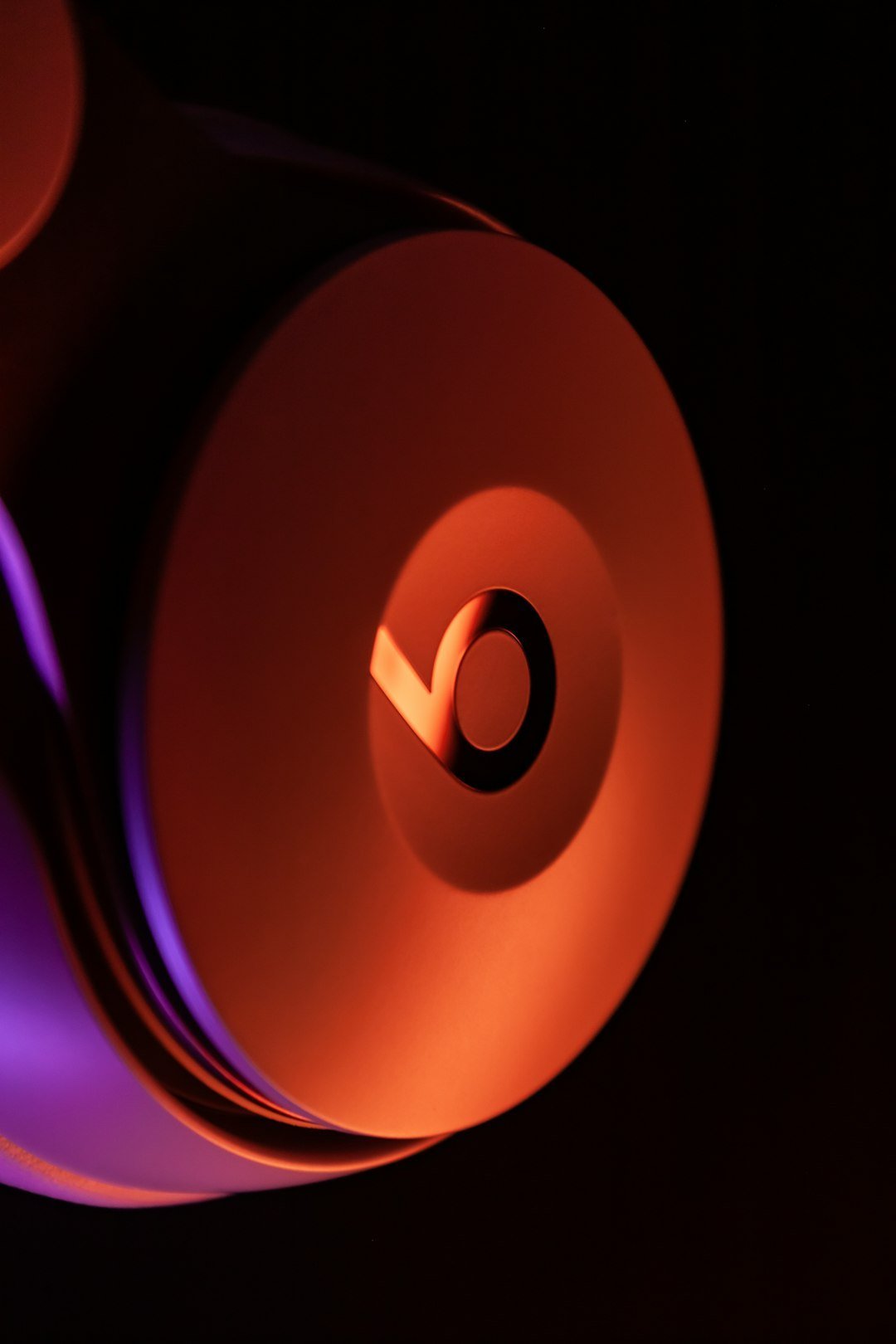
Honestly, no list of musician-turned-mogul stories is complete without this one. This is the one that redefined what it even means for an artist to “do business.” Beats was established in 2006 by music producer Dr. Dre and record company executive Jimmy Iovine, who perceived two key problems in the music industry: the impact of piracy on music sales and the substandard audio quality of standard earbuds.
They partnered with Monster Cable to manufacture the first Beats by Dr. Dre Studio headphones, which launched in July 2008 at a premium price point of $349. That is not a small bet for a new brand. It is a statement of intent.
By 2011, NPD Group reported that Beats’ market share was 64% in the U.S. for headphones priced above $100. Then came the moment that floored the whole industry. Apple acquired the two companies for a total of $3 billion, consisting of a purchase price of approximately $2.6 billion and approximately $400 million that would vest over time. It remains, to this day, the largest acquisition in Apple’s history.
Think about that for a second. A rapper who grew up in Compton sold a headphone company for more than three billion dollars. Dre’s seven Grammy Awards didn’t make him one of music’s richest figures. His ability to see that headphones could be status symbols did. That is the kind of insight no business school teaches.
2. Rihanna and Fenty Beauty: The $600 Million Cosmetics Revolution
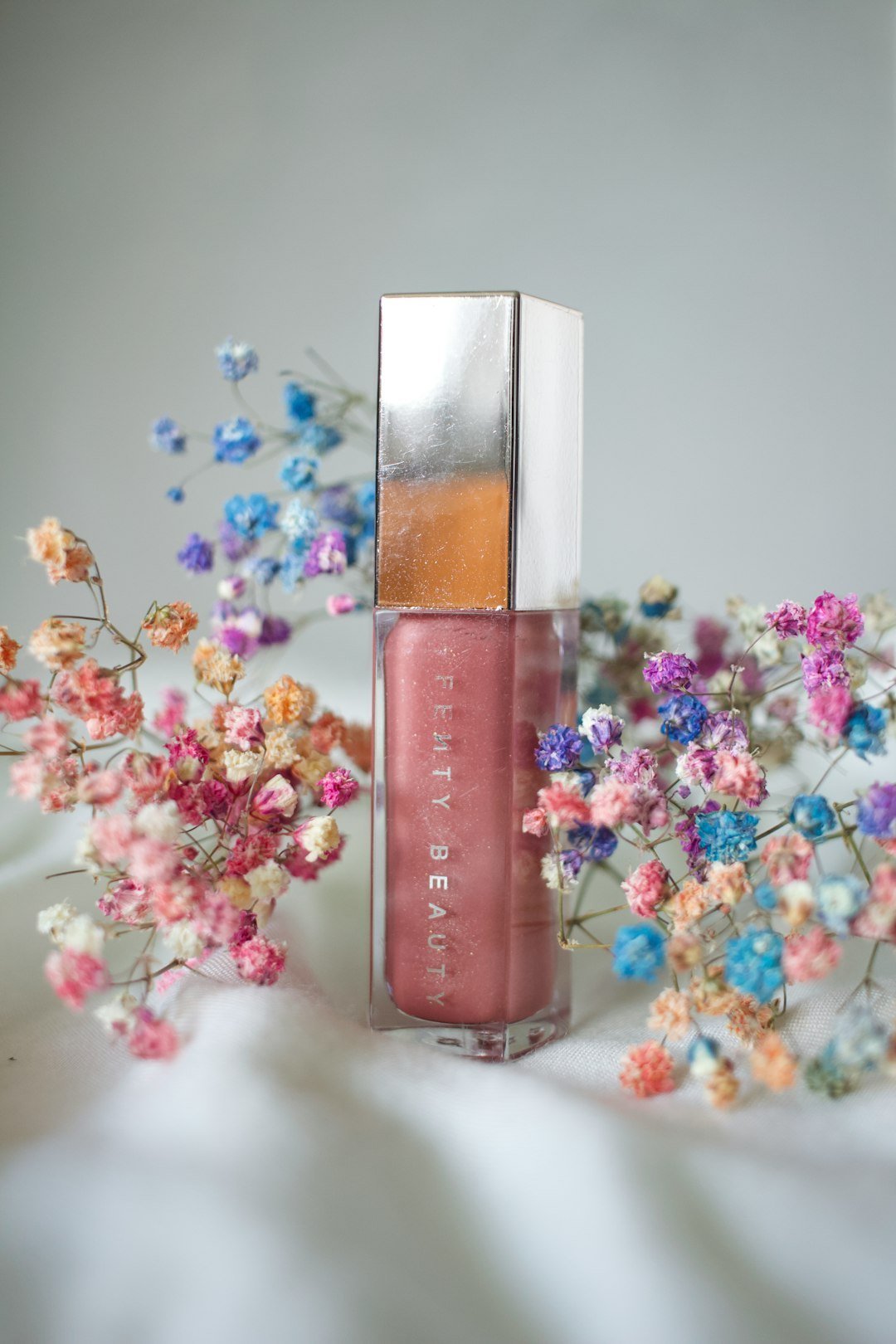
Rihanna did not just launch a beauty brand. She launched a reckoning. Fenty Beauty LLC is a cosmetics brand of Rihanna and LVMH, launched on September 8, 2017. Within its first 40 days alone, it generated a staggering momentum that shocked even industry veterans.
Within hours, social media exploded as Fenty Beauty generated $72 million in earned media value in the first month. The first 40 days generated $100 million in sales. That is not a product launch. That is a cultural event.
The genius was in the concept itself. Rihanna created Fenty Beauty to provide an inclusive range for all skin tones, including extensive shade offerings for people with deeper skin tones, thus adding items to fill the void of products that performed across all skin tones and types. The industry had been failing millions of women for decades, and she spotted it.
Fenty Beauty by Rihanna was the leading celebrity beauty brand in 2023, generating sales of $602.4 million globally. When the brand reached a valuation of approximately $2.8 billion, her half was worth roughly $1.4 billion. Not bad for someone the fashion world once treated simply as a pop star.
3. Jay-Z and Armand de Brignac: The Champagne Brand Worth Over $630 Million
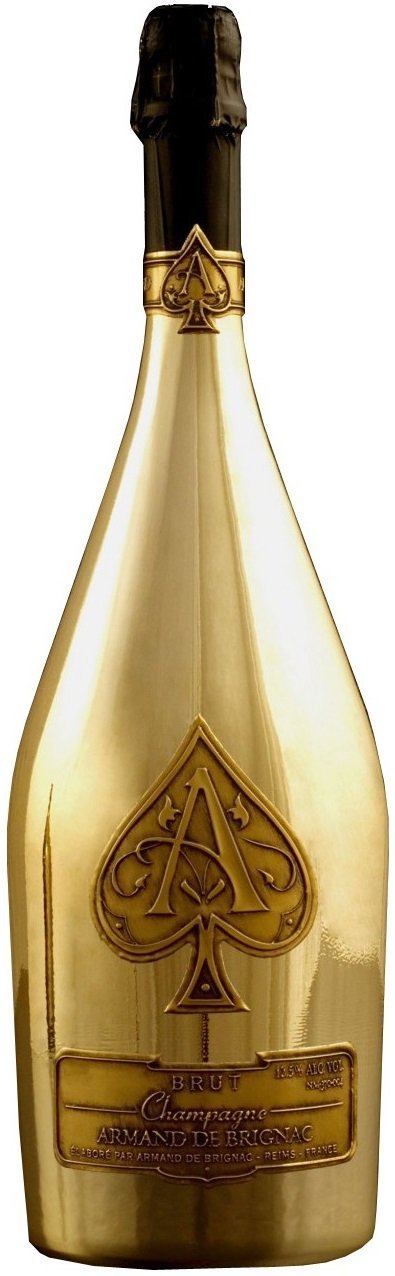
Here is the thing about Jay-Z as a businessman. He does not just want a deal. He wants ownership. Jay-Z’s relationship with Armand de Brignac started in 2006 with a 50% stake in the brand, debuting it in his ‘Show Me What You Got’ music video before it officially launched later that year.
The backstory is worth knowing. He used to champion Cristal, but began a boycott of the brand in 2006 after the head of the company that makes that Champagne made disparaging remarks about its popularity in the hip-hop community. So he did what any self-respecting mogul would do. He built his own.
The champagne brand sold more than half a million bottles in 2019. Then LVMH came calling. Forbes set the value of the collaborative deal for ‘Ace of Spades’ at roughly $630 million, based on conversations with five beverage analysts and industry insiders. Forbes estimated that the Brooklyn-bred hip-hop entrepreneur made a total of at least $300 million when he sold half the company to Moët Hennessy.
I think what makes this story remarkable is the audacity of it. A Black rapper entering one of the most exclusionary, old-money industries in the world and then getting LVMH, the very definition of European luxury, to come to him. That is not a business move. That is a power move.
4. P. Diddy and Cîroc Vodka: A Near-Billion Dollar Spirits Triumph
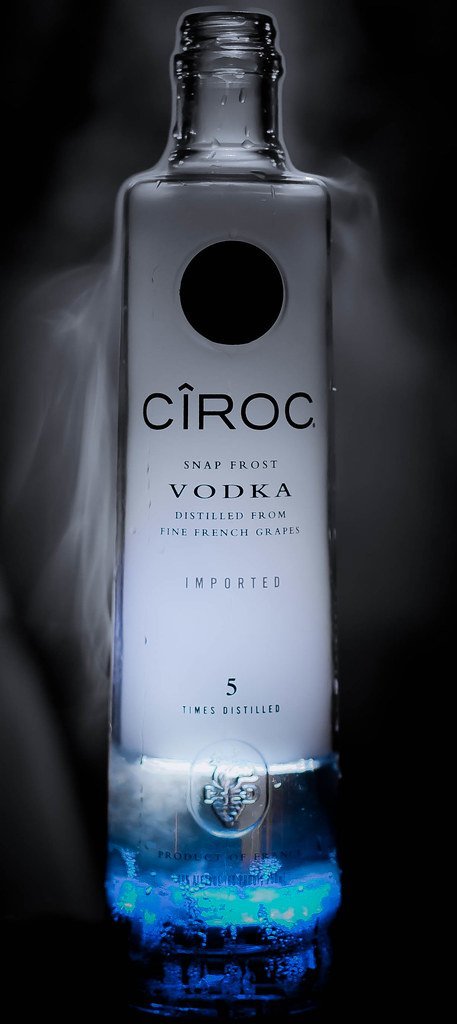
Before the criminal convictions and collapsing empire, Sean ‘Diddy’ Combs had built one of the most impressive business portfolios in entertainment history. His most spectacular commercial achievement was arguably not music at all. Beginning in 2007, the marketing and promotion of Cîroc in the United States were conducted in partnership with rapper Sean Combs through an ‘equal-share venture,’ with profits from the brand split between Combs and Diageo.
Let’s be real, the brand was practically dead before he touched it. In 2007, rapper Sean Combs became a brand ambassador for the vodka brand, which had been struggling to sell 40,000 cases in its first few years on the market. What followed was extraordinary. Under his innovative marketing leadership, Ciroc rapidly ascended to become a global favorite, with sales skyrocketing from just 50,000 cases annually to nearly 2 million cases by 2014.
He reportedly earned $60 million annually from the partnership. The relationship lasted over 15 years before Diageo terminated it in 2023 following the initial wave of allegations. And then there was the fashion side. The Sean John fashion label launched in 1998 and grew into a powerhouse generating $450 million in annual sales at its height.
The fall has been just as dramatic as the rise. He is now serving a federal prison sentence after being convicted on two counts of transportation for prostitution. His net worth has been slashed nearly in half. A sharp reminder that even the most carefully constructed empires can crumble when the personal brand behind them collapses.
5. 50 Cent and Vitaminwater: The Deal That Changed Hip-Hop Business Forever
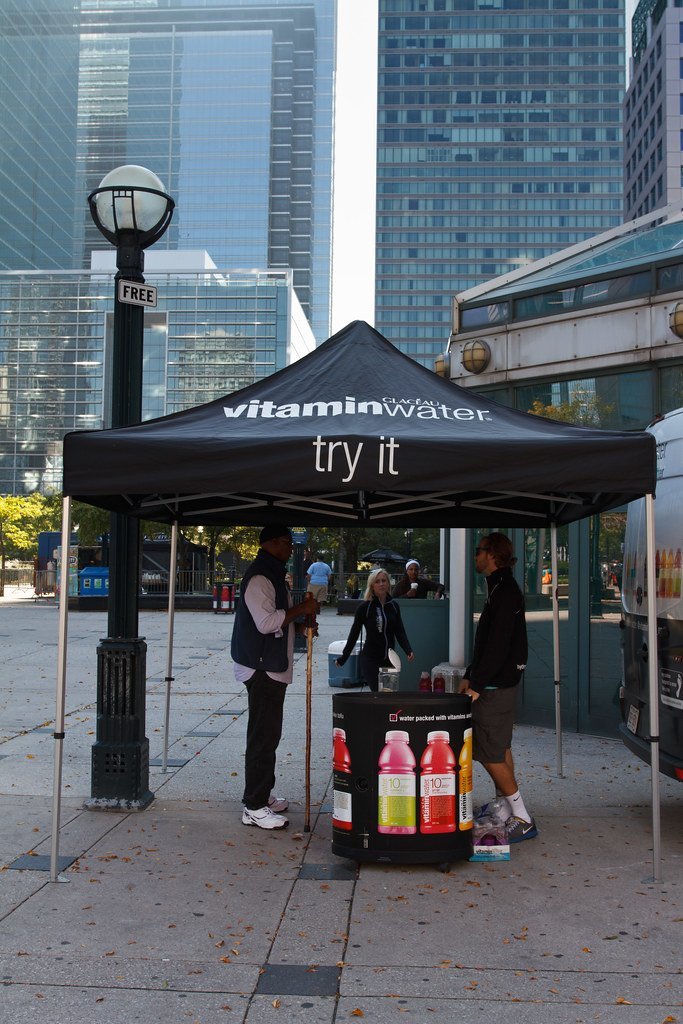
50 Cent turned a bottle of flavored water into one of the greatest financial wins in music history. What initially started as a test trial with Vitaminwater during a 2004 Reebok commercial led 50 Cent to a 10 percent stake in his Formula 50 brand. He did not just lend his name to a product. He took equity.
Between 2005 and 2007, Vitamin Water’s sales exploded, growing from $100 million to $700 million annually. The brand grabbed a 30% share of the U.S. sports water market. Then Coca-Cola arrived. In 2007, Coca-Cola bought Glacéau for $4.1 billion. While rumors swirled that 50 Cent owned 10% of the company, the real figure was closer to 2.5%. Even so, he reportedly walked away with around $102 million before taxes.
50 Cent’s famous Vitaminwater deal changed the course of Hip-Hop partnerships forever, and it continues to be the blueprint for artists today. You can see the echoes of it everywhere. Artists like Drake, Jay-Z, and Diddy have all gotten in on the upside of their various partnerships with consumer-packaged-goods brands. They were all, in some way, following the trail Curtis Jackson blazed.
It is hard to say for sure exactly how much equity he held, because the specific terms were never fully disclosed publicly. But the impact on how artists think about deals, chasing ownership over flat fees, is undeniable and still reshaping music business deals in 2026.
6. Jay-Z’s Broader Business Empire and Roc Nation: The Billionaire Blueprint
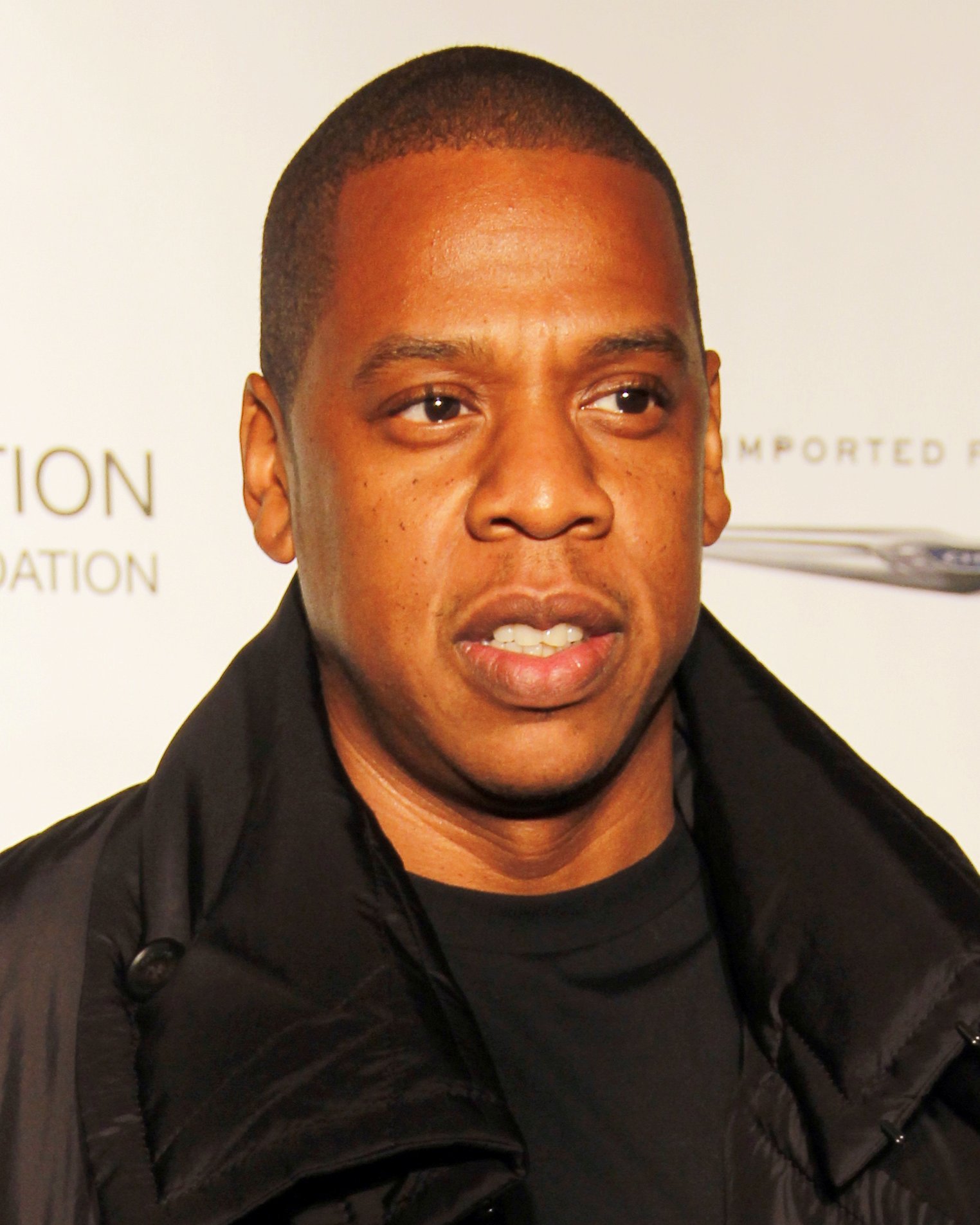
Separate from his champagne venture, Jay-Z assembled something that genuinely defies simple categorization. Roc Nation was formed as a joint venture between Jay-Z and Live Nation where both parties split profit equally. The deal that birthed it was equally staggering. The ten-year deal also included a $25 million upfront payment, $25 million advance on his next tour, $25 million for investments, and $10 million album advance for three albums in ten years.
Roc Nation grew into a multi-dimensional entertainment company covering music, sports management, film and social justice advocacy. The money from this deal was used to invest in startups like Uber and SpaceX and even start his own venture fund, Marcy Venture Partners. That is the kind of diversified financial thinking most people do not associate with a rapper from Brooklyn’s Marcy Projects.
Between Armand de Brignac, Roc Nation, and a portfolio of strategic investments, Jay-Z became one of the first musicians to legitimately reach billionaire status. The Vitaminwater generation of artists looked at 50 Cent and saw what was possible. The next generation looked at Jay-Z and saw the ceiling.
The Verdict: What All These Stories Have in Common

Strip away the fame, the headlines, and the drama, and what you find underneath is a remarkably consistent pattern. Every single one of these artists moved from endorsement to ownership. That shift, from being paid to represent a brand to actually owning a piece of it, is the defining move that separates the musicians who got rich from the ones who got wealthy.
Rihanna did not license her name to a beauty company. She co-owns one valued at nearly three billion dollars. Jay-Z did not promote a champagne. He bought one and sold half of it to LVMH for a fortune. Dr. Dre did not sponsor a headphone company. He built one and sold it to Apple for more than the GDP of several small countries.
There is also something worth acknowledging here. Many of these artists came from backgrounds where wealth, ownership, and generational money were never part of the conversation. The audacity it takes to step into rooms dominated by old money and old industry and demand equity, not just a check, is extraordinary. Honestly, that mindset alone might be the most valuable thing any of them have ever produced.
What would you have guessed if someone had told you in 2005 that a rapper from Compton would one day sell his headphone company to Apple for $3 billion? Would you have believed it?

Besides founding Festivaltopia, Luca is the co founder of trib, an art and fashion collectiv you find on several regional events and online. Also he is part of the management board at HORiZONTE, a group travel provider in Germany.
