The Super Bowl is supposed to be simple. You watch the game. You eat some wings. You laugh at the commercials. Maybe you even enjoy the halftime show without overthinking it. That’s how it used to feel anyway.
This year felt different.
A Performance That Split The Nation In Real Time
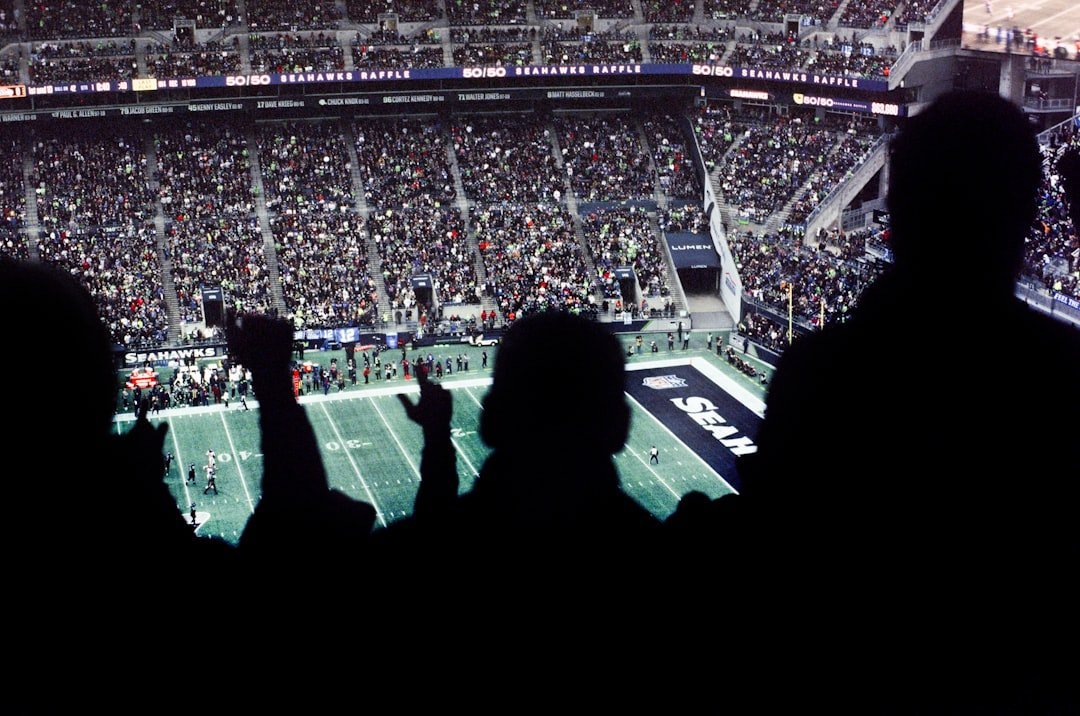
Bad Bunny made headlines as one of the first artists to perform in Spanish on one of the country’s biggest stages. He gave fans nearly 13 minutes of entertainment, including hits from his latest album, with Lady Gaga and Ricky Martin as special guest performers. The performance was supposed to be a celebration. For some, it absolutely was.
For others, it felt like a provocation. The Super Bowl halftime show featuring Bad Bunny was the subject of immense criticism from Americans, with President Donald Trump calling it ‘one of the worst ever.’
The show concluded with a message on the Levi’s Stadium video board that read, ‘The Only Thing More Powerful Than Hate is Love.’ Yet the reaction to that message of unity seemed to prove the opposite. People weren’t united. They were angry, divided, and loud about it.
The Alternative Halftime Show That Said Everything
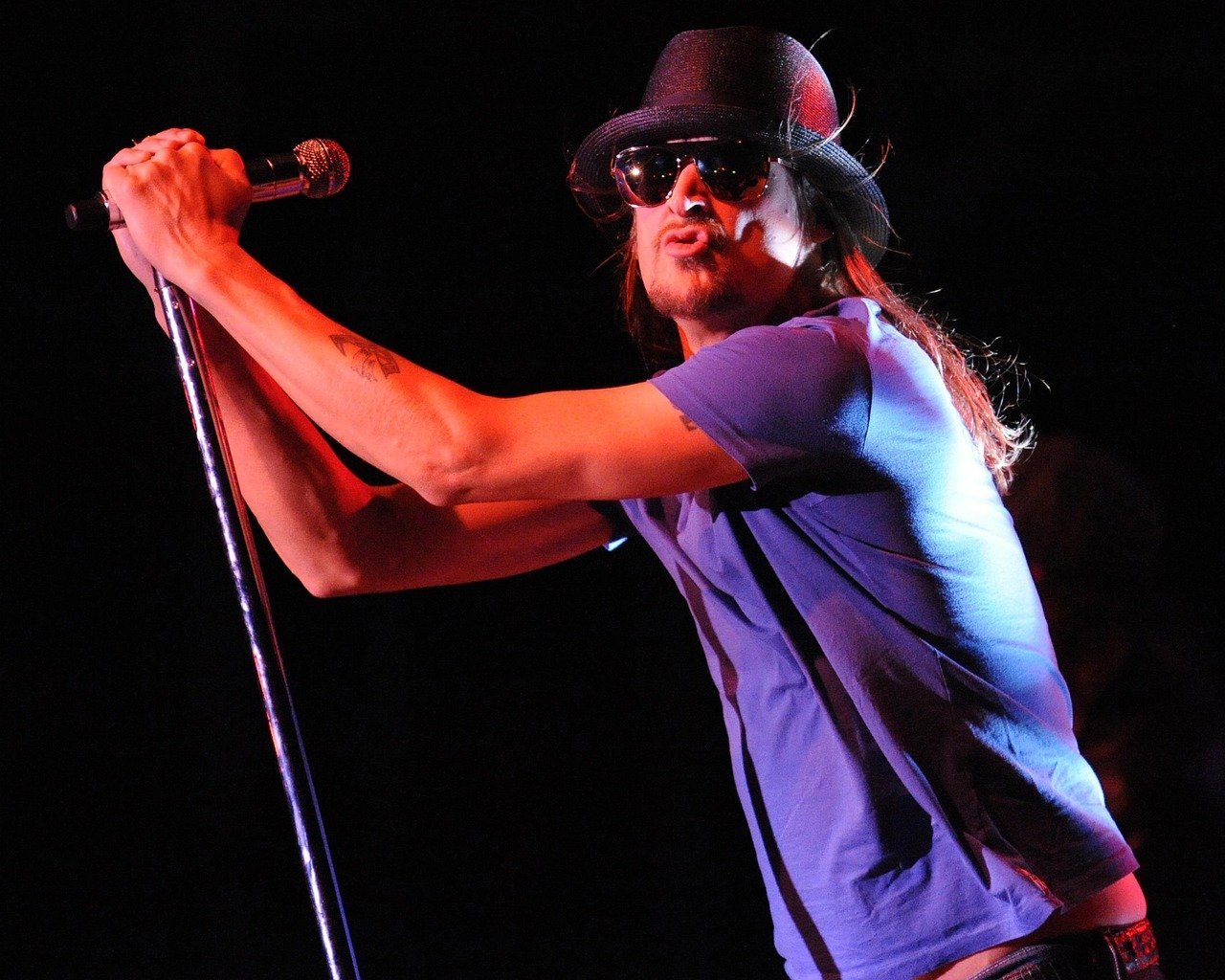
Here’s where things get really interesting. Conservative organization Turning Point USA held an alternate halftime show headlined by Kid Rock in response to the backlash. Think about that for a second. An alternative halftime show. As if the actual Super Bowl wasn’t enough.
Millions tuned in to the livestream on YouTube, with numbers soaring to as high as 5 million viewers. White House press secretary Karoline Leavitt said the president would be watching the ‘All-American’ halftime show. These weren’t just casual viewers clicking around. These were people making a deliberate choice to watch something else.
Let’s be real. When millions of people feel the need to create and watch a competing event during one of the most-watched moments in American television, that’s not just about music preference. That’s a statement.
What Trump’s Response Tells Us
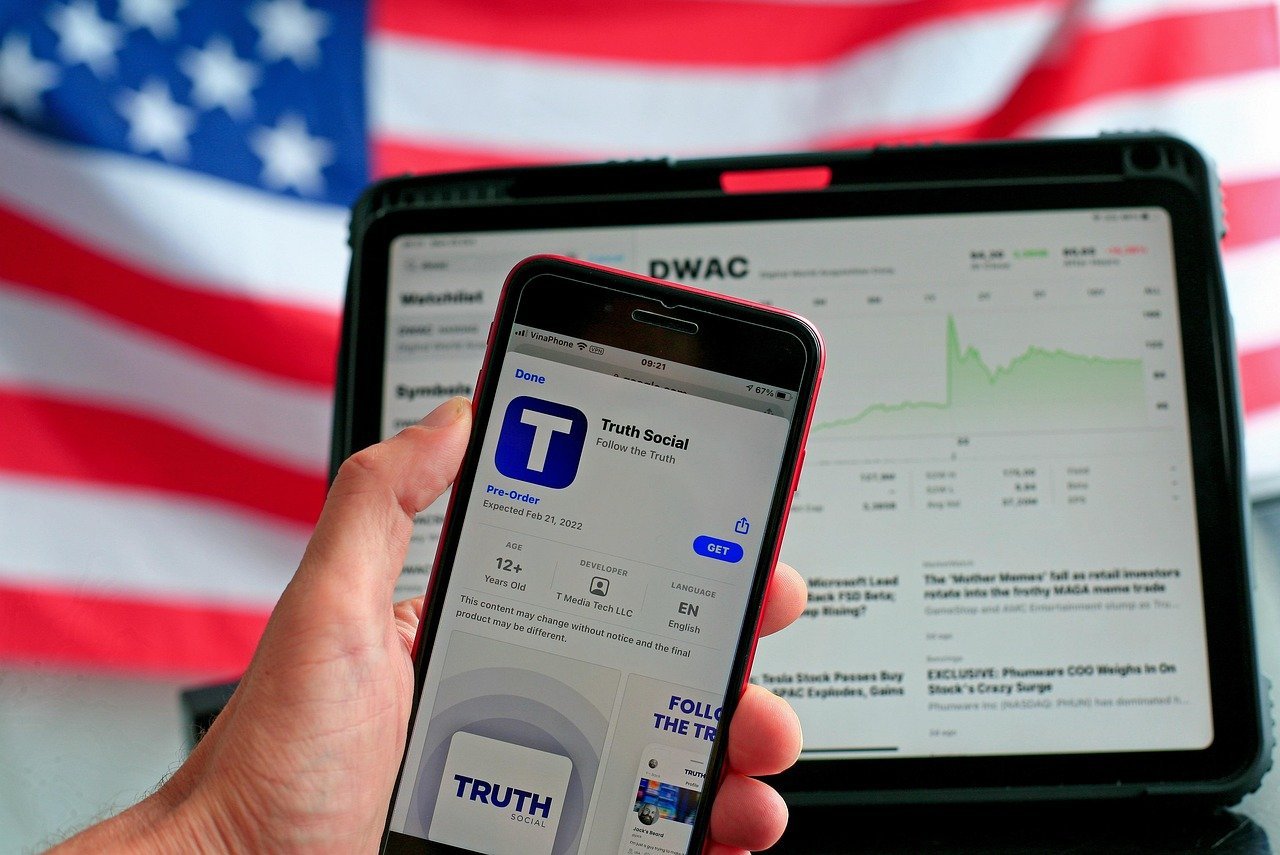
Trump wrote on Truth Social that the show was ‘absolutely terrible, one of the worst, EVER,’ saying it ‘makes no sense, is an affront to the Greatness of America,’ and that ‘nobody understands a word this guy is saying, and the dancing is disgusting.’
Whether you agree with him or not, the president of the United States felt compelled to publicly condemn a halftime show. Not the next day. Not in a press conference. Immediately. Shortly after the show wrapped Sunday night, Trump quickly took to Truth Social to share his thoughts.
Some users even tied the show to the nation’s ongoing debate about illegal immigration and deportations at the hands of ICE agents. A 13-minute musical performance became a proxy war over immigration policy, language, identity, and what it means to be American. That escalation didn’t happen by accident.
The Language Barrier As Cultural Weapon
Spanish is the most common non-English language in the U.S., with about 13% of the population speaking it at home. Yet for many critics, the language itself became the issue. Some conservatives lashed out at the Puerto Rican artist being chosen to headline the game, with some refusing to watch while incorrectly calling the singer a ‘foreigner.’
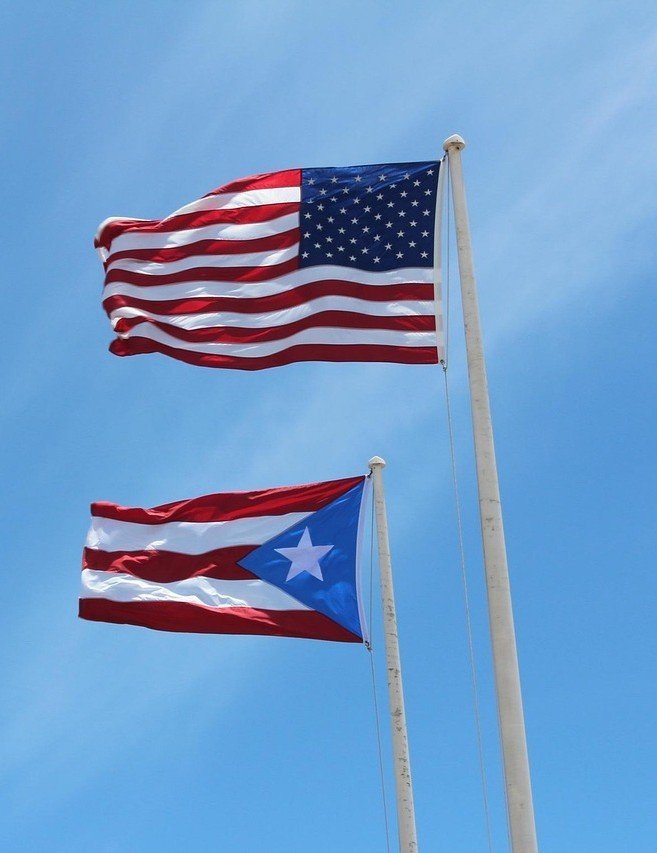
Here’s the thing. Bad Bunny is American. Puerto Rico is a U.S. territory. Puerto Ricans are U.S. citizens. Those are facts. Still, the framing of the criticism revealed something deeper than confusion about geography.
Former ESPN host Sage Steele posted that English subtitles might have helped during ‘America’s greatest sporting event.’ The implication was clear: Spanish doesn’t belong here. Not on this stage. Not during this event.
Why The NFL Doubled Down
Commissioner Roger Goodell said the decision was “carefully thought through,” adding, “I’m not sure we’ve ever selected an artist where we didn’t have some blowback or criticism.” Shortly after the Bad Bunny announcement, an NFL owner told Goodell that he feared the decision could threaten the government’s antitrust approval of a pending deal.
So the NFL knew this was coming. They knew it would be divisive. They did it anyway. The NFL made it clear it chose Bad Bunny as the Super Bowl halftime performer to help expand the league’s global reach.
That decision reflects a fundamental tension in America right now. Do you cater to tradition or embrace change? Do you prioritize the largest demographic or represent a broader spectrum? The NFL chose the latter, and roughly half the country felt betrayed by it.
The Supporters Who Pushed Back
Not everyone hated it, obviously. Some fans and sports stars praised the show, including former NFL star JJ Watt and New York Knicks point guard Jalen Brunson. Pop-country star Kacey Musgraves shared her reaction, saying, ‘Well, that made me feel more proudly American than anything Kid Rock has ever done.’
A YouGov America survey found that 35 percent of respondents preferred Bad Bunny’s halftime show, compared to 28 percent who favored the conservative alternative programming. Those numbers matter. The country was divided, sure. Though it wasn’t a landslide in either direction.
Supporters argued that the performance was exactly what America should be: diverse, multilingual, celebratory. Critics saw it as erasure of traditional American identity. Both sides genuinely believed they were defending the country.
When Sports Become Political Battlegrounds
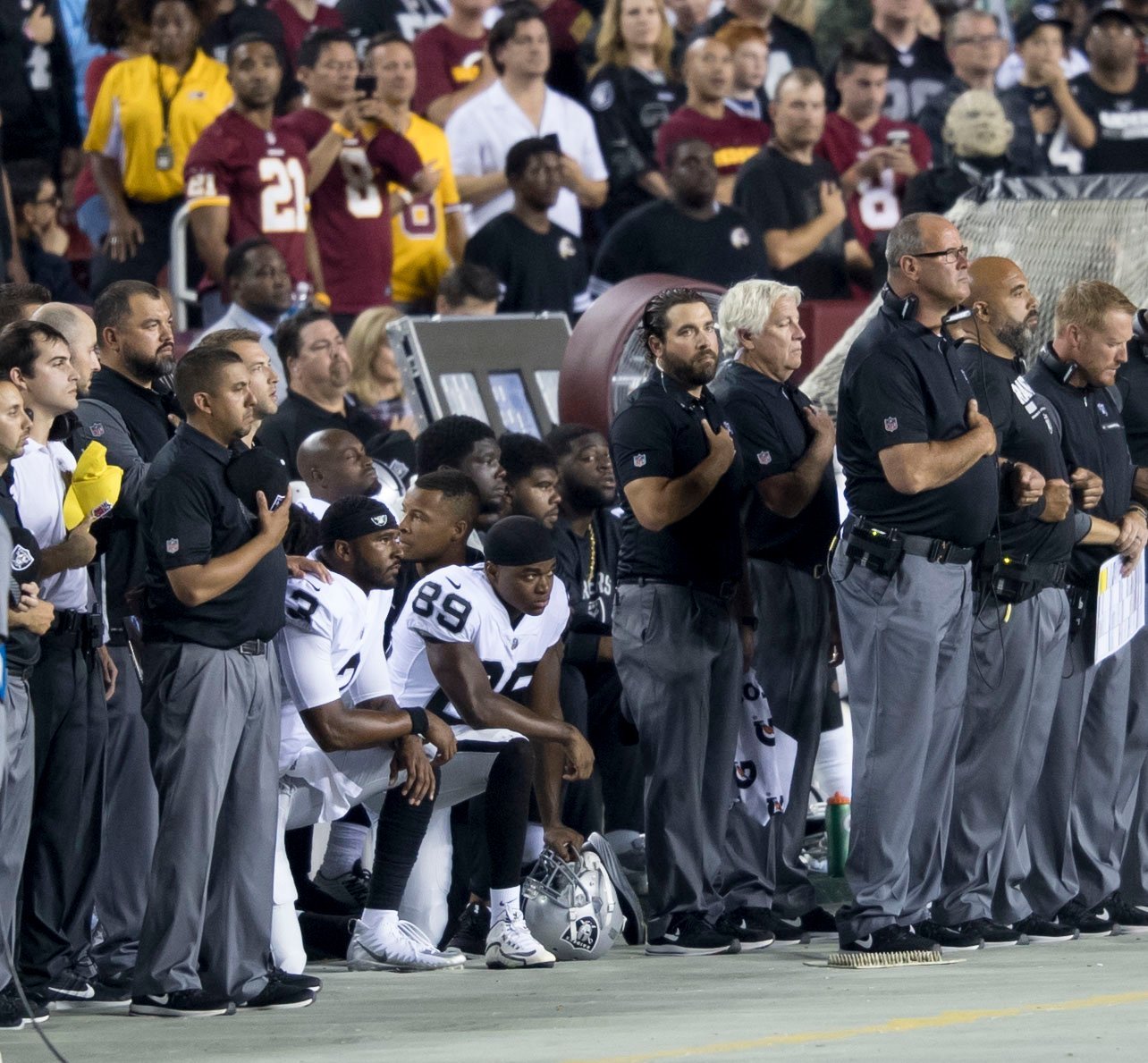
Reaction to the show revealed a deep divide over what the Super Bowl halftime stage should represent, and for many viewers, this was not just about music. It became a cultural flashpoint.
This isn’t new, honestly. Colin Kaepernick kneeling. The national anthem debates. The NBA bubble. Sports have been political for years now. Though the Bad Bunny halftime show felt like a particularly pure distillation of where we are as a country. No ambiguity. No middle ground. You either celebrated it or you rage-watched Kid Rock instead.
The first few weeks of 2026 have been centered on rampant immigration operations across the country and deportations which have sparked divisive conversations surrounding citizenship, legal residency and undocumented migrants. The halftime show landed in the middle of that tinderbox. Timing matters.
The Deeper Question No One Wants To Ask
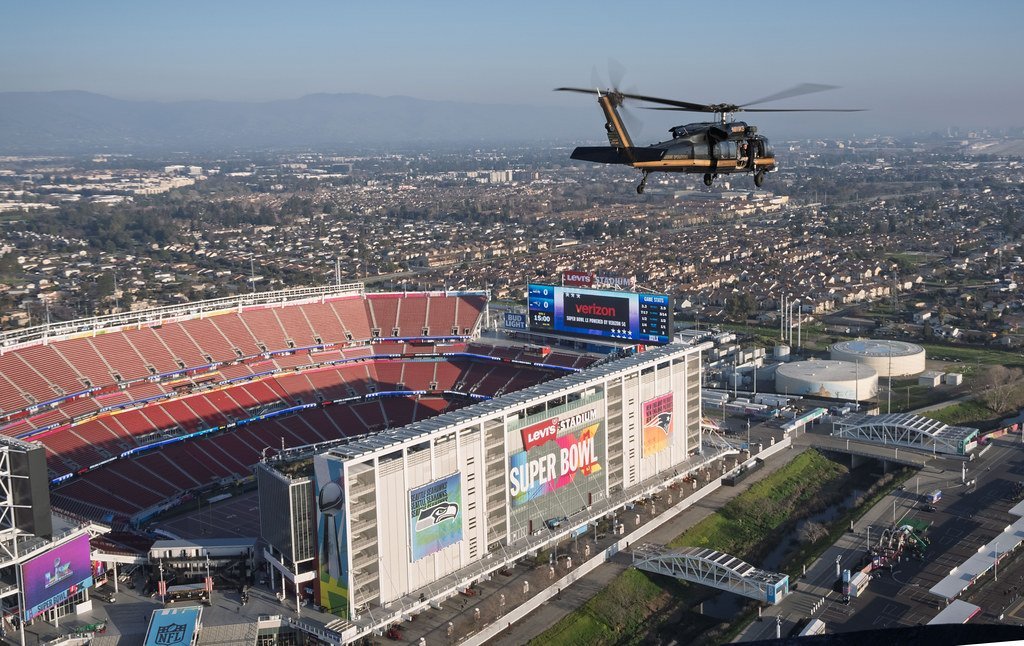
Is an alternative halftime show a sign of healthy pluralism or dangerous fracturing? You could argue both. Maybe it’s good that people have choices. Maybe Turning Point USA offering a different option is democracy in action.
Or maybe it’s evidence that we can’t even share a halftime show anymore without splitting into tribes. The Super Bowl halftime show will be remembered less for who won the game and more for the reaction it sparked, as Bad Bunny’s performance exposed deep cultural fault lines.
I think the fact that millions felt the need to watch a competing show says more than any poll could. It suggests that for a significant portion of the country, seeing a Spanish-language performance on the biggest American stage felt like loss. Not artistic preference. Loss.
What This Means Going Forward

Here’s what worries me. If we can’t agree on a halftime show, what can we agree on? The Super Bowl used to be one of the few genuinely unifying cultural moments left. Now even that feels contested.
Bad Bunny’s Super Bowl halftime performance was the first to be headlined by a predominantly Spanish-language artist, marking a landmark moment for the Latino community. That’s historic. That matters to millions of Americans. Yet for millions of others, it felt like an affront.
Both of those reactions are real. Both reflect genuine feelings about identity, belonging, and representation. The question is whether we can hold space for both perspectives, or whether every cultural moment becomes another battle in an endless war.
The Unity Message Nobody Heard
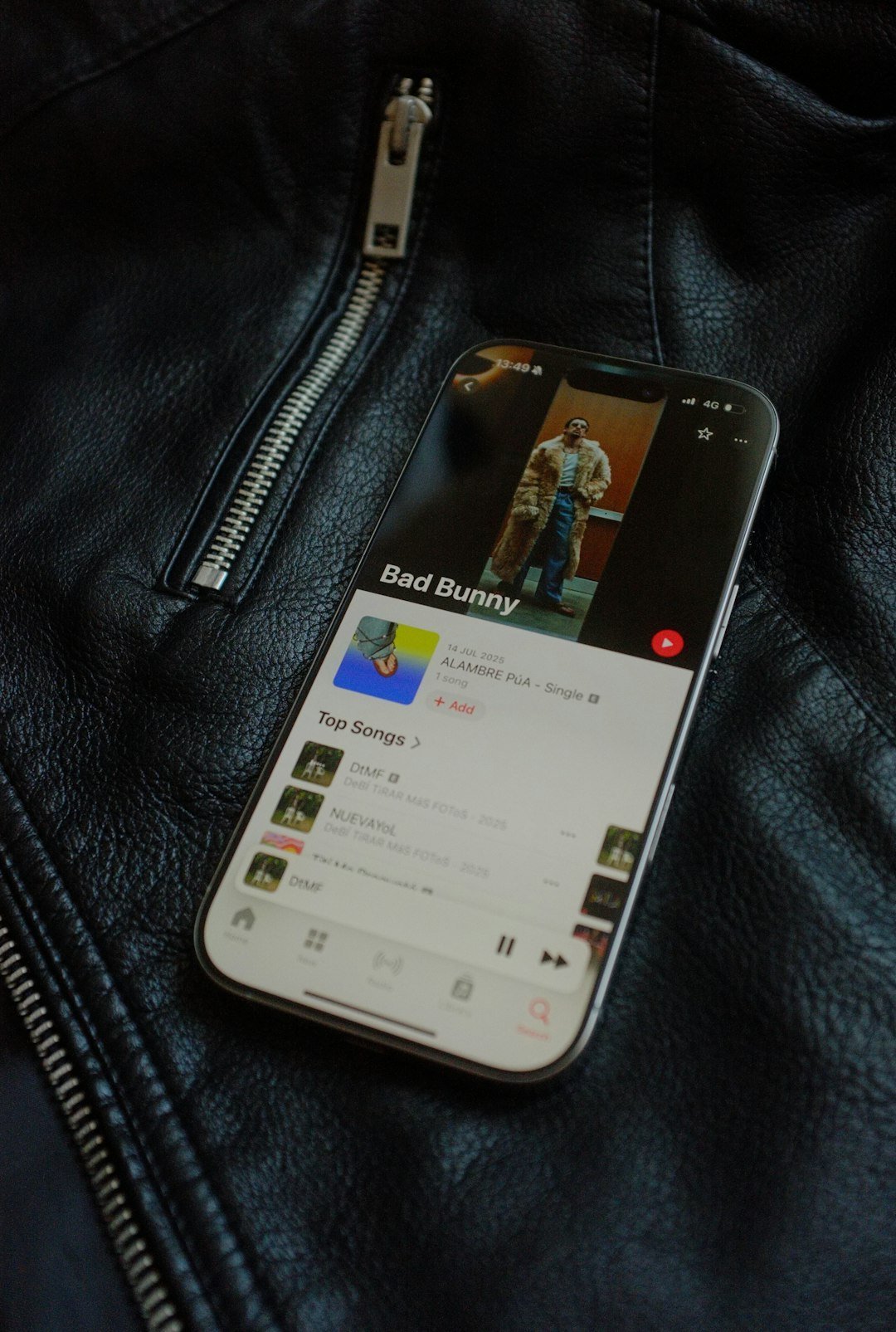
The irony is almost too perfect. Bad Bunny seemed to center on an overarching theme of unity and love, with a billboard reading, ‘The only thing more powerful than hate is love,’ and his final pose featuring a football with the words, ‘Together we are America.’
That message of unity was immediately drowned out by… disunity. By competing shows and angry tweets and presidential condemnations. The performance tried to say we’re all in this together. The response said we absolutely are not.
On a scale of 1 to 10, Bad Bunny’s halftime show was rated a solid 3 in terms of controversy. Objectively, it wasn’t that provocative. No wardrobe malfunctions. No explicit political slogans. Just music, dancing, and a message about love. Yet it sparked one of the most polarized reactions in Super Bowl halftime history.
So here’s the uncomfortable truth. The controversy wasn’t really about Bad Bunny. It was about us. About who we think we are as a country, who we’re becoming, and whether we’re okay with that transformation. The halftime show just forced us to confront those questions in real time, with the whole world watching.
What do you think? Was the backlash justified, or does the existence of an alternative halftime show reveal just how fractured we’ve become? Drop your thoughts in the comments. No judgment. Just curiosity about where we go from here.