


- 12 Hobbies From the 1950s We Should All Bring Back Right Now - March 24, 2026
- The 10 Most Unbelievable Coincidences in Music History That Will Astound You - March 24, 2026
- 15 Hidden Travel Destinations Only Book Lovers Dream Of Visiting. - March 24, 2026
Picture this: those four relentless notes bursting from silence, grabbing your attention like nothing else in music history. Beethoven’s Fifth Symphony has echoed through concert halls, movies, and even Morse code for over two centuries, becoming the ultimate symbol of fate knocking at the door. Yet its grip on us goes deeper than legend.
Scientists have dissected it in labs, scanning brains and measuring heart rates to uncover why it stirs souls worldwide. From rhythmic pulses that mimic our heartbeat to emotional rollercoasters mapped in EEG waves, the revelations are stunning. Ready to uncover what makes it tick? Let’s dive in.[1][2]
The Famous Four-Note Motif
Short, short, short, long – that iconic da-da-da-dum kicks off the symphony with brutal simplicity. It’s not just melody; it’s pure rhythm, three quick G notes slamming into a drawn-out Eb, clocking in at a tense 108 beats per minute.[3] Honestly, this pattern flips classical norms by stripping away frills, turning a common phrase-ending into a revolutionary force.
The motif doesn’t vanish; it haunts every corner of the first movement and beyond, weaving through strings and winds like a relentless heartbeat. Brains latch onto this repetition because it builds instant familiarity, sparking neural fireworks in prediction centers. No wonder it feels like destiny charging forward.[1]
Neurological Responses to Repetition and Rhythm
That pounding rhythm syncs straight to your brain’s motor areas, lighting up the basal ganglia like a dance floor. Repetition here isn’t boring; it creates neural resonance, where your neurons fire in time with the beat, boosting dopamine hits for pure pleasure.[4] Studies show such patterns mimic our resting heart rate, around 60 to 90 beats, making it feel primal and urgent.
During the first movement, listeners’ brains show consistent spikes in engagement. EEG scans reveal how the steady pulse overrides distractions, pulling focus with hypnotic precision. It’s like the music hijacks your internal clock, leaving you breathless.
Emotional Processing in Listeners

Beethoven’s Fifth doesn’t just play; it hijacks your emotions, surging from dread to joy. Research tracking subjective arousal during the opening movement found everyone agrees on peak tension spots, proving its universal punch.[2] The minor key grind evokes struggle, while building crescendos flood reward pathways.
Right-frontal brain activity drops alpha waves precisely when arousal peaks, signaling deep immersion. This asymmetry hints at how the symphony processes fear into triumph, mirroring real-life catharsis. Listeners emerge transformed, hearts racing from the emotional ride.[2]
Structural Innovations in the Symphony
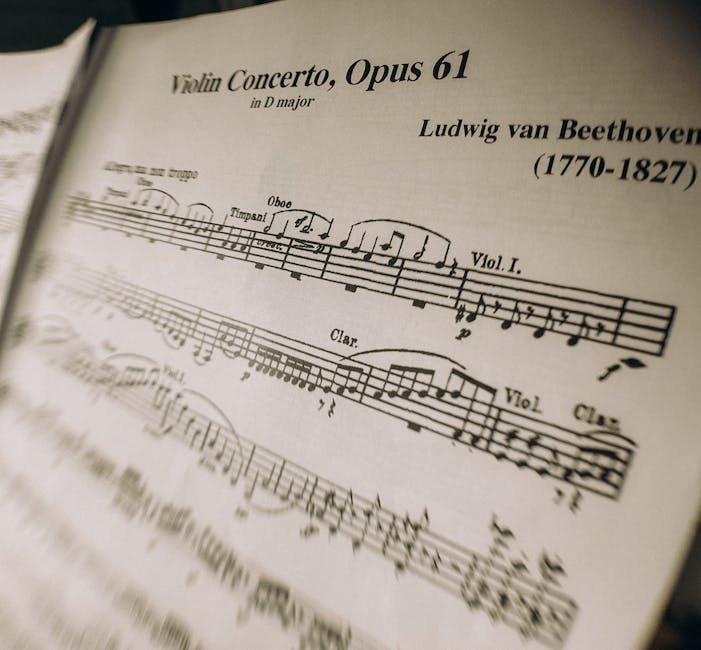
Beethoven broke molds with cyclic form, threading the motif across all four movements for unity unseen before. Trombones crash in as orchestra newcomers, amplifying the raw power from C minor shadows to blazing C major victory.[1] Sonata structure gets twisted, with obsessive development sections that feel like a battle unfolding.
This arc from darkness to light defies tradition – minor pieces rarely end major, but here it earns every triumphant note. Acoustically, the rhythm’s drive propels massive dynamic shifts, from whispers to roars. Science sees this as masterful tension-release, hooking our expectation-loving brains.
How Modern Science Interprets Its Enduring Power

Neuroplasticity gets a workout; repeated listens rewire auditory paths, enhancing connectivity across brain regions. The symphony’s contrasts – soft woodwinds piercing fury – activate empathy circuits, fostering emotional intelligence.[5] It’s no fluke that it outlasts trends.
Frontal alpha shifts and rhythmic sync explain the chills, but the real magic lies in shared human resonance. Modern scans confirm: this isn’t random genius; it’s engineered to echo our deepest struggles and wins. Beethoven, half-deaf, composed a brain blueprint for eternity.[2]
The Timeless Emotional Impact
Science peels back the layers, showing Beethoven’s Fifth as a neural symphony of rhythm, repetition, and raw feeling. It proves music can bridge minds, turning notes into shared catharsis that defies time.
Next time those four notes hit, feel your brain light up – it’s not just beautiful, it’s biologically brilliant. What hits you hardest about it? Share below.
CEO-Co-Founder
