

For any feedback please reach out to info@festivalinside.com
- 8 Mind-Boggling Coincidences From History That Will Make You Question Everything - March 10, 2026
- Classic Rock Anthems That Defined a Generation - March 8, 2026
- What Made 1975 One of the Best Years in Music? - March 8, 2026
There are certain years in music history that just hit different. Years where every few weeks, something monumental dropped, something that altered the trajectory of an entire genre or even culture itself. Honestly, picking the single greatest year in music is an impossible argument – but if you had to make a case for one, 1975 deserves to be at the top of that debate.
From rock’s working-class revival to the quiet birth of punk, from chart-dominating pop to radical genre experimentation, 1975 was a year so stuffed with landmark moments it almost defies belief. Let’s dive in.
Bruce Springsteen Rewrote What Rock Music Could Mean

Few album releases in rock history carry the kind of mythological weight of Bruce Springsteen’s “Born to Run,” dropped in August 1975. Rolling Stone magazine declared it a masterpiece, and Time and Newsweek both featured Springsteen on their covers in the same week after the album’s release – a rare honor that underscored the magnitude of the album’s impact.
When “Born to Run” hit the radio airwaves in the summer of 1975, it wasn’t just a breakout album – it was a roaring tribute to working-class life. Released in the shadow of Vietnam, Watergate, and a sputtering economy, it landed as America’s postwar optimism was cracking.
The album was certified six-times platinum, selling more than six million copies, and in 2003 it was named to the National Recording Registry for its cultural importance. The title track itself was later ranked number 27 on Rolling Stone’s 2021 list of the 500 Greatest Songs of All Time, the highest placement for any Springsteen song.
The Billboard Hot 100 Had Never Seen a Year Like It
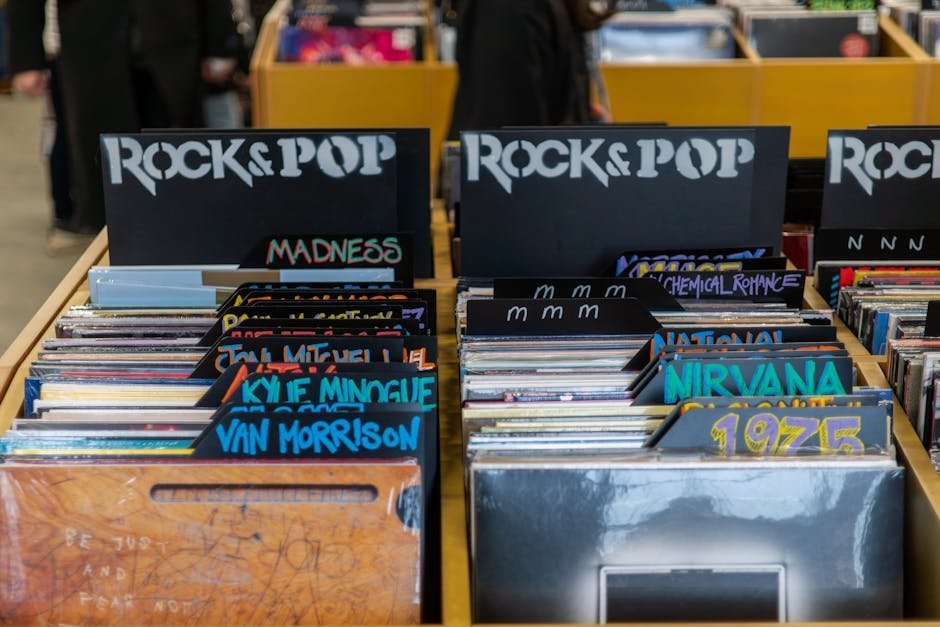
Let’s be real: the charts are often a poor measure of musical greatness. But 1975 was a genuinely wild year on the Billboard Hot 100. Both 1974 and 1975 hold the Hot 100 record for the most number one hits in a single year, with 35 songs reaching the top spot.
The period beginning January 11 and ending April 12 of 1975 constitutes the longest run of a different number one song every week – 14 consecutive weeks – in Billboard history, beginning and ending with songs by Elton John.
That year, 18 acts earned their very first number one song, including Barry Manilow, the Eagles, the Doobie Brothers, Earth Wind and Fire, David Bowie, KC and the Sunshine Band, and Linda Ronstadt – among others. That kind of first-time chart diversity in a single year is staggering, even by today’s standards.
Queen Gave the World “Bohemian Rhapsody”
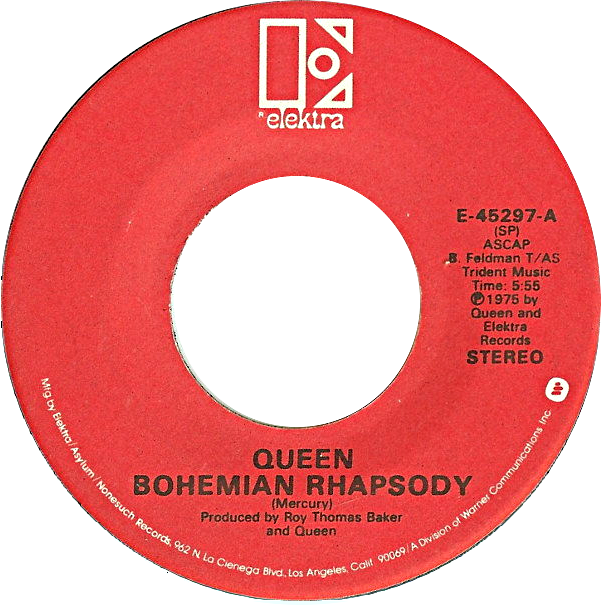
I know it sounds almost too obvious to mention, but “Bohemian Rhapsody” is one of those songs that genuinely changed what pop music was allowed to be. On November 22, 1975, Queen’s “Bohemian Rhapsody” reached number one on the UK singles chart, and it remained there for nine weeks.
The song’s cultural footprint has only grown larger with time. Queen’s iconic 1975 hit “Bohemian Rhapsody” achieved the rare feat of re-entering the Billboard Hot 100 for a third time in 2018, 43 years after its original release. In 2025, the song topped UK charts again for its 50th anniversary vinyl re-release.
A six-minute operatic rock epic with no chorus to speak of, released as a single? It shouldn’t have worked. The fact that it did – spectacularly – is a testament to just how bold and boundary-breaking 1975 truly was.
Patti Smith Invented the Blueprint for Punk
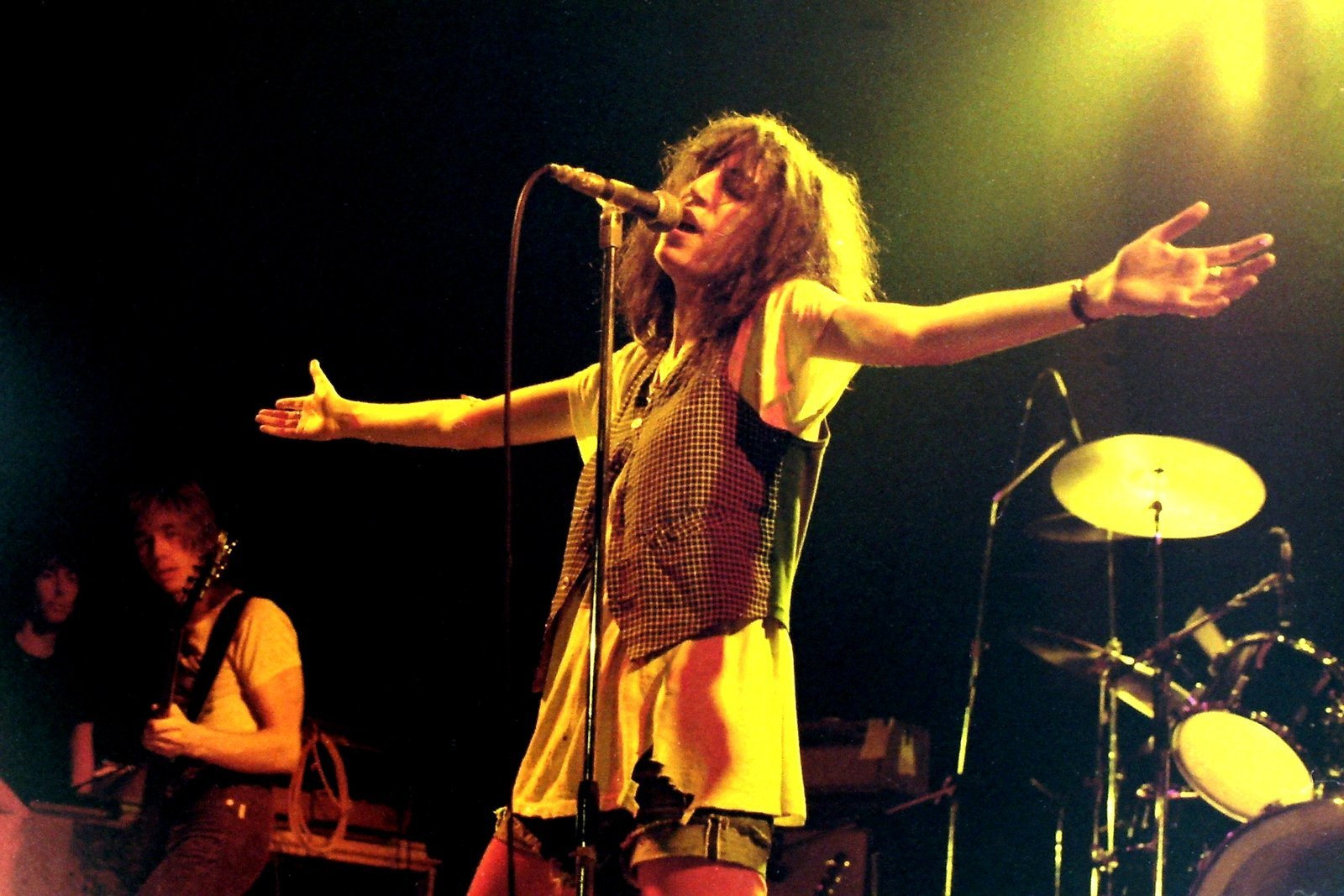
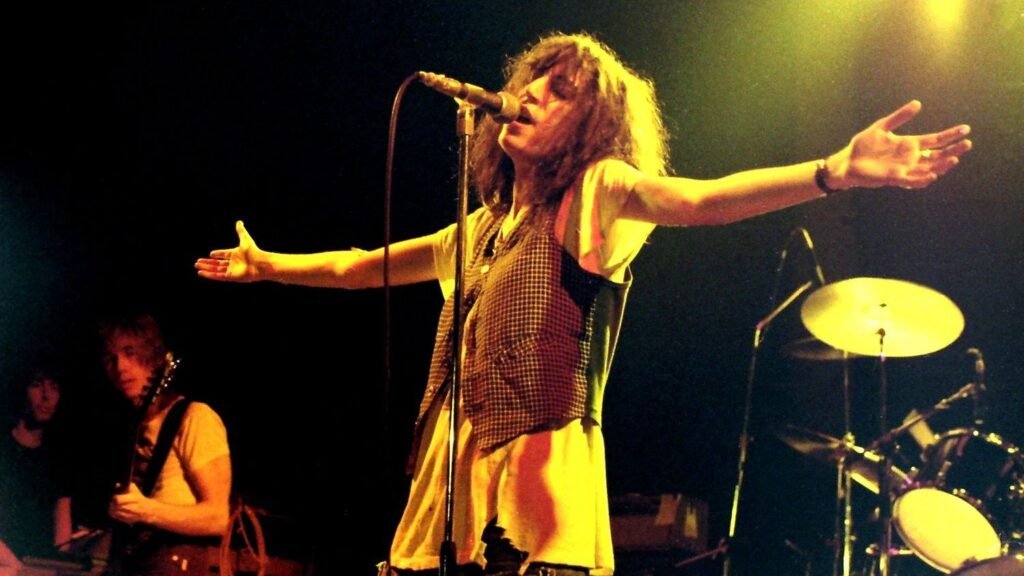
In 1975, punk was not yet a recognizable genre to most music fans, although a rock revitalization was gathering steam underground. Television, The Ramones, and the Patti Smith Group were performing regularly at the New York dive bar CBGB.
Then came “Horses.” The album has frequently been cited as the first punk rock album, as well as one of the key recordings of the punk movement. Recognized as a seminal recording in the history of punk and later rock movements, it was selected by the Library of Congress in 2009 for preservation into the National Recording Registry as a culturally, historically, or aesthetically significant work.
Variety critic David Sprague noted that “Horses – which became the first major-label punk-rock album when Arista unleashed it in 1975 – not only helped spread the gospel of Bowery art-punk around the world, it set the tone for smart, unbending female rockers of generations to come.” A 50th anniversary edition of the album was released in October 2025, per Billboard reporting, confirming its enduring cultural significance.
The Album Catalogue Was Simply Unprecedented in Depth
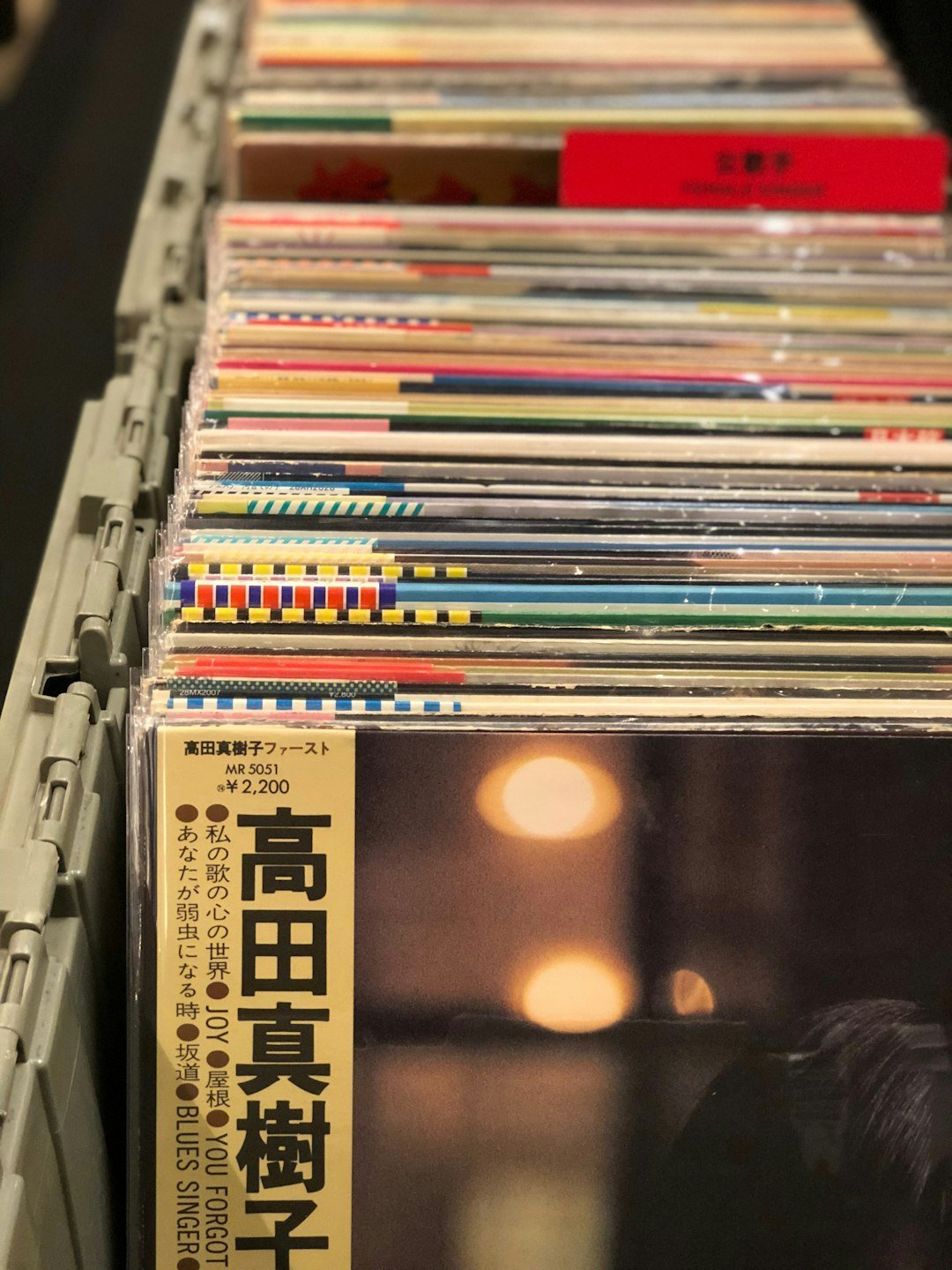
Here’s the thing about 1975 that sets it apart from almost every other year: the sheer volume of indisputably great albums released in that twelve-month window is almost absurd. The top-ranked albums of 1975 alone include Wish You Were Here by Pink Floyd, Blood on the Tracks by Bob Dylan, Born to Run by Bruce Springsteen, Physical Graffiti by Led Zeppelin, and A Night at the Opera by Queen.
Think about that list for a moment. Five albums, all considered stone-cold classics, all released in the same year. Most decades can’t produce that kind of concentrated excellence. As one retrospective published in late 2025 put it, 1975 was quite simply the best year for albums, ever.
ABBA Began Building Their Pop Empire
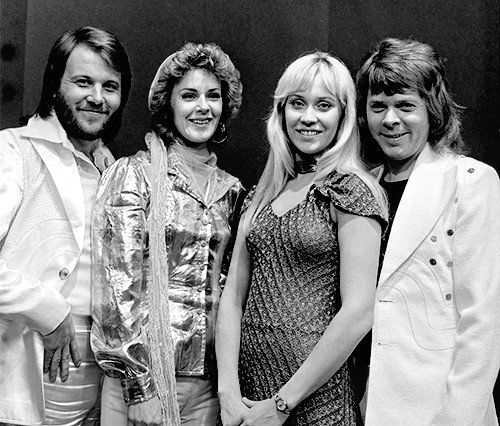
It would be a mistake to overlook what was happening in pop music while rock was going through its golden stretch. In 1975, ABBA released their self-titled third album, and it signaled the beginning of something enormous. With their self-titled third album, ABBA was hitting a groove that would help define pop music for many decades to come. The quartet were fresh off a win at the 1974 Eurovision Song Contest and starting to gain international traction.
“Mamma Mia” and “SOS” would scale the charts all over the world, including the US. The band was just getting started, with a string of hit singles and albums that would dominate airwaves until their breakup in the early 1980s, but find new life through tribute bands, a hit Broadway show, two hit movies, and a host of famous multi-generational fans.
Elton John Was at the Absolute Peak of His Commercial Powers
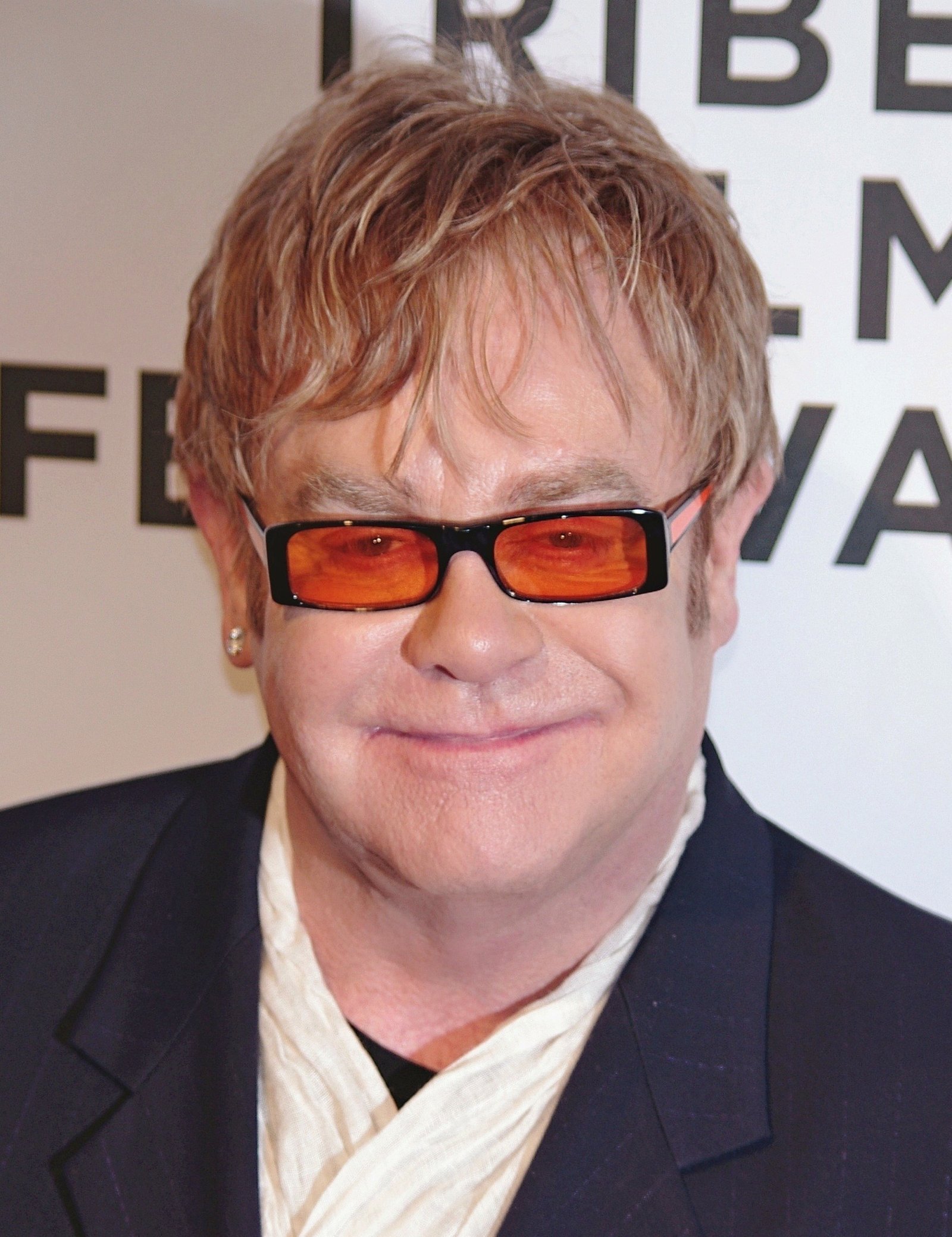
By 1975, Elton John was perhaps the biggest pop star on the planet – and the charts backed that up. Elton John achieved the most entries in the Billboard year-end top 100 of 1975, with four entries, including a duet with Neil Sedaka.
Released in 1975, “Captain Fantastic and the Brown Dirt Cowboy” was his ninth studio album. It debuted at number one on the US Billboard 200 chart and remained there for seven weeks, making it Elton John’s first album to debut at the top of the charts.
The autobiographical nature of that record, combined with its commercial dominance, showed that 1975 was a year where personal artistic storytelling and mainstream success could coexist comfortably. That balance felt rare then. It still does now.
Disco and Funk Were Finding Their Footing as a Cultural Force
While classic rock icons dominated the album charts, something else was building on the dance floors. The Ohio Players released “Honey” in 1975, and the album featured the hit single “Love Rollercoaster,” which became the band’s second number one hit on the Billboard Hot 100.
Meanwhile, Paul Simon’s “Still Crazy After All These Years” was both a commercial and critical success, reaching the top ten on the US Billboard 200 chart and winning the Grammy Award for Album of the Year in 1976. The fact that a quiet, introspective singer-songwriter record could compete alongside disco, funk, and hard rock says everything about the year’s remarkable breadth.
Bob Dylan Released Two Landmark Records in a Single Year
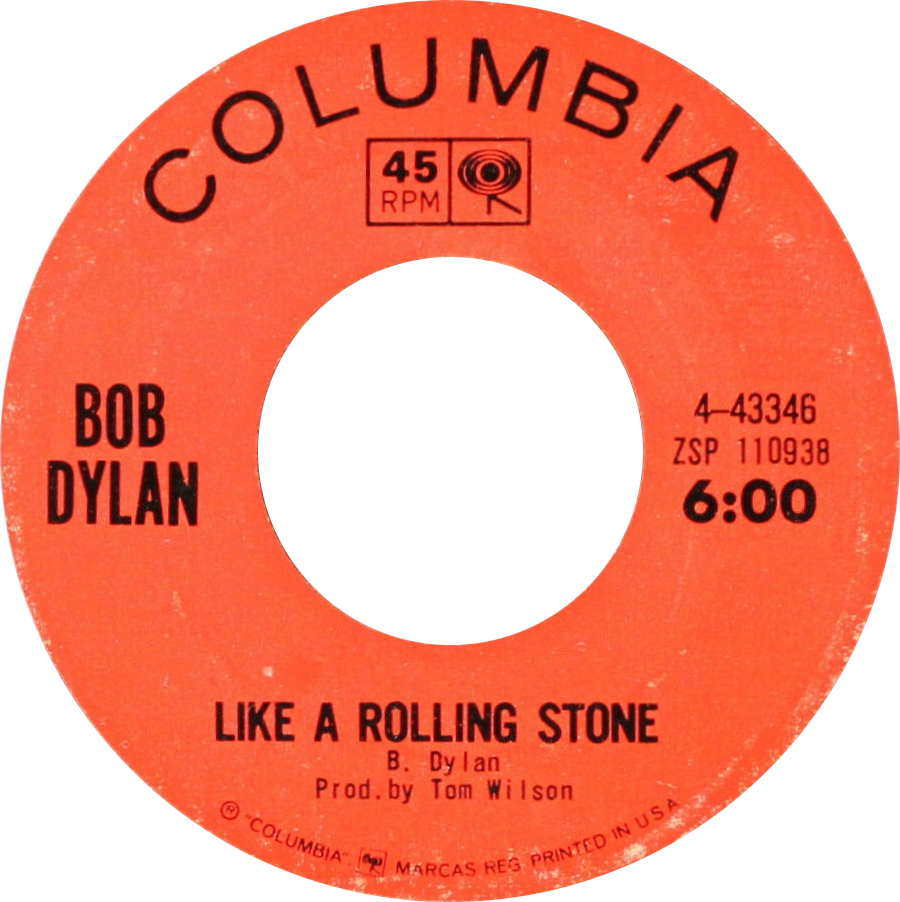
It’s hard to say for sure which other artist in history has ever had a year quite like Bob Dylan’s 1975. He entered the year fresh off “Blood on the Tracks,” which is routinely placed among the greatest albums ever made, and then came “The Basement Tapes” – a double album of recordings originally made with The Band in 1967 and 1968.
Originally recorded between 1967 and 1968 with The Band and later overdubbed in 1975, “The Basement Tapes” is a rich, loose, animated collection of over 100 recorded songs, 24 of which appeared on the officially released version. In hindsight, it’s clear how crucially these songs bridged two eras of Dylan’s career, helping him move from his earlier poetic electric rock toward the Americana and country stylings that would influence later work.
At the end of 1975, “The Basement Tapes” was voted the best album of the year by the Pazz and Jop, an annual poll of American critics published in The Village Voice.
The Live Concert Experience Was Transformed That Year
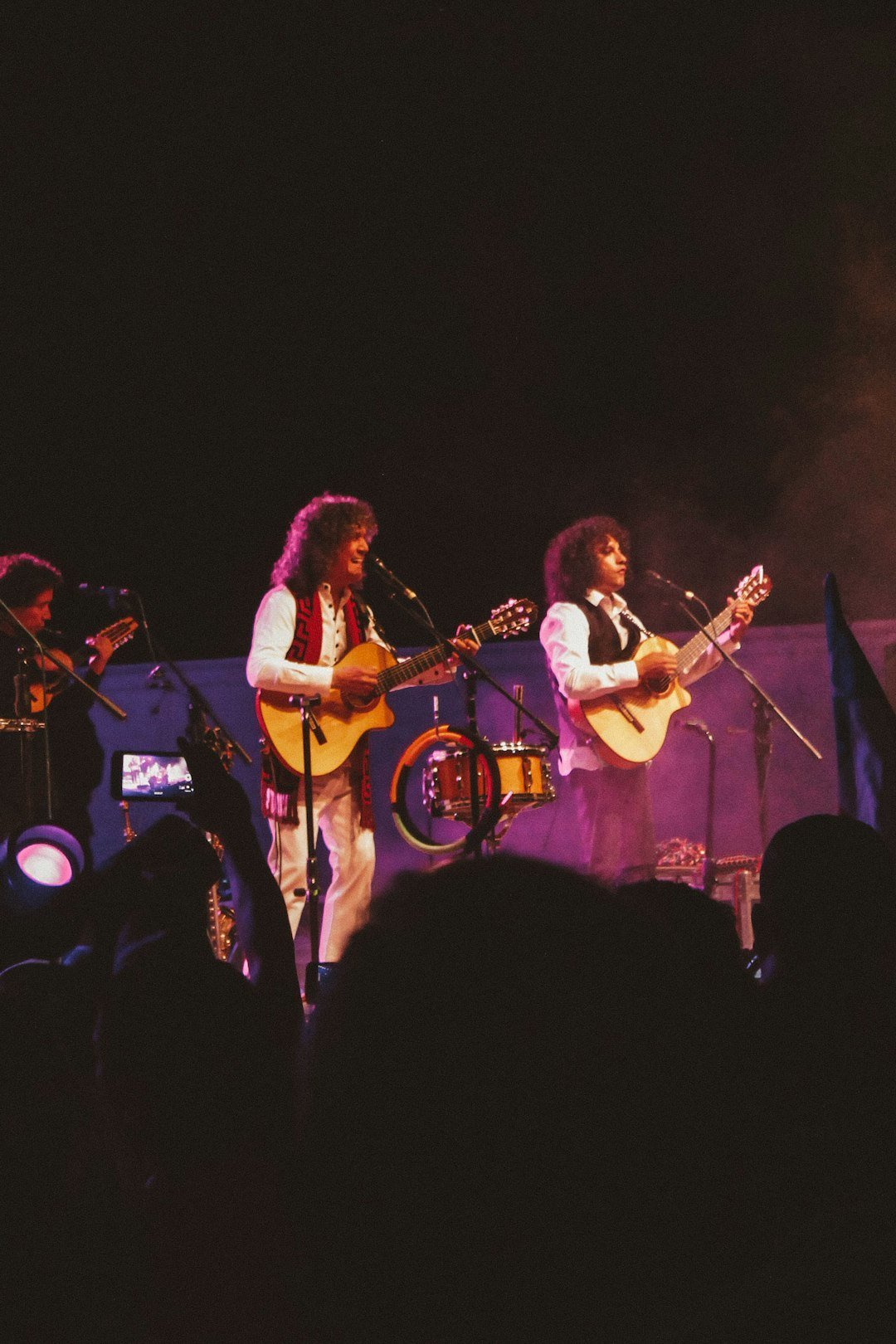
Albums weren’t the only thing that made 1975 special. The live circuit was arguably more electric than any year before or since. Springsteen’s legendary run at New York’s Bottom Line club became the stuff of music mythology almost immediately. One account stated the shows “showed rock fans and media alike that Springsteen was no creation of industry hype; he was the real deal.” Rolling Stone later included the shows in a 1987 list chronicling 20 concerts that changed rock and roll.
Bob Marley and the Wailers’ landmark live album from 1975 was recorded during a sold-out show in the UK, and was critical in taking reggae music from a niche, region-specific genre to a worldwide phenomenon. In a single year, you had Springsteen redefining American rock in sweaty New York clubs and Marley spreading Jamaican reggae to massive UK audiences. Two entirely different musical worlds, both exploding at the exact same time.
That kind of simultaneous, cross-genre cultural eruption is what separates 1975 from almost every other year in popular music. It wasn’t just one genre having a moment – it was every genre having a moment all at once. Which year do you think could actually top it?

Christian Wiedeck, all the way from Germany, loves music festivals, especially in the USA. His articles bring the excitement of these events to readers worldwide.
For any feedback please reach out to info@festivalinside.com
