
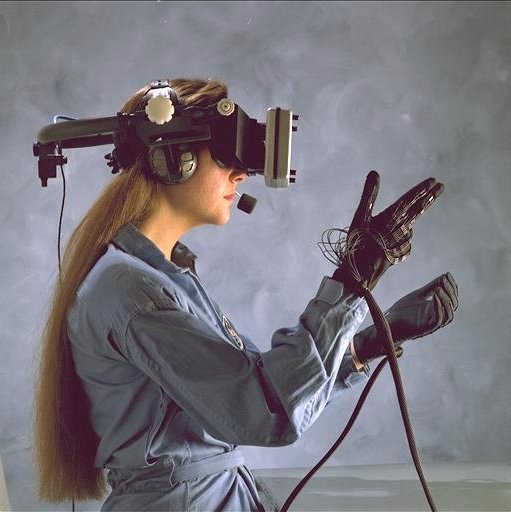

The Multi-Billion Dollar Digital Revolution That’s Happening Right Now
Something extraordinary is happening in the world of entertainment, and most people haven’t even realized it yet. The global immersive entertainment market size was estimated at USD 114.37 billion in 2024 and is projected to reach USD 442.11 billion by 2030, growing at a CAGR of 26.3% from 2025 to 2030. This isn’t just another tech trend – it’s a complete transformation of how we experience entertainment, music, and live events.
We’re witnessing the birth of what industry experts call the “experience economy,” where people aren’t just watching performances anymore. They’re stepping inside them, becoming part of the story, and creating memories that feel more real than reality itself. 64% of attendees say immersive experiences are the most important event experience element, and businesses are taking notice.
Virtual Reality Takes Center Stage
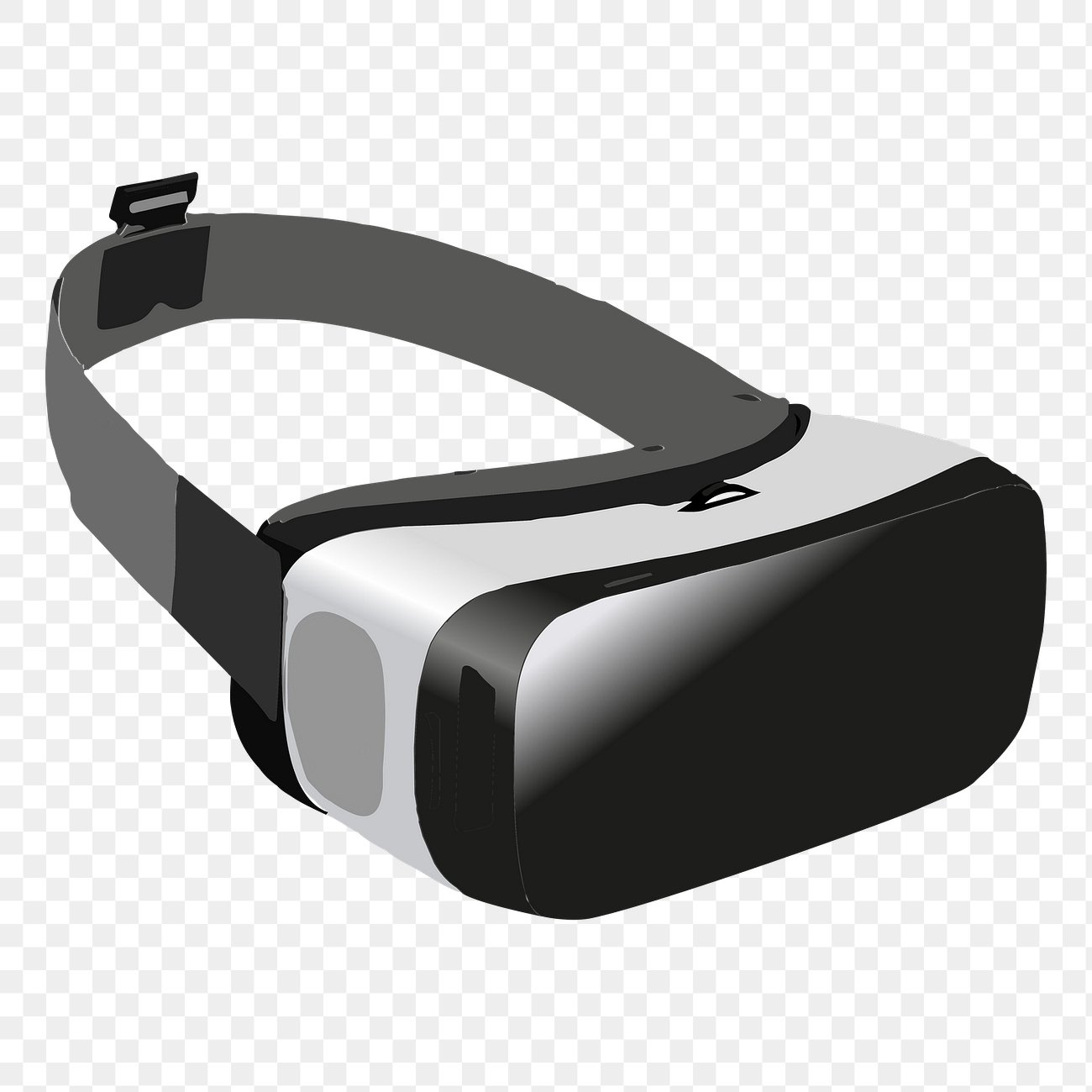
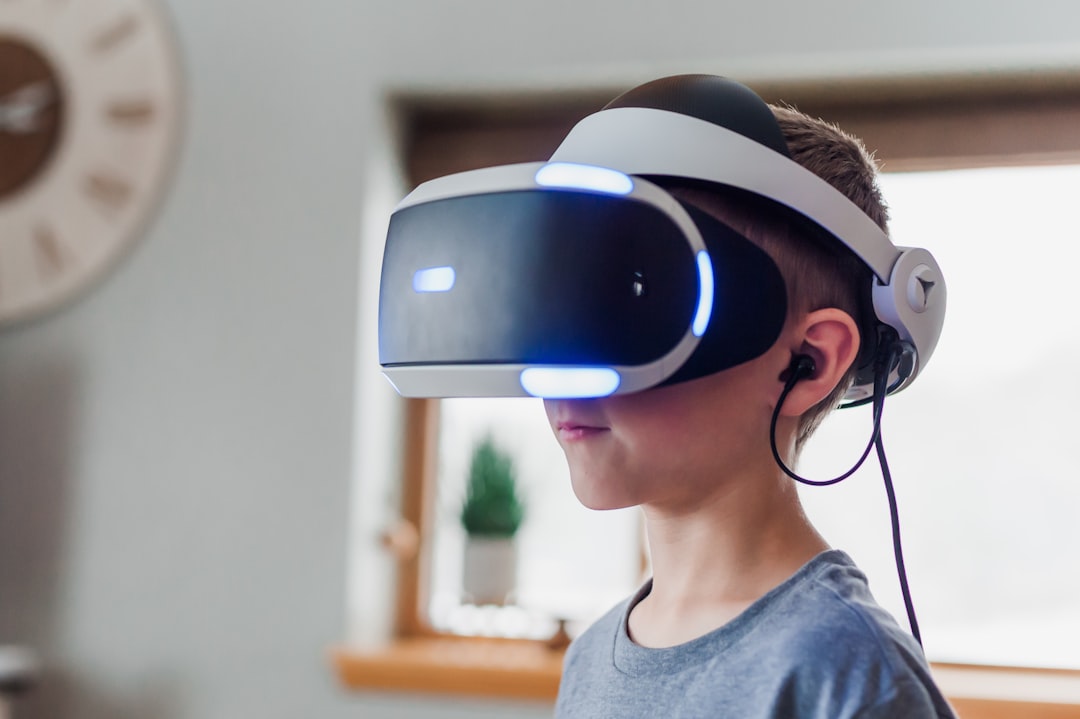
The virtual reality (VR) segment accounted for the largest market share of over 46% in 2024, and for good reason. VR isn’t just for gamers anymore – it’s revolutionizing everything from concerts to corporate training. Advancements in headset technology and graphics have made VR more accessible and engaging, offering users fully interactive and lifelike environments.
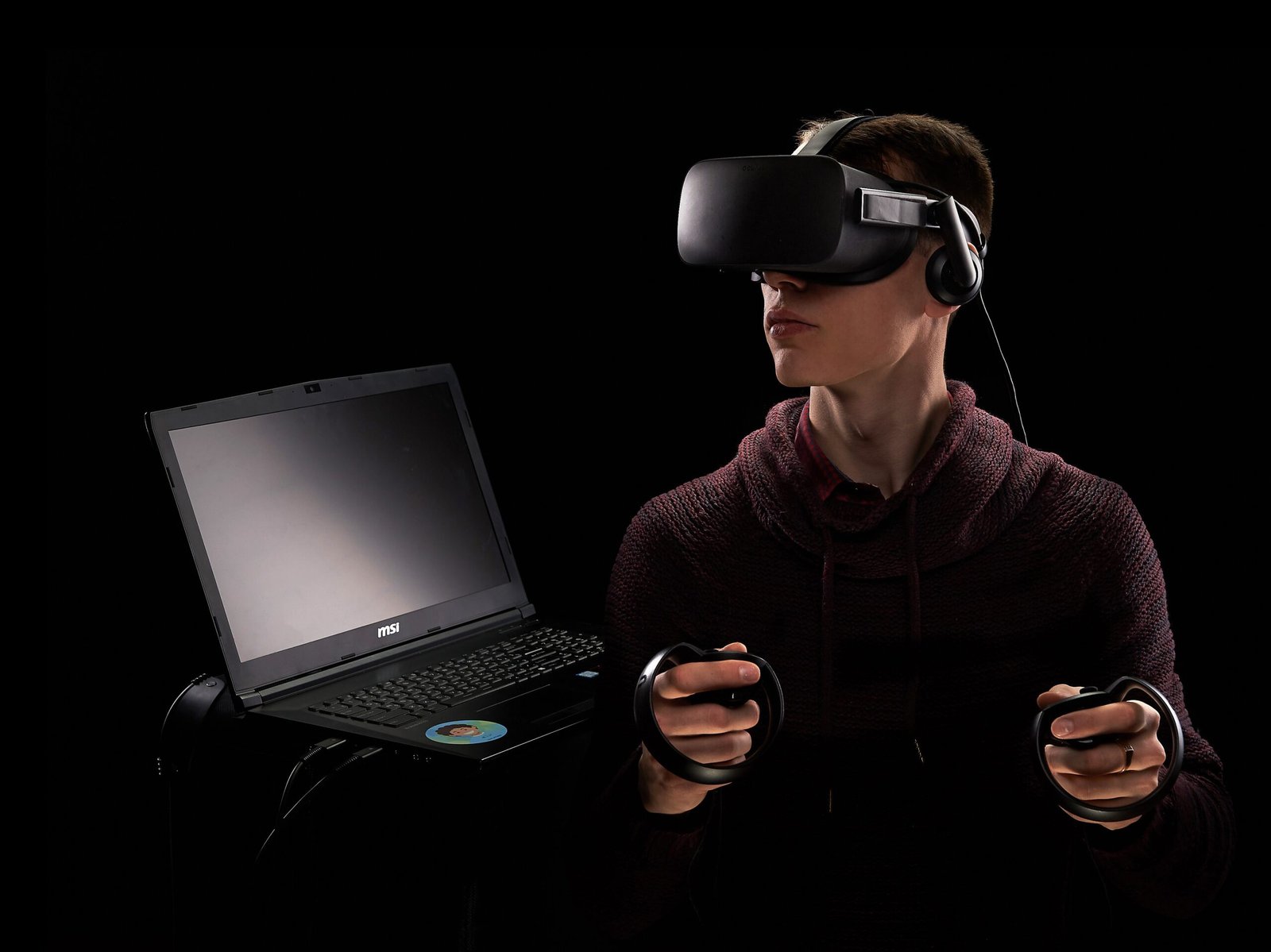
The technology has reached a tipping point where the virtual feels genuinely real. One of the most significant shifts in VR hardware is the rise of standalone headsets. Devices such as Meta Quest 3 and Pico 5 have eliminated the need for external PCs or consoles, offering all-in-one solutions that deliver high-performance. This means you can slip on a headset in your living room and suddenly find yourself front-row at a concert in Tokyo or exploring an ancient civilization.
Augmented Reality Blends Digital Magic With Physical Reality
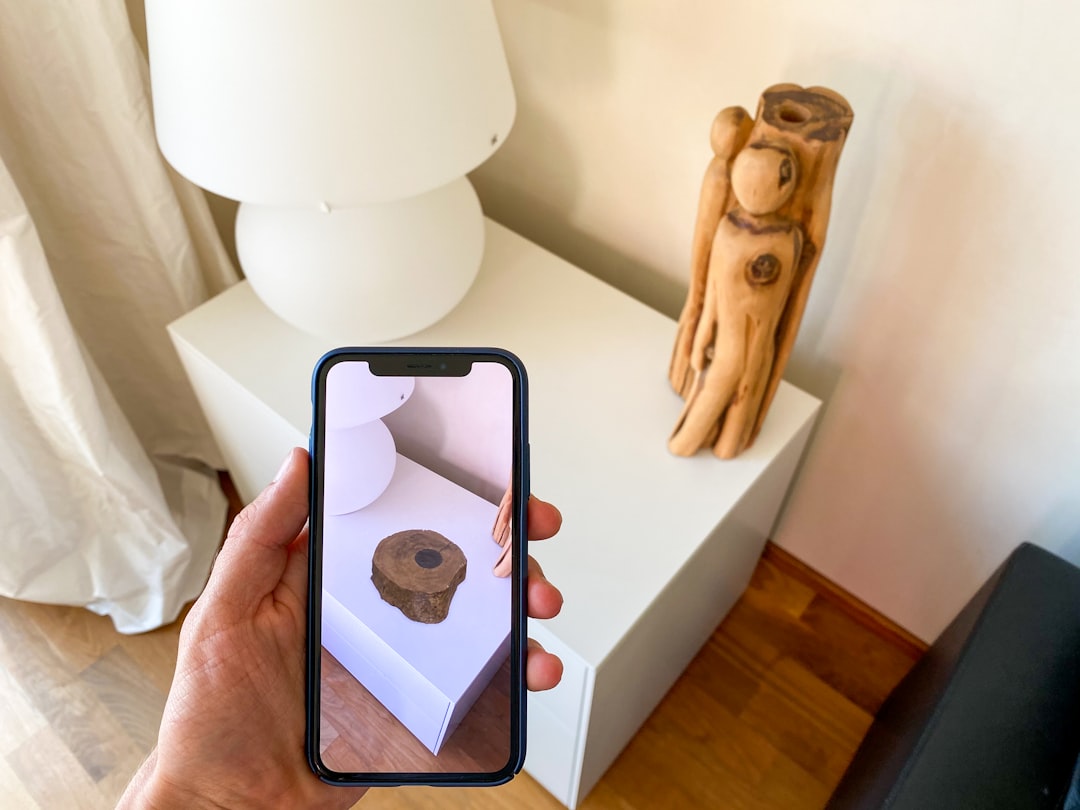
While VR takes you to another world, augmented reality (AR) brings another world to you. Augmented Reality (AR) enhances the real world with digital elements, creating experiences that feel both familiar and magical. Think of it as having a layer of digital wonder painted over your everyday surroundings.
Coachella introduced an AR-enhanced stage show called “The Antarctic,” which used projection mapping technology to create an immersive, 360-degree experience. Imagine standing at a music festival and watching digital creatures dance alongside your favorite performers, or seeing holographic art installations bloom around you as you walk through the crowd.
The Concert Experience Gets a Complete Makeover
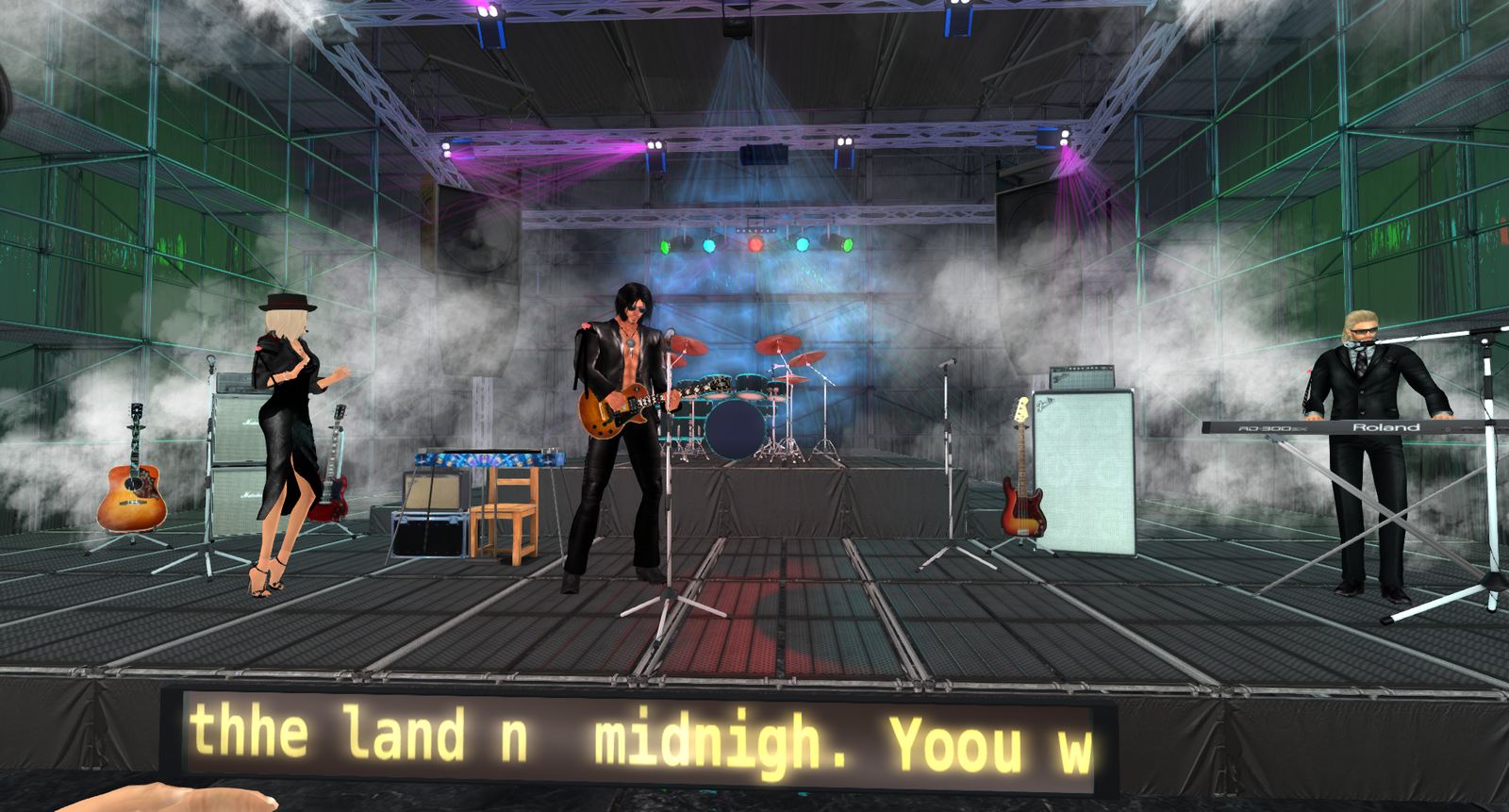
Music lovers are about to experience something completely revolutionary. The integration of virtual reality (VR) and augmented reality (AR) is changing the landscape of live music in ways never seen before. In 2024, VR and AR are offering immersive concerts and interactive events that bridge the gap between physical and digital worlds.
Remember when Travis Scott performed inside the video game Fortnite? The collaboration between Travis Scott and Fortnite was a success, with over 12 million viewers, proving that virtual concerts aren’t just novelties – they’re the future. Lil Nas X performed for 33 million views on Roblox, showing that artists can reach massive global audiences without the limitations of physical venues.
Gaming Industries Drive Innovation Forward

The gaming segment accounted for the largest market share in 2024, and it’s easy to see why. Gamers have always been early adopters of new technology, and they’re demanding more immersive experiences than ever before. VR is increasingly being adopted by businesses for more than just entertainment. The new Virtual Reality technology helps improve employee training outcomes, offers remote collaboration possibilities, and assists users in acquiring new specialized skills.
The results speak for themselves. The results show an 84% engagement rate and 67% knowledge retention during VR training, proving its effectiveness and enabling global reach. What started as entertainment is now transforming how we learn, work, and connect with others.
Haptic Technology Makes Virtual Touch Feel Real
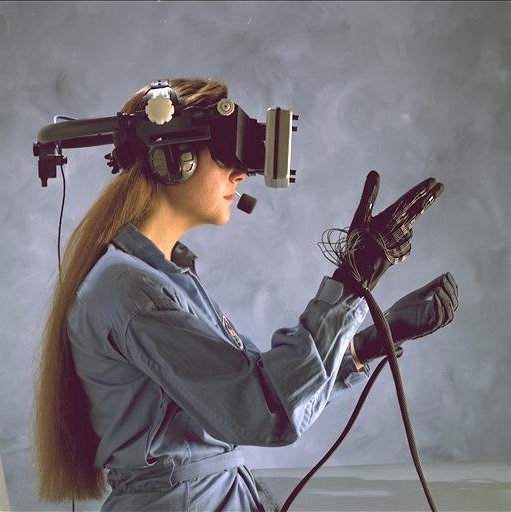
Here’s where things get really wild – you can actually feel virtual objects now. The addressable market for haptics is growing rapidly: across audio/visual, personal electronics, and wearables, forecasts reveal there will be 4.1 billion haptic-enabled consumer devices in use by the end of 2024. Looking ahead, 53% of consumer devices will be haptic enabled by 2028.
The report reveals how, for the first time, haptics is being considered as a first order media type, alongside audio and video, opening the doors of perception to help consumers not only hear and see their content – but feel it too. Picture putting on haptic gloves and actually feeling the texture of a virtual sculpture or the warmth of a digital campfire.
5G Networks Enable Seamless Real-Time Experiences

The technical infrastructure is finally catching up to our wildest dreams. Connectivity advancements such as 5G networks and edge computing are also playing a crucial role in enabling seamless immersive experiences. Faster data speeds and lower latency allow real-time interactions in virtual spaces, making applications like multiplayer VR gaming and virtual live events more accessible and enjoyable.
The adoption of 5G technology is predicted to significantly drive the growth of immersive media, facilitating low-latency and high-bandwidth experiences. By 2024, approximately 25% of immersive media applications are estimated to leverage 5G networks. This means no more laggy virtual meetings or pixelated digital concerts – everything happens in real-time, just like real life.
Mixed Reality Creates Hybrid Experiences
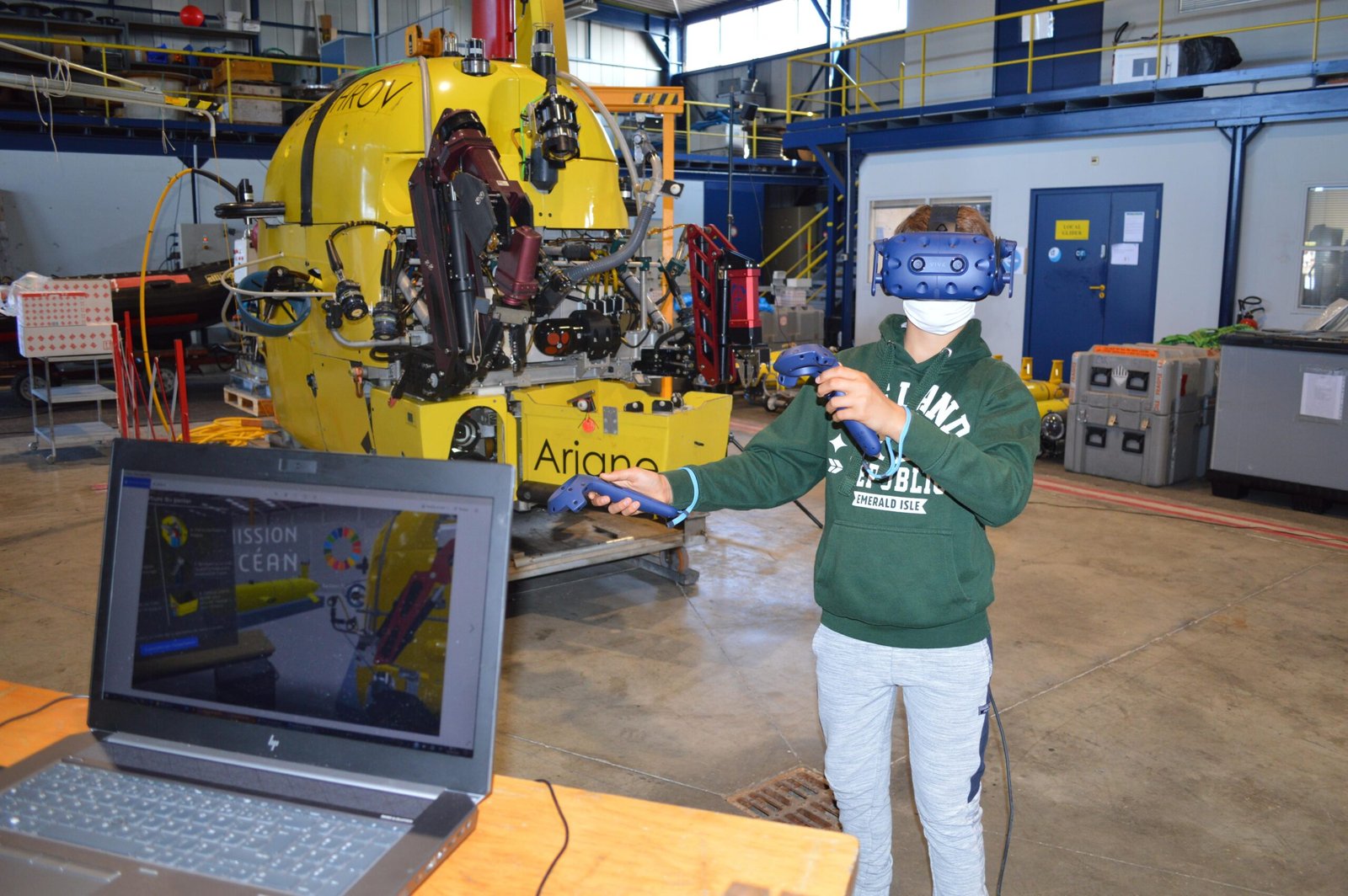
The mixed reality segment is expected to register the fastest CAGR of around 27% from 2025 to 2030. Mixed Reality (MR) is blending the physical and digital worlds in innovative ways, pushing the boundaries of what’s possible in the Immersive Entertainment industry. This technology doesn’t force you to choose between virtual and real – it combines them into something entirely new.
Think of mixed reality as the ultimate fusion experience. You might be sitting in your actual living room, but virtual characters could be sitting on your real couch, and digital objects could be resting on your physical coffee table. 2024 has seen a convergence of AR and VR technologies, creating Mixed Reality experience.
Artificial Intelligence Personalizes Every Experience

The future of immersive entertainment isn’t just about better graphics – it’s about smarter experiences. Additionally, artificial intelligence (AI) and machine learning are being integrated into immersive platforms to enable real-time customization of experiences based on user behavior and preferences. Your virtual experiences are learning about you and adapting in real-time.
61% of event technology companies offer at least one AI-powered feature, and matchmaking is the most common use of AI. Nearly 40% of event technology companies use AI to provide personalized connection suggestions to attendees, one-third use AI to power content suggestions, and 14.8% offer AI-powered chatbots. This means every person at a virtual event could have a completely unique experience tailored specifically to their interests and preferences.
North America and Asia Lead the Global Transformation

North America immersive entertainment market accounted for a revenue share of more than 42% in 2024. The immersive entertainment market in the U.S. held a dominant position in the year 2024. But the real action is happening across the Pacific too. Regional Analysis: Gain insights into the U.S. market, valued at $35.1 Billion in 2024, and China, forecasted to grow at an impressive 22.3% CAGR to reach $72.4 Billion by 2030.
Country-wise, South Korea is expected to register the highest CAGR from 2025 to 2030, showing that this revolution is truly global. Different countries are taking different approaches, creating a diverse ecosystem of immersive experiences that will benefit everyone.
Traditional Entertainment Industries Are Scrambling to Keep Up

The writing is on the wall for traditional entertainment formats. The music and concerts segment is expected to grow at the fastest CAGR from 2025 to 2030, as artists and venues realize they need to offer something more than just watching a performance on a stage. 38.4% of organizers prioritize creating immersive experiences that allow attendees to fully disconnect and focus on the moment.
Even major entertainment companies are making huge investments. In December 2024, Sony Pictures Entertainment, a subsidiary of Sony Group Corporation, launched Wonderverse, an innovative immersive entertainment destination in Oak Brook, Chicago. This innovative space transports visitors beyond the confines of the screen, immersing them in fantastical realms inspired by beloved films, television series, and video games like Ghostbusters, Jumanji, Uncharted, and Zombieland.
The Economics of Immersive Entertainment Are Staggering
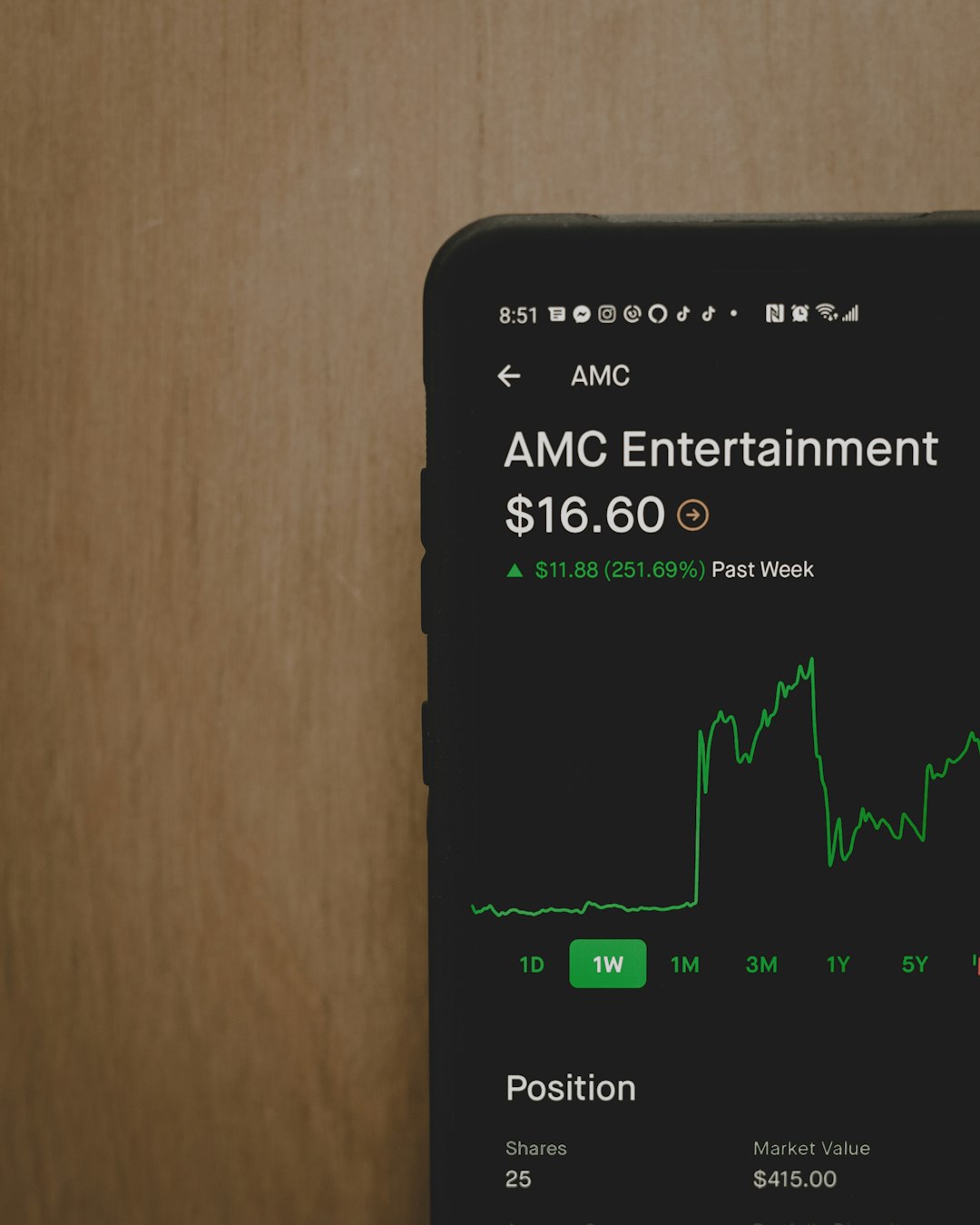
The numbers tell an incredible story. According to Allied Market Research, the global events industry — valued at $1.1 trillion in 2019 — is expected to increase to $2.1 trillion by 2032, which is an optimistic outlook we’re here for. This massive growth is being driven by people’s hunger for experiences that go beyond passive consumption.
The XR market is expected to grow significantly, reaching an estimated $520 billion in the upcoming 10 years. These aren’t just inflated tech predictions – they’re based on real consumer demand and actual spending patterns. People are willing to pay premium prices for experiences that make them feel something extraordinary.
What This Means for Your Future Entertainment
Here’s the thing that most people don’t realize yet – we’re still in the early stages of this revolution. Looking ahead to 2025, the accessibility and usability of AR and VR technologies will be critical to their widespread adoption. As we see significant advancements in these technologies, ensuring inclusivity for people of all backgrounds and abilities must become a top priority.
Overall, these trends shaping VR in 2024 highlight not just the technology’s potential, but its growing influence across industries. “As a head of production with more than 10 years of expertise, I can say that the future of VR isn’t just about better graphics. It’s about deeper immersion and seamless integration with our daily lives. We’re on the cusp of a century where VR transcends entertainment, becoming an indispensable tool for education, training, collaboration, and even healthcare.”
The Future Is Already Here – You Just Need to Step Into It
The most exciting part? This isn’t science fiction anymore. 96.4% of organizers would like to incorporate 3D environments as an immersive experience at their events to enhance attendee engagement. The technology exists, the infrastructure is being built, and the content is being created right now. The only question is whether you’ll be an early adopter or wait for everyone else to catch up.
The future of entertainment isn’t about sitting in a theater or standing in a crowd. It’s about stepping into experiences that blur the line between reality and imagination, where you’re not just a spectator but an active participant in stories that adapt to your choices and preferences. Welcome to the future – it’s more immersive than you ever imagined.
Ready to step into your own immersive adventure?
CEO-Co-Founder
