
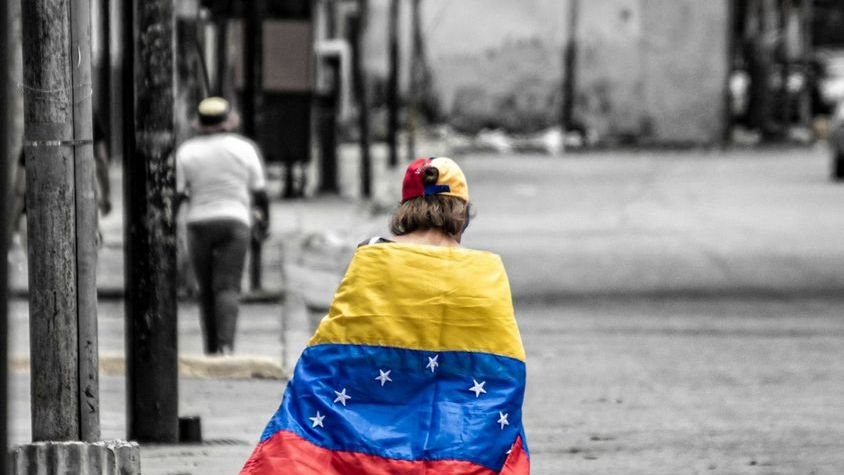
It sounds impossible, doesn’t it? How can a country sitting on the world’s largest proven oil reserves pump out less crude in a year than what America produces in a month? Yet here we are in 2026, and Venezuela remains one of the biggest energy paradoxes on the planet. The numbers don’t lie, the geology is real, and the reserves are there. What’s missing is everything else.
Let’s dig into why having oil and actually producing it are two completely different things. The story involves everything from tar-like crude to political chaos, from decades of neglect to economic sanctions that have choked the industry nearly to death.
The Numbers Tell a Shocking Story
Venezuela has the world’s largest proven oil reserves, with more than 303 billion barrels, representing roughly one-fifth of all global supply. Saudi Arabia holds the second-largest proven reserves at roughly 267 billion barrels. On paper, Venezuela should be an energy superpower that makes OPEC members jealous.
Reality paints a darker picture. Venezuela produces roughly 1 million barrels of crude oil per day, less than 1% of global output. Meanwhile, U.S. crude oil production will average 13.5 million barrels per day in both 2025 and 2026. Think about that for a moment. America produces more than thirteen times what Venezuela does, despite having reserves that are more than five times smaller.
The economic impact is staggering. In 2023, Venezuela’s oil exports totaled just $4.05 billion – dwarfed by Saudi Arabia’s $181 billion and the U.S.’s $125 billion.
Not All Oil Is Created Equal
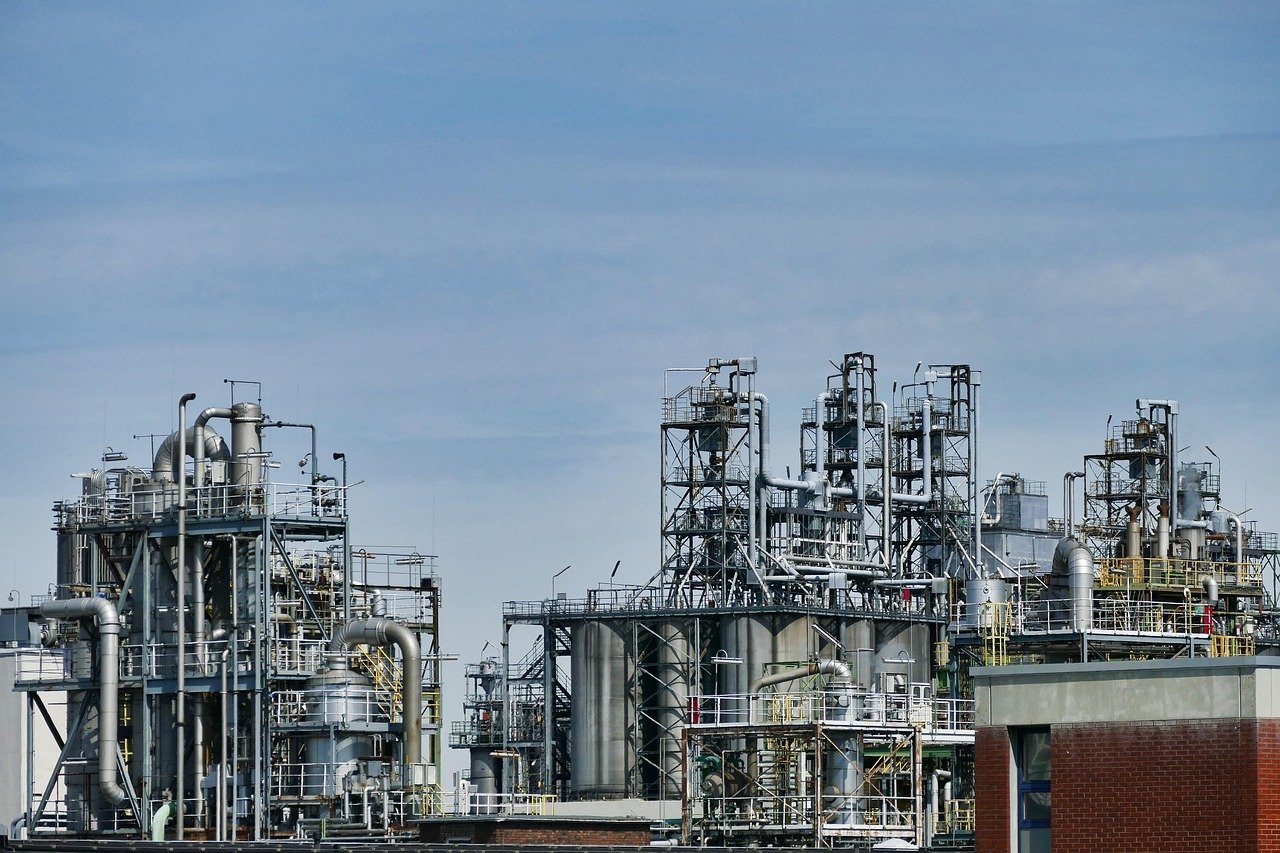
Here’s the thing most people don’t realize: Venezuelan oil is fundamentally different from the light, sweet crude that flows easily from Saudi wells or American shale fields. Most of its reserves are heavy oil in the Orinoco Belt, making production costly, even if technically straightforward.
Unlike Saudi Arabia’s light crude, Venezuelan oil generally requires costly, specialized refining processes to remove sulphur and other impurities, and typically trades at a discount on the international market. Imagine trying to pour cold honey versus water through a funnel. That’s essentially the difference between Venezuelan extra-heavy crude and Saudi light crude.
The Orinoco Belt holds extra-heavy crude oil, which is highly viscous and dense, making it much harder and more expensive to extract than conventional crude. This isn’t just an inconvenience. It changes everything about how the oil must be handled, transported, and refined.
Infrastructure Collapse: A Slow-Motion Disaster
Venezuela’s crude output remains far below capacity due to mismanagement, underinvestment, and sanctions. Production, which once peaked at 3.5 million barrels per day in the 1970s, fell below 2 million bpd during the 2010s and averaged around 1.1 million bpd last year. That’s a collapse of nearly seventy percent from peak levels.
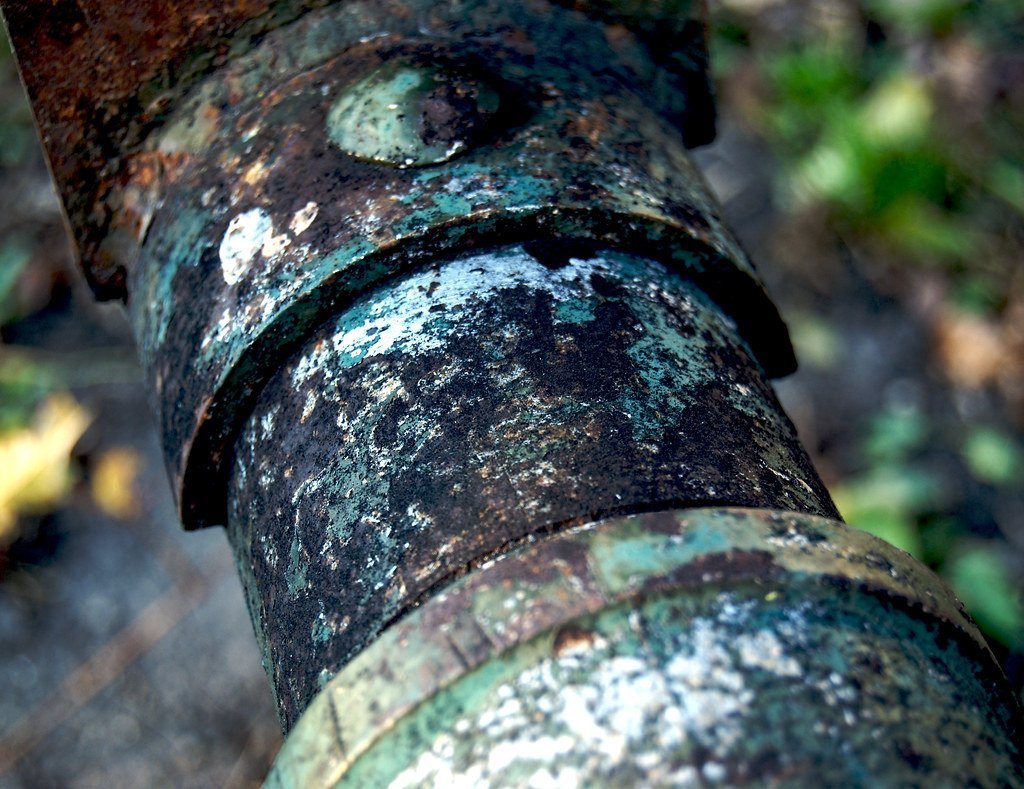
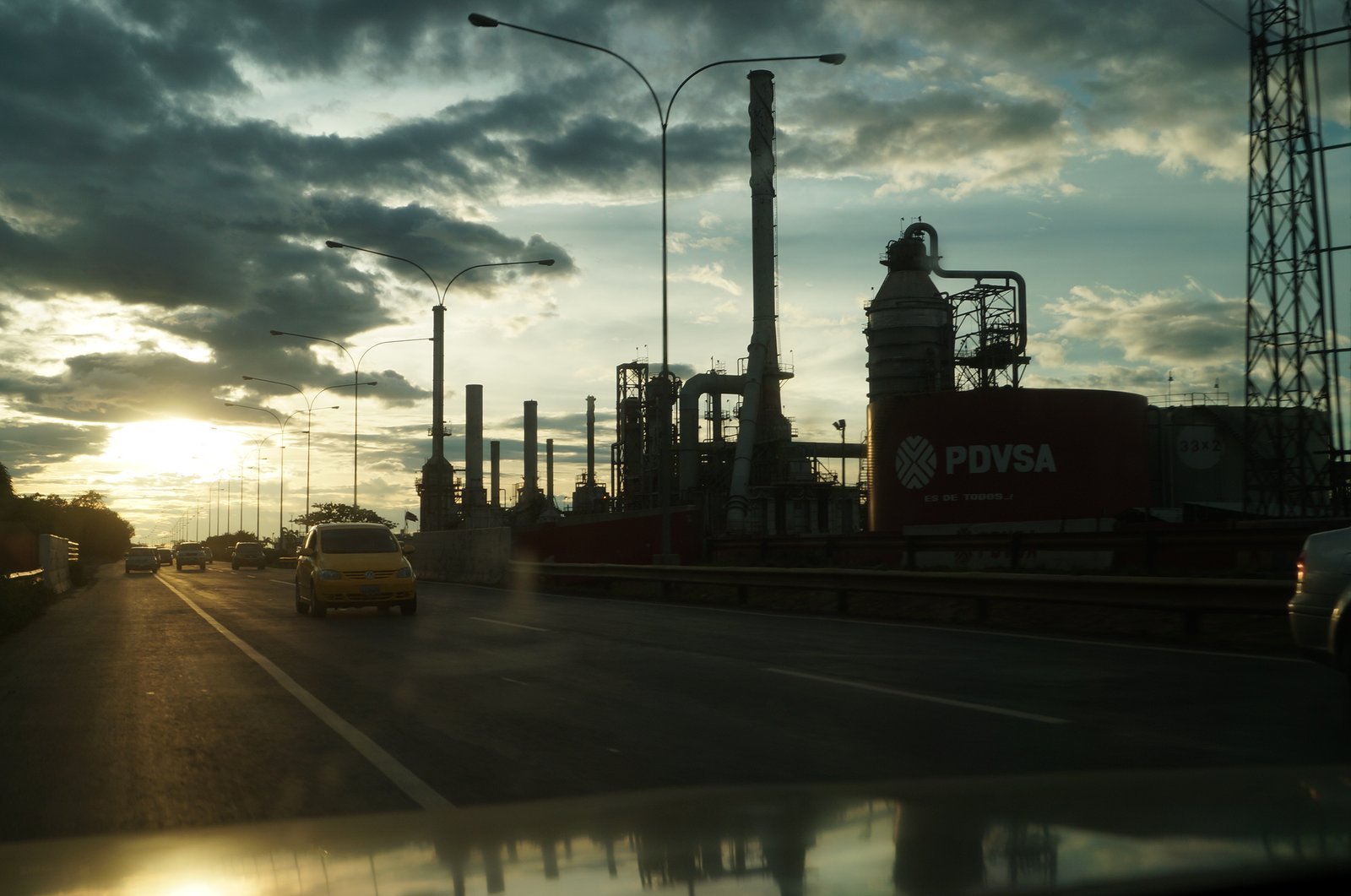
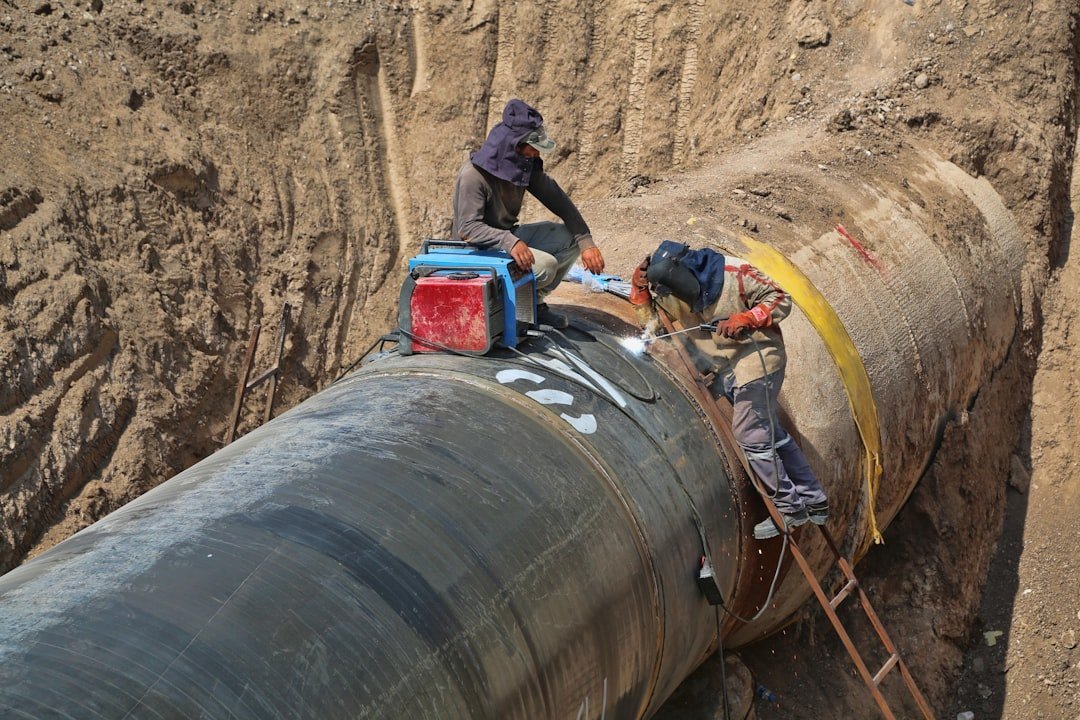
The infrastructure tells a devastating story. Venezuelan state-owned oil and natural gas company PDVSA says its pipelines haven’t been updated in 50 years, and the cost to update the infrastructure to return to peak production levels would cost $58 billion.
Honestly, walking through Venezuelan oil facilities today must feel like touring industrial archaeology. Venezuela’s oil infrastructure has also been heavily degraded by decades of underinvestment and much of Venezuela’s oil is extremely heavy, making it relatively costly to extract and process. Equipment breaks down, refineries operate at fractions of their capacity, and skilled workers have fled the country by the thousands.
The Technical Expertise Brain Drain
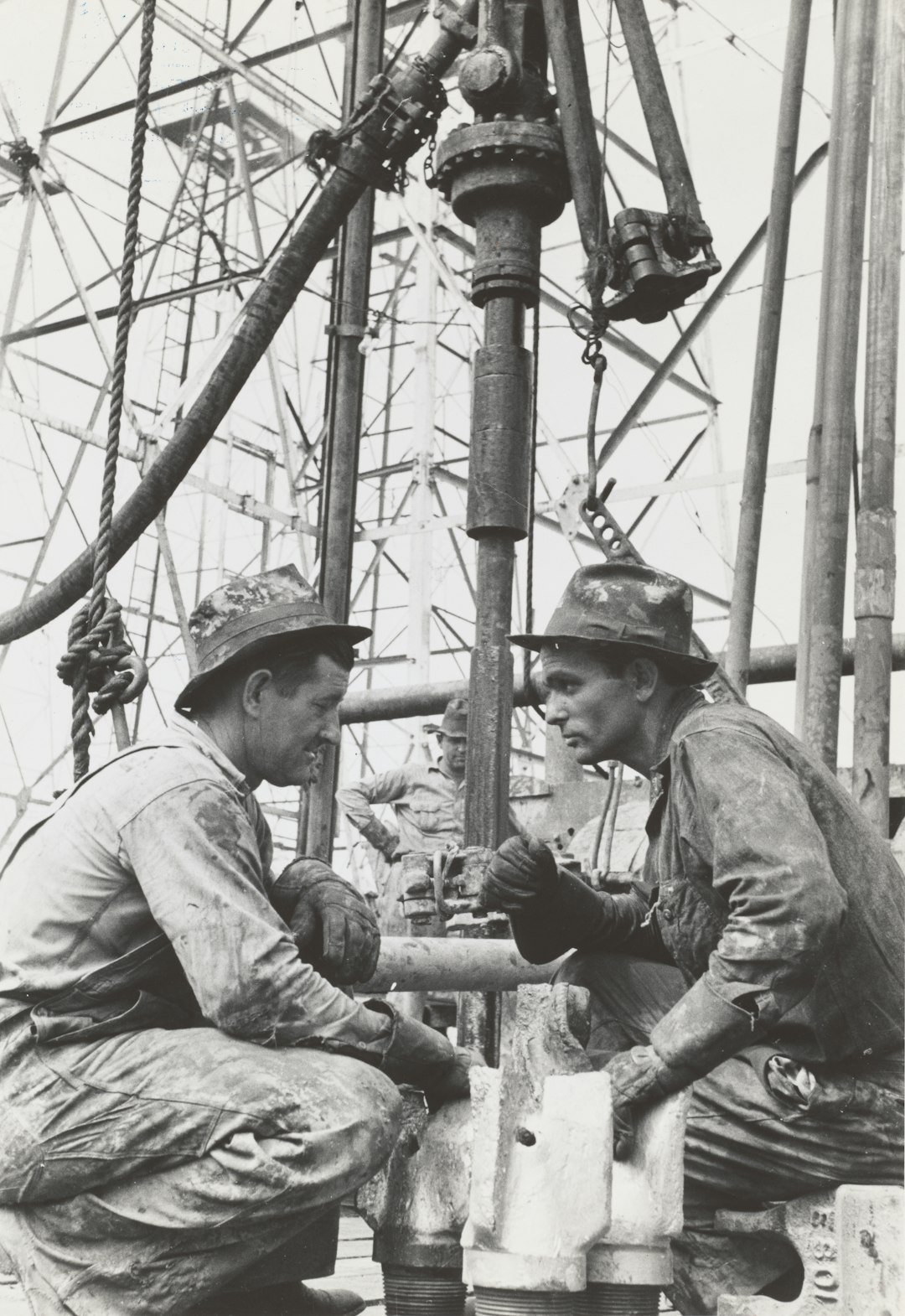
In late 2002, nearly half of the workers at the state oil company PDVSA went on strike, after which the company fired 18,000 of them, draining the company of technical knowledge and expertise. That single decision set Venezuela’s oil industry back decades.
You can’t just replace experienced petroleum engineers and geologists overnight. These were people who understood the quirks of Venezuela’s complex heavy oil deposits, who knew how to keep aging equipment running, and who had relationships with international suppliers and customers. Their departure created knowledge gaps that persist today.
Let’s be real: no amount of oil in the ground matters if you don’t have the people who know how to get it out safely and efficiently.
Sanctions: The Economic Stranglehold

Since 2005, successive U.S. presidents have imposed a range of sanctions on Venezuela, including its oil sector. The impact has been devastating. The sanctions on PDVSA deprived Venezuela’s budget of 99% of its external revenue, crippling the country’s social programs.
The sanctions created a vicious cycle. Without access to international financing, Venezuela couldn’t invest in maintaining its oil infrastructure. As production fell, revenues plummeted. With less money, maintenance suffered further. Infrastructure deteriorated more rapidly. Production dropped again.
Venezuelan crude production and exports declined in December as the US intensified enforcement of sanctions on oil tanker shipments. The tightening enforcement in late 2025 pushed production even lower, creating what some analysts call a shadow oil trade where Venezuelan crude sells at steep discounts through opaque networks.
America’s Shale Revolution Changed Everything
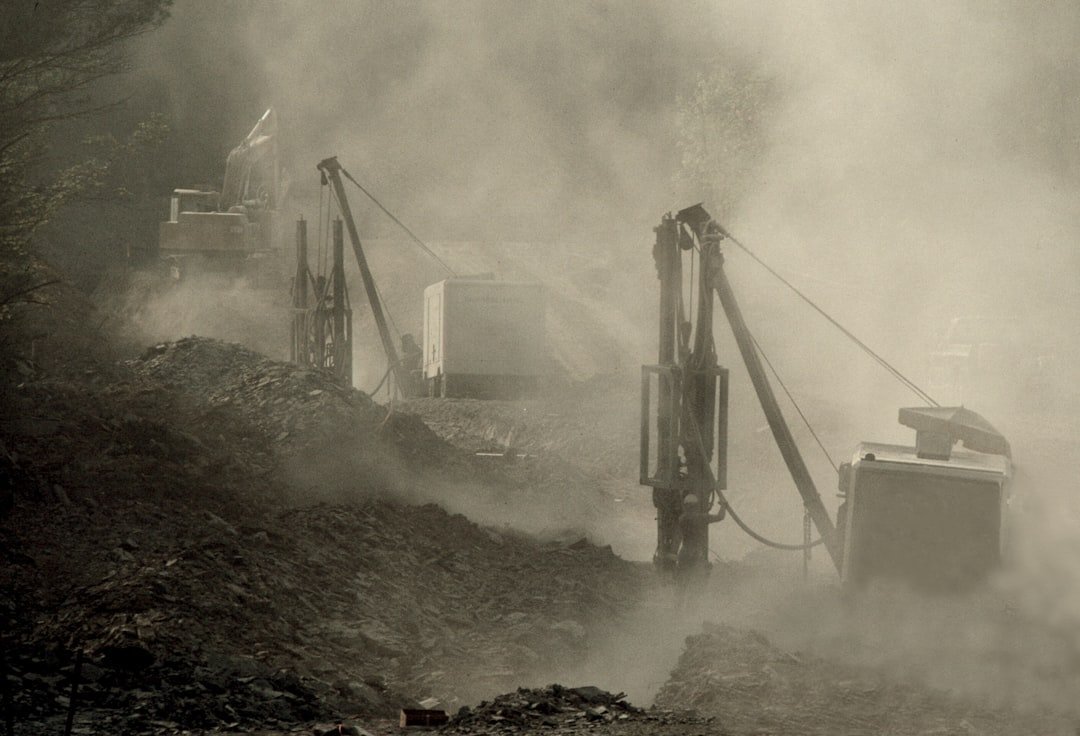
While Venezuela’s production collapsed, something remarkable happened in the United States. The shale revolution transformed America from a declining oil producer into the world’s largest. New drilling techniques like hydraulic fracturing and horizontal drilling unlocked massive reserves that were previously unreachable.
U.S. crude oil production reached a record-high 13.6 million barrels per day in July 2025. That’s a staggering achievement. American companies invested billions in technology, attracted top talent, and operated in a stable regulatory environment with access to capital markets.
The contrast couldn’t be sharper. U.S. producers operate with cutting-edge technology, transparent governance, and reliable infrastructure. Venezuelan producers struggle with outdated equipment, political interference, and chronic supply shortages.
The Cost of Bringing Venezuelan Oil Back
Francisco J. Monaldi, director of the Latin America energy program at Rice University, predicted it would take at least a decade – and investments of more than $100 billion – to rebuild Venezuela’s oil infrastructure and lift production to 4 million barrels per day. That’s not just money. It’s time, political stability, legal certainty, and skilled labor.
Adding between 500,000 b/d and 1 mb/d is likely to require more than $10 billion in investment over two to three years, and returning to early 2010s output levels near 2.5 million b/d is estimated to require $80 to $90 billion over six or seven years. These aren’t small numbers for a country whose economy has been in freefall.
There is no precedent whereby regime change in a major oil producer has led to a rapid increase in output. In most cases, oil output fell significantly, often for years, before returning to prior peaks. History suggests caution about quick fixes.
What the U.S. Does Right
American oil production succeeds because of factors that go far beyond geology. The U.S. has robust property rights, transparent regulations, deep capital markets, world-class engineering schools, and a culture of innovation. Oil companies can secure financing, hire talent, and plan for the long term without worrying about sudden expropriations.
The regulatory environment, while sometimes criticized as burdensome, provides predictability. Companies know the rules and can plan accordingly. Disputes get resolved through established legal processes rather than political whims.
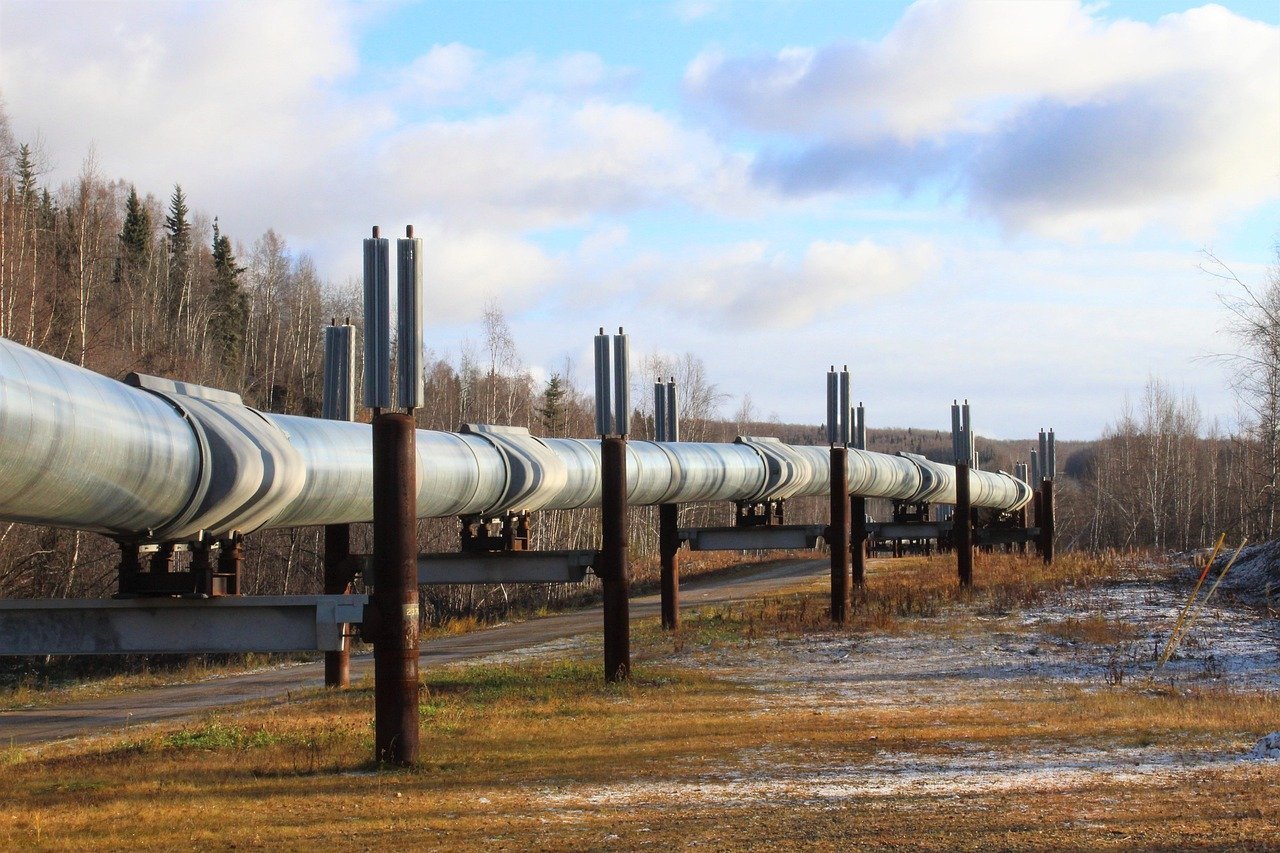
Infrastructure matters too. The U.S. has thousands of miles of pipelines, dozens of refineries configured for different crude types, rail networks, ports, and storage facilities. This infrastructure didn’t appear overnight; it represents more than a century of investment and development.
The Heavy Crude Advantage Venezuela Squandered
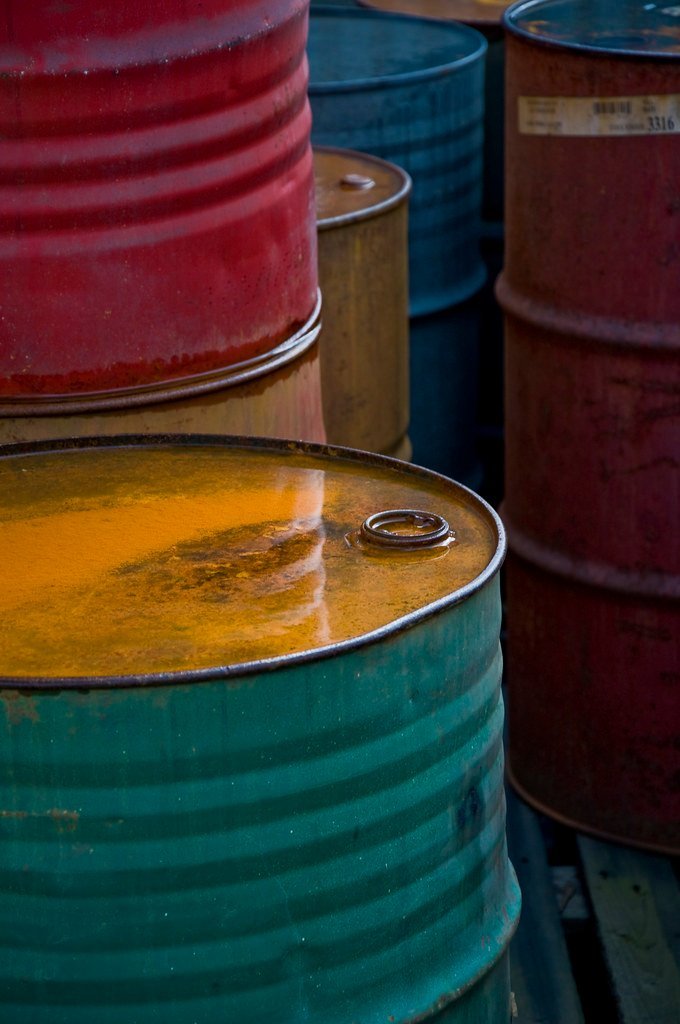
Refineries in the Gulf of America are generally better designed to handle Venezuela’s heavy crude than the lighter grades from shale produced from fracking. This should have been Venezuela’s ace in the hole. American refineries on the Gulf Coast were optimized to handle that kind of heavy crude at a time when U.S. oil production was falling and Venezuelan and Mexican crude was plentiful. So refineries would love to have more access to Venezuela’s crude because it would help them operate more efficiently, and it tends to be a little cheaper.
Venezuela had built-in customers practically begging for their product. Yet political decisions, economic mismanagement, and the sanctions that followed destroyed these commercial relationships. Much of Venezuela’s oil went to refineries in the U.S. Now much of it goes to China, often at discounted prices and through complicated arrangements.
The Natural Gas Story Nobody Talks About
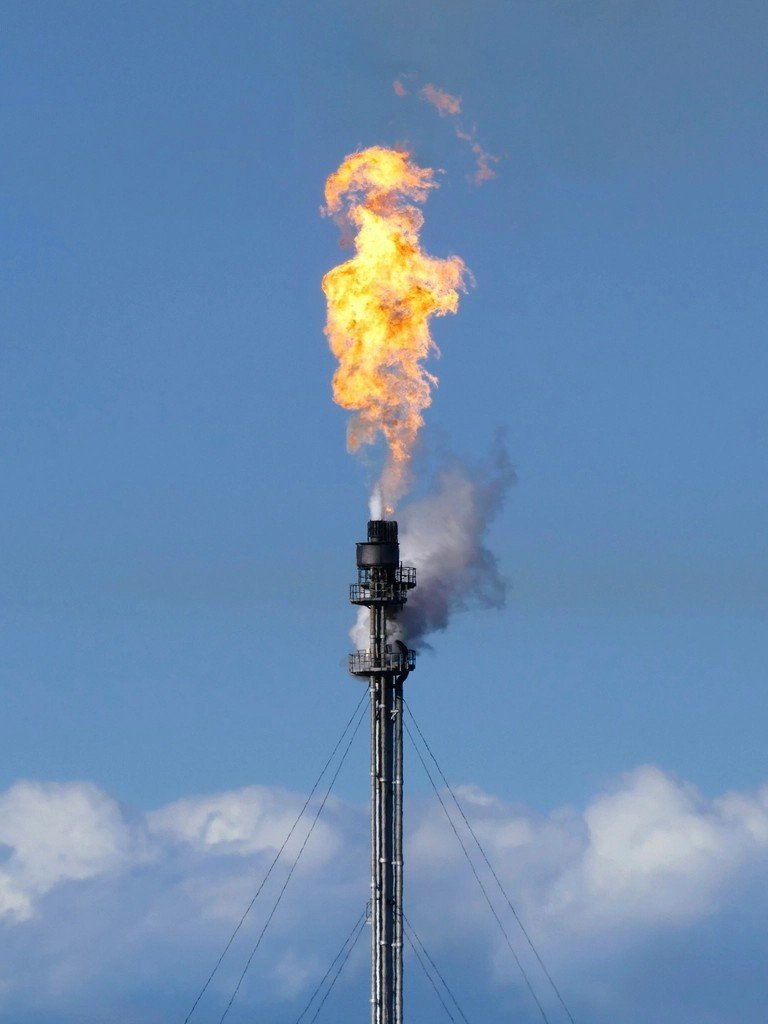
Oil isn’t Venezuela’s only wasted resource. Venezuela’s natural gas reserves are estimated at almost 200 trillion cubic feet, representing more than 60% of Latin America’s natural gas reserves. Yet the country has failed to monetize its substantial reserves and is instead venting substantial levels of methane. Approximately 40% of the country’s 3 bcf/d production is vented or flared by PDVSA, resulting in an annual opportunity cost of roughly $1 billion in natural gas revenues.
That’s environmental destruction and economic waste happening simultaneously. Venezuela literally burns money into the atmosphere while its citizens suffer shortages and its government pleads poverty.
Where Things Stand in 2026
The situation remains fluid and uncertain. Recent political developments have renewed discussions about Venezuela’s oil potential, yet the fundamental challenges remain. Infrastructure doesn’t rebuild itself. Trust takes time to establish. Skilled workers don’t return overnight.
The Venezuelan oil industry is in such a state of disrepair that even with a change in government, it is unlikely to see any material increase in oil production for years as substantial investments are required to rehabilitate the existing infrastructure. The challenges are immense and interconnected.
Meanwhile, U.S. production continues at record levels, demonstrating that geology alone doesn’t determine success. Institutions matter. Governance matters. Investment climate matters. Technical expertise matters.
The tale of these two oil producers teaches a brutal lesson: you can have all the resources in the world, yet still fail spectacularly if you don’t have the systems, people, and stability to develop them properly. Venezuela has the reserves. America has everything else. In the oil business, apparently everything else matters more than what’s buried underground. What do you think it would take for Venezuela to actually realize its potential?